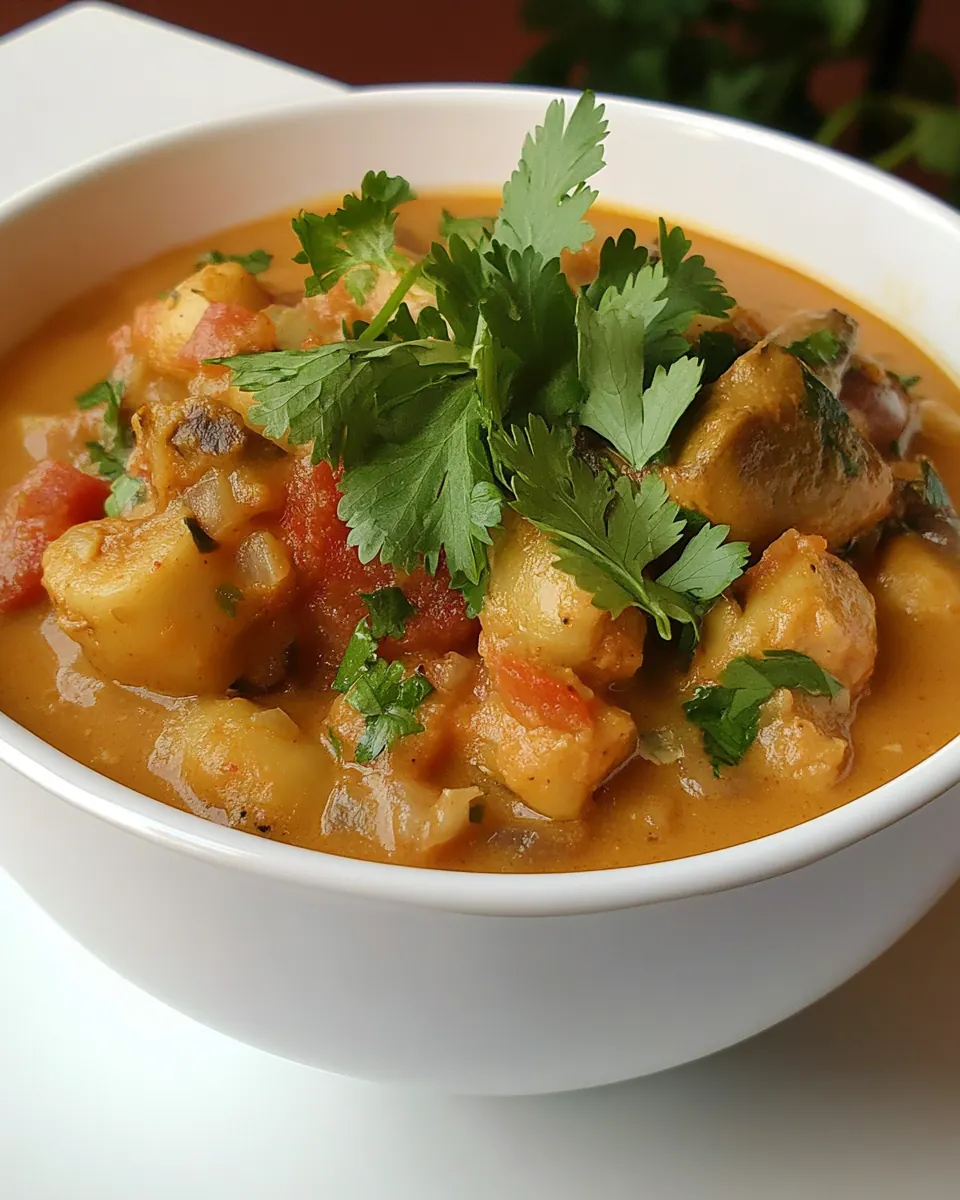
Slow Cooker Indian Stew
Slow Cooker Indian Stew is one of those recipes that arrives in my kitchen like a warm welcome, turning a busy evening into something soulful and satisfying.
I first made Slow Cooker Indian Stew on a freezing winter night when I needed dinner that would wait for me, that would smell like home while I finished grading papers and answering texts. I remember piling groceries on the counter, pausing over the jars of spices, feeling a small thrill at how a few simple pantry items could become the backbone of comfort. That evening the house filled with the smell of toasted cumin and warm turmeric, and I kept sneaking back to the slow cooker to breathe it in. I love that this recipe asks very little of you during the day, and yet rewards you with depth of flavor and a texture that feels both hearty and gentle.
There is a rhythm to making Slow Cooker Indian Stew that I enjoy, from chopping the sweet potato into generous chunks to tearing cilantro leaves over the finished bowl. Friends have told me they make it when they want something nourishing after a long shift, and I often bring it to gatherings because it travels well and feeds a crowd without fuss. The final squeeze of lime brightens the whole pot, pulling together the earthy beans, creamy coconut milk, and the bright tomato notes into something that keeps you coming back for another spoonful.
Recipe Snapshot
6 hr 15 mins
15 mins
360 mins
Hard
300 kcal
Indian
Gluten-Free, Vegan
Dinner
6 1/2 quart slow cooker
Why You Need This Slow Cooker Indian Stew
Hearty yet gentle on the stomach
I find that Slow Cooker Indian Stew hits a sweet spot between filling and soothing. The trio of beans gives body and protein without heaviness, while the coconut milk softens the spices into a creamy finish. When I serve it, people often say it feels like a warm hug on a chilly night.
Hands off cooking, big payoff
One reason I rely on this dish is the freedom it gives me during the day. I can prep in the morning, and the slow cooker does the rest. That hands off time lets flavors cross-pollinate slowly so the spices develop a round, layered profile that you simply cannot get with quick stovetop simmering.
Flexible and pantry friendly
I love how forgiving this stew is. Most of the ingredients are pantry staples or long lasting produce, which makes it ideal for impromptu meal planning. Using canned beans keeps prep minimal, and the spices can be adjusted to suit how adventurous you are feeling without compromising the heart of the recipe.
Comfort food with bright finishing notes
The final touches of chopped cilantro and lime wedges make a big difference, they lift the pot and keep it from feeling flat. I always tell guests to add the lime gradually, because a little acidity transforms the coconut and tomato base into something lively and memorable.
Feeds a crowd, great for leftovers
I often double this recipe for gatherings because it reheats beautifully, and the flavors deepen overnight. It also freezes well, making it a reliable option for meal prep on busy weeks when you want nourishing dinners without nightly effort.
Slow Cooker Indian Stew Ingredients
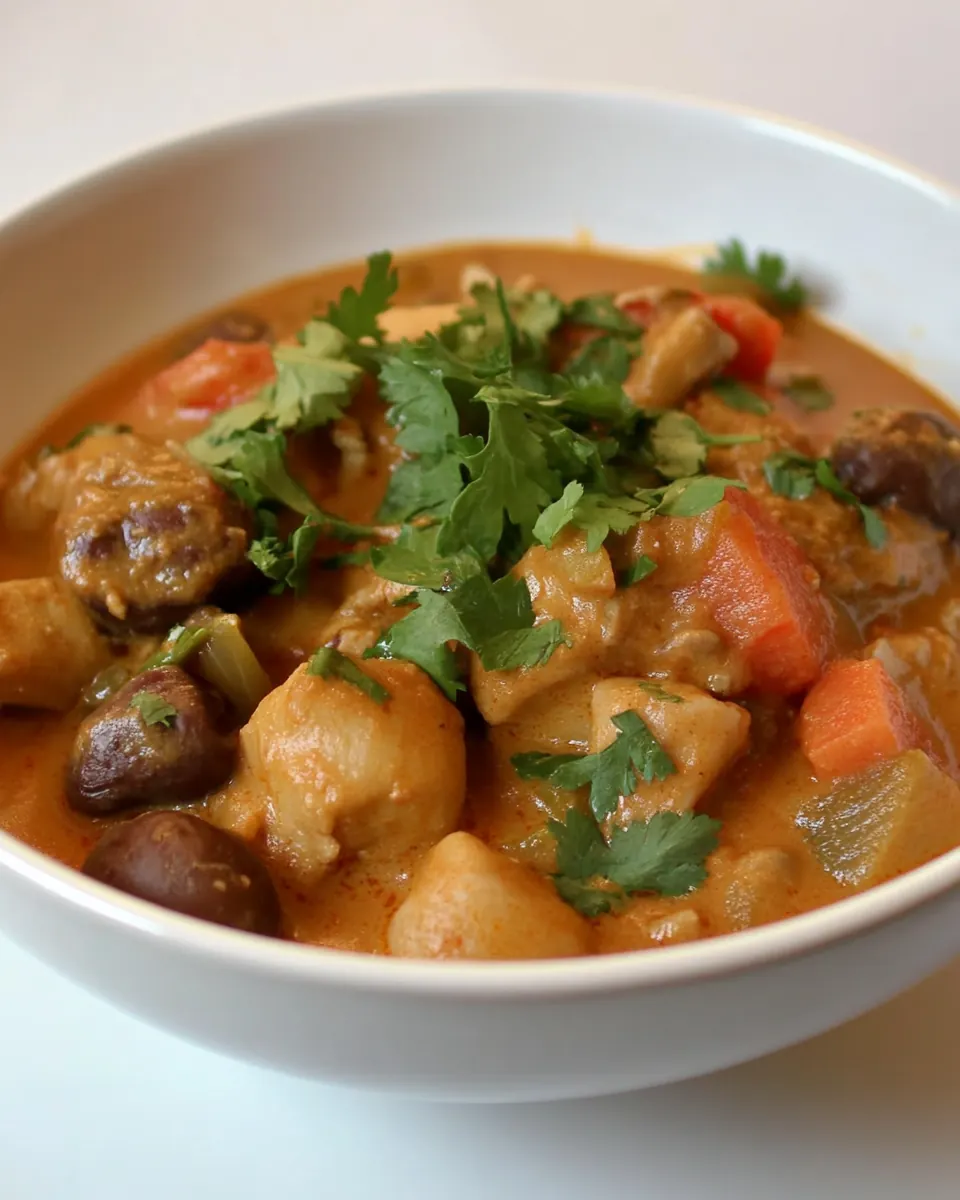
These ingredients are chosen to build layers of flavor and texture. The beans provide a dense, satisfying base, while the vegetables offer sweetness and body. Canned tomatoes and tomato sauce give an acidic backbone, balanced by creamy coconut milk. The spices are modest in number but strong in character, and the finishing cilantro and limes add freshness that prevents the stew from feeling heavy.
- 1 1/2 cups garbanzo beans cooked or canned: Provide a hearty, nutty base and boost protein and fiber; cooked or canned for convenience, they absorb flavors from the stew and add a creamy texture when lightly mashed. Rinse and drain canned beans to reduce sodium, then stir in during the last hour of cooking so they keep shape while warming through.
- 1 1/2 cups black beans cooked or canned: Add earthy richness and additional protein to deepen the stew's body; black beans offer a silky texture and hold up well in long, slow cooking. Incorporate them with other legumes to create a balanced mouthfeel and contrasting color that enhances visual appeal.
- 1 1/2 cups red kidney beans cooked or canned: Contribute a firm, meaty texture and classic chili-like flavor while increasing fiber and protein content; red kidney beans help thicken the stew slightly as some starches release. Handle gently to avoid splitting, adding toward the end of cooking if already tender from being cooked or canned.
- 2 onions: Provide aromatic sweetness and savory depth when sautéed or added raw to the slow cooker; onions build the flavor foundation with natural sugars that caramelize lightly during cooking. Slice or dice uniformly so they break down evenly, releasing body and complexity into the broth.
- 5 garlic cloves: Impart pungent, aromatic layers and a gentle heat that brighten the stew; minced garlic enhances savory umami and pairs well with Indian spices. Crush or finely chop before adding to maximize flavor release, stirring in early so it mellows and infuses the liquid.
- 1 sweet potato medium: Supply natural sweetness, creamy texture, and a tender bite that complements the legumes; sweet potato also contributes vitamins, fiber, and a pleasant starch that thickens the stew. Cube evenly to ensure uniform cooking and add early enough to become fork-tender without disintegrating.
- 1 head of cauliflower medium: Introduce a mild, slightly nutty bite and substantial body when broken into florets; cauliflower absorbs spices and contributes texture and subtle sweetness. Add in florets or chopped pieces so they become tender but retain shape, lending a vegetable contrast to the beans and sauce.
- 2 cups diced tomatoes canned, no-salt added: Bring bright acidity, tomatoey depth, and savory umami while adding liquid to create the stew base; no-salt–added diced tomatoes allow control over seasoning. Pour in with other canned components to form the sauce, and cook down to concentrate flavors while balancing richness.
- 2 cups tomato sauce canned, no-salt added: Provide a smooth, concentrated tomato base that deepens flavor and thickens the stew; no-salt–added tomato sauce offers consistent texture and helps bind spices. Combine with diced tomatoes and simmer slowly to meld flavors, adjusting salt later to taste.
- 1/2 teaspoon ground allspice: Offer warm, sweet-spicy complexity with subtle clove and cinnamon undertones that enhance savory notes; ground allspice pairs well with other warming spices in Indian-style stews. Use sparingly to avoid overpowering, and add early so its aroma integrates into the cooking liquid.
- 1 1/2 teaspoons ground cumin: Deliver earthy, slightly citrusy warmth and a signature savory backbone common in Indian cuisine; ground cumin amplifies the stew's aroma and complements legumes and tomatoes. Toast briefly in oil or add with other dry spices at the start to unlock deeper flavor.
- 1/2 teaspoon ground turmeric: Introduce a mild, floral bitterness and bright golden color that supports anti-inflammatory notes; ground turmeric adds warmth and depth without dominating the palate. Stir in early so its color disperses evenly and its subtle flavor infuses the vegetables and beans.
- 1/4 teaspoon chili powder: Provide gentle heat and smoky undertones in small measure to enhance overall spice complexity; chili powder contributes background warmth without overwhelming. Add cautiously and adjust to taste toward the end of cooking to control spiciness.
- 1/2 teaspoon ground ginger: Add zesty warmth and a sweetly pungent note that pairs well with garlic and turmeric; ground ginger gives the stew a warm aromatic lift. Mix with other spices early so its flavor softens and melds into the sauce.
- 1 tablespoon dried oregano: Impart herbaceous, slightly bitter Mediterranean notes that meld with Indian spices for aromatic depth; dried oregano adds an earthy lift and complements tomato-rich bases. Sprinkle in with the other dried spices to allow rehydration and flavor release during slow cooking.
- 1 1/2 cups coconut milk canned full-fat: Bring rich, creamy body and tropical sweetness while adding fat that carries spice aromas; canned full-fat coconut milk creates a luxurious mouthfeel and smooth finish. Stir in toward the end of cooking to prevent separation while ensuring a velvety consistency.
- fresh cilantro: Provide a fresh, bright herbal finish and lively aroma when chopped and sprinkled over the finished stew; cilantro adds contrast to the rich, spiced base. Add most just before serving to preserve its fresh flavor and visual pop.
- 2 limes: Introduce bright citrus acidity and a fresh tang that lifts and balances the richness; lime juice brightens flavors and adds a zesty finish. Squeeze over individual servings or stir in at the end to maintain brightness without cooking away volatile aromatics.
- 1 teaspoons ea salt: Enhance overall flavor balance by amplifying and harmonizing the stew's savory components; use salt sparingly if canned ingredients are low-sodium to taste. Add incrementally toward the end of cooking and adjust after tasting to avoid over-salting.
- 1/2 teaspoon black pepper: Provide mild, sharp pungency to round out seasoning and add subtle heat; freshly ground black pepper complements other spices and brightens flavor. Grind over the stew before serving to preserve aromatic pepper oils and nuanced bite.
How to Prepare Slow Cooker Indian Stew
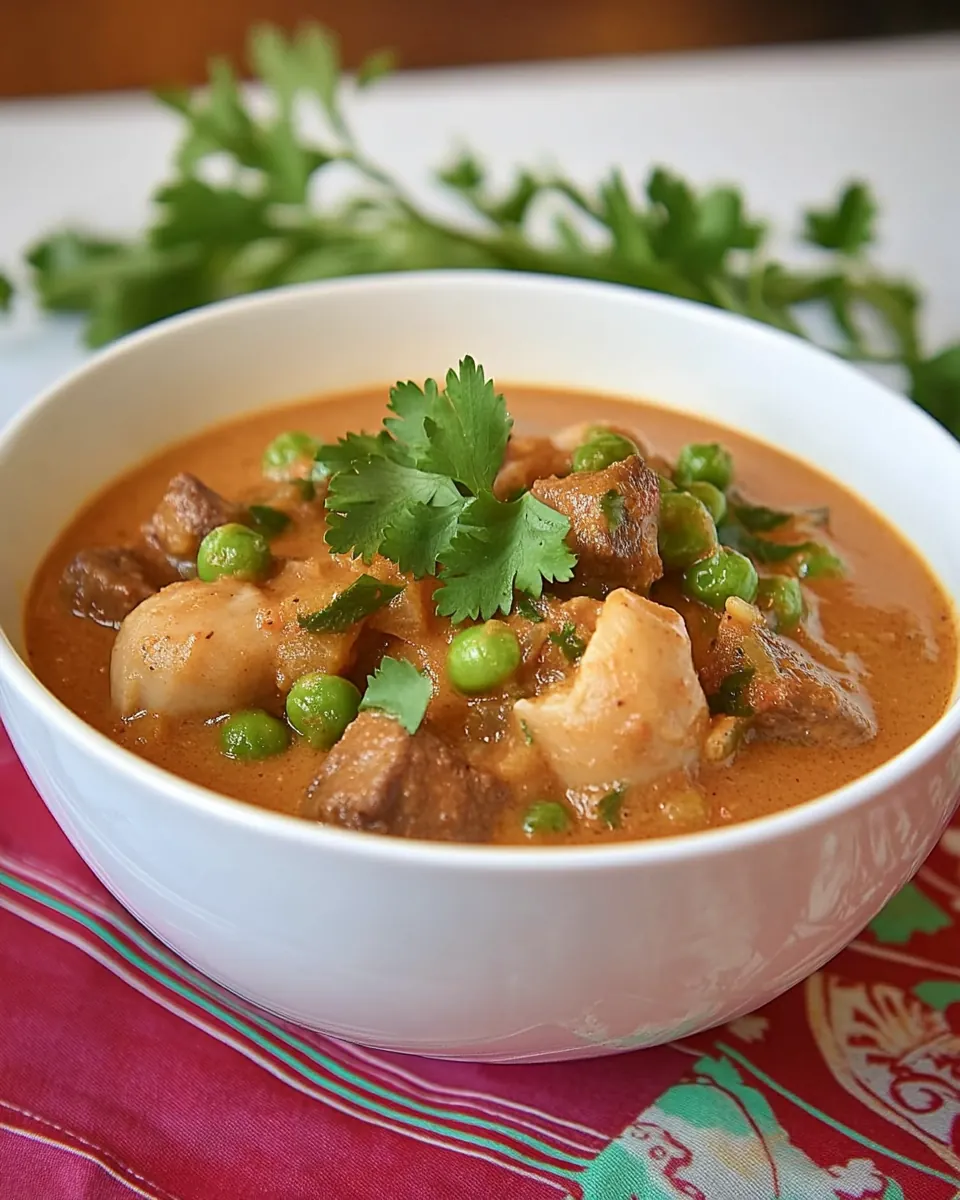
This is a relaxed, step by step slow cooker process that rewards patience. You will do a bit of prep up front, then let the slow cooker transform the ingredients, and finish with bright garnishes. Below I expand each direction into the sensory, the why, and a troubleshooting note so you know exactly what to watch for.
- Rinse and drain garbanzo beans, black beans, and kidney beans. Transfer to a 6 1/2 quart slow cooker.: The beans should look plump and glistening after a good rinse, and the water will run clear, which tells you any canning liquid or starch has been removed. Moving them into a roomy 6 1/2 quart slow cooker gives the stew room to bubble gently without overflowing, and it encourages even heat circulation so all beans warm through uniformly. This step matters because excess canning liquid can dilute the flavors, while un-rinsed beans can make the final taste metallic. A common mistake is overcrowding the cooker which can lead to uneven cooking, so choose the correct size vessel.
- Chop onions and mince garlic.: When you chop the onions and mince the garlic , you'll notice a sharp sulfur aroma that softens as the pieces release juices. These aromatics are the foundation of flavor, and even in a slow cooker their initial raw edge will mellow into sweet, savory notes that infuse the broth. Properly cutting them ensures consistent cooking and even distribution, which prevents some bites from being overly pungent. Avoid cutting pieces too large or too small, as uneven sizes can lead to raw pockets or mushy fragments in the final stew.
- Peel sweet potato and chop into large chunks.: The skin will come off easily with a peeler, revealing bright orange flesh that will hold its shape when cut into large chunks. Those substantial pieces break down slightly over several hours, lending a creamy silkiness without dissolving into a puree. This texture contrast is key to the stew's appeal, providing soft bites amid beans. A common error is cutting the sweet potato too small, which causes it to disintegrate and thicken the stew too much.
- Wash cauliflower and divide into florets.: Rinsing the cauliflower removes any grit trapped in the florets and wakes up its mild, slightly nutty scent. Dividing into bite sized florets helps them cook evenly and allows them to absorb the tomato and spice flavors without becoming limp. These pieces should hold some texture after slow cooking, creating a pleasant contrast with the beans. Do not skip washing, as trapped dirt can create unpleasant gritty bites.
- Transfer onions, garlic, potato, and cauliflower to slow cooker.: As you add these vegetables to the cooker, notice the layered smell as the sharp onion melds with the sweet potato and the floral cauliflower. Spreading them evenly over the beans ensures that each mouthful will have a mix of textures. This layering matters because vegetables that sit on top will steam differently than those surrounded by beans, affecting how they soften. A common mistake is piling everything in one clump, which can lead to uneven tenderness.
- Stir in diced tomatoes, tomato sauce, allspice, cumin, turmeric, chili powder, ginger, oregano, salt, and pepper. Cook on high for 6 hours. Stir in coconut milk.: After stirring these elements together, the pot should smell warm and spiced, with cumin and allspice rising first, followed by the tomato acidity. Cooking on high for 6 hours allows the spices to bloom slowly into the tomatoes and beans, creating a deep, integrated flavor. When you add the coconut milk toward the end, the aroma will shift to a creamy, comforting perfume and the sauce will take on a velvety sheen. The why here is that prolonged gentle heat develops complexity that quick cooking cannot match, and adding coconut milk late preserves its richness. A common pitfall is stirring in coconut milk too early, which can thin the texture and mute the spiced notes instead of rounding them out.
- Just before serving, pull leaves from cilantro and chop. Cut limes into wedges.: The cilantro should be bright green and fragrant, releasing citrusy and herbal scents when chopped. The limes will have a fragrant rind and firm flesh that yields clear, tart juice. These final fresh elements cut through the stew's richness and brighten the flavor, inviting the palate to return for another spoonful. It's important to add them right before serving, because prolonged heat will make cilantro lose its vibrancy and limes will mellow. A mistake is to mix them in too early, which diminishes their impact.
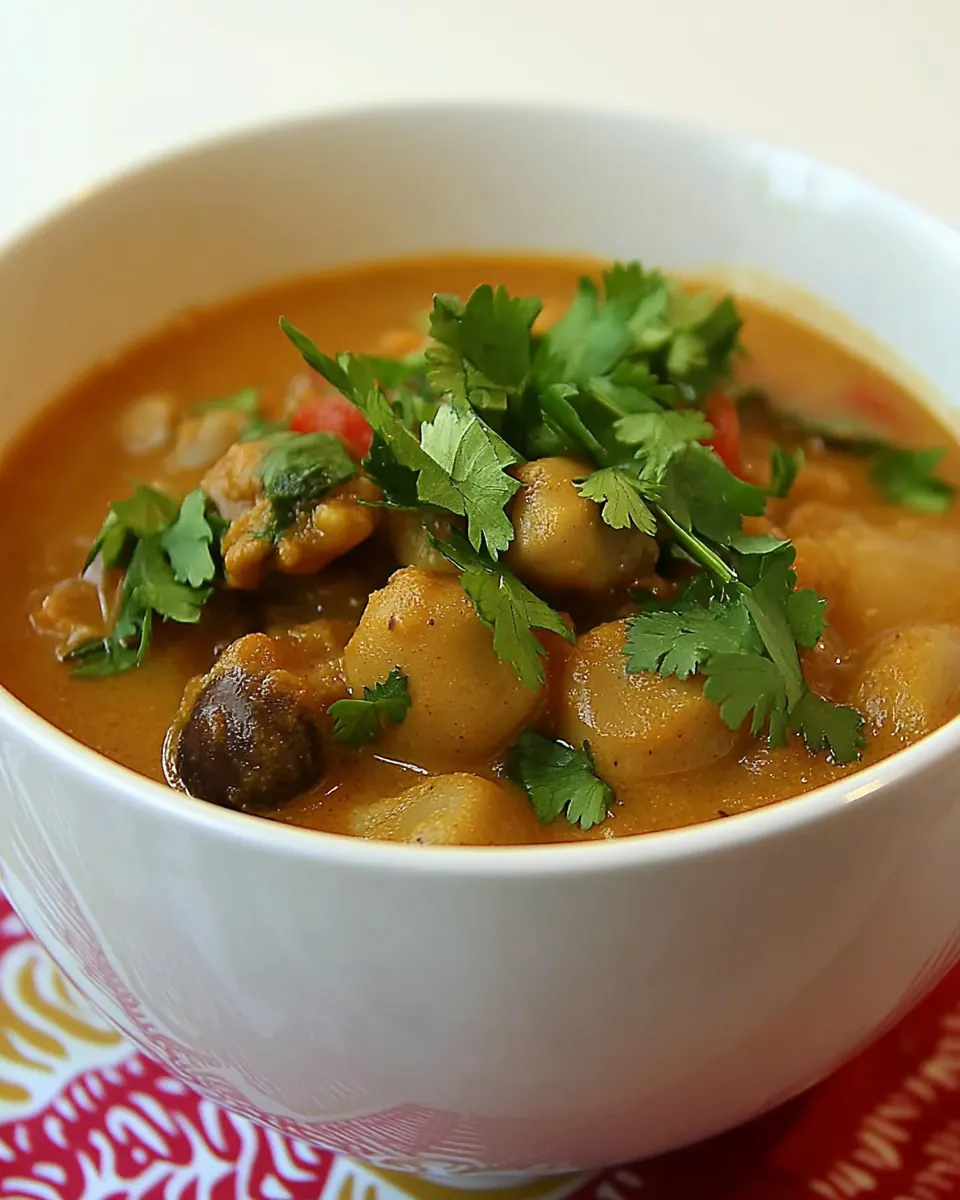
- Serve stew hot with cilantro and lime wedges.: A steaming bowl should give off an inviting mix of warm spices and coconut cream, with visible beans and vegetables in a rich, reddish sauce. Spoon a modest heap of chopped cilantro on top and offer the lime wedges so diners can choose the level of brightness. Serving hot preserves the comforting mouthfeel and allows aromas to reach the nose with each bite, enhancing perceived flavor. Avoid letting the stew cool too long before serving, as the fats congeal and the flavors flatten when cold.
Tips for Success
These tips will help you get consistent results and elevate the final bowl. Read them before you start to smooth out prep and avoid common pitfalls.
- Choose the right slow cooker size, a 6 1/2 quart cooker gives room for bubbling and even heat distribution, preventing spills and unevenly cooked beans.
- Rinse canned beans, this removes packing liquid and excess sodium, improving flavor and texture in the finished stew.
- Add coconut milk late, stirring it in after most of the cooking preserves a creamy texture and prevents the fat from separating into an oily layer.
- Keep vegetable pieces large, large chunks of sweet potato hold their shape and create pleasing texture contrasts rather than dissolving completely.
- Use fresh cilantro and lime at the end, they provide essential brightness and aroma that would fade if added too early in the cooking process.
Serving Options for Slow Cooker Indian Stew
This stew is versatile at the table, suitable for casual family dinners or informal gatherings. It warms up well and pairs with simple sides to make a complete meal. Below are meaningful serving suggestions and practical storage ideas presented as a list for easy reference.
- Serve with warm rice, a bowl of steamed rice soaks up the sauce and makes the meal heartier for dinner or a communal supper.
- Offer flatbreads or naan, pieces of warm bread are perfect for scooping and add a comforting texture that guests appreciate during family style meals.
- Garnish with chopped cilantro and lime wedges, these brighten each portion and let guests tailor acidity and freshness to their taste for lunch or dinner.
- Plate for a cozy winter meal, this stew is especially fitting in colder months, making it ideal for winter weeknights or slow evenings at home.
- Store leftovers in airtight containers, refrigerate up to four days or freeze portions for up to three months to keep dinners easy on busy weeks.
- Reheat gently on the stovetop, warming slowly over medium low heat preserves texture and avoids breaking the coconut cream into an oily film.
- Serve at casual gatherings, the stew feeds a crowd without fuss, making it suitable for potlucks or relaxed dinners with friends.
FAQ
Conclusion
This recipe stands out because it transforms pantry staples into a deeply flavored, comforting meal with minimal hands on time. The slow cooking lets spices and vegetables meld into a creamy, aromatic stew that feels both nourishing and celebratory. I encourage you to try Slow Cooker Indian Stew on a chilly evening when you want something that will simmer away and welcome you home. It is friendly to make ahead, perfect for feeding a group, and forgiving enough to become a reliable favorite in your weekly rotation.

Slow Cooker Indian Stew
Equipment
- 6 1/2 quart slow cooker
Ingredients
- 1 1/2 cups garbanzo beans cooked or canned Provide a hearty, nutty base and boost protein and fiber; cooked or canned for convenience, they absorb flavors from the stew and add a creamy texture when lightly mashed. Rinse and drain canned beans to reduce sodium, then stir in during the last hour of cooking so they keep shape while warming through.
- 1 1/2 cups black beans cooked or canned Add earthy richness and additional protein to deepen the stew's body; black beans offer a silky texture and hold up well in long, slow cooking. Incorporate them with other legumes to create a balanced mouthfeel and contrasting color that enhances visual appeal.
- 1 1/2 cups red kidney beans cooked or canned Contribute a firm, meaty texture and classic chili-like flavor while increasing fiber and protein content; red kidney beans help thicken the stew slightly as some starches release. Handle gently to avoid splitting, adding toward the end of cooking if already tender from being cooked or canned.
- 2 onions Provide aromatic sweetness and savory depth when sautéed or added raw to the slow cooker; onions build the flavor foundation with natural sugars that caramelize lightly during cooking. Slice or dice uniformly so they break down evenly, releasing body and complexity into the broth.
- 5 garlic cloves Impart pungent, aromatic layers and a gentle heat that brighten the stew; minced garlic enhances savory umami and pairs well with Indian spices. Crush or finely chop before adding to maximize flavor release, stirring in early so it mellows and infuses the liquid.
- 1 sweet potato medium Supply natural sweetness, creamy texture, and a tender bite that complements the legumes; sweet potato also contributes vitamins, fiber, and a pleasant starch that thickens the stew. Cube evenly to ensure uniform cooking and add early enough to become fork-tender without disintegrating.
- 1 head of cauliflower medium Introduce a mild, slightly nutty bite and substantial body when broken into florets; cauliflower absorbs spices and contributes texture and subtle sweetness. Add in florets or chopped pieces so they become tender but retain shape, lending a vegetable contrast to the beans and sauce.
- 2 cups diced tomatoes canned, no-salt added Bring bright acidity, tomatoey depth, and savory umami while adding liquid to create the stew base; no-salt-added diced tomatoes allow control over seasoning. Pour in with other canned components to form the sauce, and cook down to concentrate flavors while balancing richness.
- 2 cups tomato sauce canned, no-salt added Provide a smooth, concentrated tomato base that deepens flavor and thickens the stew; no-salt-added tomato sauce offers consistent texture and helps bind spices. Combine with diced tomatoes and simmer slowly to meld flavors, adjusting salt later to taste.
- 1/2 teaspoon ground allspice Offer warm, sweet-spicy complexity with subtle clove and cinnamon undertones that enhance savory notes; ground allspice pairs well with other warming spices in Indian-style stews. Use sparingly to avoid overpowering, and add early so its aroma integrates into the cooking liquid.
- 1 1/2 teaspoons ground cumin Deliver earthy, slightly citrusy warmth and a signature savory backbone common in Indian cuisine; ground cumin amplifies the stew's aroma and complements legumes and tomatoes. Toast briefly in oil or add with other dry spices at the start to unlock deeper flavor.
- 1/2 teaspoon ground turmeric Introduce a mild, floral bitterness and bright golden color that supports anti-inflammatory notes; ground turmeric adds warmth and depth without dominating the palate. Stir in early so its color disperses evenly and its subtle flavor infuses the vegetables and beans.
- 1/4 teaspoon chili powder Provide gentle heat and smoky undertones in small measure to enhance overall spice complexity; chili powder contributes background warmth without overwhelming. Add cautiously and adjust to taste toward the end of cooking to control spiciness.
- 1/2 teaspoon ground ginger Add zesty warmth and a sweetly pungent note that pairs well with garlic and turmeric; ground ginger gives the stew a warm aromatic lift. Mix with other spices early so its flavor softens and melds into the sauce.
- 1 tablespoon dried oregano Impart herbaceous, slightly bitter Mediterranean notes that meld with Indian spices for aromatic depth; dried oregano adds an earthy lift and complements tomato-rich bases. Sprinkle in with the other dried spices to allow rehydration and flavor release during slow cooking.
- 1 1/2 cups coconut milk canned full-fat Bring rich, creamy body and tropical sweetness while adding fat that carries spice aromas; canned full-fat coconut milk creates a luxurious mouthfeel and smooth finish. Stir in toward the end of cooking to prevent separation while ensuring a velvety consistency.
- fresh cilantro Provide a fresh, bright herbal finish and lively aroma when chopped and sprinkled over the finished stew; cilantro adds contrast to the rich, spiced base. Add most just before serving to preserve its fresh flavor and visual pop.
- 2 limes Introduce bright citrus acidity and a fresh tang that lifts and balances the richness; lime juice brightens flavors and adds a zesty finish. Squeeze over individual servings or stir in at the end to maintain brightness without cooking away volatile aromatics.
- 1 teaspoons ea salt Enhance overall flavor balance by amplifying and harmonizing the stew's savory components; use salt sparingly if canned ingredients are low-sodium to taste. Add incrementally toward the end of cooking and adjust after tasting to avoid over-salting.
- 1/2 teaspoon black pepper Provide mild, sharp pungency to round out seasoning and add subtle heat; freshly ground black pepper complements other spices and brightens flavor. Grind over the stew before serving to preserve aromatic pepper oils and nuanced bite.
Instructions
- Rinse and drain garbanzo beans, black beans, and kidney beans. Transfer to a 6 1/2 quart slow cooker.: The beans should look plump and glistening after a good rinse, and the water will run clear, which tells you any canning liquid or starch has been removed. Moving them into a roomy 6 1/2 quart slow cooker gives the stew room to bubble gently without overflowing, and it encourages even heat circulation so all beans warm through uniformly. This step matters because excess canning liquid can dilute the flavors, while un-rinsed beans can make the final taste metallic. A common mistake is overcrowding the cooker which can lead to uneven cooking, so choose the correct size vessel.
- Chop onions and mince garlic.: When you chop the onions and mince the garlic , you'll notice a sharp sulfur aroma that softens as the pieces release juices. These aromatics are the foundation of flavor, and even in a slow cooker their initial raw edge will mellow into sweet, savory notes that infuse the broth. Properly cutting them ensures consistent cooking and even distribution, which prevents some bites from being overly pungent. Avoid cutting pieces too large or too small, as uneven sizes can lead to raw pockets or mushy fragments in the final stew.
- Peel sweet potato and chop into large chunks.: The skin will come off easily with a peeler, revealing bright orange flesh that will hold its shape when cut into large chunks. Those substantial pieces break down slightly over several hours, lending a creamy silkiness without dissolving into a puree. This texture contrast is key to the stew's appeal, providing soft bites amid beans. A common error is cutting the sweet potato too small, which causes it to disintegrate and thicken the stew too much.
- Wash cauliflower and divide into florets.: Rinsing the cauliflower removes any grit trapped in the florets and wakes up its mild, slightly nutty scent. Dividing into bite sized florets helps them cook evenly and allows them to absorb the tomato and spice flavors without becoming limp. These pieces should hold some texture after slow cooking, creating a pleasant contrast with the beans. Do not skip washing, as trapped dirt can create unpleasant gritty bites.
- Transfer onions, garlic, potato, and cauliflower to slow cooker.: As you add these vegetables to the cooker, notice the layered smell as the sharp onion melds with the sweet potato and the floral cauliflower. Spreading them evenly over the beans ensures that each mouthful will have a mix of textures. This layering matters because vegetables that sit on top will steam differently than those surrounded by beans, affecting how they soften. A common mistake is piling everything in one clump, which can lead to uneven tenderness.
- Stir in diced tomatoes, tomato sauce, allspice, cumin, turmeric, chili powder, ginger, oregano, salt, and pepper. Cook on high for 6 hours. Stir in coconut milk.: After stirring these elements together, the pot should smell warm and spiced, with cumin and allspice rising first, followed by the tomato acidity. Cooking on high for 6 hours allows the spices to bloom slowly into the tomatoes and beans, creating a deep, integrated flavor. When you add the coconut milk toward the end, the aroma will shift to a creamy, comforting perfume and the sauce will take on a velvety sheen. The why here is that prolonged gentle heat develops complexity that quick cooking cannot match, and adding coconut milk late preserves its richness. A common pitfall is stirring in coconut milk too early, which can thin the texture and mute the spiced notes instead of rounding them out.
- Just before serving, pull leaves from cilantro and chop. Cut limes into wedges.: The cilantro should be bright green and fragrant, releasing citrusy and herbal scents when chopped. The limes will have a fragrant rind and firm flesh that yields clear, tart juice. These final fresh elements cut through the stew's richness and brighten the flavor, inviting the palate to return for another spoonful. It's important to add them right before serving, because prolonged heat will make cilantro lose its vibrancy and limes will mellow. A mistake is to mix them in too early, which diminishes their impact.
- Serve stew hot with cilantro and lime wedges.: A steaming bowl should give off an inviting mix of warm spices and coconut cream, with visible beans and vegetables in a rich, reddish sauce. Spoon a modest heap of chopped cilantro on top and offer the lime wedges so diners can choose the level of brightness. Serving hot preserves the comforting mouthfeel and allows aromas to reach the nose with each bite, enhancing perceived flavor. Avoid letting the stew cool too long before serving, as the fats congeal and the flavors flatten when cold.
Notes
- Choose the right slow cooker size, a 6 1/2 quart cooker gives room for bubbling and even heat distribution, preventing spills and unevenly cooked beans.
- Rinse canned beans, this removes packing liquid and excess sodium, improving flavor and texture in the finished stew.
- Add coconut milk late, stirring it in after most of the cooking preserves a creamy texture and prevents the fat from separating into an oily layer.
- Keep vegetable pieces large, large chunks of sweet potato hold their shape and create pleasing texture contrasts rather than dissolving completely.
- Use fresh cilantro and lime at the end, they provide essential brightness and aroma that would fade if added too early in the cooking process.