
Ciorba de Burta
Ciorba de Burta has been one of those soups that follows me through chilly nights and family gatherings, always arriving with steam, tang, and a memory attached. I first learned to appreciate it at my grandmother’s kitchen table, where the aroma of simmering bones and browned vegetables signaled that conversation and slow time were incoming. That very first spoonful, warm and silky, convinced me that tripe soup was not just about guts and broth, it was about comfort and ritual.
Years later, when I make Ciorba de Burta for friends, I like to tell the story of how a cloudy afternoon turned into a lesson in patience. We sat while the pot did its work, and by the time the broth was clear and the flavors had deepened, everyone understood why this takes time. It’s one of those recipes that rewards attention, and the payoff is a bowl that feels genuinely restorative.
I still remember the small, tactile details that make this recipe mine: the steady skim of froth, the tiny pops when the soup reaches a gentle simmer, and the hush that falls when the egg and cream mixture is whisked into the hot liquid. Each step feels purposeful, and each ingredient plays a part in that final, silky mouthfeel. I hope when you make Ciorba de Burta you find a corner of your day to slow down, because it repays that patience with something deeply nourishing and sincere.
Recipe Snapshot
2 hr 15 mins
15 mins
120 mins
Hard
350 kcal
Romanian
Gluten-Free, Keto
Soups
Large pot, Strainer, Blender, Skimmer, Fine mesh sieve
What Makes This Ciorba de Burta Special
Tradition in a Bowl
I treasure how Ciorba de Burta carries history. When I cook it, I feel connected to kitchens that have simmered bones for generations. The layering of broth and softened vegetables creates a backbone of flavor that feels like family on a plate.
Depth from Long Simmering
I love that the long, gentle simmer pulls every bit of collagen and richness from the beef bones. That low and slow method produces a broth that is sturdy enough to support the tangy cream and egg liaison, giving the soup a velvety texture you do not get from quick methods.
Balanced Texture and Tang
What makes me reach for this recipe again is the contrast between tender, finely chopped tripe and the smooth, slightly thickened broth. The acid and creaminess in the finish brighten and round the flavors, so even though the soup is hearty, it never feels heavy.
Clear Broth, Clean Taste
I am always impressed by the clarity you can achieve by straining and skimming carefully. Passing the stock through a sieve makes the color translucent and the mouthfeel pristine, which enhances the savory and aromatic notes without any muddiness.
Comfort with a Chef’s Touch
I find that finishing the soup with a precise egg and cream mixture is like putting the final brushstroke on a painting. It lifts the dish from rustic to refined, and once you master that step, the soup becomes a memorable, restaurant worthy experience at home.
Shopping List for Ciorba de Burta

These ingredients form a classic Romanian tripe soup, where each component earns its place. The bones build an intense, gelatin rich broth, while the vegetables contribute aromatic sweetness and body. The pre cooked tripe brings the distinctive chew and character, and the egg and cream finish create a silky, comforting texture that pulls everything together. Together, they make a soup that is soulful and balanced.
- 3 onions: Finely chop and sauté to form the aromatic base of the soup, providing sweetness and depth when caramelized; simmer gently to release sugars that balance the broth's acidity. Adds texture and a subtle savory backbone that supports richer ingredients like bones and tripe.
- 3 carrots: Peel and dice to contribute earthy sweetness and body to the stock; simmer until tender to enhance the broth's natural flavor and add slight thickness. Complements other root vegetables and helps create a fuller mouthfeel in the soup.
- 1 clove of garlic: Crush or mince and add near the end of cooking to impart a sharp, pungent aroma that brightens the soup; use sparingly to avoid overpowering the delicate balance. Enhances overall flavor by adding a lingering savory note and aroma.
- 2 kg pre-cooked tripe: Rinse and slice if necessary, then simmer as the main protein, lending chewy texture and distinct flavor characteristic of the dish; pre-cooked tripe absorbs the seasoned broth while releasing its own taste. Central to authenticity, it provides the signature taste and satisfies traditional expectations.
- 1 celery: Clean and chop to provide a mild celery flavor and aromatic lift to the stock; simmer with bones to round out the broth and contribute subtle herbal notes. Also adds slight vegetal freshness that offsets richness from meat and cream.
- 1 kg beef bones: Roast or simmer to create a rich, gelatinous beef stock that forms the backbone of the soup; lengthy simmering extracts collagen, marrow, and deep savory flavors. Essential for a full-bodied broth that gives body and savory intensity to the ciorbă.
- 4 eggs: Beat and temper into the hot soup to enrich and slightly thicken the broth while adding a silky, custard-like quality; incorporate with lemon or vinegar traditionally to create a tangy, creamy finish. Provide protein and smoothness that balance acidity and texture.
- 2 parsley roots: Peel and finely chop to contribute sweet, vegetal notes and additional body to the stock; simmer along with other roots to enhance the layered flavor profile. Adds subtle sweetness and pairs well with parsley leaves for garnish or further seasoning.
- salt and pepper: Season generously during and after cooking to enhance all flavors and balance the dish; use to adjust taste so acidity, creaminess, and richness harmonize. Critical for bringing out the natural flavors of the meat, vegetables, and dairy components.
- 500 g rcream: Whisk or gently fold in at the end to create a smooth, creamy consistency and mellow the soup's acidity; heat carefully to avoid curdling while adding richness and a velvety mouthfeel. Contributes a luxurious finish and softens sharp flavors from vinegar or spices.
- bay leaves: Add whole during simmering to release subtle herbal, slightly floral notes and a warm aromatic backdrop; remove before serving to avoid overpowering the broth. Helpfully elevates complexity and ties together savory and acidic elements in the soup.
Directions for Ciorba de Burta

This is a patient, attention driven soup. The steps below focus on building a clear, flavorful stock first, then layering in the pre cooked tripe and finishing with the rich egg and cream liaison that defines the classic texture.
- Into a large pot, put 4.5 liters (19 cups) of water and bring to the boil.: The moment the water hits a rolling boil you will notice an energetic surface and a quick release of steam, which tells you the pot is ready to accept bones. This high heat jump starts the extraction process, coaxing proteins and marrow out of the beef bones . The key sensory cue is a thin film of froth that will form on top, signaling impurities and proteins releasing. You will want to skim this froth early to keep the future broth clean. A common mistake here is maintaining a frantic boil the whole time, which churns and clouds the liquid, so plan to reduce heat once the bones go in.
- When the water reaches boiling point, add the beef bones. Leave to boil for about an hour on a low heat, removing the froth whenever necessary.: You will hear a brief uptick in bubbling as the temperature stabilizes, and then a gentle rhythm as it settles to a simmer. The smell will shift from plain water to the first hint of roasted, meaty aroma. Let the bones simmer for about an hour on low heat, which gently teases out collagen and marrow without emulsifying fat into the liquid. Stirring is unnecessary, but periodic skimming of froth keeps the broth clearer. Avoid the temptation to rush by using very high heat, because that forces impurities into suspension and spoils clarity.
- Meanwhile, wash and clean the vegetables, cut into quarters and add to the soup to boil along with the bones.: As the hour progresses, you will notice the broth deepen in color and the surface develop more particles; these are the proteins that should be removed. The sound becomes a soft, even simmer, punctuated by little pops. This patient phase converts the bones into a gelatinous foundation that will give body to the final soup. A mistake to avoid is neglecting to skim, which results in a cloudy, less refined stock.
- When the soup begins to boil again, add the finely chopped, pre-cooked tripe.: Adding the quartered onions , carrots , celery , and parsley roots introduces vegetal aromatics that round the meaty notes. You will see the vegetables soften and release color and sweetness into the pot, and the combined aromas should become more layered and inviting. Keep them large so they can be removed and pureed selectively later. Avoid over chopping now, which makes it harder to strain and can cloud the broth.
- Now add a few bay leaves and peppercorns and let everything simmer on a low heat for another hour or so until the meat is very well cooked.: At this point, the broth is ready to accept the pre cooked tripe , which should be cut finely so it integrates well. The sound remains a gentle simmer, and the broth may show more suspended particles that you will strain out later. Allowing the tripe to simmer briefly helps it soak up aromatic flavors without turning mushy. The common error is adding it too early or simmering too long, which can cause loss of texture.
- Turn off the heat, remove the bones, and use a strainer to remove the belly and boiled vegetables. Pass the remaining soup through a sieve several times to keep it perfectly clear.: The addition of bay leaves and peppercorns brings a subtle background spice that deepens during the second hour. You will detect a faint herbal note and a soft pepper warmth building. Maintaining a low simmer keeps the flavors developing slowly and prevents clouding. One pitfall is letting the pot sit at too high a temperature, which roughens the flavor and can make the tripe rubbery.
- Choose a few pieces of the boiled vegetables to return to the soup along with the finely chopped belly.: When you turn off the heat, the broth will calm and settle, making it easier to lift out solids. Use a large skimmer to remove the bones and a fine strainer to separate the boiled vegetables and any pieces of belly or tripe you do not want in the stock. The liquid should look noticeably clearer after this step. A common oversight is not allowing the pot to settle before straining, which forces finer particles through the sieve.
- Take the meat from the boiled bones, cut it into cubes and add to the soup.: Repeated sieving across a mesh or cheesecloth will remove residual particles, resulting in a translucent broth with a refined mouthfeel. Pouring slowly and letting gravity help preserves clarity, and you will notice the aroma become more defined without cloudiness. One mistake is rushing the process, which leaves sediment and dulls the final presentation.
- Puree the rest of the cooked vegetables in a blender and add to the soup.: Selecting a portion of the cooked vegetables to reincorporate adds gentle texture and flavor contrast. Finely chopped pieces of the boiled belly and vegetables provide familiar bites that break up the spoonfuls of tripe. The visual cue is small, tender bits floating in the clear broth. Avoid adding too many solids back in, which can overwhelm the soup's silky nature.
- The final step in making the perfect tripe soup recipe is as follows:: The cubed meat you retrieve from the bones contributes concentrated savory pockets throughout the bowl. Once cubed, these pieces should be warm and tender, blending with the texture of the tripe and vegetables. Hearing that comforting clink as you add them back is satisfying, and you will notice the aroma deepen. A mistake is leaving large uneven chunks, which can create inconsistent mouthfeel.
- Break the four eggs into a bowl and mix with the cream.: Blending the remaining softened vegetables creates a velvety body while keeping the broth clear of loose fibers when strained earlier. The texture becomes silkier and the soup gains a natural thickness without flour or roux. Be mindful when blending hot liquids, vent the lid slightly and hold it down with a towel to avoid splatter. A common error is blending too long which can make the puree gluey rather than smooth.
- Add a bit of hot soup to them, stirring all the while so lumps do not form.: At this finishing stage you will prepare the liaison of eggs and rcream , which brings the soup its signature silk. The kitchen will fill with a rich, almost custardy aroma when the warmed cream and eggs meet the hot broth. Temper carefully and work quickly to integrate the liaison evenly. Avoid adding cold cream directly, as thermal shock can cause separation.
- When the mixture has obtained the desired consistency, pour everything into the soup and mix quickly.: Whisking the eggs with the rcream until smooth produces a uniform, pale mixture that will thicken without clumping when properly tempered. The texture should be glossy and homogenous, and you will notice a faint sweet dairy scent. A frequent mistake is under mixing, which yields streaks and uneven thickening in the final soup.
- Add a bit of hot soup to them, stirring all the while so lumps do not form: Tempering by adding hot broth bit by bit warms the egg cream steadily, preventing curdling. As you stir, the mixture will loosen and the smell will become more integrated with the soup. If you pour too quickly, the eggs scramble and ruin the liaison, so take your time for a silky result.
- When the mixture has obtained the desired consistency, pour everything into the soup and mix quickly: Once the liaison reaches a warm, fluid state, incorporate it into the soup with swift stirring to distribute creaminess evenly. The final soup should coat the back of a spoon and present a gentle sheen. If you see small cooked egg bits, it means the tempering was too fast; remove those bits if possible and continue stirring to smooth the texture.
Helpful Hints
These tips will help you master texture, flavor, and clarity when making Ciorba de Burta. I expand on practical adjustments and small techniques that give consistent results every time.
- Start with cold water for bones, then bring to a boil slowly to extract maximum collagen without harsh flavors. This helps yield a gelatin rich broth that feels silky on the palate.
- Skim early and often to remove proteins that cloud the stock. A clean skimming routine is the fastest route to a clear, restaurant quality broth.
- Keep vegetables large during simmering so you can strain them out easily and choose which pieces to reincorporate for texture balance.
- Temper the liaison carefully by adding hot soup to the egg and cream in small amounts while whisking. This prevents curdling and gives a smooth, stable finish.
- Use a fine mesh sieve or cheesecloth when passing the broth to catch tiny particles, resulting in a pristine, translucent liquid that highlights the soup’s flavors.
- Reserve some solids to return to the final pot for pleasant texture contrast, rather than relying entirely on pureed vegetables.
Side Dish Ideas for Ciorba de Burta
The right accompaniments and serving context elevate Ciorba de Burta. Below are thoughtful pairings, storage guidance, and occasions that suit this comforting soup.
- Crusty bread for dipping, a warm, crusty loaf is ideal to soak up the silky broth and provide a satisfying chew alongside the tender tripe.
- Pickled vegetables, such as quick pickled cucumbers or beets, add acidity and crunch to contrast the soup’s richness and refresh the palate between bites.
- Light salad, a simple green salad with a bright vinaigrette offers a crisp, refreshing counterpoint that balances the bowl’s body.
- Family dinner, serve this soup as a main course for an intimate family meal when you want something nourishing and homey that encourages conversation.
- Cold weather comfort, this is perfect for winter evenings when you want something restorative and warming, the long simmer makes it seasonally appropriate.
- Storage tip, cool the soup quickly and refrigerate for up to three days, or freeze portions in airtight containers for up to three months for easy reheating later.
- Reheating advice, gently warm on the stove over low heat to preserve the texture of the tripe and prevent separation of the egg and cream finish.
- Occasion pairing, consider it for slow weekend lunches or when hosting close friends who appreciate thoughtfully prepared, traditional fare.
- Portioning, ladle into warmed bowls so the soup maintains temperature and the liaison stays silky until served.
- Seasonal pairings, pair with roasted root vegetables in winter or lighter pickles in transitional seasons to complement the soup’s profile.
FAQ
Conclusion
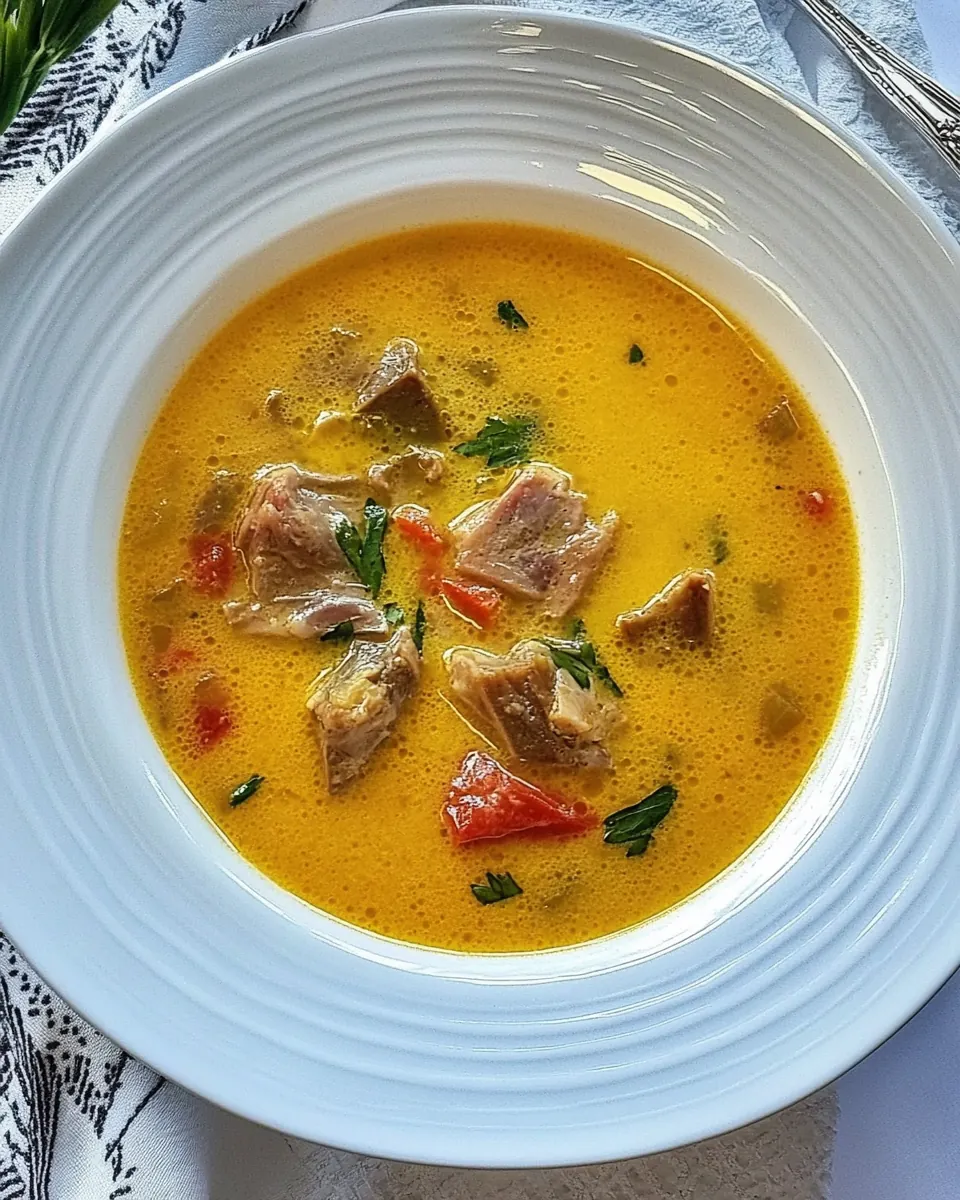
Ciorba de Burta stands out for its deep, slow cooked broth, tender tripe, and the silky finishing touch of egg and cream that elevates a simple soup into something memorable. Try this recipe when you have a leisurely afternoon, and let the pot do the work while you enjoy the smells and the gradual building of flavor. When you ladle it into bowls, you will have a nourishing, comforting dish that feels like a warm embrace, perfect for sharing with family or savoring on a quiet night alone.

Ciorba de Burta
Equipment
- Large Pot
- Strainer
- Blender
- Skimmer
- Fine mesh sieve
Ingredients
- 3 onions Finely chop and sauté to form the aromatic base of the soup, providing sweetness and depth when caramelized; simmer gently to release sugars that balance the broth's acidity. Adds texture and a subtle savory backbone that supports richer ingredients like bones and tripe.
- 3 carrots Peel and dice to contribute earthy sweetness and body to the stock; simmer until tender to enhance the broth's natural flavor and add slight thickness. Complements other root vegetables and helps create a fuller mouthfeel in the soup.
- 1 clove of garlic Crush or mince and add near the end of cooking to impart a sharp, pungent aroma that brightens the soup; use sparingly to avoid overpowering the delicate balance. Enhances overall flavor by adding a lingering savory note and aroma.
- 2 kg pre-cooked tripe Rinse and slice if necessary, then simmer as the main protein, lending chewy texture and distinct flavor characteristic of the dish; pre-cooked tripe absorbs the seasoned broth while releasing its own taste. Central to authenticity, it provides the signature taste and satisfies traditional expectations.
- 1 celery Clean and chop to provide a mild celery flavor and aromatic lift to the stock; simmer with bones to round out the broth and contribute subtle herbal notes. Also adds slight vegetal freshness that offsets richness from meat and cream.
- 1 kg beef bones Roast or simmer to create a rich, gelatinous beef stock that forms the backbone of the soup; lengthy simmering extracts collagen, marrow, and deep savory flavors. Essential for a full-bodied broth that gives body and savory intensity to the ciorbă.
- 4 eggs Beat and temper into the hot soup to enrich and slightly thicken the broth while adding a silky, custard-like quality; incorporate with lemon or vinegar traditionally to create a tangy, creamy finish. Provide protein and smoothness that balance acidity and texture.
- 2 parsley roots Peel and finely chop to contribute sweet, vegetal notes and additional body to the stock; simmer along with other roots to enhance the layered flavor profile. Adds subtle sweetness and pairs well with parsley leaves for garnish or further seasoning.
- salt and pepper Season generously during and after cooking to enhance all flavors and balance the dish; use to adjust taste so acidity, creaminess, and richness harmonize. Critical for bringing out the natural flavors of the meat, vegetables, and dairy components.
- 500 g rcream Whisk or gently fold in at the end to create a smooth, creamy consistency and mellow the soup's acidity; heat carefully to avoid curdling while adding richness and a velvety mouthfeel. Contributes a luxurious finish and softens sharp flavors from vinegar or spices.
- bay leaves Add whole during simmering to release subtle herbal, slightly floral notes and a warm aromatic backdrop; remove before serving to avoid overpowering the broth. Helpfully elevates complexity and ties together savory and acidic elements in the soup.
Instructions
- Into a large pot, put 4.5 liters (19 cups) of water and bring to the boil.: The moment the water hits a rolling boil you will notice an energetic surface and a quick release of steam, which tells you the pot is ready to accept bones. This high heat jump starts the extraction process, coaxing proteins and marrow out of the beef bones . The key sensory cue is a thin film of froth that will form on top, signaling impurities and proteins releasing. You will want to skim this froth early to keep the future broth clean. A common mistake here is maintaining a frantic boil the whole time, which churns and clouds the liquid, so plan to reduce heat once the bones go in.
- When the water reaches boiling point, add the beef bones. Leave to boil for about an hour on a low heat, removing the froth whenever necessary.: You will hear a brief uptick in bubbling as the temperature stabilizes, and then a gentle rhythm as it settles to a simmer. The smell will shift from plain water to the first hint of roasted, meaty aroma. Let the bones simmer for about an hour on low heat, which gently teases out collagen and marrow without emulsifying fat into the liquid. Stirring is unnecessary, but periodic skimming of froth keeps the broth clearer. Avoid the temptation to rush by using very high heat, because that forces impurities into suspension and spoils clarity.
- Meanwhile, wash and clean the vegetables, cut into quarters and add to the soup to boil along with the bones.: As the hour progresses, you will notice the broth deepen in color and the surface develop more particles; these are the proteins that should be removed. The sound becomes a soft, even simmer, punctuated by little pops. This patient phase converts the bones into a gelatinous foundation that will give body to the final soup. A mistake to avoid is neglecting to skim, which results in a cloudy, less refined stock.
- When the soup begins to boil again, add the finely chopped, pre-cooked tripe.: Adding the quartered onions , carrots , celery , and parsley roots introduces vegetal aromatics that round the meaty notes. You will see the vegetables soften and release color and sweetness into the pot, and the combined aromas should become more layered and inviting. Keep them large so they can be removed and pureed selectively later. Avoid over chopping now, which makes it harder to strain and can cloud the broth.
- Now add a few bay leaves and peppercorns and let everything simmer on a low heat for another hour or so until the meat is very well cooked.: At this point, the broth is ready to accept the pre cooked tripe , which should be cut finely so it integrates well. The sound remains a gentle simmer, and the broth may show more suspended particles that you will strain out later. Allowing the tripe to simmer briefly helps it soak up aromatic flavors without turning mushy. The common error is adding it too early or simmering too long, which can cause loss of texture.
- Turn off the heat, remove the bones, and use a strainer to remove the belly and boiled vegetables. Pass the remaining soup through a sieve several times to keep it perfectly clear.: The addition of bay leaves and peppercorns brings a subtle background spice that deepens during the second hour. You will detect a faint herbal note and a soft pepper warmth building. Maintaining a low simmer keeps the flavors developing slowly and prevents clouding. One pitfall is letting the pot sit at too high a temperature, which roughens the flavor and can make the tripe rubbery.
- Choose a few pieces of the boiled vegetables to return to the soup along with the finely chopped belly.: When you turn off the heat, the broth will calm and settle, making it easier to lift out solids. Use a large skimmer to remove the bones and a fine strainer to separate the boiled vegetables and any pieces of belly or tripe you do not want in the stock. The liquid should look noticeably clearer after this step. A common oversight is not allowing the pot to settle before straining, which forces finer particles through the sieve.
- Take the meat from the boiled bones, cut it into cubes and add to the soup.: Repeated sieving across a mesh or cheesecloth will remove residual particles, resulting in a translucent broth with a refined mouthfeel. Pouring slowly and letting gravity help preserves clarity, and you will notice the aroma become more defined without cloudiness. One mistake is rushing the process, which leaves sediment and dulls the final presentation.
- Puree the rest of the cooked vegetables in a blender and add to the soup.: Selecting a portion of the cooked vegetables to reincorporate adds gentle texture and flavor contrast. Finely chopped pieces of the boiled belly and vegetables provide familiar bites that break up the spoonfuls of tripe. The visual cue is small, tender bits floating in the clear broth. Avoid adding too many solids back in, which can overwhelm the soup's silky nature.
- The final step in making the perfect tripe soup recipe is as follows:: The cubed meat you retrieve from the bones contributes concentrated savory pockets throughout the bowl. Once cubed, these pieces should be warm and tender, blending with the texture of the tripe and vegetables. Hearing that comforting clink as you add them back is satisfying, and you will notice the aroma deepen. A mistake is leaving large uneven chunks, which can create inconsistent mouthfeel.
- Break the four eggs into a bowl and mix with the cream.: Blending the remaining softened vegetables creates a velvety body while keeping the broth clear of loose fibers when strained earlier. The texture becomes silkier and the soup gains a natural thickness without flour or roux. Be mindful when blending hot liquids, vent the lid slightly and hold it down with a towel to avoid splatter. A common error is blending too long which can make the puree gluey rather than smooth.
- Add a bit of hot soup to them, stirring all the while so lumps do not form.: At this finishing stage you will prepare the liaison of eggs and rcream , which brings the soup its signature silk. The kitchen will fill with a rich, almost custardy aroma when the warmed cream and eggs meet the hot broth. Temper carefully and work quickly to integrate the liaison evenly. Avoid adding cold cream directly, as thermal shock can cause separation.
- When the mixture has obtained the desired consistency, pour everything into the soup and mix quickly.: Whisking the eggs with the rcream until smooth produces a uniform, pale mixture that will thicken without clumping when properly tempered. The texture should be glossy and homogenous, and you will notice a faint sweet dairy scent. A frequent mistake is under mixing, which yields streaks and uneven thickening in the final soup.
- Add a bit of hot soup to them, stirring all the while so lumps do not form: Tempering by adding hot broth bit by bit warms the egg cream steadily, preventing curdling. As you stir, the mixture will loosen and the smell will become more integrated with the soup. If you pour too quickly, the eggs scramble and ruin the liaison, so take your time for a silky result.
- When the mixture has obtained the desired consistency, pour everything into the soup and mix quickly: Once the liaison reaches a warm, fluid state, incorporate it into the soup with swift stirring to distribute creaminess evenly. The final soup should coat the back of a spoon and present a gentle sheen. If you see small cooked egg bits, it means the tempering was too fast; remove those bits if possible and continue stirring to smooth the texture.
Notes
- Start with cold water for bones, then bring to a boil slowly to extract maximum collagen without harsh flavors. This helps yield a gelatin rich broth that feels silky on the palate.
- Skim early and often to remove proteins that cloud the stock. A clean skimming routine is the fastest route to a clear, restaurant quality broth.
- Keep vegetables large during simmering so you can strain them out easily and choose which pieces to reincorporate for texture balance.
- Temper the liaison carefully by adding hot soup to the egg and cream in small amounts while whisking. This prevents curdling and gives a smooth, stable finish.
- Use a fine mesh sieve or cheesecloth when passing the broth to catch tiny particles, resulting in a pristine, translucent liquid that highlights the soup's flavors.
- Reserve some solids to return to the final pot for pleasant texture contrast, rather than relying entirely on pureed vegetables.
