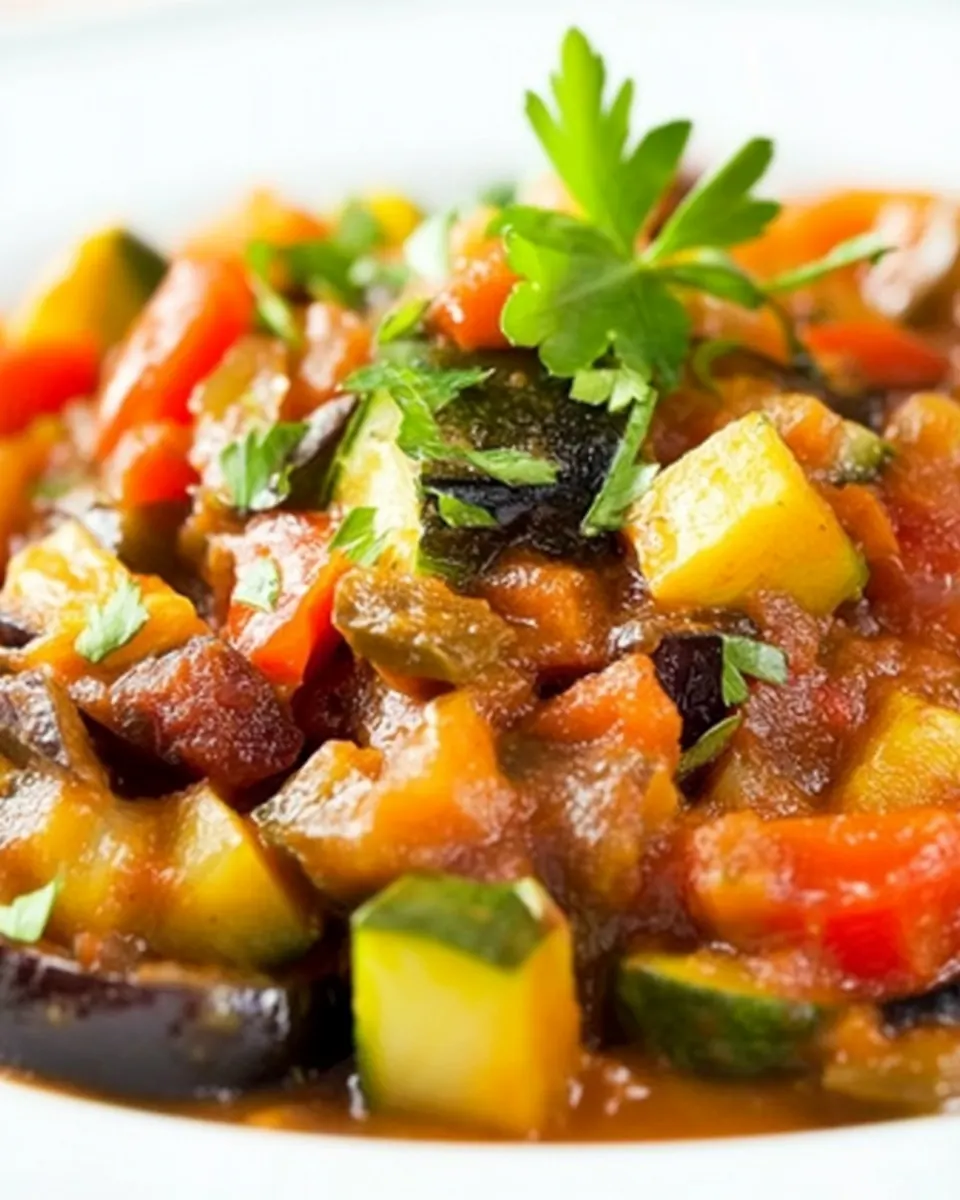
Ratatouille
Ratatouille has been one of those comforting dishes I turn to when I want a meal that tastes like summer in a bowl.
I first learned to make Ratatouille from a neighbor who kept a tiny balcony garden, and she would bring over glistening tomatoes and fat cloves of garlic as offerings. Watching her slice vegetables with calm, steady hands taught me that cooking slow and steady yields depth of flavor, and that each piece of eggplant or zucchini can sing if treated well. Over time I’ve adjusted the layering and the seasoning so the vegetables keep their texture, while a light dusting of Parmesan cheese ties everything together.
When I make Ratatouille now, it’s more than a recipe, it’s a way to celebrate simple produce. I love how the aromas of sizzling garlic and warmed olive oil fill the kitchen. The finished dish has a tender, jammy quality from the roasted vegetables, yet each slice still holds its shape. That contrast keeps every forkful interesting. Sometimes I serve it straight from the casserole dish so everyone can dig in, and other times I arrange neat slices for guests to admire before they taste it.
Recipe Snapshot
45 mins
10 mins
35 mins
Medium
250 kcal
French
Keto, Gluten-Free
Dinner
Casserole dish, Medium skillet, Oven
The Charm of This Ratatouille
Seasonal Brilliance
I adore how Ratatouille showcases the bounty of summer produce, and I choose ingredients that are at their peak. When tomatoes are bright and zucchini is tender, this dish is impossibly vibrant. I want you to notice the difference between out of season produce and fruit picked ripe, because it matters. The textures and natural sweetness elevate the final dish.
Layered Texture and Flavor
The magic comes from layering tender and firmer vegetables, and finishing with Parmesan cheese so each bite is savory and balanced. I love the way the top slices caramelize and the inside becomes silky, giving you a contrast that keeps your palate engaged. You can taste both the roasted notes and the subtle herbiness from dried parsley.
Effort That Rewards
This recipe is deceptively simple, yet it rewards a little attention. Browning garlic properly, softening the eggplant, and arranging layers thoughtfully makes a big difference. I find it relaxing to build the casserole slowly; it feels like crafting rather than cooking, and the payoff is comfort in every spoonful.
Versatile and Crowd Friendly
Ratatouille is wonderful as a main or a side, and it scales easily. I often double the recipe for gatherings, because the flavors deepen when it sits a bit. It reheats beautifully, too, so leftovers become an easy lunch or an accompaniment to other dishes. I love that it adapts to many meals and occasions.
Simple Pantry Stars
The recipe leans on a handful of pantry staples like olive oil, salt, and ground black pepper, letting the vegetables be the stars. I appreciate recipes that keep the seasoning minimalist, because it highlights the produce. This is a dish that feels honest and unpretentious, which I often prefer.
What to Buy for Ratatouille
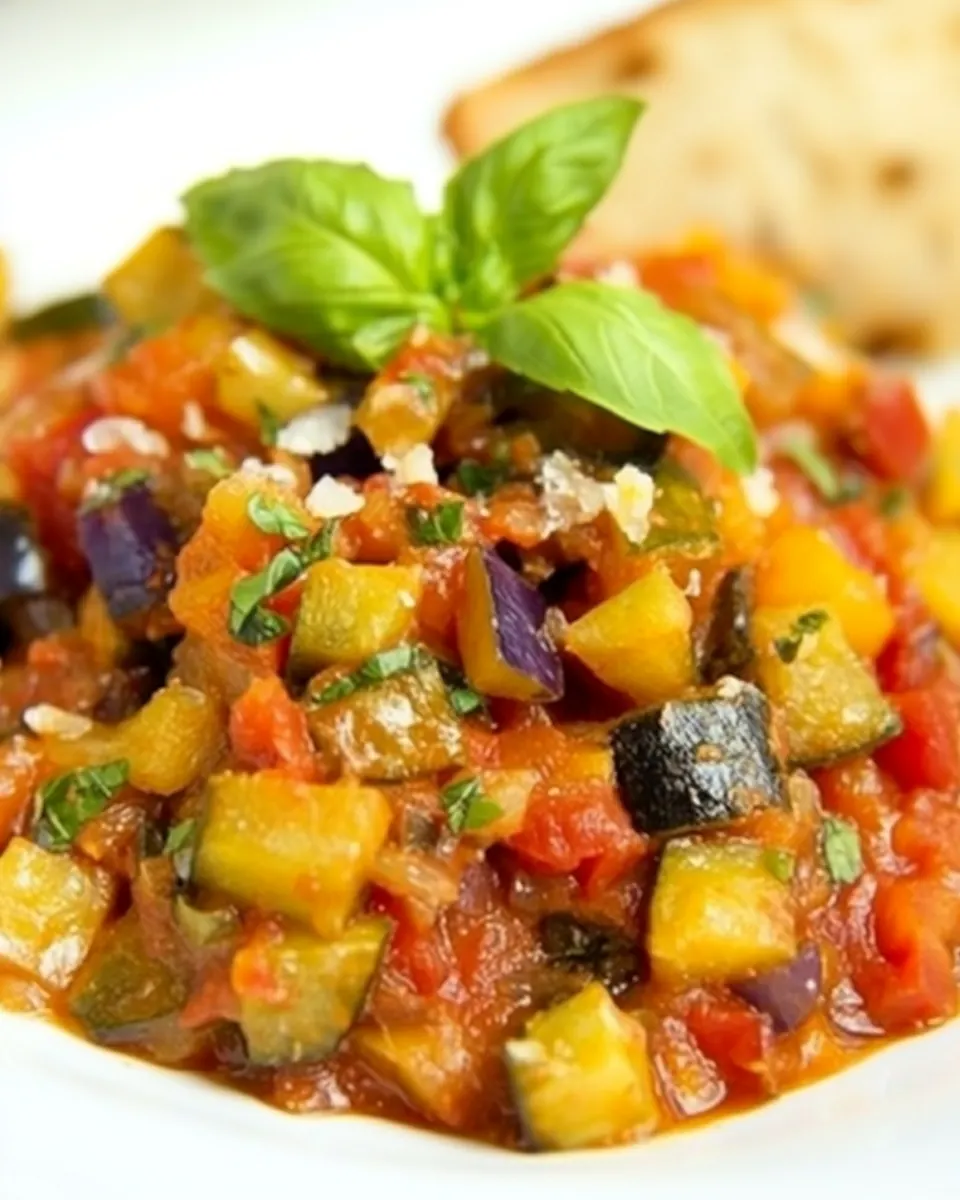
For me, the philosophy of making Ratatouille is about harmony. Choose fresh, firm vegetables and a good quality olive oil so the flavors marry without needing heavy embellishment. The key players are the tomatoes and eggplant, which provide body, while the zucchini and mushrooms contribute texture. A modest amount of Parmesan cheese adds savory depth.
- 2 tablespoon olive oil: Heat gently in a pan to create a flavorful base and help sauté other vegetables; contributes a fruity, savory backbone to the dish. Use for frying and finishing to enhance mouthfeel and carry herb and spice flavors. Adds healthy monounsaturated fats and a glossy finish when drizzled at the end.
- 3 clove garlic: Mince finely and sauté briefly to release pungent, aromatic oils that deepen overall flavor; provides a sharp, savory note that brightens stewed vegetables. Adds depth and umami when cooked until fragrant but not burnt. Can be added near the beginning to infuse the oil and meld with herbs.
- 2 tsp parsley, dried: Sprinkle evenly to lend a warm, herbaceous background and concentrate savory tones across the vegetables. Rehydrates during cooking to release subtle piney and bitter notes that complement tomatoes and eggplant. Use sparingly to avoid overpowering delicate flavors.
- 2 cup cubes eggplant: Cube and cook until tender to provide a meaty, absorbent texture that soaks up surrounding sauces and seasonings. Releases moisture and develops creamy interior when roasted or sautéed, balancing acidity from tomatoes. Forms a substantial base that contrasts well with firmer zucchini and peppers.
- 1/5 tsp salt: Season lightly to balance and enhance natural flavors while controlling overall saltiness; helps intensify savory and sweet notes across the dish. Dissolve into cooking liquid for even distribution and to prevent blandness. Adjust quantity to taste for dietary sodium needs.
- 1/5 tsp ground black pepper: Grind freshly or use pre-ground to add a sharp, warm heat and aromatic pungency; brightens roasted and sautéed vegetables. Sprinkle during cooking or at the end to lift flavors and provide subtle complexity. Pair with salt to enhance perceived savoriness.
- 8 oz Parmesan cheese: Grate or shave and sprinkle for a salty, nutty umami finish that enriches texture and mouthfeel. Melts slightly when warm to create creamy pockets and adds a savory richness to the layered vegetables. Use as garnish or fold in toward the end for balanced cheesiness.
- 2 medium zucchini sliced: Slice uniformly to maintain even cooking and contribute mild, slightly sweet vegetal notes with a tender-crisp bite. Holds shape when cooked and provides contrast to softer eggplant while absorbing sauces. Adds color and freshness to each serving.
- 1 medium onion chopped: Chop finely to caramelize and add sweet, rounded depth that forms the aromatic foundation of the dish. Sweating or browning releases sugars that harmonize with tomatoes and peppers. Helps build layers of savory flavor when cooked slowly.
- 1 medium bell pepper, green chopped: Chop and sauté to deliver a bright, slightly bitter and vegetal flavor that adds crunch and color; balances sweeter vegetables. Releases aromatic oils and pairs well with onions and tomatoes for a classic Provençal profile. Provides textural variation throughout the dish.
- 2 cup mushrooms, white sliced: Slice thinly to contribute an earthy, umami-rich flavor and tender texture that soaks up surrounding juices. Browns nicely to add toasted notes and heighten savory character. Complements other vegetables by adding body and depth.
- 2 medium tomato, red chopped: Chop coarsely to provide bright acidity and juicy sweetness that forms the saucy component of the dish. Breaks down during cooking to create a flavorful base, binding herbs and seasonings together. Offers fresh, summery tomato fragrance and tang.
Making This Ratatouille
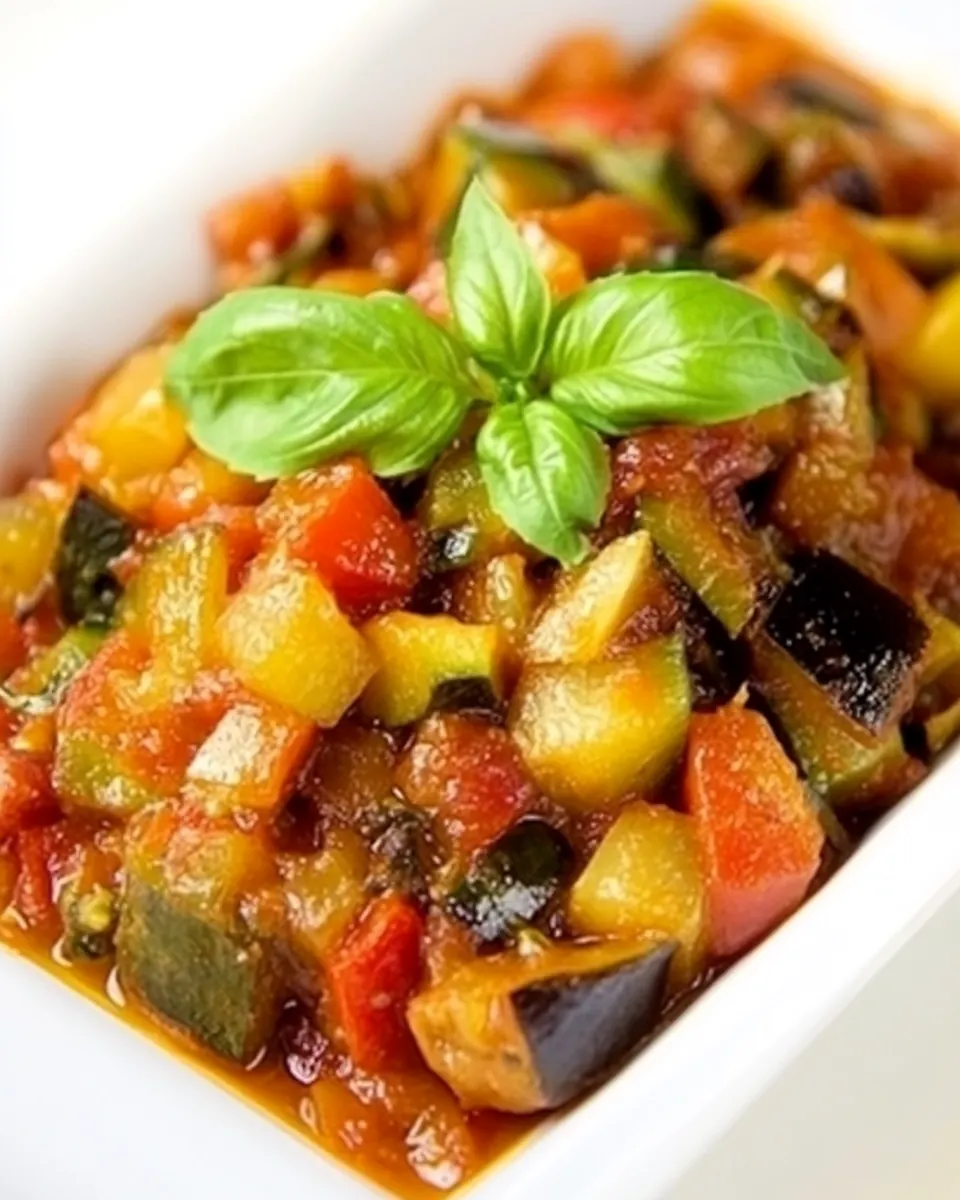
I like to think of the cooking sequence as a series of sensory checkpoints, each one nudging the vegetables toward harmony. The directions below guide you through heating, sautéing, layering, and baking so the final casserole is balanced and fragrant.
- Preheat oven to 375 degrees F. Coat bottom and sides of a 1 1/2 quart casserole dish with 1 tablespoon olive oil.: The oven needs to be at an even, reliable heat so the layered vegetables roast evenly and the top develops gentle browning. As the oven warms you should notice a faint hum and then steady warmth when you open the door, which helps the casserole cook through without drying. Preheating ensures consistent timing for the 35 minute bake, and skipping this can lead to uneven texture, with undercooked centers and overbrowned edges. A common mistake is placing the dish in an oven that is still heating, which throws off the cook time and prevents the layers from melding properly.
- Heat remaining 1 tablespoon olive oil in a medium skillet over medium heat. Saute garlic until lightly browned. Mix in parsley and eggplant. Saute until eggplant is soft, about 10 minutes. Season with salt to taste.: Coating the dish prevents sticking and adds a thin fat layer that encourages browning on the underside of the vegetables. The oil should shimmer slightly when spread but not pool, giving a delicate sheen that helps the first layer crisp at the edges. If you use too much oil, the dish can become greasy, and too little oil may cause sticking and uneven roasting. Use a pastry brush or your fingers to cover the surface evenly, watching for any dry patches that can catch and scorch during baking.
- Spread eggplant mixture evenly across bottom of prepared casserole dish. Sprinkle with a few tablespoons of Parmesan cheese. Spread zucchini in an even layer over top. Lightly salt and sprinkle with a little more cheese. Continue layering in this fashion, with onion, mushrooms, bell pepper, and tomatoes, covering each layer with a sprinkling of Parmesan cheese.: Warming the oil until it moves fluidly, but before it smokes, lets it carry the garlic flavor into the eggplant . You should hear a soft sizzle as the garlic hits the pan and smell the aroma deepen, which signals readiness for the next ingredients. Too-hot oil will burn the garlic instantly, creating a sharp, unpleasant note, while oil that is not warm enough will not bloom the aromatics effectively. Aim for steady medium heat to coax balanced flavors.
- Bake in preheated oven for 35 minutes.: As the garlic softens, its aroma will shift from sharp to sweet, and small golden flecks will appear. This transformation adds a nutty, mellow backbone to the dish. Stir constantly to avoid hotspots, and remove the pan from heat briefly if the garlic starts to brown too fast, because burnt garlic can ruin the flavor profile. Sauté just until light golden, not dark brown, for the best result.
- Mix in parsley and eggplant: Combining dried parsley with the softened garlic and adding cubed eggplant lets the herb rehydrate and infuse the pieces. The pan should emit a richer aroma as the eggplant starts to absorb the oil and aromatics, and the cubes will begin to collapse slightly as their structure softens. Stir occasionally to ensure even exposure; crowding the pan can lead to steaming instead of sautéing, leaving the eggplant spongy instead of tenderly cooked.
- Saute until eggplant is soft, about 10 minutes: As the eggplant cooks, it will release moisture, then begin to concentrate and soften, turning more translucent and tender. You want a yielding texture without complete disintegration, which gives structure to the casserole base. If the pan dries too quickly, add a splash of water to prevent sticking, but avoid drowning the vegetables, or they will become mushy rather than luscious. Overcooking here will leave the casserole texturally flat, so watch for a gentle collapse rather than total breakdown.
- Season with salt to taste: Adding the measured amount of salt while the eggplant is cooking helps draw out moisture and concentrate flavors, creating a savory backbone. Taste a small piece to adjust seasoning gradually because the Parmesan cheese later will contribute saltiness as well. A frequent error is over-salting early on, which becomes too pronounced after the layers bake, so err on the side of light seasoning.
- Spread eggplant mixture evenly across bottom of prepared casserole dish: An even base ensures consistent contact with the dish and a uniform first layer of flavor. The cooled, softened eggplant should nestle into the dish and create a stable foundation for the subsequent layers. If the mixture is unevenly distributed, you may end up with thin spots that dry out during the bake. Smooth the surface gently with a spatula to promote even layering and uniform oven exposure.
- Sprinkle with a few tablespoons of Parmesan cheese: The first dusting of Parmesan cheese melts into the base and begins to brown, adding salty, nutty notes as the casserole roasts. You should see the cheese soften and form small pockets that encourage attractive browning on the underside of the next layer. Too much cheese at this stage can dominate the delicate vegetable flavors, so use it sparingly to enhance, not overpower.
- Spread zucchini in an even layer over top: Laying down uniform slices of zucchini gives the casserole a predictable texture, with slices that soften while holding their shape. The zucchini will glisten slightly as it takes on oil and juices, and the surface should look glossy and neat. Uneven slices can lead to some pieces overcooking and other pieces remaining underdone, so aim for consistent thickness when slicing.
- Lightly salt and sprinkle with a little more cheese: A light seasoning on each vegetable layer balances moisture and enhances natural sweetness, while a modest sprinkle of Parmesan cheese between layers builds savory depth. You will see the cheese begin to settle into crevices, forming small, flavorful pockets once baked. Resist the urge to over-salt or over-cheese, which can mask the delicate interplay of the other vegetables.
- Continue layering in this fashion, with onion, mushrooms, bell pepper, and tomatoes, covering each layer with a sprinkling of Parmesan cheese: Building the casserole in deliberate layers creates complexity, with each vegetable contributing unique texture and flavor. The onion becomes sweet, mushrooms add earthiness, green bell pepper lends brightness, and tomato supplies juiciness and acidity. Layering allows the juices to mingle and the cheese to marry the elements, producing integrated flavor. Be mindful of even layering so everything cooks uniformly; piling too thickly can trap steam and yield steam softened rather than roasted vegetables.
- Bake in preheated oven for 35 minutes: During the bake you should notice the aroma deepen as the juices meld and the top takes on light golden color. The edges may bubble and the cheese will brown slightly, offering a visual cue that the casserole is done. Allow the dish to rest a few minutes after removing it, because residual heat finishes the melding process and prevents juices from running when you serve. A typical mistake is slicing immediately, which can cause the dish to lose structure and become watery on the plate.
Recipe Notes about Ratatouille
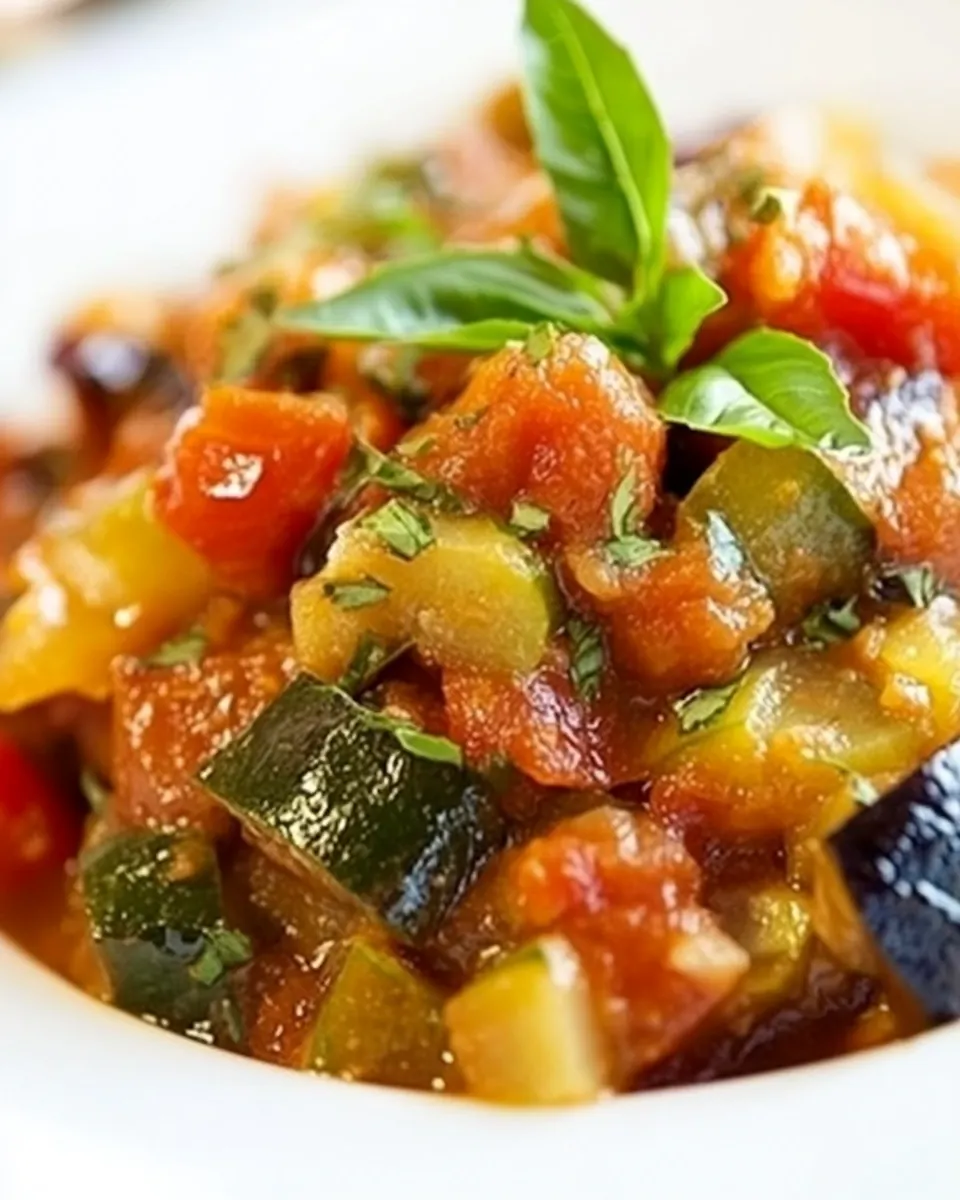
I like to share tips that make the process smoother and the results more consistent. The list below expands practical pointers into actionable steps so you can cook confidently and enjoy the textures and aromas that define Ratatouille.
- Choose firm, ripe produce — picking tomatoes and zucchini that are at peak ripeness makes a huge difference in flavor and texture, leading to a brighter, sweeter casserole.
- Don’t overbrown the garlic — once the garlic turns light golden, remove from direct heat to avoid a bitter note that can permeate the dish.
- Layer evenly — building consistent layers helps each vegetable cook evenly and ensures attractive presentation, preventing pockets of undercooked pieces.
- Use moderate salt — season gradually because the Parmesan cheese will add salt in the bake, and over-salting early is a common pitfall.
- Allow a short rest before serving — letting the casserole sit for a few minutes after baking stabilizes the juices and makes serving neater and more satisfying.
How to Serve Ratatouille
Ratatouille works for casual family dinners or as part of a composed dinner party spread. Serve warm from the casserole dish so the aroma invites people to the table. It pairs well with simple sides and makes a lovely centerpiece for summer meals.
- As a main for a vegetarian dinner — plate generous portions with a crisp salad on the side and crusty bread to soak up the juices, creating a satisfying, meat free meal.
- As a side dish — present a scoop alongside roasted fish or grilled vegetables for added richness and variety on the plate, making the meal more vibrant.
- For special occasions — arrange neat slices on a serving platter so guests can admire the layered colors before tasting, which elevates the presentation for celebrations.
- Storage tips — cool to room temperature then refrigerate in a covered container for up to four days, reheating gently to preserve texture and avoid drying out.
- Seasonal pairing — this shines in summer when produce is at peak, and it complements other seasonal dishes like grilled vegetables and light grain salads for a cohesive menu.
FAQ
Conclusion
Ratatouille stands out because it celebrates summer vegetables with layered textures and simple, focused seasoning. Try this version and enjoy how the roasted notes, melted cheese, and aromatic garlic come together into a comforting, versatile casserole. It’s an approachable dish that rewards attention to slicing and layering, and it’s perfect for family meals or entertaining. Give it a go, and I think you’ll find it becomes a repeat favorite when summer produce is at its best.
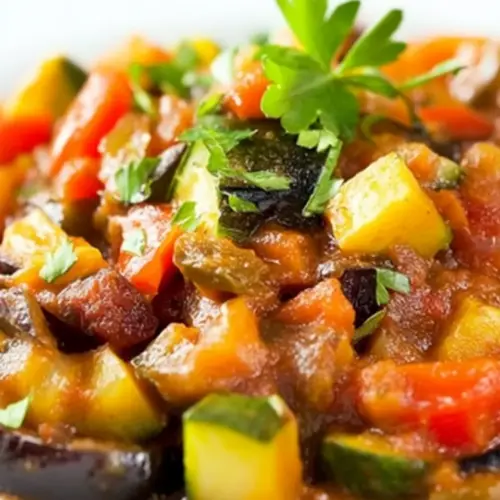
Ratatouille
Equipment
- Casserole Dish
- Medium skillet
- Oven
Ingredients
- 2 tablespoon olive oil Heat gently in a pan to create a flavorful base and help sauté other vegetables; contributes a fruity, savory backbone to the dish. Use for frying and finishing to enhance mouthfeel and carry herb and spice flavors. Adds healthy monounsaturated fats and a glossy finish when drizzled at the end.
- 3 clove garlic Mince finely and sauté briefly to release pungent, aromatic oils that deepen overall flavor; provides a sharp, savory note that brightens stewed vegetables. Adds depth and umami when cooked until fragrant but not burnt. Can be added near the beginning to infuse the oil and meld with herbs.
- 2 tsp parsley, dried Sprinkle evenly to lend a warm, herbaceous background and concentrate savory tones across the vegetables. Rehydrates during cooking to release subtle piney and bitter notes that complement tomatoes and eggplant. Use sparingly to avoid overpowering delicate flavors.
- 2 cup cubes eggplant Cube and cook until tender to provide a meaty, absorbent texture that soaks up surrounding sauces and seasonings. Releases moisture and develops creamy interior when roasted or sautéed, balancing acidity from tomatoes. Forms a substantial base that contrasts well with firmer zucchini and peppers.
- 1/5 tsp salt Season lightly to balance and enhance natural flavors while controlling overall saltiness; helps intensify savory and sweet notes across the dish. Dissolve into cooking liquid for even distribution and to prevent blandness. Adjust quantity to taste for dietary sodium needs.
- 1/5 tsp ground black pepper Grind freshly or use pre-ground to add a sharp, warm heat and aromatic pungency; brightens roasted and sautéed vegetables. Sprinkle during cooking or at the end to lift flavors and provide subtle complexity. Pair with salt to enhance perceived savoriness.
- 8 oz Parmesan cheese Grate or shave and sprinkle for a salty, nutty umami finish that enriches texture and mouthfeel. Melts slightly when warm to create creamy pockets and adds a savory richness to the layered vegetables. Use as garnish or fold in toward the end for balanced cheesiness.
- 2 medium zucchini sliced Slice uniformly to maintain even cooking and contribute mild, slightly sweet vegetal notes with a tender-crisp bite. Holds shape when cooked and provides contrast to softer eggplant while absorbing sauces. Adds color and freshness to each serving.
- 1 medium onion chopped Chop finely to caramelize and add sweet, rounded depth that forms the aromatic foundation of the dish. Sweating or browning releases sugars that harmonize with tomatoes and peppers. Helps build layers of savory flavor when cooked slowly.
- 1 medium bell pepper, green chopped Chop and sauté to deliver a bright, slightly bitter and vegetal flavor that adds crunch and color; balances sweeter vegetables. Releases aromatic oils and pairs well with onions and tomatoes for a classic Provençal profile. Provides textural variation throughout the dish.
- 2 cup mushrooms, white sliced Slice thinly to contribute an earthy, umami-rich flavor and tender texture that soaks up surrounding juices. Browns nicely to add toasted notes and heighten savory character. Complements other vegetables by adding body and depth.
- 2 medium tomato, red chopped Chop coarsely to provide bright acidity and juicy sweetness that forms the saucy component of the dish. Breaks down during cooking to create a flavorful base, binding herbs and seasonings together. Offers fresh, summery tomato fragrance and tang.
Instructions
- Preheat oven to 375 degrees F. Coat bottom and sides of a 1 1/2 quart casserole dish with 1 tablespoon olive oil.: The oven needs to be at an even, reliable heat so the layered vegetables roast evenly and the top develops gentle browning. As the oven warms you should notice a faint hum and then steady warmth when you open the door, which helps the casserole cook through without drying. Preheating ensures consistent timing for the 35 minute bake, and skipping this can lead to uneven texture, with undercooked centers and overbrowned edges. A common mistake is placing the dish in an oven that is still heating, which throws off the cook time and prevents the layers from melding properly.
- Heat remaining 1 tablespoon olive oil in a medium skillet over medium heat. Saute garlic until lightly browned. Mix in parsley and eggplant. Saute until eggplant is soft, about 10 minutes. Season with salt to taste.: Coating the dish prevents sticking and adds a thin fat layer that encourages browning on the underside of the vegetables. The oil should shimmer slightly when spread but not pool, giving a delicate sheen that helps the first layer crisp at the edges. If you use too much oil, the dish can become greasy, and too little oil may cause sticking and uneven roasting. Use a pastry brush or your fingers to cover the surface evenly, watching for any dry patches that can catch and scorch during baking.
- Spread eggplant mixture evenly across bottom of prepared casserole dish. Sprinkle with a few tablespoons of Parmesan cheese. Spread zucchini in an even layer over top. Lightly salt and sprinkle with a little more cheese. Continue layering in this fashion, with onion, mushrooms, bell pepper, and tomatoes, covering each layer with a sprinkling of Parmesan cheese.: Warming the oil until it moves fluidly, but before it smokes, lets it carry the garlic flavor into the eggplant . You should hear a soft sizzle as the garlic hits the pan and smell the aroma deepen, which signals readiness for the next ingredients. Too-hot oil will burn the garlic instantly, creating a sharp, unpleasant note, while oil that is not warm enough will not bloom the aromatics effectively. Aim for steady medium heat to coax balanced flavors.
- Bake in preheated oven for 35 minutes.: As the garlic softens, its aroma will shift from sharp to sweet, and small golden flecks will appear. This transformation adds a nutty, mellow backbone to the dish. Stir constantly to avoid hotspots, and remove the pan from heat briefly if the garlic starts to brown too fast, because burnt garlic can ruin the flavor profile. Sauté just until light golden, not dark brown, for the best result.
- Mix in parsley and eggplant: Combining dried parsley with the softened garlic and adding cubed eggplant lets the herb rehydrate and infuse the pieces. The pan should emit a richer aroma as the eggplant starts to absorb the oil and aromatics, and the cubes will begin to collapse slightly as their structure softens. Stir occasionally to ensure even exposure; crowding the pan can lead to steaming instead of sautéing, leaving the eggplant spongy instead of tenderly cooked.
- Saute until eggplant is soft, about 10 minutes: As the eggplant cooks, it will release moisture, then begin to concentrate and soften, turning more translucent and tender. You want a yielding texture without complete disintegration, which gives structure to the casserole base. If the pan dries too quickly, add a splash of water to prevent sticking, but avoid drowning the vegetables, or they will become mushy rather than luscious. Overcooking here will leave the casserole texturally flat, so watch for a gentle collapse rather than total breakdown.
- Season with salt to taste: Adding the measured amount of salt while the eggplant is cooking helps draw out moisture and concentrate flavors, creating a savory backbone. Taste a small piece to adjust seasoning gradually because the Parmesan cheese later will contribute saltiness as well. A frequent error is over-salting early on, which becomes too pronounced after the layers bake, so err on the side of light seasoning.
- Spread eggplant mixture evenly across bottom of prepared casserole dish: An even base ensures consistent contact with the dish and a uniform first layer of flavor. The cooled, softened eggplant should nestle into the dish and create a stable foundation for the subsequent layers. If the mixture is unevenly distributed, you may end up with thin spots that dry out during the bake. Smooth the surface gently with a spatula to promote even layering and uniform oven exposure.
- Sprinkle with a few tablespoons of Parmesan cheese: The first dusting of Parmesan cheese melts into the base and begins to brown, adding salty, nutty notes as the casserole roasts. You should see the cheese soften and form small pockets that encourage attractive browning on the underside of the next layer. Too much cheese at this stage can dominate the delicate vegetable flavors, so use it sparingly to enhance, not overpower.
- Spread zucchini in an even layer over top: Laying down uniform slices of zucchini gives the casserole a predictable texture, with slices that soften while holding their shape. The zucchini will glisten slightly as it takes on oil and juices, and the surface should look glossy and neat. Uneven slices can lead to some pieces overcooking and other pieces remaining underdone, so aim for consistent thickness when slicing.
- Lightly salt and sprinkle with a little more cheese: A light seasoning on each vegetable layer balances moisture and enhances natural sweetness, while a modest sprinkle of Parmesan cheese between layers builds savory depth. You will see the cheese begin to settle into crevices, forming small, flavorful pockets once baked. Resist the urge to over-salt or over-cheese, which can mask the delicate interplay of the other vegetables.
- Continue layering in this fashion, with onion, mushrooms, bell pepper, and tomatoes, covering each layer with a sprinkling of Parmesan cheese: Building the casserole in deliberate layers creates complexity, with each vegetable contributing unique texture and flavor. The onion becomes sweet, mushrooms add earthiness, green bell pepper lends brightness, and tomato supplies juiciness and acidity. Layering allows the juices to mingle and the cheese to marry the elements, producing integrated flavor. Be mindful of even layering so everything cooks uniformly; piling too thickly can trap steam and yield steam softened rather than roasted vegetables.
- Bake in preheated oven for 35 minutes: During the bake you should notice the aroma deepen as the juices meld and the top takes on light golden color. The edges may bubble and the cheese will brown slightly, offering a visual cue that the casserole is done. Allow the dish to rest a few minutes after removing it, because residual heat finishes the melding process and prevents juices from running when you serve. A typical mistake is slicing immediately, which can cause the dish to lose structure and become watery on the plate.
Notes
- Choose firm, ripe produce — picking tomatoes and zucchini that are at peak ripeness makes a huge difference in flavor and texture, leading to a brighter, sweeter casserole.
- Don’t overbrown the garlic — once the garlic turns light golden, remove from direct heat to avoid a bitter note that can permeate the dish.
- Layer evenly — building consistent layers helps each vegetable cook evenly and ensures attractive presentation, preventing pockets of undercooked pieces.
- Use moderate salt — season gradually because the Parmesan cheese will add salt in the bake, and over-salting early is a common pitfall.
- Allow a short rest before serving — letting the casserole sit for a few minutes after baking stabilizes the juices and makes serving neater and more satisfying.