Haystack Cookies
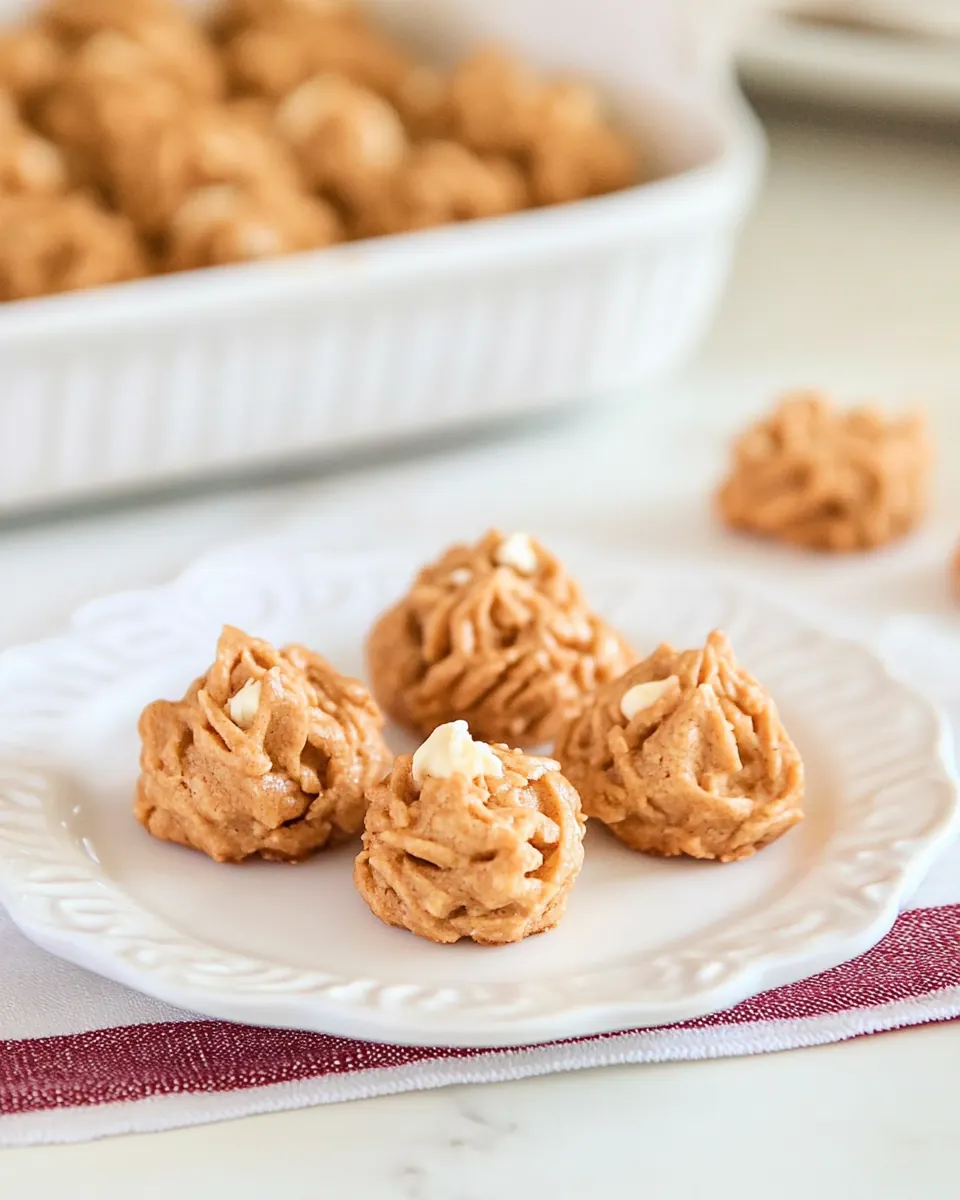
Haystack Cookies are the kind of sweet I reach for when I want something nostalgic and ridiculously easy to share with friends. I first made these on a rainy afternoon when I was short on time but craving a crunchy, sweet bite that paired perfectly with a cup of coffee. The combination of melted white candy coating, sweet butterscotch, and smooth peanut butter folding into crisp chow mein noodles felt like a tiny celebration in my kitchen.
That day I learned that the charm of Haystack Cookies lies in their simplicity, and how a few quality pantry items can create a treat that looks like you fussed for hours. As I stirred the glossy coating and caught whiffs of toasted sugar, I remembered making similar cookies as a kid, and I smiled at how quickly comfort can be conjured with a wooden spoon and a cookie scoop. Each bite is an interplay of textures, and I love watching guests’ faces when they discover the crunchy noodle center under the sweet shell.
Recipe Snapshot
20 mins
5 mins
15 mins
Easy
150 kcal
American
Gluten-Free, Low FODMAP
Desserts
Medium pot, Spatula, Cookie scoop, Parchment paper, Cookie sheet
Why You Need This Haystack Cookies
They are unbelievably easy and fast
I adore recipes that come together in practically no time, and Haystack Cookies fit that bill. With just a few minutes melting and a short setting time, you can have trays of cookies ready to share. I often keep the ingredients on hand for last minute gatherings because they take almost no prep while delivering maximum smile value.
Texture is the star
The contrast between creamy, melted white chocolate candy coating and the crisp snap of chow mein noodles is what keeps me reaching for seconds. When I bite into one, I listen for that satisfying crunch and savor the way the coating cradles the noodles, giving a little sweet chew without being cloying.
Highly adaptable for preferences
I love that these cookies invite play. In my kitchen I’ve mixed in mini chips and toasted coconut flakes, always keeping the ratio right so the noodles remain coated. If I’m entertaining kids, I might fold in colorful mini candies, and when friends want something nuttier, I let the peanut butter shine a bit more by choosing a creamier variety.
Perfect for gifting and parties
These cookies stack beautifully in boxes or tins, and they travel well at room temperature for parties and potlucks. I always keep a batch labeled for last minute gift bags, because they look homemade and taste indulgent, while not requiring babysitting at the stove.
Minimal cleanup and pantry friendly
I appreciate recipes that do not leave my kitchen in ruins. The melting happens in one pot, and the cookies set on parchment, so cleanup is fast. Also, all ingredients are shelf stable, so you can assemble a batch whenever guests drop by or you want a quick treat.
Ingredients to Make Haystack Cookies
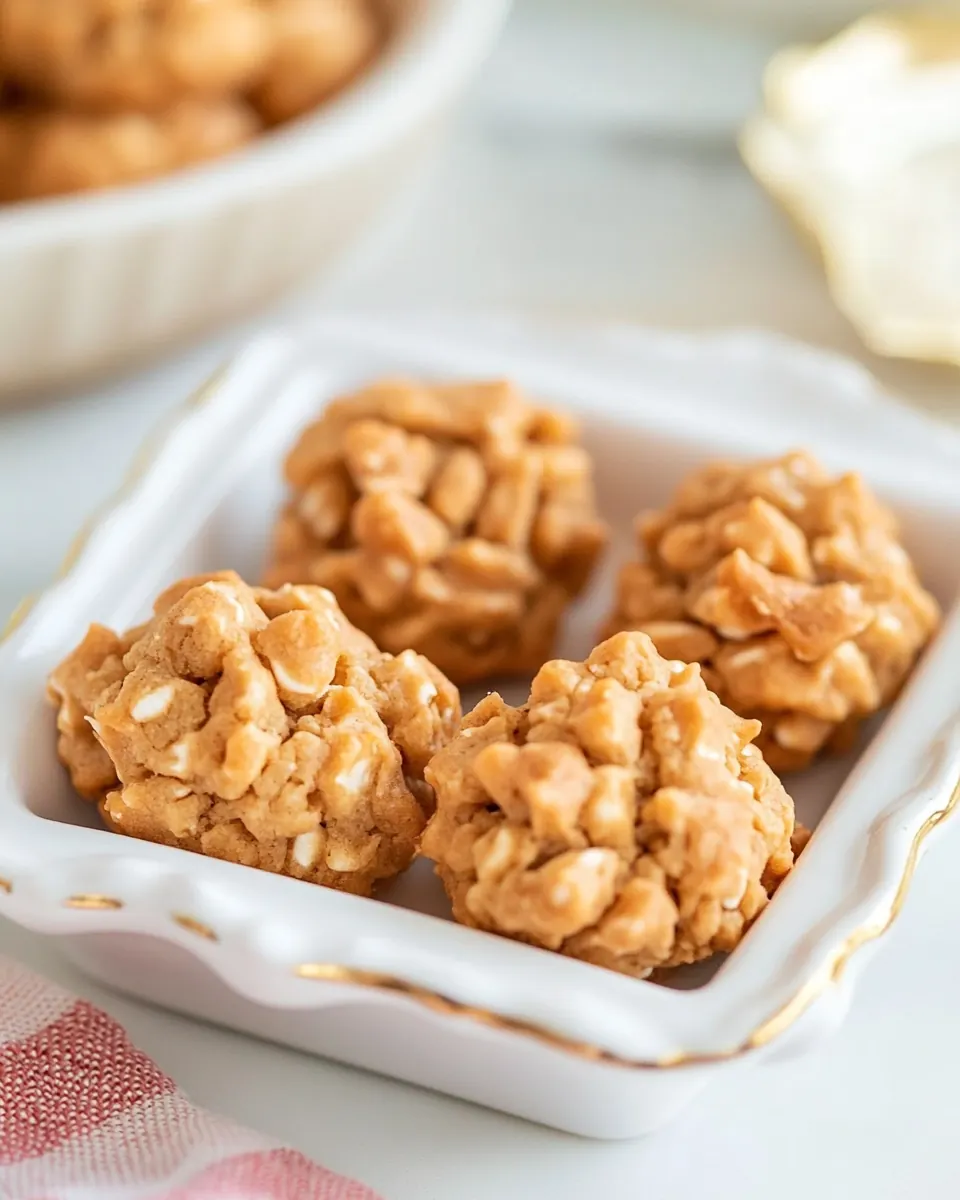
These ingredients are deliberately simple, and they play together like a small orchestra. The melted coating and chips create a creamy binding matrix, the peanut butter adds richness and a savory balance, and the chow mein noodles supply the crunchy, airy texture that defines this cookie. Together they form a contrast of smooth and crisp that is both comforting and fun.
- 10 ounces white chocolate candy coating: Melts smoothly to bind and sweeten the clusters, providing a creamy, glossy coating that helps set the haystacks; adds a mild, sweet vanilla flavor that balances the butterscotch and peanut butter.
- 11 ounces butterscotch chips, 1 bag: Adds rich, caramel-like sweetness and depth, melting into the mixture to contribute both flavor and structure; helps create a chewy, slightly sticky texture that complements the white chocolate coating.
- 1 cup creamy peanut butter: Provides salty, nutty creaminess that binds the chips and noodles together while contributing rich flavor; adds protein and fat which improve mouthfeel and help the clusters hold their shape once cooled.
- 12 – 15 ounces chow mein noodles: Offers a light, crunchy texture and volume, delivering the signature noodle-like strands that create the classic haystack shape; soaks up the melted coatings to form stable clusters without becoming soggy.
How to Make Haystack Cookies
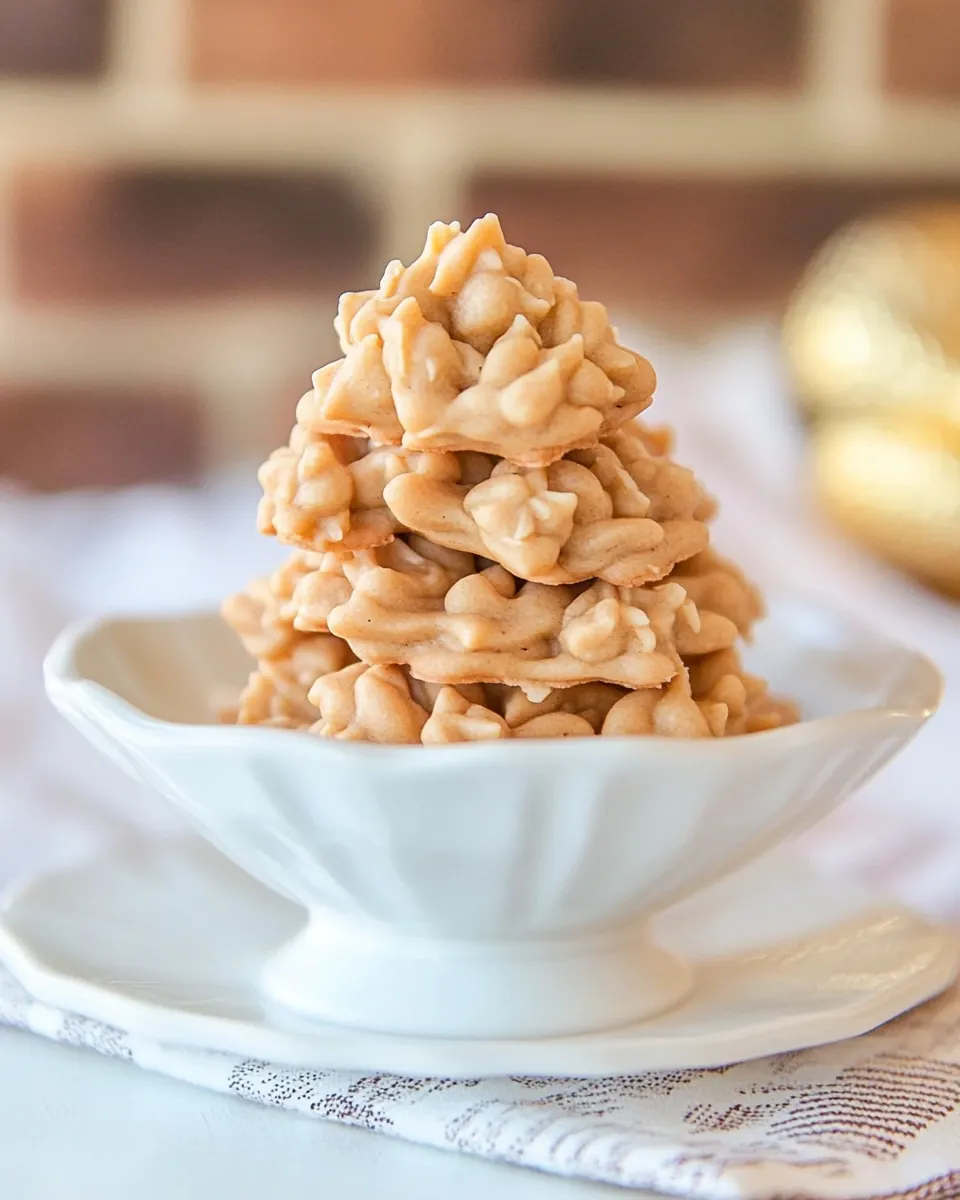
Making these cookies is a relaxed, sensory experience. The melting stage fills the kitchen with sweet aromas, and the final shaping is an almost meditative rhythm of scooping and setting. Below I expand the directions into rich, sensory-driven steps so you can feel confident at every moment.
- Add white candy coating and butterscotch chips to a medium pot and cook on LOW heat. Stir constantly until all melted.: As the first bits of white chocolate candy coating and butterscotch chips begin to warm, you will notice a gentle glossy sheen forming, and the aroma will shift to a warm caramel sweetness. Stir constantly, using a heat resistant spatula, so the heat distributes evenly and nothing sticks to the pot, which preserves a smooth texture. Keep the flame on low, because high heat can cause the mixture to seize into grainy clumps, ruining the silky finish; if you see small beads forming on the spatula, lower the heat immediately. A common mistake is walking away, which can lead to scorching; stay attentive and stir in slow, circular motions until completely melted.
- Remove from heat and fold in peanut butter and chow mein noodles.: Once the coating and chips are luxuriously melted and uniform, take the pot off the heat so residual warmth will gently loosen the peanut butter when you add it. Folding in gives you control over how evenly the peanut butter distributes, and you will feel the mixture thicken slightly as the noodles absorb some of the coating. The sound will change from a smooth ripple to a faint crunch as the chow mein noodles incorporate. If the mixture feels too stiff to coat the noodles, a light, quick rewarm on the lowest setting can help, but avoid overheating. A typical pitfall is overmixing which breaks the noodles into dust, so fold just until everything is coated.
- Use a cookie scoop, scoop out onto a parchment paper-lined cookie sheet, and let set until firm. Speed up the setting by placing them in the fridge for 15-20 minutes.: When you portion the mixture with a cookie scoop, you will notice how the glossy coating cradles the noodle clusters, holding shape but still giving a bit when pressed. Placing them on parchment prevents sticking and makes the bottoms tidy. As they cool at room temperature, you should see the surface lose its gloss and firm up; the texture will transition from pliable to crisp. Avoid crowding the tray so air can circulate and set them uniformly. A frequent error is using wax paper without cooling it first, which can cause sticking; parchment is the safer bet.
- Speed up the setting by placing them in the fridge for 15 to 20 minutes: If you want to enjoy the cookies sooner, chilling the tray in the refrigerator accelerates the coating's firming and brings a satisfying snap to each bite. You will feel a cooling sensation when you lift the tray, and within 15 to 20 minutes the centers will be set but not rock hard, preserving a pleasant chew around the noodles. Be mindful that very cold temperatures can sometimes dull flavors slightly, so if you chill extensively, allow them to sit at room temperature five minutes before serving. Do not freeze them immediately after setting, which can make the noodles lose crispness when thawed; instead use the fridge for quick setting.
Substitutions and Tips
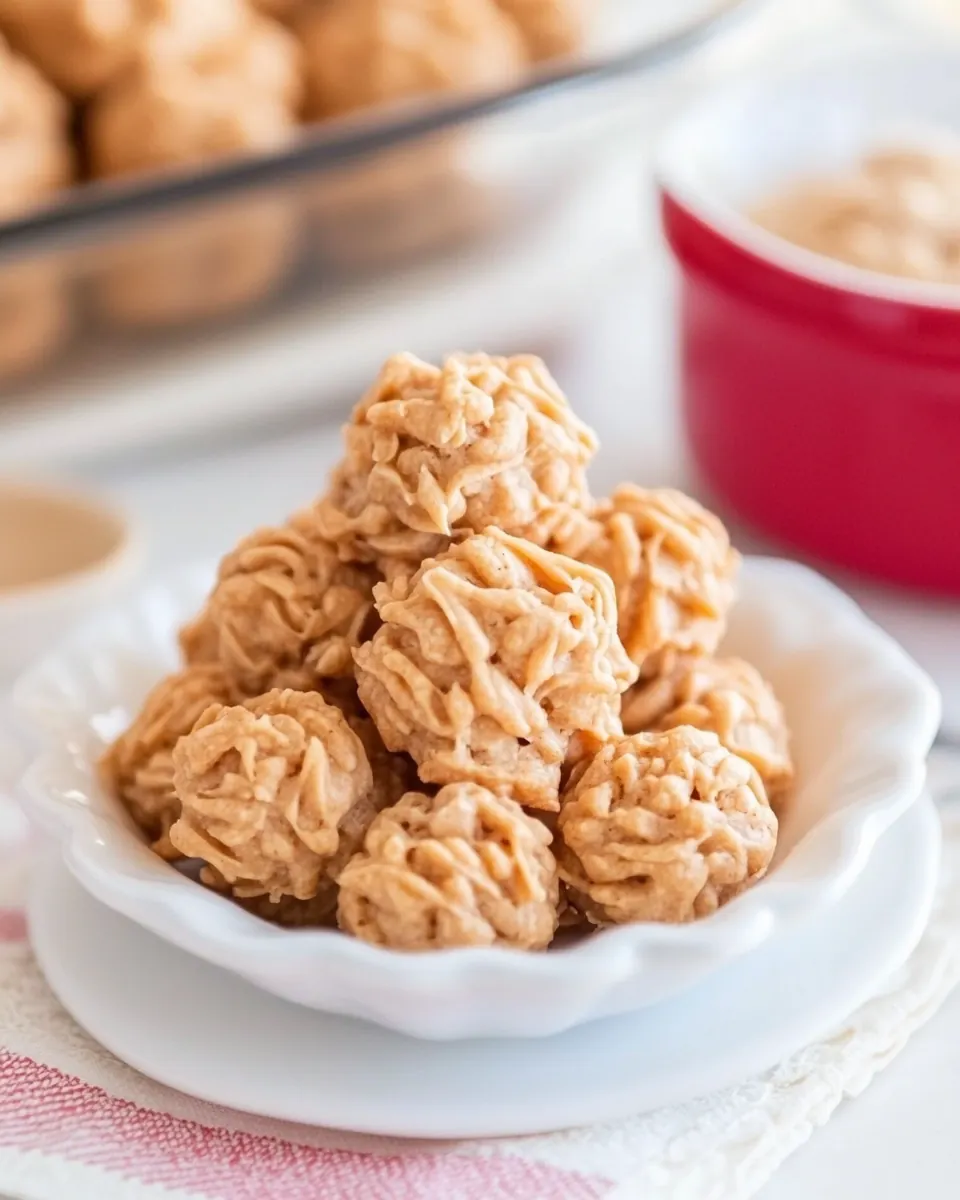
I like to include a few practical pointers that help these cookies shine, whether you are making them for a crowd or a weeknight treat. Below are my favorite ways to tweak texture and storage while keeping the recipe foolproof.
- Mini mix ins If you want extra visual interest and bursts of flavor, add small mix ins like mini chocolate chips or chopped pretzels, but reduce the chow mein noodles slightly so everything remains coated evenly.
- Peanut butter choice Creamy peanut butter blends smoothly and keeps the texture silky, whereas chunkier varieties will add nutty bits and alter how the mixture holds its shape.
- Setting shortcut Pop the tray in the fridge for 15 to 20 minutes to speed up firming, just watch the cookies so they do not get too cold and lose some flavor brightness.
- Melting safety Use low heat and a heavy bottom pot to distribute heat evenly, lowering the risk of scorching the white chocolate candy coating or butterscotch chips.
- Storage Layer cookies in an airtight container with parchment between layers to prevent sticking and to preserve the crunchy texture up to two weeks at room temperature.
- Freezing note Freeze for up to three weeks if needed, but understand they may soften when thawed and lose some crispness, so thaw at room temperature before serving.
What Goes Well With This Haystack Cookies
These cookies are versatile for gatherings and everyday snacking. Below I outline serving ideas, occasions, and storage details so you can plan how to present them with confidence.
- Party platters Arrange the cookies on a simple platter alongside plain cookies to offer contrast, and use small decorative paper cups to keep portions tidy for guests.
- Gift tins Stack them neatly in airtight tins with parchment separators, making them ideal for holiday gifting or neighbor treats, and include a handwritten note for a personal touch.
- Snack packs Individually bag a couple in clear cellophane tied with ribbon for school lunches, bake sales, or as an easy grab and go snack.
- Occasions They work well for casual gatherings like game nights, potlucks, and holiday cookie exchanges where ease of transport and quick serving matter.
- Storage tips Keep cooled cookies in an airtight container at room temperature for up to two weeks, or freeze for up to three weeks if you need longer storage, but expect a slight texture change after thawing.
- Seasonal pairings Serve them at year round celebrations, or include them in a dessert spread during festive times when guests appreciate nostalgic, crunchy sweets.
FAQ
Conclusion
Haystack Cookies stand out for their crunchy texture, sweet coating, and effortless assembly. They are a dependable go to when you want an impressive looking treat without hours of work. Give them a try the next time you need a quick dessert for guests or a nostalgic snack for family, and I bet they will become a pantry favorite. Enjoy the process of melting, folding, and scooping, and savor that first satisfying crunch.
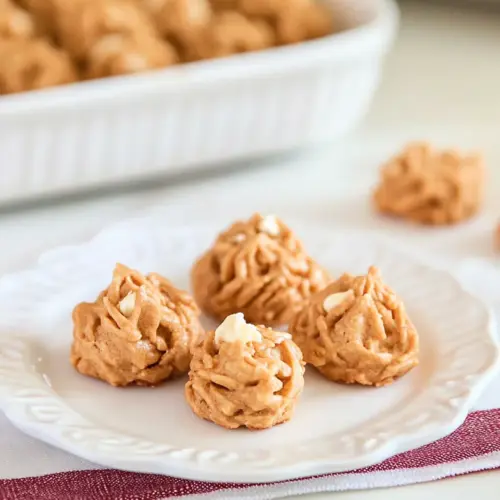
Haystack Cookies
Equipment
- Medium Pot
- Spatula
- Cookie Scoop
- Parchment Paper
- Cookie Sheet
Ingredients
- 10 ounces white chocolate candy coating Melts smoothly to bind and sweeten the clusters, providing a creamy, glossy coating that helps set the haystacks; adds a mild, sweet vanilla flavor that balances the butterscotch and peanut butter.
- 11 ounces butterscotch chips, 1 bag Adds rich, caramel-like sweetness and depth, melting into the mixture to contribute both flavor and structure; helps create a chewy, slightly sticky texture that complements the white chocolate coating.
- 1 cup creamy peanut butter Provides salty, nutty creaminess that binds the chips and noodles together while contributing rich flavor; adds protein and fat which improve mouthfeel and help the clusters hold their shape once cooled.
- 12 – 15 ounces chow mein noodles Offers a light, crunchy texture and volume, delivering the signature noodle-like strands that create the classic haystack shape; soaks up the melted coatings to form stable clusters without becoming soggy.
Instructions
- Add white candy coating and butterscotch chips to a medium pot and cook on LOW heat. Stir constantly until all melted.: As the first bits of white chocolate candy coating and butterscotch chips begin to warm, you will notice a gentle glossy sheen forming, and the aroma will shift to a warm caramel sweetness. Stir constantly, using a heat resistant spatula, so the heat distributes evenly and nothing sticks to the pot, which preserves a smooth texture. Keep the flame on low, because high heat can cause the mixture to seize into grainy clumps, ruining the silky finish; if you see small beads forming on the spatula, lower the heat immediately. A common mistake is walking away, which can lead to scorching; stay attentive and stir in slow, circular motions until completely melted.
- Remove from heat and fold in peanut butter and chow mein noodles.: Once the coating and chips are luxuriously melted and uniform, take the pot off the heat so residual warmth will gently loosen the peanut butter when you add it. Folding in gives you control over how evenly the peanut butter distributes, and you will feel the mixture thicken slightly as the noodles absorb some of the coating. The sound will change from a smooth ripple to a faint crunch as the chow mein noodles incorporate. If the mixture feels too stiff to coat the noodles, a light, quick rewarm on the lowest setting can help, but avoid overheating. A typical pitfall is overmixing which breaks the noodles into dust, so fold just until everything is coated.
- Use a cookie scoop, scoop out onto a parchment paper-lined cookie sheet, and let set until firm. Speed up the setting by placing them in the fridge for 15-20 minutes.: When you portion the mixture with a cookie scoop, you will notice how the glossy coating cradles the noodle clusters, holding shape but still giving a bit when pressed. Placing them on parchment prevents sticking and makes the bottoms tidy. As they cool at room temperature, you should see the surface lose its gloss and firm up; the texture will transition from pliable to crisp. Avoid crowding the tray so air can circulate and set them uniformly. A frequent error is using wax paper without cooling it first, which can cause sticking; parchment is the safer bet.
- Speed up the setting by placing them in the fridge for 15 to 20 minutes: If you want to enjoy the cookies sooner, chilling the tray in the refrigerator accelerates the coating's firming and brings a satisfying snap to each bite. You will feel a cooling sensation when you lift the tray, and within 15 to 20 minutes the centers will be set but not rock hard, preserving a pleasant chew around the noodles. Be mindful that very cold temperatures can sometimes dull flavors slightly, so if you chill extensively, allow them to sit at room temperature five minutes before serving. Do not freeze them immediately after setting, which can make the noodles lose crispness when thawed; instead use the fridge for quick setting.
Notes
- Mini mix ins If you want extra visual interest and bursts of flavor, add small mix ins like mini chocolate chips or chopped pretzels, but reduce the chow mein noodles slightly so everything remains coated evenly.
- Peanut butter choice Creamy peanut butter blends smoothly and keeps the texture silky, whereas chunkier varieties will add nutty bits and alter how the mixture holds its shape.
- Setting shortcut Pop the tray in the fridge for 15 to 20 minutes to speed up firming, just watch the cookies so they do not get too cold and lose some flavor brightness.
- Melting safety Use low heat and a heavy bottom pot to distribute heat evenly, lowering the risk of scorching the white chocolate candy coating or butterscotch chips.
- Storage Layer cookies in an airtight container with parchment between layers to prevent sticking and to preserve the crunchy texture up to two weeks at room temperature.
- Freezing note Freeze for up to three weeks if needed, but understand they may soften when thawed and lose some crispness, so thaw at room temperature before serving.