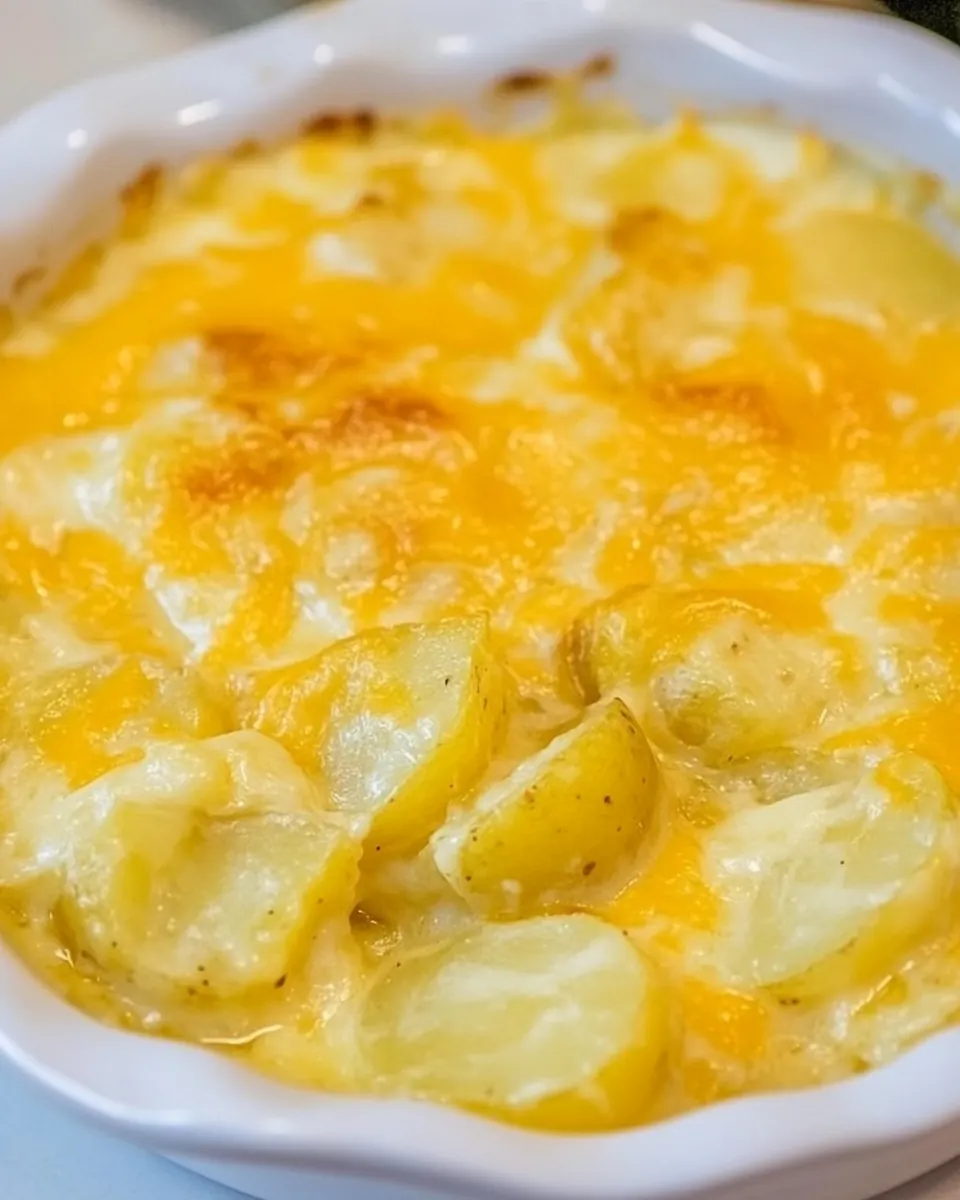
Cheesy Potatoes
Cheesy Potatoes became my go to when I wanted comfort food that feels like a warm kitchen hug. The very first time I made this dish I remember the steam fogging up the windows while the house filled with a buttery, cheesy aroma that made everyone gather around the oven. I loved how the simple mix of potatoes, butter, and melted cheese turned into something so indulgent yet easy enough for a weeknight.
Over the years I have tweaked the method a bit, and each tweak taught me something about balance. I learned how important it is to keep the potatoes slightly firm so they do not fall apart when baked, and how a smooth, velvety sauce can transform plain spuds into a dish that feels celebratory. Family members ask for it at gatherings, and I find myself making it whenever I want something reliably cozy.
Recipe Snapshot
40 mins
15 mins
25 mins
Medium
250 kcal
American
Gluten-Free, Low FODMAP
Side Dishes
Medium saucepan, Greased 2 quart baking dish, Whisk
Why This Cheesy Potatoes Is a Winner
Comfort food that actually comforts
I love how Cheesy Potatoes hits that nostalgic note, the kind that makes you slow down. The combination of creamy sauce and tender potatoes creates texture contrast that feels luxurious without being pretentious.
Simplicity with big payoff
There are only a handful of ingredients, yet each one plays a large role. The butter and flour form a roux that gives body to the sauce, while the cubed Velveeta and shredded cheddar cheese bring both meltiness and sharpness. I appreciate recipes that reward minimal effort, and this one does that every time.
Flexible for crowds
When I host, I can double the recipe or make it in a larger baking dish without losing the comforting flavor. It reheats well, and guests always comment on the gooey top, which makes serving effortless and satisfying.
Textural joy
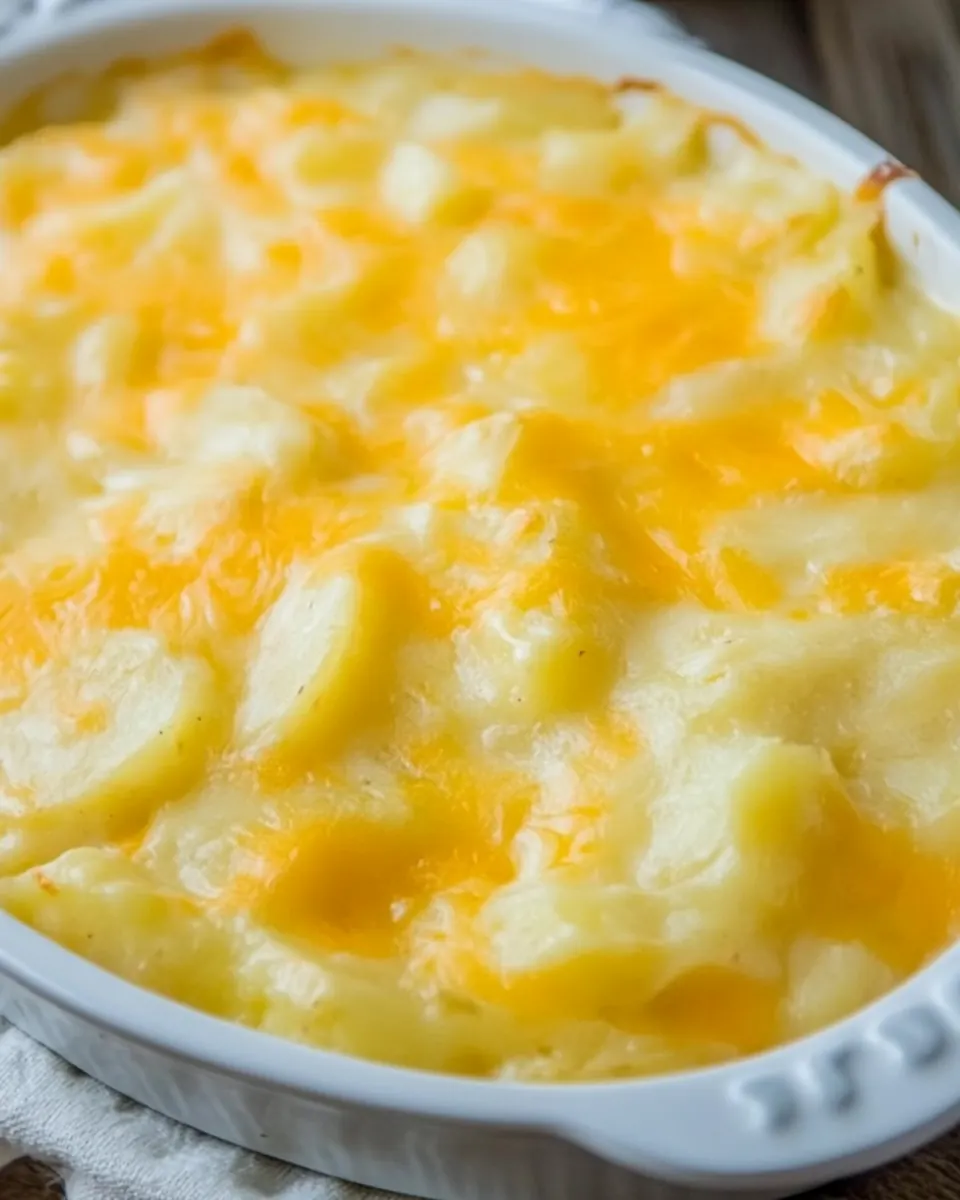
The contrast between bite sized potatoes and the smooth, slightly thickened cheese sauce is what sets this dish apart. That glossy, bubbling top with melted cheddar cheese gives a satisfying pull, and the interior stays creamy rather than gluey.
Kid friendly and grown up approved
My kids adore the smooth, cheesy sauce, while adults appreciate the seasoning. It’s the rare dish that unites picky eaters and flavor seekers, which is why I keep it on rotation during cold months.
What Goes Into Cheesy Potatoes
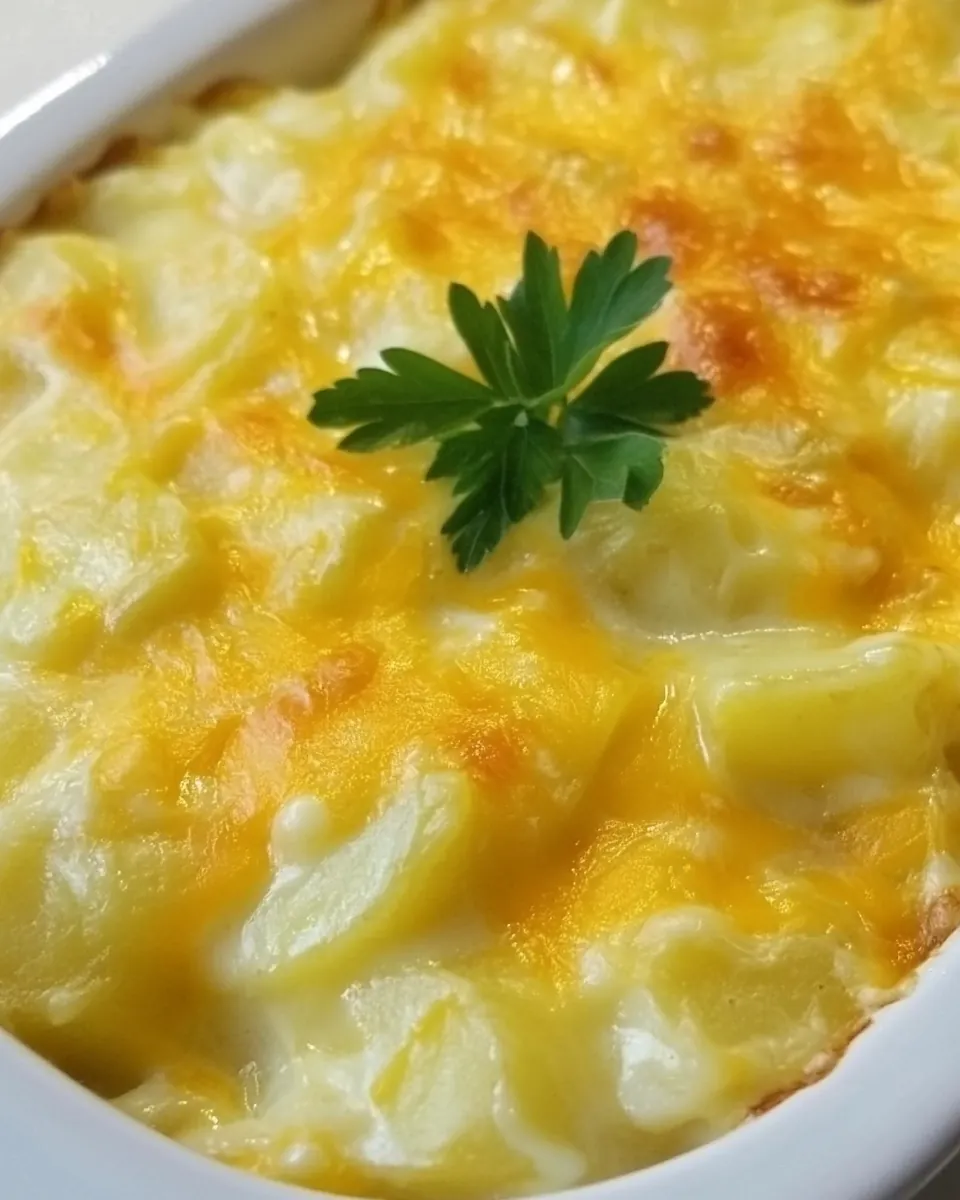
These ingredients are chosen to create a rich, creamy casserole that is simple and reliable. The philosophy is straightforward, use starchy potatoes for structure, a butter and flour base for a velvety sauce, milk for creaminess, and two kinds of cheese for both melt and flavor depth. Each component plays a supporting role so the finished dish tastes layered despite a short shopping list.
- 5 to 6 medium russet potatoes, peeled and cut into bite-sized chunks: Peel and cube to provide the starchy base that becomes tender and creamy when boiled; these chunks absorb the cheese sauce and add hearty texture to the dish. Use uniformly sized pieces to ensure even cooking and consistent bite throughout the casserole.
- salt: Season generously to enhance and balance overall flavors, helping the creamy sauce and cheeses come forward. Add to boiling water and to taste after boiling to avoid over-salting delicate sauce.
- 3 tablespoons butter: Melt to create a rich, silky fat that forms the foundation of the roux, contributing depth and mouthfeel to the sauce. Clarify slightly while cooking to remove excess moisture before adding flour for best thickening.
- 3 tablespoons all-purpose flour: Whisk into melted butter to form a roux that thickens the milk into a smooth cheese sauce; it provides body and prevents separation. Cook briefly to remove the raw flour taste while maintaining enough starch to bind the sauce.
- 3 cups milk: Heat into the roux to create a creamy, cohesive sauce that envelops the potatoes and melts the cheeses evenly. Warm gently to prevent scalding and to allow proper thickening before cheese incorporation.
- 1/2 teaspoons seasoned salt: Season finely to add a savory, slightly spiced undertone that complements both the potatoes and the cheeses. Sprinkle into the sauce toward the end of cooking to layer flavor without overpowering.
- 1/2 teaspoon black pepper: Grind freshly or use preground to add mild heat and a bright backdrop that cuts through the richness of the cheese sauce. Add according to taste, adjusting slightly after cheeses are incorporated.
- 1/4 teaspoon garlic powder: Dust lightly to introduce a subtle aromatic garlic note that enhances overall savoriness without dominating the dish. Incorporate into the sauce with other seasonings for even distribution.
- 8 ounces Velveeta cheese, cubed: Cube and melt into the warm sauce to create an ultra-smooth, creamy texture and consistent melt that binds the potatoes together. Add gradually and stir until fully incorporated to avoid lumps and ensure velvety mouthfeel.
- 1 cup shredded cheddar cheese: Shred to contribute sharp, nutty flavor and stretchy cheeseiness that browns slightly when baked, providing contrast to the processed cheese. Sprinkle evenly for flavor, texture, and an appealing golden topping.
Instructions for Cheesy Potatoes
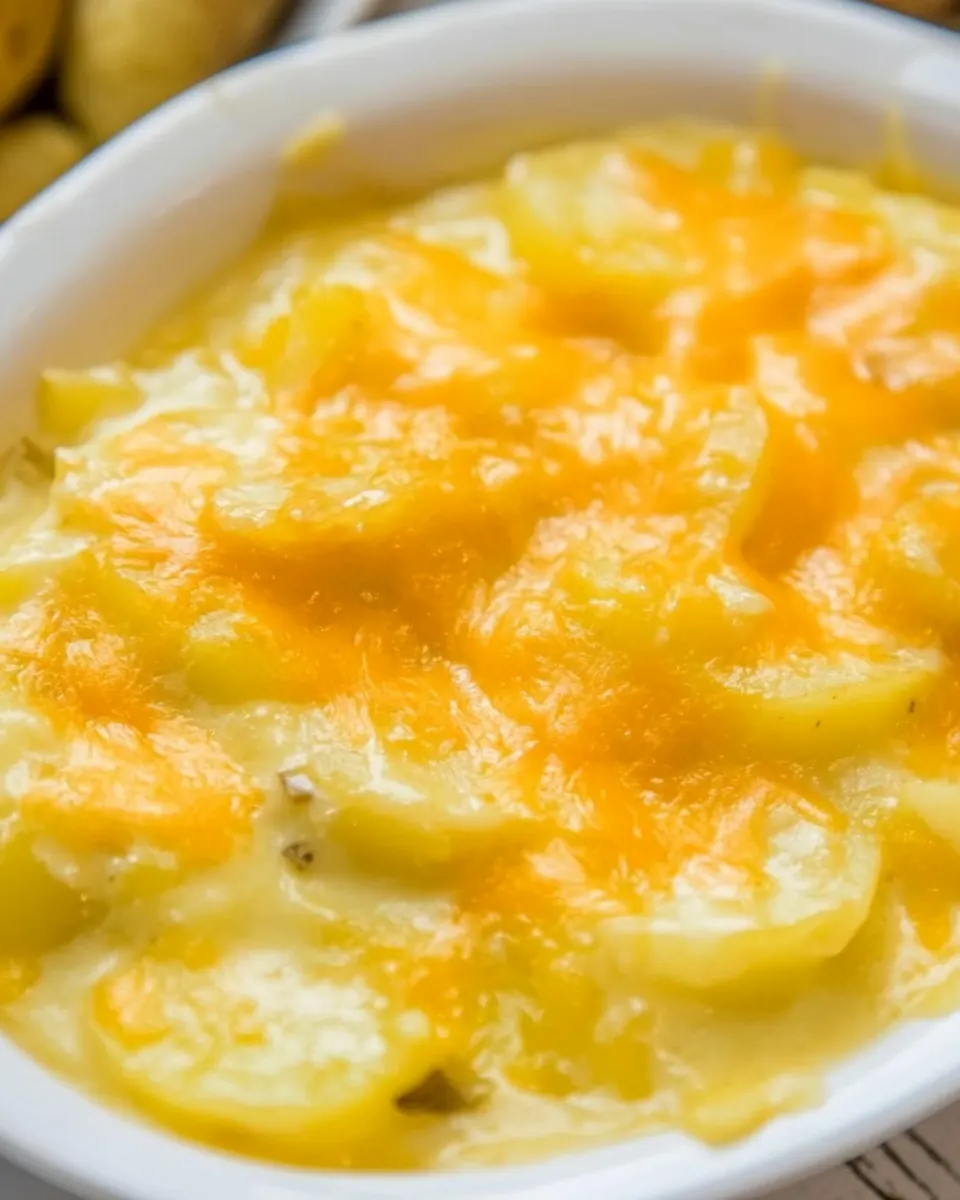
These steps guide you from parboiling potatoes to a bubbling, cheesy finish. I walk you through sensory cues so you know when the sauce is ready, why each step matters, and how to avoid the most common mishaps. Follow the sequence to preserve texture and coax the best flavor out of each ingredient.
- Place potatoes in a medium saucepan and cover with water. Add about a teaspoon of salt. Bring to a boil and simmer until just tender, but still a little firm.: You will hear a steady simmer as the water warms then bubbles gently, and the steam will smell faintly of cooked potatoes . The goal here is tenderness with a little resistance, so use a fork to test them at the lower end of tenderness; they should slide off the fork with slight resistance. This step sets the texture for the whole dish, because overcooked potatoes will fall apart when baked, turning the casserole mushy. A common error is leaving them boiling too long, so check early to avoid waterlogged pieces. The lightly salted water seasons the interior, which helps create a balanced bite later.
- Drain potatoes and place in a greased 2-quart baking dish.: After draining, give them a moment to steam off excess moisture so they do not water down the sauce. You should notice a clean, starchy scent and the skins, if any remain, will look slightly matte. Greasing the dish helps prevent sticking and encourages the edges to brown a bit. If you skip drying them briefly, the sauce can become thinner and the top will not crisp properly, which dulls the overall texture contrast.
- Melt butter over medium heat in a medium saucepan. Sprinkle flour into pan. Stir and cook 1 minute.: As the butter melts, you will hear a gentle sizzle and see a glossy pool of fat. When you add the flour , it will clump initially, but stirring smooths it into a paste. Cooking for about one minute removes the raw flour taste and gives the roux a faintly nutty scent, which enhances the sauce. If you rush this step or skip cooking the roux, the final sauce can taste pasty or raw. Keep the heat moderate to prevent the butter from browning too much, which would change the flavor profile.
- Gradually whisk in the milk. Bring to a boil and simmer until thickened.: When you add the milk slowly while whisking, the roux dissolves into a silky base. You will see the sauce transform from thick paste to smooth liquid, and as it heats it will steam and begin to thicken, leaving a ribbon when the whisk is lifted. A gentle boil helps activate the thickening power of the flour . If you add the milk too quickly or do not whisk, lumps will form and the texture will be uneven. Keep stirring so the bottom does not scorch, which would impart a burned taste.
- Stir in seasoned salt, pepper, and garlic powder.: Adding these seasonings at this stage lets them bloom in the warm sauce, releasing aroma and rounding out the dairy sweetness. You should notice the sauce smelling more layered, with warm spice notes. Taste cautiously, because processed cheeses like Velveeta will add sodium later. Over seasoning now can lead to an overly salty casserole at the end, so err on the lighter side.
- Remove from heat. Add Velveeta and stir until melted. Pour sauce over potatoes.: Off the heat, the cubed Velveeta cheese will melt into a glossy, cohesive sauce with minimal effort, creating that classic velvety texture. Stir until smooth and even, then pour slowly so the sauce covers the potatoes evenly. The aroma will become unmistakably creamy and rich. If you keep the pan on high heat while adding the cheese, the texture can separate or become grainy, so removing from heat first avoids that problem.
- Sprinkle cheddar cheese on top. Bake in a 350 degrees for 25 minutes.: As the dish bakes, you will see the sauce bubble gently at the edges and the shredded cheddar cheese will melt into a golden, slightly blistered top that smells nutty and sharp. The 350 degrees creates even heating so the interior stays creamy while the top develops a pleasing texture. If the oven is too hot, the top may brown before the center is warmed through, so maintain a steady temperature. Use the aroma and gentle bubbling as your cues that the casserole is ready to come out.
Making Adjustments
I wrote these adjustments based on how I adapt Cheesy Potatoes when I need creamier texture, extra browning, or different portion sizes. These are practical, tested suggestions to tweak the final dish without changing the core flavors.
- Swap milk richness Use whole milk for the creamiest sauce, or a lower fat milk if you prefer a lighter texture. Whole milk yields a silkier mouthfeel and better coating for the potatoes.
- Adjust seasoning carefully Taste the sauce before adding the Velveeta since processed cheese carries sodium. This lets you avoid an overly salty bake.
- Portion scaling If you double the recipe, use a wider baking dish so the sauce spreads evenly and the top browns consistently. Crowding can lead to uneven baking.
- Avoid overboiling Pull the potatoes just shy of fork tender to prevent them from breaking down during the final bake. Slightly firm pieces keep the texture interesting.
- Let it rest Allow the finished casserole to rest for five to ten minutes before serving so the sauce settles and slices hold their shape.
Best Served With
Cheesy Potatoes pairs wonderfully with simple proteins and bright vegetable sides. The richness benefits from acidic or fresh components, and the dish fits casual family dinners as well as holiday spreads. Here are serving ideas and practical storage tips to make the most of it.
- Family dinner pairing Serve alongside roasted or grilled mains to balance the plate; the creamy potatoes match grilled textures nicely and make weeknight dinners feel indulgent.
- Holiday table This casserole stands up to festive meals, offering a crowd pleasing side that reheats well for seconds during celebrations and gatherings.
- Vegetable contrast Bright, crisp salads or steamed greens provide a fresh counterpoint to the rich cheese sauce, cutting through the creaminess for a more balanced bite.
- Make ahead and reheat You can assemble the dish and refrigerate before baking, then bake when ready. Leftovers reheat in a moderate oven until warmed through to preserve texture.
- Portion and store Store leftovers in an airtight container in the refrigerator for up to three days. Reheat covered in a 325 degrees oven to avoid drying out the top while warming the center.
- Seasonal serving In winter, this dish is a cozy option for dinner; pair it with seasonal roasted vegetables to round out the meal and create comforting, nourishing plates.
FAQ
Conclusion
Cheesy Potatoes stands out because it turns humble potatoes into a rich, crowd pleasing casserole with minimal fuss. The marriage of a simple roux based sauce, smooth melted Velveeta, and a sharp cheddar cheese topping creates comforting texture and flavor that satisfies both kids and adults. Give it a try the next time you want a reliable side that feels indulgent yet is easy to prepare, and you may find it becoming a repeat request for family meals and special occasions alike.
Cheesy Potatoes
Equipment
- Medium Saucepan
- Greased 2 quart baking dish
- Whisk
Ingredients
- 5 to 6 medium russet potatoes, peeled and cut into bite-sized chunks Peel and cube to provide the starchy base that becomes tender and creamy when boiled; these chunks absorb the cheese sauce and add hearty texture to the dish. Use uniformly sized pieces to ensure even cooking and consistent bite throughout the casserole.
- salt Season generously to enhance and balance overall flavors, helping the creamy sauce and cheeses come forward. Add to boiling water and to taste after boiling to avoid over-salting delicate sauce.
- 3 tablespoons butter Melt to create a rich, silky fat that forms the foundation of the roux, contributing depth and mouthfeel to the sauce. Clarify slightly while cooking to remove excess moisture before adding flour for best thickening.
- 3 tablespoons all-purpose flour Whisk into melted butter to form a roux that thickens the milk into a smooth cheese sauce; it provides body and prevents separation. Cook briefly to remove the raw flour taste while maintaining enough starch to bind the sauce.
- 3 cups milk Heat into the roux to create a creamy, cohesive sauce that envelops the potatoes and melts the cheeses evenly. Warm gently to prevent scalding and to allow proper thickening before cheese incorporation.
- 1/2 teaspoons seasoned salt Season finely to add a savory, slightly spiced undertone that complements both the potatoes and the cheeses. Sprinkle into the sauce toward the end of cooking to layer flavor without overpowering.
- 1/2 teaspoon black pepper Grind freshly or use preground to add mild heat and a bright backdrop that cuts through the richness of the cheese sauce. Add according to taste, adjusting slightly after cheeses are incorporated.
- 1/4 teaspoon garlic powder Dust lightly to introduce a subtle aromatic garlic note that enhances overall savoriness without dominating the dish. Incorporate into the sauce with other seasonings for even distribution.
- 8 ounces Velveeta cheese, cubed Cube and melt into the warm sauce to create an ultra-smooth, creamy texture and consistent melt that binds the potatoes together. Add gradually and stir until fully incorporated to avoid lumps and ensure velvety mouthfeel.
- 1 cup shredded cheddar cheese Shred to contribute sharp, nutty flavor and stretchy cheeseiness that browns slightly when baked, providing contrast to the processed cheese. Sprinkle evenly for flavor, texture, and an appealing golden topping.
Instructions
- Place potatoes in a medium saucepan and cover with water. Add about a teaspoon of salt. Bring to a boil and simmer until just tender, but still a little firm.: You will hear a steady simmer as the water warms then bubbles gently, and the steam will smell faintly of cooked potatoes . The goal here is tenderness with a little resistance, so use a fork to test them at the lower end of tenderness; they should slide off the fork with slight resistance. This step sets the texture for the whole dish, because overcooked potatoes will fall apart when baked, turning the casserole mushy. A common error is leaving them boiling too long, so check early to avoid waterlogged pieces. The lightly salted water seasons the interior, which helps create a balanced bite later.
- Drain potatoes and place in a greased 2-quart baking dish.: After draining, give them a moment to steam off excess moisture so they do not water down the sauce. You should notice a clean, starchy scent and the skins, if any remain, will look slightly matte. Greasing the dish helps prevent sticking and encourages the edges to brown a bit. If you skip drying them briefly, the sauce can become thinner and the top will not crisp properly, which dulls the overall texture contrast.
- Melt butter over medium heat in a medium saucepan. Sprinkle flour into pan. Stir and cook 1 minute.: As the butter melts, you will hear a gentle sizzle and see a glossy pool of fat. When you add the flour , it will clump initially, but stirring smooths it into a paste. Cooking for about one minute removes the raw flour taste and gives the roux a faintly nutty scent, which enhances the sauce. If you rush this step or skip cooking the roux, the final sauce can taste pasty or raw. Keep the heat moderate to prevent the butter from browning too much, which would change the flavor profile.
- Gradually whisk in the milk. Bring to a boil and simmer until thickened.: When you add the milk slowly while whisking, the roux dissolves into a silky base. You will see the sauce transform from thick paste to smooth liquid, and as it heats it will steam and begin to thicken, leaving a ribbon when the whisk is lifted. A gentle boil helps activate the thickening power of the flour . If you add the milk too quickly or do not whisk, lumps will form and the texture will be uneven. Keep stirring so the bottom does not scorch, which would impart a burned taste.
- Stir in seasoned salt, pepper, and garlic powder.: Adding these seasonings at this stage lets them bloom in the warm sauce, releasing aroma and rounding out the dairy sweetness. You should notice the sauce smelling more layered, with warm spice notes. Taste cautiously, because processed cheeses like Velveeta will add sodium later. Over seasoning now can lead to an overly salty casserole at the end, so err on the lighter side.
- Remove from heat. Add Velveeta and stir until melted. Pour sauce over potatoes.: Off the heat, the cubed Velveeta cheese will melt into a glossy, cohesive sauce with minimal effort, creating that classic velvety texture. Stir until smooth and even, then pour slowly so the sauce covers the potatoes evenly. The aroma will become unmistakably creamy and rich. If you keep the pan on high heat while adding the cheese, the texture can separate or become grainy, so removing from heat first avoids that problem.
- Sprinkle cheddar cheese on top. Bake in a 350 degrees for 25 minutes.: As the dish bakes, you will see the sauce bubble gently at the edges and the shredded cheddar cheese will melt into a golden, slightly blistered top that smells nutty and sharp. The 350 degrees creates even heating so the interior stays creamy while the top develops a pleasing texture. If the oven is too hot, the top may brown before the center is warmed through, so maintain a steady temperature. Use the aroma and gentle bubbling as your cues that the casserole is ready to come out.
Notes
- Swap milk richness Use whole milk for the creamiest sauce, or a lower fat milk if you prefer a lighter texture. Whole milk yields a silkier mouthfeel and better coating for the potatoes.
- Adjust seasoning carefully Taste the sauce before adding the Velveeta since processed cheese carries sodium. This lets you avoid an overly salty bake.
- Portion scaling If you double the recipe, use a wider baking dish so the sauce spreads evenly and the top browns consistently. Crowding can lead to uneven baking.
- Avoid overboiling Pull the potatoes just shy of fork tender to prevent them from breaking down during the final bake. Slightly firm pieces keep the texture interesting.
- Let it rest Allow the finished casserole to rest for five to ten minutes before serving so the sauce settles and slices hold their shape.