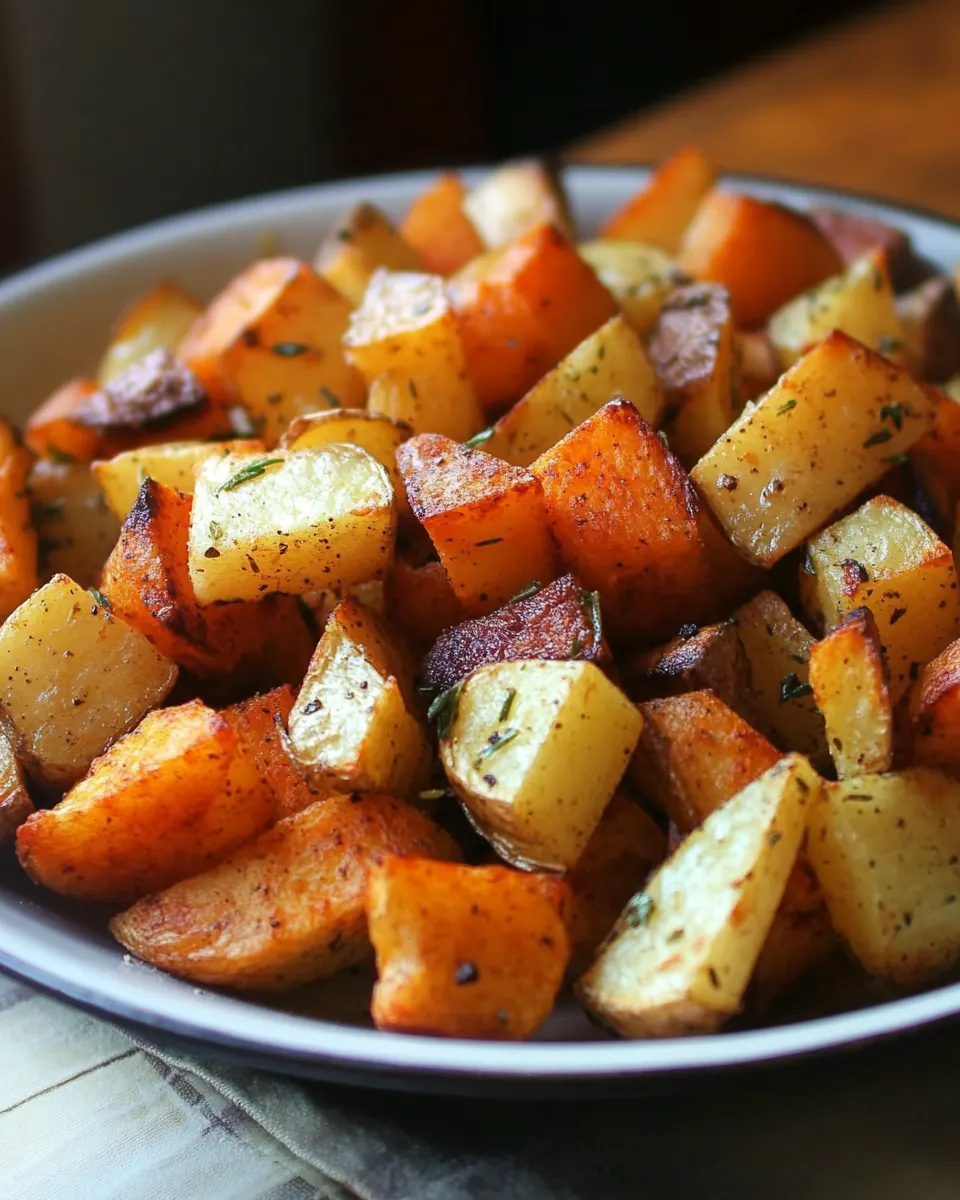
Skillet Home Fries with Herbs de Provence
Skillet Home Fries with Herbs de Provence are the sort of thing I reach for when I want something honest, warm, and a little bit smoky on the plate. The first time I made them I was trying to rescue a chilly morning after a late night of travel, and the sound of the potatoes sizzling in the pan felt like a tiny celebration. I still remember the way the kitchen filled with an herby, toasty aroma that made me slow down and breathe. These potatoes are simple, yet they reward a little attention, and they pair beautifully with anything from fried eggs to savory crepes.
I tend to treat this recipe as a flexible companion rather than a rigid ritual. Some mornings I chop the potatoes a little larger for a softer bite, other times I push for extra crisp by giving the pan more time in the oven. Every shift changes the final texture, and I love experimenting with that balance between tender inside and golden outside. Over time I learned to trust the visual cues more than the clock, and now I rely on the smell and the first edge of browning to tell me when to flip or finish.
Recipe Snapshot
50 mins
15 mins
35 mins
Medium
250 kcal
American
Vegan, Gluten-Free
Side Dishes
Cast iron skillet, Oven, Flat metal spatula
Why This Skillet Home Fries with Herbs de Provence Shines
Bold, rustic flavor
I love how Skillet Home Fries with Herbs de Provence deliver big, savory flavor with so few ingredients. The blend of paprika and herbs de Provence lifts the natural sweetness of the russet potato and sweet potato, creating a savory crust that keeps every bite interesting.
Textural contrast
What keeps me coming back is the contrast between the crunchy exterior and the buttery, tender interior. When the potatoes hit the hot skillet and oven, they caramelize and crisp up, while the chop size ensures the centers stay soft. That interplay is what I think of as the soul of home fries.
Happy versatility
These fries are endlessly adaptable. I serve them for breakfast with eggs, as a brunch side with crepes, or alongside a weeknight protein. They also take well to different garnishes and dipping sauces, which means you can tailor them to many meals without fuss.
Easy technique
Despite sounding restaurant worthy, the technique is forgiving. Tossing the cubed potatoes with olive oil and seasonings and using a well heated skillet makes them reliable. I appreciate recipes that welcome a little improvisation, and this one does just that.
Comfort with a bit of elegance
The herbs de Provence add a fragrant, slightly floral layer that elevates humble potatoes. It’s a small flourish that makes a simple dish feel thoughtfully prepared, perfect for weekday comfort or a relaxed weekend table.
What You’ll Need for Skillet Home Fries with Herbs de Provence
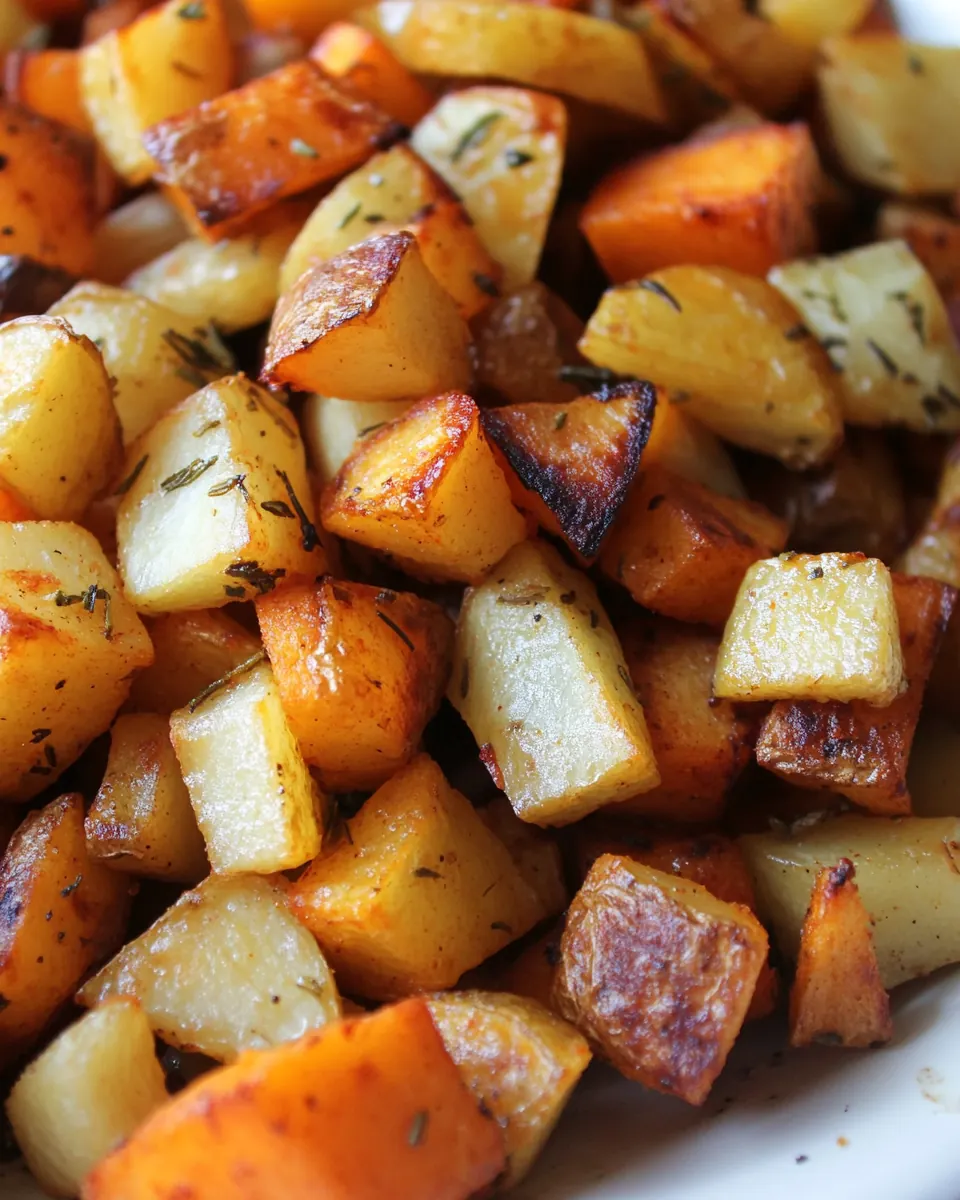
These ingredients are intentionally minimal and complementary. The combination of a starchy russet potato and a sweeter sweet potato gives a pleasing mix of textures and natural sugars. Olive oil helps create a crisp, golden surface, while the paprika and herbs de Provence bring warmth and aromatic depth. A touch of salt rounds everything out and lets the potatoes sing.
- 1 large russet potato about 1 pound, cut into 1/2-inch cubes: Provide a starchy base and tender texture when cooked; contributes mild, earthy flavor and helps create crispy edges when pan-fried. Cut into 1/2-inch cubes to promote even cooking and to match the sweet potato for uniform doneness. Russet potatoes also brown well, adding visual appeal and a satisfying mouthfeel.
- 1 large sweet potato about 1 pound, cut into 1/2-inch cubes: Offer natural sweetness and moist texture that balances the russet potato; adds orange color and a slightly creamy bite when cubed and sautéed. Cut into 1/2-inch cubes to ensure even cooking alongside the russet and to integrate the sweet flavor throughout the dish. Sweet potatoes also contribute additional vitamins and a touch of caramelized sweetness when browned.
- 1 tablespoon olive oil: Coat the potatoes to promote even browning and prevent sticking while cooking; adds a subtle fruity richness that complements the herbs and spices. Use enough oil to lightly gloss the cubed potatoes so heat distributes evenly in the skillet. Olive oil also helps the paprika and herbs adhere to the potato surfaces for better flavor.
- 1 teaspoon paprika sweet Hungarian: Impart warm, slightly sweet, and mildly smoky notes that enhance the roasted flavor of the potatoes; contributes color and visual contrast. Sprinkle evenly over the cubed potatoes to deepen their savory profile and to pair well with the herbs de Provence. Paprika also complements the oil to form a flavorful crust during pan-frying.
- 1/2 teaspoon herbs de Provence: Provide an aromatic, savory herbal note with a mix of thyme, rosemary, and lavender-like flavors that brighten the potatoes; adds complexity and a Provençal character. Use sparingly to avoid overpowering the natural potato flavors, letting the herbs infuse as the potatoes crisp in the skillet. Herbs de Provence pairs well with both the sweet and russet potatoes for balanced seasoning.
- 1/2 teaspoons ea salt: Season the potatoes to enhance all other flavors and balance the dish; contributes necessary saltiness for taste and helps draw out moisture for better browning. Use the specified amount evenly so each potato cube is seasoned without becoming overly salty. Salt also amplifies the savory qualities of the paprika and herbs.
Cooking Method for Skillet Home Fries with Herbs de Provence
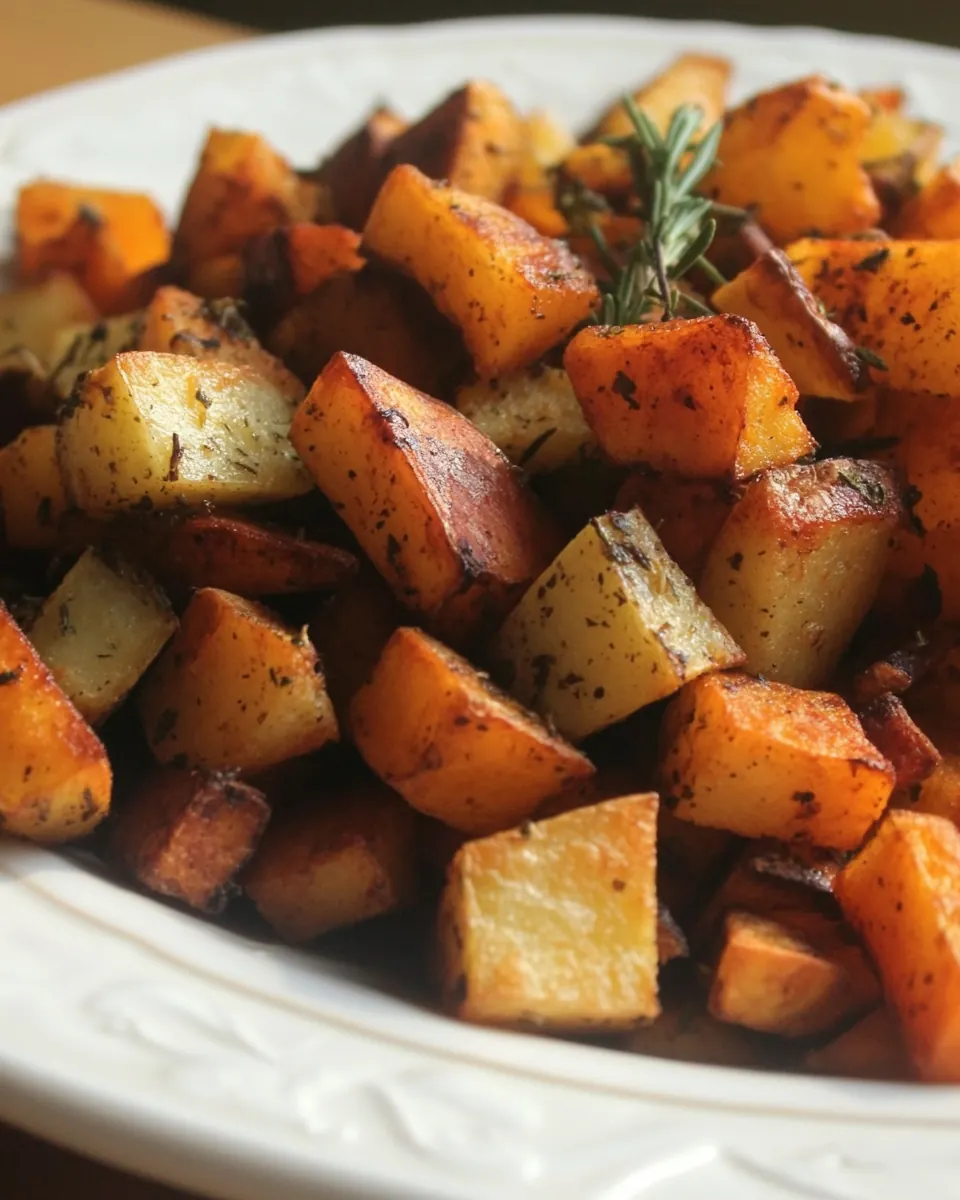
I like to walk you through this method as if we’re cooking together. The oven does heavy lifting while the skillet helps you get the initial browning, and small adjustments make a big difference in the final crisp. Trust your senses and take note of the visuals and sounds as you roast.
- Preheat the oven to 425 degrees.: Warmth fills the kitchen and you will notice a faint dry, warm aroma as the oven reaches temperature. Starting with a properly preheated oven ensures even, steady heat for browning, which is essential to develop that crisp exterior. A common mistake is under preheating, which leads to limp, steamed potatoes rather than roasted ones. If your oven runs hot or cool, adjust slightly and use an oven thermometer so you get the right caramelization.
- In a large 15-inch cast iron skillet, toss the potato with the remaining ingredients until well combined. Arrange in an even layer, with as little overlap as possible. Bake in the middle of the oven for 20 minutes until the bottom of the potatoes is just starting to brown.: As you mix, the olive oil should give the cubes a glossy sheen, and the spices will cling to the surface. This step primes the potatoes for even browning; the oil conducts heat while the paprika and herbs de Provence begin to roast and bloom. Avoid overcrowding when tossing because crowded pieces will steam instead of crisping. If you notice pools of oil, blot or reduce slightly to avoid greasy results.
- Remove the pan from the oven and using a sturdy flat metal spatula, redistribute the potatoes. If little pieces get stuck on the bottom of the pan, don’t worry. They’ll just become all the more crispy and delicious. Arrange in an even layer, and return to the oven. Bake for another 15 to 20 minutes, until the potatoes are very crispy on the outside and tender on the inside.: You want clear contact with the hot pan and hot air, so spread the cubes so each one touches the surface or has space around it. The surface contact encourages Maillard reactions that give you savory brown edges and a nutty aroma. A trap is piling the potatoes; if they overlap significantly, flip them halfway through to compensate and separate stuck pieces gently.
- Serve the potatoes alongside eggs or savory crepes. They taste great with aioli, romesco, or a spicy pesto on the side.: During this time you will hear a quiet stillness, then start to pick up soft sizzling and the smell of nutty roasted potato. The initial bake sets and seals edges, creating the foundation for the final crisp. Underbaking here means the potatoes will not achieve that deep crust later. Check visually for the first signs of golden brown at the edges as your guide.
- Remove the pan from the oven and using a sturdy flat metal spatula, redistribute the potatoes.: At this stage, you should see browned undersides and a rich roasted scent. Redistributing encourages even browning on all sides and helps loose bits become extra crispy. If small pieces are stuck, leave them; they will caramelize further and add texture. Avoid scraping too aggressively which can tear the cubes and create mushy pieces.
- If little pieces get stuck on the bottom of the pan, don’t worry.: Those stuck fragments will crisp up and become intensely flavorful, adding textural contrast. They darken quickly, so keep an eye to avoid burning which can introduce bitterness. If you prefer cleaner pan surfaces, loosen them gently with a spatula after the pan cools slightly, but I usually embrace them for the added crunch.
- Arrange in an even layer, and return to the oven.: Re-spacing the cubes at this point allows hot air to circulate and finish the browning. You should notice an intensified roasted aroma and a richer color developing in the oven. Crowding now will halt the final crisping, so take a moment to make the layer even. If you see uneven color early, rotate the pan for more uniform results.
- Bake for another 15 to 20 minutes, until the potatoes are very crispy on the outside and tender on the inside.: The final bake is where the contrast becomes obvious: crunchy, golden exteriors and soft, yielding centers. Listen for amplified sizzling, and watch for deep golden patches. Overbaking risks drying the interior, so test by piercing a cube to confirm tenderness. If you find some pieces too browned, remove them early to prevent a bitter finish.
- Serve the potatoes alongside eggs or savory crepes.: Hot potatoes carry an inviting aroma and a warm texture that pairs beautifully with runny yolks or delicate crepes. Serving immediately preserves the crispness, and you will notice the butter like softness inside when cut. A frequent slip is letting them sit too long, which causes steam to soften the crust; serve right away for best texture.
- They taste great with aioli, romesco, or a spicy pesto on the side.: These sauces add a bright or creamy counterpoint to the roasted potatoes, creating layers of flavor with every bite. The contrast between the crispy potatoes and a silky dip is especially satisfying and makes each forkful interesting. Avoid over saucing which can drown the crisp; offer dips on the side so each diner can choose.
Make It Your Own
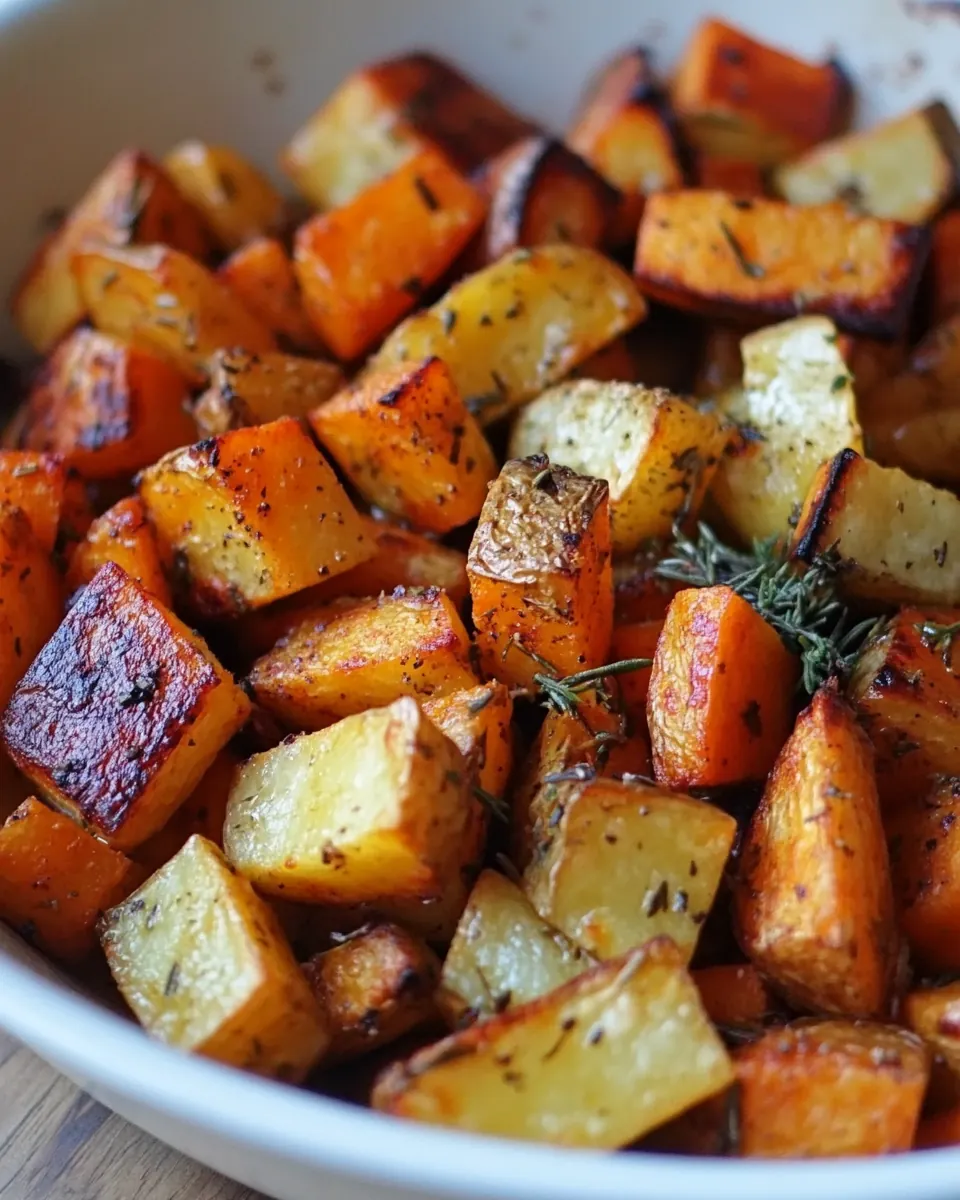
These tips will help you personalize Skillet Home Fries with Herbs de Provence without losing the essence of the recipe. Small changes in technique or accompaniment produce very different moods, so experiment while keeping the basic method intact.
- Adjust chop size: Smaller cubes crisp faster and give more crunchy edges per bite, while larger cubes yield a softer, creamier center. Choose based on whether you want more crust or more tender interior.
- Oil choice matters: While the recipe uses olive oil, you can swap to an oil with a higher smoke point if you like a hotter sear. Keep quantities modest to avoid greasiness.
- Taste before serving: Always sample a hot piece and adjust seasoning. A final sprinkle of salt right before serving brightens flavor without drawing moisture during roasting.
- Keep sauces separate: Offer dips like aioli or pesto on the side to preserve crispness until the last moment, and let guests customize their bites.
- Use fresh spices: Paprika and dried herbs are at their best when fresh; replace stale jars to keep the aromatic profile lively and avoid muted results.
What Complements This Skillet Home Fries with Herbs de Provence
Skillet Home Fries with Herbs de Provence pairs easily with many meals and occasions. The following suggestions cover breakfasts, brunches, and casual dinners, and include storage and seasonal ideas so you can plan how to serve them.
- Breakfast pairing: Serve with fried or poached eggs for a comforting morning plate, letting yolks mingle with tender interiors and crisp edges.
- Brunch idea: Arrange alongside savory crepes or a vegetable frittata to create an approachable weekend spread that feels indulgent without being fussy.
- Weeknight dinner side: Add to a simple roasted vegetable and a protein for an easy, balanced supper that feels homemade and satisfying.
- Seasonal serving: In fall, highlight the sweet potato’s warming notes and pair with autumnal salads or roasted squash for a cozy menu.
- Storage tip: Refrigerate in an airtight container for up to three days. Re-crisp in a hot skillet or oven to restore texture, rather than microwaving which makes them soft.
- Occasions: Great for casual gatherings, weekend brunches, or as part of a holiday brunch spread where you want a crowd pleaser that travels well.
FAQ
Conclusion
Skillet Home Fries with Herbs de Provence shine because they balance rustic comfort with thoughtful flavor. The mix of russet and sweet potato combined with paprika and herbs de Provence creates satisfying contrasts in texture and aroma. Give these fries a try when you want a versatile side that feels both simple and a little refined. They come together with minimal fuss, reward small adjustments, and invite you to share a warm, crispy bite with friends or family.
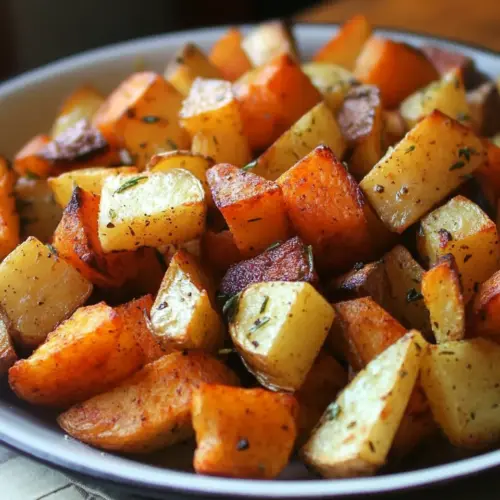
Skillet Home Fries with Herbs de Provence
Equipment
- Cast-Iron Skillet
- Oven
- Flat metal spatula
Ingredients
- 1 large russet potato about 1 pound, cut into 1/2-inch cubes Provide a starchy base and tender texture when cooked; contributes mild, earthy flavor and helps create crispy edges when pan-fried. Cut into 1/2-inch cubes to promote even cooking and to match the sweet potato for uniform doneness. Russet potatoes also brown well, adding visual appeal and a satisfying mouthfeel.
- 1 large sweet potato about 1 pound, cut into 1/2-inch cubes Offer natural sweetness and moist texture that balances the russet potato; adds orange color and a slightly creamy bite when cubed and sautéed. Cut into 1/2-inch cubes to ensure even cooking alongside the russet and to integrate the sweet flavor throughout the dish. Sweet potatoes also contribute additional vitamins and a touch of caramelized sweetness when browned.
- 1 tablespoon olive oil Coat the potatoes to promote even browning and prevent sticking while cooking; adds a subtle fruity richness that complements the herbs and spices. Use enough oil to lightly gloss the cubed potatoes so heat distributes evenly in the skillet. Olive oil also helps the paprika and herbs adhere to the potato surfaces for better flavor.
- 1 teaspoon paprika sweet Hungarian Impart warm, slightly sweet, and mildly smoky notes that enhance the roasted flavor of the potatoes; contributes color and visual contrast. Sprinkle evenly over the cubed potatoes to deepen their savory profile and to pair well with the herbs de Provence. Paprika also complements the oil to form a flavorful crust during pan-frying.
- 1/2 teaspoon herbs de Provence Provide an aromatic, savory herbal note with a mix of thyme, rosemary, and lavender-like flavors that brighten the potatoes; adds complexity and a Provençal character. Use sparingly to avoid overpowering the natural potato flavors, letting the herbs infuse as the potatoes crisp in the skillet. Herbs de Provence pairs well with both the sweet and russet potatoes for balanced seasoning.
- 1/2 teaspoons ea salt Season the potatoes to enhance all other flavors and balance the dish; contributes necessary saltiness for taste and helps draw out moisture for better browning. Use the specified amount evenly so each potato cube is seasoned without becoming overly salty. Salt also amplifies the savory qualities of the paprika and herbs.
Instructions
- Preheat the oven to 425 degrees.: Warmth fills the kitchen and you will notice a faint dry, warm aroma as the oven reaches temperature. Starting with a properly preheated oven ensures even, steady heat for browning, which is essential to develop that crisp exterior. A common mistake is under preheating, which leads to limp, steamed potatoes rather than roasted ones. If your oven runs hot or cool, adjust slightly and use an oven thermometer so you get the right caramelization.
- In a large 15-inch cast iron skillet, toss the potato with the remaining ingredients until well combined. Arrange in an even layer, with as little overlap as possible. Bake in the middle of the oven for 20 minutes until the bottom of the potatoes is just starting to brown.: As you mix, the olive oil should give the cubes a glossy sheen, and the spices will cling to the surface. This step primes the potatoes for even browning; the oil conducts heat while the paprika and herbs de Provence begin to roast and bloom. Avoid overcrowding when tossing because crowded pieces will steam instead of crisping. If you notice pools of oil, blot or reduce slightly to avoid greasy results.
- Remove the pan from the oven and using a sturdy flat metal spatula, redistribute the potatoes. If little pieces get stuck on the bottom of the pan, don’t worry. They’ll just become all the more crispy and delicious. Arrange in an even layer, and return to the oven. Bake for another 15 to 20 minutes, until the potatoes are very crispy on the outside and tender on the inside.: You want clear contact with the hot pan and hot air, so spread the cubes so each one touches the surface or has space around it. The surface contact encourages Maillard reactions that give you savory brown edges and a nutty aroma. A trap is piling the potatoes; if they overlap significantly, flip them halfway through to compensate and separate stuck pieces gently.
- Serve the potatoes alongside eggs or savory crepes. They taste great with aioli, romesco, or a spicy pesto on the side.: During this time you will hear a quiet stillness, then start to pick up soft sizzling and the smell of nutty roasted potato. The initial bake sets and seals edges, creating the foundation for the final crisp. Underbaking here means the potatoes will not achieve that deep crust later. Check visually for the first signs of golden brown at the edges as your guide.
- Remove the pan from the oven and using a sturdy flat metal spatula, redistribute the potatoes.: At this stage, you should see browned undersides and a rich roasted scent. Redistributing encourages even browning on all sides and helps loose bits become extra crispy. If small pieces are stuck, leave them; they will caramelize further and add texture. Avoid scraping too aggressively which can tear the cubes and create mushy pieces.
- If little pieces get stuck on the bottom of the pan, don’t worry.: Those stuck fragments will crisp up and become intensely flavorful, adding textural contrast. They darken quickly, so keep an eye to avoid burning which can introduce bitterness. If you prefer cleaner pan surfaces, loosen them gently with a spatula after the pan cools slightly, but I usually embrace them for the added crunch.
- Arrange in an even layer, and return to the oven.: Re-spacing the cubes at this point allows hot air to circulate and finish the browning. You should notice an intensified roasted aroma and a richer color developing in the oven. Crowding now will halt the final crisping, so take a moment to make the layer even. If you see uneven color early, rotate the pan for more uniform results.
- Bake for another 15 to 20 minutes, until the potatoes are very crispy on the outside and tender on the inside.: The final bake is where the contrast becomes obvious: crunchy, golden exteriors and soft, yielding centers. Listen for amplified sizzling, and watch for deep golden patches. Overbaking risks drying the interior, so test by piercing a cube to confirm tenderness. If you find some pieces too browned, remove them early to prevent a bitter finish.
- Serve the potatoes alongside eggs or savory crepes.: Hot potatoes carry an inviting aroma and a warm texture that pairs beautifully with runny yolks or delicate crepes. Serving immediately preserves the crispness, and you will notice the butter like softness inside when cut. A frequent slip is letting them sit too long, which causes steam to soften the crust; serve right away for best texture.
- They taste great with aioli, romesco, or a spicy pesto on the side.: These sauces add a bright or creamy counterpoint to the roasted potatoes, creating layers of flavor with every bite. The contrast between the crispy potatoes and a silky dip is especially satisfying and makes each forkful interesting. Avoid over saucing which can drown the crisp; offer dips on the side so each diner can choose.
Notes
- Adjust chop size: Smaller cubes crisp faster and give more crunchy edges per bite, while larger cubes yield a softer, creamier center. Choose based on whether you want more crust or more tender interior.
- Oil choice matters: While the recipe uses olive oil, you can swap to an oil with a higher smoke point if you like a hotter sear. Keep quantities modest to avoid greasiness.
- Taste before serving: Always sample a hot piece and adjust seasoning. A final sprinkle of salt right before serving brightens flavor without drawing moisture during roasting.
- Keep sauces separate: Offer dips like aioli or pesto on the side to preserve crispness until the last moment, and let guests customize their bites.
- Use fresh spices: Paprika and dried herbs are at their best when fresh; replace stale jars to keep the aromatic profile lively and avoid muted results.