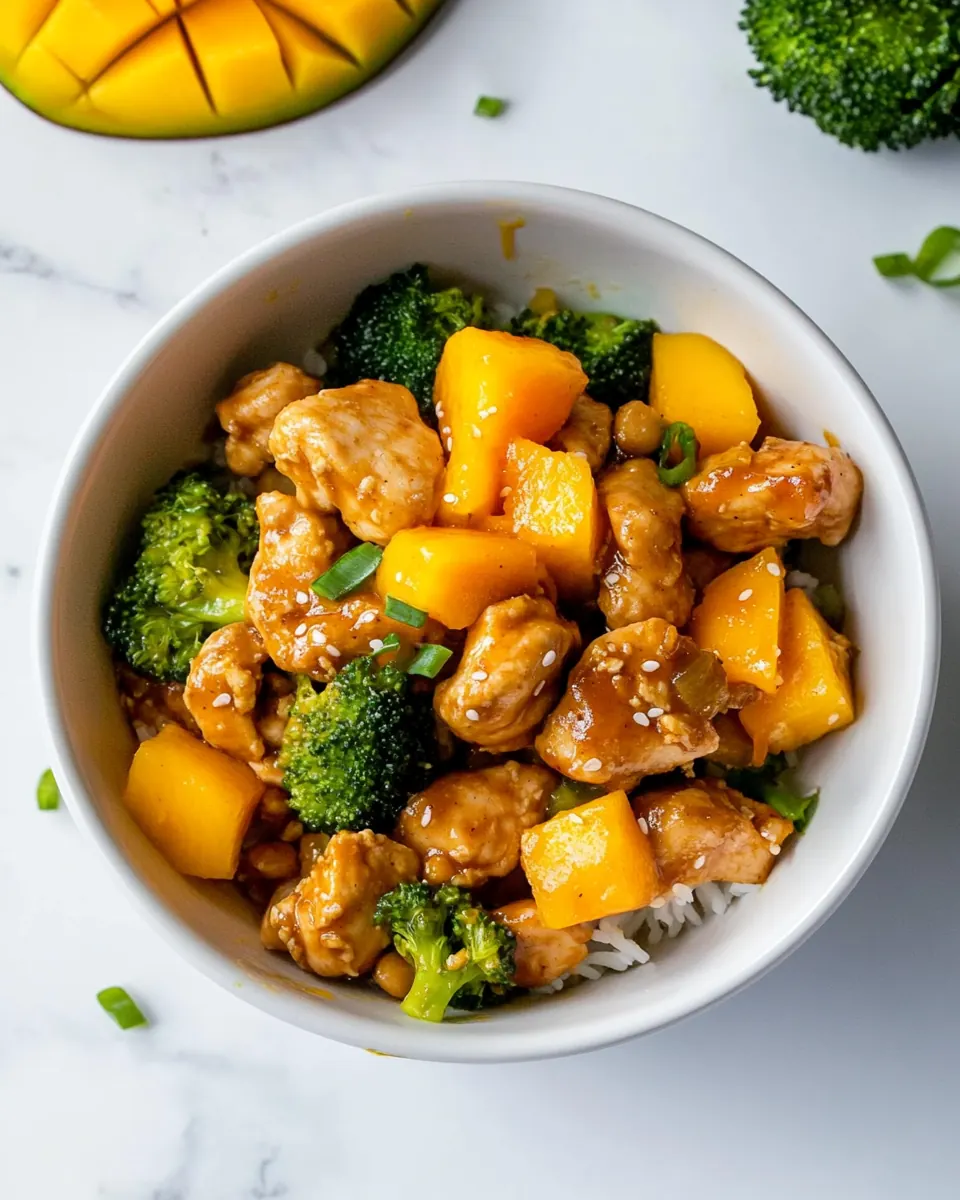
Peanut Mango Chicken Stir Fry
Peanut Mango Chicken Stir Fry is the kind of weeknight winner I turn to when the day ran long and I still want something bright, bold, and comforting on the table. The first time I made it I remember juggling a grocery run, a phone call, and a toddler who demanded snacks, and yet the meal came together so quickly that we all ate before bedtime chaos set in. That evening the sweet mango and rich peanut butter sauce felt like a small celebration in a bowl, and I kept thinking how this would be perfect for any night I need a fast, crowd pleasing dinner.
What I love is how this recipe balances textures and temperatures. The warm, tender chicken and crisp-tender broccoli meet juicy cubes of mango that soften just enough to caramelize, while the sauce adds a creamy, nutty coat that lingers. I often make a double batch of sauce because it becomes my go to for salads or drizzling over roasted vegetables the next day. When guests stop by unexpectedly, I can transform pantry staples into something that tastes far more elaborate than the effort required.
Over time I tweaked small things, like adding a splash of rice vinegar to brighten the sauce and finishing with chopped peanuts and cilantro for crunch and freshness. These little choices changed the whole experience, turning a routine stir fry into a memorable plate. I still keep a few mangoes in the freezer for emergencies, and that has saved many an evening. If you enjoy meals that are fast, flavorful, and slightly playful, you are going to reach for Peanut Mango Chicken Stir Fry again and again.
Recipe Snapshot
25 mins
10 mins
15 mins
Medium
450 kcal
Asian
Gluten-Free, Paleo
Dinner
Skillet, Blender, Cutting board, Knife
The Charm of This Peanut Mango Chicken Stir Fry
1. Bright contrast of flavors
I adore how Peanut Mango Chicken Stir Fry pairs the sweet, tropical notes of mango with the savory, salty depth of soy sauce and the creamy nuttiness of peanut butter. This combination creates a multi dimensional flavor profile, where each bite alternates between fruity, savory, and slightly tangy, keeping the palate intrigued. I find that this balance makes the dish feel both indulgent and light, which is rare for a quick skillet meal.
2. Speed without compromise
We all have nights when time is limited, and this stir fry proves that quick cooking can still deliver real depth. With only a short sear on the chicken and a quick sauté of broccoli and onion, the dish comes together in under half an hour. I often prep the sauce first so it is ready to pour, and that tiny step saves mental bandwidth when the skillet is sizzling. The technique preserves texture, so nothing turns mushy while flavor builds.
3. Texture play keeps it interesting
The contrast of tender chicken, crisp broccoli, soft cubes of mango, and crunchy chopped peanuts at the end gives every forkful a pleasing variety. I love that you get juicy fruit bursts alongside the satisfying chew of protein, and that finishing garnish adds a fresh herbaceous lift. This assortment keeps people coming back for seconds, because each mouthful is a little different.
4. Sauce versatility
The peanut mango sauce is a revelation to me, because it doubles as a dip, a dressing, or a glaze. Once you master the ratio of peanut butter, soy sauce, rice vinegar, and a touch of sweetness, you can adapt it to other dishes easily. I will often thin it with extra water for a pourable dressing, or keep it thick as a coating for the stir fry. That adaptability makes this recipe feel like a toolkit rather than a single meal.
5. Crowd friendly and customizable
I appreciate that Peanut Mango Chicken Stir Fry scales well for a family dinner or a casual gathering. You can add more broccoli or double the chicken for hungry eaters, and the sauce still shines. Little swaps like frozen mango or a different vegetable keep the core idea intact while fitting what you have on hand. For me, that makes this one of those reliable recipes I return to season after season.
What Goes Into Peanut Mango Chicken Stir Fry
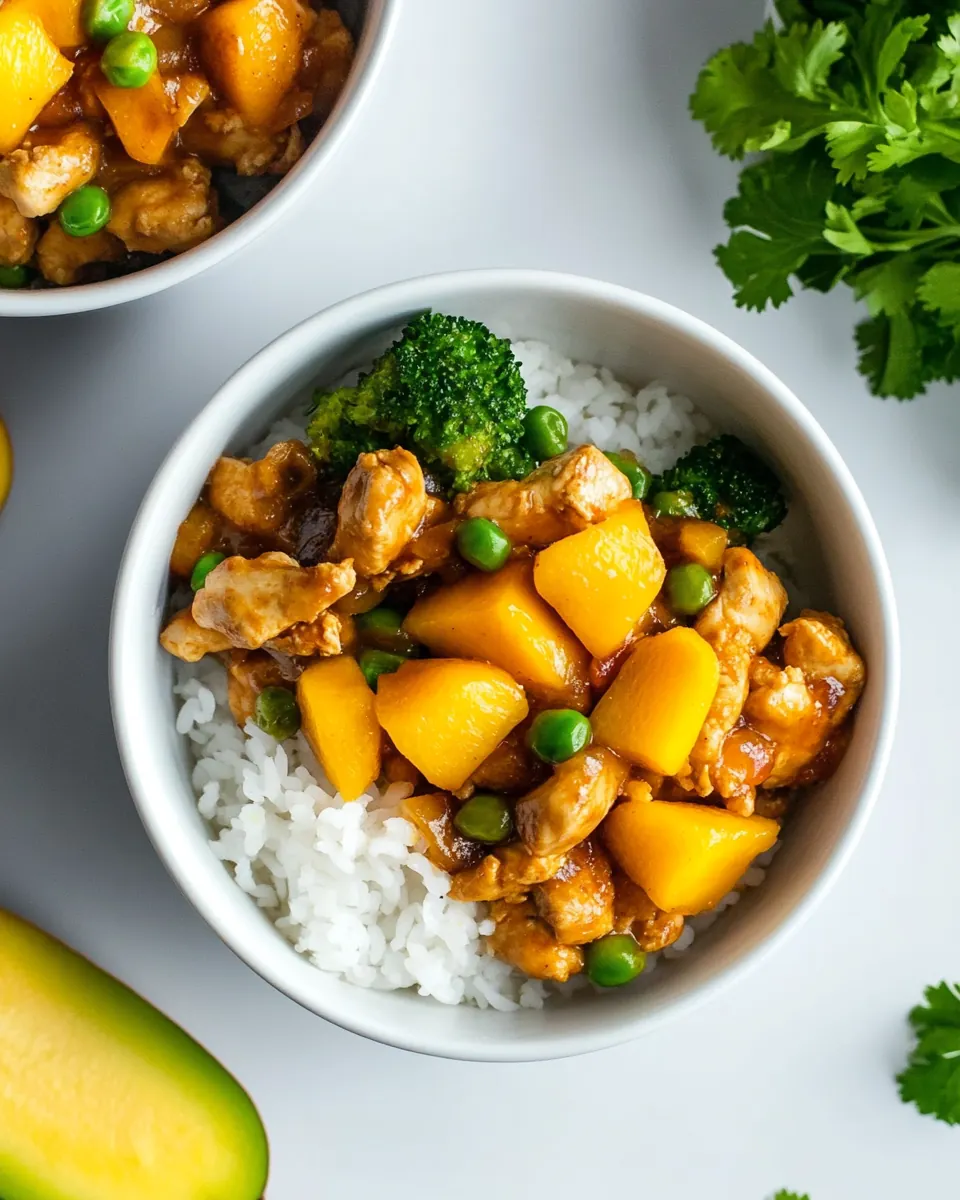
The ingredient list for Peanut Mango Chicken Stir Fry is simple but purposeful. I treat each item as a key player: the chicken brings savory protein, the mango introduces sweet juiciness, and the peanut butter delivers cream and umami. Together they create an interplay of texture and flavor, while staples like soy sauce, rice vinegar, and a touch of maple syrup harmonize the sauce. Broccoli and red onion contribute color, crunch, and a fresh counterpoint.
- 1 1/2 lb chicken breast tenderloins (breast will work as well), cut into bite-sized pieces (or desired protein): Cut into bite–sized pieces to ensure quick, even cooking and tender texture throughout the stir fry; provides the primary protein and soaks up sauce flavors well.
- 4 c broccoli florets: Steam or sear until bright green and tender-crisp to add a fresh, slightly bitter crunch and a nutritious vegetable element to the dish.
- 2 c cubed mango: Cube for juicy bursts of sweet, tropical flavor that contrast the savory sauce and add a refreshing, tender fruit component to the stir fry.
- 1/2 small red onion, julienned: Julienne to create thin, slightly sharp ribbons that add mild pungency, color contrast, and a subtle crunch without overpowering other flavors.
- crushed peanuts and fresh cilantro for serving: Crunch and herbaceous notes add texture and a finishing aromatic; sprinkle over the dish at the end for added saltiness and freshness.
- 2/3 c peanut butter, natural, creamy: Blend into the sauce to provide a rich, creamy, nutty base that binds flavors together and contributes satisfying body to the stir fry.
- 1/2 ripe mango: Use ripe and pureed or mashed to enhance fruity sweetness and aroma in the sauce, reinforcing the mango component for layered mango flavor.
- 1/4 c soy sauce/tamari, tamari for gluten free: Season savory and salty to balance sweetness and umami; choose tamari for a gluten–free option while contributing depth to the sauce.
- 1 – 2 garlic clove, minced: Mince finely to release pungent, aromatic oils that deepen savory complexity and provide a warm, garlicky backbone to the sauce.
- 1/4 – 1/2 tsp crushed red pepper: Add sparingly to introduce heat and a subtle chili kick that can be adjusted to taste, enhancing overall flavor dynamics without overwhelming sweetness.
- 1 T maple syrup or honey: Sweeten naturally to harmonize the savory and spicy elements; use maple or honey for a mellow, nuanced sweetness that complements peanut and mango.
- 1/3 – 1/2 c water, depending on desired thickness: Thin the peanut sauce to desired consistency, adjusting to create a smooth, pourable glaze that coats chicken and vegetables evenly.
- 1 tsp rice vinegar: Brighten flavors with a hint of acidity to cut richness and balance sweetness, helping all components taste more vibrant and cohesive.
Cooking Method for Peanut Mango Chicken Stir Fry
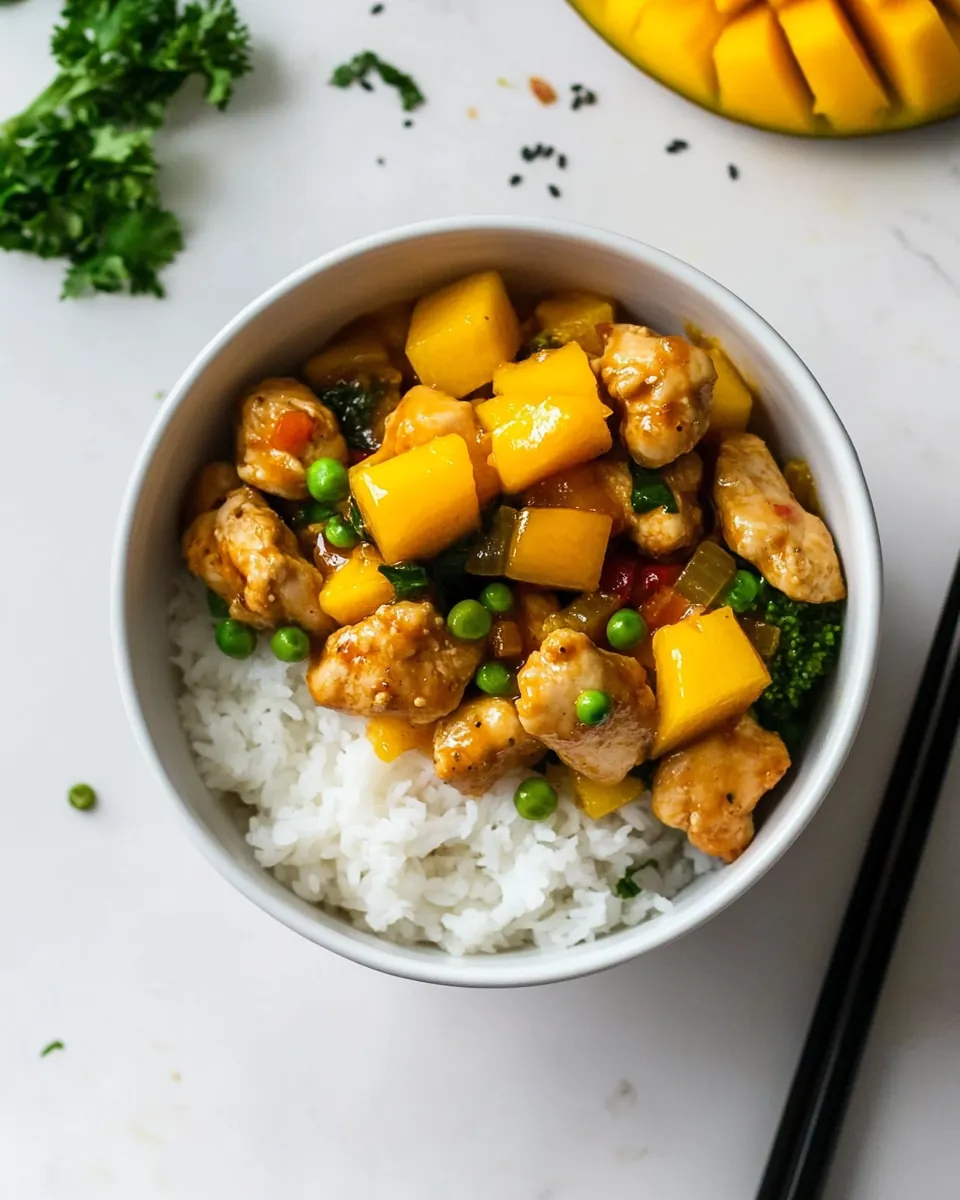
This method is all about timing, heat control, and layering flavors so each element shines. Move with purpose, watch the skillet, and keep the sauce ready to go. I like to have my sauce blended before the heat gets high so I can add it the moment the components are ready.
- In a blender, combine 1/2 mango for the sauce and 1-2 tablespoon water. Blend on high until smooth. Add all other ingredients for the sauce into the blender and blend until smooth, adding water slowly to get desired thickness. I like mine pretty thick.: The air in the blender becomes fragrant as the ripe mango purees, releasing a fresh, tropical aroma. You will notice the mixture transitioning from fibrous pieces to a silky, glossy sauce, which is the cue that the blades have done their job. The texture matters because a lumpy sauce will cling unevenly to the chicken and broccoli , so aim for perfectly smooth. If the sauce seems too thick, add water a teaspoon at a time until it moves like a thick ribbon. Common mistake, and one I always warn against, is adding too much water at once, which can dilute flavor and require more seasoning to correct. Keep tasting and adjust salt or sweetness slowly.
- Heat 1 tablespoon desired cooking oil over medium-high heat in skillet.: As the oil warms it will shimmer and give off a faint aroma, signaling readiness. You want the pan hot enough that a piece of chicken sizzles on contact, creating immediate searing sound and efficient browning. This initial heat locks in juices, so resist lowering the temperature until the meat has had a chance to color. A typical pitfall is overcrowding the skillet, which drops the temperature and prevents that desirable sear, leading to steamed rather than browned protein.
- Add in chicken and cook, stirring frequently until cooked through and there is no pink.: The skillet will sing with steady sizzles as the chicken cooks, and you should see edges turn golden while centers remain juicy. Stirring frequently encourages even cooking and prevents uneven charring. Test a piece by cutting into it; the interior should be opaque all the way through. Overcooking dries the meat quickly, so pull it from the heat as soon as it is done. One common error is assuming that color alone equals doneness, so always check the center.
- Remove chicken from skillet and set aside for later.: Removing the chicken lets the pan regain high heat for the vegetables without overcooking the meat. The plate that holds the cooked pieces will still carry warmth, which helps keep everything hot when you return the protein to the skillet. Leaving the meat in the pan risks it continuing to cook and becoming tough, so make space for the next stage.
- Add more oil if needed, and add onion. Cook until translucent.: When the onion hits the hot oil it should begin to soften and release a sweet, savory scent. You will see the color go from stark purple to a softened hue and the slices become slightly glossy. Cook just until translucent to preserve a little bite and brightness. Avoid caramelizing unless you want sweeter notes, because a long brown color will shift the flavor profile away from the fresh balance we are aiming for.
- Add in broccoli and cook until tender.: The broccoli will sizzle and steam, and you should watch for a vivid green and slightly crisp stalks. Tender does not mean mushy; aim for a fork that meets gentle resistance. Too much time will leach color and reduce that pleasant crunch. A frequent oversight is adding cold, wet produce straight from the fridge, which can create excess steam and slow browning, so give it a moment to shed cold if needed.
- Add chicken and mango into the skillet. Cook until mango starts to very lightly brown.: Returning the chicken reunites flavors and starts to build the final texture. The mango will warm and begin to show tiny browned edges that amplify its sweetness and add complexity. Listen for a softer sizzle and watch for gentle caramelization; that golden touch deepens the dish. Be careful not to overheat the fruit, because too much browning can turn it bitter and overly soft.
- Turn heat to low and add desired amount of sauce to the chicken and veggies and stir to coat well.: As the sauce hits the warm skillet it will steam and release a nutty, savory aroma, coating each piece with a glossy sheen. Stir thoroughly so the sauce clings to the chicken and broccoli , creating an even layer of flavor. Lower heat prevents the sauce from burning while allowing it to thicken slightly and meld with pan juices. A common mistake is pouring too much sauce too quickly, which can make the skillet soupy; adjust quantity to your preference and allow it to reduce gently.
- Allow to simmer for about 5 minutes.: During this gentle simmer the sauce integrates into the ingredients, softening and concentrating flavors, and the aroma will deepen invitingly. You will see small bubbles at the edge of the pan and notice the sauce becoming silkier and clinging tighter. This period also finishes cooking the mango just enough to be tender without falling apart. If you skip this resting simmer, the flavors may taste disjointed, so resist the urge to serve immediately.
- Pour over your favorite rice and garnish with chopped peanuts and fresh cilantro.: The final plating brings contrast, the warm stir fry against the neutral grain, and the crushed peanuts add audible crunch while cilantro brings a cooling, herbal note. The visual of green herbs and golden mango makes the dish feel celebratory. A small oversight is adding the peanuts too early, which can soften their crunch, so reserve them for finishing.
- Refrigerate leftovers.: Storing leftovers cools the dish quickly and keeps flavors intact for the next day. Place in an airtight container once cooled to room temperature to preserve texture. When reheating, do so gently to avoid breaking down the fruit and to keep the chicken from drying out. A mistake I see often is reheating at too high a temperature, which can make the sauce separate and the meat tough.
Helpful Hints
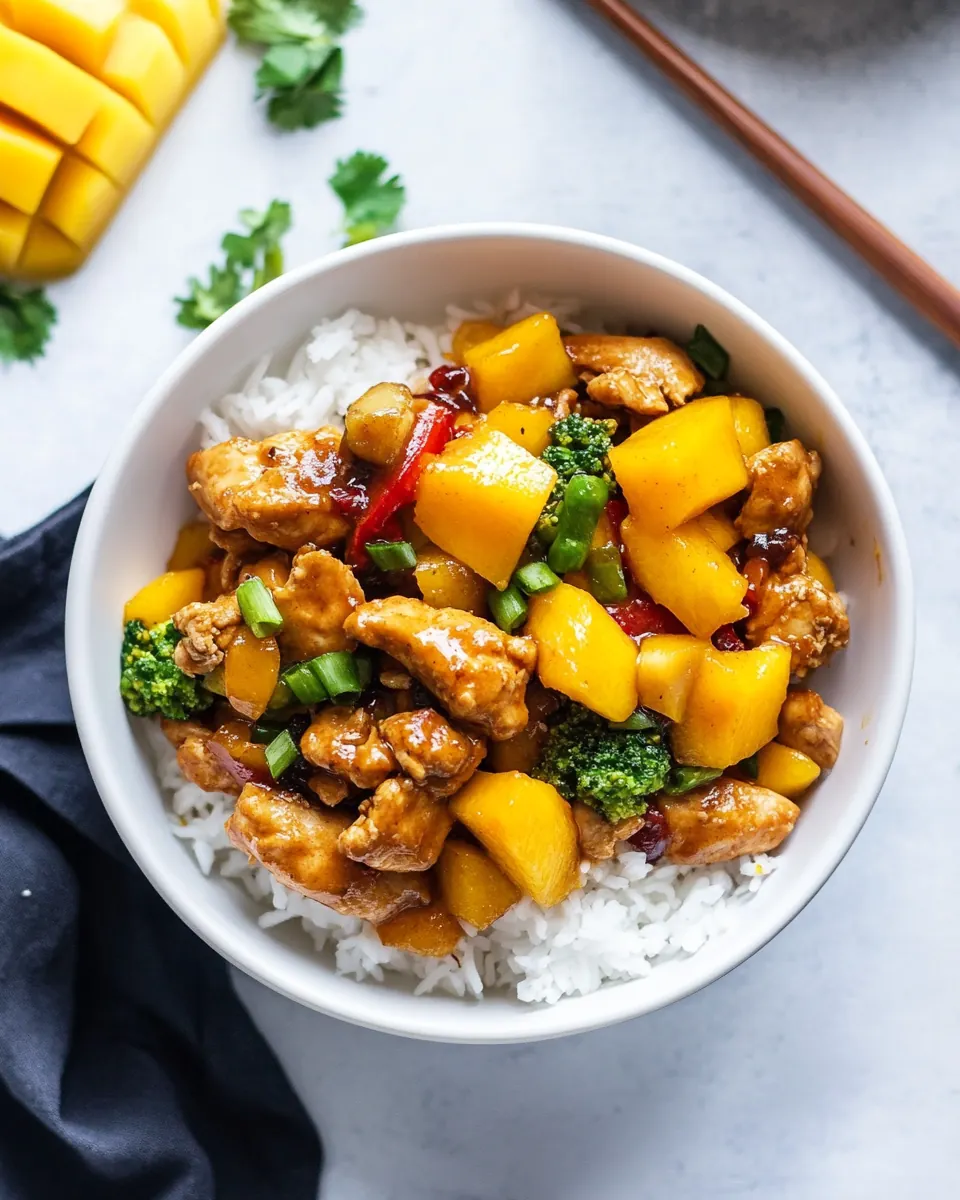
I like to think of these hints as small practices that make the whole cooking experience smoother. A few strategic moves before you start, and during the cook, will elevate the final plate while saving you stress. Below are practical tips I return to every time I make Peanut Mango Chicken Stir Fry.
- Prep first: Measure the sauce ingredients and chop the chicken, broccoli, and onion before you heat the pan, because stir frying moves quickly and you do not want to scramble while things cook.
- Control the heat: Keep the pan hot enough to sear when adding chicken, then lower it for the sauce to avoid burning the sugars in the mango and maple.
- Thin the sauce gradually: Add water in small increments while blending so you can achieve a pourable but flavorful consistency without diluting the taste.
- Adjust salt carefully: Because soy sauce is salty, taste your blended sauce before adding more; you can always add a touch more later but you cannot remove excess salt.
- Use frozen fruit wisely: If you opt for frozen mango, thaw slightly and drain any excess liquid to avoid watering down the sauce or pan juices.
- Make extra sauce: It keeps well in the fridge and can be used as a dip or dressing, so double the batch if you plan to meal prep.
Side Dish Ideas for Peanut Mango Chicken Stir Fry
This section covers ways I like to serve Peanut Mango Chicken Stir Fry, including side pairings, occasions, and storage notes. These ideas help make the meal feel intentional whether for a casual weeknight or a special gathering.
- Rice base: Serve the stir fry over steamed white or brown rice for a classic presentation that soaks up the sauce, making each bite satisfyingly saucy.
- Quinoa or cauliflower rice: For a lighter option, try fluffy quinoa or cauliflower rice, both provide a neutral background and allow the sauce to stand out.
- Family dinner: This dish is perfect for busy family evenings because it is quick, nutrient dense, and kid friendly when you reduce the crushed red pepper.
- Casual get together: Scale up the recipe and keep extra sauce warm in a small pot for guests to spoon over bowls, turning a simple meal into a shareable spread.
- Ramadan or Iftar friendly: The combination of protein and fruit is nourishing and gentle on the stomach after fasting; serve with warm rice and fresh herbs to refresh the palate.
- Make ahead and store: Refrigerate leftovers within two hours in an airtight container for up to three days; reheat gently to preserve texture and prevent the mango from breaking down.
- Seasonal pairing: In summer, pair with a crisp cucumber salad to enhance freshness; in cooler months, add a warm grain bowl to make the plate heartier.
FAQ
Conclusion
This Peanut Mango Chicken Stir Fry is special because it balances sweet fruit, creamy peanut sauce, and savory chicken into a fast, satisfying meal. Give it a try on a busy weeknight, and you may find it becomes one of your favorite quick dinners to make. It’s approachable, full of contrasting textures, and flexible enough to adapt to what you have on hand, so don’t hesitate to make it your own and enjoy the bright flavors.
Peanut Mango Chicken Stir Fry
Equipment
- Skillet
- Blender
- Cutting Board
- Knife
Ingredients
- 1 1/2 lb chicken breast tenderloins (breast will work as well), cut into bite-sized pieces (or desired protein) Cut into bite-sized pieces to ensure quick, even cooking and tender texture throughout the stir fry; provides the primary protein and soaks up sauce flavors well.
- 4 c broccoli florets Steam or sear until bright green and tender-crisp to add a fresh, slightly bitter crunch and a nutritious vegetable element to the dish.
- 2 c cubed mango Cube for juicy bursts of sweet, tropical flavor that contrast the savory sauce and add a refreshing, tender fruit component to the stir fry.
- 1/2 small red onion, julienned Julienne to create thin, slightly sharp ribbons that add mild pungency, color contrast, and a subtle crunch without overpowering other flavors.
- crushed peanuts and fresh cilantro for serving Crunch and herbaceous notes add texture and a finishing aromatic; sprinkle over the dish at the end for added saltiness and freshness.
- 2/3 c peanut butter, natural, creamy Blend into the sauce to provide a rich, creamy, nutty base that binds flavors together and contributes satisfying body to the stir fry.
- 1/2 ripe mango Use ripe and pureed or mashed to enhance fruity sweetness and aroma in the sauce, reinforcing the mango component for layered mango flavor.
- 1/4 c soy sauce/tamari, tamari for gluten free Season savory and salty to balance sweetness and umami; choose tamari for a gluten-free option while contributing depth to the sauce.
- 1 – 2 garlic clove, minced Mince finely to release pungent, aromatic oils that deepen savory complexity and provide a warm, garlicky backbone to the sauce.
- 1/4 – 1/2 tsp crushed red pepper Add sparingly to introduce heat and a subtle chili kick that can be adjusted to taste, enhancing overall flavor dynamics without overwhelming sweetness.
- 1 T maple syrup or honey Sweeten naturally to harmonize the savory and spicy elements; use maple or honey for a mellow, nuanced sweetness that complements peanut and mango.
- 1/3 – 1/2 c water, depending on desired thickness Thin the peanut sauce to desired consistency, adjusting to create a smooth, pourable glaze that coats chicken and vegetables evenly.
- 1 tsp rice vinegar Brighten flavors with a hint of acidity to cut richness and balance sweetness, helping all components taste more vibrant and cohesive.
Instructions
- In a blender, combine 1/2 mango for the sauce and 1-2 tablespoon water. Blend on high until smooth. Add all other ingredients for the sauce into the blender and blend until smooth, adding water slowly to get desired thickness. I like mine pretty thick.: The air in the blender becomes fragrant as the ripe mango purees, releasing a fresh, tropical aroma. You will notice the mixture transitioning from fibrous pieces to a silky, glossy sauce, which is the cue that the blades have done their job. The texture matters because a lumpy sauce will cling unevenly to the chicken and broccoli , so aim for perfectly smooth. If the sauce seems too thick, add water a teaspoon at a time until it moves like a thick ribbon. Common mistake, and one I always warn against, is adding too much water at once, which can dilute flavor and require more seasoning to correct. Keep tasting and adjust salt or sweetness slowly.
- Heat 1 tablespoon desired cooking oil over medium-high heat in skillet.: As the oil warms it will shimmer and give off a faint aroma, signaling readiness. You want the pan hot enough that a piece of chicken sizzles on contact, creating immediate searing sound and efficient browning. This initial heat locks in juices, so resist lowering the temperature until the meat has had a chance to color. A typical pitfall is overcrowding the skillet, which drops the temperature and prevents that desirable sear, leading to steamed rather than browned protein.
- Add in chicken and cook, stirring frequently until cooked through and there is no pink.: The skillet will sing with steady sizzles as the chicken cooks, and you should see edges turn golden while centers remain juicy. Stirring frequently encourages even cooking and prevents uneven charring. Test a piece by cutting into it; the interior should be opaque all the way through. Overcooking dries the meat quickly, so pull it from the heat as soon as it is done. One common error is assuming that color alone equals doneness, so always check the center.
- Remove chicken from skillet and set aside for later.: Removing the chicken lets the pan regain high heat for the vegetables without overcooking the meat. The plate that holds the cooked pieces will still carry warmth, which helps keep everything hot when you return the protein to the skillet. Leaving the meat in the pan risks it continuing to cook and becoming tough, so make space for the next stage.
- Add more oil if needed, and add onion. Cook until translucent.: When the onion hits the hot oil it should begin to soften and release a sweet, savory scent. You will see the color go from stark purple to a softened hue and the slices become slightly glossy. Cook just until translucent to preserve a little bite and brightness. Avoid caramelizing unless you want sweeter notes, because a long brown color will shift the flavor profile away from the fresh balance we are aiming for.
- Add in broccoli and cook until tender.: The broccoli will sizzle and steam, and you should watch for a vivid green and slightly crisp stalks. Tender does not mean mushy; aim for a fork that meets gentle resistance. Too much time will leach color and reduce that pleasant crunch. A frequent oversight is adding cold, wet produce straight from the fridge, which can create excess steam and slow browning, so give it a moment to shed cold if needed.
- Add chicken and mango into the skillet. Cook until mango starts to very lightly brown.: Returning the chicken reunites flavors and starts to build the final texture. The mango will warm and begin to show tiny browned edges that amplify its sweetness and add complexity. Listen for a softer sizzle and watch for gentle caramelization; that golden touch deepens the dish. Be careful not to overheat the fruit, because too much browning can turn it bitter and overly soft.
- Turn heat to low and add desired amount of sauce to the chicken and veggies and stir to coat well.: As the sauce hits the warm skillet it will steam and release a nutty, savory aroma, coating each piece with a glossy sheen. Stir thoroughly so the sauce clings to the chicken and broccoli , creating an even layer of flavor. Lower heat prevents the sauce from burning while allowing it to thicken slightly and meld with pan juices. A common mistake is pouring too much sauce too quickly, which can make the skillet soupy; adjust quantity to your preference and allow it to reduce gently.
- Allow to simmer for about 5 minutes.: During this gentle simmer the sauce integrates into the ingredients, softening and concentrating flavors, and the aroma will deepen invitingly. You will see small bubbles at the edge of the pan and notice the sauce becoming silkier and clinging tighter. This period also finishes cooking the mango just enough to be tender without falling apart. If you skip this resting simmer, the flavors may taste disjointed, so resist the urge to serve immediately.
- Pour over your favorite rice and garnish with chopped peanuts and fresh cilantro.: The final plating brings contrast, the warm stir fry against the neutral grain, and the crushed peanuts add audible crunch while cilantro brings a cooling, herbal note. The visual of green herbs and golden mango makes the dish feel celebratory. A small oversight is adding the peanuts too early, which can soften their crunch, so reserve them for finishing.
- Refrigerate leftovers.: Storing leftovers cools the dish quickly and keeps flavors intact for the next day. Place in an airtight container once cooled to room temperature to preserve texture. When reheating, do so gently to avoid breaking down the fruit and to keep the chicken from drying out. A mistake I see often is reheating at too high a temperature, which can make the sauce separate and the meat tough.
Notes
- Prep first: Measure the sauce ingredients and chop the chicken, broccoli, and onion before you heat the pan, because stir frying moves quickly and you do not want to scramble while things cook.
- Control the heat: Keep the pan hot enough to sear when adding chicken, then lower it for the sauce to avoid burning the sugars in the mango and maple.
- Thin the sauce gradually: Add water in small increments while blending so you can achieve a pourable but flavorful consistency without diluting the taste.
- Adjust salt carefully: Because soy sauce is salty, taste your blended sauce before adding more; you can always add a touch more later but you cannot remove excess salt.
- Use frozen fruit wisely: If you opt for frozen mango, thaw slightly and drain any excess liquid to avoid watering down the sauce or pan juices.
- Make extra sauce: It keeps well in the fridge and can be used as a dip or dressing, so double the batch if you plan to meal prep.