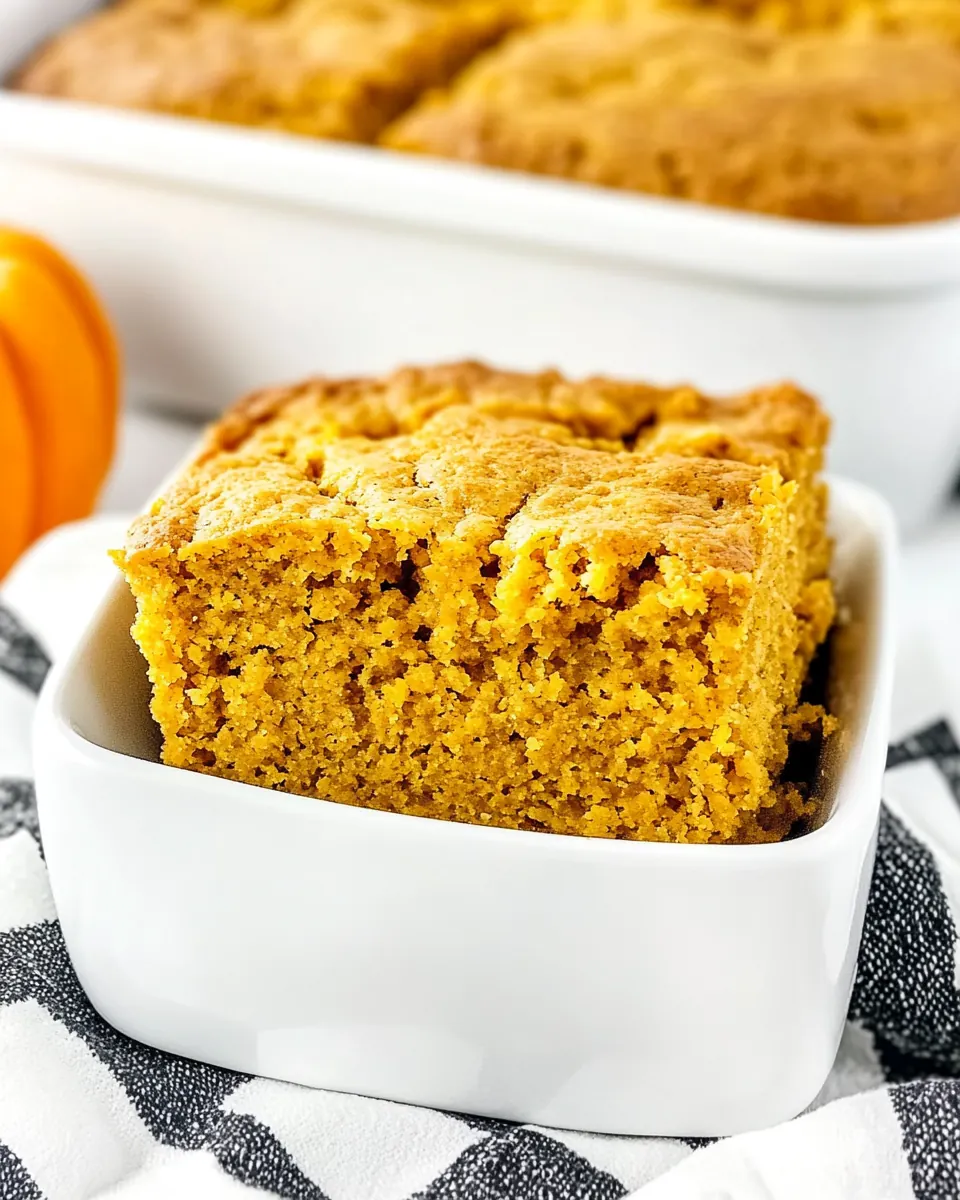
Pumpkin Cornbread
Pumpkin Cornbread has a way of landing on my table the moment the air turns crisp and the calendar nudges toward cozy evenings. I remember the first time I mixed together a bowl of simple pantry staples and the kitchen filled with the gentle, warm scent of pumpkin and spice, promising comfort with every stir.
That first bite of Pumpkin Cornbread was a small revelation, crumbly yet tender, with a hint of molasses sweetness that balanced the cornmeal’s grainy texture. I like to think of it as a practical kind of magic, something you can pull together between errands, and still impress guests when they drop by unexpectedly. Over the years I’ve tweaked little things, learned which cues to look for in the oven, and discovered how the texture changes when you use a metal pan versus glass.
When I bake Pumpkin Cornbread I often tell guests it’s the kind of side that quietly steals the show. It pairs beautifully with richly seasoned mains, but I also love it spread with a slather of butter for an afternoon snack. The recipe’s simplicity is part of its charm, and each time I make it I learn a new nuance about timing and consistency that makes the next loaf even better.
Recipe Snapshot
40 mins
10 mins
30 mins
Easy
180 kcal
American
Gluten-Free, Low FODMAP
Side Dishes
8-inch Square Cake Pan, Mixing Bowls
What’s Great About This Pumpkin Cornbread
Comforting, not fussy
I adore how Pumpkin Cornbread takes humble pantry items and becomes instantly heartwarming. The texture is approachable, and you do not need special skills to get a satisfying result. I often bring it to holiday dinners, because it fills plates and hearts with minimal fuss.
Seasonal personality
The combination of pumpkin and pumpkin spice seasoning gives it a seasonal personality that feels celebratory without being over the top. For me, that scent alone evokes gatherings and crisp afternoons, and it makes the cornbread feel timely for fall and Thanksgiving menus.
Versatile service options
I love that this recipe is flexible. You can bake it in a square pan for family style serving, or in muffin tins for portable portions. The texture holds up, and it reheats nicely, so it’s a great make ahead option when you have a busy holiday day planned.
Simple ingredients, big impact
The ingredient list is straightforward, yet each item plays a clear role. Cornmeal gives grit and structure, all purpose flour tames it for a tender crumb, and pumpkin puree brings moisture and subtle sweetness. Those few elements combine into something more than the sum of its parts.
Reliable technique
I appreciate that the method is forgiving. Mixing until just combined prevents toughness, and baking until a clean toothpick emerges ensures moistness without underbaking. I often tell friends it’s a great recipe to gain confidence in batter-based bakes.
Ingredients You’ll Need for Pumpkin Cornbread
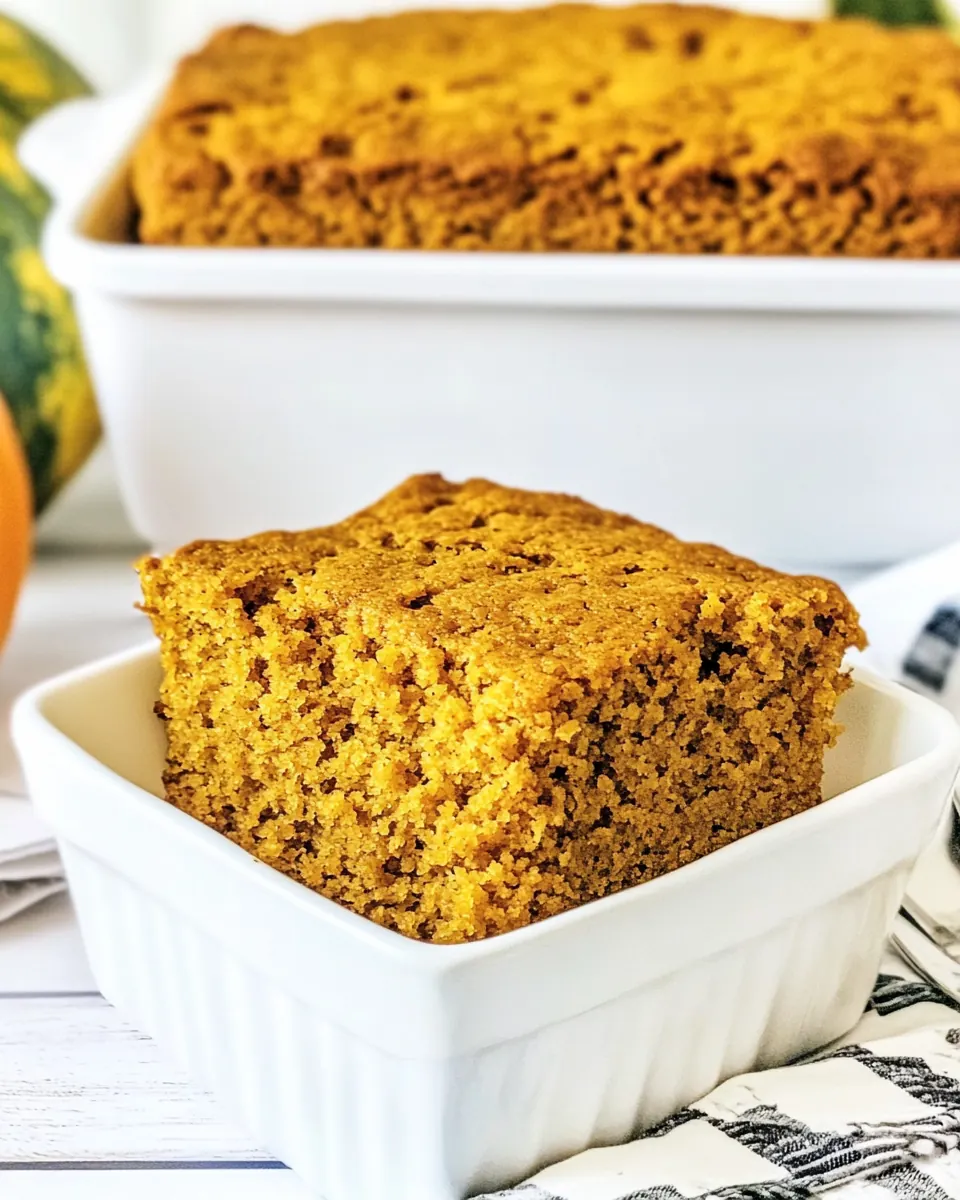
These ingredients form a simple, balanced batter that yields a moist, tender Pumpkin Cornbread. The recipe leans on textural contrast: cornmeal brings pleasant crumble, while all purpose flour offers structure. Pumpkin puree adds moisture and a mellow flavor, and the small amounts of leavening and seasoning lift the crumb and add depth.
- 2 eggs: Whisk together to provide structure and lift by trapping air during mixing and baking; eggs also add moisture and richness that help bind the batter into a tender cornbread crumb. They contribute to a golden color and improve overall mouthfeel while helping emulsify the pumpkin and oil for an even texture.
- 1 cup pumpkin puree: Puree smooth to contribute concentrated pumpkin flavor, moistness, and color while keeping the crumb tender and slightly dense. Pumpkin adds natural sweetness and nutrients while balancing drier components like cornmeal, and its water content affects baking time and final texture.
- 1/4 cup canola oil: Pour in to add fat that tenderizes the crumb and improves moisture retention, producing a softer, less crumbly cornbread. Neutral-flavored canola oil helps carry flavors evenly and keeps the batter looser for uniform mixing and baking.
- 1 tbsp molasses: Stir in to provide a deep, robust sweetness with complex molasses notes that enhance pumpkin and spice flavors. Molasses contributes a hint of acidity and caramelized flavor, which rounds out sweetness and complements the cornmeal texture.
- 1 cup all-purpose flour: Sift together to supply the gluten structure necessary for lightness and stability while balancing the coarse cornmeal for a pleasant bite. All-purpose flour blends with leavening to create a cohesive batter and absorbs some of the pumpkin’s moisture to prevent sogginess.
- 1 tbsp baking powder: Sprinkle in to act as the primary chemical leavening agent, producing carbon dioxide when heated to lift and aerate the batter for a tender, cake-like crumb. Baking powder helps counterbalance the density of cornmeal and pumpkin, ensuring the cornbread rises evenly.
- 1 tsp kosher salt: Measure precisely to season and enhance all other flavors while controlling overall saltiness; kosher salt also helps strengthen gluten slightly for better texture. Salt balances sweetness from pumpkin and molasses and brings out the savory corn notes.
- 1 tsp pumpkin spice seasoning: Add to impart warm, aromatic notes like cinnamon, nutmeg, ginger, and cloves that complement pumpkin and molasses. Pumpkin spice seasoning elevates the cornbread’s flavor profile and creates a seasonal, cozy taste without adding moisture or texture changes.
- 1 cup plain cornmeal: Fold in to provide bulk, characteristic grittiness, and cornbread-specific corn flavor that defines texture and mouthfeel. Plain cornmeal absorbs some moisture from pumpkin and oil, contributing structure and a pleasant crumb distinct from wheat-only batters.
How to Make Pumpkin Cornbread
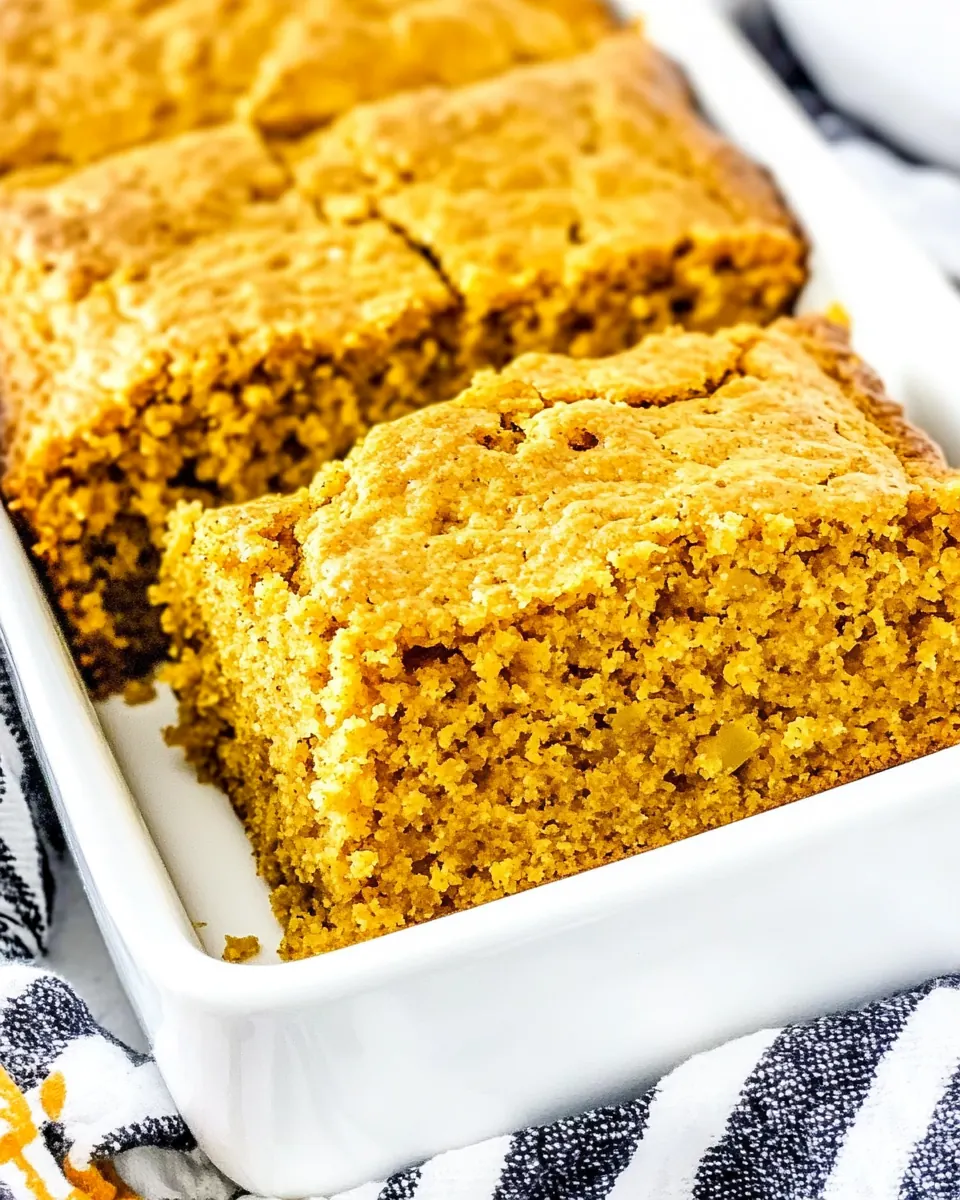
Follow a few straightforward steps and you will have a warm pan of Pumpkin Cornbread ready to share. The technique centers on gentle mixing and watching for the right visual cues as it bakes. Below, I expand each direction into a sensory, practical guide so you know what to expect at every stage.
- Preheat the oven to 400ºF. Grease an 8×8" cake pan.: The kitchen will begin to smell faintly of warm metal as the oven climbs to 400ºF , and preheating ensures the batter springs to life once it goes in. A properly preheated oven produces even rise and a golden crust, which you will notice in color and a slight firming at the edges. Greasing the 8 inch Square Cake Pan prevents sticking and helps you remove clean squares. Common mistakes include not fully preheating, which can cause a dense center, or over-greasing, which can fry the edges instead of allowing a proper crust to form.
- In a medium bowl, whisk together eggs, pumpkin puree, oil, and molasses. Stir in remaining ingredients just until combined.: As you whisk these wet ingredients, you should see a uniformly smooth, glossy batter forming, with the molasses adding a deeper amber hue. The mixture should smell faintly of cooked pumpkin and the sweet backing of molasses. This step develops emulsification, so the oil disperses evenly to keep pockets of fat from forming in the batter, which would cause uneven texture. Avoid leaving visible streaks of oil or lumps; that indicates insufficient mixing and can result in inconsistent crumb.
- Pour batter into prepared pan.: When you fold in the all purpose flour , cornmeal , baking powder , kosher salt , and pumpkin spice seasoning , the batter will thicken and take on a slightly grainy texture from the cornmeal . You will notice the aroma of warm spices rising. The reason to stop at just combined is to avoid overworking the gluten in the flour, which can make the cornbread tough. One common pitfall is vigorous stirring that creates a gluey texture, so use a folding motion and pause when you see no dry streaks.
- Bake for 25 to 30 minutes or until a toothpick inserted in the center comes out clean.: As you transfer the batter, it should flow smoothly but hold some body, not be overly runny. Tap the pan gently on the counter to settle the batter and release any large air pockets, which will help it bake evenly. You will see the surface level out and small bubbles may rise and pop on top. If the batter looks unusually thin or watery, double check ingredient measurements; too much liquid will yield a soggy center.
- Bake for 25 to 30 minutes or until a toothpick inserted in the center comes out clean.: During baking the kitchen will fill with the scent of pumpkin and spice, and the top will turn a warm golden brown. Check for doneness by inserting a toothpick into the center; if it comes out clean or with a few moist crumbs, you are done. The edges should pull slightly away from the pan . A common error is removing it too soon, which leaves a gummy interior, so if in doubt give it a few extra minutes and watch the color for guidance.
Recipe Notes about Pumpkin Cornbread
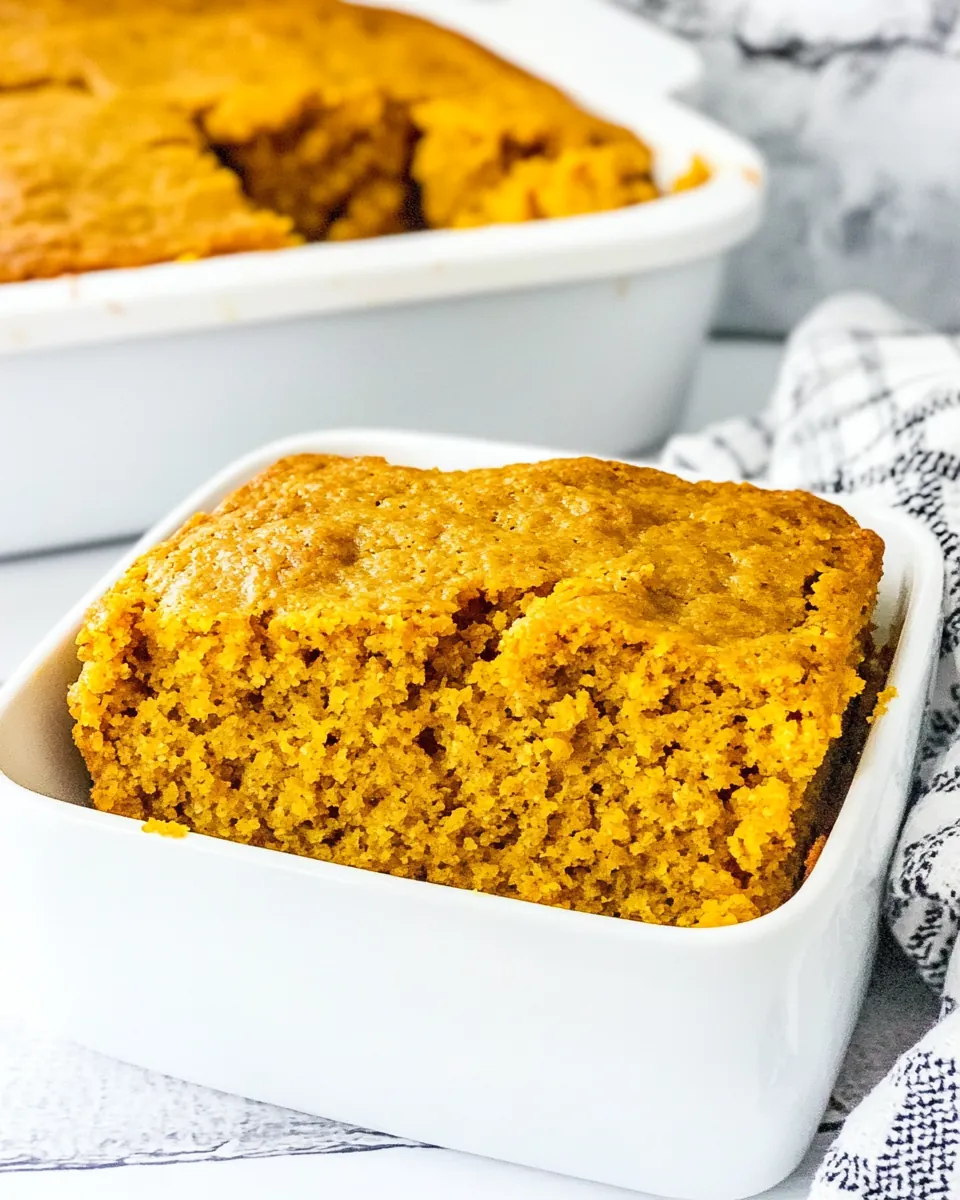
This section expands on practical pointers to get the best results with Pumpkin Cornbread. Below are detailed tips based on common variations and troubleshooting notes that I use in my kitchen.
- Use pure pumpkin puree: Pure pumpkin puree provides consistent moisture and flavor. Pumpkin pie filling contains added sugars and spices that can unbalance the recipe, so double check the label when you buy your can.
- Adjust baking time for muffins: If you make mini or regular muffins instead of an 8 inch pan, reduce the baking time significantly and test early. Muffins bake faster because of increased surface area, and overbaking will dry them out.
- Watch the oven temperature: Ovens vary, so if your cornbread browns too quickly, tent with foil to allow the center to finish cooking without burning the top. An oven thermometer helps you verify true temperature for consistent results.
- Storage and freezing: Cool completely before storing in an airtight container. To freeze, wrap tightly and place in a freezer bag, then thaw and reheat in the microwave or oven for best texture retention.
- Gently fold dry ingredients: When combining, fold just until no dry streaks remain to avoid developing gluten and making the cornbread dense. A few small lumps are fine and will disappear during baking.
- Replace oil carefully: If swapping oils, pick a neutral oil with similar smoking point to preserve texture; stronger flavored oils can change the final taste profile.
Serving Suggestions
Pumpkin Cornbread works in many settings from holiday spreads to weekday dinners. Below are ways I like to serve it, pairing ideas, and storage recommendations to keep the cornbread tasting fresh.
- Holiday side dish: Serve warm squares of Pumpkin Cornbread at Thanksgiving beside roasted vegetables and mashed sides to add a slightly sweet, spiced contrast.
- Everyday accompaniment: Offer alongside soups and stews for a satisfying textural counterpoint. The grainy bite of cornmeal pairs well with creamy bowls.
- Snack or breakfast: Toast a slice and spread a bit of butter for a quick breakfast or midafternoon pick me up with coffee or tea.
- Make ahead for gatherings: Bake a day in advance and store in an airtight container at room temperature, then reheat briefly in the oven to refresh the crust before serving.
- Freezing for convenience: Cool completely, wrap tightly and freeze. Thaw in the refrigerator or at room temperature, then warm in the oven to regain fresh baked texture.
- Portion for parties: Bake in a muffin tin for bite sized servings that guests can grab easily, and adjust baking time accordingly to avoid overbaking.
FAQ
Conclusion
Pumpkin Cornbread stands out for its comforting texture and seasonal warmth. The simple ingredient list and forgiving technique make it a reliable choice for both holiday spreads and everyday meals. Give it a try the next time you want a cozy side that requires minimal effort but delivers big flavor. I hope it becomes one of your go to recipes for cool weather gatherings and quiet afternoons alike.
Pumpkin Cornbread
Equipment
- 8-inch Square Cake Pan
- Mixing Bowls
Ingredients
- 2 eggs Whisk together to provide structure and lift by trapping air during mixing and baking; eggs also add moisture and richness that help bind the batter into a tender cornbread crumb. They contribute to a golden color and improve overall mouthfeel while helping emulsify the pumpkin and oil for an even texture.
- 1 cup pumpkin puree Puree smooth to contribute concentrated pumpkin flavor, moistness, and color while keeping the crumb tender and slightly dense. Pumpkin adds natural sweetness and nutrients while balancing drier components like cornmeal, and its water content affects baking time and final texture.
- 1/4 cup canola oil Pour in to add fat that tenderizes the crumb and improves moisture retention, producing a softer, less crumbly cornbread. Neutral-flavored canola oil helps carry flavors evenly and keeps the batter looser for uniform mixing and baking.
- 1 tbsp molasses Stir in to provide a deep, robust sweetness with complex molasses notes that enhance pumpkin and spice flavors. Molasses contributes a hint of acidity and caramelized flavor, which rounds out sweetness and complements the cornmeal texture.
- 1 cup all-purpose flour Sift together to supply the gluten structure necessary for lightness and stability while balancing the coarse cornmeal for a pleasant bite. All-purpose flour blends with leavening to create a cohesive batter and absorbs some of the pumpkin’s moisture to prevent sogginess.
- 1 tbsp baking powder Sprinkle in to act as the primary chemical leavening agent, producing carbon dioxide when heated to lift and aerate the batter for a tender, cake-like crumb. Baking powder helps counterbalance the density of cornmeal and pumpkin, ensuring the cornbread rises evenly.
- 1 tsp kosher salt Measure precisely to season and enhance all other flavors while controlling overall saltiness; kosher salt also helps strengthen gluten slightly for better texture. Salt balances sweetness from pumpkin and molasses and brings out the savory corn notes.
- 1 tsp pumpkin spice seasoning Add to impart warm, aromatic notes like cinnamon, nutmeg, ginger, and cloves that complement pumpkin and molasses. Pumpkin spice seasoning elevates the cornbread’s flavor profile and creates a seasonal, cozy taste without adding moisture or texture changes.
- 1 cup plain cornmeal Fold in to provide bulk, characteristic grittiness, and cornbread-specific corn flavor that defines texture and mouthfeel. Plain cornmeal absorbs some moisture from pumpkin and oil, contributing structure and a pleasant crumb distinct from wheat-only batters.
Instructions
- Preheat the oven to 400ºF. Grease an 8×8" cake pan.: The kitchen will begin to smell faintly of warm metal as the oven climbs to 400ºF , and preheating ensures the batter springs to life once it goes in. A properly preheated oven produces even rise and a golden crust, which you will notice in color and a slight firming at the edges. Greasing the 8 inch Square Cake Pan prevents sticking and helps you remove clean squares. Common mistakes include not fully preheating, which can cause a dense center, or over-greasing, which can fry the edges instead of allowing a proper crust to form.
- In a medium bowl, whisk together eggs, pumpkin puree, oil, and molasses. Stir in remaining ingredients just until combined.: As you whisk these wet ingredients, you should see a uniformly smooth, glossy batter forming, with the molasses adding a deeper amber hue. The mixture should smell faintly of cooked pumpkin and the sweet backing of molasses. This step develops emulsification, so the oil disperses evenly to keep pockets of fat from forming in the batter, which would cause uneven texture. Avoid leaving visible streaks of oil or lumps; that indicates insufficient mixing and can result in inconsistent crumb.
- Pour batter into prepared pan.: When you fold in the all purpose flour , cornmeal , baking powder , kosher salt , and pumpkin spice seasoning , the batter will thicken and take on a slightly grainy texture from the cornmeal . You will notice the aroma of warm spices rising. The reason to stop at just combined is to avoid overworking the gluten in the flour, which can make the cornbread tough. One common pitfall is vigorous stirring that creates a gluey texture, so use a folding motion and pause when you see no dry streaks.
- Bake for 25 to 30 minutes or until a toothpick inserted in the center comes out clean.: As you transfer the batter, it should flow smoothly but hold some body, not be overly runny. Tap the pan gently on the counter to settle the batter and release any large air pockets, which will help it bake evenly. You will see the surface level out and small bubbles may rise and pop on top. If the batter looks unusually thin or watery, double check ingredient measurements; too much liquid will yield a soggy center.
- Bake for 25 to 30 minutes or until a toothpick inserted in the center comes out clean.: During baking the kitchen will fill with the scent of pumpkin and spice, and the top will turn a warm golden brown. Check for doneness by inserting a toothpick into the center; if it comes out clean or with a few moist crumbs, you are done. The edges should pull slightly away from the pan . A common error is removing it too soon, which leaves a gummy interior, so if in doubt give it a few extra minutes and watch the color for guidance.
Notes
- Use pure pumpkin puree: Pure pumpkin puree provides consistent moisture and flavor. Pumpkin pie filling contains added sugars and spices that can unbalance the recipe, so double check the label when you buy your can.
- Adjust baking time for muffins: If you make mini or regular muffins instead of an 8 inch pan, reduce the baking time significantly and test early. Muffins bake faster because of increased surface area, and overbaking will dry them out.
- Watch the oven temperature: Ovens vary, so if your cornbread browns too quickly, tent with foil to allow the center to finish cooking without burning the top. An oven thermometer helps you verify true temperature for consistent results.
- Storage and freezing: Cool completely before storing in an airtight container. To freeze, wrap tightly and place in a freezer bag, then thaw and reheat in the microwave or oven for best texture retention.
- Gently fold dry ingredients: When combining, fold just until no dry streaks remain to avoid developing gluten and making the cornbread dense. A few small lumps are fine and will disappear during baking.
- Replace oil carefully: If swapping oils, pick a neutral oil with similar smoking point to preserve texture; stronger flavored oils can change the final taste profile.