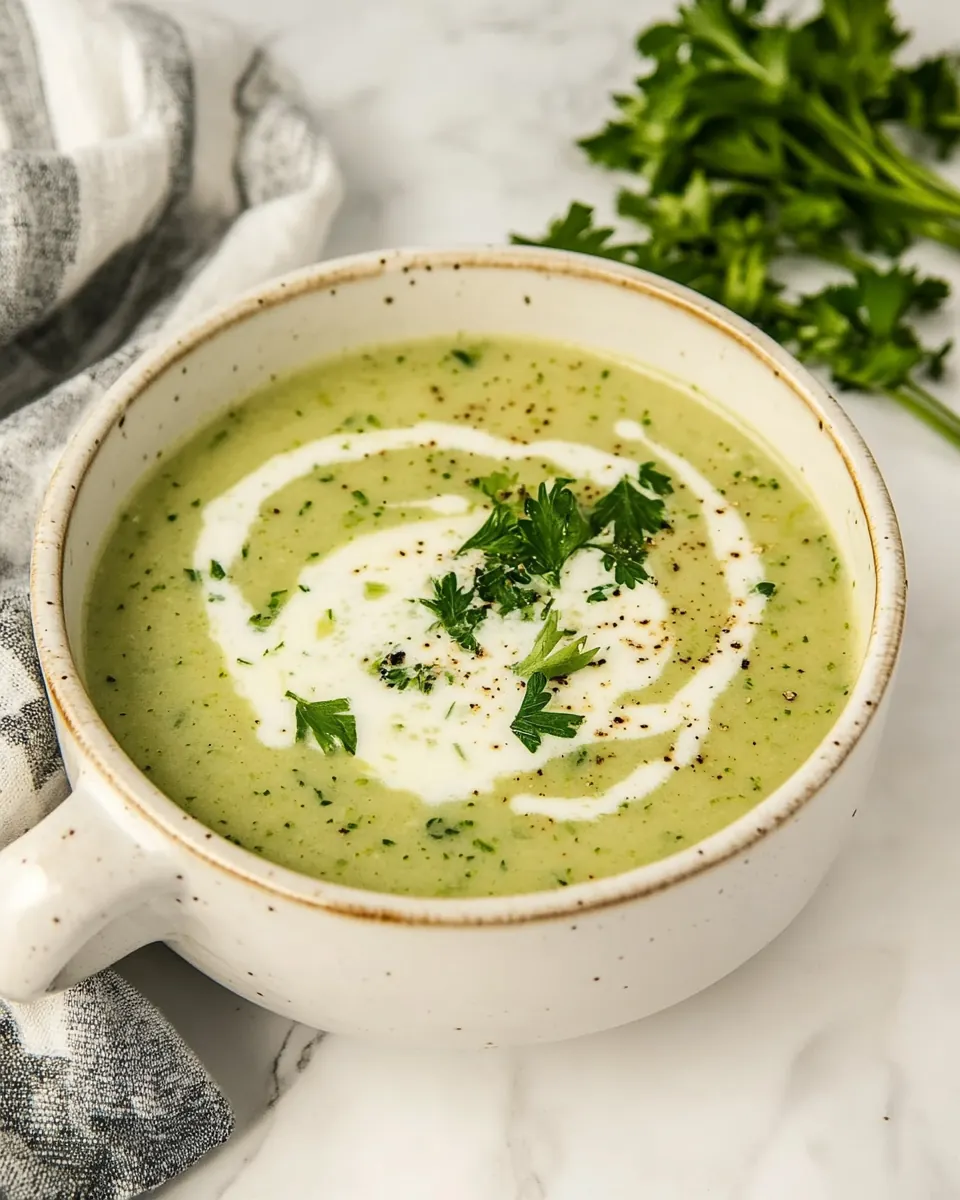
Celery Soup
Celery Soup has been a quiet weekday lifesaver in my kitchen for years, the kind of bowl that feels like a warm note from an old friend. I remember a rainy evening when I only had a handful of stalks, a potato, and some herbs, and I turned those humble bits into something comforting and unexpectedly elegant. That night taught me how simple ingredients can sing when treated with care, and how a humble pot can turn into a memory maker.
Over time I learned little rituals that lift this soup beyond basic. I like to let the onion caramelize so that its sweetness balances the bright vegetal edge of the celery. I also learned that a touch of fresh dill and parsley at the end brightens the whole bowl, and a swirl of light sour cream gives a silky mouthfeel without weighing it down. Those tweaks make this soup feel intentional, not thrown together.
Recipe Snapshot
35 mins
15 mins
20 mins
Easy
180 kcal
American
Gluten-Free, Low FODMAP
Soups
Large pot, Immersion blender, Chef’s knife
Why You Need This Celery Soup
Comfort made elegant
I love that Celery Soup manages to be both humble and refined. The combination of simple vegetables and gentle blending creates a creamy texture that feels indulgent, yet it is built on pantry staples I trust. I often serve it when I want something soothing without fuss, because it always hits that cozy note.
Bright herbal lift
Fresh dill and parsley turn what could be a one note bowl into a lively dish. I add them at the end to preserve their aroma, and that last-minute freshness keeps the soup tasting vibrant, not flat. You will notice the herbal scent right away when you stir them in.
Speed and simplicity
This recipe is fast enough for busy evenings, yet satisfying enough for guests. With about thirty five minutes from start to finish, it fits into weeknight routines and also into a relaxed weekend lunch. I appreciate recipes that respect time, and this one does with no compromises on flavor.
Flexible and forgiving
One of the reasons I reach for Celery Soup is how forgiving it is. If your celery is a touch limp, or your potato slices are uneven, the immersion blender smooths everything into harmony. That makes it a great confidence builder for cooks who want a reliable outcome.
Light yet satisfying texture
The use of light sour cream gives a silky finish without heaviness. It rounds the flavor and adds body, while the low sodium vegetable broth keeps the salt in your hands. I find this balance especially reassuring on colder evenings when I want fullness without overindulgence.
Ingredient List for Celery Soup
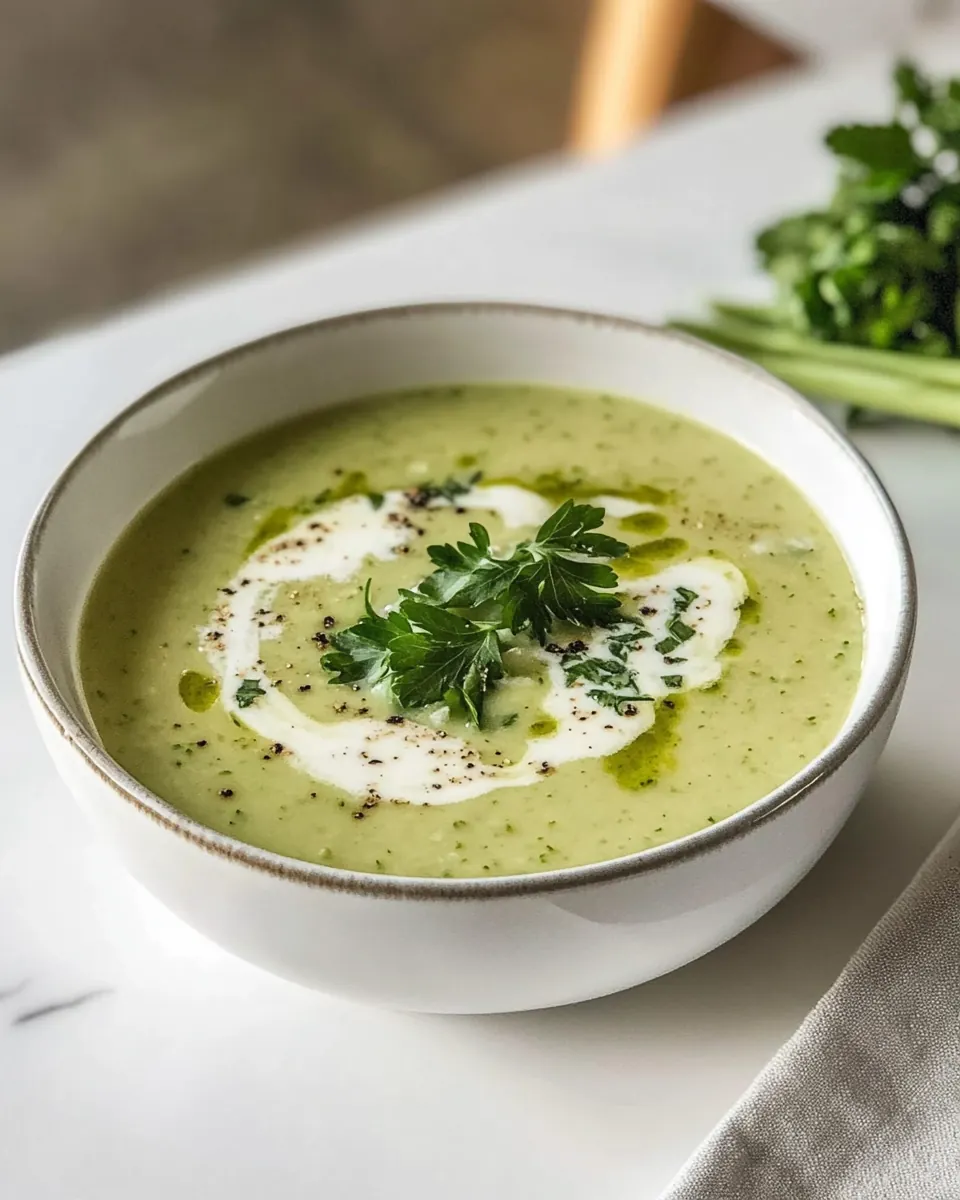
These ingredients form a streamlined panoply of flavors that work in concert. The core players are the vegetables, which provide structure and natural sweetness, while the herbs and cream offer aroma and silkiness. I think of the list as a small team where each member has a clear job, from building body to accenting brightness.
- 1 1/2 tablespoons olive oil: Sauté in a pan to provide a fruity, slightly bitter base and to carry flavors; the oil helps prevent sticking and promotes gentle browning of aromatics before liquid is added.
- 1 medium onion, diced: Sweat in olive oil until translucent to build sweetness and savory depth; diced texture helps release sugars and integrates smoothly into the soup.
- 5 garlic cloves chopped: Mince or chop and cook briefly to release pungent, aromatic compounds that enhance richness; garlic adds umami and complements the onion’s sweetness.
- 1 1/2 pounds celery sliced thin: Slice thin to soften quickly and contribute a bright, vegetal flavor and body; cooked celery adds aromatic complexity and a subtle crunch when not overcooked.
- 2 cups potatoes sliced into 1/2-inch rounds: Slice into 1/2-inch rounds and simmer until tender to thicken the broth naturally; potatoes add creamy texture and mild, starchy balance to the soup.
- 5 cups low-sodium vegetable broth: Simmer with vegetables to form the flavorful cooking liquid and control overall saltiness; low-sodium broth lets you season precisely while adding savory stock depth.
- 1 bay leaf: Add whole while simmering to impart a subtle herbal, slightly floral bay character; remove before serving to avoid an overpowering, leafy texture.
- Salt to taste: Season gradually to taste to enhance all flavors without overpowering delicate herbs; salt brings out sweetness in vegetables and balances acidity.
- Pepper to taste: Grind or sprinkle to taste to introduce mild heat and aromatic sharpness; pepper brightens flavors and lifts the overall profile of the soup.
- 1 pinch cayenne pepper (optional): Pinch in sparingly to provide optional warmth and a peppery kick; cayenne can be adjusted to elevate heat without altering core flavors.
- 1/4 cup fresh dill chopped: Chop finely and stir in near the end to contribute fresh, feathery herbaceous notes and a hint of anise-like brightness that complements celery.
- 1/2 cup fresh parsley chopped, plus more for garnish: Chop and add both in cooking and as garnish to supply bright, grassy freshness and a clean, verdant finish; parsley also adds color contrast.
- 2/3 cup light sour cream: Fold in or dollop when serving to lend creaminess and gentle tang that mellows acidity and enriches mouthfeel without overpowering herbs.
Recipe Steps for Celery Soup
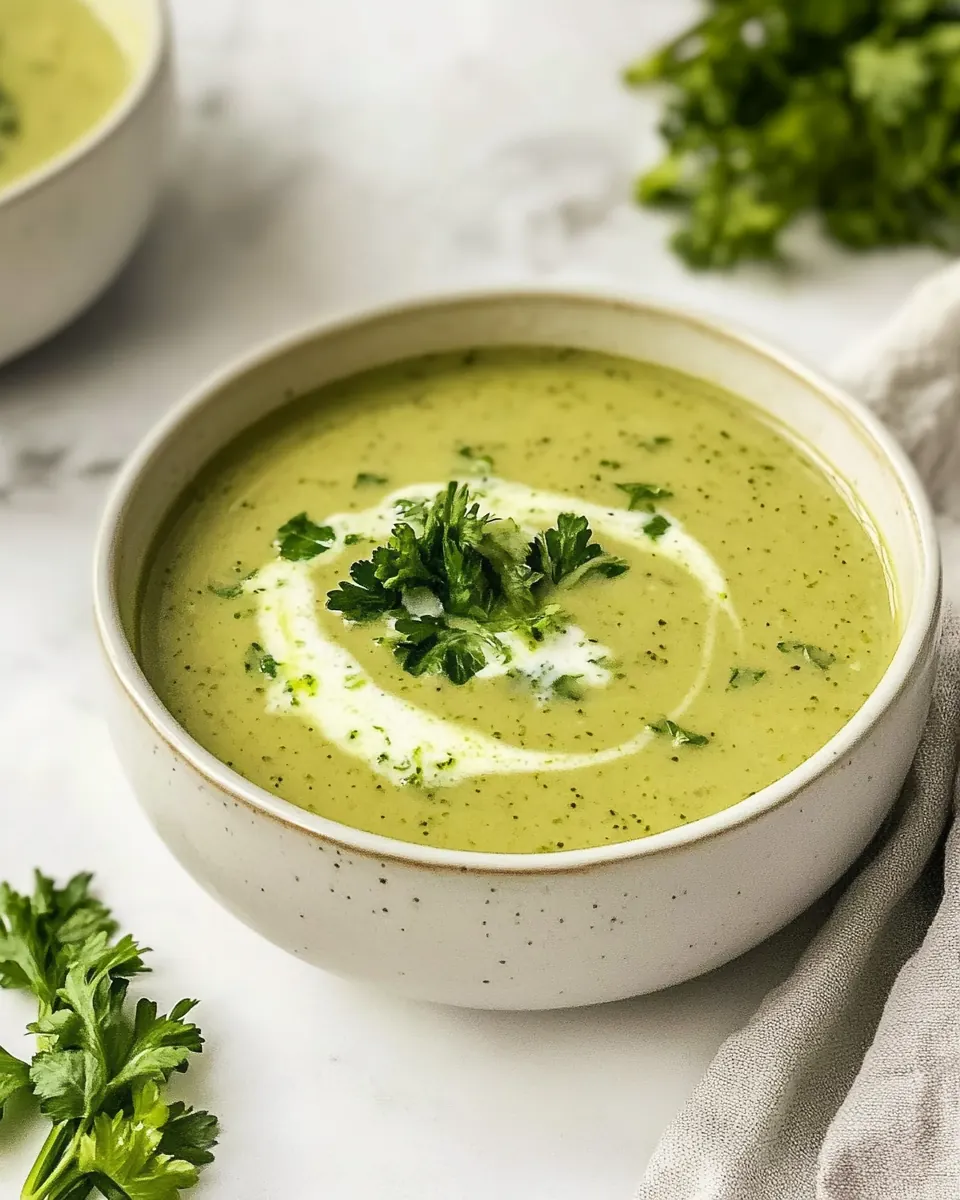
I like to approach the cooking with calm focus because small details shape the final bowl. Below are the cleaned steps from the recipe, expanded into sensory rich, practical guidance so you know what to listen for and what to avoid.
- Heat the olive oil in a large pot over medium heat. Add the diced onion and cook until golden, about 5 minutes.: You will hear a soft shimmer as the olive oil warms, and the surface will thin and shine. This gentle heating creates a hot enough surface to soften the onion without burning it. I let the oil sit for about thirty seconds so it becomes evenly warm. A common mistake is using too high heat, which browns the onion too quickly and adds bitterness, so keep the flame moderate and watch the oil ripple gently.
- Stir in the chopped garlic and cook for 1 minute until fragrant.: Expect the onion to go translucent, then slowly turn golden, releasing a sweet aroma that fills the kitchen. Stir occasionally so all pieces brown evenly and the sugars develop. If pieces stick, lower the heat and scrape the fond, because burnt edges will add an undesirable char note. The golden color is your cue that flavor depth is building.
- Mix in the celery, potatoes, vegetable broth, bay leaf, salt, pepper, and cayenne pepper (if using). Bring to a simmer, cover, and cook for about 10 minutes until the potatoes are tender.: As you add the garlic , you will smell a sharp, peppery scent that softens as it warms. Garlic cooks very fast, so one minute is enough to bloom its flavor without turning bitter. Keep stirring and remove from direct contact with the hot base if it begins to darken, because overcooked garlic becomes bitter and will dominate the soup.
- Remove the bay leaf and add the chopped dill and parsley. Use an immersion blender to blend the soup until smooth. If using a regular blender, allow the soup to cool a bit and blend in batches.: When you add the vegetables and the low sodium vegetable broth , the pot will come alive with steam and vegetal scent. The potatoes add starch that will thicken the soup as they soften. Slide in the single bay leaf for subtle aromatic depth, and start with a conservative pinch of salt and pepper . If you are using the pinch of cayenne pepper , it will offer a warming undertone rather than overt heat. Bring the mixture to a gentle simmer, cover partially to trap steam, and cook until the potatoes are tender. A frequent error is boiling too hard, which can break down flavors and make the soup cloudy, so aim for a steady, gentle simmer.
- Return the soup to low heat. Stir in the light sour cream gently and heat through without boiling. Serve hot and garnish with extra parsley if desired.: As the pot simmers, listen for a low, steady bubbling, and you will see the surface move gently. Ten minutes usually softens half inch rounds of potatoes , but test with a fork for tenderness. The cooking melds the vegetal notes and allows the starch to release, which is why timing matters for texture. Overcooking makes the soup overly thick and can flatten bright flavors, so check early if your pieces are smaller than usual.
- Remove the bay leaf and add the chopped dill and parsley: Removing the bay leaf prevents a leathery texture and overly tannic bite. Stir in the chopped dill and parsley , and you will immediately notice a fresh, green aroma. These herbs are fragile, so adding them now preserves their fragrance. A common oversight is stirring them in too early, which mutes their scent and makes the soup less vibrant.
- Use an immersion blender to blend the soup until smooth: As you blend, watch the soup transform from chunky pieces into a satin surface, and listen for the steady hum of the blender. The texture should become velvety with no large bits. If using a regular blender, cool the soup briefly and work in batches to avoid splatters, because hot liquid expands and can cause a dangerous spray. Overblending can introduce air and change the mouthfeel, so pulse to reach a creamy consistency.
- If using a regular blender, allow the soup to cool a bit and blend in batches: Cooling slightly reduces the risk of pressure build up in the blender, and blending in small batches ensures an even texture. Pour a manageable amount, hold the lid with a towel, and pulse until smooth. A frequent mishap is filling the blender too full and getting splatters, so leave space and work methodically.
- Return the soup to low heat: Heating gently allows flavors to marry and keeps the emulsion stable. The surface will show soft ripples and a faint steam when correctly warmed. Keep the temperature low to avoid breaking the dairy when you add the light sour cream . High heat at this point can cause separation and a curdled appearance.
- Stir in the light sour cream gently and heat through without boiling: When you fold in the light sour cream , the soup will take on a richer sheen and a smoother mouthfeel. Stir gently until the cream is fully incorporated and the soup is warm, not bubbling. Boiling after adding dairy risks splitting the cream and changing texture, so keep it just below simmering. Taste and adjust salt and pepper now because the cream can soften perceived seasoning.
- Serve hot and garnish with extra parsley if desired: Ladle the soup into warmed bowls so it stays hot longer, and sprinkle reserved chopped parsley for a fresh scent and visual contrast. The final garnish adds crisp green color and an herbal lift on the first spoonful. A common serve mistake is letting the soup sit too long before garnishing, which dulls the herb aroma, so finish right before presenting.
Recipe Tips about Celery Soup
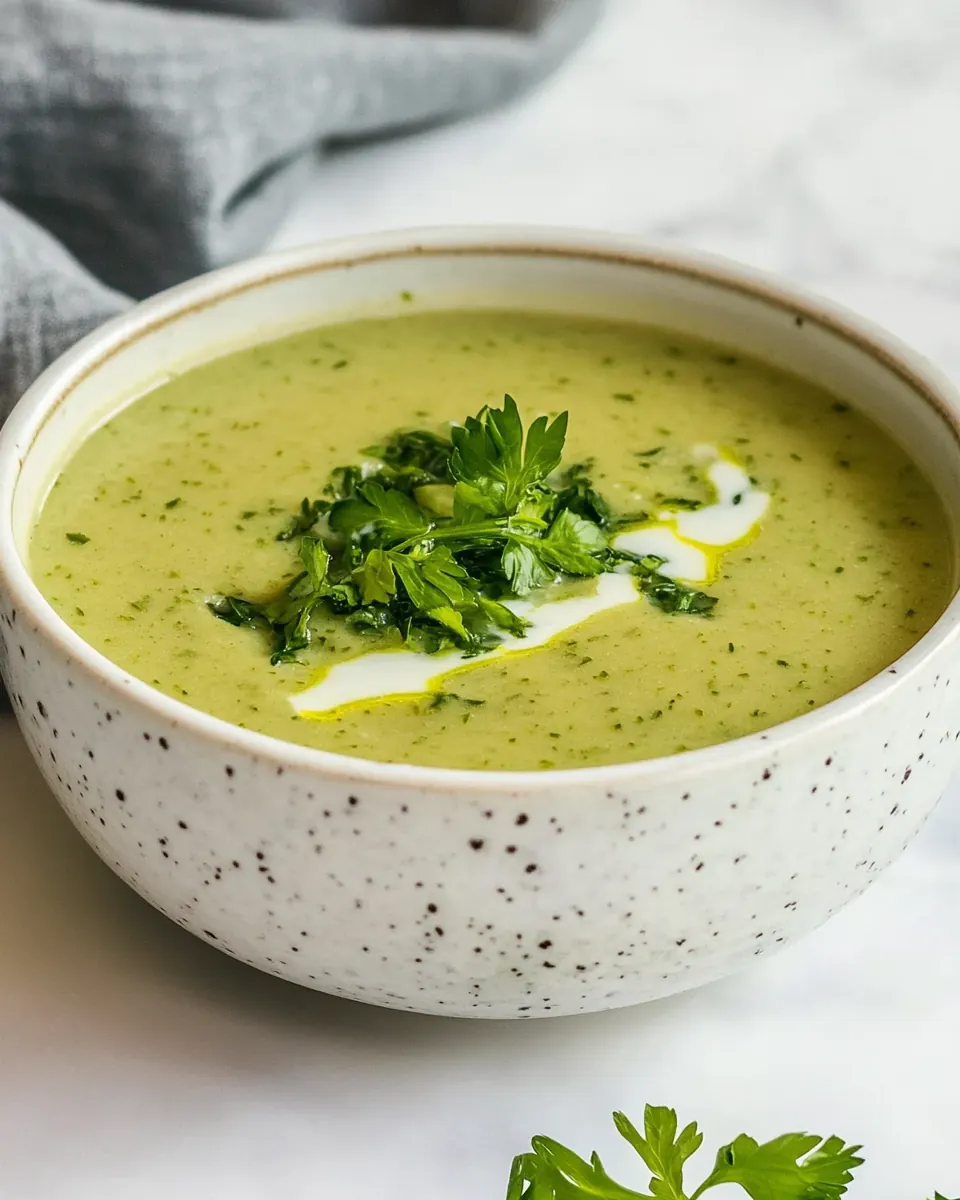
I often collect little habits that keep this soup reliable and flavorful. These tips are based on mistakes I made early on and the adjustments that improved the final bowl. They will save you time and help the soup taste consistently great.
- Warm the oil first — Heating the olive oil gently before adding the onion ensures even softening and prevents sticking, which develops sweeter, more complex flavors.
- Don’t rush the onion — Allow the onion to turn golden slowly; impatience leads to burnt edges and a bitter note that can overpower the delicate celery.
- Pulse the blender — When using an immersion blender, pulse and lift occasionally to avoid creating excess foam, which can change the texture; aim for a creamy, dense finish.
- Start with low salt — The light sour cream will mellow flavors, so taste and season after it is incorporated to avoid oversalting.
- Reserve herbs for garnish — Keep some chopped parsley aside for garnish to add a visual and aromatic lift right before serving.
Perfect Matches for Celery Soup
This soup is versatile and pairs well with a range of sides and occasions. Below are thoughtful serving ideas, storage tips, and suggestions for when this bowl shines most.
- Light lunch pairing — Serve Celery Soup with a simple green salad and crusty bread for a balanced midday meal that feels nourishing without being heavy.
- Weeknight dinner — Pair with roasted vegetables and a grain bowl for a cozy weeknight menu; the soup brings a soothing element that complements heartier sides.
- Seasonal occasions — This recipe works well in winter when its warm, vegetal profile is particularly comforting; it is great for quiet family dinners or casual gatherings.
- Storage tips — Cool the soup quickly, store in an airtight container, and refrigerate for up to three days. Reheat gently over low heat and stir to recombine before serving.
- Make ahead — You can prepare the soup base a day ahead and finish by adding fresh herbs and light sour cream just before serving to keep flavors bright.
- Garnish ideas — A spoonful of extra chopped parsley brings fresh color and aroma, while an additional swirl of light sour cream adds visual appeal and creaminess.
FAQ
Conclusion
Celery Soup stands out because it turns simple pantry vegetables into a silky, herb-forward bowl that feels both comforting and refined. I encourage you to try it on a chilly evening, adding the final herbs and a swirl of light sour cream for that last bright note. It’s an approachable recipe that rewards small attentions, and once you make it a couple of times you will have your own favorite tweaks to make it unmistakably yours.

Celery Soup
Equipment
- Large Pot
- Immersion Blender
- Chef's Knife
Ingredients
- 1 1/2 tablespoons olive oil Sauté in a pan to provide a fruity, slightly bitter base and to carry flavors; the oil helps prevent sticking and promotes gentle browning of aromatics before liquid is added.
- 1 medium onion, diced Sweat in olive oil until translucent to build sweetness and savory depth; diced texture helps release sugars and integrates smoothly into the soup.
- 5 garlic cloves chopped Mince or chop and cook briefly to release pungent, aromatic compounds that enhance richness; garlic adds umami and complements the onion’s sweetness.
- 1 1/2 pounds celery sliced thin Slice thin to soften quickly and contribute a bright, vegetal flavor and body; cooked celery adds aromatic complexity and a subtle crunch when not overcooked.
- 2 cups potatoes sliced into 1/2-inch rounds Slice into 1/2-inch rounds and simmer until tender to thicken the broth naturally; potatoes add creamy texture and mild, starchy balance to the soup.
- 5 cups low-sodium vegetable broth Simmer with vegetables to form the flavorful cooking liquid and control overall saltiness; low-sodium broth lets you season precisely while adding savory stock depth.
- 1 bay leaf Add whole while simmering to impart a subtle herbal, slightly floral bay character; remove before serving to avoid an overpowering, leafy texture.
- Salt to taste Season gradually to taste to enhance all flavors without overpowering delicate herbs; salt brings out sweetness in vegetables and balances acidity.
- Pepper to taste Grind or sprinkle to taste to introduce mild heat and aromatic sharpness; pepper brightens flavors and lifts the overall profile of the soup.
- 1 pinch cayenne pepper optional Pinch in sparingly to provide optional warmth and a peppery kick; cayenne can be adjusted to elevate heat without altering core flavors.
- 1/4 cup fresh dill chopped Chop finely and stir in near the end to contribute fresh, feathery herbaceous notes and a hint of anise-like brightness that complements celery.
- 1/2 cup fresh parsley chopped, plus more for garnish Chop and add both in cooking and as garnish to supply bright, grassy freshness and a clean, verdant finish; parsley also adds color contrast.
- 2/3 cup light sour cream Fold in or dollop when serving to lend creaminess and gentle tang that mellows acidity and enriches mouthfeel without overpowering herbs.
Instructions
- Heat the olive oil in a large pot over medium heat. Add the diced onion and cook until golden, about 5 minutes.: You will hear a soft shimmer as the olive oil warms, and the surface will thin and shine. This gentle heating creates a hot enough surface to soften the onion without burning it. I let the oil sit for about thirty seconds so it becomes evenly warm. A common mistake is using too high heat, which browns the onion too quickly and adds bitterness, so keep the flame moderate and watch the oil ripple gently.
- Stir in the chopped garlic and cook for 1 minute until fragrant.: Expect the onion to go translucent, then slowly turn golden, releasing a sweet aroma that fills the kitchen. Stir occasionally so all pieces brown evenly and the sugars develop. If pieces stick, lower the heat and scrape the fond, because burnt edges will add an undesirable char note. The golden color is your cue that flavor depth is building.
- Mix in the celery, potatoes, vegetable broth, bay leaf, salt, pepper, and cayenne pepper (if using). Bring to a simmer, cover, and cook for about 10 minutes until the potatoes are tender.: As you add the garlic , you will smell a sharp, peppery scent that softens as it warms. Garlic cooks very fast, so one minute is enough to bloom its flavor without turning bitter. Keep stirring and remove from direct contact with the hot base if it begins to darken, because overcooked garlic becomes bitter and will dominate the soup.
- Remove the bay leaf and add the chopped dill and parsley. Use an immersion blender to blend the soup until smooth. If using a regular blender, allow the soup to cool a bit and blend in batches.: When you add the vegetables and the low sodium vegetable broth , the pot will come alive with steam and vegetal scent. The potatoes add starch that will thicken the soup as they soften. Slide in the single bay leaf for subtle aromatic depth, and start with a conservative pinch of salt and pepper . If you are using the pinch of cayenne pepper , it will offer a warming undertone rather than overt heat. Bring the mixture to a gentle simmer, cover partially to trap steam, and cook until the potatoes are tender. A frequent error is boiling too hard, which can break down flavors and make the soup cloudy, so aim for a steady, gentle simmer.
- Return the soup to low heat. Stir in the light sour cream gently and heat through without boiling. Serve hot and garnish with extra parsley if desired.: As the pot simmers, listen for a low, steady bubbling, and you will see the surface move gently. Ten minutes usually softens half inch rounds of potatoes , but test with a fork for tenderness. The cooking melds the vegetal notes and allows the starch to release, which is why timing matters for texture. Overcooking makes the soup overly thick and can flatten bright flavors, so check early if your pieces are smaller than usual.
- Remove the bay leaf and add the chopped dill and parsley: Removing the bay leaf prevents a leathery texture and overly tannic bite. Stir in the chopped dill and parsley , and you will immediately notice a fresh, green aroma. These herbs are fragile, so adding them now preserves their fragrance. A common oversight is stirring them in too early, which mutes their scent and makes the soup less vibrant.
- Use an immersion blender to blend the soup until smooth: As you blend, watch the soup transform from chunky pieces into a satin surface, and listen for the steady hum of the blender. The texture should become velvety with no large bits. If using a regular blender, cool the soup briefly and work in batches to avoid splatters, because hot liquid expands and can cause a dangerous spray. Overblending can introduce air and change the mouthfeel, so pulse to reach a creamy consistency.
- If using a regular blender, allow the soup to cool a bit and blend in batches: Cooling slightly reduces the risk of pressure build up in the blender, and blending in small batches ensures an even texture. Pour a manageable amount, hold the lid with a towel, and pulse until smooth. A frequent mishap is filling the blender too full and getting splatters, so leave space and work methodically.
- Return the soup to low heat: Heating gently allows flavors to marry and keeps the emulsion stable. The surface will show soft ripples and a faint steam when correctly warmed. Keep the temperature low to avoid breaking the dairy when you add the light sour cream . High heat at this point can cause separation and a curdled appearance.
- Stir in the light sour cream gently and heat through without boiling: When you fold in the light sour cream , the soup will take on a richer sheen and a smoother mouthfeel. Stir gently until the cream is fully incorporated and the soup is warm, not bubbling. Boiling after adding dairy risks splitting the cream and changing texture, so keep it just below simmering. Taste and adjust salt and pepper now because the cream can soften perceived seasoning.
- Serve hot and garnish with extra parsley if desired: Ladle the soup into warmed bowls so it stays hot longer, and sprinkle reserved chopped parsley for a fresh scent and visual contrast. The final garnish adds crisp green color and an herbal lift on the first spoonful. A common serve mistake is letting the soup sit too long before garnishing, which dulls the herb aroma, so finish right before presenting.
Notes
- Warm the oil first — Heating the olive oil gently before adding the onion ensures even softening and prevents sticking, which develops sweeter, more complex flavors.
- Don’t rush the onion — Allow the onion to turn golden slowly; impatience leads to burnt edges and a bitter note that can overpower the delicate celery.
- Pulse the blender — When using an immersion blender, pulse and lift occasionally to avoid creating excess foam, which can change the texture; aim for a creamy, dense finish.
- Start with low salt — The light sour cream will mellow flavors, so taste and season after it is incorporated to avoid oversalting.
- Reserve herbs for garnish — Keep some chopped parsley aside for garnish to add a visual and aromatic lift right before serving.
