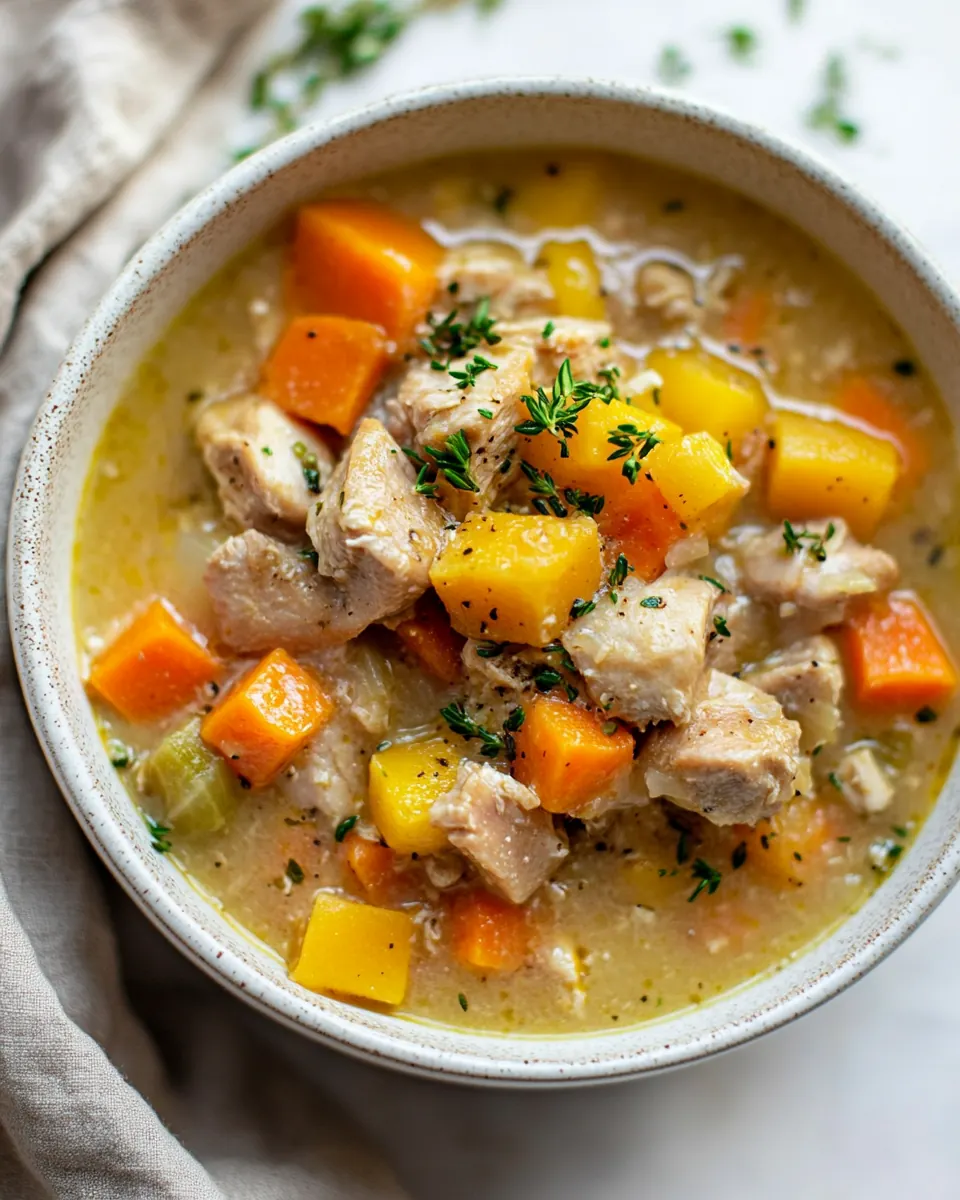
Chicken Stew
Chicken Stew has been my go to when I need warmth and comfort on a chilly evening, and I still remember the first time I made it for a weary houseguest who had traveled cross country.
That night I chopped vegetables with a quiet focus while the kitchen filled with a savory, homey aroma. The pot hummed softly on the stove, and as the stew thickened, we traded small stories over bowls that chased away the cold. I learned then that a good pot brings people together, and every spoonful of Chicken Stew tastes like company and care.
Over the years I tweaked the balance of stock, milk, and cheese so the texture stays silky yet hearty, and I now turn to this recipe when I want something nourishing after a long day. If you love a one pot meal that behaves like a hug in a bowl, you will find this version reliable and forgiving. It’s the kind of dish I’ll make when friends drop by unexpectedly because it stretches easily and still feels special. Serve it simply, and it performs like a star.
Recipe Snapshot
1 hr 10 mins
20 mins
50 mins
Medium
450 kcal
American
Gluten-Free, Low FODMAP
Dinner
Dutch oven, Wooden spoon
Why This Chicken Stew Is So Good
Comforting Texture That Still Feels Fresh
I adore that Chicken Stew delivers a creamy, comforting mouthfeel without becoming heavy. The combination of chicken, milk, and a little Parmesan yields richness, while the diced potatoes and sweet potato hold their shape so each spoonful has pleasing bites. I aim for a stew that wraps you up but still lets the individual ingredients shine.
Versatility That Works for Weeknights and Guests
One of the reasons I keep this recipe in regular rotation is how adaptable it is. You can scale portions easily, and the flavors play well with simple sides. I often make a double batch for a cozy dinner party because it reheats beautifully, and the texture stays true if you rewarm it gently.
Layered Aromatics for Depth
When I sauté the onion, carrots, and celery in butter, the kitchen fills with a savory base that carries through the whole pot. Adding garlic near the end of the sauté and finishing with lemon juice and Parmesan brightens the bowl. That contrast between warm, slow cooked notes and a flash of acid keeps the stew from tasting flat.
Reliable Techniques Yield Consistent Results
I appreciate that the methods here are forgiving yet purposeful. Browning the chicken first builds flavor, and the roux from the flour and butter thickens the broth into a silky body. Follow those steps, and you’ll avoid a thin, watery soup or a gluey mess. I also point out where to adjust salt, because stock sodium varies and small tweaks matter.
Comfort with a Touch of Elegance
This isn’t just a plain pot of stew, it’s a bowl that feels cared for. The grated Parmesan stirred in at the end and a squeeze of lemon lift the entire dish. I serve it when I want simple food that still feels thoughtfully composed.
Chicken Stew Ingredients
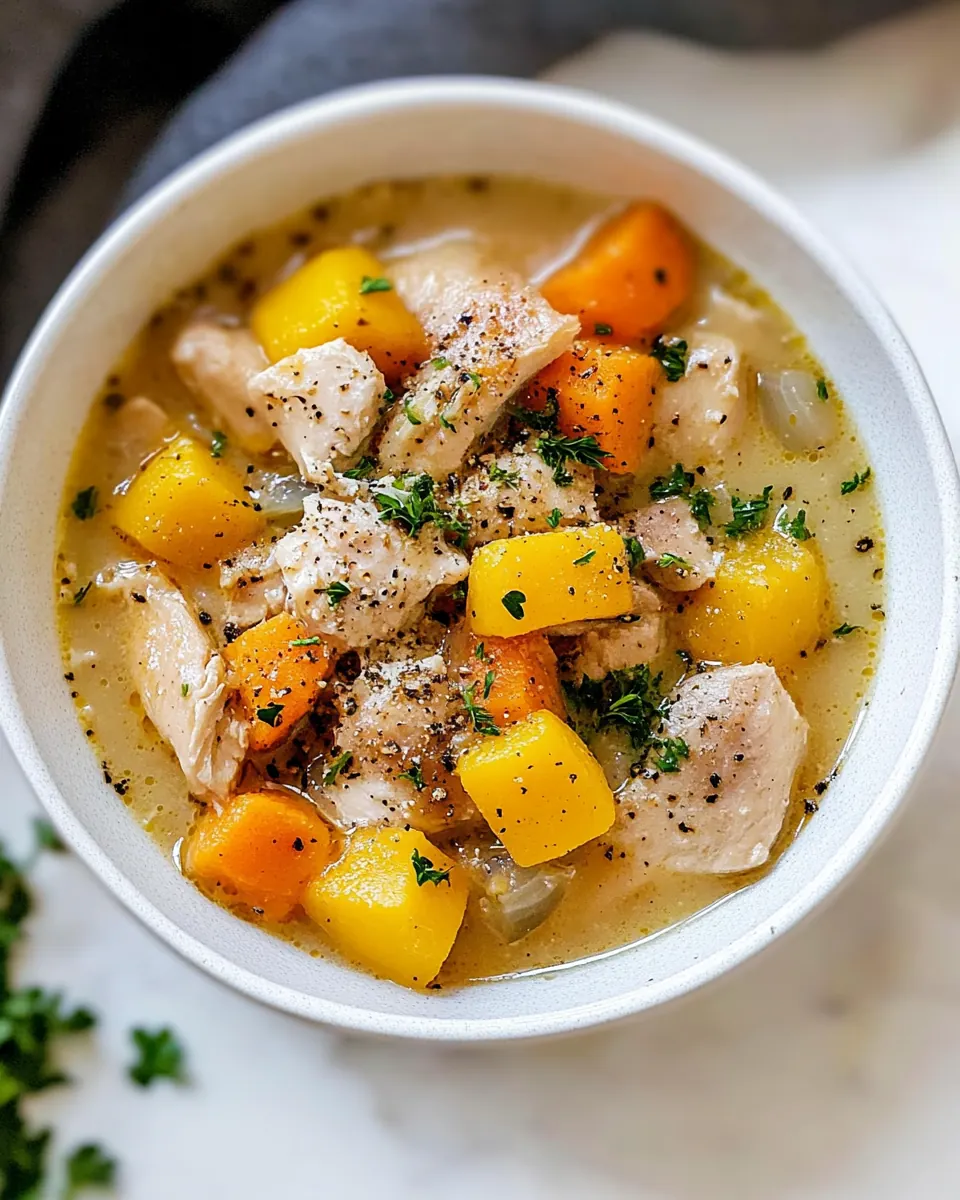
These ingredients form a classic, balanced stew. I choose items that provide structure, richness, and brightness so the final bowl is both hearty and lively. The key players are the chicken for protein, the root vegetables for body, and the dairy and Parmesan for creamy depth.
- 1 1/2 pounds boneless, skinless chicken thighs or breast cut into bite-sized pieces: Cut into bite–sized pieces and provide the main source of protein and hearty texture for the stew, adding richness and substance to each spoonful. Brown first for extra flavor, then simmer to become tender and absorb the surrounding aromatics and seasonings.
- 1 tablespoon extra-virgin olive oil: Heat in a pan to sauté aromatics and brown chicken, contributing a fruity, peppery flavor and helping create a flavorful base for the stew. Use sparingly to avoid overpowering the dish while enabling even cooking and light browning.
- 1 1/2 teaspoons kosher salt plus additional to taste, divided: Season the proteins and vegetables with precise salting to enhance natural flavors and balance the dish, with additional salt added later to adjust taste. Dissolve into liquids and bind with the roux to distribute seasoning evenly throughout the stew.
- 1/4 teaspoon ground black pepper plus additional to taste: Season with a ground, pungent spice to provide subtle heat and depth, adding more later to taste for finishing. Crack just before use for brighter aroma and to lift other savory elements without overwhelming them.
- 2 tablespoons unsalted butter: Melt to enrich the stew with a silky mouthfeel and slightly nutty flavor, aiding in sautéing vegetables and forming the roux when combined with flour. Add at different stages to finish the dish with glossy, rounded fat and to help meld flavors.
- 6 medium carrots peeled and cut into 1/2-inch thick diagonal slices (halve the slices if your carrots are very large): Peel and slice to add natural sweetness, color, and tender bite that contrasts with the meat, softening as it simmers and releasing sugars into the broth. Cut uniformly to ensure even cooking and to contribute body and texture to each serving.
- 4 medium celery stalks cut diagonally into 1/4-inch-thick slices: Slice to contribute a subtle, aromatic vegetal note and slight crunch when not overcooked, enhancing the savory base and complementing root vegetables. Maintain consistent thickness for even texture and to meld flavors during simmering.
- 1 medium yellow onion diced: Dice to provide a foundational savory and sweet base, releasing sugars and aromatics when sautéed to deepen the stew's flavor profile. Cook until translucent to build complexity and to support the overall broth body.
- 1/3 cup all-purpose flour: Whisk into melted fat to form a roux that thickens the stew, providing structure and a smooth, slightly creamy texture while helping suspends ingredients. Cook briefly to remove raw flour taste before adding liquids for a glossy finish.
- 4 cloves garlic roughly chopped: Roughly chop to infuse pungent, aromatic flavor throughout the stew, brightening and layering savory notes when added during saute and simmer stages. Add toward the end of sautéing to preserve its freshness and prevent bitterness.
- 3 to 4 cups unsalted chicken stock if using salted, reduce the amount of salt in the recipe: Pour as the primary cooking liquid to create savory depth and umami, adjusting quantity based on desired thickness and salt level to control final seasoning. Use unsalted stock for controlled salting and a cleaner, more customizable broth.
- 2 cups lowfat milk plus additional as needed (I used 1%): Stir in to add creaminess and mild dairy tang, softening the broth and contributing to a luscious, comforting mouthfeel; add more as needed for desired richness. Choose lowfat for lighter texture or fuller milk for a richer result.
- 1 medium Yukon gold or russet potato peeled and 1/2-inch diced: Peel and dice to contribute starchy body and a slightly earthy flavor that thickens the stew as the potato breaks down, offering hearty bites. Use consistent dice size to ensure even cooking and to balance with other vegetables.
- 1 medium sweet potato peeled and 1/2-inch diced: Peel and dice to impart sweet, caramelized notes and vibrant color, balancing savory flavors and adding nutritional variety and texture when tender. Cook until fork-tender to meld with other root vegetables and enrich the stew's complexity.
- 1 red bell pepper cored and 1/2-inch diced: Core and dice to add bright, sweet, and slightly tangy pepper flavor plus color contrast, softening when cooked while contributing freshness and a subtle crispness if not overcooked. Add earlier for mellowed sweetness or later for more texture.
- 2 teaspoons chopped fresh thyme divided: Chop and sprinkle to impart fragrant, citrusy-herbal notes that complement poultry and vegetables, with half added early and half reserved for finishing to layer flavor. Use fresh thyme leaves for the best aromatic intensity and balance.
- 1 bay leaf: Simmer whole to release subtle, herbal, and slightly floral bay flavors that add complexity and depth without overtaking other ingredients; remove before serving. Use sparingly to avoid astringency while enhancing the broth's savory profile.
- 1/4 cup grated Parmesan cheese plus additional for serving: Grate and incorporate to introduce a savory, nutty, umami-rich finish that enriches mouthfeel and provides a lightly salty, cheesy depth; reserve extra for serving. Stir in near the end to enhance creaminess and bind flavors together.
- 1 tablespoon freshly squeezed lemon juice: Squeeze over at the end to brighten and lift the overall flavor with fresh acidity, balancing the stew's richness and tying together savory and sweet elements. Add gently to avoid curdling dairy and to sharpen the final seasoning.
Step by Step Guide for Chicken Stew

Below I walk you through each stage with sensory cues and practical notes so you can cook with confidence. Expect steady, patient work rather than rushed moves, and you will be rewarded with depth and texture.
- In a large Dutch oven or similar thick, sturdy pot, heat the oil over medium-high heat. Add the chicken, 1/2 teaspoon salt, and pepper. Saute until the chicken is lightly browned on all sides and cooked through, about 4 minutes. Remove the chicken to a plate and set aside.: The moment you add the oil you should see a gentle shimmer across the surface, not wisps of smoke, which signals the right temperature. As you add the seasoned chicken pieces, listen for a satisfying sizzle that tells you browning will occur, creating fond that flavors the stew. Stay attentive and let the chicken develop golden edges, about four minutes, turning so each side catches color, then transfer to a plate. This browning step builds complexity, and skipping it will yield a flatter taste. A common mistake is crowding the pan which causes steaming instead of browning, so work in batches if necessary and wipe the pan dry between batches if juices accumulate.
- Reduce the heat to medium. Add the butter, carrots, celery, and onion. Saute until the vegetables are beginning to soften, about 7 minutes.: When the butter melts it should foam slightly and then quiet, coating the pan. Add the diced onion , sliced carrots , and celery , and stir to coat. You want the vegetables to soften and begin to sweat, releasing sweet, savory aromas, about seven minutes. The visual cue is translucent onion and tender carrots. This stage builds the aromatic base, and cooking too fast will brown or burn the vegetables, creating bitter notes, so lower the heat if they start to color too quickly.
- Sprinkle the flour over the top. Cook, stirring constantly, for 2 minutes. The flour should turn golden and no white bits should remain.: As you dust the vegetables with the all purpose flour , you will notice it absorb the butter and begin to take on a pale golden tone. Stirring constantly ensures the raw flour taste cooks out and prevents clumping. The pan should smell toasty rather than floury. If you skip this step or cook it too briefly, your stew might have a raw flour bite. Avoid letting the mixture darken too much, which can thin its thickening ability and add an unwanted roasted flavor.
- Stir in the garlic. Let cook, stirring constantly, for 30 seconds.: When the garlic hits the warm roux, its aroma should bloom quickly, fragrant and sweet. Because garlic browns rapidly, keep it moving in the pan for just about thirty seconds. This adds a sharp savory lift without bitterness. Burning the garlic will introduce unpleasant acridity, so reduce the heat or remove from direct heat if it darkens too fast.
- Slowly add 3 cups of the stock and milk, stirring constantly to deter lumps from forming.: As you stream in the unsalted chicken stock and lowfat milk , the mixture will loosen and begin to blend into a smooth, glossy liquid. Stir gently to incorporate so the roux disperses evenly and no lumps remain. The aroma will shift toward warm, creamy notes. If you add liquid too quickly without stirring you may create pockets of flour, so pour gradually and whisk if needed. If the mixture seems too thick at this stage you can thin with extra stock, but do so carefully.
- Add the potato, sweet potato, red pepper, 1 teaspoon thyme, bay leaf, and remaining 1 teaspoon salt. Bring to a simmer.: When you drop in the diced potato , sweet potato , and red bell pepper , the pot gains a subtle starchy scent and brighter vegetable notes. Stir them in so everything is distributed evenly, and tuck in the bay leaf and fresh thyme . The salt addition here seasons the starchy elements, helping them absorb flavors during simmering. A frequent misstep is under seasoning at this stage, leaving the vegetables bland; taste later and adjust.
- Let the soup simmer gently, partially covered, for 15 minutes. Adjust the heat as needed so that the soup simmers but does not rapidly boil. Stir it periodically to prevent sticking.: Increase heat just enough for gentle bubbling around the edges, not a rolling boil, which would agitate the dairy and make textures harsh. You should see small, steady bubbles and steam rising. Simmering helps flavors meld slowly and prevents the milk from scalding. If the pot boils vigorously, reduce heat promptly. Boiling can break down vegetables too quickly and curdle the milk.
- After 15 minutes have passed, stir in the browned chicken. Continue simmering until the vegetables are tender and the stew has slightly thickened, about 15 minutes more, stirring from time to time. If you’d like the soup thinner, add additional chicken stock as needed to reach your desired consistency.: During this time the audible gentle bubbling should continue while the scent evolves into a balanced blend of stock, herbs, and sweet vegetables. Stir occasionally to prevent sticking on the bottom, and peek under the lid to check for even simmering. The potatoes will start to soften and the broth will pick up starch, thickening slightly. Over stirring at this stage can cause the potatoes to break apart, while under stirring risks scorching at the bottom.
- Just before serving, stir in the lemon juice, Parmesan, and remaining 1 teaspoon thyme. Remove and discard the bay leaf. Taste and adjust seasoning as desired. Serve hot, with a sprinkle of Parmesan and black pepper.: When you reincorporate the browned chicken , it will sink into the gently bubbling liquid and release juices that deepen the flavor. Continue simmering about fifteen minutes more while stirring occasionally; you should notice the stew become silkier and the vegetables yielding to a fork. If the texture becomes too thin, add extra chicken stock to reach your preferred consistency. A common error is returning the chicken too early when the heat is too high, which can dry the meat out, so keep the simmer low and patient.
- Just before serving, stir in the lemon juice, Parmesan, and remaining 1 teaspoon thyme: At this finish, the bright scent of freshly squeezed lemon will lift the rich, creamy base, and the grated Parmesan cheese will melt into a glossy, savory finish. Remove and discard the bay leaf . Taste and adjust salt and pepper as desired, then serve hot with an extra sprinkle of Parmesan cheese and a crack of black pepper . Adding acid and cheese at the end preserves their fresh, bright qualities; adding them too early dulls their impact.
Helpful Hints

I keep these tips close at hand whenever I make Chicken Stew. They focus on technique, timing, and small adjustments that make a big difference in texture and flavor.
- Room temperature dairy: Warm the milk slightly before adding to the roux to reduce the risk of curdling and help it integrate smoothly into the base.
- Even cuts matter: Dice the potato and sweet potato into uniform pieces so they cook at the same rate and provide consistent texture in every spoonful.
- Control the simmer: Keep the stew at a gentle simmer rather than a boil to prevent the milk from scorching and to allow flavors to marry slowly.
- Layer seasoning: Salt a little at each stage and taste near the end, because stock sodium varies and final adjustments are easier than correcting an oversalted pot.
- Reheat gently: When warming leftovers, use low heat and stir occasionally to maintain a smooth texture and prevent separation of the dairy.
- Use quality Parmesan: Grate fresh Parmesan cheese for the best melting and umami impact; pre grated powder can clump and lacks the same depth.
Perfect Matches for Chicken Stew
This stew feels at home at a casual weeknight dinner yet is cozy enough for a small gathering. Below are serving ideas, pairings, and storage notes to get the most from your batch.
- Crusty bread or rolls: A warm loaf is perfect for dipping and mopping up the creamy broth, making the meal feel complete and homey.
- Simple green salad: A crisp salad with a light vinaigrette cuts through the stew’s richness and refreshes the palate between spoonfuls.
- Family dinner occasions: Serve this for a cold evening, a casual Sunday supper, or when friends drop by for a comforting meal that stretches easily.
- Storage tips: Refrigerate in airtight containers for up to four days, and freeze in freezer safe containers for up to three months, thawing overnight before reheating gently.
- Seasonal pairing: This is ideal for winter meals when root vegetables are at their best and you crave warmth and filling textures.
FAQ
Conclusion
What makes this Chicken Stew special is its balance of creamy richness and fresh brightness, built from simple, thoughtful steps that yield comforting depth. Give it a try on a cold night when you want a bowl that feels like a homemade embrace; it’s forgiving to make and rewards patient simmering with layered flavor. Invite a friend or keep it all to yourself, but either way enjoy the warmth and easy satisfaction this stew delivers.

Chicken Stew
Equipment
- Dutch Oven
- Wooden Spoon
Ingredients
- 1 1/2 pounds boneless, skinless chicken thighs or breast cut into bite-sized pieces Cut into bite-sized pieces and provide the main source of protein and hearty texture for the stew, adding richness and substance to each spoonful. Brown first for extra flavor, then simmer to become tender and absorb the surrounding aromatics and seasonings.
- 1 tablespoon extra-virgin olive oil Heat in a pan to sauté aromatics and brown chicken, contributing a fruity, peppery flavor and helping create a flavorful base for the stew. Use sparingly to avoid overpowering the dish while enabling even cooking and light browning.
- 1 1/2 teaspoons kosher salt plus additional to taste, divided Season the proteins and vegetables with precise salting to enhance natural flavors and balance the dish, with additional salt added later to adjust taste. Dissolve into liquids and bind with the roux to distribute seasoning evenly throughout the stew.
- 1/4 teaspoon ground black pepper plus additional to taste Season with a ground, pungent spice to provide subtle heat and depth, adding more later to taste for finishing. Crack just before use for brighter aroma and to lift other savory elements without overwhelming them.
- 2 tablespoons unsalted butter Melt to enrich the stew with a silky mouthfeel and slightly nutty flavor, aiding in sautéing vegetables and forming the roux when combined with flour. Add at different stages to finish the dish with glossy, rounded fat and to help meld flavors.
- 6 medium carrots peeled and cut into 1/2-inch thick diagonal slices (halve the slices if your carrots are very large) Peel and slice to add natural sweetness, color, and tender bite that contrasts with the meat, softening as it simmers and releasing sugars into the broth. Cut uniformly to ensure even cooking and to contribute body and texture to each serving.
- 4 medium celery stalks cut diagonally into 1/4-inch-thick slices Slice to contribute a subtle, aromatic vegetal note and slight crunch when not overcooked, enhancing the savory base and complementing root vegetables. Maintain consistent thickness for even texture and to meld flavors during simmering.
- 1 medium yellow onion diced Dice to provide a foundational savory and sweet base, releasing sugars and aromatics when sautéed to deepen the stew's flavor profile. Cook until translucent to build complexity and to support the overall broth body.
- 1/3 cup all-purpose flour Whisk into melted fat to form a roux that thickens the stew, providing structure and a smooth, slightly creamy texture while helping suspends ingredients. Cook briefly to remove raw flour taste before adding liquids for a glossy finish.
- 4 cloves garlic roughly chopped Roughly chop to infuse pungent, aromatic flavor throughout the stew, brightening and layering savory notes when added during saute and simmer stages. Add toward the end of sautéing to preserve its freshness and prevent bitterness.
- 3 to 4 cups unsalted chicken stock if using salted, reduce the amount of salt in the recipe Pour as the primary cooking liquid to create savory depth and umami, adjusting quantity based on desired thickness and salt level to control final seasoning. Use unsalted stock for controlled salting and a cleaner, more customizable broth.
- 2 cups lowfat milk plus additional as needed (I used 1%) Stir in to add creaminess and mild dairy tang, softening the broth and contributing to a luscious, comforting mouthfeel; add more as needed for desired richness. Choose lowfat for lighter texture or fuller milk for a richer result.
- 1 medium Yukon gold or russet potato peeled and 1/2-inch diced Peel and dice to contribute starchy body and a slightly earthy flavor that thickens the stew as the potato breaks down, offering hearty bites. Use consistent dice size to ensure even cooking and to balance with other vegetables.
- 1 medium sweet potato peeled and 1/2-inch diced Peel and dice to impart sweet, caramelized notes and vibrant color, balancing savory flavors and adding nutritional variety and texture when tender. Cook until fork-tender to meld with other root vegetables and enrich the stew's complexity.
- 1 red bell pepper cored and 1/2-inch diced Core and dice to add bright, sweet, and slightly tangy pepper flavor plus color contrast, softening when cooked while contributing freshness and a subtle crispness if not overcooked. Add earlier for mellowed sweetness or later for more texture.
- 2 teaspoons chopped fresh thyme divided Chop and sprinkle to impart fragrant, citrusy-herbal notes that complement poultry and vegetables, with half added early and half reserved for finishing to layer flavor. Use fresh thyme leaves for the best aromatic intensity and balance.
- 1 bay leaf Simmer whole to release subtle, herbal, and slightly floral bay flavors that add complexity and depth without overtaking other ingredients; remove before serving. Use sparingly to avoid astringency while enhancing the broth's savory profile.
- 1/4 cup grated Parmesan cheese plus additional for serving Grate and incorporate to introduce a savory, nutty, umami-rich finish that enriches mouthfeel and provides a lightly salty, cheesy depth; reserve extra for serving. Stir in near the end to enhance creaminess and bind flavors together.
- 1 tablespoon freshly squeezed lemon juice Squeeze over at the end to brighten and lift the overall flavor with fresh acidity, balancing the stew's richness and tying together savory and sweet elements. Add gently to avoid curdling dairy and to sharpen the final seasoning.
Instructions
- In a large Dutch oven or similar thick, sturdy pot, heat the oil over medium-high heat. Add the chicken, 1/2 teaspoon salt, and pepper. Saute until the chicken is lightly browned on all sides and cooked through, about 4 minutes. Remove the chicken to a plate and set aside.: The moment you add the oil you should see a gentle shimmer across the surface, not wisps of smoke, which signals the right temperature. As you add the seasoned chicken pieces, listen for a satisfying sizzle that tells you browning will occur, creating fond that flavors the stew. Stay attentive and let the chicken develop golden edges, about four minutes, turning so each side catches color, then transfer to a plate. This browning step builds complexity, and skipping it will yield a flatter taste. A common mistake is crowding the pan which causes steaming instead of browning, so work in batches if necessary and wipe the pan dry between batches if juices accumulate.
- Reduce the heat to medium. Add the butter, carrots, celery, and onion. Saute until the vegetables are beginning to soften, about 7 minutes.: When the butter melts it should foam slightly and then quiet, coating the pan. Add the diced onion , sliced carrots , and celery , and stir to coat. You want the vegetables to soften and begin to sweat, releasing sweet, savory aromas, about seven minutes. The visual cue is translucent onion and tender carrots. This stage builds the aromatic base, and cooking too fast will brown or burn the vegetables, creating bitter notes, so lower the heat if they start to color too quickly.
- Sprinkle the flour over the top. Cook, stirring constantly, for 2 minutes. The flour should turn golden and no white bits should remain.: As you dust the vegetables with the all purpose flour , you will notice it absorb the butter and begin to take on a pale golden tone. Stirring constantly ensures the raw flour taste cooks out and prevents clumping. The pan should smell toasty rather than floury. If you skip this step or cook it too briefly, your stew might have a raw flour bite. Avoid letting the mixture darken too much, which can thin its thickening ability and add an unwanted roasted flavor.
- Stir in the garlic. Let cook, stirring constantly, for 30 seconds.: When the garlic hits the warm roux, its aroma should bloom quickly, fragrant and sweet. Because garlic browns rapidly, keep it moving in the pan for just about thirty seconds. This adds a sharp savory lift without bitterness. Burning the garlic will introduce unpleasant acridity, so reduce the heat or remove from direct heat if it darkens too fast.
- Slowly add 3 cups of the stock and milk, stirring constantly to deter lumps from forming.: As you stream in the unsalted chicken stock and lowfat milk , the mixture will loosen and begin to blend into a smooth, glossy liquid. Stir gently to incorporate so the roux disperses evenly and no lumps remain. The aroma will shift toward warm, creamy notes. If you add liquid too quickly without stirring you may create pockets of flour, so pour gradually and whisk if needed. If the mixture seems too thick at this stage you can thin with extra stock, but do so carefully.
- Add the potato, sweet potato, red pepper, 1 teaspoon thyme, bay leaf, and remaining 1 teaspoon salt. Bring to a simmer.: When you drop in the diced potato , sweet potato , and red bell pepper , the pot gains a subtle starchy scent and brighter vegetable notes. Stir them in so everything is distributed evenly, and tuck in the bay leaf and fresh thyme . The salt addition here seasons the starchy elements, helping them absorb flavors during simmering. A frequent misstep is under seasoning at this stage, leaving the vegetables bland; taste later and adjust.
- Let the soup simmer gently, partially covered, for 15 minutes. Adjust the heat as needed so that the soup simmers but does not rapidly boil. Stir it periodically to prevent sticking.: Increase heat just enough for gentle bubbling around the edges, not a rolling boil, which would agitate the dairy and make textures harsh. You should see small, steady bubbles and steam rising. Simmering helps flavors meld slowly and prevents the milk from scalding. If the pot boils vigorously, reduce heat promptly. Boiling can break down vegetables too quickly and curdle the milk.
- After 15 minutes have passed, stir in the browned chicken. Continue simmering until the vegetables are tender and the stew has slightly thickened, about 15 minutes more, stirring from time to time. If you’d like the soup thinner, add additional chicken stock as needed to reach your desired consistency.: During this time the audible gentle bubbling should continue while the scent evolves into a balanced blend of stock, herbs, and sweet vegetables. Stir occasionally to prevent sticking on the bottom, and peek under the lid to check for even simmering. The potatoes will start to soften and the broth will pick up starch, thickening slightly. Over stirring at this stage can cause the potatoes to break apart, while under stirring risks scorching at the bottom.
- Just before serving, stir in the lemon juice, Parmesan, and remaining 1 teaspoon thyme. Remove and discard the bay leaf. Taste and adjust seasoning as desired. Serve hot, with a sprinkle of Parmesan and black pepper.: When you reincorporate the browned chicken , it will sink into the gently bubbling liquid and release juices that deepen the flavor. Continue simmering about fifteen minutes more while stirring occasionally; you should notice the stew become silkier and the vegetables yielding to a fork. If the texture becomes too thin, add extra chicken stock to reach your preferred consistency. A common error is returning the chicken too early when the heat is too high, which can dry the meat out, so keep the simmer low and patient.
- Just before serving, stir in the lemon juice, Parmesan, and remaining 1 teaspoon thyme: At this finish, the bright scent of freshly squeezed lemon will lift the rich, creamy base, and the grated Parmesan cheese will melt into a glossy, savory finish. Remove and discard the bay leaf . Taste and adjust salt and pepper as desired, then serve hot with an extra sprinkle of Parmesan cheese and a crack of black pepper . Adding acid and cheese at the end preserves their fresh, bright qualities; adding them too early dulls their impact.
Notes
- Room temperature dairy: Warm the milk slightly before adding to the roux to reduce the risk of curdling and help it integrate smoothly into the base.
- Even cuts matter: Dice the potato and sweet potato into uniform pieces so they cook at the same rate and provide consistent texture in every spoonful.
- Control the simmer: Keep the stew at a gentle simmer rather than a boil to prevent the milk from scorching and to allow flavors to marry slowly.
- Layer seasoning: Salt a little at each stage and taste near the end, because stock sodium varies and final adjustments are easier than correcting an oversalted pot.
- Reheat gently: When warming leftovers, use low heat and stir occasionally to maintain a smooth texture and prevent separation of the dairy.
- Use quality Parmesan: Grate fresh Parmesan cheese for the best melting and umami impact; pre grated powder can clump and lacks the same depth.