Cream of Roasted Asparagus Soup
Cream of Roasted Asparagus Soup was one of those recipes I learned to make when spring pushed its first tender stalks into the market, and I wanted something both simple and elegant to celebrate the season.
I still remember the first time I roasted asparagus and the kitchen filled with that sweet, slightly charred aroma that made me pause. I was juggling a busy week, but the process felt meditative, from trimming the ends to sliding the pan into a hot oven. Watching the stalks turn a deeper green and get the faintest browning at the tips convinced me this would be a repeat-worthy dish.
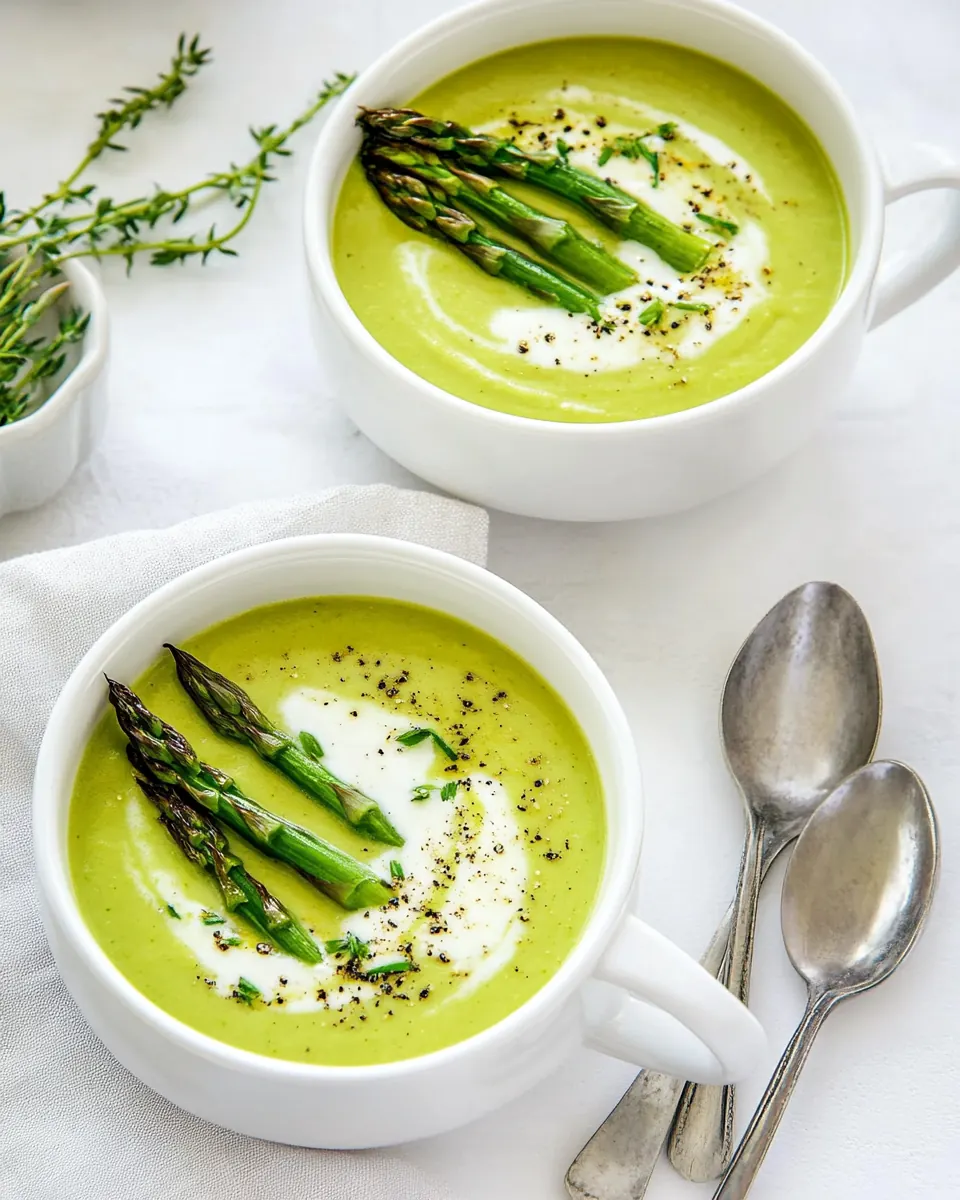
Later, blending the roasted stalks with warm vegetable stock and a splash of heavy cream turned those bright flavors into a luxuriously smooth bowl of soup. I like to add a spoonful of sour cream or a sprinkle of minced dill on top for a cool counterpoint, and it always feels a little festive even on an ordinary weeknight. If you love green, fresh flavors with a creamy finish, this version is built to impress without fuss.
Recipe Snapshot
25 mins
5 mins
20 mins
Medium
300 kcal
American
Keto, Gluten-Free
Soups
Vitamix Blender
What Sets This Cream of Roasted Asparagus Soup Apart
Roasting amplifies flavor
Roasting asparagus concentrates its natural sweetness and adds a touch of caramelized complexity, which for me is the heart of this soup. I prefer this to steaming because the mild char adds depth without masking the vegetable‘s bright, grassy notes.
Speed and simplicity
This soup comes together quickly, and I appreciate that on nights when I want something nourishing but not time consuming. The blend-then-heat method keeps things efficient, and I can chat with family while the oven and blender do the heavy lifting.
Comforting and elegant texture
The combination of hot vegetable stock and a little heavy cream creates a silky mouthfeel that reads luxurious, yet it is straightforward to make. I love that you can serve it for a cozy dinner or as a starter for guests, it feels special either way.
Customizable finishing touches
I like to offer toppings like a dollop of sour cream or minced dill so diners can personalize each bowl. Those bright or creamy accents lift the soup and add contrast in temperature and texture.
Light but satisfying
Because the base is mostly asparagus and stock, it feels fresh and vegetable forward, but the cream adds enough richness to make it satisfyingly filling without being heavy. For spring menus, this hits that sweet spot between light and comforting.
Ingredients Overview for Cream of Roasted Asparagus Soup
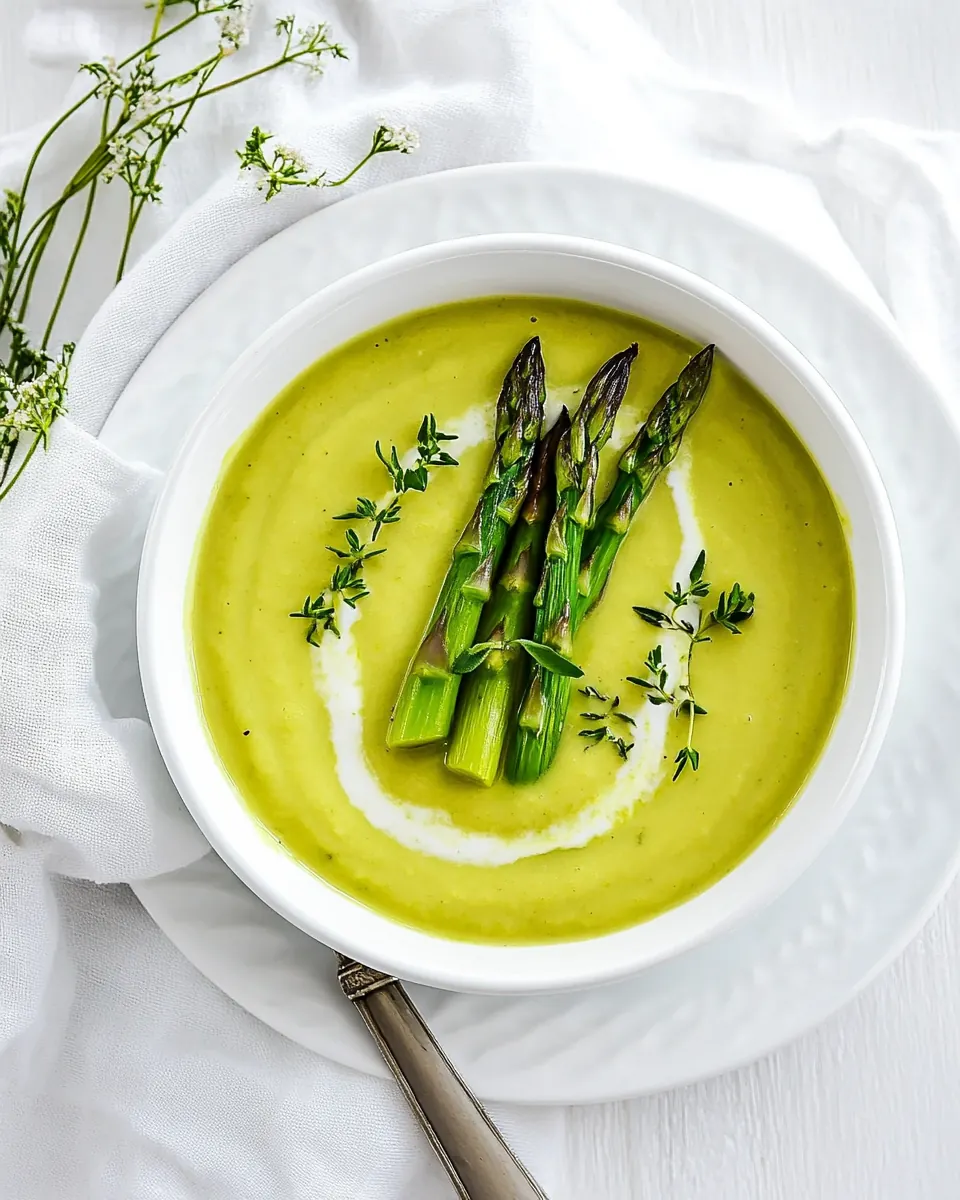
These ingredients are intentionally minimal to let the asparagus shine. The trio of olive oil, vegetable stock, and heavy cream supports and elevates the vegetable‘s natural flavors, while simple seasonings allow the roast to do the talking. The optional toppings add freshness and tang at the end.
- 1 1/2 pounds asparagus, ends trimmed: Trimmed and tender, provides the fresh vegetal backbone and delicate asparagus flavor; roasting concentrates its sweetness and adds subtle caramelized notes. Puréed into the soup, contributes body, color, and a vibrant green hue that defines the recipe.
- 2 tablespoons olive oil: Used to coat the asparagus before roasting and to sauté if needed; brings a mellow fruitiness and helps transfer heat for even browning. Adds mouthfeel and helps carry fat-soluble flavors throughout the finished soup.
- Kosher salt, to taste: Season sparingly to elevate the natural flavors and balance sweetness from roasted asparagus; enhances overall taste and rounds out savory notes. Adjust to preference to avoid overpowering the delicate vegetable character.
- Black pepper, to taste: Ground to taste to add mild heat and aromatic complexity; brightens the soup and contrasts the creaminess. Sprinkle incrementally and taste as you go to maintain a balanced flavor profile.
- 1 1/2 cups vegetable stock: Provides a light savory base and thins the purée to a spoonable consistency while contributing subtle vegetable depth. Use warmed stock to preserve temperature and avoid diluting delicate flavors.
- 1/2 cup heavy cream: Adds richness and a silky mouthfeel while mellowing sharpness from the vegetable purée; contributes a creamy texture and gentle dairy flavor. Stir in gradually off heat to maintain a smooth, emulsified soup without curdling.
- Sour cream, for topping (optional): Dolloped on top for tangy contrast and creamy richness if desired; complements the asparagus with a bright, slightly acidic note. Use sparingly to add visual appeal and a cooling finish to hot soup.
- Minced fresh dill, for topping (optional): Sprinkled as a fresh, herbaceous garnish to add fragrant brightness and a subtle anise-like flavor; pairs well with the vegetal soup base. Add immediately before serving to preserve its color and aroma.
How to Prepare Cream of Roasted Asparagus Soup
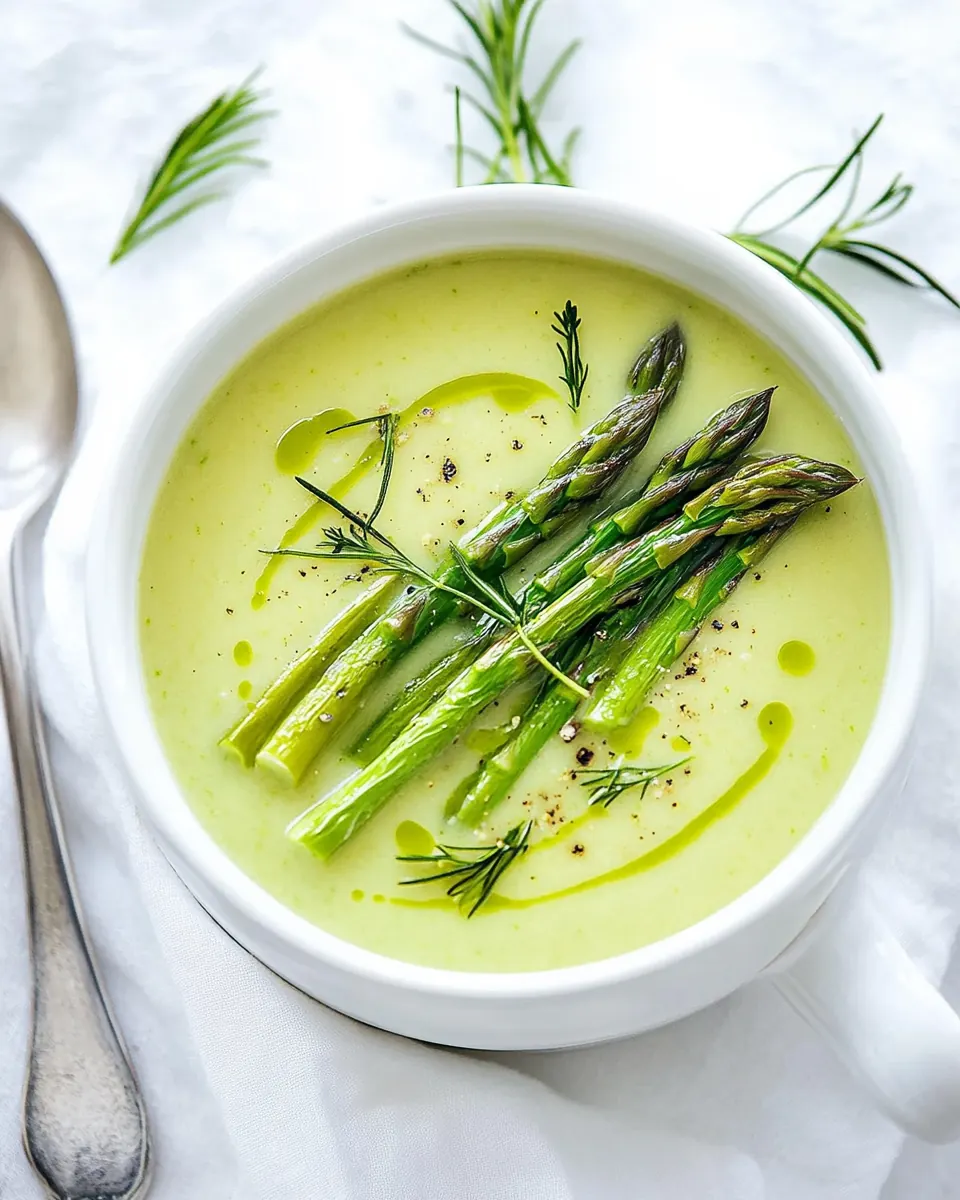
This method walks you through roasting and blending to highlight texture and flavor. Follow the sequence so each step builds toward a smooth, warm soup with clean vegetal notes.
- Preheat oven to 425 degrees.: The moment you open the oven and the heat surges into the kitchen you should notice a dry, warm scent that signals a fast roast environment which helps the asparagus caramelize rather than steam. A properly preheated oven ensures even roasting across the stalks, creating those faintly blistered tips that add depth to the final puree. If the oven is not hot enough, the asparagus will steam and become limp, losing the concentrated flavors we seek. Common mistake to avoid, do not crowd the pan because that traps steam; give space so hot air circulates and browning occurs.
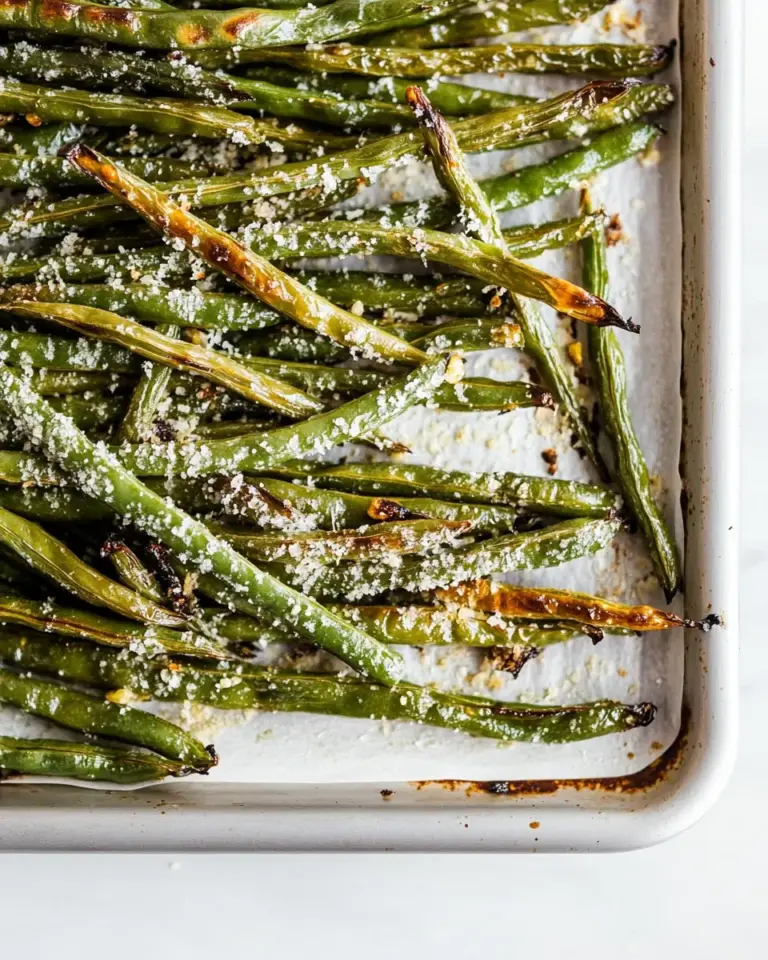
- Add asparagus to a high sided sheet pan and drizzle with olive oil and season with kosher salt and pepper.: At this stage you will notice the tactile job of rubbing olive oil over each stalk, which gives a sheen and helps distribute seasoning. The oil encourages edges to crisp and the salt pulls out moisture for better caramelization. I like to lay stalks in a single layer, tips pointing the same way for even cooking and easy flipping, though flipping is optional. Be careful not to over-oil, too much can cause the pan to smoke and make the texture greasy rather than roasted.
- Roast until the stalks are soft but not mushy, about 12 minutes.: As the oven works, you will hear occasional gentle crackles from the pan as moisture escapes, and you will see the stalks darken at the tips and along edges, signaling caramelization. The asparagus should yield when pressed with tongs but retain structure, because overroasting leads to a dull, lifeless puree. This timing gives a bright flavor concentrated by heat; if your stalks are particularly thick you may need a few extra minutes. Avoid the mistake of leaving them until floppy, because that creates a flat tasting soup.
- Add asparagus stalks to a high powered blender and pour in vegetable stock. Start on the lowest speed and work your way up to the top speed. Blend until smooth and hot, about 6 minutes.: When you transfer the hot asparagus into the blender, the room will fill with deep green, roasted aromas that promise complexity. Pour in warm vegetable stock to help the blender create a smooth emulsion and to keep the liquid hot, which improves texture and safety. Start on the lowest speed to combine the solids and liquids gently, because adding hot ingredients to a blender at high speed can cause pressure to build and lead to splattering. A frequent oversight is blending cold stock with hot vegetables; using warm stock keeps the soup at serving temperature.
- Lower speed and add in heavy cream.: As you increase speed you will notice changes in sound and texture, from coarse rustling to a steady, high pitch that means the asparagus has been fully pureed. The goal is a silky, lump free liquid where roasted bits are fully integrated. Blending longer also builds friction heat, which helps finish warming the soup. Avoid underblending, which leaves fibrous strings or tiny roasted pieces that affect mouthfeel; however, overblending in a low power machine can strain the motor, so use appropriate equipment.
- Blend for 30 seconds just to help incorporate the dairy.: After the puree is hot and smooth, lowering the speed before adding the heavy cream prevents splashing and helps the dairy incorporate gently, producing a cohesive texture. When the cream hits the warm base you will see a swirled ribbon as it melds, softening the intensity of the roasted green notes into a plush finish. This technique also protects the cream from curdling. A common error is adding cream at full speed, which can cause foaming or uneven mixing.
- Serve warm.: That brief final burst quiets the motor into a steady hum and produces a silkier surface, smoothing microbubbles and giving the soup a glossy finish. You will feel when the soup attains a velvety glide on the spoon, a texture that translates to a luxurious sip. If the soup seems too thin, let it rest briefly to thicken slightly as it cools; if too thick, adjust by stirring in a splash more warm vegetable stock . Avoid overheating after adding cream, as it can cause subtle separation if the motor is run too long.
- Serve warm.: As you ladle the soup into bowls you will appreciate the steam carrying fresh roasted and creamy notes, and a garnish of sour cream or minced dill adds a cool, contrasting texture and a pop of color. Serving temperature matters here, because too hot mutes subtle herbaceous flavors, while too cool mutes aromatics. One pitfall is letting the soup sit too long uncovered, which can cool the surface and diminish aroma, so serve promptly and enjoy the interplay of warm, silky body and bright topping accents.
Ways to Adapt This Recipe
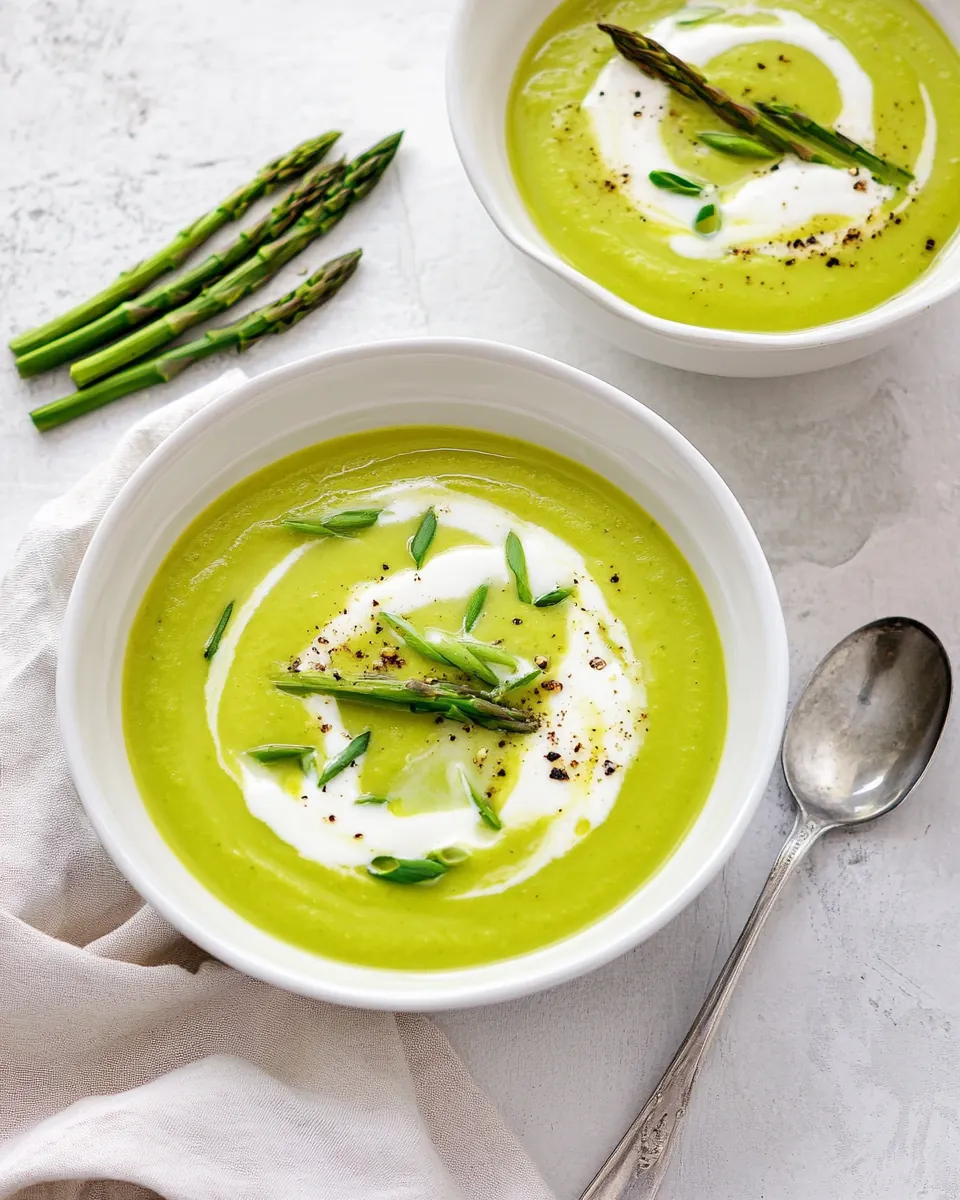
This section offers practical adaptations so you can tailor the recipe to dietary needs, equipment, or pantry limits. Each tip begins with a bolded phrase to highlight the idea, followed by detailed guidance.
- Swap the stock Use low sodium vegetable stock or chicken stock if you want a richer flavor, adjusting salt after blending for balance. If using a different stock, heat it before blending so the temperature and mouthfeel remain consistent.
- Lighten the cream Replace some or all of the heavy cream with almond milk or half and half for a lighter texture, noting that almond milk will reduce richness and change the mouthfeel slightly.
- Blender alternatives If you do not own a high powered blender, puree the roasted asparagus in batches in a standard blender, then pass the soup through a fine mesh sieve and reheat gently in a pot before adding cream.
- Toppings to elevate Offer a dollop of sour cream or a sprinkle of minced dill to introduce cool, bright contrasts. The tang of the sour cream balances the soup’s richness while fresh herb adds aromatic lift.
- Adjust thickness Control body by varying the amount of vegetable stock added during blending; add more for a thinner soup or reduce for a denser, spoonable texture.
Pairing Suggestions for Cream of Roasted Asparagus Soup
This soup pairs beautifully with simple sides and fits many occasions from casual lunches to a spring dinner party. Below are serving ideas, storage guidance, and seasonal pairings to help you present the soup with confidence.
- Simple salads A crisp green salad with a light vinaigrette complements the soup’s creaminess and keeps the meal bright and fresh.
- Crusty bread Warm crusty bread or a rustic roll is perfect for dipping, adding a satisfying chew that contrasts with the silky soup.
- Light proteins Serve alongside a simply grilled fish or roasted chicken breast for a fuller lunch or dinner without overwhelming the soup’s delicate flavors.
- Occasion ideas This soup is ideal for a spring luncheon, a starter for a dinner party, or a gentle iftar option during Ramadan when you want something soothing and nourishing.
- Storage tips Cool the soup quickly, store in an airtight container in the refrigerator for up to three days, and reheat gently on the stovetop to preserve texture and flavor.
- Seasonal pairing Highlight in spring when asparagus is at peak; pair with other spring vegetables like peas or young greens for a cohesive menu.
FAQ
Conclusion
This Cream of Roasted Asparagus Soup stands out because it balances bright, roasted vegetable flavor with a luxuriously smooth finish. I encourage you to roast the asparagus well and blend with warm stock for the best texture and depth. It is approachable enough for a weeknight and elegant enough to serve to guests, offering a true taste of spring in every spoonful. Try it soon, and enjoy how a few simple steps transform fresh produce into something comforting and refined.
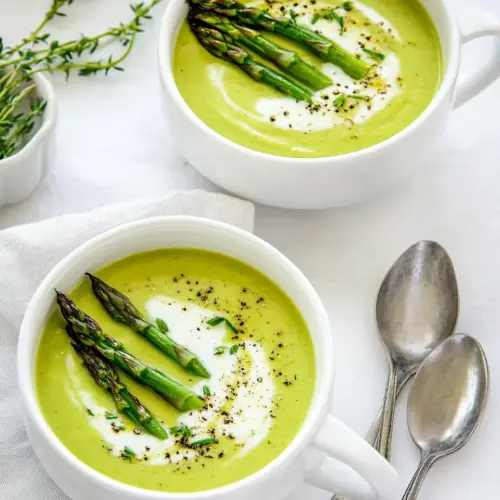
Cream of Roasted Asparagus Soup
Equipment
- Vitamix Blender
Ingredients
- 1 -1/2 pounds asparagus, ends trimmed Trimmed and tender, provides the fresh vegetal backbone and delicate asparagus flavor; roasting concentrates its sweetness and adds subtle caramelized notes. Puréed into the soup, contributes body, color, and a vibrant green hue that defines the recipe.
- 2 tablespoons olive oil Used to coat the asparagus before roasting and to sauté if needed; brings a mellow fruitiness and helps transfer heat for even browning. Adds mouthfeel and helps carry fat-soluble flavors throughout the finished soup.
- Kosher salt, to taste Season sparingly to elevate the natural flavors and balance sweetness from roasted asparagus; enhances overall taste and rounds out savory notes. Adjust to preference to avoid overpowering the delicate vegetable character.
- Black pepper, to taste Ground to taste to add mild heat and aromatic complexity; brightens the soup and contrasts the creaminess. Sprinkle incrementally and taste as you go to maintain a balanced flavor profile.
- 1 -1/2 cups vegetable stock Provides a light savory base and thins the purée to a spoonable consistency while contributing subtle vegetable depth. Use warmed stock to preserve temperature and avoid diluting delicate flavors.
- 1/2 cup heavy cream Adds richness and a silky mouthfeel while mellowing sharpness from the vegetable purée; contributes a creamy texture and gentle dairy flavor. Stir in gradually off heat to maintain a smooth, emulsified soup without curdling.
- Sour cream, for topping, optional Dolloped on top for tangy contrast and creamy richness if desired; complements the asparagus with a bright, slightly acidic note. Use sparingly to add visual appeal and a cooling finish to hot soup.
- Minced fresh dill, for topping, optional Sprinkled as a fresh, herbaceous garnish to add fragrant brightness and a subtle anise-like flavor; pairs well with the vegetal soup base. Add immediately before serving to preserve its color and aroma.
Instructions
- Preheat oven to 425 degrees.: The moment you open the oven and the heat surges into the kitchen you should notice a dry, warm scent that signals a fast roast environment which helps the asparagus caramelize rather than steam. A properly preheated oven ensures even roasting across the stalks, creating those faintly blistered tips that add depth to the final puree. If the oven is not hot enough, the asparagus will steam and become limp, losing the concentrated flavors we seek. Common mistake to avoid, do not crowd the pan because that traps steam; give space so hot air circulates and browning occurs.
- Add asparagus to a high sided sheet pan and drizzle with olive oil and season with kosher salt and pepper.: At this stage you will notice the tactile job of rubbing olive oil over each stalk, which gives a sheen and helps distribute seasoning. The oil encourages edges to crisp and the salt pulls out moisture for better caramelization. I like to lay stalks in a single layer, tips pointing the same way for even cooking and easy flipping, though flipping is optional. Be careful not to over-oil, too much can cause the pan to smoke and make the texture greasy rather than roasted.
- Roast until the stalks are soft but not mushy, about 12 minutes.: As the oven works, you will hear occasional gentle crackles from the pan as moisture escapes, and you will see the stalks darken at the tips and along edges, signaling caramelization. The asparagus should yield when pressed with tongs but retain structure, because overroasting leads to a dull, lifeless puree. This timing gives a bright flavor concentrated by heat; if your stalks are particularly thick you may need a few extra minutes. Avoid the mistake of leaving them until floppy, because that creates a flat tasting soup.
- Add asparagus stalks to a high powered blender and pour in vegetable stock. Start on the lowest speed and work your way up to the top speed. Blend until smooth and hot, about 6 minutes.: When you transfer the hot asparagus into the blender, the room will fill with deep green, roasted aromas that promise complexity. Pour in warm vegetable stock to help the blender create a smooth emulsion and to keep the liquid hot, which improves texture and safety. Start on the lowest speed to combine the solids and liquids gently, because adding hot ingredients to a blender at high speed can cause pressure to build and lead to splattering. A frequent oversight is blending cold stock with hot vegetables; using warm stock keeps the soup at serving temperature.
- Lower speed and add in heavy cream.: As you increase speed you will notice changes in sound and texture, from coarse rustling to a steady, high pitch that means the asparagus has been fully pureed. The goal is a silky, lump free liquid where roasted bits are fully integrated. Blending longer also builds friction heat, which helps finish warming the soup. Avoid underblending, which leaves fibrous strings or tiny roasted pieces that affect mouthfeel; however, overblending in a low power machine can strain the motor, so use appropriate equipment.
- Blend for 30 seconds just to help incorporate the dairy.: After the puree is hot and smooth, lowering the speed before adding the heavy cream prevents splashing and helps the dairy incorporate gently, producing a cohesive texture. When the cream hits the warm base you will see a swirled ribbon as it melds, softening the intensity of the roasted green notes into a plush finish. This technique also protects the cream from curdling. A common error is adding cream at full speed, which can cause foaming or uneven mixing.
- Serve warm.: That brief final burst quiets the motor into a steady hum and produces a silkier surface, smoothing microbubbles and giving the soup a glossy finish. You will feel when the soup attains a velvety glide on the spoon, a texture that translates to a luxurious sip. If the soup seems too thin, let it rest briefly to thicken slightly as it cools; if too thick, adjust by stirring in a splash more warm vegetable stock . Avoid overheating after adding cream, as it can cause subtle separation if the motor is run too long.
- Serve warm.: As you ladle the soup into bowls you will appreciate the steam carrying fresh roasted and creamy notes, and a garnish of sour cream or minced dill adds a cool, contrasting texture and a pop of color. Serving temperature matters here, because too hot mutes subtle herbaceous flavors, while too cool mutes aromatics. One pitfall is letting the soup sit too long uncovered, which can cool the surface and diminish aroma, so serve promptly and enjoy the interplay of warm, silky body and bright topping accents.
Notes
- Swap the stock Use low sodium vegetable stock or chicken stock if you want a richer flavor, adjusting salt after blending for balance. If using a different stock, heat it before blending so the temperature and mouthfeel remain consistent.
- Lighten the cream Replace some or all of the heavy cream with almond milk or half and half for a lighter texture, noting that almond milk will reduce richness and change the mouthfeel slightly.
- Blender alternatives If you do not own a high powered blender, puree the roasted asparagus in batches in a standard blender, then pass the soup through a fine mesh sieve and reheat gently in a pot before adding cream.
- Toppings to elevate Offer a dollop of sour cream or a sprinkle of minced dill to introduce cool, bright contrasts. The tang of the sour cream balances the soup's richness while fresh herb adds aromatic lift.
- Adjust thickness Control body by varying the amount of vegetable stock added during blending; add more for a thinner soup or reduce for a denser, spoonable texture.