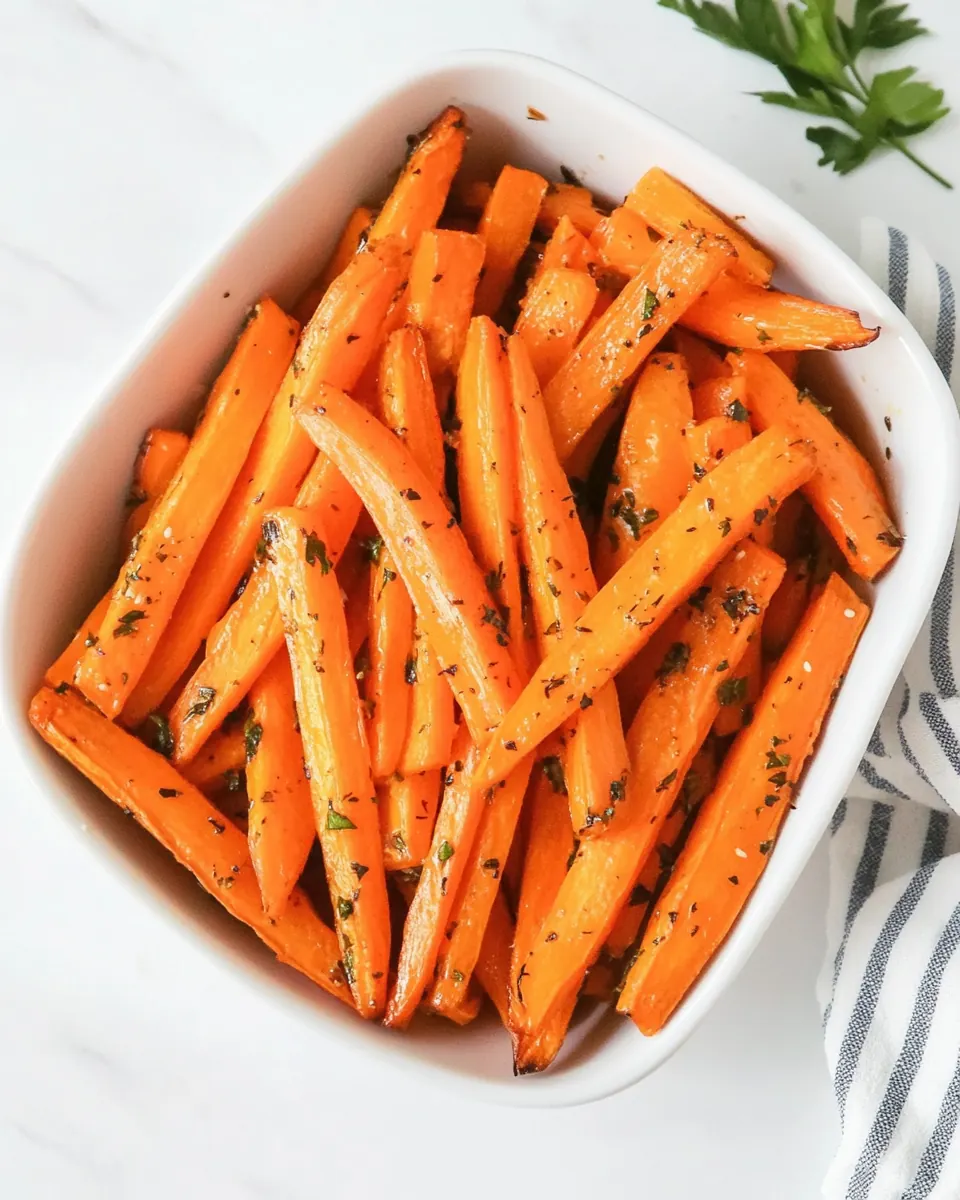
Roasted Carrots
Roasted Carrots have been my go to when I want something effortless yet comforting on the table. I still remember the first time I roasted a pan of carrots and the kitchen filled with a warm, sweet aroma that made the whole house feel cozy. That batch was simple, honest, and it changed how I thought about vegetables.
Over the years I’ve played with small tweaks, but the core truth stays the same, the natural sugars in the carrots respond beautifully to heat, developing a tender interior and slightly caramelized edges. I love serving them when friends drop by unexpectedly, because they look elegant and require almost no babysitting. For family dinners they feel like a little act of care, a way to make a humble carrot feel special.
Recipe Snapshot
35 mins
10 mins
25 mins
Easy
150 kcal
American
Paleo, Vegan
Side Dishes
Baking sheet, Parchment paper or foil, Oven
Why This Roasted Carrots Is So Good
Simple ingredients, big impact
I love how Roasted Carrots prove you do not need much to make food shine. A couple of pantry staples turn into a side that complements almost any main. The technique draws out sweet notes and makes every bite feel intentional.
Textural contrast
The contrast between the tender center and the slightly crisp, caramelized edges is why I keep coming back to this recipe. When the carrots hit the hot pan they sing softly as moisture escapes, and that texture makes them feel substantial on the plate.
Versatility
I often switch up seasonings or swap fresh for dried herbs, and the dish adapts every time. It can be rustic enough for a weeknight or dressed up for company, which is a huge reason I rely on it on busy nights and special meals alike.
Time friendly
There is a calmness to putting a sheet pan in the oven and knowing the work is done. The hands on time is minimal, and you still end up with something that tastes thoughtfully prepared. That ease makes it my go to when I need a reliable side that does not demand energy.
Kid friendly and approachable
Because the flavors are straightforward, kids tend to accept these carrots more readily than some other vegetables. The natural sweetness helps, and roasting creates a familiar, almost snack like appeal that wins over picky eaters.
What’s In This Roasted Carrots
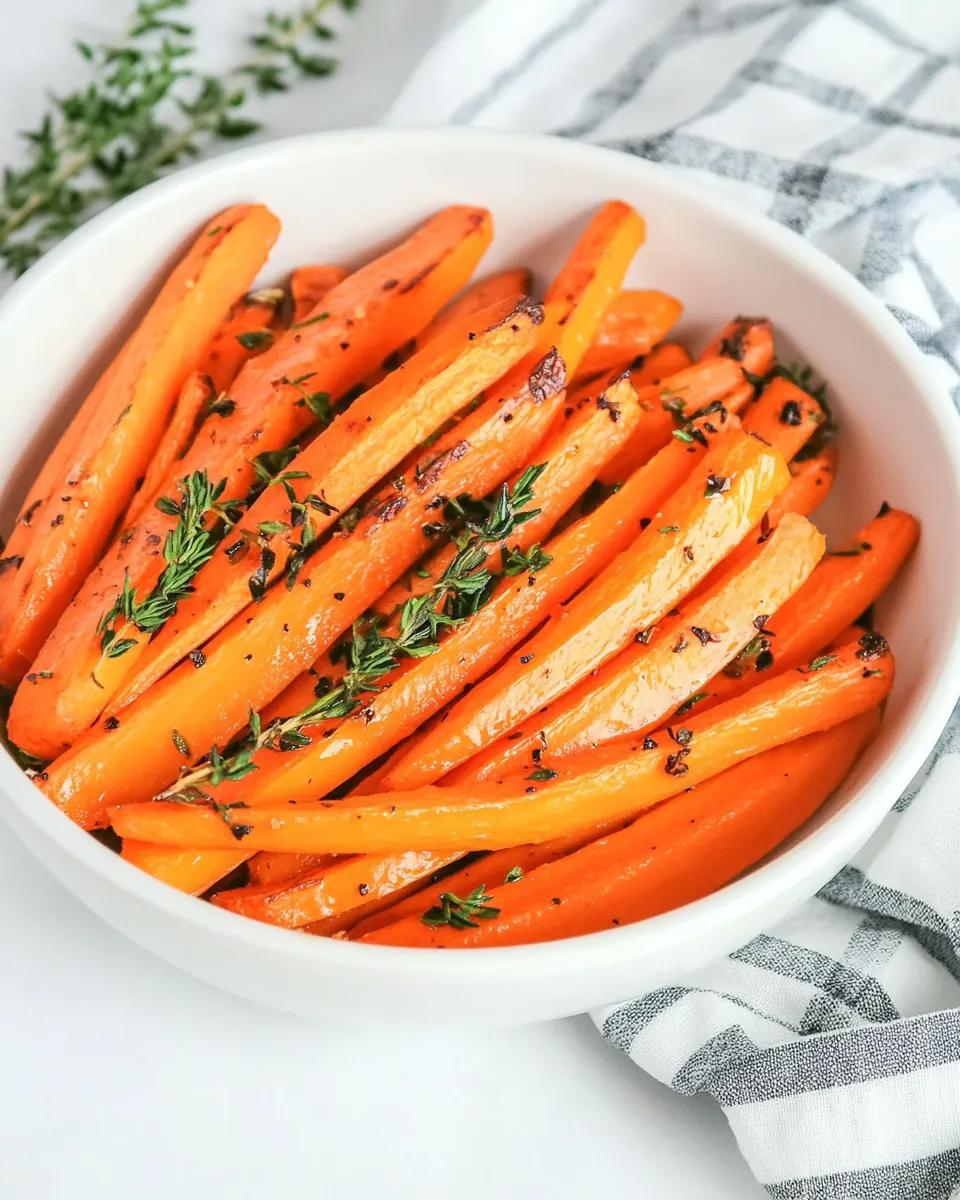
These ingredients follow a philosophy of restraint, letting the natural flavor of the main player shine. I focus on a short list of quality components that complement each other, with texture and seasoning working together to highlight the sweet earthiness of the carrots.
- 4 5 large carrots peeled and cut into sticks: Peel and cut into sticks to provide a sweet, tender base for roasting; caramelizes at high heat to deepen flavor and color. Adds natural sugars and fiber that balance savory seasonings and create a hearty vegetable component.
- 2 teaspoons olive oil: Drizzle over the carrots to help conduct heat and promote even browning; coats surfaces so seasonings adhere during roasting. Contributes a subtle fruity richness and prevents sticking while enhancing texture.
- 1/2 teaspoons salt: Season lightly to enhance the carrots' natural sweetness and balance the dish; helps draw out moisture for better caramelization. Use sparingly to avoid overpowering and to maintain a pleasant savory finish.
- 1/4 teaspoon pepper: Sprinkle sparingly to add mild heat and subtle aroma that complements sweet roasted notes; helps accentuate other seasonings without dominating. Adjust to taste to preserve the carrots' natural flavor profile.
- 1/2 teaspoon dried thyme or 2 teaspoons chopped fresh thyme: Crumble dried or chop fresh and scatter over the carrots to infuse earthy, floral notes; adds aromatic depth that pairs well with roasted sweetness. Fresh thyme delivers brighter-herb flavor while dried concentrates savory intensity.
Step by Step Guide for Roasted Carrots
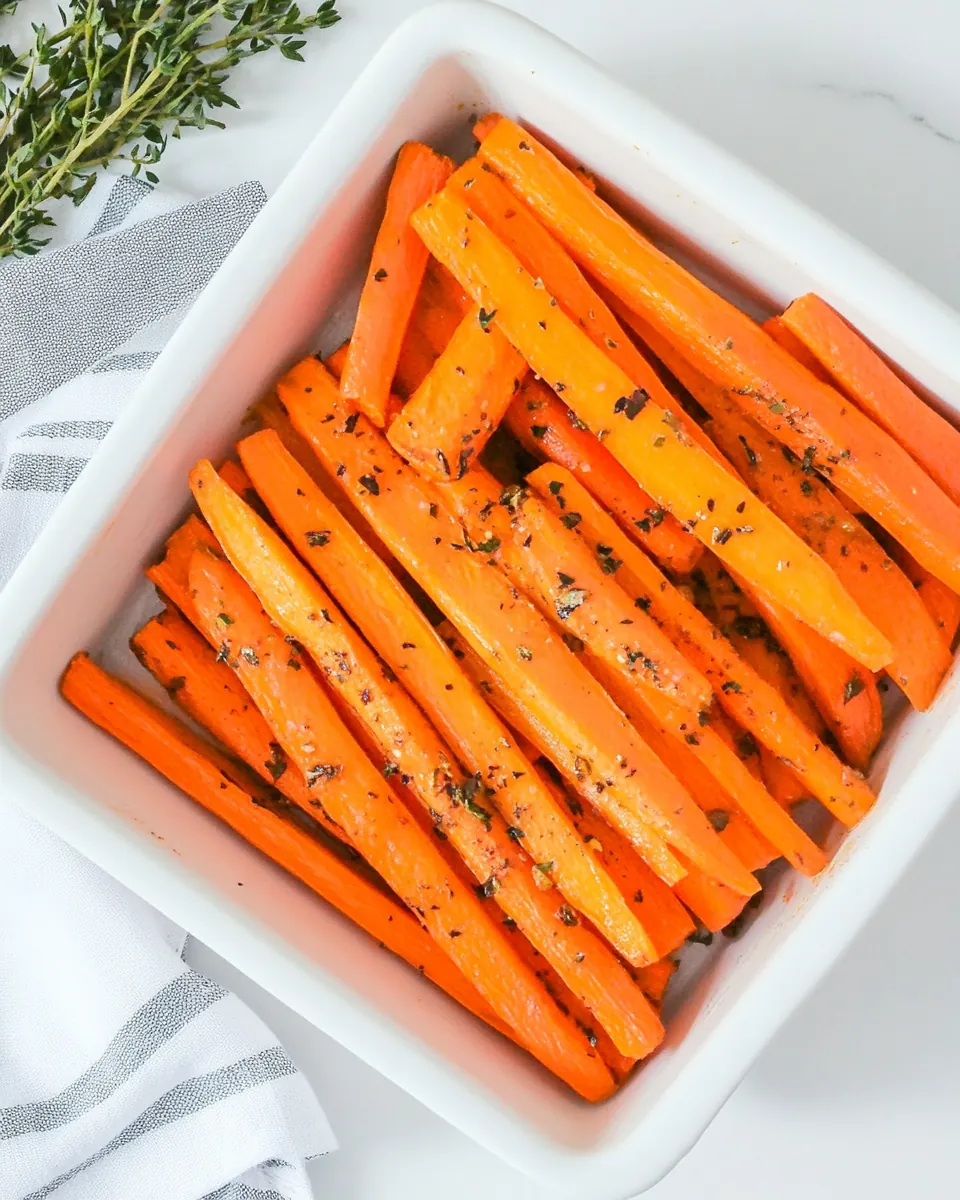
These directions are straightforward and forgiving, which is why I repeat them often. I like to keep a conversational rhythm while I cook, adjusting as I go based on sight and scent rather than the clock alone.
- Preheat oven to 425℉. Line a baking sheet with parchment or foil.: The oven should smell faintly warm as it reaches temperature, and you may hear a low hum as elements cycle. Hitting 425℉ is crucial because a high, steady heat encourages sugar caramelization on the surface of the carrots while keeping the inside tender. If the oven is cooler, the carrots will take longer and steam instead of roast, leaving them less caramelized. A common mistake is opening the door repeatedly which drops the temperature; avoid that so the pan gets an even blast of heat.
- Place the carrot sticks on the baking sheet and toss with the olive oil. Sprinkle with salt and pepper.: The surface should feel smooth and ready to catch caramelized bits, and you will notice a glossy sheen once the olive oil hits it. Lining prevents sticking and makes cleanup effortless, keeping the browned sugars from bonding to the pan. If you skip lining, some sugars can bake onto the metal and become hard to remove. One trap is using too small a sheet, crowding the carrots which encourages steaming rather than browning.
- Roast in the preheated oven for 20-25 minutes, until soft and just slightly caramelized around the edges. Remove from oven and sprinkle with thyme. Serve hot.: The carrots should glisten and move freely on the sheet when you've tossed them properly. The olive oil helps create a thin, even coating that promotes browning and carries the salt and pepper. If pieces are clumped, they will steam instead of crisping, so spread them in a single layer. Overcrowding is the main issue here, and if you suspect it you can use a second sheet.
- Sprinkle with salt and pepper: You will see tiny specks sitting on the surface, and as they roast the seasonings will meld into the caramelized edges. Salt lifts the inherent sweetness of the carrots , while the pepper offers a contrasting note. Too much salt early on can draw out moisture and change texture, so measure carefully, and taste one roasted piece to check the balance before adding more.
- Roast in the preheated oven for 20 to 25 minutes: During roasting you will hear a soft crackle as the moisture reduces and the edges begin to brown, and the smell will shift to a warm, sweet aroma with toasted notes. The visual cue to watch for is slight caramelization around the tips and edges, along with a tender center when pierced with a fork. If they are still very firm at 20 minutes, roast a bit longer in short increments to avoid burning. A mistake is leaving them unattended too long, which can quickly tip from caramelized to charred.
- Until soft and just slightly caramelized around the edges: When you probe a piece with a fork, it should slip in with minimal resistance, and the browned edges should be glossy and deepened in color. This balance of soft inside and slightly crisp outside gives roasted carrots their satisfying bite. If they are uniformly pale, the oven was likely too cool, so next time confirm the temperature. If they are blackened, the oven was too hot or they sat too long.
- Remove from oven and sprinkle with thyme: The aroma of the herb will lift immediately when it meets the hot carrots , releasing bright notes that contrast the caramel sweetness. If using fresh thyme , the fragrance will feel lively and green, while dried will blend into the surface more subtly. A pitfall is adding fresh thyme too early, which can dry out and lose its brightness; adding it after roasting preserves its aroma.
- Serve hot: On the plate the carrots will steam slightly and present with a glossy finish, inviting immediate tasting. Serving warm emphasizes texture and aroma, and the first forkful will highlight the soft interior and the concentrated flavors from roasting. Letting them sit too long cools the surface and can mute the experience, so try to serve soon after they come out of the oven.
Ways to Customize
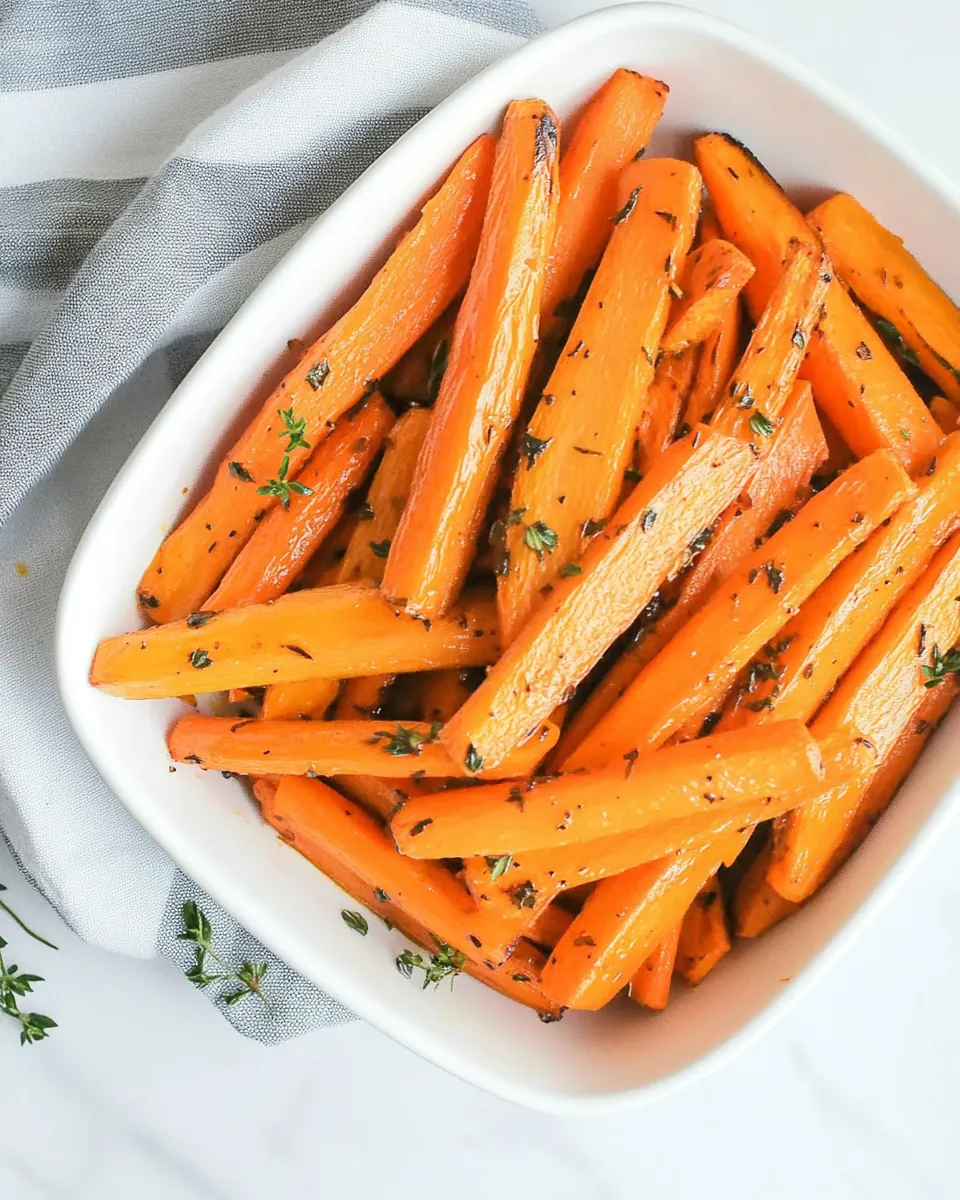
There are small shifts you can make to tailor Roasted Carrots to the meal at hand. I often tweak seasoning, herbs, or the final garnish to echo the main course, and these changes let the dish feel new without complicating prep.
- Swap herbs Try rosemary or oregano instead of thyme for a woodier, more Mediterranean note. Use sparingly because strong herbs can overwhelm the natural sweetness of the carrots.
- Add a glaze Brush a little honey or maple syrup in the last few minutes to amplify caramelization, watching closely so it does not burn and create bitterness.
- Change the cut Cut into rounds or diagonal slices for quicker roasting and different mouthfeel, making sure pieces are similar thickness for even cooking.
- Finish with citrus A light squeeze of lemon or orange after roasting brightens the dish and balances richness, adding a refreshing lift to each bite.
- Make them spicy Sprinkle a pinch of cayenne or smoked paprika with the salt and pepper to introduce a warm undertone that contrasts the sweetness nicely.
Best Served With
Roasted Carrots pair beautifully with a wide variety of mains and fit many occasions. I often bring them to family dinners, casual weeknight meals, and holiday spreads because they travel well and stay flavorful. Serve warm for best texture and aroma.
- Weeknight dinners Pair with roasted chicken or a simple grain bowl for a balanced, quick meal where the carrots add natural sweetness and texture.
- Holiday tables Use as part of a festive spread alongside roasted mains and other vegetable sides to provide color and approachable flavor that suits many palates.
- Lunch sides Add to a composed salad or sandwich plate to bring warmth and a roasted element that elevates midday meals.
- Storage tips Store cooled carrots in an airtight container in the refrigerator for up to four days, and reheat in a hot oven to crisp edges again rather than microwaving which can make them soft.
- Seasonal pairing In fall they complement root vegetable dishes and richer mains, while in spring you can pair them with bright herbs and lighter proteins for contrast.
FAQ
Conclusion
Roasted Carrots stand out because they turn simple ingredients into a flavorful, comforting side with minimal effort. Their sweet, caramelized edges and tender interiors make them a reliable choice for weeknights and special occasions alike. Give them a try the next time you want a low fuss vegetable that feels thoughtfully prepared, and you may find they become a regular on your table.
Roasted Carrots
Equipment
- Baking Sheet
- Parchment paper or foil
- Oven
Ingredients
- 4 -5 large carrots peeled and cut into sticks Peel and cut into sticks to provide a sweet, tender base for roasting; caramelizes at high heat to deepen flavor and color. Adds natural sugars and fiber that balance savory seasonings and create a hearty vegetable component.
- 2 teaspoons olive oil Drizzle over the carrots to help conduct heat and promote even browning; coats surfaces so seasonings adhere during roasting. Contributes a subtle fruity richness and prevents sticking while enhancing texture.
- 1/2 teaspoons salt Season lightly to enhance the carrots' natural sweetness and balance the dish; helps draw out moisture for better caramelization. Use sparingly to avoid overpowering and to maintain a pleasant savory finish.
- 1/4 teaspoon pepper Sprinkle sparingly to add mild heat and subtle aroma that complements sweet roasted notes; helps accentuate other seasonings without dominating. Adjust to taste to preserve the carrots' natural flavor profile.
- 1/2 teaspoon dried thyme or 2 teaspoons chopped fresh thyme Crumble dried or chop fresh and scatter over the carrots to infuse earthy, floral notes; adds aromatic depth that pairs well with roasted sweetness. Fresh thyme delivers brighter-herb flavor while dried concentrates savory intensity.
Instructions
- Preheat oven to 425℉. Line a baking sheet with parchment or foil.: The oven should smell faintly warm as it reaches temperature, and you may hear a low hum as elements cycle. Hitting 425℉ is crucial because a high, steady heat encourages sugar caramelization on the surface of the carrots while keeping the inside tender. If the oven is cooler, the carrots will take longer and steam instead of roast, leaving them less caramelized. A common mistake is opening the door repeatedly which drops the temperature; avoid that so the pan gets an even blast of heat.
- Place the carrot sticks on the baking sheet and toss with the olive oil. Sprinkle with salt and pepper.: The surface should feel smooth and ready to catch caramelized bits, and you will notice a glossy sheen once the olive oil hits it. Lining prevents sticking and makes cleanup effortless, keeping the browned sugars from bonding to the pan. If you skip lining, some sugars can bake onto the metal and become hard to remove. One trap is using too small a sheet, crowding the carrots which encourages steaming rather than browning.
- Roast in the preheated oven for 20-25 minutes, until soft and just slightly caramelized around the edges. Remove from oven and sprinkle with thyme. Serve hot.: The carrots should glisten and move freely on the sheet when you've tossed them properly. The olive oil helps create a thin, even coating that promotes browning and carries the salt and pepper. If pieces are clumped, they will steam instead of crisping, so spread them in a single layer. Overcrowding is the main issue here, and if you suspect it you can use a second sheet.
- Sprinkle with salt and pepper: You will see tiny specks sitting on the surface, and as they roast the seasonings will meld into the caramelized edges. Salt lifts the inherent sweetness of the carrots , while the pepper offers a contrasting note. Too much salt early on can draw out moisture and change texture, so measure carefully, and taste one roasted piece to check the balance before adding more.
- Roast in the preheated oven for 20 to 25 minutes: During roasting you will hear a soft crackle as the moisture reduces and the edges begin to brown, and the smell will shift to a warm, sweet aroma with toasted notes. The visual cue to watch for is slight caramelization around the tips and edges, along with a tender center when pierced with a fork. If they are still very firm at 20 minutes, roast a bit longer in short increments to avoid burning. A mistake is leaving them unattended too long, which can quickly tip from caramelized to charred.
- Until soft and just slightly caramelized around the edges: When you probe a piece with a fork, it should slip in with minimal resistance, and the browned edges should be glossy and deepened in color. This balance of soft inside and slightly crisp outside gives roasted carrots their satisfying bite. If they are uniformly pale, the oven was likely too cool, so next time confirm the temperature. If they are blackened, the oven was too hot or they sat too long.
- Remove from oven and sprinkle with thyme: The aroma of the herb will lift immediately when it meets the hot carrots , releasing bright notes that contrast the caramel sweetness. If using fresh thyme , the fragrance will feel lively and green, while dried will blend into the surface more subtly. A pitfall is adding fresh thyme too early, which can dry out and lose its brightness; adding it after roasting preserves its aroma.
- Serve hot: On the plate the carrots will steam slightly and present with a glossy finish, inviting immediate tasting. Serving warm emphasizes texture and aroma, and the first forkful will highlight the soft interior and the concentrated flavors from roasting. Letting them sit too long cools the surface and can mute the experience, so try to serve soon after they come out of the oven.
Notes
- Swap herbs Try rosemary or oregano instead of thyme for a woodier, more Mediterranean note. Use sparingly because strong herbs can overwhelm the natural sweetness of the carrots.
- Add a glaze Brush a little honey or maple syrup in the last few minutes to amplify caramelization, watching closely so it does not burn and create bitterness.
- Change the cut Cut into rounds or diagonal slices for quicker roasting and different mouthfeel, making sure pieces are similar thickness for even cooking.
- Finish with citrus A light squeeze of lemon or orange after roasting brightens the dish and balances richness, adding a refreshing lift to each bite.
- Make them spicy Sprinkle a pinch of cayenne or smoked paprika with the salt and pepper to introduce a warm undertone that contrasts the sweetness nicely.