One Pan Mediterranean Chicken
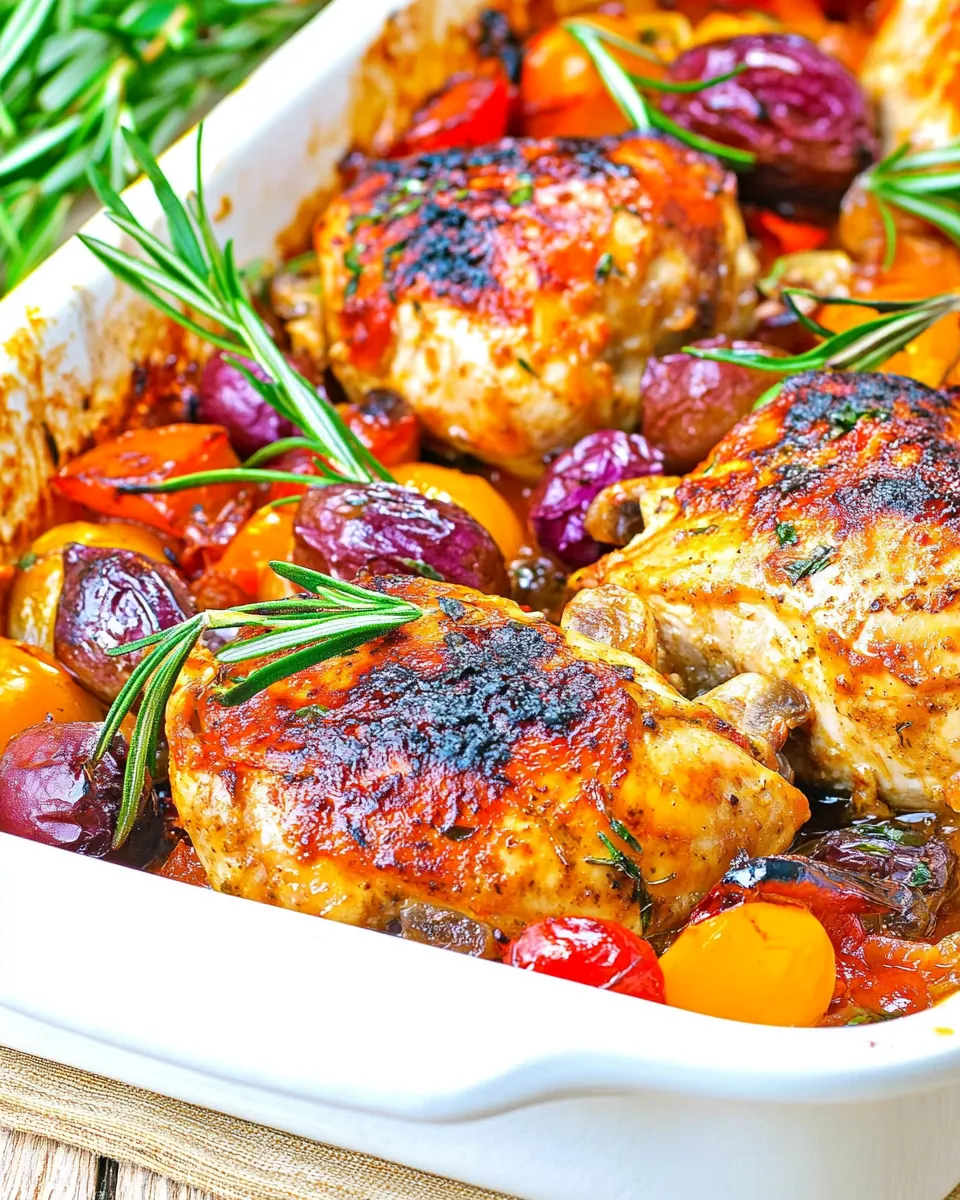
One Pan Mediterranean Chicken is one of those weekday rescues I turn to when life is busy and I still want something that tastes like effort without the fuss. The first time I made it I remember juggling grocery bags with one hand, tossing ingredients onto a sheet pan with the other, and thinking that simple flavors could feel celebratory. Every bite reminds me of sunlit markets, bright citrus, and herbs bruised under my fingertips.
Over the years I’ve adjusted the little details, learning how the skin crisps best, how to coax a glossy sauce from pan juices, and when to add olives so they stay plump. I love that One Pan Mediterranean Chicken makes the kitchen smell like dinner party prep even on a Tuesday, and that it scales easily when friends stop by unannounced. I usually chat with whoever’s around while the oven does most of the work, and by the time I set the table the chicken smells of sweet citrus and roasted garlic.
Recipe Snapshot
1 hr 20 mins
20 mins
60 mins
Hard
450 kcal
Mediterranean
Paleo, Gluten-Free
Dinner
Sheet pan, Mixing bowl, Whisk, Knife, Cutting board
What Makes This One Pan Mediterranean Chicken Special
Bold, balanced flavors
I love how the sweetness of honey and the bright zip of citrus work together to lift the savory notes of chicken. The contrast keeps every bite interesting and makes the dish more than the sum of its parts.
Hands off, oven forward
One reason I reach for this dish is its minimal babysitting. After an initial toss and arrangement, the oven does the heavy lifting, which means I can prep a salad, tidy up, or pour a glass of something non alcoholic and let the flavors deepen.
Textural play
The combination of skin on chicken, roasted vegetables, and briny olives creates a pleasing mix of crisp, tender, and juicy textures. I especially enjoy the way the citrus caramelizes and softens, adding a tender pop to the tray.
Adaptable for company
I often double this tray for gatherings, because it holds well and still tastes fresh. It is easy to swap quantities or add more vegetables, and it keeps its charm whether served family style or plated individually.
Minimal ingredient stress
There are no exotic or hard to find components, which is comforting. I can shop quickly, and most pantry staples carry the recipe. That familiarity makes me confident to cook it when time is tight.
Ingredients Overview for One Pan Mediterranean Chicken
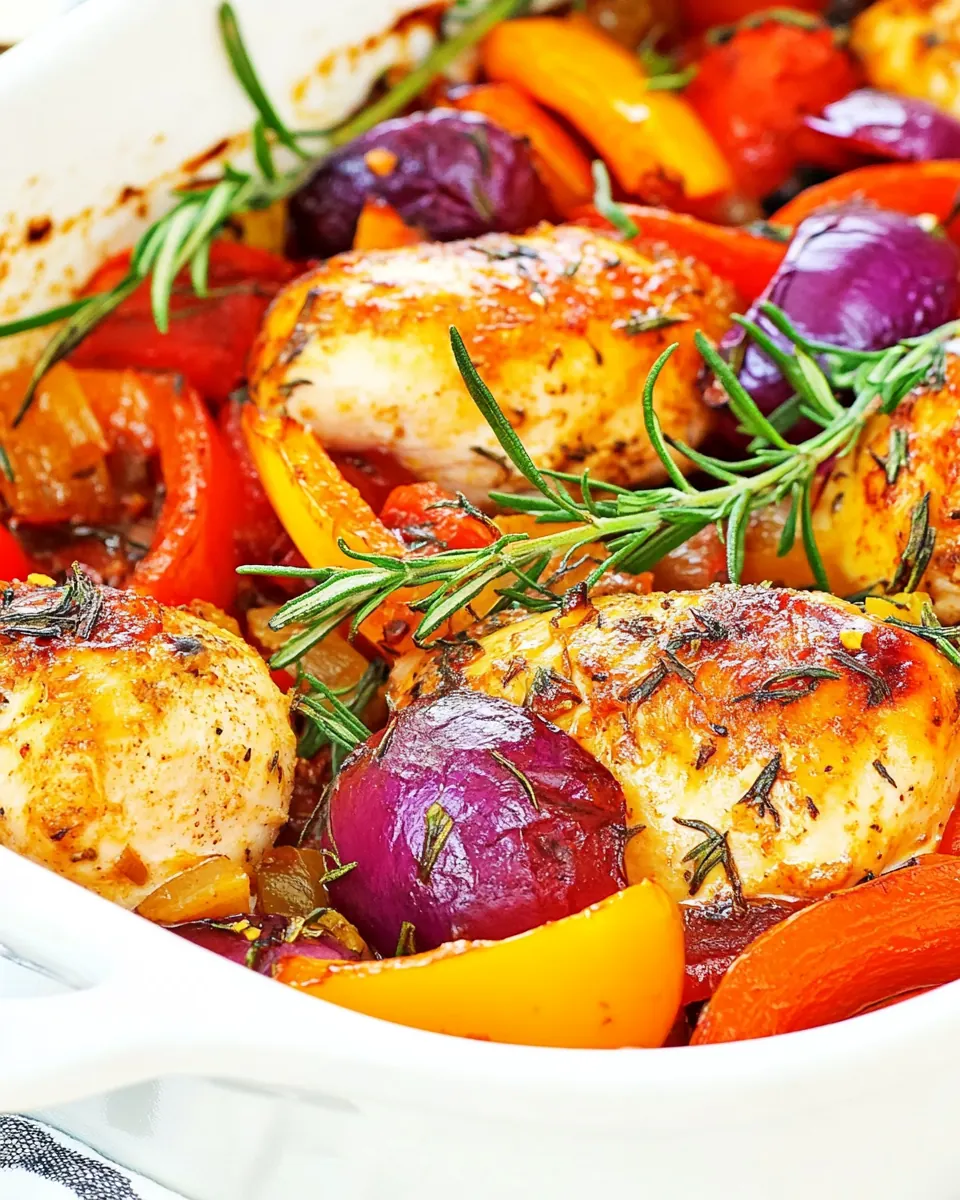
These ingredients are chosen to create a layered Mediterranean profile where citrus, brine, and herbs highlight the natural savor of the chicken. The interplay between sweet, salty, and aromatic elements gives this tray bake balance, while olive oil and honey help with caramelization and glossy pan juices.
- 8 10 chicken thighs bone-in, skin-on: Season and brown to develop deep flavor and crisp skin; use bone-in, skin-on thighs for juiciness and richness. Roast with other ingredients so the rendered fat bastes vegetables and melds with Mediterranean flavors.
- 1 large red onion cut into 8 wedges: Add sharp, sweet aromatics and caramelize slightly in the pan; cut into wedges to hold shape while roasting. Layer around the chicken to absorb pan juices and provide textural contrast.
- 1 red bell pepper seeded and cut into chunks: Contribute sweet, slightly smoky flavor and vibrant color when roasted; seed and chunk to prevent excess moisture. Scatter among other vegetables so pieces roast evenly and pick up savory juices.
- 1 cup firm grape tomatoes whole: Offer bursts of acidity and sweetness with a firm texture that holds up to heat; keep whole to blister and release juice gradually. Nestle near chicken to add bright, juicy pops in each bite.
- 1 cup pitted kalamata olives: Bring briny, salty depth and Mediterranean character; use pitted to ease eating and serving. Distribute throughout the pan so their savory oil and bite flavor the entire dish.
- 3 tablespoons capers: Introduce tangy, salty notes and a slight floral bite; measure as small spoonfuls to balance olives and citrus. Sprinkle around to provide sharp counterpoints to rich chicken and sweet vegetables.
- 3 fresh rosemary springs: Add resinous, piney fragrance that infuses the dish; use whole springs so needles can be removed after cooking if desired. Tuck under and between pieces so heat releases aromatic oils slowly.
- 1 orange cut into chunks: Lend bright citrus aroma and subtle sweetness; cut into chunks to roast and caramelize slightly. Arrange among ingredients so citrus oils mingle with pan juices for a fresh finish.
- 1 lemon halved: Provide concentrated citrus acidity and juice for brightening the dish; halve to squeeze over during or after roasting for layered flavor. Use the halved lemon as a quick finishing press to lift richness.
- salt and pepper: Season and balance flavors with granulated or coarse seasoning; apply to chicken and vegetables before roasting. Use both salt and pepper to enhance natural flavors and create a savory backbone.
- 1 large orange: Supply zest and extra citrus aroma when added whole or zested; a large orange contributes sweetness and fragrance. Place or zest over the pan to impart a fresh, sunny note that complements herbs and olives.
- 1 large lemon: Offer bright, tart acidity and aromatic zest; a large lemon adds balancing sourness to cut richness. Use juice or zest to finish the dish and enliven the overall flavor profile.
- 1/3 cup olive oil: Provide fat for browning and a fruity backbone that carries flavors; measure carefully to coat ingredients without pooling. Drizzle over chicken and vegetables to help herbs and spices adhere and promote caramelization.
- 1/4 cup honey: Add sweet, sticky glaze and caramelized notes when drizzled over the pan; honey also helps meld savory and citrus elements. Brush onto chicken during roasting or toss with vegetables for a glossy finish.
- 1 tablespoon onion powder: Contribute concentrated onion flavor in powdered form for even seasoning; sprinkle to enhance savory depth without adding moisture. Combine with other spices to season chicken and vegetables uniformly.
- 1 tablespoon garlic powder: Deliver concentrated garlic aroma in an easy-to-distribute form; garlic powder seasons without adding texture. Use alongside fresh garlic for layered garlicky notes that permeate the dish.
- 8 garlic cloves minced: Provide pungent fresh garlic flavor and aromatic warmth; mince finely to release oils and distribute evenly. Scatter under skin and among vegetables so garlic roasts and sweetens while infusing the pan.
- salt: Season to taste with precise salting as needed during cooking and before serving; use separate salt to adjust final seasoning. Sprinkle sparingly and taste as the dish finishes to avoid over-salting.
- Green and Red Olives: Contribute additional briny, savory variety and texture; include both green and red olives for color contrast and flavor complexity. Scatter throughout to create pockets of tangy, salty bites in the finished dish.
- 3 fresh rosemary sticks: Impart fragrant, woodsy notes and visual interest similar to rosemary springs; use sticks to tuck in places where long contact with heat releases oils. Place near chicken and vegetables so the herb infuses the pan slowly.
How to Cook One Pan Mediterranean Chicken
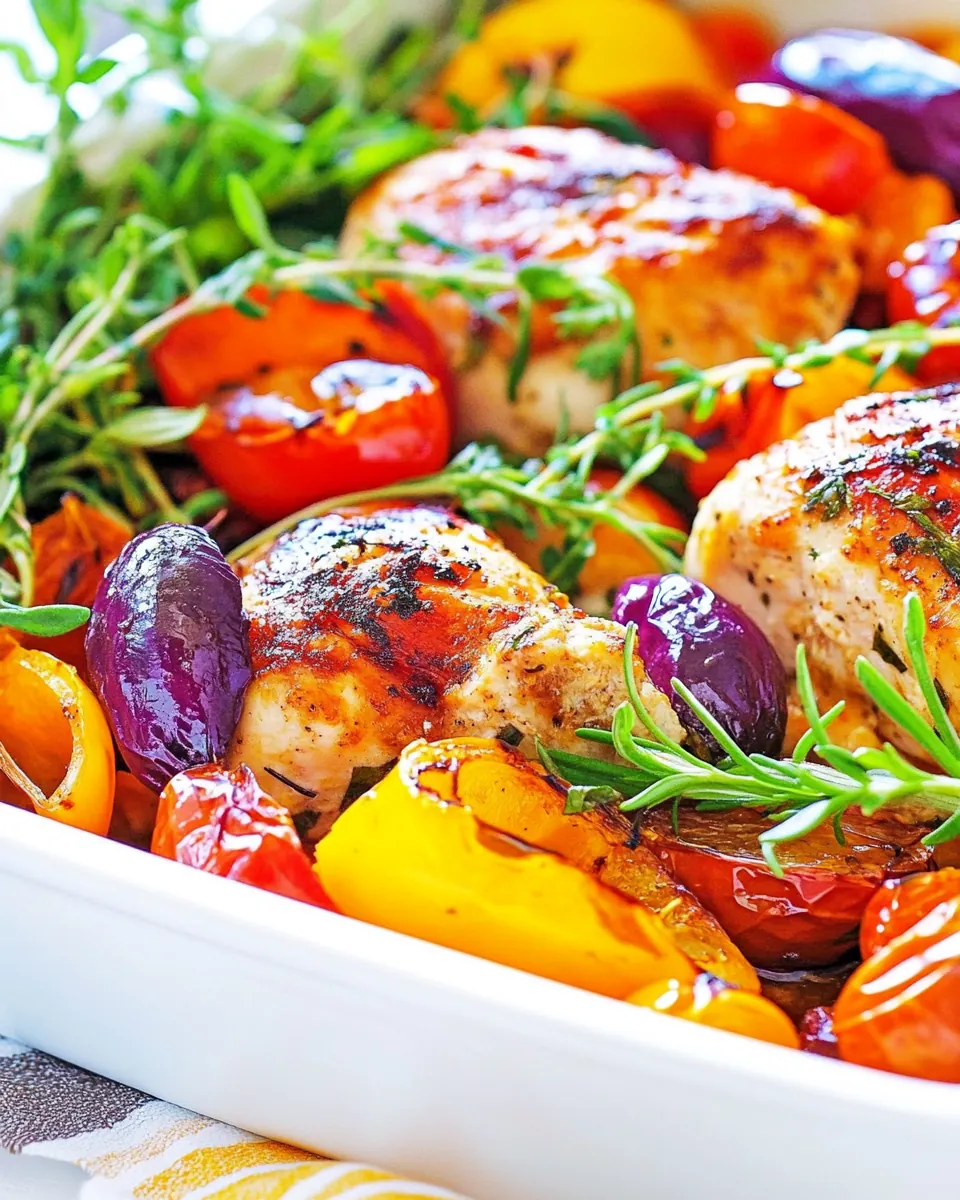
I like to walk through the method in an easy manner so the oven work feels intentional and not rushed. This recipe unfolds in clear stages from prep to roast to rest, and those steps create glossy pan juices and crisp skin. Follow the cues below and pay attention to aromas and color changes for best results.
- Preheat oven to 350 F.: As the air in the oven warms, you should notice the metal racks begin to give off that clean, dry heat scent, which prepares the pan to encourage browning rather than steaming. Preheating ensures an even rise in temperature when the sheet pan goes in, otherwise the skin may take longer to crisp and cook unevenly. A common mistake is slipping in the pan too soon, which causes the chicken to slowly warm and lose the initial sear potential; always wait until the oven reaches the target temperature.
- Prepare a medium bowl. Wash and dry the fruits and veggies. Slice, and chop as needed. Set aside.: As you wash and trim, notice how the citrus and vegetables smell fresh and bright, a fragrant foundation for the recipe. Drying is crucial because water on produce can dilute the sauce and impede caramelization. People often overcrowd their cutting board, increasing the risk of uneven cuts; keep a tidy prep area so pieces are uniform and cook at the same rate.
- Zest the orange, cut it in half, and squeeze the juice. Add the zest and fresh juice to the bowl.: The zest gives concentrated aromatic oils that are unmistakable when inhaled, while the juice adds immediate bright acidity. This pairing creates a layered citrus note that balances the sweet honey later. Avoid scraping the bitter white pith when zesting, it will introduce unwanted bitterness.
- Zest the lemon, cut it in half, and squeeze the juice. Add the zest and fresh juice to the bowl.: Lemon zest and juice sharpen the mixture, providing a clean acid that offsets the honey and oil. You will notice the fragrance become more complex when both citrus elements are combined. Watch for seeds in the squeezed juice, as a single seed can add occasional bitterness.
- Add the olive oil, garlic powder, onion powder, and honey to the bowl with the juice and the zest. Whisk to combine. Add salt to taste.: Whisking emulsifies the oil with citrus and honey, producing a silky glaze that clings to the chicken and vegetables. The dry powders add a concentrated savory backbone without changing the texture much. If the mixture separates, rewhisk and add a small splash of juice to bring it back together; separation means the coating will not adhere evenly.
- Prepare a 17 x 12-inch sheet pan by slightly drizzling it with olive oil. Set aside.: Oiling the pan helps prevent sticking and encourages the chicken skin to crisp rather than glue itself to the metal. You will notice a faint olive oil scent when the pan warms. Avoid over oiling which can pool and shallow fry items rather than roast them.
- I also prefer to wash the chicken, add it to a large bowl with cold water and let it sit for 10 minutes so it releases any extra blood. Transfer the chicken to a surface covered with paper towels, top with paper towels, and pat dry.: After the soak, the chicken should smell neutral and the skin will be drier, which supports better browning. Patting dry is sensory work you can feel under your fingertips; dryness predicts crispiness. Do not skip the drying step because moist skin will steam and remain soft.
- Season the chicken on each side with salt and pepper.: The salt draws the flavors in and seasons through to the meat, and pepper adds a warm bite that toasts in the oven. When you press the seasoning into the skin, you can feel it adhere better; this tactile step enhances flavor distribution. Over seasoning at this stage is the frequent error, so start with moderate salt and adjust later if needed.
- Take each chicken thigh and dip it entirely into the prepared honey citrus sauce, shake excess, and place it onto the prepared sheet pan. Repeat with the remaining chicken thighs.: As you dip, you will notice the glaze clinging and shining on the skin, promising caramelization. The shaking motion removes heavy drips that could cause burning, while still leaving a coating to baste during roasting. If you leave large pools of sauce beneath the thighs, they may prevent the skin from crisping properly.
- Arrange all the cut veggies and fruits into the pan: the onion, the red bell pepper, grape tomatoes, fresh lemon, and orange. Top with kalamata olives and the capers.: the onion, the red bell pepper, grape tomatoes, fresh lemon, and orange. Top with kalamata olives and the capers. : Spreading the vegetables and fruits around creates an even roasting bed that will release juices and mingle flavors as they cook, resulting in a complex pan sauce. The olives and capers add briny brightness that cuts through the honeyed notes. Avoid piling everything in one corner, as uneven distribution leads to inconsistent roasting.
- With a spoon, take any leftover honey citrus sauce and spoon it evenly over the chicken thighs. Top with fresh rosemary.: Spoon glazing concentrates flavor where it matters, and the rosemary needles will infuse oily herbal notes as they roast. You'll smell the herb perfuming the dish as heat hits the pan. Be cautious not to bury rosemary under items, which prevents oils from releasing effectively.
- Cover the pan with foil and cook for 20 minutes.: Covering traps steam and gently moves heat through to the bone, reducing the risk of undercooked centers while allowing flavors to meld. During this stage you will notice the aroma of citrus deepening. A common mistake is leaving the foil on too long which prevents skin from crisping later.
- Remove the foil from the sheet pan, return to the oven, and cook further for 30 minutes until the chicken is golden brown and cooked through. Rotate the pan after 15 minutes.: As the foil comes off you will hear the oven tickle and smell the sugars begin to caramelize, and the skin will tighten and turn golden. Rotating ensures even color and browning across the pan. Not rotating can produce hot spots where some thighs brown more than others.
- Remove from oven, discard the rosemary springs. Drain some of the juice from the pan, I drain about 50% of it.: When you lift the pan, steam will rise carrying concentrated aromas, and the collected juices will be glossy and fragrant. Draining a portion prevents sogginess and concentrates flavor for serving. Beware of discarding too much liquid, you still want enough to coat and moisten servings.
- Garnish with green and red olives and fresh rosemary.: Adding the final olives and a sprig of rosemary gives visual contrast and fresh aroma. The olives remain plump and provide a bright counterpoint after roasting. Don't over garnish, which can crowd plates and distract from the main components.
- Serve immediately with rice, pasta, or any starchy choice. The dish can be served by itself with a feta salad on the side.: Serve warm so the skin stays crisp and the juices are at their most flavorful, and the contrast between hot chicken and cool salad is pleasing. Leaving it to sit too long will let moisture reclaim the skin's crispness.
- Leftovers can be stored in an airtight container in the fridge for 2-3 days.: Cooling the tray slightly before refrigerating preserves texture, and stored leftovers will keep flavor well for a couple of days. Reheat gently to avoid drying the meat; a quick oven rewarm helps refresh the skin. Avoid reheating multiple times which degrades quality quickly.
Ways to Adapt This Recipe
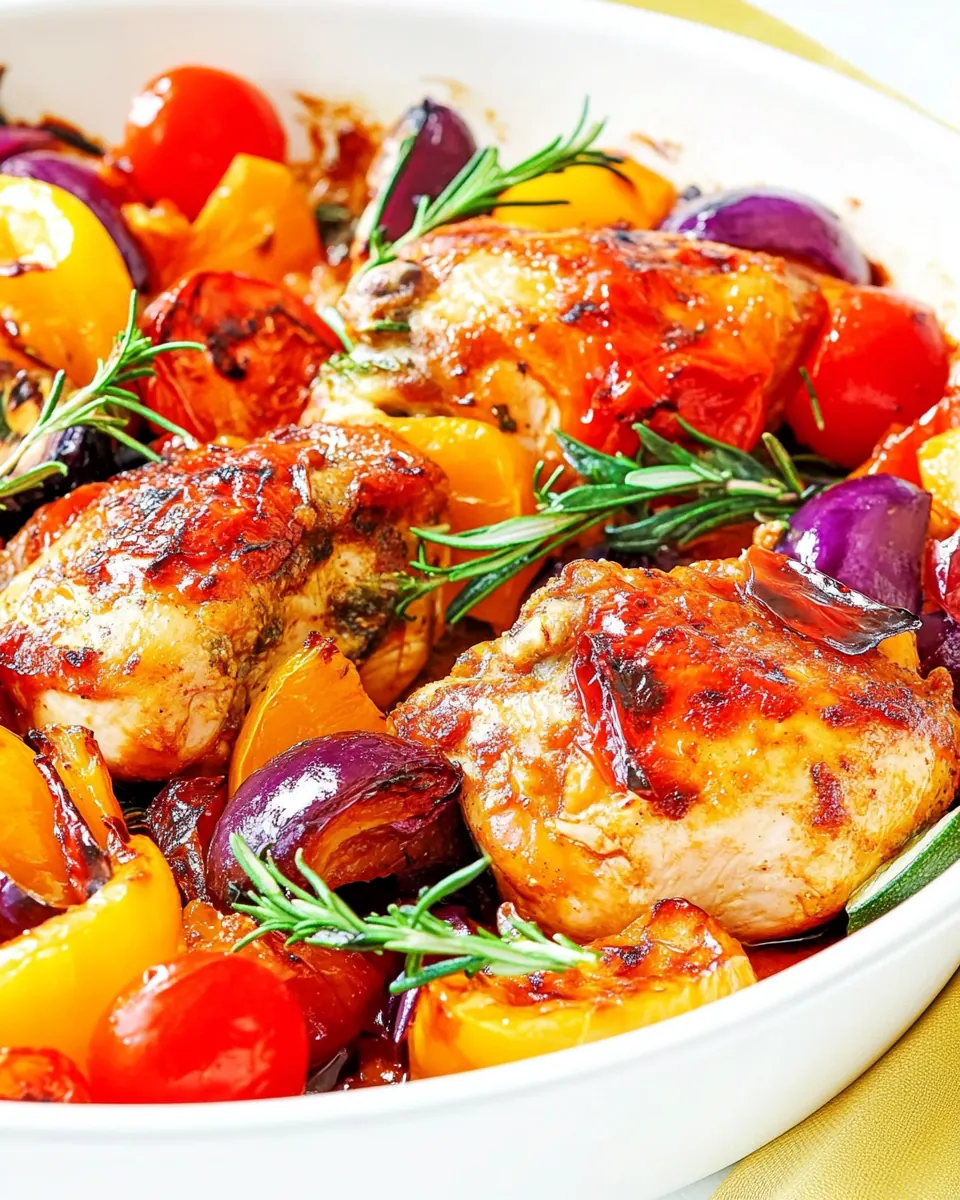
This section suggests practical variations and small adjustments I use to tailor One Pan Mediterranean Chicken to different occasions and tastes. Each tip highlights a focused change and why it works, so you can mix and match confidently.
- Swap chicken cuts Use bone in, skin on thighs for juiciness, but you can choose boneless thighs if you prefer quicker roasting and easier carving, remembering boneless pieces will cook faster and need less oven time to avoid drying out.
- Adjust citrus balance Increase orange for a sweeter glaze or add extra lemon for sharper brightness, keeping in mind that extra acid will speed caramelization so watch the pan to prevent burning.
- Olive selection Try a mix of kalamata and milder green olives for varied briny notes, adding half toward the end of roasting to preserve texture and the rest as garnish for fresh pops.
- Herb timing Add rosemary sprigs at the start for deep infusion, or reserve them for garnish to keep a fresher herbal aroma when serving.
- Make it saucier If you like more pan sauce, reduce some of the drained juices in a small saucepan to concentrate flavors, skim off excess oil and finish with a touch more honey or citrus to balance sweetness and acid.
Accompaniments for One Pan Mediterranean Chicken
This section describes thoughtful serving ideas and pairings that complement One Pan Mediterranean Chicken across meals and seasons. Consider textures, temperatures, and occasions to make the plate complete.
- Fluffy rice Steamed white or brown rice soaks up glossy pan juices, creating a comforting base that balances the roasted elements and is ideal for a hearty family dinner or casual weekday meal.
- Pasta toss Short pasta tossed with a light drizzle of olive oil and lemon provides a starchy vehicle that carries the sauce well, working nicely for an informal gathering or when you want to stretch servings.
- Fresh salad A crisp feta salad served alongside adds cool creaminess and acidic counterpoint, which is perfect when you want a lighter plate for lunch or dinner in warm weather.
- Occasion ideas Serve this dish for weekend dinners, small dinner parties, or holiday meals where a straightforward yet elegant main is needed; the tray presentation is effortless and pleasing for group dining.
- Storage tips Store leftovers in an airtight container for 2 to 3 days in the refrigerator, and reheat gently in an oven to revive the skin slightly; this makes it a reliable option for make ahead meals.
- Seasonal pairings In cooler months pair with root vegetables roasted alongside the tray, while in spring and summer choose brighter side salads to maintain a lively contrast to the honeyed roast flavors.
FAQ
Conclusion
One Pan Mediterranean Chicken stands out because it combines effortless roasting with bright citrus, honeyed glaze, and briny olives for a satisfying balance of flavors. Try this recipe when you want something that feels special yet remains low fuss, whether for a busy weeknight or an informal dinner with friends. It showcases how a few thoughtful ingredients and simple techniques can deliver a dish that is both comforting and vibrant, and I hope you enjoy the ease and flavor it brings to your table.
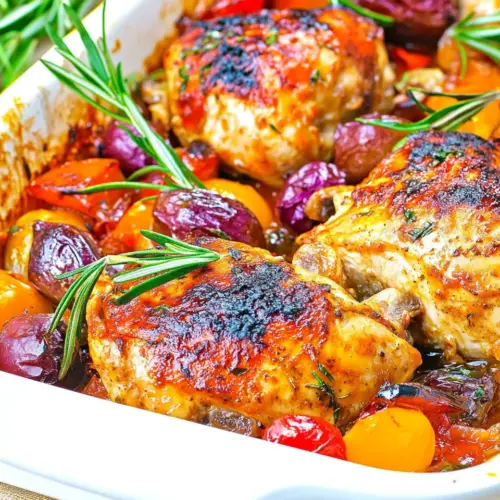
One Pan Mediterranean Chicken
Equipment
- Sheet Pan
- Mixing Bowl
- Whisk
- Knife
- Cutting Board
Ingredients
- 8 -10 chicken thighs bone-in, skin-on Season and brown to develop deep flavor and crisp skin; use bone-in, skin-on thighs for juiciness and richness. Roast with other ingredients so the rendered fat bastes vegetables and melds with Mediterranean flavors.
- 1 large red onion cut into 8 wedges Add sharp, sweet aromatics and caramelize slightly in the pan; cut into wedges to hold shape while roasting. Layer around the chicken to absorb pan juices and provide textural contrast.
- 1 red bell pepper seeded and cut into chunks Contribute sweet, slightly smoky flavor and vibrant color when roasted; seed and chunk to prevent excess moisture. Scatter among other vegetables so pieces roast evenly and pick up savory juices.
- 1 cup firm grape tomatoes whole Offer bursts of acidity and sweetness with a firm texture that holds up to heat; keep whole to blister and release juice gradually. Nestle near chicken to add bright, juicy pops in each bite.
- 1 cup pitted kalamata olives Bring briny, salty depth and Mediterranean character; use pitted to ease eating and serving. Distribute throughout the pan so their savory oil and bite flavor the entire dish.
- 3 tablespoons capers Introduce tangy, salty notes and a slight floral bite; measure as small spoonfuls to balance olives and citrus. Sprinkle around to provide sharp counterpoints to rich chicken and sweet vegetables.
- 3 fresh rosemary springs Add resinous, piney fragrance that infuses the dish; use whole springs so needles can be removed after cooking if desired. Tuck under and between pieces so heat releases aromatic oils slowly.
- 1 orange cut into chunks Lend bright citrus aroma and subtle sweetness; cut into chunks to roast and caramelize slightly. Arrange among ingredients so citrus oils mingle with pan juices for a fresh finish.
- 1 lemon halved Provide concentrated citrus acidity and juice for brightening the dish; halve to squeeze over during or after roasting for layered flavor. Use the halved lemon as a quick finishing press to lift richness.
- salt and pepper Season and balance flavors with granulated or coarse seasoning; apply to chicken and vegetables before roasting. Use both salt and pepper to enhance natural flavors and create a savory backbone.
- 1 large orange Supply zest and extra citrus aroma when added whole or zested; a large orange contributes sweetness and fragrance. Place or zest over the pan to impart a fresh, sunny note that complements herbs and olives.
- 1 large lemon Offer bright, tart acidity and aromatic zest; a large lemon adds balancing sourness to cut richness. Use juice or zest to finish the dish and enliven the overall flavor profile.
- 1/3 cup olive oil Provide fat for browning and a fruity backbone that carries flavors; measure carefully to coat ingredients without pooling. Drizzle over chicken and vegetables to help herbs and spices adhere and promote caramelization.
- 1/4 cup honey Add sweet, sticky glaze and caramelized notes when drizzled over the pan; honey also helps meld savory and citrus elements. Brush onto chicken during roasting or toss with vegetables for a glossy finish.
- 1 tablespoon onion powder Contribute concentrated onion flavor in powdered form for even seasoning; sprinkle to enhance savory depth without adding moisture. Combine with other spices to season chicken and vegetables uniformly.
- 1 tablespoon garlic powder Deliver concentrated garlic aroma in an easy-to-distribute form; garlic powder seasons without adding texture. Use alongside fresh garlic for layered garlicky notes that permeate the dish.
- 8 garlic cloves minced Provide pungent fresh garlic flavor and aromatic warmth; mince finely to release oils and distribute evenly. Scatter under skin and among vegetables so garlic roasts and sweetens while infusing the pan.
- salt Season to taste with precise salting as needed during cooking and before serving; use separate salt to adjust final seasoning. Sprinkle sparingly and taste as the dish finishes to avoid over-salting.
- Green and Red Olives Contribute additional briny, savory variety and texture; include both green and red olives for color contrast and flavor complexity. Scatter throughout to create pockets of tangy, salty bites in the finished dish.
- 3 fresh rosemary sticks Impart fragrant, woodsy notes and visual interest similar to rosemary springs; use sticks to tuck in places where long contact with heat releases oils. Place near chicken and vegetables so the herb infuses the pan slowly.
Instructions
- Preheat oven to 350 F.: As the air in the oven warms, you should notice the metal racks begin to give off that clean, dry heat scent, which prepares the pan to encourage browning rather than steaming. Preheating ensures an even rise in temperature when the sheet pan goes in, otherwise the skin may take longer to crisp and cook unevenly. A common mistake is slipping in the pan too soon, which causes the chicken to slowly warm and lose the initial sear potential; always wait until the oven reaches the target temperature.
- Prepare a medium bowl. Wash and dry the fruits and veggies. Slice, and chop as needed. Set aside.: As you wash and trim, notice how the citrus and vegetables smell fresh and bright, a fragrant foundation for the recipe. Drying is crucial because water on produce can dilute the sauce and impede caramelization. People often overcrowd their cutting board, increasing the risk of uneven cuts; keep a tidy prep area so pieces are uniform and cook at the same rate.
- Zest the orange, cut it in half, and squeeze the juice. Add the zest and fresh juice to the bowl.: The zest gives concentrated aromatic oils that are unmistakable when inhaled, while the juice adds immediate bright acidity. This pairing creates a layered citrus note that balances the sweet honey later. Avoid scraping the bitter white pith when zesting, it will introduce unwanted bitterness.
- Zest the lemon, cut it in half, and squeeze the juice. Add the zest and fresh juice to the bowl.: Lemon zest and juice sharpen the mixture, providing a clean acid that offsets the honey and oil. You will notice the fragrance become more complex when both citrus elements are combined. Watch for seeds in the squeezed juice, as a single seed can add occasional bitterness.
- Add the olive oil, garlic powder, onion powder, and honey to the bowl with the juice and the zest. Whisk to combine. Add salt to taste.: Whisking emulsifies the oil with citrus and honey, producing a silky glaze that clings to the chicken and vegetables. The dry powders add a concentrated savory backbone without changing the texture much. If the mixture separates, rewhisk and add a small splash of juice to bring it back together; separation means the coating will not adhere evenly.
- Prepare a 17 x 12-inch sheet pan by slightly drizzling it with olive oil. Set aside.: Oiling the pan helps prevent sticking and encourages the chicken skin to crisp rather than glue itself to the metal. You will notice a faint olive oil scent when the pan warms. Avoid over oiling which can pool and shallow fry items rather than roast them.
- I also prefer to wash the chicken, add it to a large bowl with cold water and let it sit for 10 minutes so it releases any extra blood. Transfer the chicken to a surface covered with paper towels, top with paper towels, and pat dry.: After the soak, the chicken should smell neutral and the skin will be drier, which supports better browning. Patting dry is sensory work you can feel under your fingertips; dryness predicts crispiness. Do not skip the drying step because moist skin will steam and remain soft.
- Season the chicken on each side with salt and pepper.: The salt draws the flavors in and seasons through to the meat, and pepper adds a warm bite that toasts in the oven. When you press the seasoning into the skin, you can feel it adhere better; this tactile step enhances flavor distribution. Over seasoning at this stage is the frequent error, so start with moderate salt and adjust later if needed.
- Take each chicken thigh and dip it entirely into the prepared honey citrus sauce, shake excess, and place it onto the prepared sheet pan. Repeat with the remaining chicken thighs.: As you dip, you will notice the glaze clinging and shining on the skin, promising caramelization. The shaking motion removes heavy drips that could cause burning, while still leaving a coating to baste during roasting. If you leave large pools of sauce beneath the thighs, they may prevent the skin from crisping properly.
- Arrange all the cut veggies and fruits into the pan: the onion, the red bell pepper, grape tomatoes, fresh lemon, and orange. Top with kalamata olives and the capers.: the onion, the red bell pepper, grape tomatoes, fresh lemon, and orange. Top with kalamata olives and the capers. : Spreading the vegetables and fruits around creates an even roasting bed that will release juices and mingle flavors as they cook, resulting in a complex pan sauce. The olives and capers add briny brightness that cuts through the honeyed notes. Avoid piling everything in one corner, as uneven distribution leads to inconsistent roasting.
- With a spoon, take any leftover honey citrus sauce and spoon it evenly over the chicken thighs. Top with fresh rosemary.: Spoon glazing concentrates flavor where it matters, and the rosemary needles will infuse oily herbal notes as they roast. You'll smell the herb perfuming the dish as heat hits the pan. Be cautious not to bury rosemary under items, which prevents oils from releasing effectively.
- Cover the pan with foil and cook for 20 minutes.: Covering traps steam and gently moves heat through to the bone, reducing the risk of undercooked centers while allowing flavors to meld. During this stage you will notice the aroma of citrus deepening. A common mistake is leaving the foil on too long which prevents skin from crisping later.
- Remove the foil from the sheet pan, return to the oven, and cook further for 30 minutes until the chicken is golden brown and cooked through. Rotate the pan after 15 minutes.: As the foil comes off you will hear the oven tickle and smell the sugars begin to caramelize, and the skin will tighten and turn golden. Rotating ensures even color and browning across the pan. Not rotating can produce hot spots where some thighs brown more than others.
- Remove from oven, discard the rosemary springs. Drain some of the juice from the pan, I drain about 50% of it.: When you lift the pan, steam will rise carrying concentrated aromas, and the collected juices will be glossy and fragrant. Draining a portion prevents sogginess and concentrates flavor for serving. Beware of discarding too much liquid, you still want enough to coat and moisten servings.
- Garnish with green and red olives and fresh rosemary.: Adding the final olives and a sprig of rosemary gives visual contrast and fresh aroma. The olives remain plump and provide a bright counterpoint after roasting. Don't over garnish, which can crowd plates and distract from the main components.
- Serve immediately with rice, pasta, or any starchy choice. The dish can be served by itself with a feta salad on the side.: Serve warm so the skin stays crisp and the juices are at their most flavorful, and the contrast between hot chicken and cool salad is pleasing. Leaving it to sit too long will let moisture reclaim the skin's crispness.
- Leftovers can be stored in an airtight container in the fridge for 2-3 days.: Cooling the tray slightly before refrigerating preserves texture, and stored leftovers will keep flavor well for a couple of days. Reheat gently to avoid drying the meat; a quick oven rewarm helps refresh the skin. Avoid reheating multiple times which degrades quality quickly.
Notes
- Swap chicken cuts Use bone in, skin on thighs for juiciness, but you can choose boneless thighs if you prefer quicker roasting and easier carving, remembering boneless pieces will cook faster and need less oven time to avoid drying out.
- Adjust citrus balance Increase orange for a sweeter glaze or add extra lemon for sharper brightness, keeping in mind that extra acid will speed caramelization so watch the pan to prevent burning.
- Olive selection Try a mix of kalamata and milder green olives for varied briny notes, adding half toward the end of roasting to preserve texture and the rest as garnish for fresh pops.
- Herb timing Add rosemary sprigs at the start for deep infusion, or reserve them for garnish to keep a fresher herbal aroma when serving.
- Make it saucier If you like more pan sauce, reduce some of the drained juices in a small saucepan to concentrate flavors, skim off excess oil and finish with a touch more honey or citrus to balance sweetness and acid.