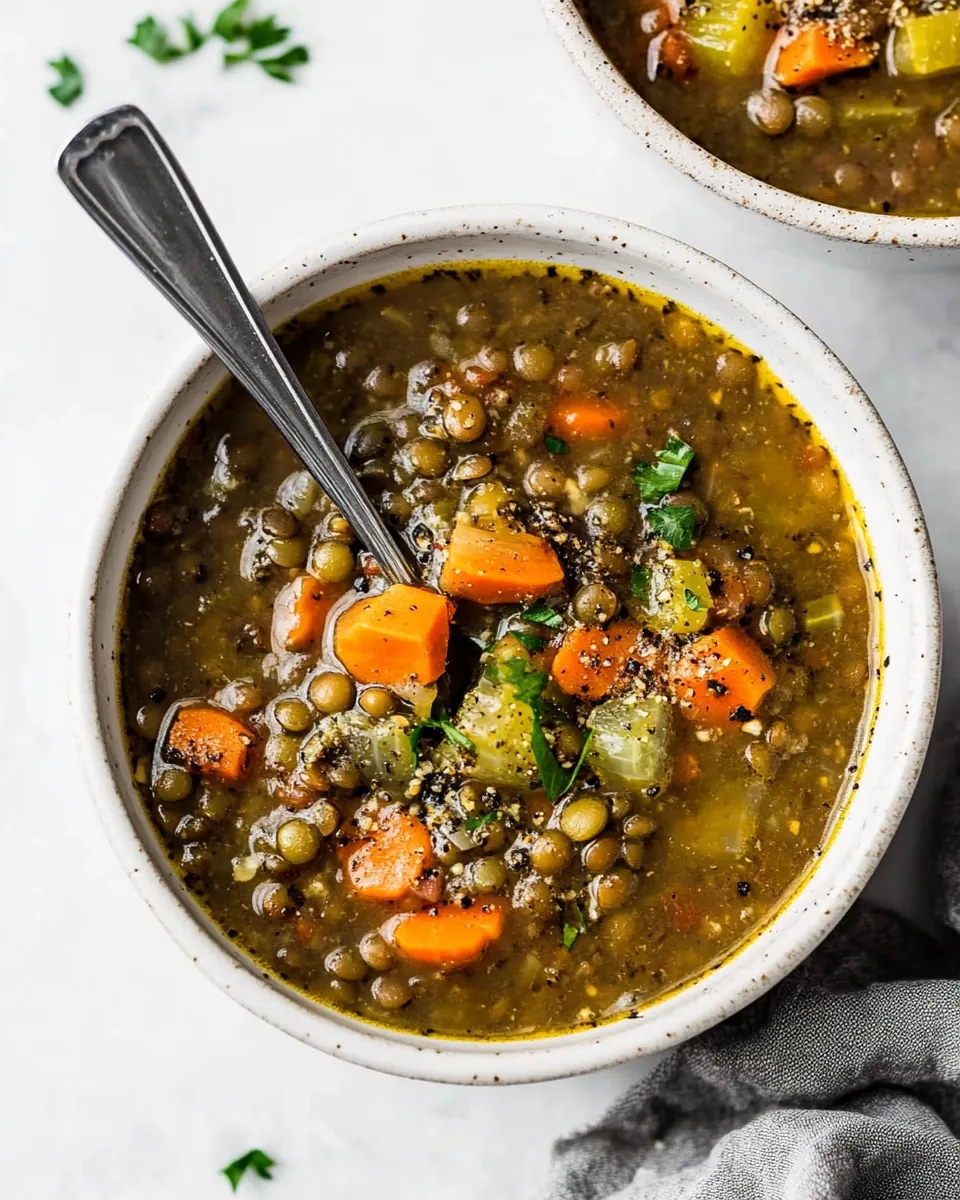
Healthy French Lentil Soup
Healthy French Lentil Soup is one of those bowls I turn to when I want something both nourishing and honest, the kind of food that warms hands and calms a busy day. I first met this version on a gray afternoon when my kitchen smelled like toasted garlic and softened leeks, and I remember thinking how a few simple pantry staples could feel so luxurious. From that first spoonful, the melody of French lentils, bright carrots, and savory chicken stock made me slow down, and I kept coming back to it whenever the season turned cool.
Over time I learned little habits that make this soup sing, like letting the aromatics sweat slowly so the flavors deepen rather than scorch, and stirring in a touch of Dijon mustard at the end for a lift. When I make Healthy French Lentil Soup for friends, they always comment on the texture of the lentils, firm but yielding, and how the broth tastes layered yet clean. This recipe became my late afternoon companion, the kind I trust to feed a family, or to sit quietly with when I need comfort without heaviness.
Recipe Snapshot
55 mins
10 mins
45 mins
Medium
220 kcal
French
Gluten-Free, Vegan
Soups
5.5 Quart Pot
What’s Great About This Healthy French Lentil Soup
Hearty but Light
I love that Healthy French Lentil Soup fills you up without weighing you down. The French lentils offer a pleasing bite and earthy flavor, while the broth stays clear and bright, not heavy or creamy. I often reach for this when I want something sustaining after a long day, but still light enough for a second helping later.
Layered Aromatics
This soup builds flavor through small, attentive steps. Sautéing leeks, carrots, and celery until they are soft releases natural sweetness, and finishing with minced thyme and garlic adds an herbal snap. I find that taking the time here pays off in a broth that tastes like it simmered for hours, even though it comes together quickly.
Smart Everyday Ingredients
What excites me is how pantry staples transform into something special. A modest amount of olive oil and a touch of unsalted butter give richness, while a spoonful of Dijon mustard brightens the entire pot. It proves you do not need a long shopping list to make a memorable meal.
Comfort That Travels
This recipe adapts well to different kitchens. I have made Healthy French Lentil Soup in a cramped apartment and at a friend s cottage, and it delivers each time. It stores beautifully, tasting even better a day later, so it doubles as thoughtful leftovers when life gets busy.
Approachable Technique
I appreciate that the method is forgiving. There are no fussy steps, just steady attention and simple timing. That makes this a great recipe for cooks who want reliable results without fuss. It s the kind of dish I feel confident recommending to someone learning how to build savory depth in soups.
Shopping List for Healthy French Lentil Soup
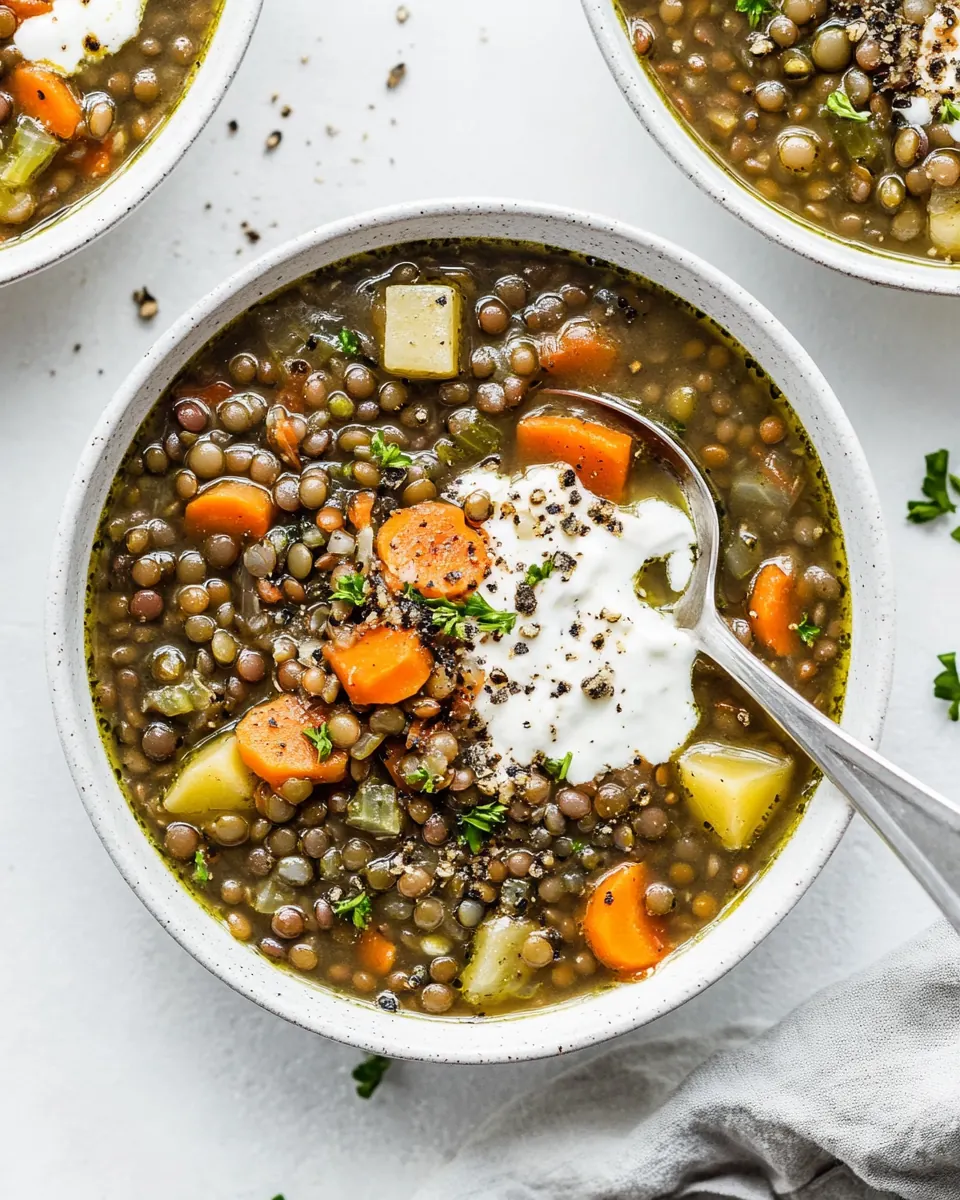
These ingredients form a balanced, flavorful foundation. The cast of characters includes aromatics for depth, a liaison of olive oil and unsalted butter for mouthfeel, and French lentils for body and protein. Together they create a broth that s both nourishing and complex, where each element has a clear role.
- 1 tablespoon olive oil: Sauté gently in the pot to provide a fruity, rich base for the soup and help brown aromatics; balances the butter for a rounded mouthfeel and aids in carrying flavors through the broth.
- 1 tablespoon unsalted butter: Melt slowly to add a silky richness and depth to the soup; blends with the olive oil to create a smooth fat layer that enhances aroma and mouthfeel during sautéing.
- 2 large carrots, chopped: Add chopped to bring natural sweetness, texture, and body to the soup; soften until tender to release sugars that deepen the soup’s flavor and complement the lentils.
- 2 stalks celery, chopped: Cook chopped to contribute savory, slightly peppery notes and crunchy texture that mellow as they soften; combine with carrots and leeks to build the classic mirepoix base.
- 2 whole leeks, cleaned, white and light green area chopped: Slice and add the white and light green parts after cleaning to introduce a delicate, sweet onion-like flavor; cook until soft to impart subtle aromatic complexity without overpowering the soup.
- 2 cloves garlic, chopped: Mince and add to provide a sharp, pungent undertone that amplifies savory flavors; toss in during the final sauté phase to avoid bitterness and preserve aromatic oils.
- 1 teaspoon fresh thyme, minced: Chop finely to impart an earthy, floral note that complements legumes; sprinkle in early so its oils infuse the broth and lend complexity to the overall flavor profile.
- 4 cups chicken stock: Pour in as the primary liquid to simmer the ingredients and meld flavors together; use good-quality stock to add savory depth and a balanced saline base to the soup.
- 3/4 cup French lentils: Rinse and add to supply a firm yet tender texture and nutty, earthy flavor; simmer until just tender so the lentils hold shape and absorb the seasoned broth.
- 1 dried bay leaf: Tuck in whole to release subtle herbal warmth and a mild astringent note while simmering; remove before serving to avoid an overpowering bay leaf taste but keep aromatic benefits.
- 1 tablespoon Dijon mustard: Whisk in near the end to introduce a bright, tangy complexity that lifts and ties the flavors together; emulsify into the broth to create a slightly creamy, cohesive finish.
Making This Healthy French Lentil Soup
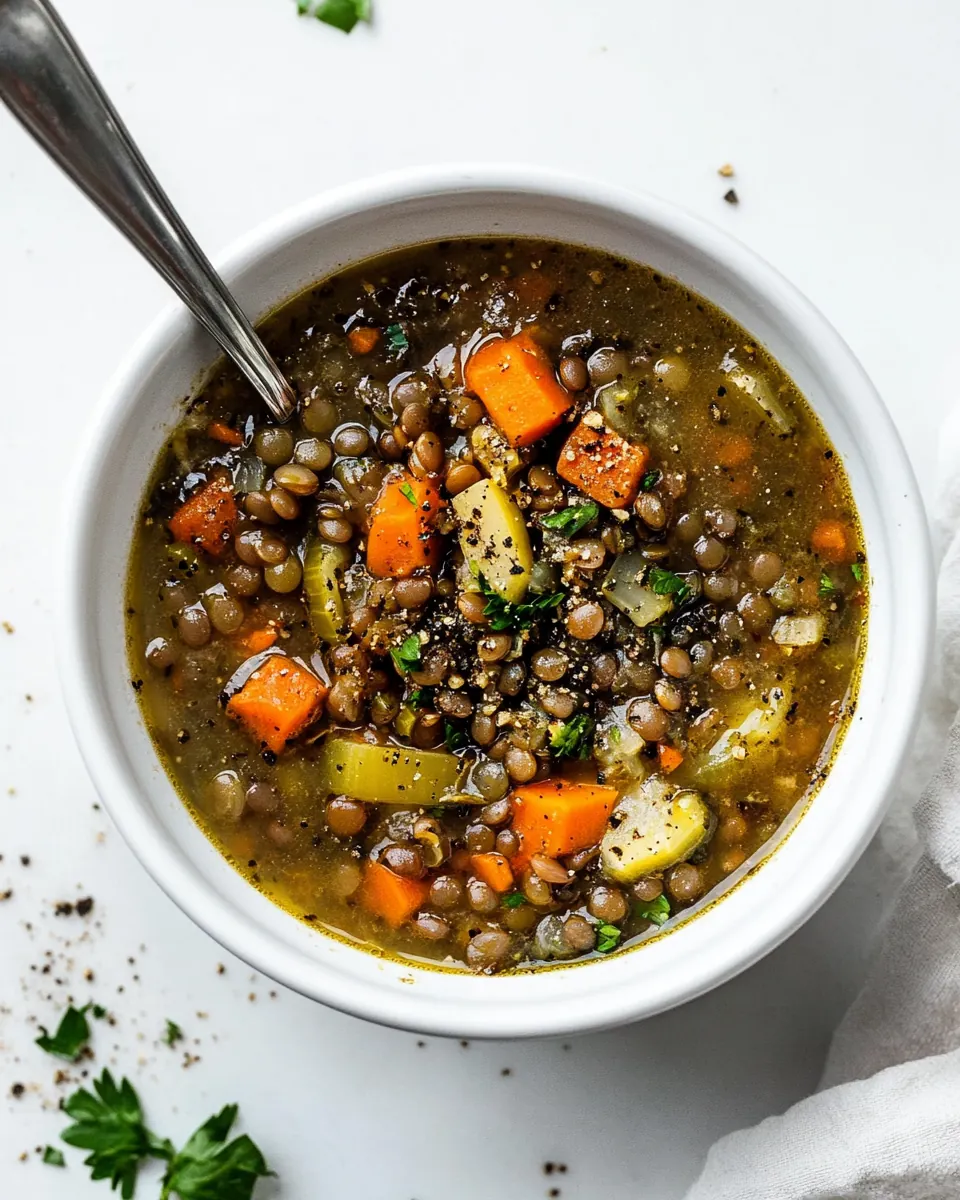
This plan walks you through steady, sensory steps so you end up with a soup that s balanced and layered. I wrote these directions to help you notice the small cues, like the color of the vegetables and the sound of a gentle simmer. Follow them and you ll build flavor without stress.
- Heat a large Dutch oven over medium heat.: The moment you heat the pot, listen for a faint hiss as it reaches temperature, signaling it s ready to receive fat and aromatics. A properly warmed Dutch oven helps vegetables sweat evenly rather than sticking, and it promotes gentle caramelization that develops savory depth. If the pot is too cool you ll get a greasy finish, and if it s too hot you risk rapid browning. A good test is to flick a drop of water onto the surface; it should dance and evaporate slowly.
- Add the olive oil and butter and cook until the butter has melted.: You will notice the butter foaming and then calming as it melts into the olive oil , creating a glossy sheen. This fat mixture carries flavors and prevents the vegetables from sticking, while contributing a subtle richness. If the fats begin to brown quickly, lower the heat immediately to avoid bitter notes. Stir briefly so they combine fully before adding vegetables.
- Next, add the carrots, celery, and leeks.: As the vegetables hit the pan you should hear a soft sizzle, and their edges will warm and release fragrance. Keep them in an even layer so they cook uniformly, stirring occasionally to expose all sides to the heat. Crowding the pot can cause steaming instead of gentle browning, which reduces flavor development, so give them space or cook in batches if needed.
- Cook for 5-7 minutes or until the vegetables are tender. Stir occasionally.: Over these minutes the vegetables will soften and their color will deepen, and you may notice a sweet aroma forming as their sugars begin to release. Tenderness means a fork slides in without resistance, and the leeks should become translucent. A common mistake is rushing this step with high heat, which leads to uneven cooking and a raw bite in the final soup.
- Stir in the garlic and thyme and cook for an additional minute.: The scent of garlic and thyme will bloom quickly, filling the kitchen with a warm, herbal perfume. One minute is enough for the garlic to release its oils without turning bitter, and the thyme s volatile compounds will meld into the softened vegetables. If you leave these in the hot pan too long they can brown and introduce an acrid taste.
- Add the chicken stock and scrape the bottom of the pan to release any browned bits.: Pouring in the chicken stock will deglaze the pot, lifting those caramelized bits into the broth and enriching the overall flavor. Use a wooden spoon to gently scrape, and watch the liquid swirl and darken slightly, showing the depth being captured. Skipping this step loses an important layer of savory complexity.
- Add the lentils, bay leaf, and Dijon mustard.: When you add the French lentils , the dried bay leaf , and the Dijon mustard , you will see the pot become busier visually, and the mustard will disperse as tiny ribbons. The bay leaf infuses slowly, and the lentils start absorbing flavor immediately. A pitfall is to add too much mustard, which can overpower the subtle herb and vegetable notes.
- Bring the soup to a boil and then reduce the heat to medium-low.: Watch for large, rolling bubbles as the pot comes to a boil, then lower the heat until the surface shows gentle, regular ripples. This controlled simmer helps the lentils cook through without splitting apart and keeps the broth clear. Boiling too vigorously will agitate the lentils into breaking and produce a cloudy, starchy broth.
- Simmer for 30-35 minutes, or until the lentils are tender.: During this simmer you ll smell a rich, layered aroma as the vegetables and lentils release flavor. Check the lentils after 25 minutes for doneness; they should be tender but still hold shape, offering a pleasing bite. Overcooking leads to a mushy texture and a thicker soup, which changes the intended mouthfeel.
- Remove the bay leaf and season with salt and pepper to taste.: Pulling out the bay leaf leaves the broth smooth and free of fibrous bits, and seasoning at the end lets you calibrate saltiness to the stock used. Taste in small spoonfuls, adjusting cautiously, because you can always add more. A mistake is over salting early, since reduction concentrates flavors and can make the final dish too salty.
- Enjoy warm. Store any leftover soup in an airtight container in the fridge for up to three days.: Serve the soup while it s hot enough to steam, noticing the interplay of warm broth and textured lentils. When cooling leftovers, transfer promptly into shallow containers to chill evenly and preserve freshness. Leaving soup at room temperature for too long can risk spoilage, so refrigerate within two hours of cooking.
Recipe Notes about Healthy French Lentil Soup
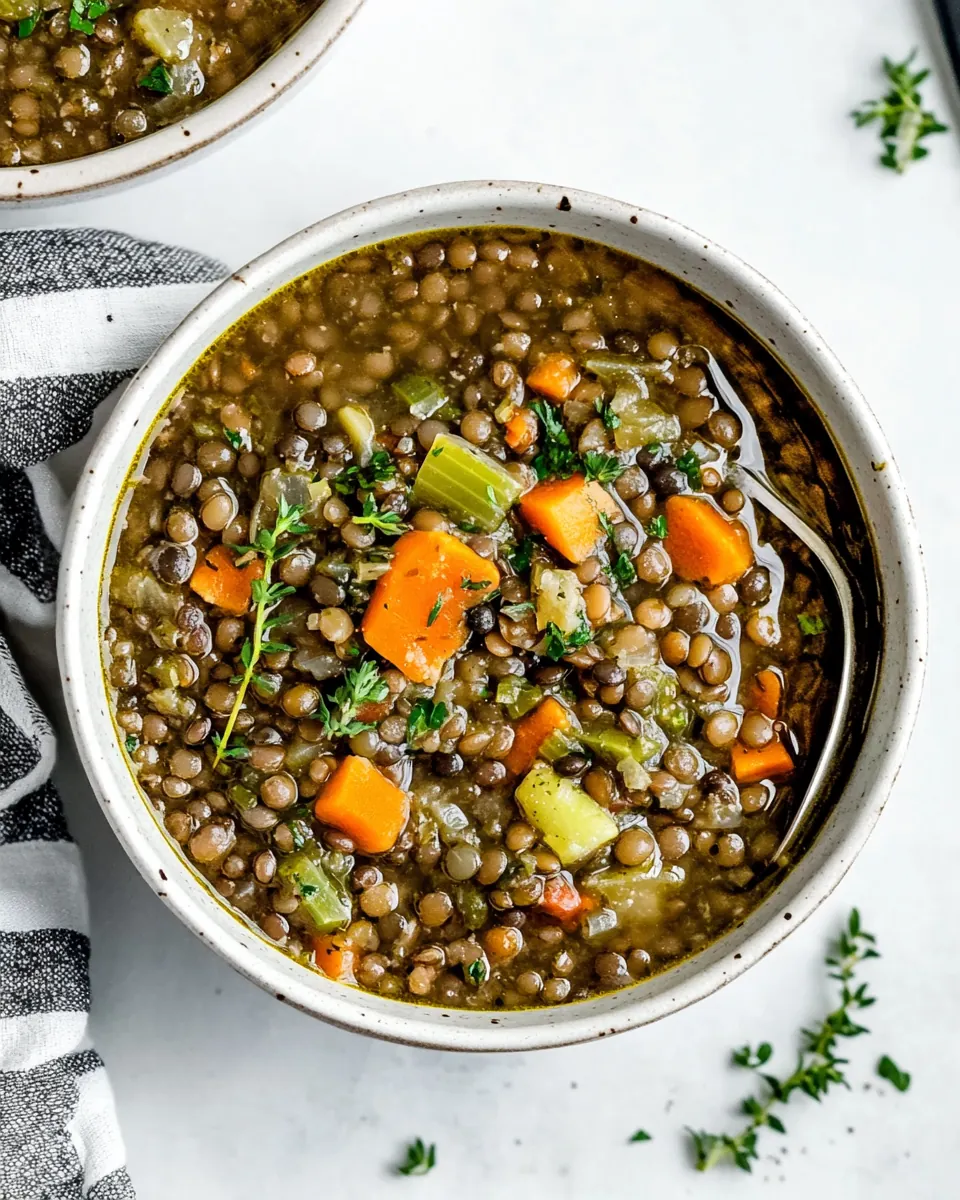
This section offers practical notes to help you succeed every time. I expanded common pointers into detailed tips to preserve texture, flavor, and ease of preparation. Read through and keep them close while you cook.
- Use even chopping for carrots, celery, and leeks so everything softens at the same pace and the texture is consistent in every spoonful.
- Control the heat when sautéing to prevent browning the butter and burning the garlic, which would introduce bitterness.
- Measure the lentils carefully, because adding too many will thicken the broth excessively, changing the intended balance.
- Adjust seasoning at the end since stock saltiness varies, and reduction concentrates flavors as the soup simmers.
- Cool leftovers quickly by dividing into shallow containers, which helps preserve freshness and food safety for up to three days in the fridge.
Serving Suggestions
I like to serve this soup simply, focusing on warm bowls and complementary textures. It works well for weeknight dinners, light lunches, or as part of a larger spread during cooler months. Below are ideas for pairings, occasions, and storage details to make serving effortless and enjoyable.
- Casual weeknight dinner: Serve bowls of Healthy French Lentil Soup with crusty bread or a simple green salad for a satisfying, low fuss meal.
- Comforting lunch: Offer a ladle over toast for an informal lunch that highlights the lentils and broth, with a squeeze of lemon if desired.
- Gatherings and potlucks: Keep the soup warm in a covered pot on low heat so guests can serve themselves, and provide toppings like chopped herbs or extra Dijon mustard for personal adjustment.
- Seasonal pairing: This shines in winter when you want something warming, and it complements heartier roasted vegetables or grain salads at larger meals.
- Storage tips: Cool the soup quickly and refrigerate in airtight containers for up to three days; reheat gently on the stove over medium low so it warms evenly without reducing too much.
- Occasion ideas: Serve it for quiet family dinners, a simple Ramadan iftar bowl, or a nourishing lunch when you re recovering from a cold.
FAQ
Conclusion
This Healthy French Lentil Soup stands out for its clean, layered flavors and comforting, nourishing character. It s a dependable bowl that combines pantry staples into something both elegant and everyday friendly. Try it when you want a simple meal that still feels thoughtfully prepared, whether for a quiet weeknight or to bring to a friend in need. Enjoy the warm, savory rhythm of leeks, carrots, and lentils, and notice how small techniques make a big difference in the final result.

Healthy French Lentil Soup
Equipment
- 5.5 Quart Pot
Ingredients
- 1 tablespoon olive oil Sauté gently in the pot to provide a fruity, rich base for the soup and help brown aromatics; balances the butter for a rounded mouthfeel and aids in carrying flavors through the broth.
- 1 tablespoon unsalted butter Melt slowly to add a silky richness and depth to the soup; blends with the olive oil to create a smooth fat layer that enhances aroma and mouthfeel during sautéing.
- 2 large carrots, chopped Add chopped to bring natural sweetness, texture, and body to the soup; soften until tender to release sugars that deepen the soup’s flavor and complement the lentils.
- 2 stalks celery, chopped Cook chopped to contribute savory, slightly peppery notes and crunchy texture that mellow as they soften; combine with carrots and leeks to build the classic mirepoix base.
- 2 whole leeks, cleaned, white and light green area chopped Slice and add the white and light green parts after cleaning to introduce a delicate, sweet onion-like flavor; cook until soft to impart subtle aromatic complexity without overpowering the soup.
- 2 cloves garlic, chopped Mince and add to provide a sharp, pungent undertone that amplifies savory flavors; toss in during the final sauté phase to avoid bitterness and preserve aromatic oils.
- 1 teaspoon fresh thyme, minced Chop finely to impart an earthy, floral note that complements legumes; sprinkle in early so its oils infuse the broth and lend complexity to the overall flavor profile.
- 4 cups chicken stock Pour in as the primary liquid to simmer the ingredients and meld flavors together; use good-quality stock to add savory depth and a balanced saline base to the soup.
- 3/4 cup French lentils Rinse and add to supply a firm yet tender texture and nutty, earthy flavor; simmer until just tender so the lentils hold shape and absorb the seasoned broth.
- 1 dried bay leaf Tuck in whole to release subtle herbal warmth and a mild astringent note while simmering; remove before serving to avoid an overpowering bay leaf taste but keep aromatic benefits.
- 1 tablespoon Dijon mustard Whisk in near the end to introduce a bright, tangy complexity that lifts and ties the flavors together; emulsify into the broth to create a slightly creamy, cohesive finish.
Instructions
- Heat a large Dutch oven over medium heat.: The moment you heat the pot, listen for a faint hiss as it reaches temperature, signaling it s ready to receive fat and aromatics. A properly warmed Dutch oven helps vegetables sweat evenly rather than sticking, and it promotes gentle caramelization that develops savory depth. If the pot is too cool you ll get a greasy finish, and if it s too hot you risk rapid browning. A good test is to flick a drop of water onto the surface; it should dance and evaporate slowly.
- Add the olive oil and butter and cook until the butter has melted.: You will notice the butter foaming and then calming as it melts into the olive oil , creating a glossy sheen. This fat mixture carries flavors and prevents the vegetables from sticking, while contributing a subtle richness. If the fats begin to brown quickly, lower the heat immediately to avoid bitter notes. Stir briefly so they combine fully before adding vegetables.
- Next, add the carrots, celery, and leeks.: As the vegetables hit the pan you should hear a soft sizzle, and their edges will warm and release fragrance. Keep them in an even layer so they cook uniformly, stirring occasionally to expose all sides to the heat. Crowding the pot can cause steaming instead of gentle browning, which reduces flavor development, so give them space or cook in batches if needed.
- Cook for 5-7 minutes or until the vegetables are tender. Stir occasionally.: Over these minutes the vegetables will soften and their color will deepen, and you may notice a sweet aroma forming as their sugars begin to release. Tenderness means a fork slides in without resistance, and the leeks should become translucent. A common mistake is rushing this step with high heat, which leads to uneven cooking and a raw bite in the final soup.
- Stir in the garlic and thyme and cook for an additional minute.: The scent of garlic and thyme will bloom quickly, filling the kitchen with a warm, herbal perfume. One minute is enough for the garlic to release its oils without turning bitter, and the thyme s volatile compounds will meld into the softened vegetables. If you leave these in the hot pan too long they can brown and introduce an acrid taste.
- Add the chicken stock and scrape the bottom of the pan to release any browned bits.: Pouring in the chicken stock will deglaze the pot, lifting those caramelized bits into the broth and enriching the overall flavor. Use a wooden spoon to gently scrape, and watch the liquid swirl and darken slightly, showing the depth being captured. Skipping this step loses an important layer of savory complexity.
- Add the lentils, bay leaf, and Dijon mustard.: When you add the French lentils , the dried bay leaf , and the Dijon mustard , you will see the pot become busier visually, and the mustard will disperse as tiny ribbons. The bay leaf infuses slowly, and the lentils start absorbing flavor immediately. A pitfall is to add too much mustard, which can overpower the subtle herb and vegetable notes.
- Bring the soup to a boil and then reduce the heat to medium-low.: Watch for large, rolling bubbles as the pot comes to a boil, then lower the heat until the surface shows gentle, regular ripples. This controlled simmer helps the lentils cook through without splitting apart and keeps the broth clear. Boiling too vigorously will agitate the lentils into breaking and produce a cloudy, starchy broth.
- Simmer for 30-35 minutes, or until the lentils are tender.: During this simmer you ll smell a rich, layered aroma as the vegetables and lentils release flavor. Check the lentils after 25 minutes for doneness; they should be tender but still hold shape, offering a pleasing bite. Overcooking leads to a mushy texture and a thicker soup, which changes the intended mouthfeel.
- Remove the bay leaf and season with salt and pepper to taste.: Pulling out the bay leaf leaves the broth smooth and free of fibrous bits, and seasoning at the end lets you calibrate saltiness to the stock used. Taste in small spoonfuls, adjusting cautiously, because you can always add more. A mistake is over salting early, since reduction concentrates flavors and can make the final dish too salty.
- Enjoy warm. Store any leftover soup in an airtight container in the fridge for up to three days.: Serve the soup while it s hot enough to steam, noticing the interplay of warm broth and textured lentils. When cooling leftovers, transfer promptly into shallow containers to chill evenly and preserve freshness. Leaving soup at room temperature for too long can risk spoilage, so refrigerate within two hours of cooking.
Notes
- Use even chopping for carrots, celery, and leeks so everything softens at the same pace and the texture is consistent in every spoonful.
- Control the heat when sautéing to prevent browning the butter and burning the garlic, which would introduce bitterness.
- Measure the lentils carefully, because adding too many will thicken the broth excessively, changing the intended balance.
- Adjust seasoning at the end since stock saltiness varies, and reduction concentrates flavors as the soup simmers.
- Cool leftovers quickly by dividing into shallow containers, which helps preserve freshness and food safety for up to three days in the fridge.
