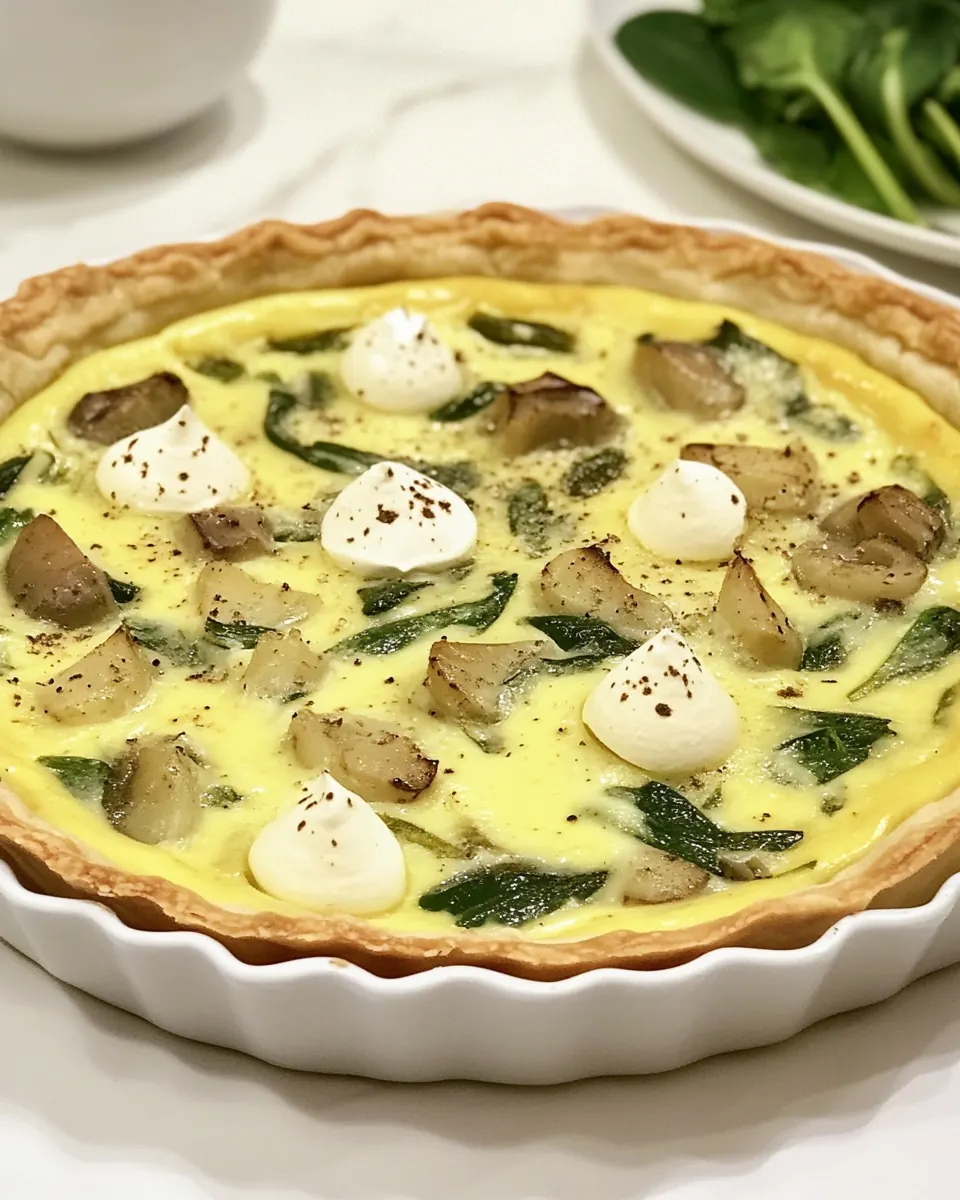
Quiche Florentine
Quiche Florentine is one of those dishes I reach for when I want something that feels both elegant and comfortably homey.
I remember the first time I made this quiche on a rainy spring afternoon, with sunlight sneaking through the kitchen blinds and the scent of melting butter in the air. I had a pile of fresh spinach from the farmer’s market and a block of nutty gruyere cheese that begged to be shredded. As I sautéed the shallots, the kitchen filled with a sweet, savory perfume that made me impatient to taste the filling. The process of rolling out the crust, tucking it into the pan, and listening for that reassuring oven murmur felt like a small ritual, one I now repeat whenever I want to make guests feel cared for.
Over time I learned a few tricks that turn a good quiche into a memorable one. Balancing the custard of eggs and heavy cream so it sets silky yet still slightly wobbly in the center is the magic. Popping the assembled quiche into a preheated oven until the top is golden gives you a crusty edge and a luscious interior. Family members have come to expect this on lazy brunch days, on holiday mornings, and when I need an easy weeknight dinner that feels special without fuss. You can slice it warm, or take it to a picnic since it travels well and tastes great at room temperature. I love how the flavors of the shallot, spinach, and gruyere cheese harmonize, each one supporting the others without overpowering them. That balance is why I keep coming back to Quiche Florentine, again and again.
Recipe Snapshot
1 hr 35 mins
30 mins
65 mins
Medium
450 kcal
French
Keto, Gluten-Free
Dinner
9.5-inch Quiche Pan with Removable Bottom
Why We Love This Quiche Florentine
Classic flavor balance
I adore how Quiche Florentine blends subtle savory notes with creamy richness. The nutty profile of the gruyere cheese complements the mild tang of the custard made from eggs and heavy cream. I find this balance makes every bite feel complete, without needing extra sauces or heavy sides.
Simple technique, impressive results
One reason I keep this recipe in my repertoire is the straightforward method. With a blind baked crust and a quick sauté of spinach and shallots, you transform pantry ingredients into something that looks and tastes like you spent hours. It rewards modest effort with an elegant outcome, which I always appreciate when hosting.
Versatile for any meal
We serve Quiche Florentine at brunch, light dinners, and holiday spreads. It travels well and reheats gracefully, making it ideal for leftovers. I often bring a quiche to potlucks because it’s easy to slice and pairs well with simple salads or roasted vegetables.
Make ahead friendly
I like that you can prepare the filling and the crust in advance. The custard can be mixed and refrigerated briefly while you finish other tasks, and the blind baked crust holds up, so the final bake is quick. This flexibility makes planning a dinner less stressful, and I’ve used the extra time to set the table or crisp up a side.
Comfort with a refined touch
Finally, Quiche Florentine delivers comfort without being heavy. The texture is creamy yet structured, and the flavor profile reads grown up. When I want to make a simple meal feel thoughtful, this recipe is my go to. Guests comment on the golden top and the way the slices hold together, which never fails to make me smile.
Ingredient List for Quiche Florentine
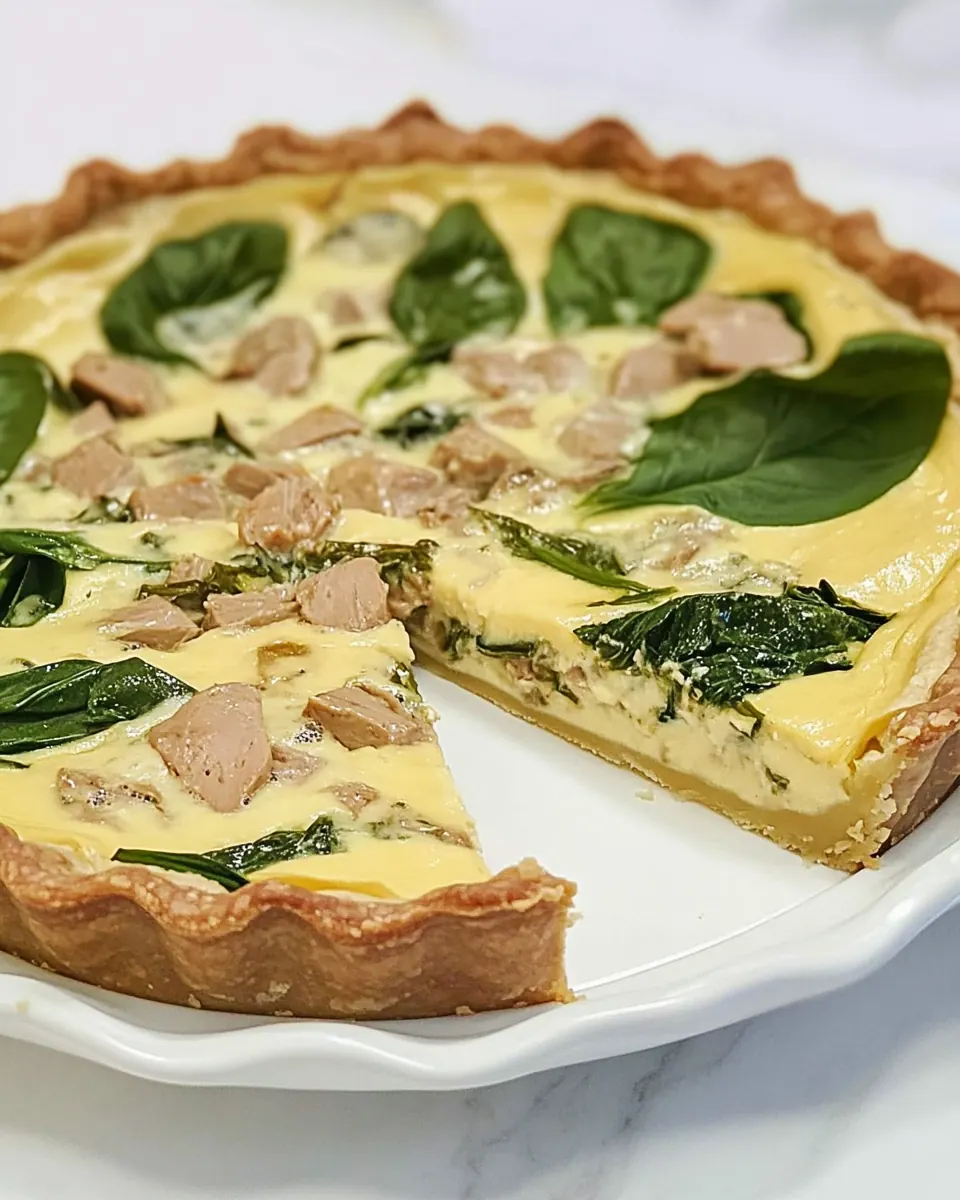
These ingredients are built around a classic French savory custard housed in a crisp crust. The key players are the baked pastry that provides structure, the sautéed spinach and shallots that bring freshness and sweetness, and the eggs with heavy cream which form a silky custard. Finally, the shredded gruyere cheese adds a nutty, melting finish that ties everything together.
- 1/2 recipe pie crust (or a prepared frozen pie crust): Provides a flaky, buttery base that holds the quiche filling; can be homemade or a convenient frozen crust to save time. Blind-bake briefly to prevent sogginess and ensure a crisp edge that complements the rich filling.
- 2 tablespoons butter (unsalted): Adds a rich, silky flavor and helps sauté aromatics; use unsalted butter to control seasoning. Melt gently and cook shallots until translucent to build a savory foundation for the quiche.
- 2 medium shallots (chopped): Contributes a mild, sweet onion flavor and aromatic depth when chopped and softened; cooking until translucent releases natural sugars. Work carefully to avoid browning, which can alter the quiche's delicate taste.
- 1/2 teaspoon pepper (or to taste): Season lightly to balance flavors and enhance the custard's savory profile; adjust to taste. Grind fresh for best aroma and add gradually to avoid overpowering the dish.
- 4 cups spinach (fresh, roughly chopped): Provides bright color, a tender texture, and a mild earthy flavor when roughly chopped; wilts down significantly. Sauté until just wilted to integrate water content and concentrate flavor without making the quiche watery.
- 4 large eggs: Forms the egg custard base that binds all components and sets when baked; use large eggs for consistent texture. Whisk thoroughly to incorporate air and ensure a smooth, even bake.
- 1 1/2 cups heavy cream: Creates a rich, creamy custard when combined with eggs; contributes luscious mouthfeel and helps set the quiche. Pour evenly into the crust and allow flavors to meld before baking for a silky texture.
- 2 cups gruyere cheese (shredded): Delivers nutty, savory richness and melts into the custard for a gooey, flavorful filling; shred for even distribution. Sprinkle evenly to ensure balanced cheese pockets and a golden top when baked.
Putting Together Quiche Florentine
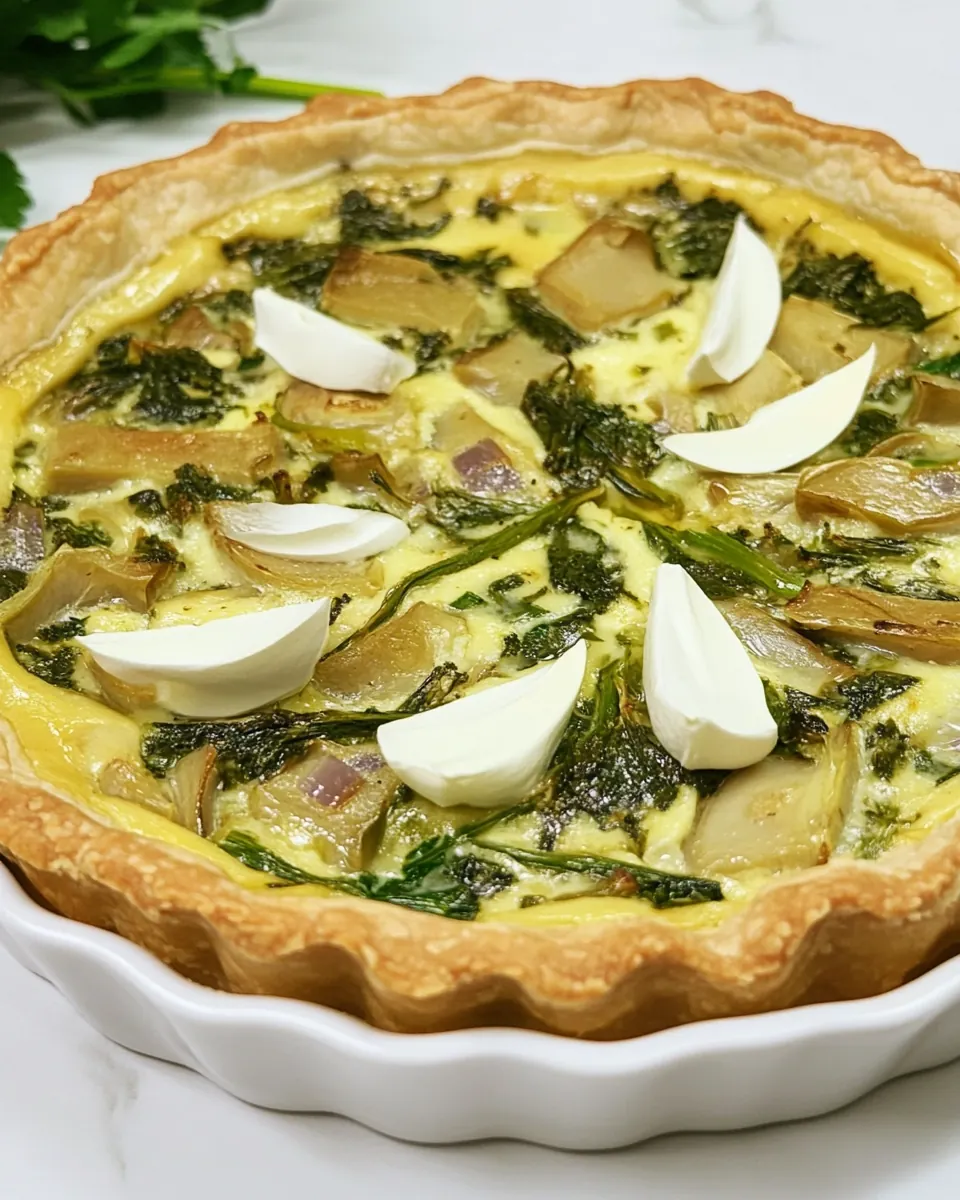
Bringing this quiche together is a satisfying process that moves from butter scented shallots to a golden baked custard. Below I walk you through each step with sensory cues so you can tell when you are right on track. Keep your tools close and your oven preheated for best results.
- Prepare pie crust: If you're making your own pie crust, roll it out and place it in a deeper 9.5-inch quiche pan or a more shallow 11-inch quiche pan, pressing into the corners. Use a rolling pin to roll over the surface of the quiche pan, to cut off the excess dough from the edges. Line the crust with parchment paper and fill it with pie weights or dry beans or rice.: You will hear a faint scraping as the dough meets the pan, and when you press the pie crust into the corners you should feel an even, thin tension under the palm. The tactile feedback tells you the crust is seated correctly, and the rolling pin scraping the rim to trim excess gives a clean edge that bakes uniformly. If the dough feels warm or sticky, chill it briefly to prevent shrinking during blind baking. A common mistake is pressing too hard which can compress the layers and result in a dense crust rather than a flaky one.
- Blind bake the crust (pre-bake): Preheat the oven to 425°F. Bake for 12 to 15 minutes. Remove the pie weights and parchment paper. Reduce the oven heat to 375°F and bake the crust for an additional 5 minutes.: During blind baking you will notice the edges begin to color slightly and the base firms up, emitting a toasty, almost nutty aroma from the butter in the dough. Oven spring happens early, so the pie weights keep the crust from bubbling. After removing the weights and parchment, the base should sound firm when tapped lightly. Avoid underbaking which causes a soggy bottom, and do not let the crust brown too dark as it will keep cooking beneath the filling.
- For store bought pastry: If using store bought pastry, follow the instructions on the package.: When using store bought pastry the packaging instructions are a guideline, but rely on visual cues: the crust should be golden and set. I like to check the base by pressing gently with a spoon to confirm it is firm. Store bought pastry can be thinner, so monitor closely to prevent overbrowning. If the crust softens too much after cooling, a quick reheat on a baking sheet can restore texture.
- Cook the spinach: Add the butter to a large skillet and melt over medium-high heat. Add the shallots and cook for 2 to 3 minutes or until soft and translucent. Season with pepper. Add the chopped spinach and cook for about 2 to 3 minutes until cooked down. Let it cool slightly.: As the butter melts it will hiss softly and then settle into a glossy pool where the shallots will turn translucent and fragrant, releasing natural sugars. Adding the chopped spinach causes a rush of steam and a bright color change, shrinking rapidly as the moisture evaporates. Let the mixture cool so excess steam does not water down the custard. A common issue is leaving too much liquid, which will dilute the custard and create sogginess in the quiche.
- Combine eggs and heavy cream: In a medium sized bowl add the eggs and heavy cream. Whisk well.: When you whisk the eggs and heavy cream together, the mixture should look smooth and slightly glossy, with a uniform pale yellow hue. This emulsion traps the richness that becomes the custard, and whisking ensures even cooking. If the mixture looks curdled or has streaks, whisk longer or strain it to achieve consistency. Over whisking to the point of froth can cause the quiche to puff and then collapse when cooling.
- Assemble the quiche: Sprinkle half the cheese over the bottom of the precooked crust then top with spinach filling. Carefully pour the egg mixture over the spinach. Top with remaining gruyere cheese.: As you layer half the gruyere cheese then the cooled spinach filling, you will notice the tempering of textures, the cheese melting into tiny molten pockets once baked, and the filling settling into place. Pour the custard slowly so it fills voids around the vegetables, watching the surface for bubbles which you can pop with a spoon. One mistake is pouring while the spinach is too hot, which can partially cook the custard prematurely and create an uneven texture.
- Bake: Transfer the quiche onto a baking sheet and bake for 35 to 40 minutes at 375°F until the top is golden. The center should be a bit jiggly but the rest should be set.: In the oven the top will transform from pale to a warm, golden brown and you will hear a low steady hum from the appliance. The filling should jiggle slightly in the center when you gently nudge the pan, indicating a perfect custard set that will finish as it rests. Use the color of the crust and the slight wobble as your cues, and avoid overbaking which dries out the custard and makes it rubbery.
- Rest and serve: Let the quiche cool for 10 to 20 minutes, allowing the quiche to fully set. Cut into slices and serve either warm or at room temperature.: After baking the quiche will emit a concentrated aroma of toasted cheese and butter, and the surface will settle as internal steam escapes. Resting for the recommended time allows the custard to finish setting and makes slicing clean. If you cut too soon, the slices may be runny and lose structure, so patience here rewards you with neat portions that hold shape.
Helpful Hints
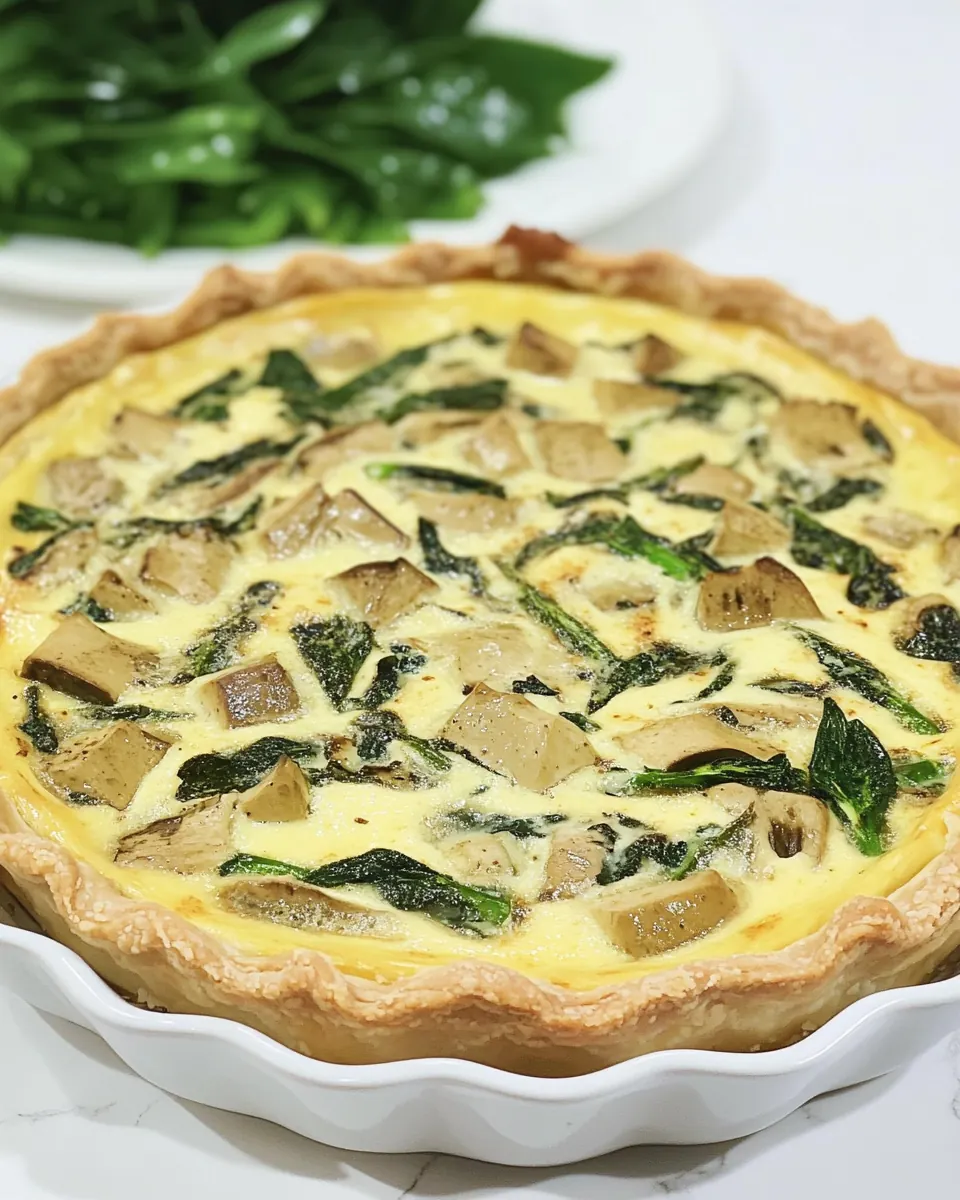
These hints are the small, practical details I rely on every time I make Quiche Florentine. They cover technique, timing, and storage to help you achieve consistent results. Each tip begins with a bold phrase to make it easy to scan while you work.
- Chill the crust: Chilling the dough before blind baking helps prevent shrinkage and preserves flakiness. If the dough feels soft, 15 minutes in the fridge will make it easier to handle and maintain its shape when placed in the hot oven.
- Use room temperature eggs: Room temperature eggs blend more smoothly with the heavy cream, creating a uniform custard. Take them out about 20 to 30 minutes ahead so they reach a neutral temperature for best results.
- Squeeze cooked spinach: Removing excess water from spinach after cooking prevents a watery quiche. I fold the spinach into a clean towel and press firmly, or use a sieve and press with a spoon to expel moisture.
- Layer cheese thoughtfully: Placing some gruyere cheese on the bottom and some on top creates pockets of melted goodness and a golden finish. This distribution also helps the filling bind to the crust for better slice cohesion.
- Watch the wobble: The center should still jiggle slightly when done, which means the custard will finish setting as it cools. Overbaking results in a dry texture, so rely on this sensory cue rather than just the clock.
- Store and reheat properly: Cool the quiche completely, wrap tightly, and refrigerate for up to 2 to 3 days. Reheat slices in a moderate oven until warmed through to preserve texture rather than using the microwave which can make it soggy.
How to Serve Quiche Florentine
Quiche Florentine is incredibly versatile, suitable for brunch, lunch, or a light dinner. It pairs beautifully with fresh salads and roasted vegetables, and it travels well for potlucks and gatherings. Below are several serving ideas and storage suggestions to help you plan the perfect meal.
- Brunch spread: Serve warm slices alongside a tossed green salad with a bright vinaigrette, and add fresh fruit to balance the richness of the custard.
- Light dinner: Accompany slices with roasted root vegetables or a simple grain salad for a satisfying weeknight meal that feels elevated but is easy to prepare.
- Picnic or potluck: Quiche is excellent at room temperature, making it a dependable dish to bring to gatherings. Slice ahead and pack on a platter for easy serving.
- Holiday table: Offer Quiche Florentine as part of a buffet during spring celebrations or leisurely holiday mornings, it sits well next to breads and a variety of salads.
- Storage tips: After cooling, wrap tightly and refrigerate for 2 to 3 days. For longer storage, freeze freshly baked quiche for up to 1 to 2 months and reheat from frozen on a baking sheet until warmed through.
- Serving temperature: Serve warm or at room temperature, both showcase the custard texture differently, warm highlights creaminess while room temperature emphasizes the flavors.
FAQ
Conclusion
Quiche Florentine stands out for its elegant balance of creamy custard, bright spinach, and nutty gruyere, all embraced by a flaky crust. It is approachable enough for weeknight cooking and polished enough for special occasions, which makes it a dependable favorite in my kitchen. Give it a try the next time you want a dish that feels both comforting and refined. I hope it becomes a go to for brunches, light dinners, or gatherings where you want something that travels well and pleases a crowd.

Quiche Florentine
Equipment
- 9.5-inch Quiche Pan with Removable Bottom
Ingredients
- 1/2 recipe pie crust (or a prepared frozen pie crust) Provides a flaky, buttery base that holds the quiche filling; can be homemade or a convenient frozen crust to save time. Blind-bake briefly to prevent sogginess and ensure a crisp edge that complements the rich filling.
- 2 tablespoons butter (unsalted) Adds a rich, silky flavor and helps sauté aromatics; use unsalted butter to control seasoning. Melt gently and cook shallots until translucent to build a savory foundation for the quiche.
- 2 medium shallots (chopped) Contributes a mild, sweet onion flavor and aromatic depth when chopped and softened; cooking until translucent releases natural sugars. Work carefully to avoid browning, which can alter the quiche's delicate taste.
- 1/2 teaspoon pepper (or to taste) Season lightly to balance flavors and enhance the custard's savory profile; adjust to taste. Grind fresh for best aroma and add gradually to avoid overpowering the dish.
- 4 cups spinach (fresh, roughly chopped) Provides bright color, a tender texture, and a mild earthy flavor when roughly chopped; wilts down significantly. Sauté until just wilted to integrate water content and concentrate flavor without making the quiche watery.
- 4 large eggs Forms the egg custard base that binds all components and sets when baked; use large eggs for consistent texture. Whisk thoroughly to incorporate air and ensure a smooth, even bake.
- 1 1/2 cups heavy cream Creates a rich, creamy custard when combined with eggs; contributes luscious mouthfeel and helps set the quiche. Pour evenly into the crust and allow flavors to meld before baking for a silky texture.
- 2 cups gruyere cheese (shredded) Delivers nutty, savory richness and melts into the custard for a gooey, flavorful filling; shred for even distribution. Sprinkle evenly to ensure balanced cheese pockets and a golden top when baked.
Instructions
- Prepare pie crust: If you're making your own pie crust, roll it out and place it in a deeper 9.5-inch quiche pan or a more shallow 11-inch quiche pan, pressing into the corners. Use a rolling pin to roll over the surface of the quiche pan, to cut off the excess dough from the edges. Line the crust with parchment paper and fill it with pie weights or dry beans or rice.: You will hear a faint scraping as the dough meets the pan, and when you press the pie crust into the corners you should feel an even, thin tension under the palm. The tactile feedback tells you the crust is seated correctly, and the rolling pin scraping the rim to trim excess gives a clean edge that bakes uniformly. If the dough feels warm or sticky, chill it briefly to prevent shrinking during blind baking. A common mistake is pressing too hard which can compress the layers and result in a dense crust rather than a flaky one.
- Blind bake the crust (pre-bake): Preheat the oven to 425°F. Bake for 12 to 15 minutes. Remove the pie weights and parchment paper. Reduce the oven heat to 375°F and bake the crust for an additional 5 minutes.: During blind baking you will notice the edges begin to color slightly and the base firms up, emitting a toasty, almost nutty aroma from the butter in the dough. Oven spring happens early, so the pie weights keep the crust from bubbling. After removing the weights and parchment, the base should sound firm when tapped lightly. Avoid underbaking which causes a soggy bottom, and do not let the crust brown too dark as it will keep cooking beneath the filling.
- For store bought pastry: If using store bought pastry, follow the instructions on the package.: When using store bought pastry the packaging instructions are a guideline, but rely on visual cues: the crust should be golden and set. I like to check the base by pressing gently with a spoon to confirm it is firm. Store bought pastry can be thinner, so monitor closely to prevent overbrowning. If the crust softens too much after cooling, a quick reheat on a baking sheet can restore texture.
- Cook the spinach: Add the butter to a large skillet and melt over medium-high heat. Add the shallots and cook for 2 to 3 minutes or until soft and translucent. Season with pepper. Add the chopped spinach and cook for about 2 to 3 minutes until cooked down. Let it cool slightly.: As the butter melts it will hiss softly and then settle into a glossy pool where the shallots will turn translucent and fragrant, releasing natural sugars. Adding the chopped spinach causes a rush of steam and a bright color change, shrinking rapidly as the moisture evaporates. Let the mixture cool so excess steam does not water down the custard. A common issue is leaving too much liquid, which will dilute the custard and create sogginess in the quiche.
- Combine eggs and heavy cream: In a medium sized bowl add the eggs and heavy cream. Whisk well.: When you whisk the eggs and heavy cream together, the mixture should look smooth and slightly glossy, with a uniform pale yellow hue. This emulsion traps the richness that becomes the custard, and whisking ensures even cooking. If the mixture looks curdled or has streaks, whisk longer or strain it to achieve consistency. Over whisking to the point of froth can cause the quiche to puff and then collapse when cooling.
- Assemble the quiche: Sprinkle half the cheese over the bottom of the precooked crust then top with spinach filling. Carefully pour the egg mixture over the spinach. Top with remaining gruyere cheese.: As you layer half the gruyere cheese then the cooled spinach filling, you will notice the tempering of textures, the cheese melting into tiny molten pockets once baked, and the filling settling into place. Pour the custard slowly so it fills voids around the vegetables, watching the surface for bubbles which you can pop with a spoon. One mistake is pouring while the spinach is too hot, which can partially cook the custard prematurely and create an uneven texture.
- Bake: Transfer the quiche onto a baking sheet and bake for 35 to 40 minutes at 375°F until the top is golden. The center should be a bit jiggly but the rest should be set.: In the oven the top will transform from pale to a warm, golden brown and you will hear a low steady hum from the appliance. The filling should jiggle slightly in the center when you gently nudge the pan, indicating a perfect custard set that will finish as it rests. Use the color of the crust and the slight wobble as your cues, and avoid overbaking which dries out the custard and makes it rubbery.
- Rest and serve: Let the quiche cool for 10 to 20 minutes, allowing the quiche to fully set. Cut into slices and serve either warm or at room temperature.: After baking the quiche will emit a concentrated aroma of toasted cheese and butter, and the surface will settle as internal steam escapes. Resting for the recommended time allows the custard to finish setting and makes slicing clean. If you cut too soon, the slices may be runny and lose structure, so patience here rewards you with neat portions that hold shape.
Notes
- Chill the crust: Chilling the dough before blind baking helps prevent shrinkage and preserves flakiness. If the dough feels soft, 15 minutes in the fridge will make it easier to handle and maintain its shape when placed in the hot oven.
- Use room temperature eggs: Room temperature eggs blend more smoothly with the heavy cream, creating a uniform custard. Take them out about 20 to 30 minutes ahead so they reach a neutral temperature for best results.
- Squeeze cooked spinach: Removing excess water from spinach after cooking prevents a watery quiche. I fold the spinach into a clean towel and press firmly, or use a sieve and press with a spoon to expel moisture.
- Layer cheese thoughtfully: Placing some gruyere cheese on the bottom and some on top creates pockets of melted goodness and a golden finish. This distribution also helps the filling bind to the crust for better slice cohesion.
- Watch the wobble: The center should still jiggle slightly when done, which means the custard will finish setting as it cools. Overbaking results in a dry texture, so rely on this sensory cue rather than just the clock.
- Store and reheat properly: Cool the quiche completely, wrap tightly, and refrigerate for up to 2 to 3 days. Reheat slices in a moderate oven until warmed through to preserve texture rather than using the microwave which can make it soggy.