Smothered Meatballs
Smothered Meatballs is the kind of dish I turn to when I want comfort that hugs you back, a skillet supper that smells like home and tastes like a warm memory. I first learned to make these on a blustery winter evening when I needed something hearty after a long day, and the savory aroma of browned ground beef and caramelizing onion filled the house and immediately calmed me. That first batch taught me how simple ingredients, treated with patience, can yield something extraordinary.
I still remember the little rituals that make this recipe feel like mine. Rolling the mixture into evenly sized balls, the satisfying weight of a scoop in my hand, the hiss when the meat meets hot oil, and the slow coaxing of flavor from sliced onion into a glossy gravy. Each step is tactile, and every decision nudges the end result toward a silky, rich plate that pairs perfectly with creamy mashed potatoes or broad egg noodles.
Over time I adjusted the seasonings, learned when to add the butter for depth, and discovered that letting the meatballs simmer in the gravy for a short finish keeps them tender and juicy. I like to serve them with a scattering of fresh parsley because that bright note lifts the dish, making it feel balanced rather than heavy. Friends always ask for the recipe, and I confess I love the way their eyes soften the first time they taste it.
Recipe Snapshot
55 mins
15 mins
40 mins
Medium
350 kcal
American
Gluten-Free, Low FODMAP
Dinner
10 to 12 inch skillet, Baking sheet, Parchment paper, Mixing bowl, Whisk, Scoop
What We Adore About This Smothered Meatballs
Comfort Food That Feels Homemade
I adore how Smothered Meatballs instantly reads as a family dinner. The combination of seared ground beef and a velvety onion gravy yields a texture that is both tender and indulgent. When I serve this, people relax, lean in, and dig their forks in without hesitation. It has that classic, nostalgic energy that makes weekday meals feel like an occasion.
Multi Layered Flavor from Simple Techniques
The magic here is technique, not fuss. Browning the meatballs properly gives them a caramelized crust, while sautéing sliced onion slowly builds sweet, savory depth. I personally insist on whisking the beef broth in slowly to keep the gravy lump free, and adding a splash of Worcestershire sauce brings an umami backbone that ties everything together. These small moves create complexity from pantry staples.
Comforting Texture Contrast
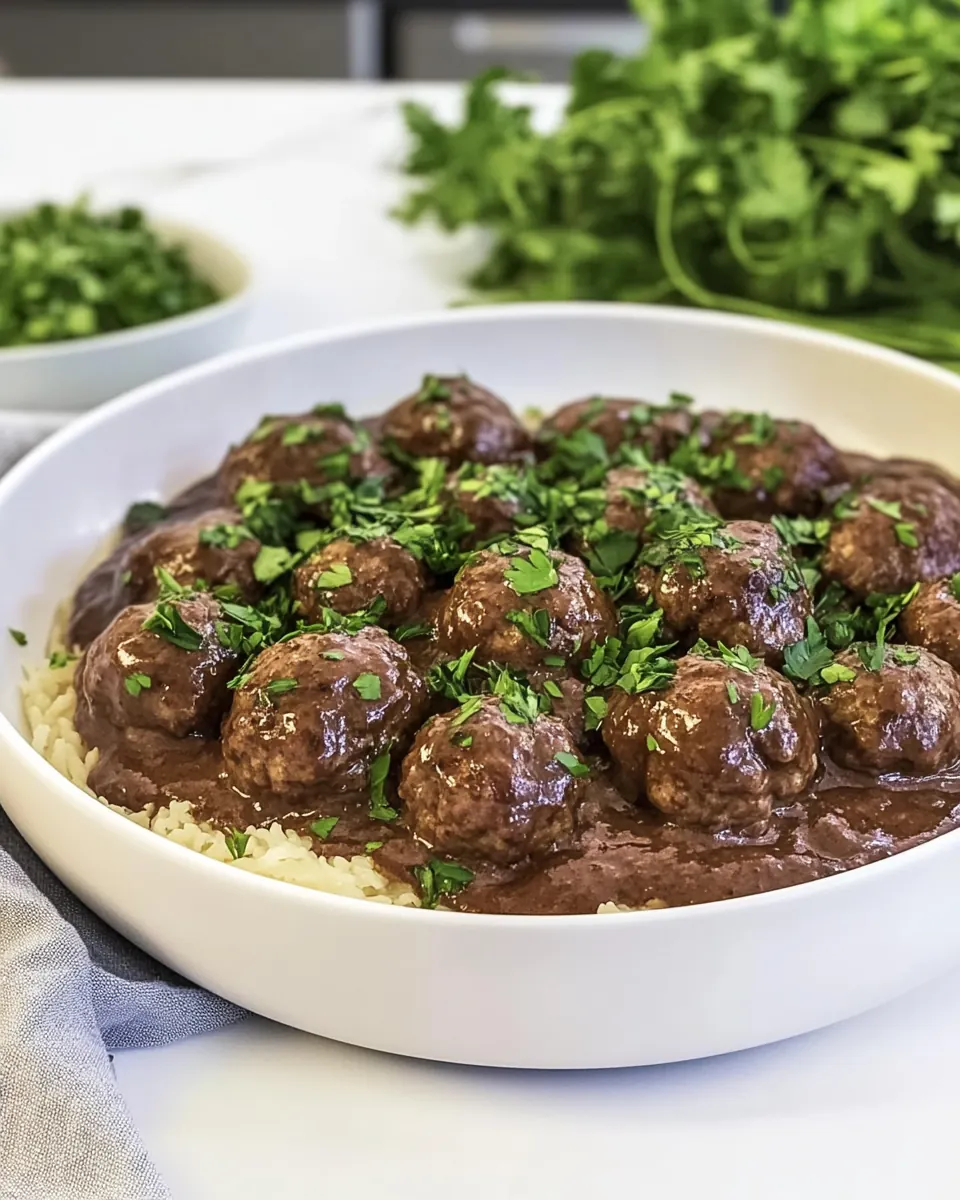
The contrast between the crisp sear on the outside of the meatballs and the tender interior is one reason I keep coming back to this recipe. The gravy is glossy and slightly thick, coating the meatballs so every bite is moist and satisfying. I like how it clings to mashed potatoes or noodles, making each mouthful cohesive and complete.
Quick Enough for Weeknights, Special Enough for Guests
I often make Smothered Meatballs on busy evenings because the assembly is straightforward and the payoff is immediate. Still, it presents beautifully for company. The recipe scales easily, and with a few pans you can have a comforting main on the table in under an hour, leaving you time to relax with your guests instead of fussing in the kitchen.
Small Touches Make a Big Difference
I always finish with a pat of butter and a sprinkle of fresh parsley, because those last moments are where the dish comes alive. The butter adds silk and sheen, and the parsley brings a green pop that prevents the plate from feeling too heavy. These little details are why I keep this recipe in regular rotation.
Main Ingredients for Smothered Meatballs
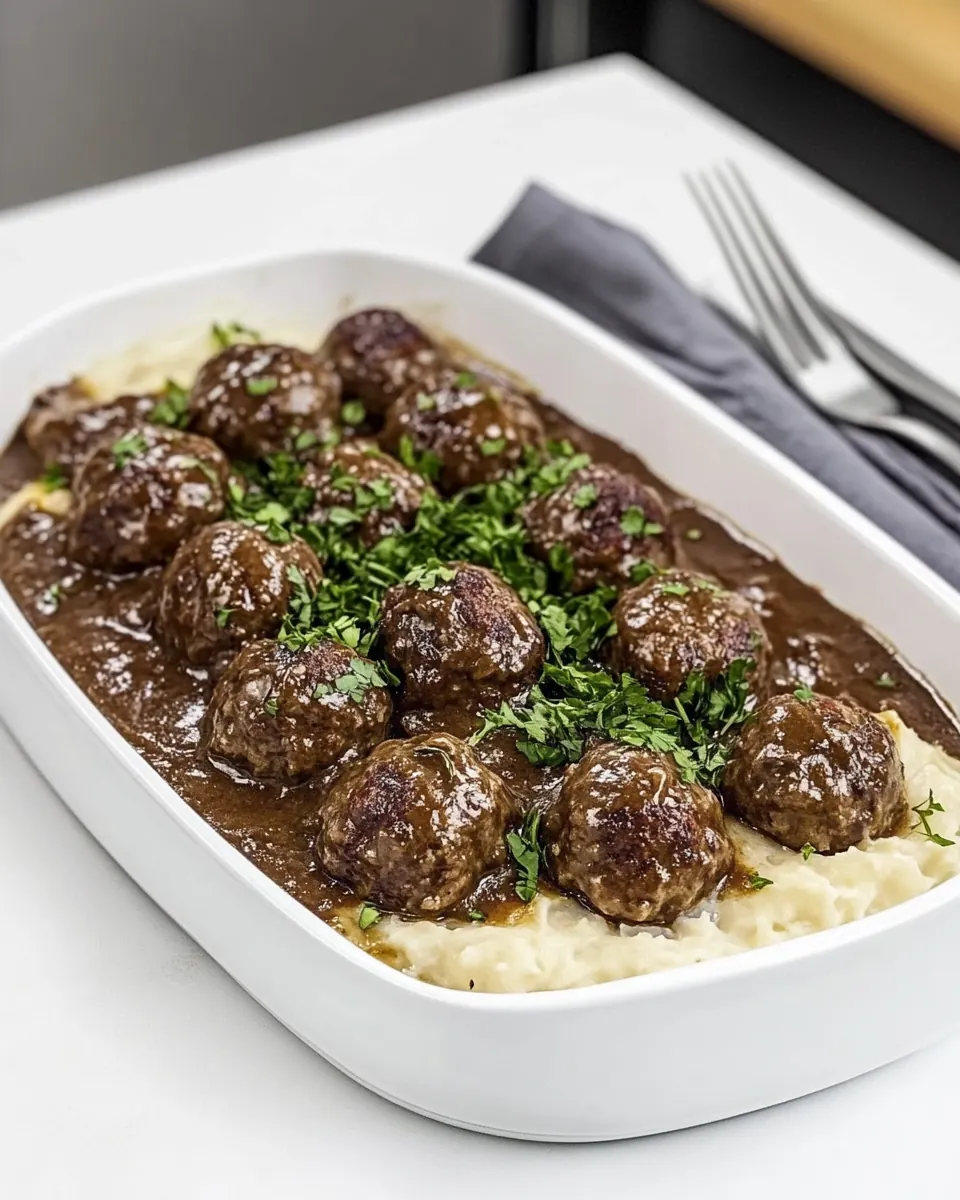
These ingredients read like a comforting roster of pantry and fridge staples that work in harmony. The key players are the seasoned ground beef for body and protein, the onion for sweet backbone, and the flour with beef broth to make a velvety gravy. The dairy and breadcrumbs keep the meatballs tender while the seasonings add familiar warmth.
- 1 pound lean ground beef (I used 93% lean/7% fat ground beef): Provide ground beef as the primary protein, forming meatballs that stay juicy and tender when cooked; its fat content adds flavor and moisture during searing and simmering.
- 1 large egg (well beaten): Bind the mixture by incorporating beaten egg, which helps hold the meatballs together and creates a cohesive texture during cooking.
- 1/4 cup plain breadcrumbs: Add plain breadcrumbs to absorb moisture and lighten the meatball mixture, preventing density while contributing gentle structure.
- 3 tablespoons whole milk: Moisten the breadcrumb mixture with whole milk to ensure a tender crumb and help distribute moisture evenly throughout the meatballs.
- 1 tablespoon garlic (minced): Enhance savory flavor with minced garlic, offering aromatic depth and a mild pungency that complements the beef and sauce.
- 1/4 cup parmesan cheese (freshly shredded): Introduce freshly shredded parmesan cheese for salty, nutty umami that enriches the meatball interior and adds complexity.
- 3 tablespoons sweet yellow onion (finely diced): Provide a small amount of finely diced sweet yellow onion to add subtle sweetness and texture within the meatballs themselves.
- 2 teaspoons Worcestershire sauce: Boost savory depth with Worcestershire sauce, contributing tangy, umami-rich notes that complement the beef flavor.
- 1 teaspoon Italian seasoning: Season the mixture with Italian seasoning to introduce a blend of dried herbs like oregano and basil, delivering aromatic Mediterranean flavors.
- 1 teaspoon kosher salt: Season evenly with kosher salt to enhance overall flavor and balance the richness of the beef and cheese in the meatballs.
- 1 teaspoon fresh cracked black pepper: Season with fresh cracked black pepper to add a piquant, slightly sharp note that brightens the savory profile of the meatballs.
- 2 to 3 tablespoons olive oil (extra virgin): Sear the meatballs in extra virgin olive oil to create a flavorful browned crust while preventing sticking during cooking.
- 2 tablespoons salted butter (sliced into pats): Melt salted butter in the pan to enrich the sauce base with creamy richness and to help develop a glossy finish.
- 2 cups sweet yellow onion (thinly sliced (a medium-large onion)): Provide thinly sliced sweet yellow onion to form the bulk of the smothering sauce, caramelizing down to sweet, savory strands.
- 3 tablespoons all-purpose flour: Thicken the sauce by sprinkling all-purpose flour and cooking briefly to form a roux that will help the gravy cling to the meatballs.
- 1 1/2 cups beef broth: Deglaze and build savory body with beef broth, adding meaty depth and a liquid base for the smothering gravy.
- 1 teaspoon Worcestershire sauce: Enhance sauce complexity with a second addition of Worcestershire sauce, reinforcing savory, tangy undertones in the gravy.
- 2 teaspoons kitchen bouquet (or your favorite browning and seasoning sauce): Darken and deepen gravy color and flavor with kitchen bouquet or browning sauce, adding concentrated umami and caramelized notes.
- 1/2 cup water: Adjust sauce consistency with water as needed, thinning the gravy to achieve the desired simmering texture and coating ability.
- 1/2 teaspoon kosher salt: Season the gravy further with kosher salt to balance flavors after reduction and to ensure the sauce complements the meatballs.
- 1/2 teaspoon fresh cracked black pepper: Season with fresh cracked black pepper to finish the gravy, adding a subtle heat and bright contrast to the rich sauce.
- 2 teaspoons chopped fresh parsley ( garnish) (optional): Garnish with chopped fresh parsley to add a bright, herbaceous finish and a pop of color that balances richness.
Instructions for Smothered Meatballs
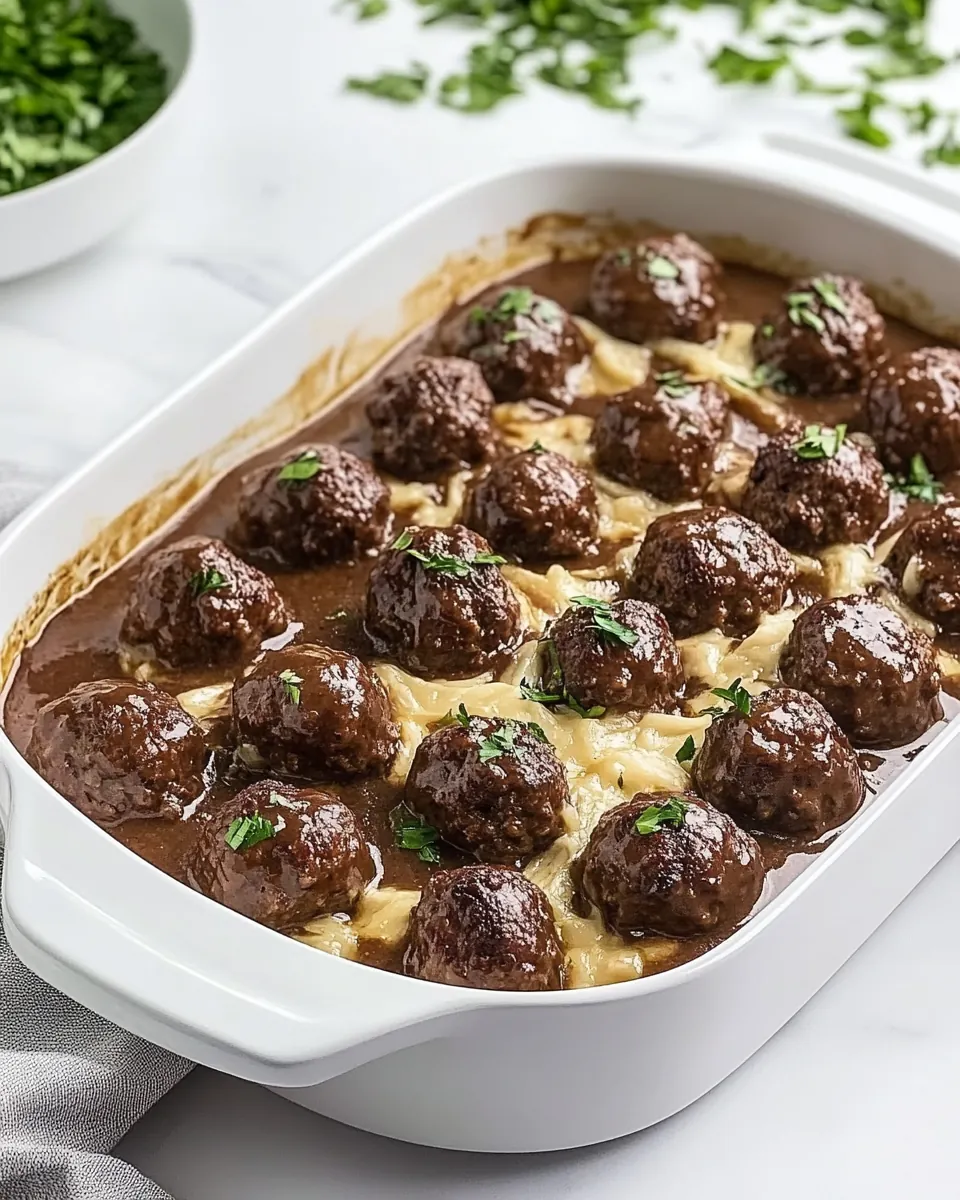
These instructions walk you through the rhythm of assembly, sear, and simmer. The method moves from forming meatballs to pan frying, then to coaxing a savory onion gravy that finishes the dish. Read each step, tune into the sensory cues, and trust your skillet.
- Line a baking sheet with parchment paper or heavy-duty aluminum foil. Set it aside.: You will notice a tidy surface ready to receive the formed meatballs, which saves time and keeps cleanup easy. The cool, slightly textured feel of parchment or foil prevents sticking and helps the meatballs rest without losing shape. A common mistake is skipping this step and having meatballs stick to a bare sheet, which makes transferring them messy, so take the moment to line the pan and set it by the work area.
- Combine ground beef, egg, breadcrumbs, milk, garlic, parmesan cheese, onion, Worcestershire sauce, Italian seasoning, kosher salt, and cracked black pepper in a large bowl.: At first you will sense the mingling aromas of garlic , parmesan cheese , and seasoning as you fold the ingredients, and the texture will shift from loose to slightly tacky as the egg and milk bind the mixture. This step matters because even distribution of seasoning and binders ensures consistent flavor and structure in every meatball. A frequent error is overmixing, which tightens the proteins and yields dense meatballs, so gently fold until just combined.
- Use a 1 1/2-tablespoon scoop to scoop out the meatball filling. Roll the ground beef mixture into a tight ball. Place the meatball on the prepared baking sheet and repeat (I was able to get 24 meatballs).: You will feel the satisfying weight of each uniform portion in your hand, and a tight roll helps create a sealed surface that browns evenly. Uniform size ensures even cooking times and a consistent finished texture. If you make them unevenly, smaller meatballs will overcook while larger ones remain underdone, so stick with a consistent scoop and gentle compacting.
- Heat 2-3 tablespoons extra virgin olive oil in a 10 to 12-inch skillet over medium heat. (Be sure the oil is hot but not smoking before adding the meatballs. That way, you will get a nice sear without burning the meatballs.) Fry the meatballs, turning them to brown on all sides, for about 8-10 minutes or until cooked through. (If you use a smaller skillet, you may need to fry the meatballs in batches to ensure they cook evenly. If you overcrowd the skillet, you will steam the meatballs instead of frying) Transfer the meatballs to a plate lined with paper towels to drain.: As the oil warms, listen for a steady, energetic sizzle when a meatball first hits the pan; that sound signals a proper sear. Visually, you want deep, golden brown edges without blackened spots, which gives you flavor through the Maillard reaction. The interior should be tender and cooked through, and pressing lightly will reveal spring and juiciness rather than collapse. A typical misstep is crowding the pan, which cools the oil and causes steaming, so leave space between meatballs and work in batches if necessary.
- In the same skillet, melt the butter over medium heat.: The residual fond left in the pan will dissolve into the melting butter , releasing complex browned bits and deep flavor. You may hear a gentle bubbling as the butter softens, and the pan will develop a glossy sheen. This step builds the base for your gravy, so do not rush the melt. Avoid letting the butter brown too quickly, because burnt butter can introduce bitterness.
- Add the sliced onion and sauté until translucent.: As the onion softens, you will notice its aroma shift from sharp to sweet, and the pan will fill with a warm, savory perfume. Sautéing slowly coaxed sugars from the onion, which form the backbone of the gravy. Texturally, the onion should become soft and glossy, not crisp or charred. If you raise the heat too high, you may char the edges rather than develop even sweetness.
- Sprinkle the flour over the cooked onions, stirring constantly, for 1-2 minutes.: The flour will absorb the onion fat and start to toast, creating a nutty scent and a roux that thickens the gravy. Stirring keeps the flour from forming lumps and removes the raw flour taste. You will see the mixture darken slightly and become pastier, which indicates readiness. A common error is adding liquid too soon, which leads to lumps, so ensure the flour cooks briefly before proceeding.
- Slowly whisk in the beef broth to ensure there are no lumps. Add the Worcestershire sauce, kitchen bouquet, and water. Bring the mixture to a simmer and let it thicken, stirring occasionally. Season with salt and pepper to taste.: As you whisk in the beef broth , watch the sauce transform from pasty to silky, and listen for a low, steady simmer which signals reduction. The gravy will darken and thicken, coating the whisk and the back of a spoon. The added Worcestershire sauce and kitchen bouquet deepen the savory profile and color, and small adjustments of salt and black pepper at the end allow you to fine tune balance. If you simmer too vigorously, the sauce can reduce too much and taste concentrated, so keep it at a gentle simmer.
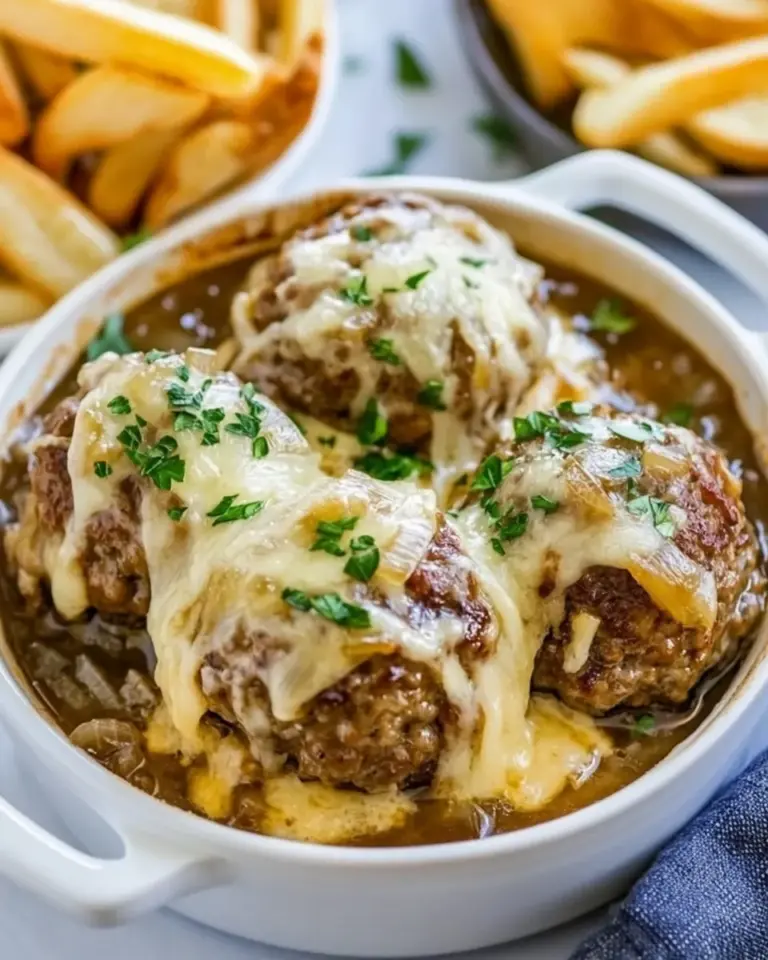
- Once the gravy is thickened, add the pan-fried meatballs to the skillet. Let the meatballs simmer in the gravy for 2-3 minutes. Garnish with the chopped fresh parsley. Serve immediately over mashed potatoes or cooked egg noodles.: The final simmer lets the meatballs absorb some gravy and finish cooking evenly, resulting in interiors that are moist and fully flavored. You will see the sauce cling to each meatball, becoming glossy and slightly reduced, and the aroma will be a richer composite of beef and sweet onion. A common oversight is leaving them in the gravy too long, which can break down the meatball texture, so keep this brief and watch for tenderness. Finish with a scattering of fresh parsley to brighten the plate before serving immediately over mashed potatoes or noodles.
Ways to Customize
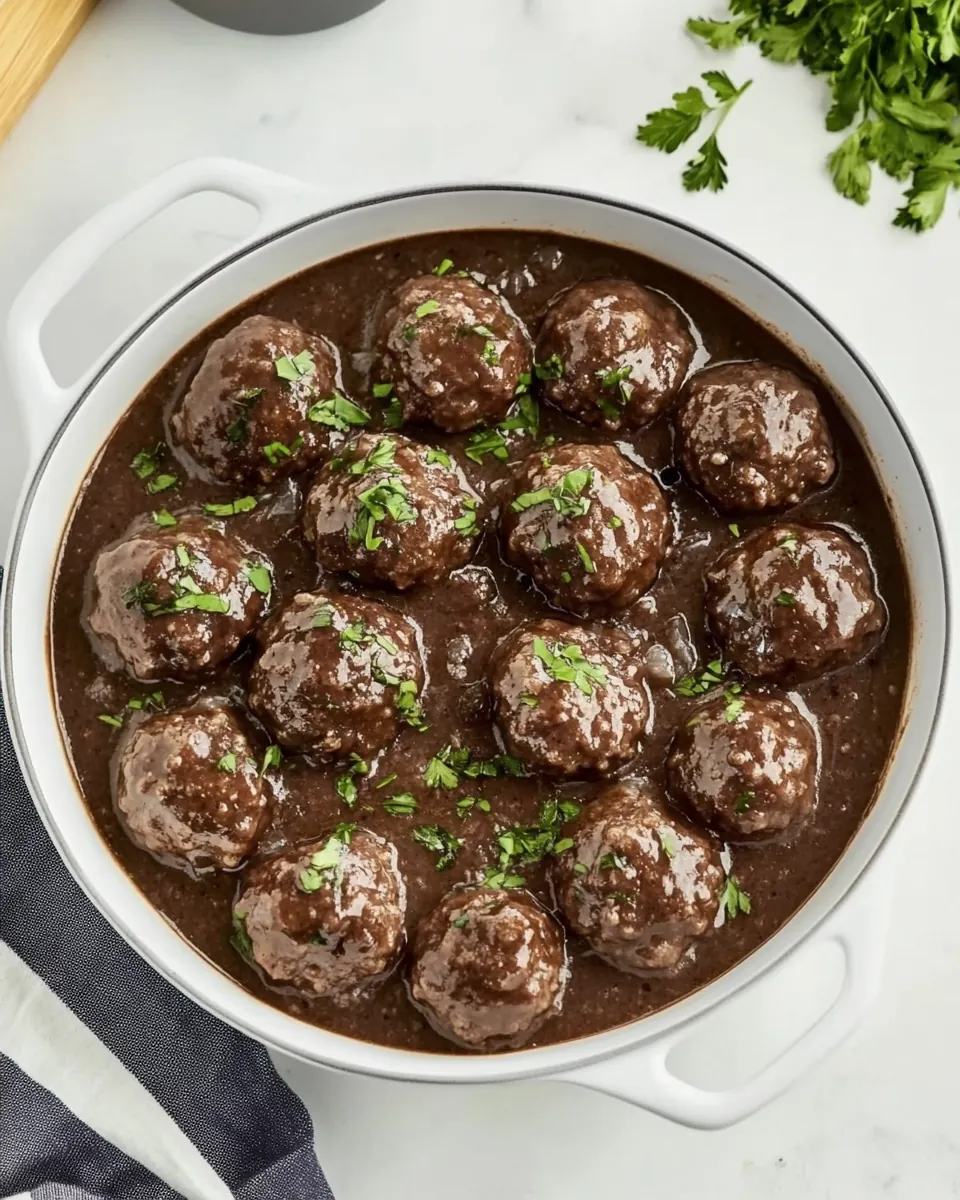
You can make small adjustments to personalize the dish while keeping the core method intact. Below are practical, flavor forward tips that respect the original recipe and help you adapt it to what you have on hand or the mood you are cooking for.
- Adjust the seasoning levels: Taste the gravy before adding the meatballs and tweak salt and black pepper gradually so you don’t oversalt, especially if your beef broth is already salty.
- Control the sear: Heat the oil until it shimmers but does not smoke; this gives you good browning on the ground beef exterior without burning, which adds deep, savory notes.
- Swap breadcrumb textures: If you prefer a finer crumb, pulse plain breadcrumbs in a food processor; finer crumbs distribute moisture differently and can make meatballs slightly denser, so adjust the milk if needed.
- Onion sweetness: Cook the sliced onion lower and longer for more caramelized, jam like notes, which will make the gravy sweeter and more complex.
- Finish with butter: Stirring in sliced pats of butter at the end will give the gravy silk and sheen, improving mouthfeel and presentation.
What to Serve With Smothered Meatballs
Smothered Meatballs pairs easily with classic sides and cozy accompaniments. Think creamy, starchy bases that soak up the gravy, along with seasonal vegetables to balance richness. Below are serving ideas that work for weeknight dinners, family gatherings, or a comforting solo meal.
- Mashed potatoes: Smooth, buttery mashed potatoes are a traditional match because they soak up the gravy and provide a neutral, creamy counterpoint to the savory meatballs.
- Egg noodles: Broad cooked egg noodles catch the gravy and create a hearty, homestyle pairing that feels like Sunday supper any night of the week.
- Steamed vegetables: Lightly steamed green beans or broccoli add color and a fresh textural contrast to the rich gravy, balancing the plate.
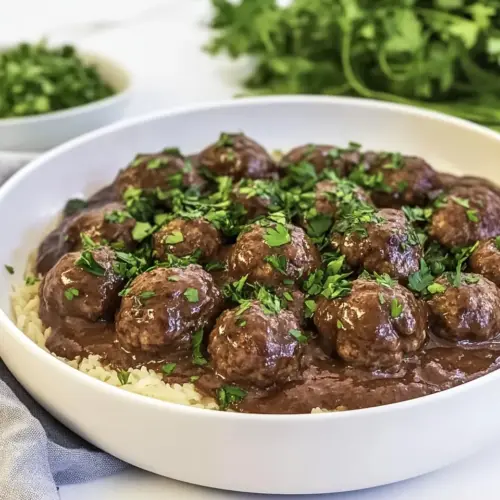
- Rice: Fluffy white or brown rice will absorb the sauce and make the meal stretch for more servings, practical for feeding a crowd.
- Simple salad: A crisp green salad with a bright vinaigrette cuts through the richness and introduces a refreshing bite between spoonfuls of gravy.
- Occasions: This dish works for cozy winter dinners, casual family gatherings, and comfort food nights when you want something familiar and nourishing.
- Storage tips: Store leftover meatballs and gravy in an airtight container in the refrigerator for up to three days, reheat gently on the stovetop so the gravy doesn’t separate.
- Make ahead notes: You can form the meatballs a day ahead and refrigerate them on the lined baking sheet, then sear and finish the next day to save time when cooking.
FAQ
Conclusion
Smothered Meatballs stands out because it transforms simple pantry ingredients into a deeply satisfying, soulful meal with minimal fuss. The combination of seared meatballs and a slowly built onion gravy creates a comforting texture and layered flavor that makes it ideal for both weeknights and casual gatherings. Give it a try the next time you crave something warm and hearty; you might find it becomes a new family favorite. I hope this recipe brings you the same cozy satisfaction it has brought me, and that each bite feels like a small celebration of home cooking.
Smothered Meatballs
Equipment
- 10 to 12 inch skillet
- Baking Sheet
- Parchment Paper
- Mixing Bowl
- Whisk
- Scoop
Ingredients
- 1 pound lean ground beef (I used 93% lean/7% fat ground beef) Provide ground beef as the primary protein, forming meatballs that stay juicy and tender when cooked; its fat content adds flavor and moisture during searing and simmering.
- 1 large egg (well beaten) Bind the mixture by incorporating beaten egg, which helps hold the meatballs together and creates a cohesive texture during cooking.
- 1/4 cup plain breadcrumbs Add plain breadcrumbs to absorb moisture and lighten the meatball mixture, preventing density while contributing gentle structure.
- 3 tablespoons whole milk Moisten the breadcrumb mixture with whole milk to ensure a tender crumb and help distribute moisture evenly throughout the meatballs.
- 1 tablespoon garlic (minced) Enhance savory flavor with minced garlic, offering aromatic depth and a mild pungency that complements the beef and sauce.
- 1/4 cup parmesan cheese (freshly shredded) Introduce freshly shredded parmesan cheese for salty, nutty umami that enriches the meatball interior and adds complexity.
- 3 tablespoons sweet yellow onion (finely diced) Provide a small amount of finely diced sweet yellow onion to add subtle sweetness and texture within the meatballs themselves.
- 2 teaspoons Worcestershire sauce Boost savory depth with Worcestershire sauce, contributing tangy, umami-rich notes that complement the beef flavor.
- 1 teaspoon Italian seasoning Season the mixture with Italian seasoning to introduce a blend of dried herbs like oregano and basil, delivering aromatic Mediterranean flavors.
- 1 teaspoon kosher salt Season evenly with kosher salt to enhance overall flavor and balance the richness of the beef and cheese in the meatballs.
- 1 teaspoon fresh cracked black pepper Season with fresh cracked black pepper to add a piquant, slightly sharp note that brightens the savory profile of the meatballs.
- 2 to 3 tablespoons olive oil (extra virgin) Sear the meatballs in extra virgin olive oil to create a flavorful browned crust while preventing sticking during cooking.
- 2 tablespoons salted butter (sliced into pats) Melt salted butter in the pan to enrich the sauce base with creamy richness and to help develop a glossy finish.
- 2 cups sweet yellow onion (thinly sliced (a medium-large onion)) Provide thinly sliced sweet yellow onion to form the bulk of the smothering sauce, caramelizing down to sweet, savory strands.
- 3 tablespoons all-purpose flour Thicken the sauce by sprinkling all-purpose flour and cooking briefly to form a roux that will help the gravy cling to the meatballs.
- 1 1/2 cups beef broth Deglaze and build savory body with beef broth, adding meaty depth and a liquid base for the smothering gravy.
- 1 teaspoon Worcestershire sauce Enhance sauce complexity with a second addition of Worcestershire sauce, reinforcing savory, tangy undertones in the gravy.
- 2 teaspoons kitchen bouquet (or your favorite browning and seasoning sauce) Darken and deepen gravy color and flavor with kitchen bouquet or browning sauce, adding concentrated umami and caramelized notes.
- 1/2 cup water Adjust sauce consistency with water as needed, thinning the gravy to achieve the desired simmering texture and coating ability.
- 1/2 teaspoon kosher salt Season the gravy further with kosher salt to balance flavors after reduction and to ensure the sauce complements the meatballs.
- 1/2 teaspoon fresh cracked black pepper Season with fresh cracked black pepper to finish the gravy, adding a subtle heat and bright contrast to the rich sauce.
- 2 teaspoons chopped fresh parsley (optional garnish) Garnish with chopped fresh parsley to add a bright, herbaceous finish and a pop of color that balances richness.
Instructions
- Line a baking sheet with parchment paper or heavy-duty aluminum foil. Set it aside.: You will notice a tidy surface ready to receive the formed meatballs, which saves time and keeps cleanup easy. The cool, slightly textured feel of parchment or foil prevents sticking and helps the meatballs rest without losing shape. A common mistake is skipping this step and having meatballs stick to a bare sheet, which makes transferring them messy, so take the moment to line the pan and set it by the work area.
- Combine ground beef, egg, breadcrumbs, milk, garlic, parmesan cheese, onion, Worcestershire sauce, Italian seasoning, kosher salt, and cracked black pepper in a large bowl.: At first you will sense the mingling aromas of garlic , parmesan cheese , and seasoning as you fold the ingredients, and the texture will shift from loose to slightly tacky as the egg and milk bind the mixture. This step matters because even distribution of seasoning and binders ensures consistent flavor and structure in every meatball. A frequent error is overmixing, which tightens the proteins and yields dense meatballs, so gently fold until just combined.
- Use a 1 1/2-tablespoon scoop to scoop out the meatball filling. Roll the ground beef mixture into a tight ball. Place the meatball on the prepared baking sheet and repeat (I was able to get 24 meatballs).: You will feel the satisfying weight of each uniform portion in your hand, and a tight roll helps create a sealed surface that browns evenly. Uniform size ensures even cooking times and a consistent finished texture. If you make them unevenly, smaller meatballs will overcook while larger ones remain underdone, so stick with a consistent scoop and gentle compacting.
- Heat 2-3 tablespoons extra virgin olive oil in a 10 to 12-inch skillet over medium heat. (Be sure the oil is hot but not smoking before adding the meatballs. That way, you will get a nice sear without burning the meatballs.) Fry the meatballs, turning them to brown on all sides, for about 8-10 minutes or until cooked through. (If you use a smaller skillet, you may need to fry the meatballs in batches to ensure they cook evenly. If you overcrowd the skillet, you will steam the meatballs instead of frying) Transfer the meatballs to a plate lined with paper towels to drain.: As the oil warms, listen for a steady, energetic sizzle when a meatball first hits the pan; that sound signals a proper sear. Visually, you want deep, golden brown edges without blackened spots, which gives you flavor through the Maillard reaction. The interior should be tender and cooked through, and pressing lightly will reveal spring and juiciness rather than collapse. A typical misstep is crowding the pan, which cools the oil and causes steaming, so leave space between meatballs and work in batches if necessary.
- In the same skillet, melt the butter over medium heat.: The residual fond left in the pan will dissolve into the melting butter , releasing complex browned bits and deep flavor. You may hear a gentle bubbling as the butter softens, and the pan will develop a glossy sheen. This step builds the base for your gravy, so do not rush the melt. Avoid letting the butter brown too quickly, because burnt butter can introduce bitterness.
- Add the sliced onion and sauté until translucent.: As the onion softens, you will notice its aroma shift from sharp to sweet, and the pan will fill with a warm, savory perfume. Sautéing slowly coaxed sugars from the onion, which form the backbone of the gravy. Texturally, the onion should become soft and glossy, not crisp or charred. If you raise the heat too high, you may char the edges rather than develop even sweetness.
- Sprinkle the flour over the cooked onions, stirring constantly, for 1-2 minutes.: The flour will absorb the onion fat and start to toast, creating a nutty scent and a roux that thickens the gravy. Stirring keeps the flour from forming lumps and removes the raw flour taste. You will see the mixture darken slightly and become pastier, which indicates readiness. A common error is adding liquid too soon, which leads to lumps, so ensure the flour cooks briefly before proceeding.
- Slowly whisk in the beef broth to ensure there are no lumps. Add the Worcestershire sauce, kitchen bouquet, and water. Bring the mixture to a simmer and let it thicken, stirring occasionally. Season with salt and pepper to taste.: As you whisk in the beef broth , watch the sauce transform from pasty to silky, and listen for a low, steady simmer which signals reduction. The gravy will darken and thicken, coating the whisk and the back of a spoon. The added Worcestershire sauce and kitchen bouquet deepen the savory profile and color, and small adjustments of salt and black pepper at the end allow you to fine tune balance. If you simmer too vigorously, the sauce can reduce too much and taste concentrated, so keep it at a gentle simmer.
- Once the gravy is thickened, add the pan-fried meatballs to the skillet. Let the meatballs simmer in the gravy for 2-3 minutes. Garnish with the chopped fresh parsley. Serve immediately over mashed potatoes or cooked egg noodles.: The final simmer lets the meatballs absorb some gravy and finish cooking evenly, resulting in interiors that are moist and fully flavored. You will see the sauce cling to each meatball, becoming glossy and slightly reduced, and the aroma will be a richer composite of beef and sweet onion. A common oversight is leaving them in the gravy too long, which can break down the meatball texture, so keep this brief and watch for tenderness. Finish with a scattering of fresh parsley to brighten the plate before serving immediately over mashed potatoes or noodles.
Notes
- Adjust the seasoning levels: Taste the gravy before adding the meatballs and tweak salt and black pepper gradually so you don’t oversalt, especially if your beef broth is already salty.
- Control the sear: Heat the oil until it shimmers but does not smoke; this gives you good browning on the ground beef exterior without burning, which adds deep, savory notes.
- Swap breadcrumb textures: If you prefer a finer crumb, pulse plain breadcrumbs in a food processor; finer crumbs distribute moisture differently and can make meatballs slightly denser, so adjust the milk if needed.
- Onion sweetness: Cook the sliced onion lower and longer for more caramelized, jam like notes, which will make the gravy sweeter and more complex.
- Finish with butter: Stirring in sliced pats of butter at the end will give the gravy silk and sheen, improving mouthfeel and presentation.