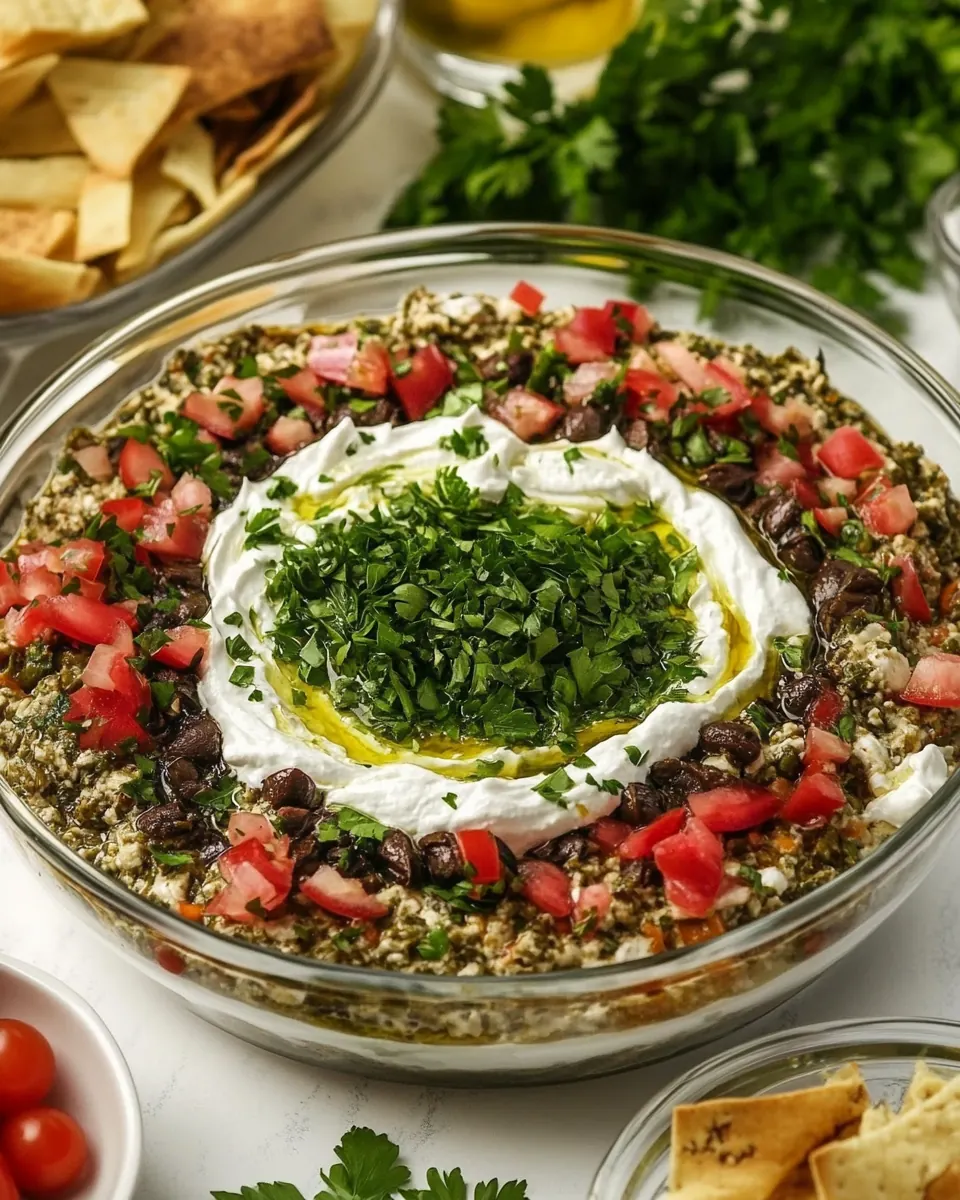
Mediterranean 7 Layer Dip
Mediterranean 7 Layer Dip has been a staple at my summer gatherings ever since I first layered it into a shallow glass dish for a boisterous backyard evening.
I remember unpacking jars and bowls on a sun warmed table, juggling a crate of pita chips while my neighbor told a story that made everyone laugh. The crunchy pita, the creamy hummus, and the bright cucumber tomato salad came together in a way that felt both effortless and thoughtfully assembled. Over the years I have tweaked the amounts of hummus and labneh to hit that perfect balance between creamy and fresh. Guests always end up leaning over the dish, reaching with excitement, and declaring it a new classic for our rotation.
What I love most is how adaptable the plate is. If I am pressed for time I use a high quality prepared hummus, and when I have a free morning I make my own tahini drizzle to deepen the nutty notes. There is a particular pleasure in layering textures and colors, it feels almost like painting a quick summer tableau that everyone eats. Each bite brings cool, tangy, and savory moments, and that contrast is what keeps people coming back. The simple act of assembling the layers lets conversations carry on while flavors quietly develop together in the dish.
Recipe Snapshot
50 mins
5 mins
45 mins
Medium
150 kcal
Mediterranean
Keto, Gluten-Free
Appetizers
Mixing bowls, Colander, 2 qt glass baking or serving dish, Offset spatula
Why We Love This Mediterranean 7 Layer Dip
Bright fresh flavors that pop
I love how the Mediterranean 7 Layer Dip celebrates fresh cucumbers and tomatoes, the kinds of ingredients that make a party plate feel lively and seasonal. The crisp, watery snap of the salad layer cleanses the palate between richer bites, so the dip never feels heavy.
Creamy depth from staple spreads
The combination of hummus and labneh creates a creamy cushion that carries flavor without overwhelming. I often savor the way tahini and lemon lift the hummus, while the labneh contributes a silky tartness that brightens every scoop.
Textural contrast and visual appeal
I am always drawn to dishes that look as good as they taste. Layering olives, crumbled feta, and chopped herbs gives the plate striking color and satisfying texture, so guests are tempted to dig in long before the first compliment.
Easy to scale and share
One of the reasons I turn to this recipe for gatherings is how effortlessly it scales. Whether I need a party sized tray or a small family portion, the structure stays the same, and you can swap in higher quality store bought items if time is tight.
Minimal cooking, maximum impact
Because almost everything is assembled, the dish is low fuss yet high reward. I appreciate recipes that let me spend my time with company instead of in the kitchen, while still delivering complex Mediterranean flavors that feel special.
What to Gather for Mediterranean 7 Layer Dip
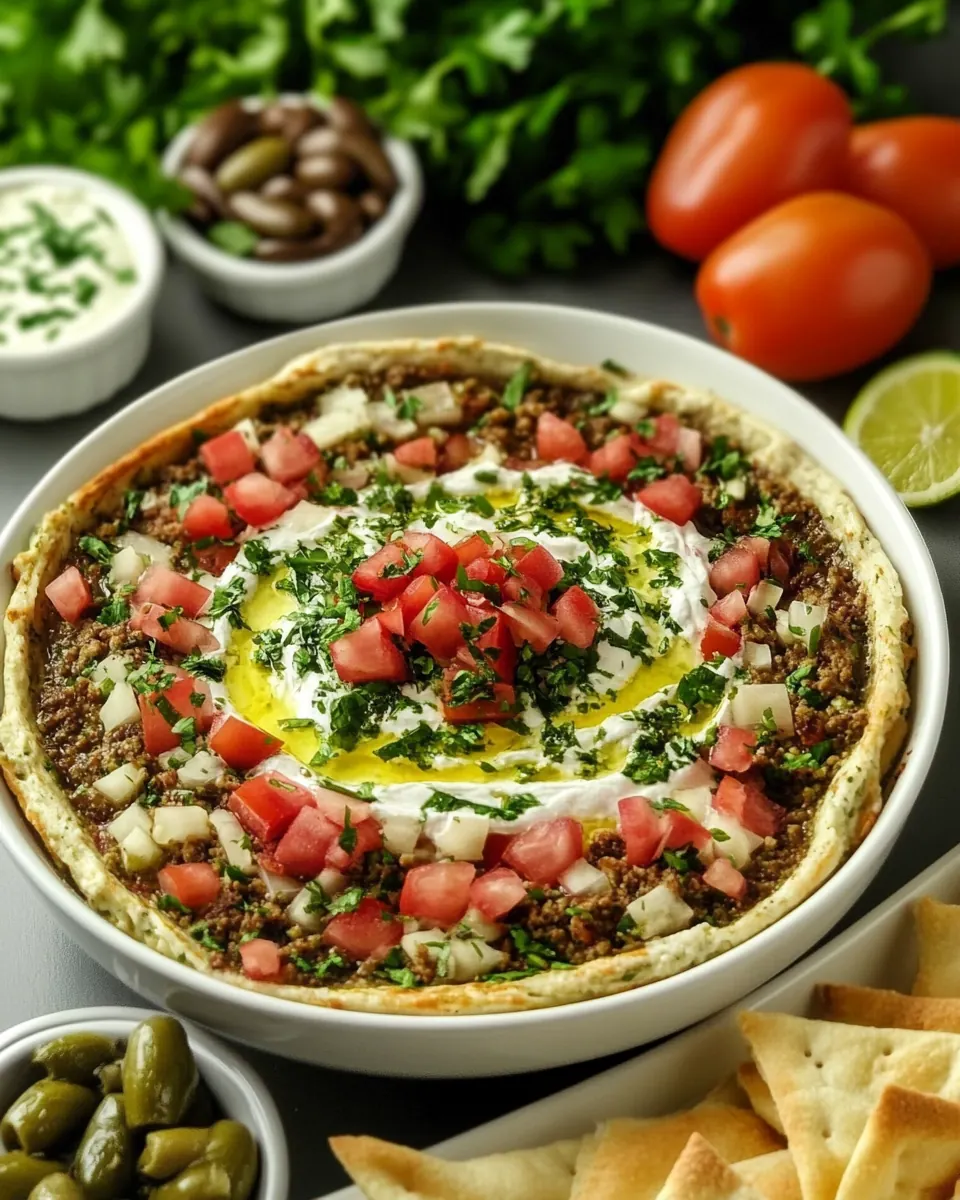
This ingredient lineup follows a simple philosophy, bring together bright, fresh produce and creamy Mediterranean staples to create layered contrasts in flavor and texture. The hummus and labneh form the creamy base, while the salad and toppings provide acidity, brine, and herbal lift. Each player has a clear role, and together they balance each other so every bite is exciting.
- 4 Persian cucumbers, seeded and diced small: Seeded and diced small to provide a crisp, refreshing crunch and subtle moisture that balances richer layers; remove seeds to prevent excess liquid from watering down the dip. Use Persian cucumbers for their thin skin and mild flavor, which melds well with Mediterranean herbs and creamy components.
- 4 tomatoes, seeded and diced small: Seeded and diced small to add juicy, bright acidity and fresh tomato flavor without excess liquid; seeding keeps the dip from becoming soggy. Choose ripe tomatoes for sweetness and color contrast that complements herbs and creamy layers.
- 1/4 cup fresh flat leaf parsley, chopped: Chopped finely to introduce a bright, herbaceous note and fresh green color; parsley also adds a light, slightly peppery flavor that lifts the dip. Use flat leaf parsley for a more pronounced flavor than curly varieties and distribute evenly across the layers.
- 1/2 teaspoons salt: Measured and incorporated to enhance and balance flavors across the dip; salt elevates the natural sweetness of vegetables and the tang of yogurt or labneh. Add gradually and taste as the combined ingredients can vary in saltiness, especially from olives and feta.
- 3 cups hummus (see recipe in notes, or use a high-quality prepared one): Spoonable spread to form a hearty, savory base layer that contributes creamy texture and chickpea flavor; hummus adds protein and Mediterranean character. Use a smooth, high–quality or homemade hummus to ensure a cohesive layering that holds other ingredients.
- 1 1/2 cups labneh (strained yogurt cheese- thick, not liquid) (or Greek yogurt, or a combination of the two): Spoonable, thick strained yogurt cheese to provide tangy creaminess and a lush, smooth middle layer that contrasts hummus and vegetables. Choose labneh for its dense texture, or use Greek yogurt for a slightly lighter but still tangy option.
- 1 cup pitted green greek olives, sliced: Sliced to contribute briny, savory bites that add depth and a salty contrast to creamy elements; green Greek olives bring characteristic Mediterranean flavor and a firm texture. Pit olives before slicing and distribute evenly to ensure each serving includes olive pieces.
- 1/4 cup tahini (see recipe in notes): Measured and drizzled or mixed to introduce a nutty, slightly bitter sesame flavor that complements hummus and yogurt layers; tahini also adds richness and smoothness. Use good-quality tahini to prevent a grainy texture and adjust amount to taste for desired sesame intensity.
- 4 ounces crumbled feta (block feta preferred rather than pre-crumbled): Crumpled to deliver a salty, tangy, and slightly creamy finish with pronounced Mediterranean character; feta adds savory complexity and crumbly texture. Prefer block feta crumbled fresh for better texture and less dryness than pre-crumbled options.
- 2 tablespoons freshly squeezed lemon juice: Freshly squeezed to add bright acidity that cuts through rich and creamy layers, enhancing overall flavor balance; lemon juice also brings aromatic citrus notes. Add gradually and taste, as acidity interacts with dairy and tahini to change perceived saltiness and brightness.
- 2 1/2 tablespoons fresh flat leaf parsley or basil, roughly chopped: Roughly chopped to provide a final burst of fresh herb aroma and color that ties the dip together; parsley or basil adds a herbaceous finish and visual appeal. Scatter the herbs just before serving to preserve their fresh flavor and bright appearance.
Step by Step Guide for Mediterranean 7 Layer Dip
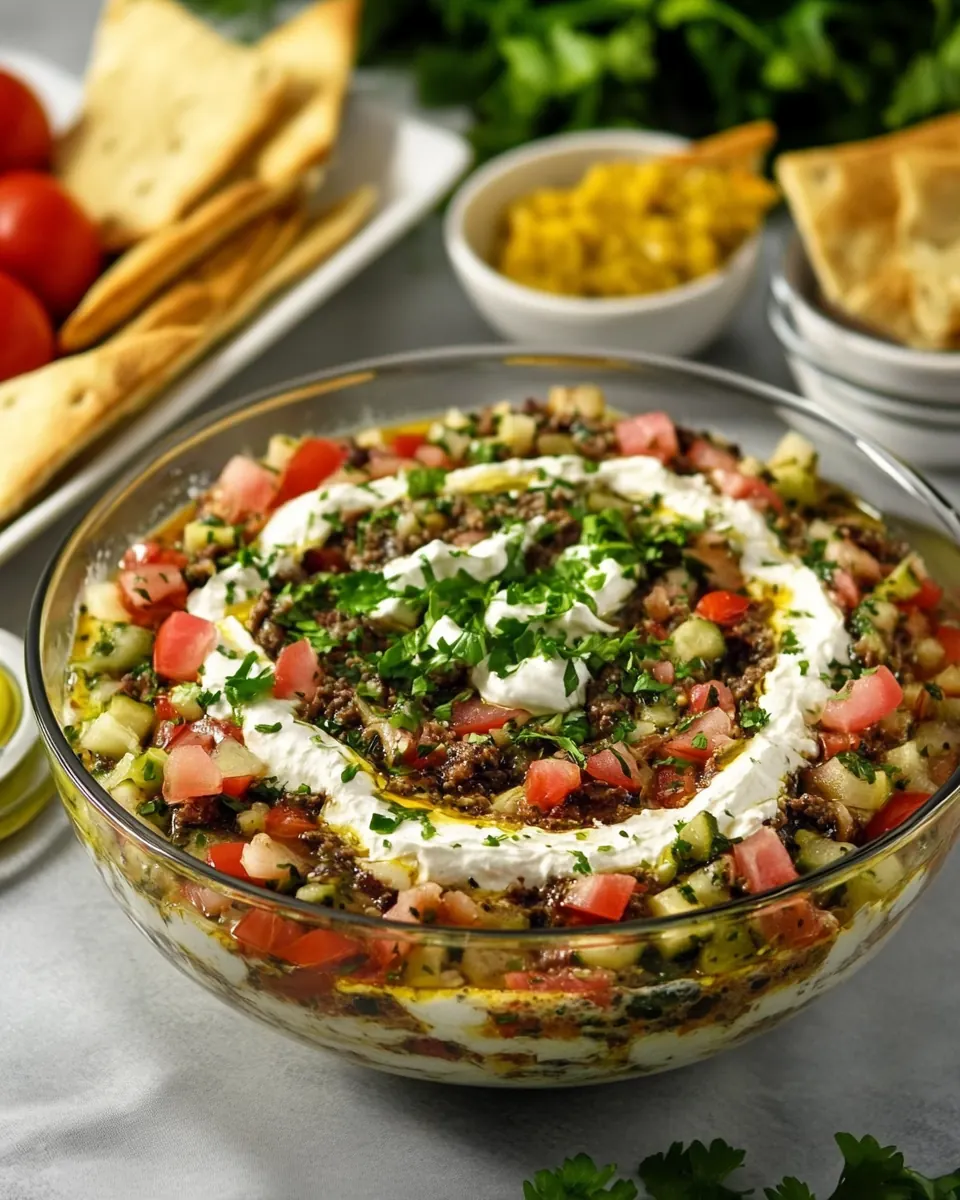
This method keeps things simple and social, so you can prep a lot while still enjoying company. The directions below expand each instruction into careful, sensory driven steps to ensure the assembly looks and tastes its best.
- To make salad layer, combine diced cucumbers, tomatoes, parsley and salt in a small mixing bowl. Toss to combine, then transfer to a colander and allow the excess liquid to drain while you prepare the other ingredients (slicing, chopping, etc.). Let the salad stand and drain for at least 30 minutes.: The first sensory cue is the fresh vegetal scent as you toss the cucumbers and tomatoes , a bright, green aroma that signals freshness. As you stir, notice the gentle clink of small dice against the bowl, and how the salt quickly coax out a few droplets from the tomatoes. This brief osmosis concentrates the tomato flavor and makes the salad taste sweeter without being watery. Why this matters, the drained salad will sit atop creamy layers so you want pronounced flavor without excessive liquid. A common mistake is cutting pieces too large, which makes the salad unwieldy to scoop and can overwhelm each bite. Aim for uniform small dice so every spoonful has balance.
- When the salad is fully drained, spread the 3 cups of hummus evenly into the bottom of your serving dish.: When you move the salad into a colander , listen for the light patter as moisture separates, and observe beads of liquid collecting beneath. Draining concentrates the flavor and prevents the layers below from getting soggy. Letting it rest while you prep also gives you time to refine textures elsewhere, which matters because the integrity of each layer is what keeps the dip attractive and scoopable. A typical pitfall is skipping this rest, which can result in a waterlogged dip; patience here preserves both texture and presentation.
- Next, evenly spread the labneh or Greek yogurt over the top of the hummus.: As the salad sits, its fragrance becomes more focused, with the herbaceous parsley subtly married to tomato sweetness. The 30 minutes is a sensory checkpoint, you should notice less movement in the colander and a firmer feel to the vegetables. This standing time is important because it stabilizes the mixture and ensures the top remains fresh without seeping into the creamy layers. Rushing this step often leads to watery puddles beneath the salad, so give it the time it needs.
- Stir the cucumber salad in the colander to make sure all liquid is thoroughly drained.: Spread the hummus with the back of a spoon or an offset spatula so it forms a smooth, even base. The surface should look velvety and hold slight peaks when you lift your tool, indicating a stable layer that will support the next component. The hummus contributes a nutty, savory fragrance that anchors the dish. A frequent error is applying hummus unevenly, which causes a lopsided assembly and inconsistent bites, so aim for an even, level layer.
- Pile your drained salad mixture on top of the labneh/Greek yogurt.: As you layer the labneh , watch how its tangy dairy aroma mingles with the hummus, producing a richer, slightly tart top. Spread it gently so the two layers remain distinct but cohesive, the contrast is visually appealing and texturally important. The tactile cue is a silky, thick surface that yields under light pressure but does not run. Avoid adding labneh that is too loose, because it will blend into the hummus rather than creating the intended two tone effect.
- Then layer on the sliced olives.: When you stir the salad in the colander, you should see minimal free liquid, and the vegetables will feel slightly firm to the touch. This final agitation ensures pockets of moisture are released, which preserves the integrity of the creamy layers beneath. The sensory cue is the absence of wetness clinging to the vegetables. A common oversight is leaving tomatoes whole or overly wet, which invites sogginess; a final stir eliminates this risk.
- Drizzle with the tahini.: Gently mound the drained salad in the center so it fans across the surface, giving the dip height and color. You will notice a pleasant contrast between the cool, crisp salad and the soft, creamy layer below. This placement matters because it creates focal interest and ensures each scoop includes fresh vegetables. Avoid pressing the salad into the cream too hard, because it can smear the layers and dull the visual appeal.
- Sprinkle with the feta.: Scatter the sliced olives evenly, listening for the faint sound as they scatter across the salad, and taking note of their glossy sheen. The briny pop of the olive contrasts with the creamy layers and complements the feta , contributing savory depth. A mistake to watch for is clumping olives in one spot, which unbalances flavor distribution; spread them evenly so every bite has some brine.
- And finally, just before serving, sprinkle on your fresh lemon juice and chopped parsley or basil. This dip is great with pita chips!: The tahini drizzle should form thin ribbons over the top, imparting a toasted sesame aroma and an umami like richness. Drizzling rather than pouring allows for control, so the nutty flavor enhances without dominating. The visual cue is an even, glossy coating in places where tahini lands, and the taste cue is a subtle nuttiness that lingers. Over dressing with tahini can mask other flavors, so less is often more.
- Sprinkle with the feta: Crumble the feta across the surface for bright salty bursts, noticing how the white crumbles punctuate the salad. The contrast in texture between the creamy base and the crumbly cheese adds interest, and feta's tang underscores the Mediterranean profile. Take care to use well drained, firm feta if possible, as wet cheese can add unwanted moisture to the top layer.
- And finally, just before serving, sprinkle on your fresh lemon juice and chopped parsley or basil: Finishing with fresh lemon juice and herbs lifts all the flavors, delivering a bright citrus perfume and green aromatic lift that you will notice immediately. This finishing touch is what makes the dish feel vibrant and clean; add the lemon at the end to preserve its fresh acidity. A common misstep is adding lemon too early, which dissipates its high note, so save it for the final flourish. This dip is great with pita chips!
Recipe Tips about Mediterranean 7 Layer Dip
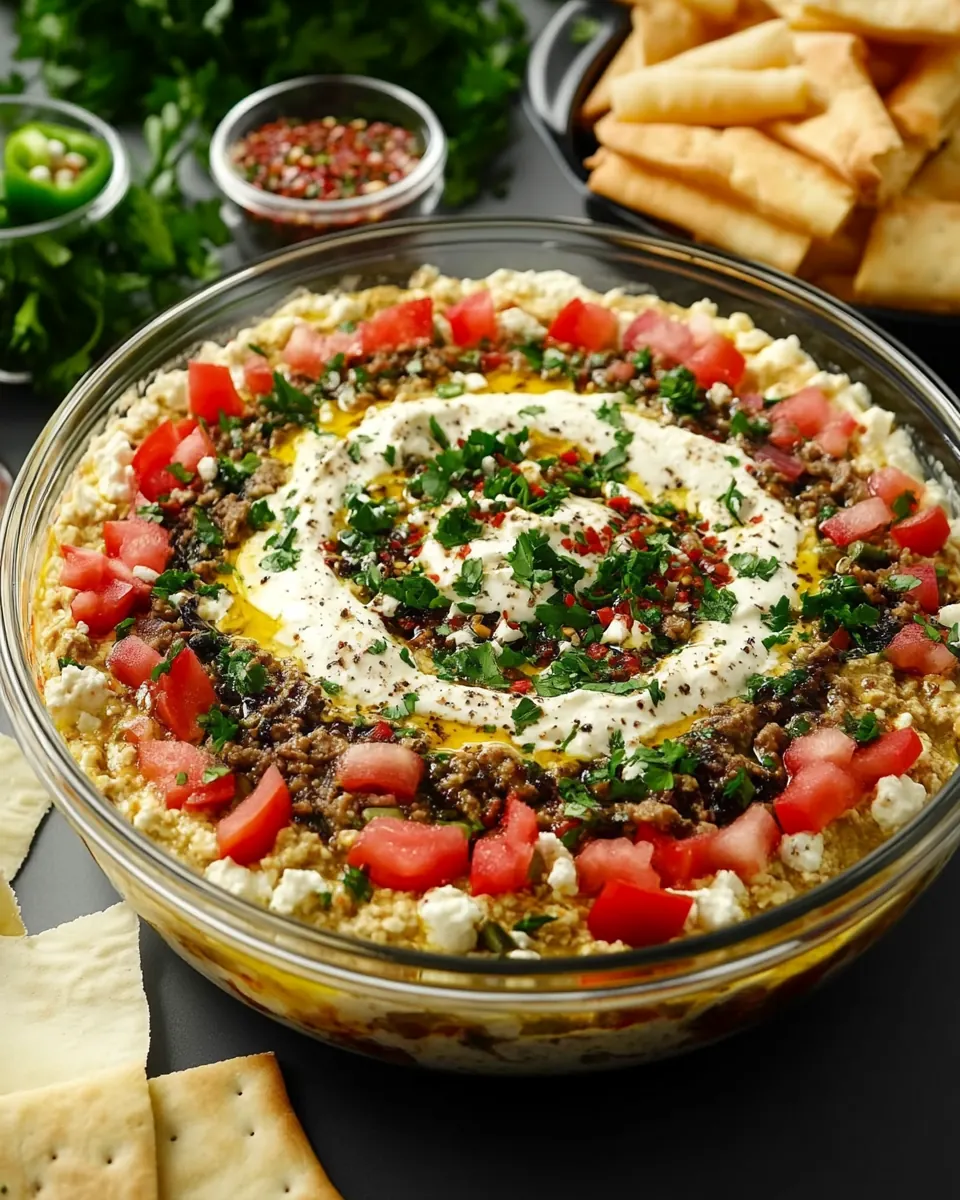
This section expands on small decisions that make a big difference. Below are practical tips I use to get consistent results and beautiful presentation each time I assemble the dip.
- Drain thoroughly Always let the cucumber and tomato mixture drain for at least thirty minutes to reduce excess liquid that could make the dip soggy.
- Choose thick dairy Pick a thick labneh or strained Greek yogurt so the cream layer stays stable and does not blend into the hummus.
- Even layering Spread the hummus and labneh evenly using an offset spatula to create a level surface for the salad and toppings.
- Control the tahini Drizzle tahini slowly, tasting as you go, because its sesame intensity can overpower the other flavors.
- Garnish last Add lemon juice and fresh herbs right before serving to preserve their bright aroma and flavor.
- Serve with sturdy dippers Offer thick pita chips or vegetable sticks that can scoop through layers without collapsing.
Side Dish Ideas for Mediterranean 7 Layer Dip
The Mediterranean 7 Layer Dip is perfect for casual parties and seasonal gatherings, especially in warm months. Think about pairing it with complementary sides that continue the Mediterranean theme and offer variety to guests. Below are serving ideas, occasions, and storage tips to help you present the dip beautifully and practically.
- Sturdy pita chips Crisp pita chips are the classic pairing, providing a neutral base that lets the layers shine and stands up to scooping.
- Vegetable platter Offer sliced cucumbers, bell pepper strips, and carrot batons for lighter, refreshing dippers that echo the salad layer.
- Grain salad Serve a chilled couscous or orzo salad on the side for guests who want a heartier plate, keeping textures varied.
- Mezze board Combine small bowls of olives, roasted red peppers, and stuffed grape leaves to expand the Mediterranean spread into a full mezze experience.
- Summer gatherings This dish is ideal for warm weather events and outdoor lunches, as the fresh produce and cool dairy feel especially welcome in heat.
- Party platter For holidays like Ramadan iftar or casual celebrations, place the dip at the center of a large platter surrounded by dippers to encourage sharing.
- Storage advice Keep assembled dip chilled and covered for up to twenty four hours, but add lemon and delicate herbs just before serving to maintain freshness.
- Make ahead Prepare the hummus and labneh layers earlier in the day and finish with the salad and toppings just before guests arrive to save time while preserving crispness.
- Seasonal variations In late summer, use peak tomatoes for heightened sweetness and aroma; in cooler months, choose firmer tomatoes to reduce moisture content.
- Portion planning For parties, estimate about two to three ounces of dip per person depending on the number of accompanying sides and other dishes.
FAQ
Conclusion
What makes this recipe special is the way contrasting textures and vivid Mediterranean flavors come together in a simple assembled dish. The creamy hummus and tangy labneh balance briny olives and sharp feta, while the drained cucumber tomato salad keeps every scoop fresh and crisp. I hope you give this a try at your next gathering, it is one of those dishes that looks beautiful on the table and invites conversation. Enjoy the process of layering and sharing, and notice how a few thoughtful steps elevate a very easy recipe into something memorable.
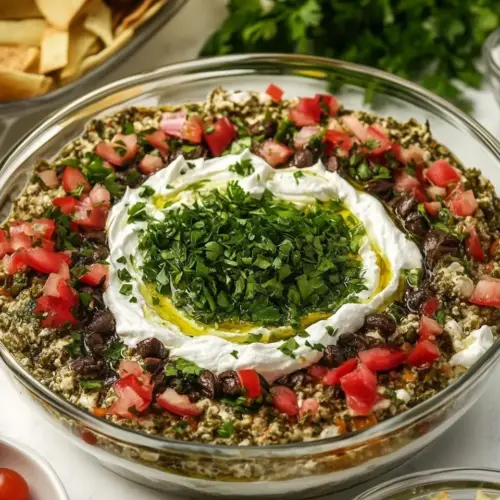
Mediterranean 7 Layer Dip
Equipment
- Mixing Bowls
- Colander
- 2 qt glass baking or serving dish
- Offset Spatula
Ingredients
- 4 Persian cucumbers, seeded and diced small Seeded and diced small to provide a crisp, refreshing crunch and subtle moisture that balances richer layers; remove seeds to prevent excess liquid from watering down the dip. Use Persian cucumbers for their thin skin and mild flavor, which melds well with Mediterranean herbs and creamy components.
- 4 tomatoes, seeded and diced small Seeded and diced small to add juicy, bright acidity and fresh tomato flavor without excess liquid; seeding keeps the dip from becoming soggy. Choose ripe tomatoes for sweetness and color contrast that complements herbs and creamy layers.
- 1/4 cup fresh flat leaf parsley, chopped Chopped finely to introduce a bright, herbaceous note and fresh green color; parsley also adds a light, slightly peppery flavor that lifts the dip. Use flat leaf parsley for a more pronounced flavor than curly varieties and distribute evenly across the layers.
- 1/2 teaspoons salt Measured and incorporated to enhance and balance flavors across the dip; salt elevates the natural sweetness of vegetables and the tang of yogurt or labneh. Add gradually and taste as the combined ingredients can vary in saltiness, especially from olives and feta.
- 3 cups hummus (see recipe in notes, or use a high-quality prepared one) Spoonable spread to form a hearty, savory base layer that contributes creamy texture and chickpea flavor; hummus adds protein and Mediterranean character. Use a smooth, high-quality or homemade hummus to ensure a cohesive layering that holds other ingredients.
- 1 1/2 cups labneh (strained yogurt cheese- thick, not liquid) (or Greek yogurt, or a combination of the two) Spoonable, thick strained yogurt cheese to provide tangy creaminess and a lush, smooth middle layer that contrasts hummus and vegetables. Choose labneh for its dense texture, or use Greek yogurt for a slightly lighter but still tangy option.
- 1 cup pitted green greek olives, sliced Sliced to contribute briny, savory bites that add depth and a salty contrast to creamy elements; green Greek olives bring characteristic Mediterranean flavor and a firm texture. Pit olives before slicing and distribute evenly to ensure each serving includes olive pieces.
- 1/4 cup tahini (see recipe in notes) Measured and drizzled or mixed to introduce a nutty, slightly bitter sesame flavor that complements hummus and yogurt layers; tahini also adds richness and smoothness. Use good-quality tahini to prevent a grainy texture and adjust amount to taste for desired sesame intensity.
- 4 ounces crumbled feta (block feta preferred rather than pre-crumbled) Crumpled to deliver a salty, tangy, and slightly creamy finish with pronounced Mediterranean character; feta adds savory complexity and crumbly texture. Prefer block feta crumbled fresh for better texture and less dryness than pre-crumbled options.
- 2 tablespoons freshly squeezed lemon juice Freshly squeezed to add bright acidity that cuts through rich and creamy layers, enhancing overall flavor balance; lemon juice also brings aromatic citrus notes. Add gradually and taste, as acidity interacts with dairy and tahini to change perceived saltiness and brightness.
- 2 1/2 tablespoons fresh flat leaf parsley or basil, roughly chopped Roughly chopped to provide a final burst of fresh herb aroma and color that ties the dip together; parsley or basil adds a herbaceous finish and visual appeal. Scatter the herbs just before serving to preserve their fresh flavor and bright appearance.
Instructions
- To make salad layer, combine diced cucumbers, tomatoes, parsley and salt in a small mixing bowl. Toss to combine, then transfer to a colander and allow the excess liquid to drain while you prepare the other ingredients (slicing, chopping, etc.). Let the salad stand and drain for at least 30 minutes.: The first sensory cue is the fresh vegetal scent as you toss the cucumbers and tomatoes , a bright, green aroma that signals freshness. As you stir, notice the gentle clink of small dice against the bowl, and how the salt quickly coax out a few droplets from the tomatoes. This brief osmosis concentrates the tomato flavor and makes the salad taste sweeter without being watery. Why this matters, the drained salad will sit atop creamy layers so you want pronounced flavor without excessive liquid. A common mistake is cutting pieces too large, which makes the salad unwieldy to scoop and can overwhelm each bite. Aim for uniform small dice so every spoonful has balance.
- When the salad is fully drained, spread the 3 cups of hummus evenly into the bottom of your serving dish.: When you move the salad into a colander , listen for the light patter as moisture separates, and observe beads of liquid collecting beneath. Draining concentrates the flavor and prevents the layers below from getting soggy. Letting it rest while you prep also gives you time to refine textures elsewhere, which matters because the integrity of each layer is what keeps the dip attractive and scoopable. A typical pitfall is skipping this rest, which can result in a waterlogged dip; patience here preserves both texture and presentation.
- Next, evenly spread the labneh or Greek yogurt over the top of the hummus.: As the salad sits, its fragrance becomes more focused, with the herbaceous parsley subtly married to tomato sweetness. The 30 minutes is a sensory checkpoint, you should notice less movement in the colander and a firmer feel to the vegetables. This standing time is important because it stabilizes the mixture and ensures the top remains fresh without seeping into the creamy layers. Rushing this step often leads to watery puddles beneath the salad, so give it the time it needs.
- Stir the cucumber salad in the colander to make sure all liquid is thoroughly drained.: Spread the hummus with the back of a spoon or an offset spatula so it forms a smooth, even base. The surface should look velvety and hold slight peaks when you lift your tool, indicating a stable layer that will support the next component. The hummus contributes a nutty, savory fragrance that anchors the dish. A frequent error is applying hummus unevenly, which causes a lopsided assembly and inconsistent bites, so aim for an even, level layer.
- Pile your drained salad mixture on top of the labneh/Greek yogurt.: As you layer the labneh , watch how its tangy dairy aroma mingles with the hummus, producing a richer, slightly tart top. Spread it gently so the two layers remain distinct but cohesive, the contrast is visually appealing and texturally important. The tactile cue is a silky, thick surface that yields under light pressure but does not run. Avoid adding labneh that is too loose, because it will blend into the hummus rather than creating the intended two tone effect.
- Then layer on the sliced olives.: When you stir the salad in the colander, you should see minimal free liquid, and the vegetables will feel slightly firm to the touch. This final agitation ensures pockets of moisture are released, which preserves the integrity of the creamy layers beneath. The sensory cue is the absence of wetness clinging to the vegetables. A common oversight is leaving tomatoes whole or overly wet, which invites sogginess; a final stir eliminates this risk.
- Drizzle with the tahini.: Gently mound the drained salad in the center so it fans across the surface, giving the dip height and color. You will notice a pleasant contrast between the cool, crisp salad and the soft, creamy layer below. This placement matters because it creates focal interest and ensures each scoop includes fresh vegetables. Avoid pressing the salad into the cream too hard, because it can smear the layers and dull the visual appeal.
- Sprinkle with the feta.: Scatter the sliced olives evenly, listening for the faint sound as they scatter across the salad, and taking note of their glossy sheen. The briny pop of the olive contrasts with the creamy layers and complements the feta , contributing savory depth. A mistake to watch for is clumping olives in one spot, which unbalances flavor distribution; spread them evenly so every bite has some brine.
- And finally, just before serving, sprinkle on your fresh lemon juice and chopped parsley or basil. This dip is great with pita chips!: The tahini drizzle should form thin ribbons over the top, imparting a toasted sesame aroma and an umami like richness. Drizzling rather than pouring allows for control, so the nutty flavor enhances without dominating. The visual cue is an even, glossy coating in places where tahini lands, and the taste cue is a subtle nuttiness that lingers. Over dressing with tahini can mask other flavors, so less is often more.
- Sprinkle with the feta: Crumble the feta across the surface for bright salty bursts, noticing how the white crumbles punctuate the salad. The contrast in texture between the creamy base and the crumbly cheese adds interest, and feta's tang underscores the Mediterranean profile. Take care to use well drained, firm feta if possible, as wet cheese can add unwanted moisture to the top layer.
- And finally, just before serving, sprinkle on your fresh lemon juice and chopped parsley or basil: Finishing with fresh lemon juice and herbs lifts all the flavors, delivering a bright citrus perfume and green aromatic lift that you will notice immediately. This finishing touch is what makes the dish feel vibrant and clean; add the lemon at the end to preserve its fresh acidity. A common misstep is adding lemon too early, which dissipates its high note, so save it for the final flourish. This dip is great with pita chips!
Notes
- Drain thoroughly Always let the cucumber and tomato mixture drain for at least thirty minutes to reduce excess liquid that could make the dip soggy.
- Choose thick dairy Pick a thick labneh or strained Greek yogurt so the cream layer stays stable and does not blend into the hummus.
- Even layering Spread the hummus and labneh evenly using an offset spatula to create a level surface for the salad and toppings.
- Control the tahini Drizzle tahini slowly, tasting as you go, because its sesame intensity can overpower the other flavors.
- Garnish last Add lemon juice and fresh herbs right before serving to preserve their bright aroma and flavor.
- Serve with sturdy dippers Offer thick pita chips or vegetable sticks that can scoop through layers without collapsing.