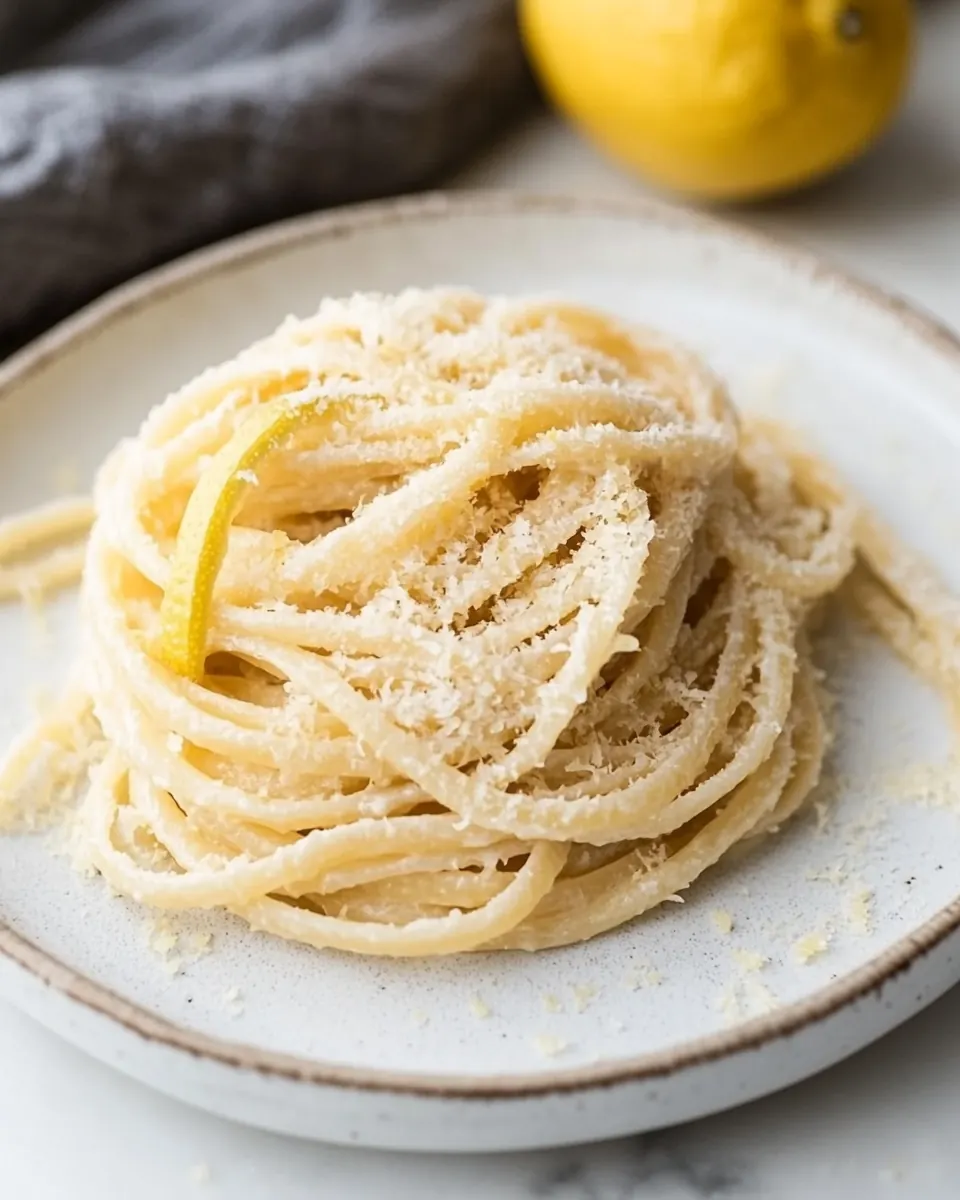
Pasta al Limone
Pasta al Limone is one of those recipes that sneaks into your weeknight rotation and then refuses to leave, for good reason. I first met this dish on a cramped apartment stove, when a crate of lemons arrived from a neighbor who refused to see them wasted. The bright, citrusy aroma filled the kitchen and I remember thinking that something so simple could taste so refined. From that evening on, I kept coming back to its creamy yet light texture, a bowl that feels like sunshine in a forkful.
Over the years I have tweaked amounts and timing to balance the sharpness of the lemon with the silkiness of the cheese and butter. There is a rhythm to making Pasta al Limone, a calm, focused few minutes where you coax a few ingredients into an elegant sauce. I love how a handful of pantry staples can transform into a restaurant worthy plate when you pay attention to heat, timing, and the way you toss the pasta.
Recipe Snapshot
20 mins
5 mins
15 mins
Medium
600 kcal
Italian
Gluten-Free, Low FODMAP
Pasta
Large saucepan, Large pot, Grater, Tongs or pasta fork
Why We Love This Pasta al Limone
Bright and Memorable Flavor
I adore how Pasta al Limone celebrates a single bright element, the lemon, and lets it shine. The interplay of zest and juice creates layers of citrus aroma and acid that lift the whole dish. I often find myself savoring the scent long before the first bite, and that initial citrus punch keeps every mouthful lively.
Ultra Simple Ingredients, Maximum Impact
This recipe relies on a short list of pantry winners like olive oil, butter, Pecorino Romano cheese, and dried spaghetti, and that economy is part of its charm. I appreciate dishes where technique, not a long shopping list, makes the difference. When I want something elegant with minimal fuss, this is my go to.
Quick to Make, Perfect for Weeknights
When life gets busy, I reach for recipes that come together in a flash. Pasta al Limone takes just a short stretch of focused cooking, and the payoff is immediate. I can have a plate on the table in the time it takes to set the table and pour a glass of something non alcoholic, and that speed keeps this recipe in regular rotation.
Flexible and Comforting Texture
The creamy sauce that forms when the hot pasta water emulsifies with the Pecorino Romano cheese and butter is irresistibly comforting. I love how the sauce clings to each strand of spaghetti, creating a silkiness that feels indulgent without heaviness. The technique makes the texture, and once you get the toss right, it becomes addictive.
Stands Alone or Partners Beautifully
I often serve this on its own for a light dinner, but it also pairs nicely with a simple salad or roasted vegetables. I appreciate dishes that are versatile, and Pasta al Limone adapts to the mood of the meal. Every time I make it, family and friends notice how fresh and clean the flavors are, which is the highest compliment in my kitchen.
What You’ll Need for Pasta al Limone
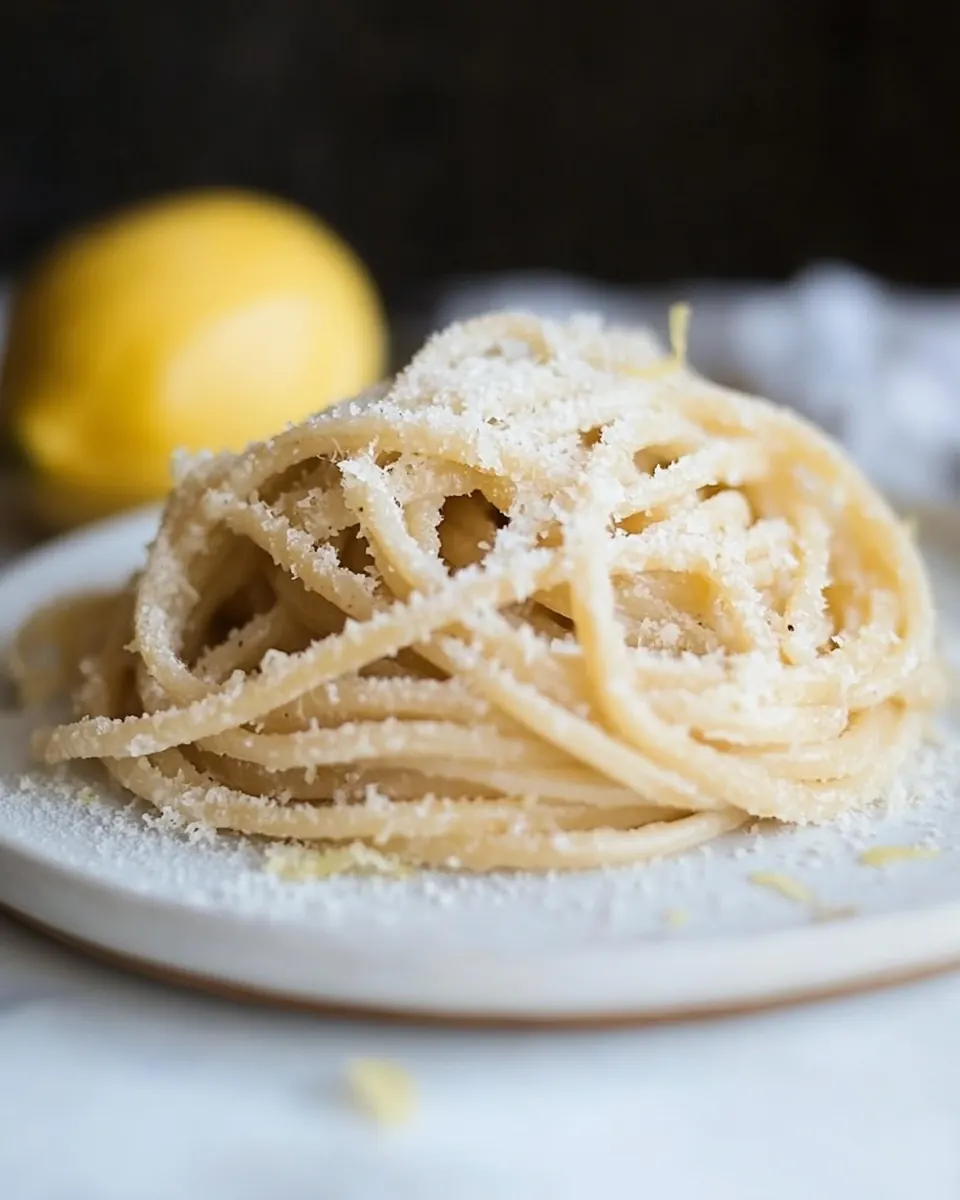
These ingredients are deliberately simple and play distinct roles. The olive oil and butter form the flavorful fat base, the lemon zest and lemon juice provide the citrus lift, and the Pecorino Romano cheese adds salty, tangy creaminess. The spaghetti and hot pasta water help create the emulsified sauce, while coarse salt and pepper balance and finish the dish.
- 3 tablespoons olive oil: Infuse a fruity, savory base by heating to meld with butter and aromatics; provides a glossy coating for pasta and helps carry lemon flavor throughout the dish. Use moderate heat to avoid burning and preserve olive oil’s bright notes.
- 6 tablespoons unsalted butter: Enrich the sauce with a creamy, silky texture and rich mouthfeel; emulsify with lemon juice and pasta water to create a luxurious coating for the spaghetti. Melt slowly to integrate with olive oil and cheese without separating.
- Zest of 4 lemons: Brighten the overall flavor with intense citrus oils concentrated in the peel; release aroma by zesting finely and adding near the end to preserve fragrance. Avoid bitter white pith when zesting to keep the sauce vibrant and clean.
- Juice of 4 lemons; this should total close to a 1/4 cup: Add a tangy, acidic component that balances the butter and cheese; combine and adjust with pasta water to achieve a glossy, emulsified sauce close to desired acidity. Measure to near 1/4 cup for consistent flavor and adjust to taste.
- 1 cup packed freshly grated Pecorino Romano cheese + more for garnish: Provide salty, nutty, umami-rich backbone while helping thicken and bind the sauce when emulsified with lemon juice and pasta water. Pack freshly grated to encourage even melting and stir vigorously to avoid clumping.
- 1 pound dried spaghetti pasta: Supply the starchy vehicle that carries the sauce; cook to al dente so it absorbs flavor without becoming mushy. Reserve pasta water to adjust sauce consistency during final tossing.
- coarse salt and pepper to taste: Season and enhance all flavors while providing necessary brininess; add coarse salt to pasta water for proper seasoning and finish with freshly cracked pepper to complement lemon and cheese. Adjust to taste at multiple stages for balance.
Making Pasta al Limone
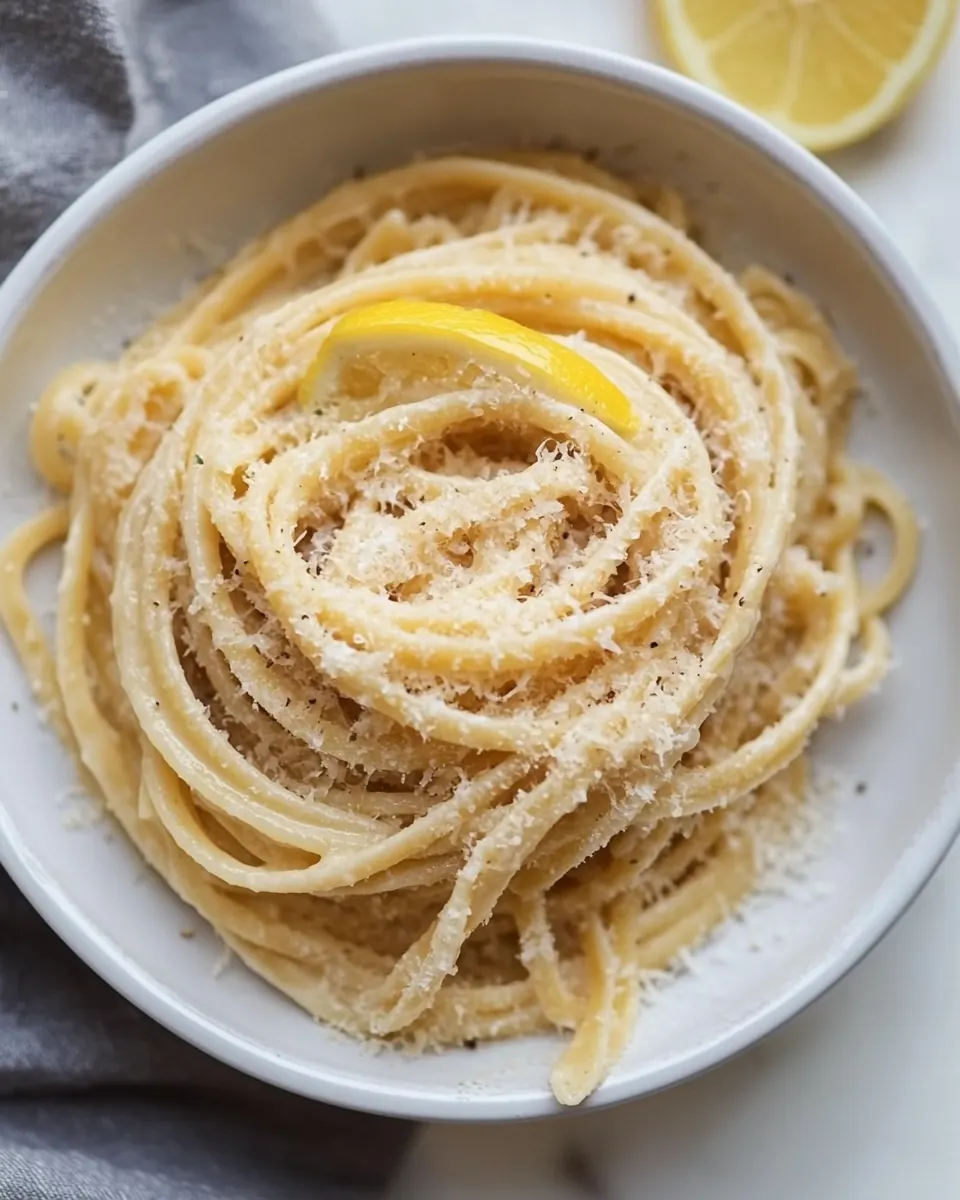
I like to approach this recipe with calm precision, because timing and temperature are how the sauce comes together. Have your Pecorino Romano cheese grated and your lemon components ready before the spaghetti hits the pot. Once you start, the process moves quickly and rewards focus.
- Add the oil and butter to a large saucepan and heat over low to medium heat for 1 to 2 minutes.: The moment you warm the olive oil and unsalted butter you should notice a soft gloss forming on the surface and a gentle butter scent, not a browned aroma. This warm fat base helps carry the lemon oils and prevents the cheese from clumping later. The why is simple, gentle heat melts the butter without breaking it, which keeps the sauce smooth when you emulsify. Troubleshooting tip, if the pan gets too hot and the butter begins to foam aggressively, remove it from heat and let it cool for a few seconds so it does not scorch, which would add a bitter note.
- Next, add in 1/2 of the lemon zest and cook for 2 to 3 minutes to help release some of the lemon flavor. This pasta has big bright, bold lemon flavors. If you want to tone it down, use the zest and the juice from 3 small to medium-sized lemons.: As the lemon zest warms in the butter and oil, you will smell bright citrus oils releasing, a fragrant hit that signals the next stage is working. This brief cooking intensifies the zest, mellowing raw bitterness while unlocking aromatic compounds. The technique matters because it builds depth without adding extra ingredients. A common mistake is leaving the zest in too long or at too high heat, which can make it bitter, so watch the pan and stir gently.
- Pour in 1/2 of the lemon juice and cook for 2 to 3 minutes to concentrate the flavors of the lemon even more.: When the lemon juice hits the warm fat, you may hear a light hiss and see tiny bubbles as the liquid warms, releasing a sharper citrus scent that becomes rounder with heat. This step tempers the bright acidity, marrying it with the fat so the final sauce is balanced. Why this matters, cooking the juice briefly reduces raw sharpness while preserving brightness. Avoid adding all the juice at once if you prefer a subtler lemon profile.
- Set the pan aside.: After concentrating the lemon flavors, letting the pan rest off heat prevents the acids from overcooking and gives you space to manage the pasta timing. You will notice the pan temperature gently cooling, which is desirable before adding very hot pasta that would otherwise scramble the cheese. The reason this pause helps is it moderates heat so the emulsion forms rather than the cheese clumping. Mistake to avoid, do not forget the pan on high heat, which could break the sauce later.
- Drop the dried pasta into a large pot of boiling salted water and cook for 7 to 8 minutes or until al dente.: Once the spaghetti hits the water, it will release a starch cloud, and soon the pot will sing with rolling bubbles. Cooking to al dente means the strands are firm to the bite but not raw, which provides texture contrast to the silky sauce. The why, slightly undercooked pasta finishes cooking when tossed with the sauce, absorbing flavor without turning mushy. A common error is overcooking, leading to a limp final plate, so taste a strand a minute or two before the lower end of the time range.
- Next, drain the pasta and add it to the lemon butter saucepan.: When you transfer the hot spaghetti into the lemon butter pan, you will hear a soft sizzle and see steam rise, carrying citrus aroma. That contact heat helps the sauce begin to coat the strands. The purpose is to combine starch and fat in the same vessel so emulsification can happen. Avoid rinsing the pasta, since rinsing washes away the starch needed to bind the sauce.
- Immediately add 1/2 cup of the hot pasta water along with the remaining lemon juice, lemon zest (reserve a little bit for garnish), cheese, salt, and pepper.: The hot pasta water, cloudy with starch, is the secret glue. As you pour it in you should see the mixture start to shimmer as it loosens, then gradually thicken as you incorporate the Pecorino Romano cheese . The remaining lemon juice and zest boost brightness, while salt and pepper finalize seasoning. The reason this order matters is it ensures the liquid is hot enough to melt the cheese gently and create a creamy emulsion. Troubleshooting, if the sauce looks grainy, add a splash more hot water and keep tossing to smooth it.
- Toss the pasta repeatedly and vigorously to melt the cheese and emulsify it with hot water and pasta to make it creamy. The sauce should not break or be stringy. If you are nervous that the sauce will not come together, start by sprinkling in and tossing the pasta with half of the cheese. Once it’s mixed in, toss it with the remaining cheese.: As you toss, listen for a gentle clinking sound and watch the surface transform into a glossy, clingy coat on the spaghetti . The emulsion is delicate; vigorous tossing blends fat, starch, and cheese into a silky finish. The why is practical, gradual incorporation prevents clumping and helps you control texture. A typical pitfall is dumping all the cheese at once, leading to stringy or separated sauce, so add in stages if you feel unsure.
- Add the pasta to a bowl and serve it with additional cheese and lemon zest.: When plated, the dish should glisten and give off a fresh citrus perfume, with ribbons of sauce clinging to each strand. Finish with extra Pecorino Romano cheese and reserved lemon zest for brightness and visual contrast. The serving temperature matters because the warm sauce is at its creamiest when freshly made. Avoid letting the pasta sit too long before serving, as the sauce will firm up and lose silkiness.
Recipe Variations about Pasta al Limone
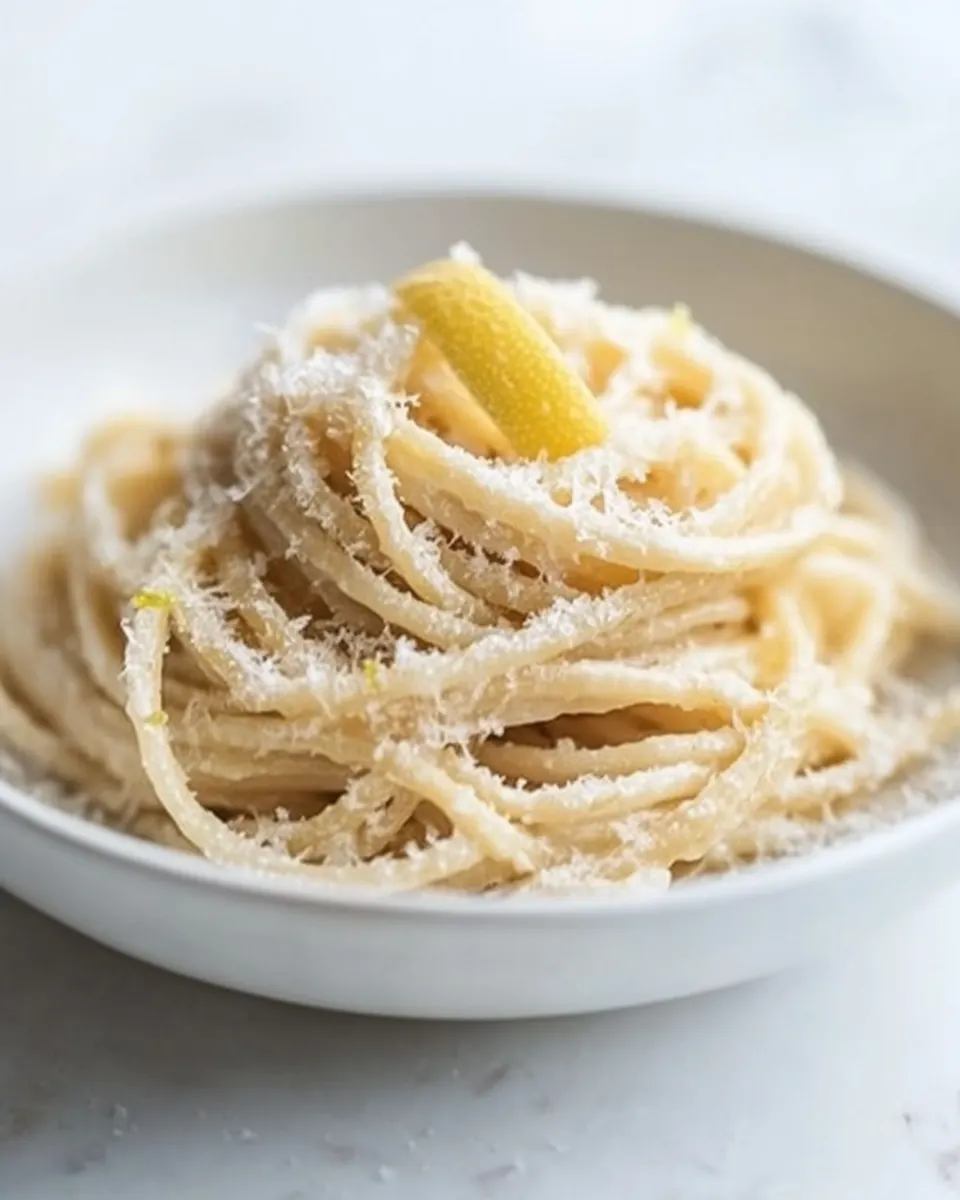
This list expands the short notes into concrete, useful variations and tweaks. Each tip starts with a quick actionable phrase, followed by deeper guidance so you can adapt Pasta al Limone to the ingredients you have or the mood of the meal.
- Make it herb forward Add 2 tablespoons of chopped fresh basil or mint at the end for a bright herbal lift, stirring gently so the leaves wilt slightly and mingle with the lemon oil and cheese.
- Use different pasta shapes Any pasta shape will work for this recipe; shorter shapes like penne or rigatoni will trap sauce in their cavities, while long strands keep the silky coating intact.
- Control the lemon intensity If you prefer a gentler lemon note, use zest and juice from 3 small to medium lemons instead of 4, and adjust to taste after tossing with the cheese.
- Reheat carefully To reheat leftovers, warm a small amount in a saucepan with 2 to 3 tablespoons of water over low heat while stirring, which brings back creaminess without drying the pasta out.
- Garnish smart Finish with extra finely grated Pecorino Romano cheese and a light sprinkle of reserved zest to emphasize texture and citrus aroma at the table.
Perfect Matches for Pasta al Limone
This section outlines serving ideas, pairings, and occasions where Pasta al Limone truly shines. Think about texture contrasts, temperature, and how the bright lemon flavor fits the meal.
- Simple green salad A crisp salad dressed with a light vinaigrette offers a refreshing contrast to the creamy pasta, providing textural balance for a lunch or light dinner.
- Steamed or roasted vegetables Seasonal vegetables keep the menu bright; serve on the side for a wholesome meal during spring and summer gatherings.
- Weeknight dinner The quick cook time makes this a reliable option for easy weeknight dinners when you want something elevated with minimal fuss.
- Make ahead for short storage Store covered in the refrigerator for up to four days and reheat gently with a splash of water to restore creaminess before serving.
- Casual dinner party Serve as a main course for a small dinner party, offering additional cheese at the table so guests can tailor each serving.
- Seasonal pairing This recipe is particularly at home in summer when fresh lemons are at their best, making it ideal for warm weather menus and al fresco dining.
FAQ
Conclusion
What makes this recipe special is how a handful of ingredients transform into a sophisticated, creamy sauce with bright citrus character. I encourage you to try Pasta al Limone the next time you crave something both simple and show stopping. It rewards attention to timing and temperature, and once you master the toss and emulsion, it will be one of your go to dishes for quick elegant meals.
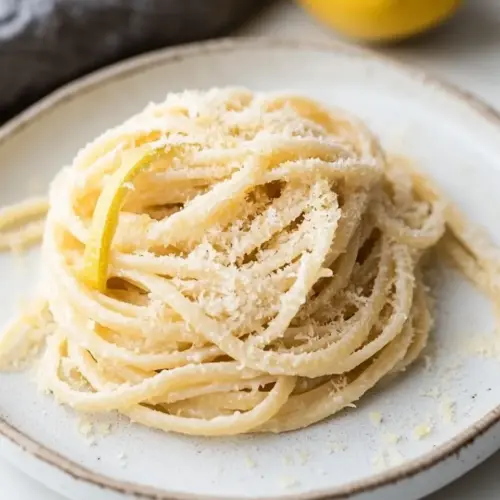
Pasta al Limone
Equipment
- Large saucepan
- Large Pot
- Grater
- Tongs or pasta fork
Ingredients
- 3 tablespoons olive oil Infuse a fruity, savory base by heating to meld with butter and aromatics; provides a glossy coating for pasta and helps carry lemon flavor throughout the dish. Use moderate heat to avoid burning and preserve olive oil’s bright notes.
- 6 tablespoons unsalted butter Enrich the sauce with a creamy, silky texture and rich mouthfeel; emulsify with lemon juice and pasta water to create a luxurious coating for the spaghetti. Melt slowly to integrate with olive oil and cheese without separating.
- Zest of 4 lemons Brighten the overall flavor with intense citrus oils concentrated in the peel; release aroma by zesting finely and adding near the end to preserve fragrance. Avoid bitter white pith when zesting to keep the sauce vibrant and clean.
- Juice of 4 lemons; this should total close to a 1/4 cup Add a tangy, acidic component that balances the butter and cheese; combine and adjust with pasta water to achieve a glossy, emulsified sauce close to desired acidity. Measure to near 1/4 cup for consistent flavor and adjust to taste.
- 1 cup packed freshly grated Pecorino Romano cheese + more for garnish Provide salty, nutty, umami-rich backbone while helping thicken and bind the sauce when emulsified with lemon juice and pasta water. Pack freshly grated to encourage even melting and stir vigorously to avoid clumping.
- 1 pound dried spaghetti pasta Supply the starchy vehicle that carries the sauce; cook to al dente so it absorbs flavor without becoming mushy. Reserve pasta water to adjust sauce consistency during final tossing.
- coarse salt and pepper to taste Season and enhance all flavors while providing necessary brininess; add coarse salt to pasta water for proper seasoning and finish with freshly cracked pepper to complement lemon and cheese. Adjust to taste at multiple stages for balance.
Instructions
- Add the oil and butter to a large saucepan and heat over low to medium heat for 1 to 2 minutes.: The moment you warm the olive oil and unsalted butter you should notice a soft gloss forming on the surface and a gentle butter scent, not a browned aroma. This warm fat base helps carry the lemon oils and prevents the cheese from clumping later. The why is simple, gentle heat melts the butter without breaking it, which keeps the sauce smooth when you emulsify. Troubleshooting tip, if the pan gets too hot and the butter begins to foam aggressively, remove it from heat and let it cool for a few seconds so it does not scorch, which would add a bitter note.
- Next, add in 1/2 of the lemon zest and cook for 2 to 3 minutes to help release some of the lemon flavor. This pasta has big bright, bold lemon flavors. If you want to tone it down, use the zest and the juice from 3 small to medium-sized lemons.: As the lemon zest warms in the butter and oil, you will smell bright citrus oils releasing, a fragrant hit that signals the next stage is working. This brief cooking intensifies the zest, mellowing raw bitterness while unlocking aromatic compounds. The technique matters because it builds depth without adding extra ingredients. A common mistake is leaving the zest in too long or at too high heat, which can make it bitter, so watch the pan and stir gently.
- Pour in 1/2 of the lemon juice and cook for 2 to 3 minutes to concentrate the flavors of the lemon even more.: When the lemon juice hits the warm fat, you may hear a light hiss and see tiny bubbles as the liquid warms, releasing a sharper citrus scent that becomes rounder with heat. This step tempers the bright acidity, marrying it with the fat so the final sauce is balanced. Why this matters, cooking the juice briefly reduces raw sharpness while preserving brightness. Avoid adding all the juice at once if you prefer a subtler lemon profile.
- Set the pan aside.: After concentrating the lemon flavors, letting the pan rest off heat prevents the acids from overcooking and gives you space to manage the pasta timing. You will notice the pan temperature gently cooling, which is desirable before adding very hot pasta that would otherwise scramble the cheese. The reason this pause helps is it moderates heat so the emulsion forms rather than the cheese clumping. Mistake to avoid, do not forget the pan on high heat, which could break the sauce later.
- Drop the dried pasta into a large pot of boiling salted water and cook for 7 to 8 minutes or until al dente.: Once the spaghetti hits the water, it will release a starch cloud, and soon the pot will sing with rolling bubbles. Cooking to al dente means the strands are firm to the bite but not raw, which provides texture contrast to the silky sauce. The why, slightly undercooked pasta finishes cooking when tossed with the sauce, absorbing flavor without turning mushy. A common error is overcooking, leading to a limp final plate, so taste a strand a minute or two before the lower end of the time range.
- Next, drain the pasta and add it to the lemon butter saucepan.: When you transfer the hot spaghetti into the lemon butter pan, you will hear a soft sizzle and see steam rise, carrying citrus aroma. That contact heat helps the sauce begin to coat the strands. The purpose is to combine starch and fat in the same vessel so emulsification can happen. Avoid rinsing the pasta, since rinsing washes away the starch needed to bind the sauce.
- Immediately add 1/2 cup of the hot pasta water along with the remaining lemon juice, lemon zest (reserve a little bit for garnish), cheese, salt, and pepper.: The hot pasta water, cloudy with starch, is the secret glue. As you pour it in you should see the mixture start to shimmer as it loosens, then gradually thicken as you incorporate the Pecorino Romano cheese . The remaining lemon juice and zest boost brightness, while salt and pepper finalize seasoning. The reason this order matters is it ensures the liquid is hot enough to melt the cheese gently and create a creamy emulsion. Troubleshooting, if the sauce looks grainy, add a splash more hot water and keep tossing to smooth it.
- Toss the pasta repeatedly and vigorously to melt the cheese and emulsify it with hot water and pasta to make it creamy. The sauce should not break or be stringy. If you are nervous that the sauce will not come together, start by sprinkling in and tossing the pasta with half of the cheese. Once it’s mixed in, toss it with the remaining cheese.: As you toss, listen for a gentle clinking sound and watch the surface transform into a glossy, clingy coat on the spaghetti . The emulsion is delicate; vigorous tossing blends fat, starch, and cheese into a silky finish. The why is practical, gradual incorporation prevents clumping and helps you control texture. A typical pitfall is dumping all the cheese at once, leading to stringy or separated sauce, so add in stages if you feel unsure.
- Add the pasta to a bowl and serve it with additional cheese and lemon zest.: When plated, the dish should glisten and give off a fresh citrus perfume, with ribbons of sauce clinging to each strand. Finish with extra Pecorino Romano cheese and reserved lemon zest for brightness and visual contrast. The serving temperature matters because the warm sauce is at its creamiest when freshly made. Avoid letting the pasta sit too long before serving, as the sauce will firm up and lose silkiness.
Notes
- Make it herb forward Add 2 tablespoons of chopped fresh basil or mint at the end for a bright herbal lift, stirring gently so the leaves wilt slightly and mingle with the lemon oil and cheese.
- Use different pasta shapes Any pasta shape will work for this recipe; shorter shapes like penne or rigatoni will trap sauce in their cavities, while long strands keep the silky coating intact.
- Control the lemon intensity If you prefer a gentler lemon note, use zest and juice from 3 small to medium lemons instead of 4, and adjust to taste after tossing with the cheese.
- Reheat carefully To reheat leftovers, warm a small amount in a saucepan with 2 to 3 tablespoons of water over low heat while stirring, which brings back creaminess without drying the pasta out.
- Garnish smart Finish with extra finely grated Pecorino Romano cheese and a light sprinkle of reserved zest to emphasize texture and citrus aroma at the table.