Lemony Marinated Chicken Skewers
Lemony Marinated Chicken Skewers have been my go to for backyard get togethers ever since I learned how a simple citrus marinade can transform chicken into something bright and tender. The first time I grilled these, a neighbor walked over and asked for the recipe before the coals had even cooled, and that kind of instant approval stuck with me. That early evening felt effortless, the scent of lemon and garlic drifting across the yard, and I knew I had a reliable dish for busy nights and casual celebrations.
Over the years I refined the balance of acid, oil, and spice so the chicken stays juicy while picking up a subtle char. I like to swap between breasts and thighs depending on how much time I have to tend the grill, and that choice changes the texture in a delightful way. When guests arrive, these skewers are the kind of recipe that starts conversations, because the flavors are approachable yet layered. I’ll tell you about a few little tricks I use so your skewers come out just right every time.
Recipe Snapshot
20 mins
5 mins
15 mins
Easy
300 kcal
Mediterranean
Keto, Paleo
Dinner
Grill, Glass dish, Wooden skewers, Small bowl, Tongs
Why We Love This Lemony Marinated Chicken Skewers
Bright, balanced flavor
I love how Lemony Marinated Chicken Skewers combine the tang of lemon with aromatic herbs and warm spices. The acid from the lemon lifts the savory notes of the chicken, while the olive oil smooths the edges and helps the marinade cling. When I bite into a skewer the contrast is immediate, and that brightness keeps the dish from feeling heavy.
Simple ingredients, big payoff
We only need a handful of pantry staples, so this recipe is perfect for busy weeknights. Every ingredient in the list plays a clear role, from the earthy warmth of cumin and paprika to the gentle heat of cayenne pepper. When I throw these together, I don’t worry about sourcing obscure items, and that ease is one reason I make them so often.
Flexible and forgiving
I appreciate how forgiving this recipe is. Whether you use boneless skinless chicken breasts or thighs, the technique adapts. I often shorten or lengthen the marinating time based on schedule, and the results remain reliably juicy. That flexibility makes it my favorite for impromptu gatherings.
Great for grilling and gatherings
These skewers are tailor made for a social meal. They come off the grill in minutes, which means I spend less time cooking and more time with people. I like serving them straight from the skewers so everyone can help themselves, and that casual presentation always feels right at home on a picnic table or party spread.
Balanced heat and aroma
The subtle use of turmeric and a touch of cayenne pepper gives these skewers a warm, inviting aroma without overwhelming the palate. I often get compliments on the fragrant finish, and it’s a detail that makes the dish feel elevated without extra fuss.
Ingredients Required for Lemony Marinated Chicken Skewers

The philosophy behind these ingredients is harmony and clarity. A short list of bright, savory, and warming elements work together so the chicken remains the star. The acid of lemon tenderizes and flavors, olive oil carries the herbs and spices, and a light dusting of warm ground spices adds depth. These key players create layers without cluttering the palate.
- 2 pounds boneless skinless chicken breasts or thighs I prefer thighs: Provide tender, protein-rich chunks perfect for skewering and absorbing the marinade; choose boneless skinless breasts for leaner meat or thighs for juicier, more flavorful results. Cut into even pieces to ensure uniform cooking and allow ample surface area to soak up citrus and spice flavors. Marinate for at least 30 minutes or up to several hours to maximize tenderness and flavor penetration.
- 1/4 cup extra virgin olive oil: Add smooth, fruity fat to carry flavors and promote browning during grilling; extra virgin olive oil helps create a cohesive marinade that coats the chicken evenly. Emulsify with lemon juice and spices to form a balanced mixture that helps herbs and spices adhere to the meat. Use enough oil to prevent sticking on the grill while keeping the skewers moist.
- 3 tablespoons freshly squeezed lemon juice: Brighten and tenderize with a sharp citrus note that cuts through richness and adds acidity to the marinade; freshly squeezed lemon juice also helps slightly denature proteins for more tender results. Balance the quantity to avoid over-acidifying the meat while delivering a lively, zesty flavor. Fresh juice gives a cleaner, brighter taste compared with bottled alternatives.
- 3 tablespoons fresh minced cilantro or parsley I prefer cilantro: Contribute fresh, herbal brightness and a subtle green aroma that complements the lemon and garlic; cilantro offers citrusy, floral notes while parsley provides a milder, grassy profile. Mince finely so the herb distributes evenly throughout the marinade and infuses the chicken with consistent flavor. Choose cilantro for a more vibrant finish or parsley for a neutral, complementary lift.
- 2 teaspoons minced fresh garlic: Deliver pungent, savory depth and aromatic warmth that melds with citrus and spices; minced fresh garlic ensures a pronounced garlic flavor throughout the chicken. Crush or mince finely to release oils and maximize infusion into the marinade mixture. Use fresh rather than powdered garlic for a more vibrant, piquant profile.
- 1 teaspoon paprika: Impart smoky, slightly sweet complexity and a warm color to the marinade; paprika enhances visual appeal and contributes a subtle depth without overwhelming other spices. Use sweet or smoked paprika depending on desired smoke intensity, adding it into the oil-lemon emulsion so it disperses evenly. Combine with other spices to build layered flavor.
- 1 teaspoon salt: Season for balanced savory taste and help elevate other flavors; salt is essential to enhance natural meat flavors and to aid in moisture retention during cooking. Dissolve into the marinade so it penetrates the chicken rather than sitting on the surface. Adjust level to taste and dietary requirements while remembering it amplifies all other ingredients.
- 1/2 teaspoon cumin: Introduce earthy, warm notes and a subtle nutty aroma that pairs well with citrus and cilantro; cumin adds an unmistakable savory backbone to the spice mix. Use ground cumin sparingly to avoid overpowering milder flavors and to maintain balance with paprika and turmeric. Toasting lightly before adding can deepen its fragrance if desired.
- 1/4 teaspoon turmeric: Provide warm, slightly bitter turmeric color and a gentle earthy flavor that enhances the golden hue of the chicken; turmeric also contributes subtle anti-inflammatory properties. Incorporate in small amounts to avoid an overly earthy or musty taste and to maintain a bright appearance. Mix well into the oil-lemon base for even distribution.
- 1/4 teaspoon cayenne pepper: Add heat and a sharp, fiery finish to lift the marinade and give the chicken a lingering kick; cayenne pepper should be used carefully to suit heat preferences. Sprinkle into the spice blend to blend with paprika and cumin for layered spiciness rather than an immediate burn. Adjust quantity to control overall spice level while preserving balance.
Step by Step Instructions for Lemony Marinated Chicken Skewers
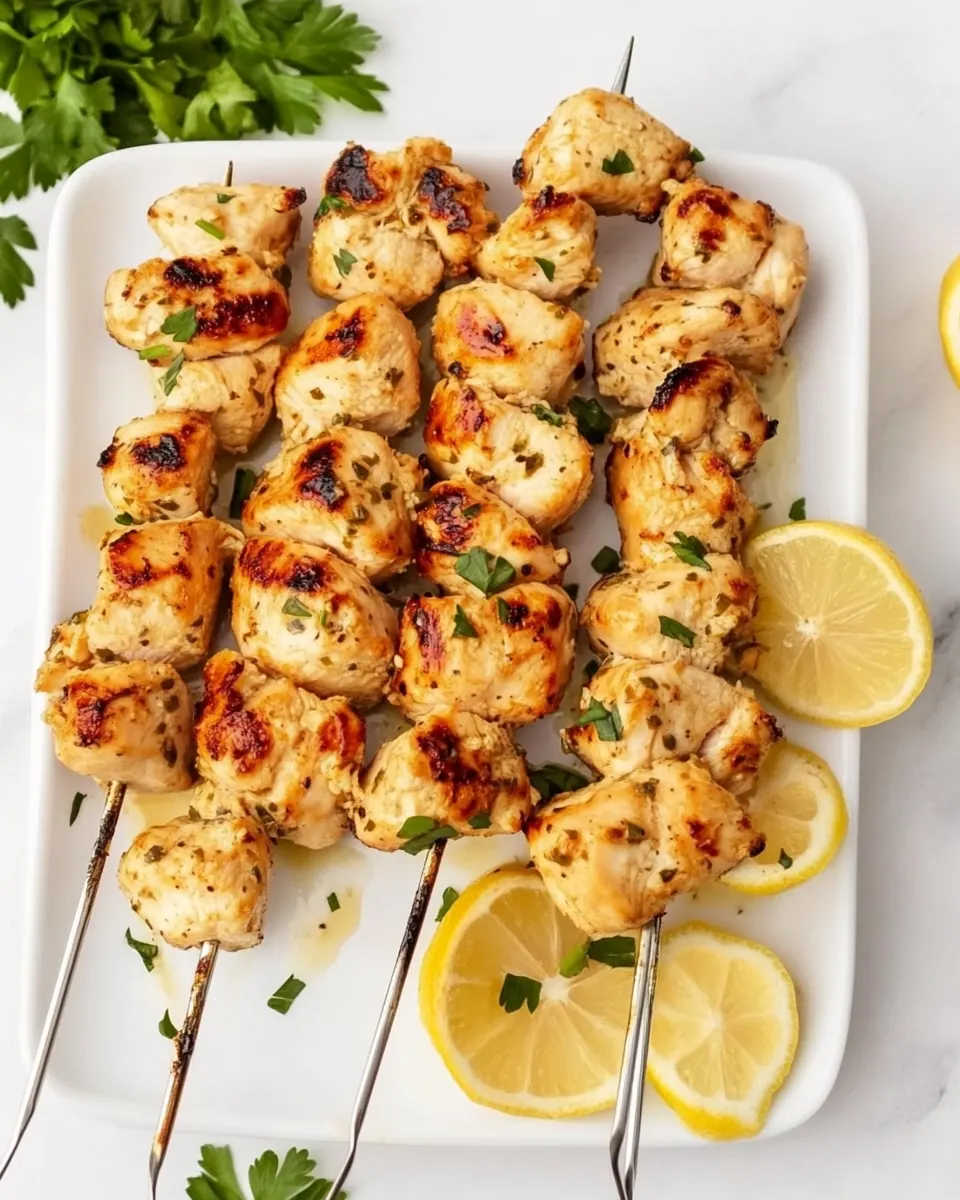
These instructions will guide you from prep to the moment you pull juicy skewers off the grill. I walk through each stage with sensory cues so you can tell when things are right, and I share common pitfalls I see in home grills.
- Cut the chicken into 1 1/2 inch strips for skewering. In a small bowl, whisk together the olive oil, lemon juice, cilantro or parsley, crushed garlic, paprika, salt, cumin, turmeric and cayenne pepper. Place the chicken pieces in a glass dish. Pour the marinade over the chicken and stir to coat. Cover with plastic wrap. Place in the refrigerator and let the chicken marinate for 20 minutes. If using wooden skewers, soak them in water while the chicken is marinating.: The pieces should feel firm but tender and cut uniformly so they cook evenly, aim for consistent thickness so no pieces finish before others; you will notice the raw chicken is pale and glossy, and as you slice it the meat should hold its shape. Use a sharp knife so cuts are clean, this helps sear evenly on the grill. One mistake is uneven cutting which leads to dry edges while centers are underdone, so take a few extra minutes to size them evenly.
- Generously grease the grill and heat over medium. Skewer the chicken, evenly divided between 6-8 skewers.: As you whisk, inhale the citrus and garlic aroma combining with the warm spices, the mixture should look emulsified with the oil suspended by the lemon and herbs. This step matters because it blends flavors so each piece of chicken receives the same coating. If you skip thorough whisking the marinade can separate and distribute unevenly, which risks patchy seasoning.
- Place the skewers on the hot grill and cook for 10-15 minutes, turning once during cooking, until cooked through. Serve hot.: Arrange the strips in a single layer or gently nest them so the marinade can reach all surfaces, the cool dish will keep the meat safe while it soaks up flavors. If you use a reactive metal bowl the acidity of the lemon can alter flavor, so I always choose glass or ceramic. Avoid stacking pieces tightly or they will not marinate uniformly.
- Pour the marinade over the chicken and stir to coat: You should see the marinade cling to the chicken , glossy and well covered, and when you stir the meat should be uniformly colored with flecks of herb and spice. Thorough coating ensures every piece absorbs both moisture and flavor. A common error is under stirring, leaving some pieces untouched and underflavored.
- Cover with plastic wrap: Sealing the dish traps aromas and prevents the marinade from spilling, the cold marrow of the refrigerator will slow bacterial growth while the flavors infuse. This containment also keeps odors from spreading in the fridge. Do not forget to label or note the start time, as overmaring can alter texture.
- Place in the refrigerator and let the chicken marinate for 20 minutes: During this short rest the lemon begins to tenderize surface proteins and the spices penetrate slightly, you should notice the meat takes on a faintly opaque sheen as it hydrates. This relatively brief marination prevents the acid from breaking down the meat too much, maintaining pleasant texture. Leaving it far longer can yield a mealy mouthfeel, so keep to the recommended window when possible.
- If using wooden skewers, soak them in water while the chicken is marinating: The wood will absorb water and resist catching fire, you can tell they are ready when they feel cool and slightly pliable, not bone dry. This small step prevents skewers from burning on the grill and transferring an acrid smell to the meat. Skipping this leads to charred skewers and potential flare ups.
- Generously grease the grill and heat over medium: When the grill reaches a steady medium heat you will see faint wisps of smoke and feel warmth radiating a few inches above the grates, greasing prevents sticking and promotes a clean sear that locks juices inside the chicken . A properly oiled grate also helps achieve attractive grill marks. Too cool of a grill yields long cooking times and dry meat, while too hot will char the exterior before the center cooks.
- Skewer the chicken, evenly divided between 6 to 8 skewers: The pieces should be snug but not cramped so heat circulates and edges caramelize, when threaded the chicken will feel springy and the surface coated in marinade. Even spacing ensures uniform doneness and consistent timing across skewers. Crowding is the typical misstep, which results in steaming rather than grilling.
- Place the skewers on the hot grill and cook for 10 to 15 minutes, turning once during cooking, until cooked through: As they cook you will hear a steady sizzle and see the surface change to golden flecks of char, the aroma becomes savory with citrus and smoky notes; flip once to develop even color on both sides and test for doneness with a thermometer or by cutting a piece to check that juices run clear. This timing yields tender, juicy results while allowing the exterior to crisp slightly. A frequent error is flipping too often, which prevents a proper sear and causes moisture loss.
- Serve hot: The finished skewers should feel warm to the touch, steam rising and the charred edges releasing concentrated aroma; present them immediately so the contrast between the hot exterior and tender interior remains vivid. Serving right away preserves the ideal texture and temperature for your guests. Letting them sit too long cools the meat and diminishes the best qualities of the dish.
Substitutions and Tips

These tips cover practical swaps and technique notes I rely on when making Lemony Marinated Chicken Skewers. They aim to keep the flavors balanced while helping you adapt to what you have on hand.
- Herb swap If you do not have fresh cilantro, use parsley in the same quantity, but expect a slightly milder, fresher green note; finely chop to distribute flavor evenly.
- Chicken cut If you prefer leaner meat, choose boneless skinless breasts, slice them evenly and watch the grill closely to avoid drying out; thighs are more forgiving for longer grills.
- Oil choice If extra virgin olive oil is not available, any neutral oil works but flavor will be less pronounced; avoid heavy flavored oils that can compete with the lemon.
- Control the heat To prevent overcharring, cook over medium heat and move skewers to indirect heat if flare ups occur, this preserves juiciness and prevents bitter burnt bits.
- Reduce heat If guests prefer less spice, reduce the cayenne pepper by half, the rest of the spice blend will still give depth without strong heat.
- Make ahead You can mix the marinade a day ahead and store it chilled, but only add the chicken when ready to marinate to avoid texture breakdown from prolonged acid exposure.
What to Serve Alongside Lemony Marinated Chicken Skewers
These pairing ideas help you build a complete meal around Lemony Marinated Chicken Skewers. Think contrasts in texture and temperature to balance the bright, savory skewers.
- Fresh salad A crisp green salad with a light vinaigrette complements the citrus notes and adds a refreshing counterpoint to the grilled chicken.
- Grilled vegetables Zucchini, bell peppers, and onions charred on the grill pair naturally and provide color and smoky depth alongside the skewers.
- Rice or grain A simple pilaf or herbed rice soaks up any juices and turns this into a satisfying plate for lunch or dinner.
- Flatbreads Warm flatbreads or pita allow guests to make handheld wraps, enhancing the casual, shareable vibe for gatherings.
- Occasions These skewers work for summer cookouts, family dinners, or iftar during Ramadan when served with comforting sides and communal plates.
- Storage tips Refrigerate leftover cooked skewers in an airtight container for up to three days; reheat gently to preserve juiciness.
- Seasonal pairings In summer, pair with fresh tomato salads and citrusy salsas; in cooler months serve with roasted root vegetables to add warmth.
FAQ
Conclusion
These Lemony Marinated Chicken Skewers stand out for their bright citrus lift, warm spice balance, and grill friendly ease. They are a dependable crowd pleaser that comes together quickly, letting you spend less time cooking and more time enjoying company. Give them a try next time you want something both simple and flavorful, and notice how a handful of pantry spices and fresh lemon can turn everyday chicken into a memorable meal.

Lemony Marinated Chicken Skewers
Equipment
- Grill
- Glass dish
- Wooden Skewers
- Small Bowl
- Tongs
Ingredients
- 2 pounds boneless skinless chicken breasts or thighs I prefer thighs Provide tender, protein-rich chunks perfect for skewering and absorbing the marinade; choose boneless skinless breasts for leaner meat or thighs for juicier, more flavorful results. Cut into even pieces to ensure uniform cooking and allow ample surface area to soak up citrus and spice flavors. Marinate for at least 30 minutes or up to several hours to maximize tenderness and flavor penetration.
- 1/4 cup extra virgin olive oil Add smooth, fruity fat to carry flavors and promote browning during grilling; extra virgin olive oil helps create a cohesive marinade that coats the chicken evenly. Emulsify with lemon juice and spices to form a balanced mixture that helps herbs and spices adhere to the meat. Use enough oil to prevent sticking on the grill while keeping the skewers moist.
- 3 tablespoons freshly squeezed lemon juice Brighten and tenderize with a sharp citrus note that cuts through richness and adds acidity to the marinade; freshly squeezed lemon juice also helps slightly denature proteins for more tender results. Balance the quantity to avoid over-acidifying the meat while delivering a lively, zesty flavor. Fresh juice gives a cleaner, brighter taste compared with bottled alternatives.
- 3 tablespoons fresh minced cilantro or parsley I prefer cilantro Contribute fresh, herbal brightness and a subtle green aroma that complements the lemon and garlic; cilantro offers citrusy, floral notes while parsley provides a milder, grassy profile. Mince finely so the herb distributes evenly throughout the marinade and infuses the chicken with consistent flavor. Choose cilantro for a more vibrant finish or parsley for a neutral, complementary lift.
- 2 teaspoons minced fresh garlic Deliver pungent, savory depth and aromatic warmth that melds with citrus and spices; minced fresh garlic ensures a pronounced garlic flavor throughout the chicken. Crush or mince finely to release oils and maximize infusion into the marinade mixture. Use fresh rather than powdered garlic for a more vibrant, piquant profile.
- 1 teaspoon paprika Impart smoky, slightly sweet complexity and a warm color to the marinade; paprika enhances visual appeal and contributes a subtle depth without overwhelming other spices. Use sweet or smoked paprika depending on desired smoke intensity, adding it into the oil-lemon emulsion so it disperses evenly. Combine with other spices to build layered flavor.
- 1 teaspoon salt Season for balanced savory taste and help elevate other flavors; salt is essential to enhance natural meat flavors and to aid in moisture retention during cooking. Dissolve into the marinade so it penetrates the chicken rather than sitting on the surface. Adjust level to taste and dietary requirements while remembering it amplifies all other ingredients.
- 1/2 teaspoon cumin Introduce earthy, warm notes and a subtle nutty aroma that pairs well with citrus and cilantro; cumin adds an unmistakable savory backbone to the spice mix. Use ground cumin sparingly to avoid overpowering milder flavors and to maintain balance with paprika and turmeric. Toasting lightly before adding can deepen its fragrance if desired.
- 1/4 teaspoon turmeric Provide warm, slightly bitter turmeric color and a gentle earthy flavor that enhances the golden hue of the chicken; turmeric also contributes subtle anti-inflammatory properties. Incorporate in small amounts to avoid an overly earthy or musty taste and to maintain a bright appearance. Mix well into the oil-lemon base for even distribution.
- 1/4 teaspoon cayenne pepper Add heat and a sharp, fiery finish to lift the marinade and give the chicken a lingering kick; cayenne pepper should be used carefully to suit heat preferences. Sprinkle into the spice blend to blend with paprika and cumin for layered spiciness rather than an immediate burn. Adjust quantity to control overall spice level while preserving balance.
Instructions
- Cut the chicken into 1 1/2 inch strips for skewering. In a small bowl, whisk together the olive oil, lemon juice, cilantro or parsley, crushed garlic, paprika, salt, cumin, turmeric and cayenne pepper. Place the chicken pieces in a glass dish. Pour the marinade over the chicken and stir to coat. Cover with plastic wrap. Place in the refrigerator and let the chicken marinate for 20 minutes. If using wooden skewers, soak them in water while the chicken is marinating.: The pieces should feel firm but tender and cut uniformly so they cook evenly, aim for consistent thickness so no pieces finish before others; you will notice the raw chicken is pale and glossy, and as you slice it the meat should hold its shape. Use a sharp knife so cuts are clean, this helps sear evenly on the grill. One mistake is uneven cutting which leads to dry edges while centers are underdone, so take a few extra minutes to size them evenly.
- Generously grease the grill and heat over medium. Skewer the chicken, evenly divided between 6-8 skewers.: As you whisk, inhale the citrus and garlic aroma combining with the warm spices, the mixture should look emulsified with the oil suspended by the lemon and herbs. This step matters because it blends flavors so each piece of chicken receives the same coating. If you skip thorough whisking the marinade can separate and distribute unevenly, which risks patchy seasoning.
- Place the skewers on the hot grill and cook for 10-15 minutes, turning once during cooking, until cooked through. Serve hot.: Arrange the strips in a single layer or gently nest them so the marinade can reach all surfaces, the cool dish will keep the meat safe while it soaks up flavors. If you use a reactive metal bowl the acidity of the lemon can alter flavor, so I always choose glass or ceramic. Avoid stacking pieces tightly or they will not marinate uniformly.
- Pour the marinade over the chicken and stir to coat: You should see the marinade cling to the chicken , glossy and well covered, and when you stir the meat should be uniformly colored with flecks of herb and spice. Thorough coating ensures every piece absorbs both moisture and flavor. A common error is under stirring, leaving some pieces untouched and underflavored.
- Cover with plastic wrap: Sealing the dish traps aromas and prevents the marinade from spilling, the cold marrow of the refrigerator will slow bacterial growth while the flavors infuse. This containment also keeps odors from spreading in the fridge. Do not forget to label or note the start time, as overmaring can alter texture.
- Place in the refrigerator and let the chicken marinate for 20 minutes: During this short rest the lemon begins to tenderize surface proteins and the spices penetrate slightly, you should notice the meat takes on a faintly opaque sheen as it hydrates. This relatively brief marination prevents the acid from breaking down the meat too much, maintaining pleasant texture. Leaving it far longer can yield a mealy mouthfeel, so keep to the recommended window when possible.
- If using wooden skewers, soak them in water while the chicken is marinating: The wood will absorb water and resist catching fire, you can tell they are ready when they feel cool and slightly pliable, not bone dry. This small step prevents skewers from burning on the grill and transferring an acrid smell to the meat. Skipping this leads to charred skewers and potential flare ups.
- Generously grease the grill and heat over medium: When the grill reaches a steady medium heat you will see faint wisps of smoke and feel warmth radiating a few inches above the grates, greasing prevents sticking and promotes a clean sear that locks juices inside the chicken . A properly oiled grate also helps achieve attractive grill marks. Too cool of a grill yields long cooking times and dry meat, while too hot will char the exterior before the center cooks.
- Skewer the chicken, evenly divided between 6 to 8 skewers: The pieces should be snug but not cramped so heat circulates and edges caramelize, when threaded the chicken will feel springy and the surface coated in marinade. Even spacing ensures uniform doneness and consistent timing across skewers. Crowding is the typical misstep, which results in steaming rather than grilling.
- Place the skewers on the hot grill and cook for 10 to 15 minutes, turning once during cooking, until cooked through: As they cook you will hear a steady sizzle and see the surface change to golden flecks of char, the aroma becomes savory with citrus and smoky notes; flip once to develop even color on both sides and test for doneness with a thermometer or by cutting a piece to check that juices run clear. This timing yields tender, juicy results while allowing the exterior to crisp slightly. A frequent error is flipping too often, which prevents a proper sear and causes moisture loss.
- Serve hot: The finished skewers should feel warm to the touch, steam rising and the charred edges releasing concentrated aroma; present them immediately so the contrast between the hot exterior and tender interior remains vivid. Serving right away preserves the ideal texture and temperature for your guests. Letting them sit too long cools the meat and diminishes the best qualities of the dish.
Notes
- Herb swap If you do not have fresh cilantro, use parsley in the same quantity, but expect a slightly milder, fresher green note; finely chop to distribute flavor evenly.
- Chicken cut If you prefer leaner meat, choose boneless skinless breasts, slice them evenly and watch the grill closely to avoid drying out; thighs are more forgiving for longer grills.
- Oil choice If extra virgin olive oil is not available, any neutral oil works but flavor will be less pronounced; avoid heavy flavored oils that can compete with the lemon.
- Control the heat To prevent overcharring, cook over medium heat and move skewers to indirect heat if flare ups occur, this preserves juiciness and prevents bitter burnt bits.
- Reduce heat If guests prefer less spice, reduce the cayenne pepper by half, the rest of the spice blend will still give depth without strong heat.
- Make ahead You can mix the marinade a day ahead and store it chilled, but only add the chicken when ready to marinate to avoid texture breakdown from prolonged acid exposure.