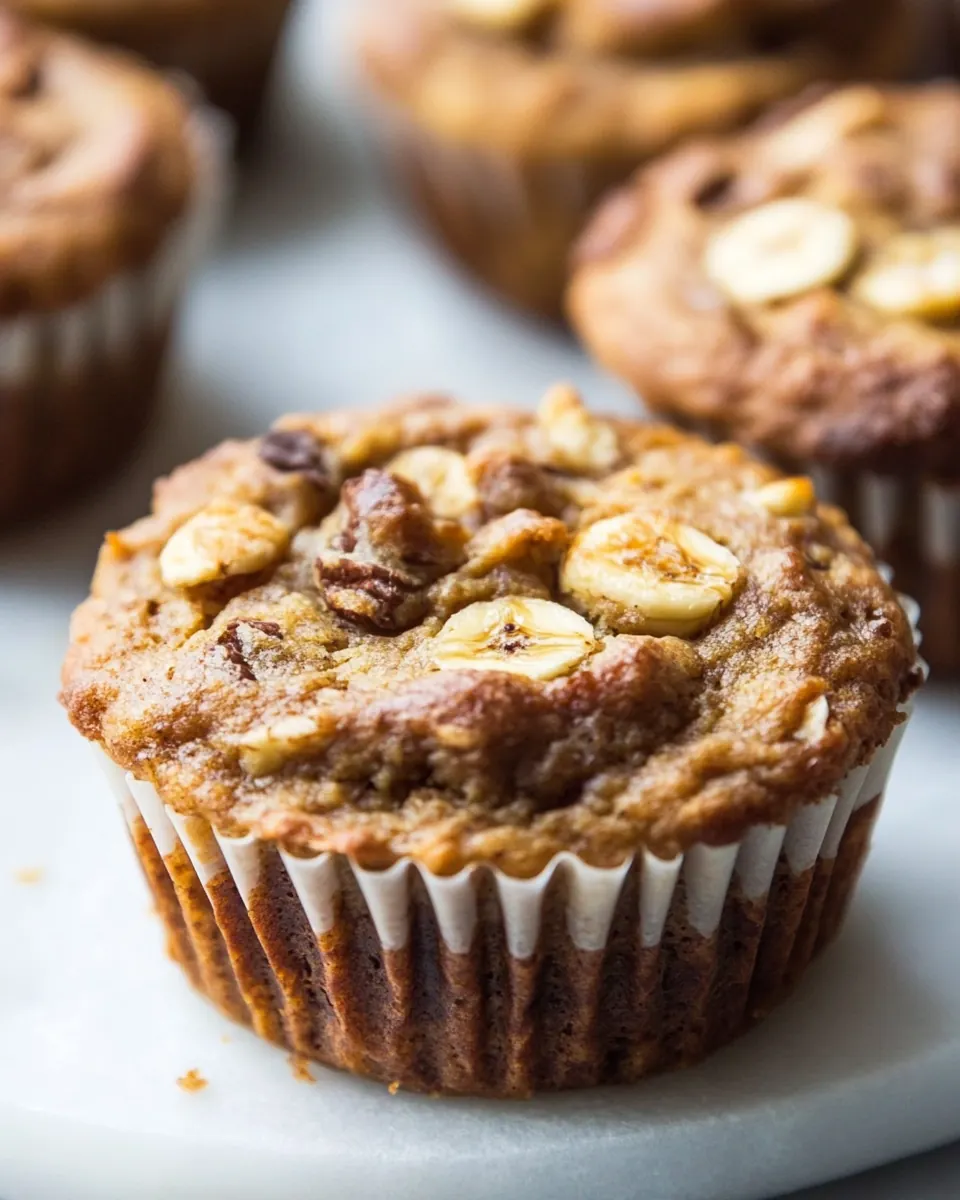
Paleo Banana Bread Muffins
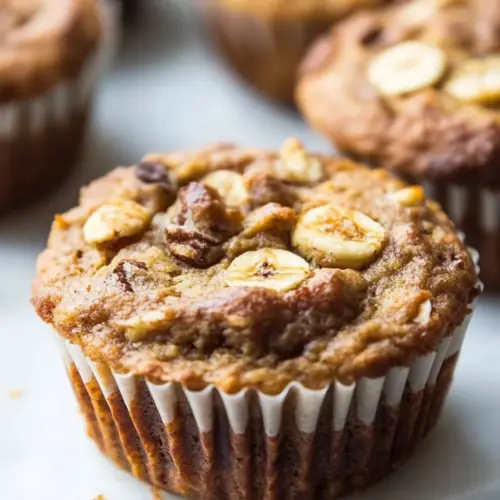
Paleo Banana Bread Muffins are the kind of treat I reach for when I want comfort without the fluff, a little morning warmth with honest ingredients and big flavor.
The first time I made these muffins I was rescuing overripe bananas from the counter and wanted something that felt homemade yet bright and wholesome. I remember mashing the bananas by hand, the sweet aroma filling the kitchen as I mixed eggs and almond butter until the batter looked glossy and inviting. That day I learned how a few pantry staples can come together to form something unexpectedly tender and satisfying.
Over the years I tweaked the balance between coconut flour and almond butter until the texture became reliably soft without collapsing, and I began bringing these muffins to potlucks, knowing they would disappear first. They travel well, keep in the fridge, and pair beautifully with coffee or a plain yogurt when you want a simple breakfast that still feels special. I find joy in the ritual of scooping batter into the tin, seeing the domes rise, and tapping the pan to listen for the slight crack that signals doneness.
Recipe Snapshot
25 mins
10 mins
15 mins
Easy
180 kcal
American
Gluten-Free, Paleo
Breakfast
Muffin tin, Mixing bowl, Wooden spoon, Measuring cups
Why This Paleo Banana Bread Muffins Stands Out
They are comfortingly simple
I love that Paleo Banana Bread Muffins strip baked goods down to essentials, focusing on real textures and flavors rather than artificial fixes. The mix of mashed bananas and almond butter gives a natural sweetness and creaminess that sings without added sugar.
They work for busy mornings
I often make a batch on Sunday, then reach for one on hectic mornings when I need something easy to eat with one hand. The muffins stay moist in the fridge, and reheating for a few seconds makes them taste freshly baked again.
Flexible and forgiving
These muffins forgive a range of ingredient swaps, which I appreciate when the pantry is sparse. The recipe tolerates slight variations in banana ripeness and ingredient substitutions, yet still produces a reliable crumb every time.
Great for sharing
I bring these to gatherings because they please a crowd and often start conversations about how simple, paleo ingredients can still produce a treat that feels indulgent. They travel well and rarely come back home.
Texture and flavor balance
The combination of coconut flour, almond butter, and a hint of cinnamon creates a tender interior with warm spice notes that pair wonderfully with the banana. I appreciate how each bite delivers a soft, slightly dense crumb without feeling heavy.
Paleo Banana Bread Muffins Ingredients
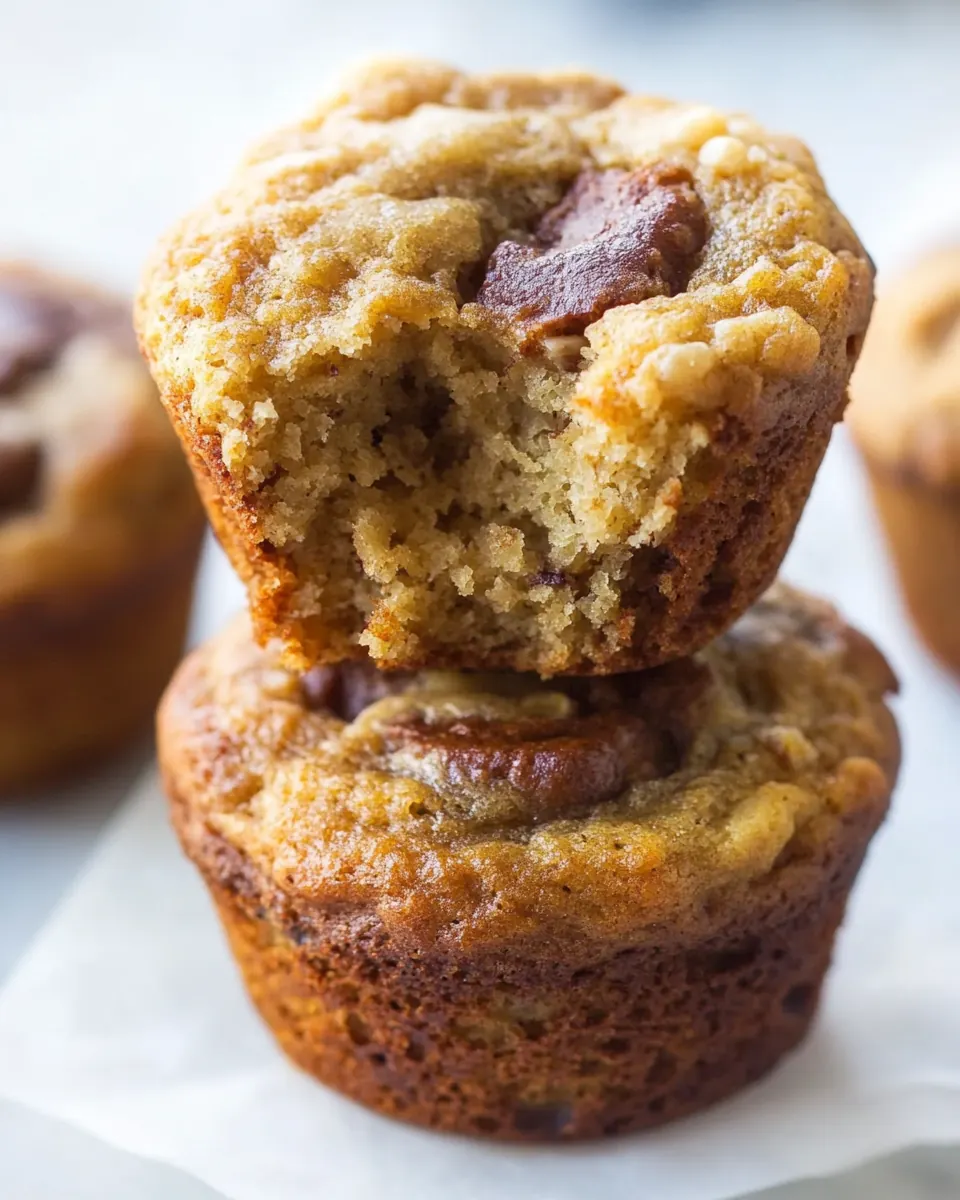
These ingredients are built around a philosophy of simplicity and harmony. Each item plays a role: the bananas sweeten and moisten, the eggs bind and lift, and the flours and fats provide structure and crumb. Together they create muffins that are tender yet sturdy enough to travel and store well.
- 2 large eggs: Whisk together to provide structure and leavening while adding moisture and richness to the muffins; eggs also help bind the banana and flour components for a cohesive batter.
- 2 cups mashed bananas, 3-4 medium: Purée thoroughly to supply natural sweetness, moisture, and banana flavor while contributing to the batter’s density and tender crumb; mashed bananas also reduce the need for added sugar.
- 1/2 cup almond butter, peanut butter can also be used: Spoon in for healthy fats, creaminess, and subtle nuttiness that enriches texture and flavor while helping bind dry ingredients and improving moisture retention.
- 1/4 cup butter, olive oil can also be used: Melt or blend in for additional fat to tenderize the crumb and carry flavor; using olive oil will produce a slightly lighter, more neutral result compared with butter.
- 1 teaspoon vanilla: Stir in to enhance and deepen the overall flavor profile with warm, aromatic notes; vanilla rounds out the sweetness and complements the banana and cinnamon.
- 1/2 cup coconut flour, almond flour can also be used: Measure precisely to absorb moisture and provide a light, slightly grainy crumb while keeping the muffins gluten-free; coconut flour’s high absorbency may require extra liquid or eggs.
- 1 tablespoon cinnamon: Sprinkle or mix in to add warm spice and complexity, balancing sweetness and enhancing the overall aroma; cinnamon also contributes perceived sweetness without added sugar.
- 1 teaspoon baking powder: Combine to introduce mild leavening and help the muffins rise slightly, creating air pockets for a lighter texture while reacting with acidic components in the batter.
- 1 teaspoon baking soda: Add to react with acidic ingredients and boost lift, promoting a tender, open crumb; baking soda also aids browning and neutralizes acidity from bananas or almond butter.
- pinch of sea salt: Pinch in to enhance and balance all flavors by suppressing bitterness and intensifying sweetness; a small amount of sea salt also improves overall taste perception.
- 1/2 cup chocolate chips, and not included in nutritional facts (optional): Fold in optionally to provide bursts of chocolate flavor and textural contrast, though omitted from nutritional facts; chips add sweetness and melty pockets throughout the muffins.
Paleo Banana Bread Muffins Instructions
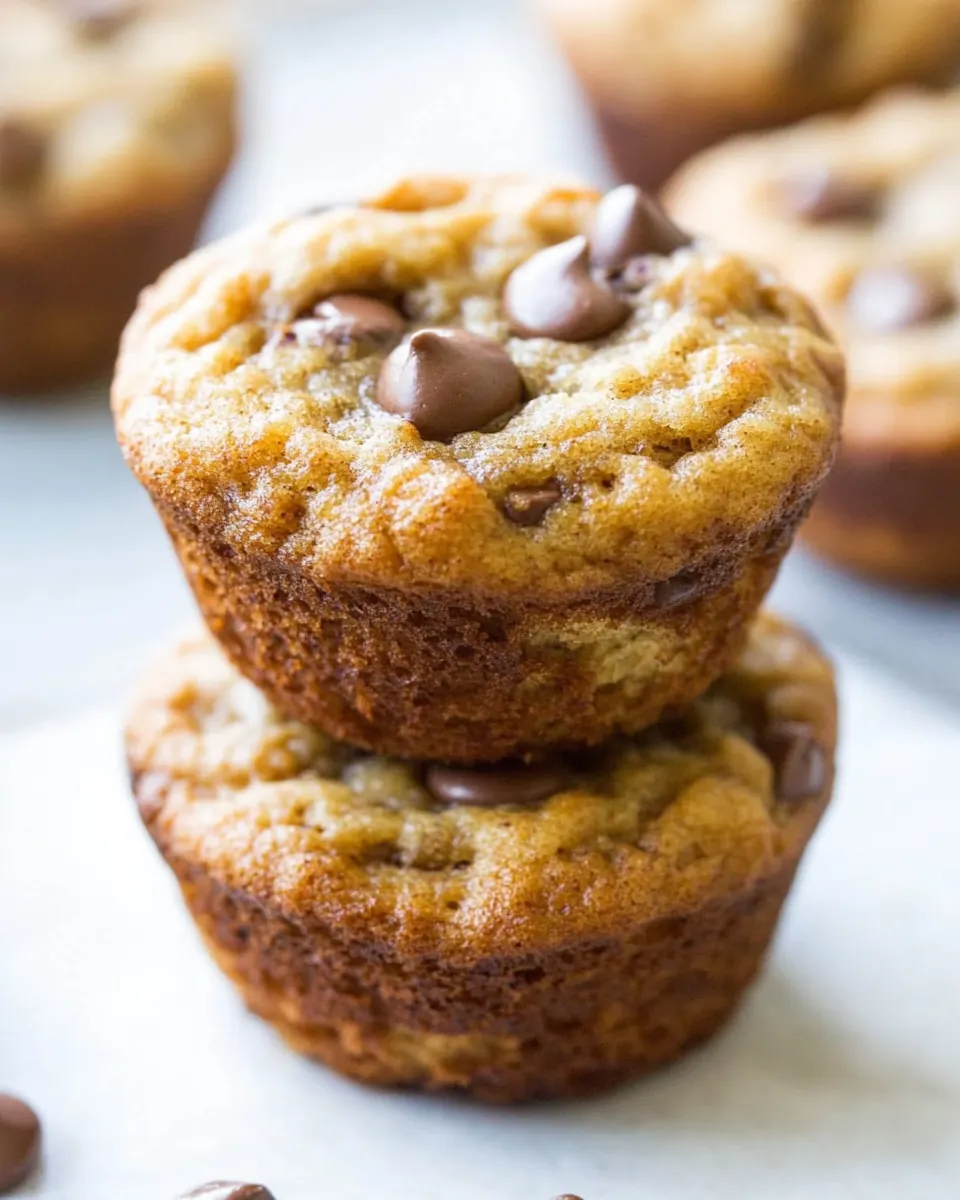
These directions walk you through building the batter, filling the tins, and baking with attention to texture and timing. I guide you through sensory cues so you know when each phase is right, and what to watch for to avoid common mistakes.
- Pre-heat oven to 350 degrees F. Grease or line 12 muffin cups with liners; set aside.: As the oven warms, you will notice a gentle hum from the heating element and an even rising temperature that sets the stage for proper lift and browning. A fully preheated oven helps the muffins spring up immediately, creating a pleasing dome and locking in moisture. If you skip preheating, muffins may bake unevenly and become dense. A common error is placing the pan into an oven that is still coming up to temperature, which can lead to under risen centers.
- Combine eggs, bananas, almond butter, butter, and vanilla in a large bowl. Whisk until fully combined. Add the coconut flour, cinnamon, baking powder, baking soda, and pinch of salt. Stir with a wooden spoon until fully combined.: Lightly greased tins or liners prevent sticking and help the bottoms brown evenly, producing clean release and attractive muffins. You can feel the texture of the liner and the slight resistance when filling the cup gives way to batter, which is satisfying. Avoid over greasing, which can lead to too much browning on the edges and a greasy mouthfeel. A mistake people make is using the wrong sized tin, so ensure you have a standard 12 cup muffin pan.
- Spoon batter into muffin tins, 3/4 full. Bake for 15-18 minutes or until golden. Cool for 10 minutes before removing from muffin tin. Store in refrigerator for up to 4 days.: As you whisk these wet ingredients, the mixture will transition from chunky to smoother and take on a silky sheen, with the banana aroma becoming more pronounced. This wet base builds the backbone of moisture and flavor, so incorporate thoroughly to prevent dry pockets. If you under mix, the coconut flour can clump and produce uneven texture. A common misstep is adding the dry ingredients too early, which can prevent proper emulsification.
- Whisk until fully combined: When the batter becomes uniform in color and consistency, it should look glossy and pourable with small streaks from the almond butter if not fully blended. This visual uniformity ensures even distribution of leavening and flavor. Over whisking is less of a problem here, but vigorous mixing can introduce too much air then collapse, so aim for smooth not frothy.
- Add the coconut flour, cinnamon, baking powder, baking soda, and pinch of salt: Sprinkle the dry ingredients over the wet, then fold gently so the coconut flour absorbs moisture without forming lumps. You will see the batter thicken as the flour hydrates, the scent of cinnamon lifting upwards. If the dry is dumped in and mixed aggressively, you risk a gummy texture, so fold with care. A frequent mistake is mismeasuring the coconut flour, which can dramatically alter the final consistency.
- Stir with a wooden spoon until fully combined: Using a wooden spoon gives control and a tactile sense of resistance as the batter comes together, letting you feel when no dry streaks remain. The spoon will leave gentle ribbons in the mixture and the surface should look homogenous. If you see lumps of unincorporated flour, scrape the bowl sides and mix slowly until smooth. Over stirring can make muffins tougher, so stop once integrated.
- Spoon batter into muffin tins, 3/4 full: I like to use an ice cream scoop for uniformity; each cup filled to three quarters allows a rounded top without overflow. As you fill the tins, notice the batter’s thickness and how it settles; it should mound slightly and hold shape. Filling too full leads to spillover and flat tops, while underfilling yields smaller, denser muffins. Be consistent across cups for even baking.
- Bake for 15 to 18 minutes or until golden: In the oven the muffins will rise, the tops turning a warm golden color and giving a faint fragrance of banana and cinnamon. Test doneness by gently pressing the top which should spring back, or inserting a toothpick that comes out with a few moist crumbs. Overbaking dries them, while underbaking leaves a gummy center, so monitor them closely in the final minutes. A typical mistake is relying only on appearance, so use the spring back test too.
- Cool for 10 minutes before removing from muffin tin: Cooling allows the crumb to set and makes removal simpler, preventing torn bottoms. During this short rest you will notice steam fade and the texture firm slightly when tapped. If you try to unmold them hot, they may crumble or stick; patience gives clean edges and intact tops. Leaving them in too long can cause condensation if you then cover them warm, so transfer to a cooling rack after the brief rest.
- Store in refrigerator for up to 4 days: Chilled, these muffins maintain their texture and stay fresh; wrap or seal them to prevent drying and absorbent odors. When ready to eat, warm briefly to revive softness and aroma. A common storage error is leaving them at room temperature uncovered, which leads to drying and a less appealing texture. For longer storage, consider freezing in a single layer before stacking.
Tips and Tricks about Paleo Banana Bread Muffins
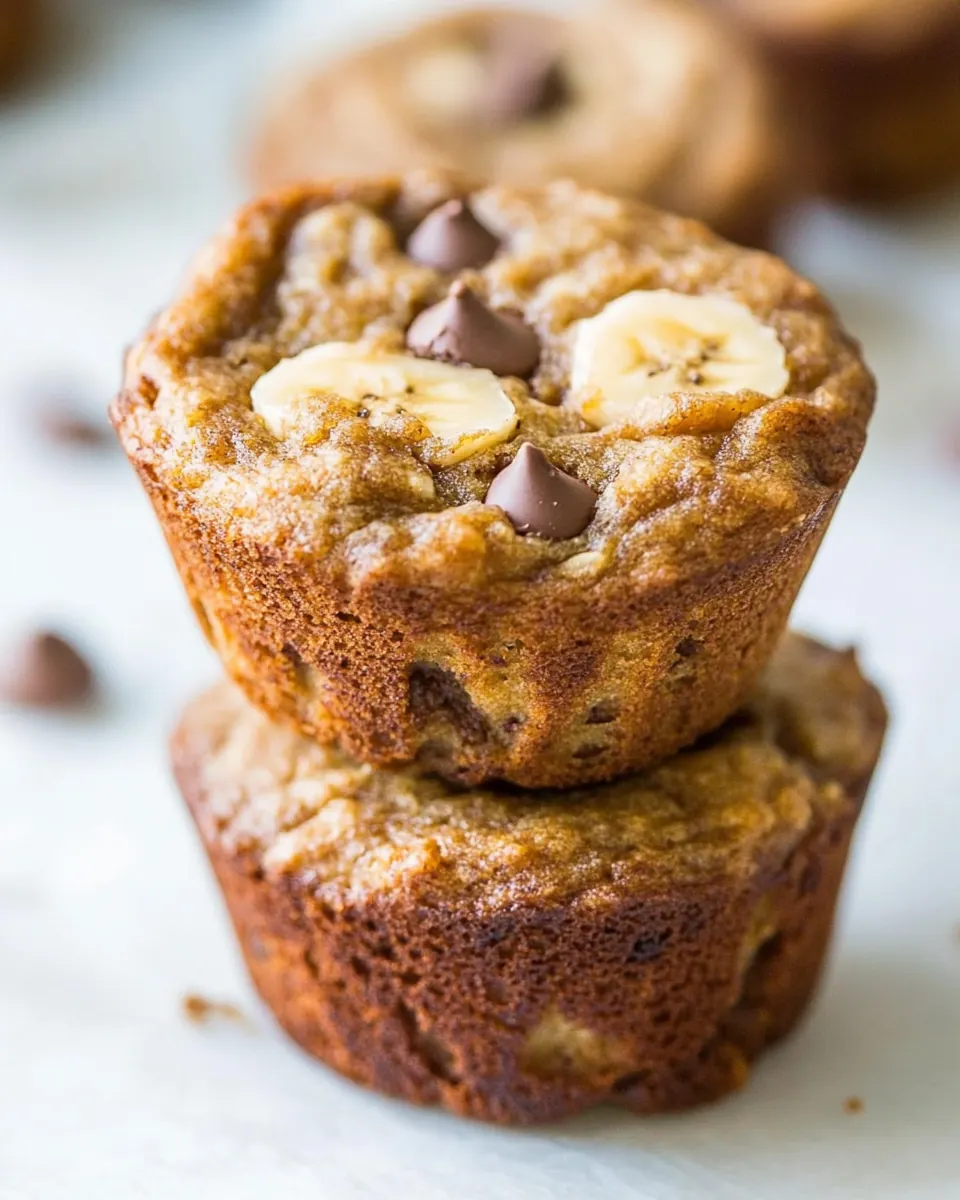
I like to keep these tips handy when I bake because small adjustments make a big difference. Below are practical notes I use every time I make Paleo Banana Bread Muffins to ensure consistency and flavor.
- Room temperature wet ingredients help everything blend smoothly, reduce lumps, and create a uniform batter that bakes evenly.
- Check your leavening by testing baking powder and baking soda freshness if your muffins are not rising as expected; a quick test is to add a pinch to hot water and watch for fizz.
- Even scoop sizes ensure uniform bake times, use an ice cream scoop or measuring cup for consistent portions across the dozen muffins.
- Don’t over mix once the flour is added, fold gently to avoid developing a dense texture and to keep the crumb tender.
- Store properly in an airtight container in the refrigerator for up to four days, and warm briefly before serving to refresh texture and aroma.
How to Enjoy Paleo Banana Bread Muffins
These muffins are versatile and fit many occasions, from a quick breakfast to a snack on the go. Below I list serving styles, pairings, and storage ideas so you can enjoy them in different settings.
- Breakfast pairing: Serve warm with a spoonful of plain yogurt for a balanced morning that combines protein and natural sweetness.
- Snack style: Pack a muffin with fresh fruit for a portable snack during busy afternoons or hikes.
- Brunch offering: Arrange on a platter with other baked goods and fresh berries for a relaxed weekend spread.
- Storage suggestion: Refrigerate in an airtight container for up to four days, or freeze individually wrapped for longer keeping, then thaw at room temperature or warm briefly.
- Occasions: Great for everyday breakfasts, casual brunches, potlucks, or when you need a wholesome treat for guests during Ramadan suhoor or family gatherings.
FAQ
Conclusion
These Paleo Banana Bread Muffins shine because they transform simple, wholesome ingredients into a moist, comforting baked good that works for breakfast, snacks, or sharing with friends. Give them a try the next time you have ripe bananas and a few pantry staples, and you may be surprised how quickly a batch disappears. They’re approachable, forgiving, and a small ritual of baking that yields satisfying results without fuss.
Paleo Banana Bread Muffins
Equipment
- Muffin Tin
- Mixing Bowl
- Wooden Spoon
- Measuring Cups
Ingredients
- 2 large eggs Whisk together to provide structure and leavening while adding moisture and richness to the muffins; eggs also help bind the banana and flour components for a cohesive batter.
- 2 cups mashed bananas, 3-4 medium Purée thoroughly to supply natural sweetness, moisture, and banana flavor while contributing to the batter’s density and tender crumb; mashed bananas also reduce the need for added sugar.
- 1/2 cup almond butter, peanut butter can also be used Spoon in for healthy fats, creaminess, and subtle nuttiness that enriches texture and flavor while helping bind dry ingredients and improving moisture retention.
- 1/4 cup butter, olive oil can also be used Melt or blend in for additional fat to tenderize the crumb and carry flavor; using olive oil will produce a slightly lighter, more neutral result compared with butter.
- 1 teaspoon vanilla Stir in to enhance and deepen the overall flavor profile with warm, aromatic notes; vanilla rounds out the sweetness and complements the banana and cinnamon.
- 1/2 cup coconut flour, almond flour can also be used Measure precisely to absorb moisture and provide a light, slightly grainy crumb while keeping the muffins gluten-free; coconut flour’s high absorbency may require extra liquid or eggs.
- 1 tablespoon cinnamon Sprinkle or mix in to add warm spice and complexity, balancing sweetness and enhancing the overall aroma; cinnamon also contributes perceived sweetness without added sugar.
- 1 teaspoon baking powder Combine to introduce mild leavening and help the muffins rise slightly, creating air pockets for a lighter texture while reacting with acidic components in the batter.
- 1 teaspoon baking soda Add to react with acidic ingredients and boost lift, promoting a tender, open crumb; baking soda also aids browning and neutralizes acidity from bananas or almond butter.
- pinch of sea salt Pinch in to enhance and balance all flavors by suppressing bitterness and intensifying sweetness; a small amount of sea salt also improves overall taste perception.
- 1/2 cup chocolate chips, optional and not included in nutritional facts Fold in optionally to provide bursts of chocolate flavor and textural contrast, though omitted from nutritional facts; chips add sweetness and melty pockets throughout the muffins.
Instructions
- Pre-heat oven to 350 degrees F. Grease or line 12 muffin cups with liners; set aside.: As the oven warms, you will notice a gentle hum from the heating element and an even rising temperature that sets the stage for proper lift and browning. A fully preheated oven helps the muffins spring up immediately, creating a pleasing dome and locking in moisture. If you skip preheating, muffins may bake unevenly and become dense. A common error is placing the pan into an oven that is still coming up to temperature, which can lead to under risen centers.
- Combine eggs, bananas, almond butter, butter, and vanilla in a large bowl. Whisk until fully combined. Add the coconut flour, cinnamon, baking powder, baking soda, and pinch of salt. Stir with a wooden spoon until fully combined.: Lightly greased tins or liners prevent sticking and help the bottoms brown evenly, producing clean release and attractive muffins. You can feel the texture of the liner and the slight resistance when filling the cup gives way to batter, which is satisfying. Avoid over greasing, which can lead to too much browning on the edges and a greasy mouthfeel. A mistake people make is using the wrong sized tin, so ensure you have a standard 12 cup muffin pan.
- Spoon batter into muffin tins, 3/4 full. Bake for 15-18 minutes or until golden. Cool for 10 minutes before removing from muffin tin. Store in refrigerator for up to 4 days.: As you whisk these wet ingredients, the mixture will transition from chunky to smoother and take on a silky sheen, with the banana aroma becoming more pronounced. This wet base builds the backbone of moisture and flavor, so incorporate thoroughly to prevent dry pockets. If you under mix, the coconut flour can clump and produce uneven texture. A common misstep is adding the dry ingredients too early, which can prevent proper emulsification.
- Whisk until fully combined: When the batter becomes uniform in color and consistency, it should look glossy and pourable with small streaks from the almond butter if not fully blended. This visual uniformity ensures even distribution of leavening and flavor. Over whisking is less of a problem here, but vigorous mixing can introduce too much air then collapse, so aim for smooth not frothy.
- Add the coconut flour, cinnamon, baking powder, baking soda, and pinch of salt: Sprinkle the dry ingredients over the wet, then fold gently so the coconut flour absorbs moisture without forming lumps. You will see the batter thicken as the flour hydrates, the scent of cinnamon lifting upwards. If the dry is dumped in and mixed aggressively, you risk a gummy texture, so fold with care. A frequent mistake is mismeasuring the coconut flour, which can dramatically alter the final consistency.
- Stir with a wooden spoon until fully combined: Using a wooden spoon gives control and a tactile sense of resistance as the batter comes together, letting you feel when no dry streaks remain. The spoon will leave gentle ribbons in the mixture and the surface should look homogenous. If you see lumps of unincorporated flour, scrape the bowl sides and mix slowly until smooth. Over stirring can make muffins tougher, so stop once integrated.
- Spoon batter into muffin tins, 3/4 full: I like to use an ice cream scoop for uniformity; each cup filled to three quarters allows a rounded top without overflow. As you fill the tins, notice the batter’s thickness and how it settles; it should mound slightly and hold shape. Filling too full leads to spillover and flat tops, while underfilling yields smaller, denser muffins. Be consistent across cups for even baking.
- Bake for 15 to 18 minutes or until golden: In the oven the muffins will rise, the tops turning a warm golden color and giving a faint fragrance of banana and cinnamon. Test doneness by gently pressing the top which should spring back, or inserting a toothpick that comes out with a few moist crumbs. Overbaking dries them, while underbaking leaves a gummy center, so monitor them closely in the final minutes. A typical mistake is relying only on appearance, so use the spring back test too.
- Cool for 10 minutes before removing from muffin tin: Cooling allows the crumb to set and makes removal simpler, preventing torn bottoms. During this short rest you will notice steam fade and the texture firm slightly when tapped. If you try to unmold them hot, they may crumble or stick; patience gives clean edges and intact tops. Leaving them in too long can cause condensation if you then cover them warm, so transfer to a cooling rack after the brief rest.
- Store in refrigerator for up to 4 days: Chilled, these muffins maintain their texture and stay fresh; wrap or seal them to prevent drying and absorbent odors. When ready to eat, warm briefly to revive softness and aroma. A common storage error is leaving them at room temperature uncovered, which leads to drying and a less appealing texture. For longer storage, consider freezing in a single layer before stacking.
Notes
- Room temperature wet ingredients help everything blend smoothly, reduce lumps, and create a uniform batter that bakes evenly.
- Check your leavening by testing baking powder and baking soda freshness if your muffins are not rising as expected; a quick test is to add a pinch to hot water and watch for fizz.
- Even scoop sizes ensure uniform bake times, use an ice cream scoop or measuring cup for consistent portions across the dozen muffins.
- Don't over mix once the flour is added, fold gently to avoid developing a dense texture and to keep the crumb tender.
- Store properly in an airtight container in the refrigerator for up to four days, and warm briefly before serving to refresh texture and aroma.