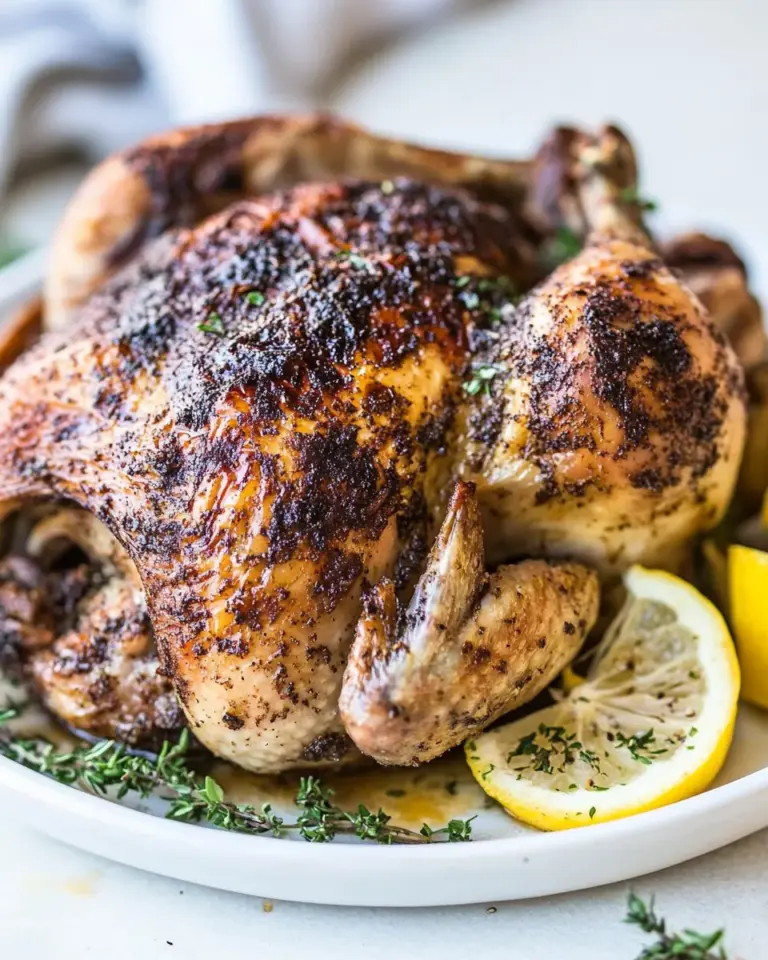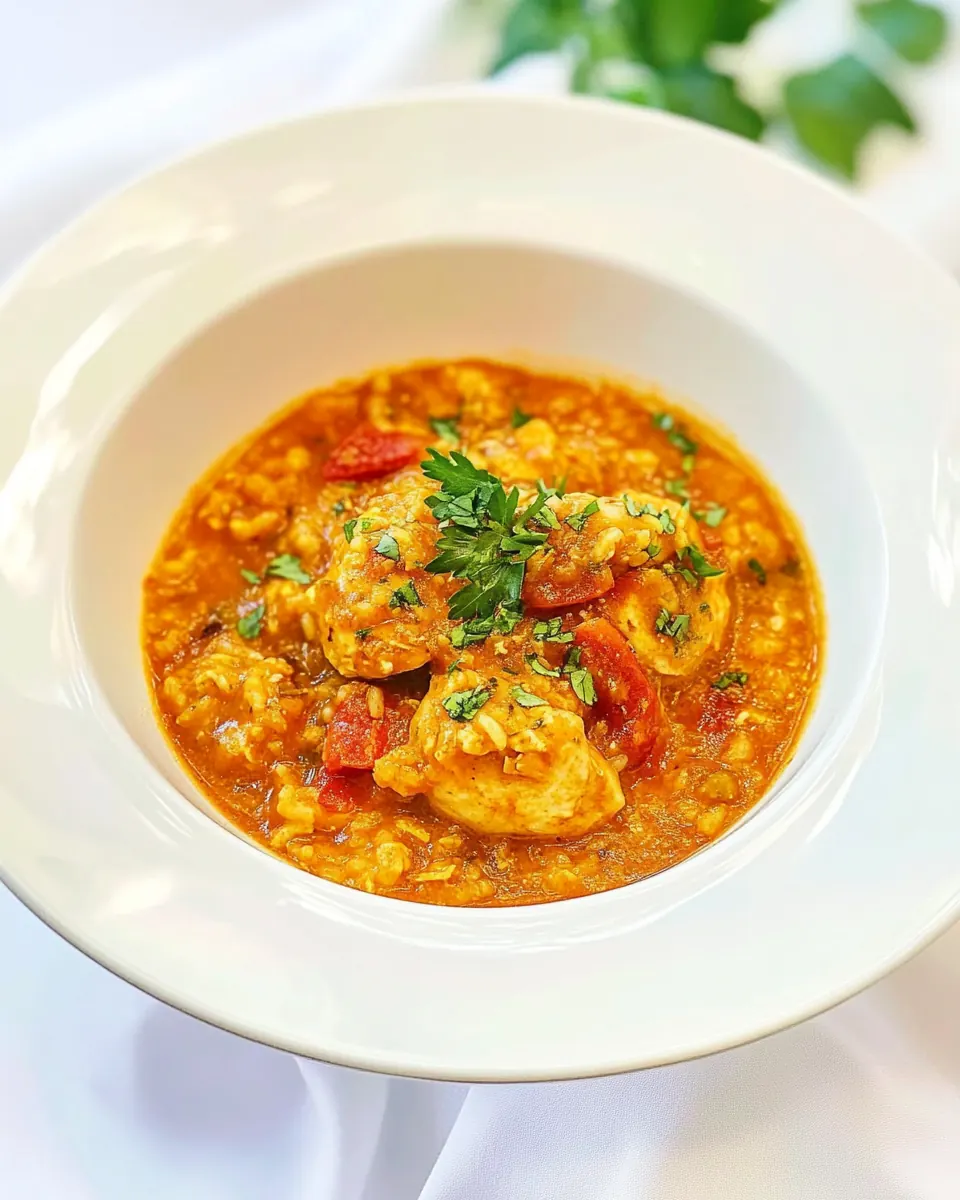
Asopao de Pollo
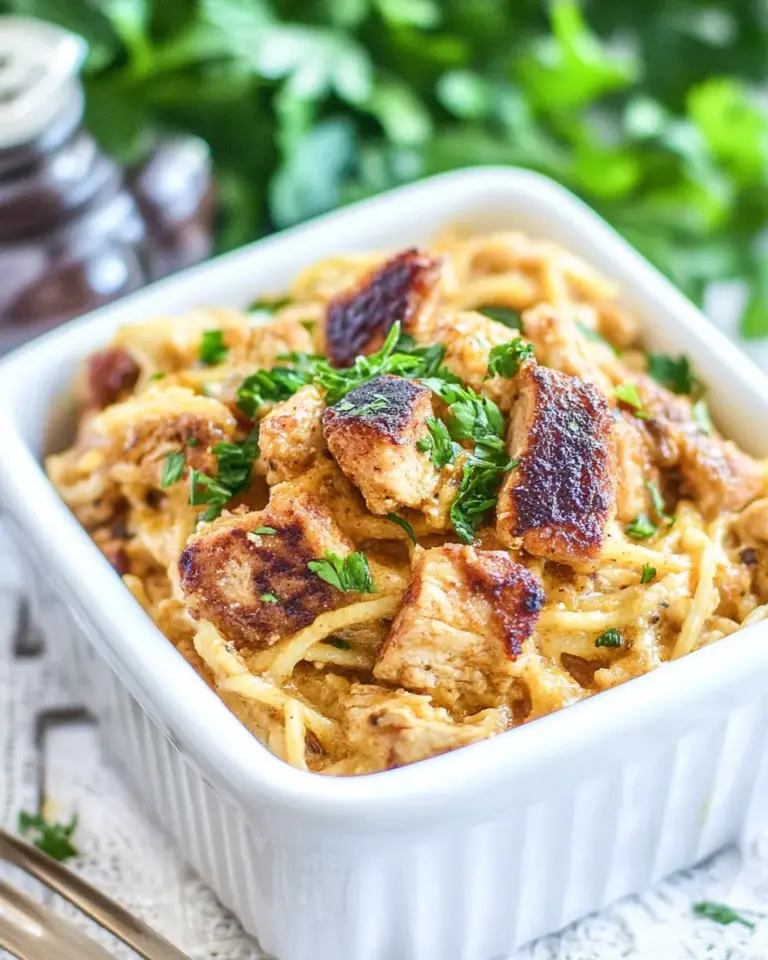
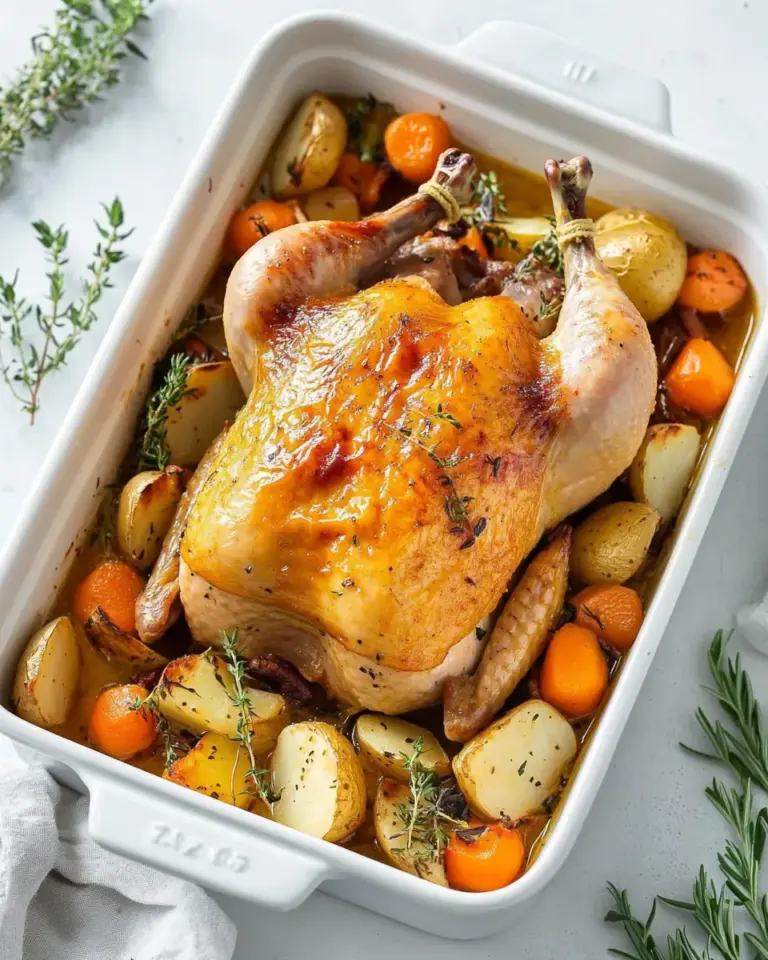
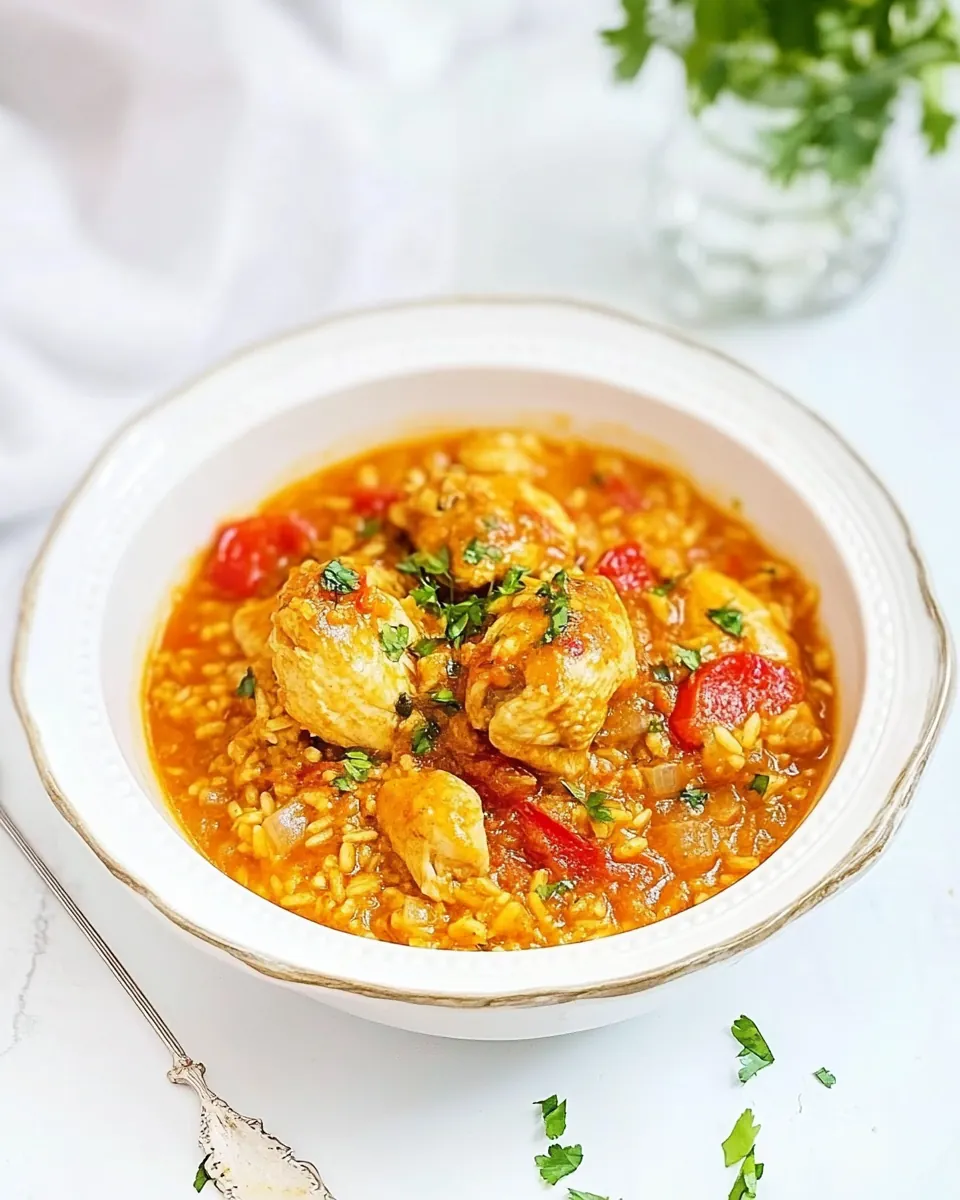
Asopao de Pollo is the kind of dish I reach for when I want something warm, honest, and full of memory. The first time I tasted it was at a friend s family table, where the steam itself felt like a welcome note. From that very first spoonful the balance of chicken, rice, and those savory tomato notes made me slow down and savor each mouthful, and I still remember the way the broth clung to the rice like a cozy blanket.
Over the years I ve made Asopao de Pollo in tiny apartments and in a roomy kitchen with a window that opened to a city street. Each time it taught me something new about tempering heat, coaxing flavor, and the tiny adjustments that turn a good stew into one you want to share. I love how flexible it is, whether I m feeding a quiet weeknight two or a bustling table for company. The recipe invites improvisation, but it rewards care, especially with the chicken and the rice that absorb every savory note.
When I serve Asopao de Pollo I like to let people ladle their own bowls because it feels communal and relaxed, and everyone can choose how brothy or thick they prefer their portion. I also find that a final sprinkle of fresh herbs brightens the whole bowl in a way that feels both modest and elegant. This recipe has become my go to for chilly evenings, for when I want to impress without fuss, and for the simple joy of a dish that tastes like care.
Recipe Snapshot
40 mins
10 mins
30 mins
Easy
350 kcal
Latin
Gluten-Free, Low FODMAP
Dinner
3 to 4 quart pot, Stove, Wooden spoon
What You’ll Enjoy About This Asopao de Pollo
Comfort in a Bowl
I love Asopao de Pollo because it offers immediate comfort without being heavy. The marriage of chicken and rice in a savory tomato broth creates a texture that is both silky and hearty. When I’m serving this, I notice how people relax with the first spoonful, which makes it one of my top choices for intimate dinners or soothing solo meals.
Depth of Flavor from Simple Steps
I appreciate that a few thoughtful actions transform basic pantry items into something layered and memorable. Browning the chicken and caramelizing the sugar in oil add a rounded, almost nutty foundation. Stirring in the tomato sauce and simmering extracts gentle acidity and sweetness, giving the dish depth without needing complicated techniques.
Flexible and Family Friendly
We often adjust the mix of vegetables, and the recipe still sings. That flexibility makes Asopao de Pollo perfect for feeding a family with different preferences. You can leave certain vegetables as optional and everyone still gets a satisfying bowl. I often tweak it depending on what s fresh or what I have on hand, and it never loses its identity.
Hands On, Yet Easy
I enjoy the tactile, attentive parts of this recipe, like stirring the rice to watch it plump and listening for the soft bubble of a gentle simmer. These small sensory moments make cooking feel rewarding. At the same time the method is straightforward enough to be an easy weeknight dinner, which is why I keep this recipe in heavy rotation.
Great for Sharing
This dish feels generous. When I bring a pot of Asopao de Pollo to the table, it invites conversation and sharing. It s a dish that warms both body and mood, which is why it often becomes the centerpiece of gatherings where comfort matters more than fuss.
Ingredient List for Asopao de Pollo
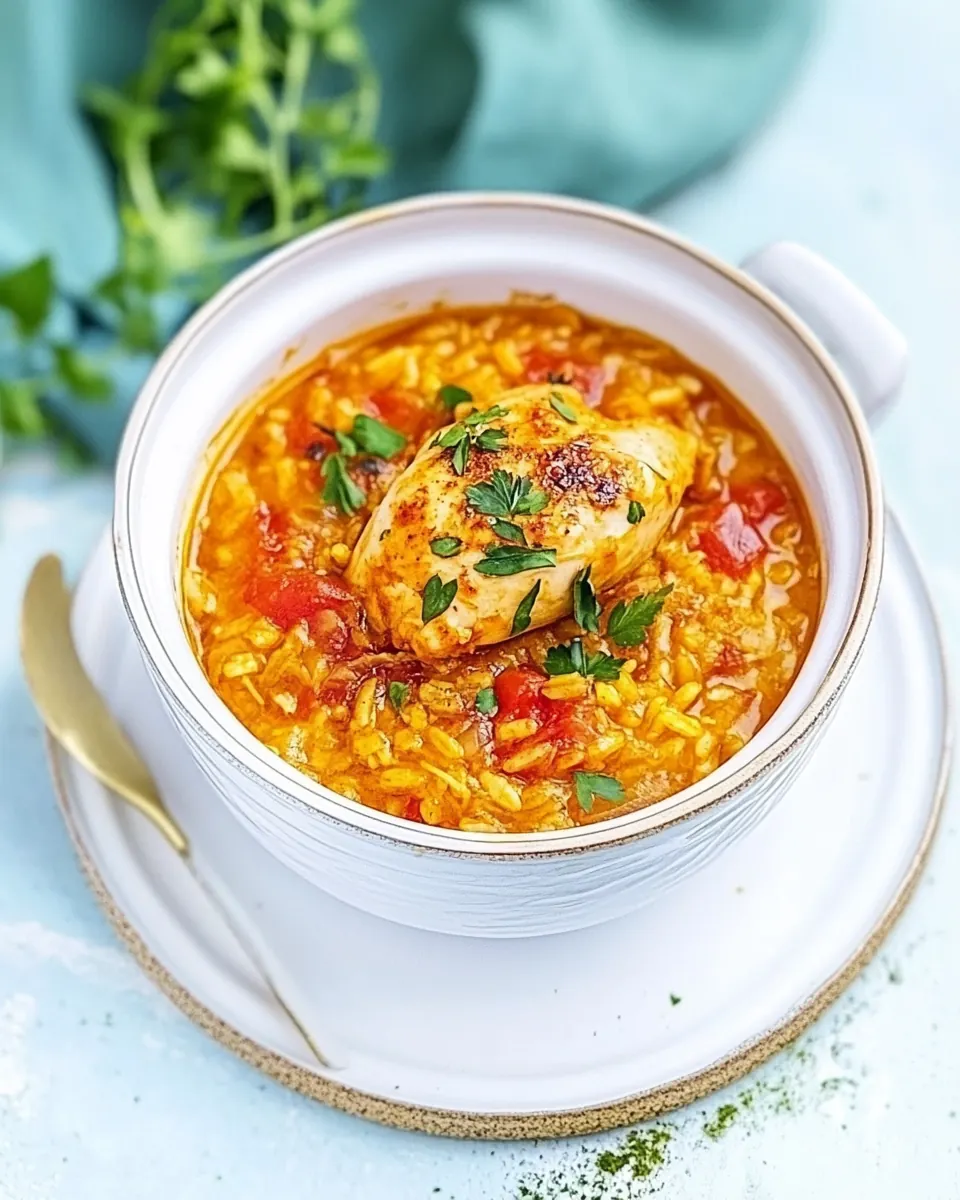
These ingredients form a thoughtful chorus, each playing a distinct role in building the dish s character. The chicken provides savory richness, rice swells to give comforting body, and the tomato sauce brings acidity and color. Aromatics like garlic and herbs round out the profile, while optional vegetables add texture and sweetness. Together they create a stew that s both restorative and celebratory.
- 11/2 pound chicken,[0.7 kg] boneless, and cut into small pieces (see notes): Cut into small pieces and provide the primary protein, adding body and savory flavor to the stew while absorbing seasonings during cooking.
- 11/2 tablespoons salt,(or more, to taste, divided): Season evenly and help tenderize the chicken; distribute added salt between stages so the final dish reaches balanced savory flavor without over-salting.
- 11/4 teaspoons pepper (freshly-cracked, or ground),(or more, to taste, divided): Season lightly to add warm, pungent heat and enhance overall flavor; divide use to layer aromatic intensity through cooking.
- 1 teaspoon oregano (dry, ground): Add earthy, slightly bitter herbal notes that complement tomato and chicken; sprinkle early to allow rehydration and fuller flavor release.
- 1 tablespoon lime juice,() (optional): Brighten the dish with acidic citrus notes that balance richness and enhance other flavors; add toward the end to preserve freshness if used.
- 2 1/2 tablespoon oil for frying: Heat for frying and create a flavorful browned surface on the chicken and vegetables, contributing mouthfeel and depth through Maillard reaction.
- 1 tablespoon brown sugar: Introduce subtle caramelized sweetness to counter acidity and round out savory flavors; dissolve into sauces for balanced taste.
- 1 tablespoon mashed garlic: Provide pungent aromatic foundation and savory depth; mashed form releases more flavor quickly and distributes evenly through the broth.
- 1 red bell pepper,diced: Add crisp, sweet vegetal flavor and color while contributing texture contrast; sautéed or added later to retain slight crunch.
- 1 large carrot,diced () (optional): Contribute mild sweetness, texture, and color variation; diced form cooks through evenly and can boost heartiness if included.
- 1/4 cups sweet corn,or green peas, or both () (optional): Add bursts of sweetness or vegetal color and light texture; use alone or combined to complement the rice and broth.
- 1 cup diced auyama (kabocha squash),) (optional): Provide sweet, creamy texture and earthy flavor while adding body and nutrients; small dice cooks tenderly in the simmering stew.
- 11/2 cup tomato sauce: Supply rich tomato flavor and body to the broth, creating savory acidity and color that melds with spices and rice.
- 11/4 cups rice: Provide starchy bulk and creamy texture when cooked; absorb the seasoned broth to create the characteristic thick, porridge-like consistency.
- 2 tablespoons minced parsley: Add fresh herbal brightness and a subtle peppery note that finishes the dish, sprinkled near the end to preserve color and aroma.
Preparation Steps for Asopao de Pollo
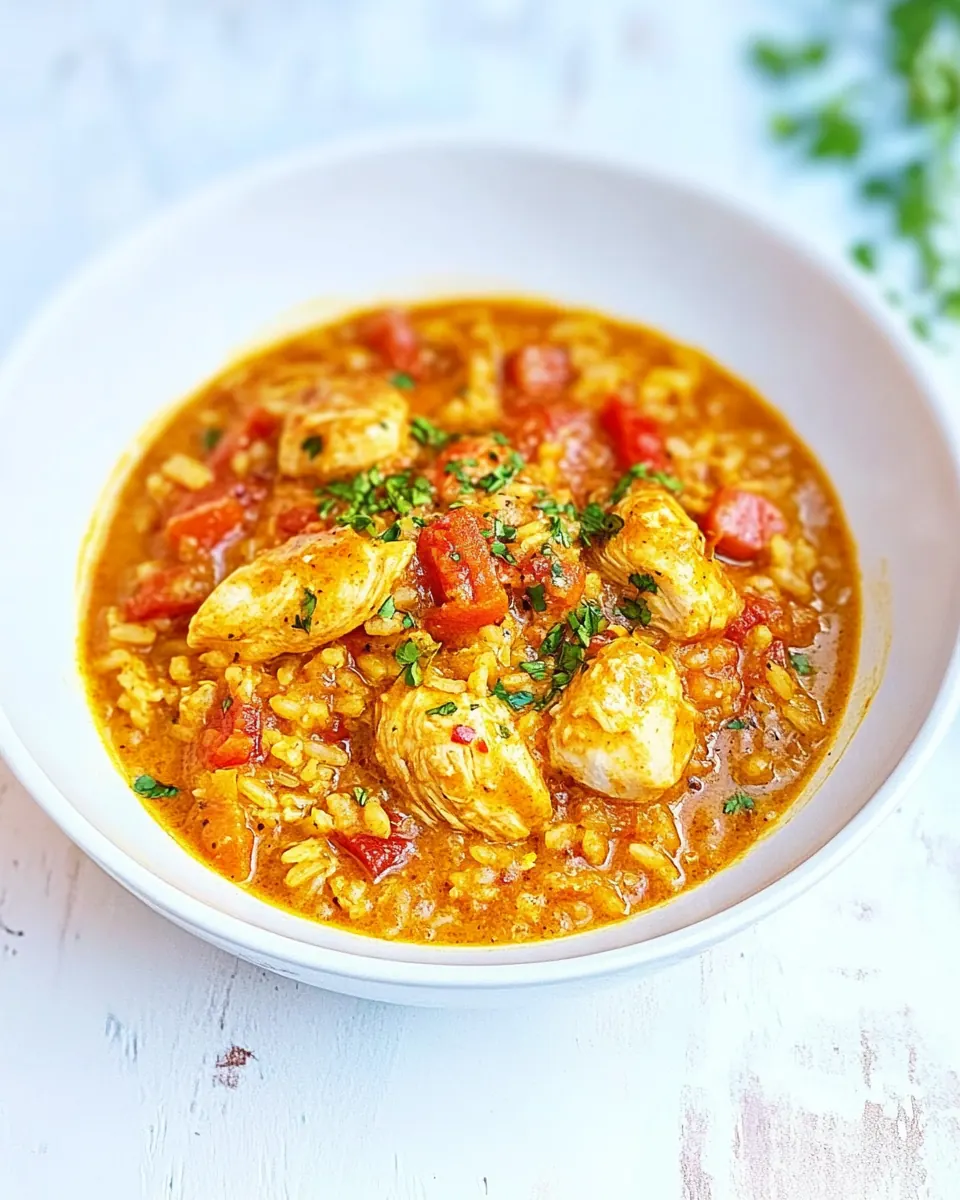
These steps guide you through building flavor and texture, from browning the chicken to coaxing the rice into the perfect pottage. I find that patient, attentive simmering makes all the difference. Keep an eye on the pot, stir deliberately, and adjust seasoning toward the end.
- Season the chicken with 11/2 teaspoons of salt, pepper, oregano, and lime juice.: The moment you season, you re priming the chicken to absorb flavor, and you should notice the aroma lift as the spices meet the meat. Work the seasoning into the pieces with your hands so each bite is seasoned through. Why this matters is simple, the seasoning at the start becomes part of the meat s core flavor rather than an afterthought. A common pitfall is under seasoning early, hoping to fix it later; that can leave the inner meat tasting bland even after final adjustments.
- Heat the oil over medium heat in a 3/4 qt [3 lt] pot. Add sugar to the hot oil and heat until it turns brown. Add chicken and stir to brown all over. Be careful with splatters.: You ll see the oil shimmer before you add the sugar, and as the sugar melts and browns it will release a warm, caramel like aroma that forms a flavor foundation. When you add the chicken , it should sizzle, and the sounds of pieces hitting the pan tell you the surface is properly searing. Aim for even browning rather than rushing to dark color, because a proper brown adds complexity without bitterness. Avoid overcrowding the pot, which lowers the oil temperature and causes steaming instead of browning, resulting in gray, flavorless pieces.
- Add garlic, tomato, bell pepper, oregano, carrot, peas, auyama, and stir to mix. Stir frequently to cook evenly for about a minute (until they are heated through). Add tomato sauce and stir to combine.: As you introduce the aromatics and vegetables, the pot fills with layered scents intoxicating garlic and sweet pepper, with the tomato sauce bringing a tangy lift. Stirring keeps the vegetables from catching while allowing them to sweat and release sugars that meld into the base. The reason for this order is to let the garlic and vegetables awaken in the residual heat, which deepens the overall profile. A common error is cooking on too high heat here, which can char delicate ingredients and lead to bitter notes.
- Pour 6 cups [11/2 liters] of water and heat until it breaks the boil. Add the rice to the pot. Stir to mix well and simmer over medium-low heat. Simmer, stirring often to avoid the rice from sticking to the bottom of the pot. Once the rice has doubled in size, and the grains have opened, and it has reduced to the consistency you prefer, season with salt and pepper to taste. Mix in the parsley, and remove from the heat.: The first visible sign you re nearing proper boil is a steady rolling bubble that then calms into a gentle simmer as you reduce the heat. Adding the rice now allows grains to absorb the flavored liquid from the start, knitting texture and taste together. Simmering rather than intense boiling prevents the rice from breaking apart and keeps the broth from evaporating too quickly. A frequent misstep is using too vigorous a boil which agitates the rice and creates a gluey, overcooked texture.
- It should be served hot, see above for some serving options.: As the rice swells you ll notice the broth thicken and the aroma deepen into a warm, savory perfume. Gentle, frequent stirring prevents hotspots and sticking, and allows you to gauge when the rice has absorbed enough liquid. The visual cues to watch for are plump grains that have opened slightly and a broth that clings to the rice without being soupy unless that s your preference. The last seasoning is important, because liquids concentrate during simmering and flavors change; tasting and adjusting at the end ensures balance. The most common problem here is letting the pot sit unattended which can produce scorched bits at the bottom that ruin the pot s flavor.
- It should be served hot see above for some serving options: The final bowl should be steaming, with the aroma of chicken and herbs rising as you ladle it. Serve immediately so the rice retains its ideal texture and the broth stays warm. A warm bowl invites relaxed eating and shows off the layers of flavor you ve built. If you leave it too long before serving the rice will continue to absorb liquid and the texture will thicken beyond the intended pottage style, which is the main serving pitfall to avoid.
Substitutions and Tips
I like to view tips as small adjustments that improve confidence and results. Below are practical points I return to when making Asopao de Pollo. They cover timing, texture, and flavor so you can make the dish your own with consistent results.
- Browning matters: Take the time to brown the chicken evenly, it creates deep savory notes you won t get by boiling alone.
- Watch the rice: Stir frequently as the rice simmers to prevent sticking and to control how thick you want the final pottage to be.
- Balance acidity: The tomato sauce defines the broth s tang, so taste and adjust with a touch of lime juice if you need brightness.
- Timing of vegetables: Add softer vegetables later to keep them distinct; heartier roots can go in earlier so they become tender without disintegrating.
- Salt in stages: Season at multiple points, but reserve some salt for the end to fine tune seasoning once the rice has absorbed liquid.
What Complements This Asopao de Pollo
Asopao de Pollo pairs wonderfully with simple sides and relaxed occasions. Because it s hearty and warm, I like to serve it for lunch or dinner, and it s especially comforting during colder seasons. For gatherings, present it family style so everyone can ladle portions and customize thickness.
- Light salads: A crisp, simple salad with a bright vinaigrette offers a refreshing contrast to the warm, savory stew.
- Warm bread: Crusty bread or soft rolls are perfect for sopping up the broth, making the meal feel both casual and complete.
- Occasions: This is an ideal dish for winter dinners, informal family gatherings, or evenings when you want something nourishing and low fuss.
- Storage tips: Cool quickly and refrigerate within two hours; reheat gently over low heat, adding a splash of water to restore brothiness if it thickens too much.
- Seasonal pairings: In winter, pair with roasted root vegetables; in transitional seasons include lighter, bright sides to keep the meal balanced.
FAQ
Conclusion
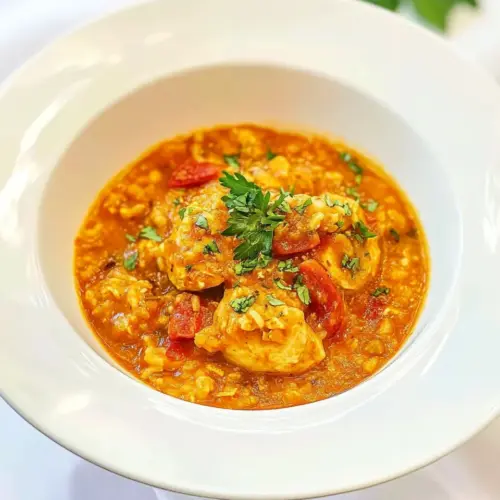
Asopao de Pollo is special because it balances rich, savory broth with tender chicken and plump rice, creating a bowl that feels both nourishing and celebratory. Give it a try on a chilly evening or when you want a one pot meal that s effortless yet deeply satisfying. I hope this recipe becomes one of those dishes you return to again and again for comfort and company.
Asopao de Pollo
Equipment
- 3 to 4 quart pot
- Stove
- Wooden Spoon
Ingredients
- 11/2 pound chicken,[0.7 kg] boneless, and cut into small pieces (see notes) Cut into small pieces and provide the primary protein, adding body and savory flavor to the stew while absorbing seasonings during cooking.
- 11/2 tablespoons salt,(or more, to taste, divided) Season evenly and help tenderize the chicken; distribute added salt between stages so the final dish reaches balanced savory flavor without over-salting.
- 11/4 teaspoons pepper (freshly-cracked, or ground),(or more, to taste, divided) Season lightly to add warm, pungent heat and enhance overall flavor; divide use to layer aromatic intensity through cooking.
- 1 teaspoon oregano (dry, ground) Add earthy, slightly bitter herbal notes that complement tomato and chicken; sprinkle early to allow rehydration and fuller flavor release.
- 1 tablespoon lime juice,(optional) Brighten the dish with acidic citrus notes that balance richness and enhance other flavors; add toward the end to preserve freshness if used.
- 2 1/2 tablespoon oil for frying Heat for frying and create a flavorful browned surface on the chicken and vegetables, contributing mouthfeel and depth through Maillard reaction.
- 1 tablespoon brown sugar Introduce subtle caramelized sweetness to counter acidity and round out savory flavors; dissolve into sauces for balanced taste.
- 1 tablespoon mashed garlic Provide pungent aromatic foundation and savory depth; mashed form releases more flavor quickly and distributes evenly through the broth.
- 1 red bell pepper,diced Add crisp, sweet vegetal flavor and color while contributing texture contrast; sautéed or added later to retain slight crunch.
- 1 large carrot,diced (optional) Contribute mild sweetness, texture, and color variation; diced form cooks through evenly and can boost heartiness if included.
- 1/4 cups sweet corn,or green peas, or both (optional) Add bursts of sweetness or vegetal color and light texture; use alone or combined to complement the rice and broth.
- 1 cup diced auyama (kabocha squash),optional) Provide sweet, creamy texture and earthy flavor while adding body and nutrients; small dice cooks tenderly in the simmering stew.
- 11/2 cup tomato sauce Supply rich tomato flavor and body to the broth, creating savory acidity and color that melds with spices and rice.
- 11/4 cups rice Provide starchy bulk and creamy texture when cooked; absorb the seasoned broth to create the characteristic thick, porridge-like consistency.
- 2 tablespoons minced parsley Add fresh herbal brightness and a subtle peppery note that finishes the dish, sprinkled near the end to preserve color and aroma.
Instructions
- Season the chicken with 11/2 teaspoons of salt, pepper, oregano, and lime juice.: The moment you season, you re priming the chicken to absorb flavor, and you should notice the aroma lift as the spices meet the meat. Work the seasoning into the pieces with your hands so each bite is seasoned through. Why this matters is simple, the seasoning at the start becomes part of the meat s core flavor rather than an afterthought. A common pitfall is under seasoning early, hoping to fix it later; that can leave the inner meat tasting bland even after final adjustments.
- Heat the oil over medium heat in a 3/4 qt [3 lt] pot. Add sugar to the hot oil and heat until it turns brown. Add chicken and stir to brown all over. Be careful with splatters.: You ll see the oil shimmer before you add the sugar, and as the sugar melts and browns it will release a warm, caramel like aroma that forms a flavor foundation. When you add the chicken , it should sizzle, and the sounds of pieces hitting the pan tell you the surface is properly searing. Aim for even browning rather than rushing to dark color, because a proper brown adds complexity without bitterness. Avoid overcrowding the pot, which lowers the oil temperature and causes steaming instead of browning, resulting in gray, flavorless pieces.
- Add garlic, tomato, bell pepper, oregano, carrot, peas, auyama, and stir to mix. Stir frequently to cook evenly for about a minute (until they are heated through). Add tomato sauce and stir to combine.: As you introduce the aromatics and vegetables, the pot fills with layered scents intoxicating garlic and sweet pepper, with the tomato sauce bringing a tangy lift. Stirring keeps the vegetables from catching while allowing them to sweat and release sugars that meld into the base. The reason for this order is to let the garlic and vegetables awaken in the residual heat, which deepens the overall profile. A common error is cooking on too high heat here, which can char delicate ingredients and lead to bitter notes.
- Pour 6 cups [11/2 liters] of water and heat until it breaks the boil. Add the rice to the pot. Stir to mix well and simmer over medium-low heat. Simmer, stirring often to avoid the rice from sticking to the bottom of the pot. Once the rice has doubled in size, and the grains have opened, and it has reduced to the consistency you prefer, season with salt and pepper to taste. Mix in the parsley, and remove from the heat.: The first visible sign you re nearing proper boil is a steady rolling bubble that then calms into a gentle simmer as you reduce the heat. Adding the rice now allows grains to absorb the flavored liquid from the start, knitting texture and taste together. Simmering rather than intense boiling prevents the rice from breaking apart and keeps the broth from evaporating too quickly. A frequent misstep is using too vigorous a boil which agitates the rice and creates a gluey, overcooked texture.
- It should be served hot, see above for some serving options.: As the rice swells you ll notice the broth thicken and the aroma deepen into a warm, savory perfume. Gentle, frequent stirring prevents hotspots and sticking, and allows you to gauge when the rice has absorbed enough liquid. The visual cues to watch for are plump grains that have opened slightly and a broth that clings to the rice without being soupy unless that s your preference. The last seasoning is important, because liquids concentrate during simmering and flavors change; tasting and adjusting at the end ensures balance. The most common problem here is letting the pot sit unattended which can produce scorched bits at the bottom that ruin the pot s flavor.
- It should be served hot see above for some serving options: The final bowl should be steaming, with the aroma of chicken and herbs rising as you ladle it. Serve immediately so the rice retains its ideal texture and the broth stays warm. A warm bowl invites relaxed eating and shows off the layers of flavor you ve built. If you leave it too long before serving the rice will continue to absorb liquid and the texture will thicken beyond the intended pottage style, which is the main serving pitfall to avoid.
Notes
- Browning matters: Take the time to brown the chicken evenly, it creates deep savory notes you won t get by boiling alone.
- Watch the rice: Stir frequently as the rice simmers to prevent sticking and to control how thick you want the final pottage to be.
- Balance acidity: The tomato sauce defines the broth s tang, so taste and adjust with a touch of lime juice if you need brightness.
- Timing of vegetables: Add softer vegetables later to keep them distinct; heartier roots can go in earlier so they become tender without disintegrating.
- Salt in stages: Season at multiple points, but reserve some salt for the end to fine tune seasoning once the rice has absorbed liquid.