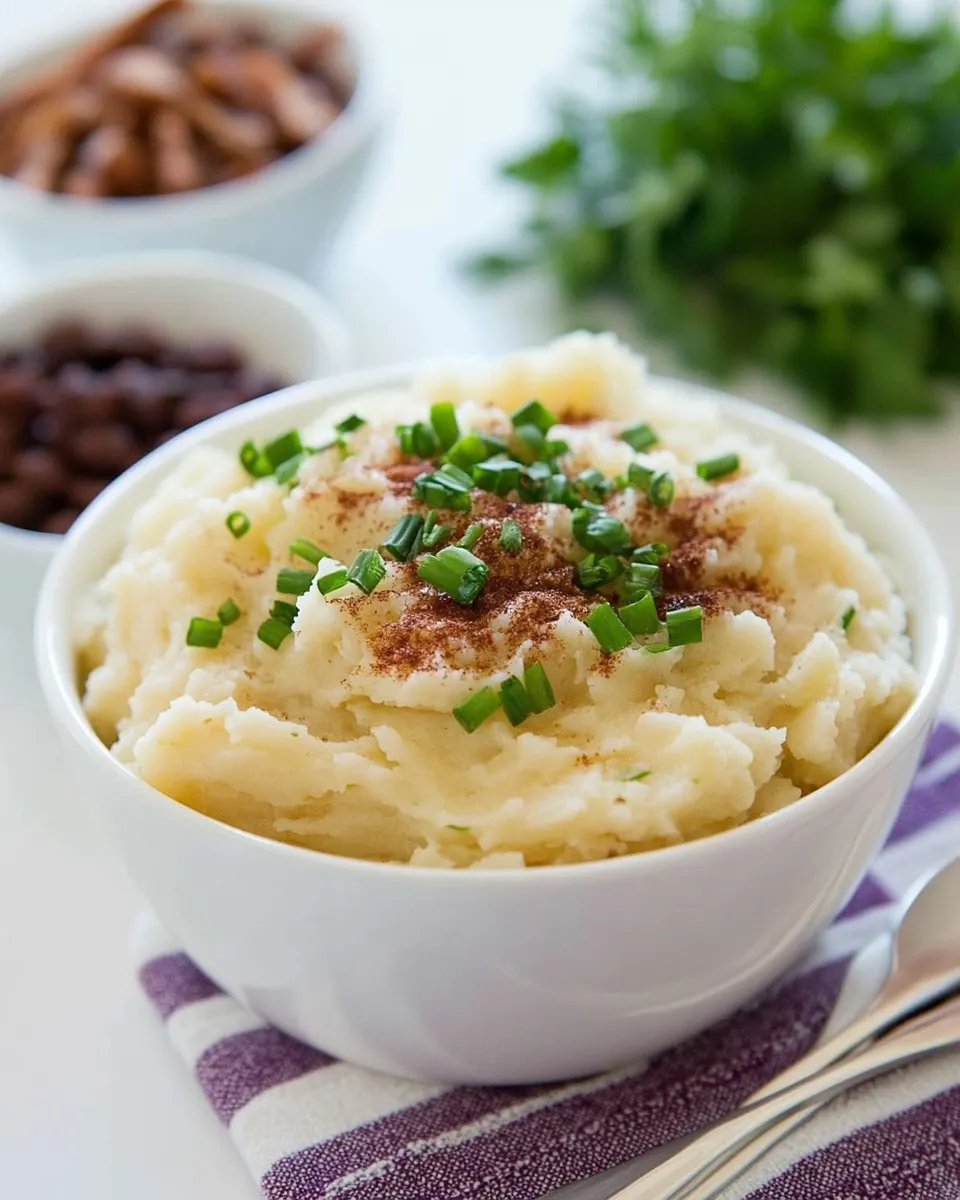
Miso Mashed Potatoes
Miso Mashed Potatoes started showing up on my table the winter I wanted something more comforting than plain mash yet less fussy than a gratin. The first time I stirred miso into warm, fluffy potatoes, the aroma hit me like a savory memory I did not know I had, earthy and slightly sweet, and I knew I had to keep refining it until it felt like home food. Over many evenings I learned how a small spoonful of miso can transform simple potatoes into something that feels layered and soulful, perfect for nights when you want comfort without heaviness.
I remember one weeknight when I served Miso Mashed Potatoes alongside roasted greens and everyone at the table kept returning for more. I was surprised by how quickly the bowl emptied, and by the comments about depth and umami that came from people who usually avoid fermented flavors. Since then I reach for this recipe when I want a side that feels special but still comes together in a hurry. The texture, the gentle tang, and the bright pop from the chives or green onion all add up to a simple recipe that tastes like effort, even if it hardly requires any.
What I love most is that Miso Mashed Potatoes is forgiving. It lets you tweak butter, miso, and milk to match your mood, and it rewards small adjustments with noticeable improvements. I often encourage friends to treat it like a canvas: start with the base, then taste and refine. It has become my go to for cold nights and casual dinners when I want something nourishing and a little unexpected. Every time I make it I find a tiny new detail to enjoy, whether it is the sheen on the mash from melting butter or the faint onion perfume from fresh chives.
Recipe Snapshot
30 mins
5 mins
25 mins
Easy
220 kcal
American
Gluten-Free, Low FODMAP
Side Dishes
Large pot, Potato masher, Colander
Why You’ll Love This Miso Mashed Potatoes
Deep Umami Without Fuss
I find that a spoonful of miso delivers an umami boost that feels luxurious without any complicated steps. Rather than building a sauce, the miso blends into the warm mashed potatoes, lending savory complexity while keeping preparation minimal. I love how it lets the natural sweetness of the potatoes shine, while adding a rounded, soy like backbone that makes each bite feel substantial.
Comfort With a Bright Edge
When I serve these Miso Mashed Potatoes, guests remark on the comfort factor, but they also notice the fresh finish from the minced chives or green onion. The contrast between creamy, buttery mash and the crisp, herbal lift gives the dish personality. I personally appreciate that it can sit on the plate with richer mains yet still stand out as its own comforting star.
Fast and Flexible
I rely on this recipe for busy evenings because it uses pantry friendly ingredients and cooks quickly. Boiling potatoes until tender is straightforward, and the mash comes together in minutes. I often tweak butter and milk to reach the texture I want, and the ease of adjusting miso to taste makes it approachable for cooks of any skill level.
Textural Delight
What keeps me coming back to Miso Mashed Potatoes is the pleasing mouthfeel. The mash is creamy, but not gluey, with little bits of tender potato that give it character. The butter provides silkiness, while the milk helps achieve a smooth but scoopable consistency. A light sprinkle of minced chives adds a subtle crunch and fresh flavor that elevates every spoonful.
Versatile for Occasions
I’ve brought this dish to casual dinners and holiday tables alike. It pairs effortlessly with roasted vegetables, braised mains, or simply a crisp salad. Because it feels a bit elevated, it’s easy to present as a special side, yet it is forgiving enough to make on a weeknight. I love that it hits the sweet spot between simple and memorable.
What You’ll Need for Miso Mashed Potatoes
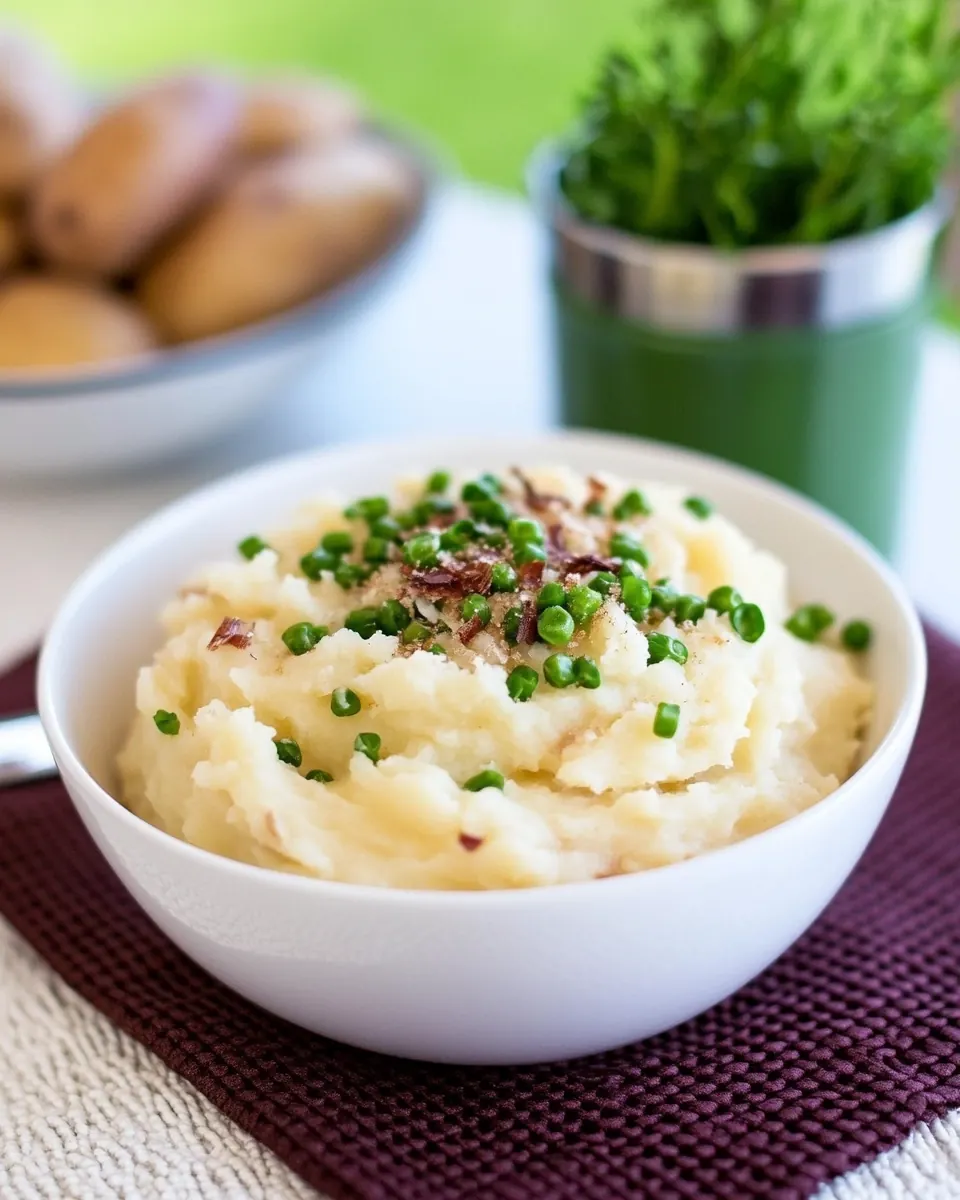
These ingredients are modest but purposeful. The potatoes form the creamy base, while the butter and milk add body and silk. The miso is the flavor anchor, introducing savory depth, and the fresh minced chives, parsley, or green onion brings brightness to the final dish. Together they create a balanced mash that is both comforting and nuanced.
- 2 pounds red potatoes, scrubbed: Provide body and starch to the dish, offering a creamy base when boiled and mashed; scrubbed red potatoes hold their shape well and yield a smooth texture when prepared correctly. Enhance flavor by cooking until tender, then draining and returning to heat briefly to evaporate excess moisture before mashing for optimal consistency.
- 2 tablespoons butter: Add richness and a silky mouthfeel, melting into the warm potatoes to bind and carry flavors throughout the mash. Soften butter gently into the potatoes to create a luxurious texture without overpowering the subtle miso notes.
- 2 tablespoons Miso & Easy (or 1 tablespoon regular miso paste): Impart savory umami and depth, with Miso & Easy or regular miso paste contributing a salty, fermented complexity that elevates simple potatoes into a more interesting side dish. Dissolve the miso in a bit of warm milk or stir into softened butter to distribute its flavor evenly through the mash.
- 2 tablespoons milk: Loosen and cream the potato mixture while adding a touch of dairy flavor; warm milk helps achieve the desired mash consistency without making it gluey. Adjust the amount to reach preferred texture, adding more for creamier results or less for a firmer mash.
- 2 teaspoons minced fresh chives, parsley or green onion: Provide a fresh, mild oniony-herb finish when minced and sprinkled over the potatoes, adding color and a bright contrast to the rich, savory mash. Use chives, parsley, or green onion to introduce a delicate aromatic lift and subtle textural bite.
Making Miso Mashed Potatoes
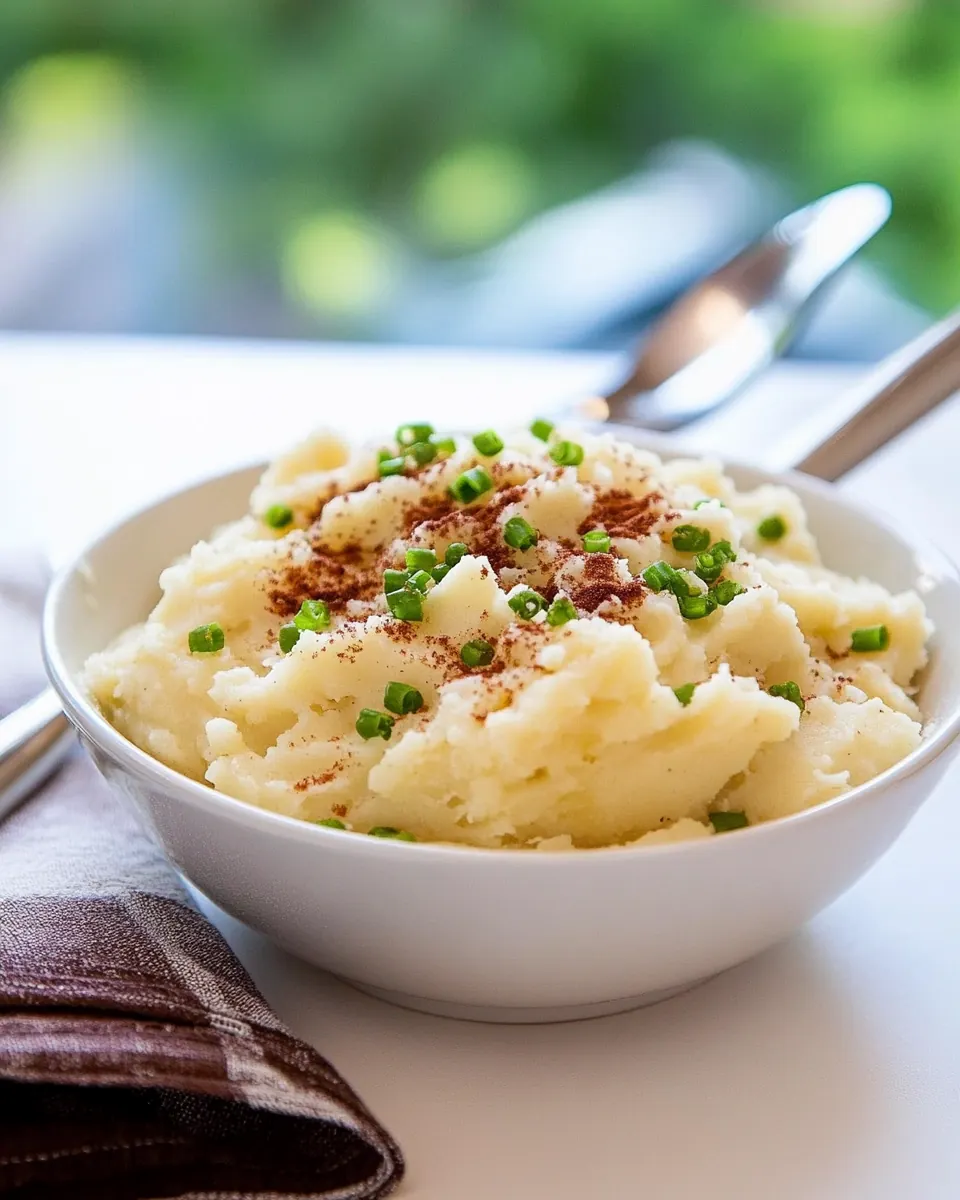
These directions are straightforward and forgiving, but attention to texture and seasoning makes all the difference. I walk you through the sensory cues and common pitfalls so your mash turns out creamy and well seasoned every time.
- In a large pot, add the potatoes and cover with water by 2 inches. Bring to a boil, then turn heat to medium and let cook for 20 minutes, or until the potatoes are easily pierced with a fork.: The kitchen will fill with a faint earthy aroma as the potatoes heat and steam, and you should hear a steady, gentle simmer rather than a violent boil. Visual cues include bubbles breaking the surface and the skins wrinkling slightly on the largest pieces. Why this matters, the even simmer ensures the potatoes cook through uniformly so your final mash has consistent texture. If you rush and leave the heat too high, the exterior can break down before the centers are tender, resulting in mealy texture. One common mistake is boiling too hard, which can cause the potatoes to absorb excess water and become waterlogged, diluting flavor.
- Drain the water, leaving the potatoes in the pot. Mash the potatoes with a potato masher. Add in the remaining ingredients and mix well. Taste and season with additional miso (needs more flavor) or milk (too thick) if needed.: When you drain, steam will rise, smelling faintly of cooked potatoes , and leaving them in the pot lets residual heat evaporate off some moisture so the mash is not watery. Use a potato masher to press through lumps until you reach a slightly rustic consistency, with tiny bits of potato remaining for texture. This technique matters because overworking cooked potatoes can create a gluey paste rather than a creamy mash. Watch for a starchy sheen that signals too much stirring, and stop mashing once you get that tender but not paste like feel. A common error is using a blender or food processor, which overworks the potatoes and makes them gummy.
- Add in the remaining ingredients and mix well.: As you add warm butter , miso , and milk , you will notice the mash turning glossy and silkier, and the aroma will gain a savory, slightly tangy layer from the miso . Mixing while the potatoes are still warm allows the butter to melt evenly and the miso to dissolve into the mass, ensuring cohesive flavor. The reason this order matters is temperature and dispersion, warm fat and liquid incorporate more smoothly than cold. One troubleshooting tip, if the mash seems too stiff, add more warm milk a teaspoon at a time, tasting as you go. Avoid adding too much liquid at once which can make the mash soupy.
- Taste and season with additional miso (needs more flavor) or milk (too thick) if needed.: This final tasting is where the dish comes alive, with the full interplay of creamy butter , savory miso , and the gentle sweetness of the potatoes . Use small increments when adjusting, since both miso and milk can quickly swing the balance. If you add more miso , expect a deeper, slightly fermented aroma and a saltier profile, so proceed carefully. Conversely, if you loosen with additional warm milk , the texture becomes silkier and milder. A frequent mistake is over seasoning at this stage; mix and rest for a minute, then taste again before adding more.
Helpful Notes about Miso Mashed Potatoes
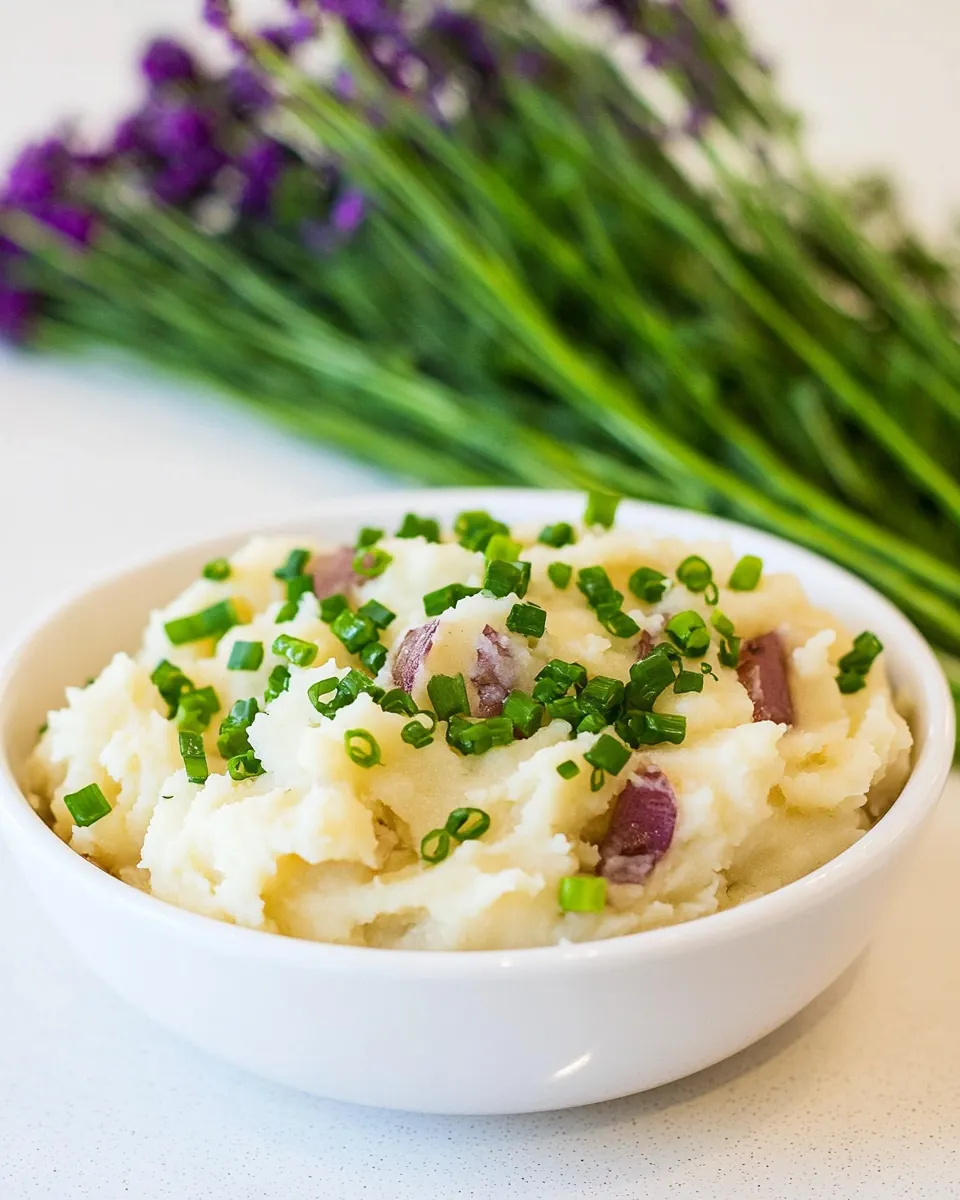
I like to treat notes as small cheats that make the cooking smoother. Below are precise, practical pointers that I use every time I make Miso Mashed Potatoes, expanded into actionable tips you can use at the stove.
- Warm your dairy Before adding the milk or butter, warm them slightly so they blend into the mash without cooling it down, preserving the glossy texture.
- Measure miso by taste Start with a conservative amount of miso because its saltiness can vary, then adjust after stirring and resting for a minute.
- Keep some potato texture Resist the urge to puree, since a lightly textured mash provides a more satisfying mouthfeel than a totally smooth purée.
- Use the potato cooking water sparingly If you need to thin the mash, a spoonful of reserved cooking water can help, but use warm milk first for a richer result.
- Fresh herbs last Add minced chives, parsley, or green onion at the end so the brightness remains vivid and not cooked away.
Pairing Suggestions for Miso Mashed Potatoes
These serving ideas cover casual weeknights and more festive dinners, showing how versatile Miso Mashed Potatoes can be. Consider textures, temperatures, and flavor contrasts when pairing, and use the list below to plan a balanced plate.
- Roasted vegetables Serve with oven roasted carrots, Brussels sprouts, or parsnips for earthy, caramelized flavors that complement the umami of the mash. The contrast of crisp edges and creamy mash is lovely for a satisfying dinner.
- Simple sautéed greens Quick sautéed spinach or kale with garlic and a squeeze of lemon brightens the plate. The acid cuts through the richness and adds a fresh counterpoint to the miso depth.
- Pan seared fish or tofu A lightly seasoned pan seared fish fillet or crisped tofu works wonderfully. The tender, flaky protein pairs with the creamy mash while the mash’s savory notes enhance the simple seasoning.
- Family dinners and holidays These mashed potatoes make an elegant but easy side for winter holiday spreads or cozy family meals, providing comfort while feeling a touch elevated.
- Storage tips Store leftovers in an airtight container in the refrigerator for up to three days, and reheat gently on the stove with a splash of warm milk to refresh the texture before serving.
FAQ
Conclusion
Miso Mashed Potatoes stand out because a simple spoonful of miso elevates humble potatoes into a flavorful, comforting side. Give this version a try the next time you want a quick yet memorable accompaniment for dinner, and you may find it becomes part of your regular rotation. It is warm, adaptable, and satisfying, and I hope it brings that cozy, umami rich comfort to your table soon.
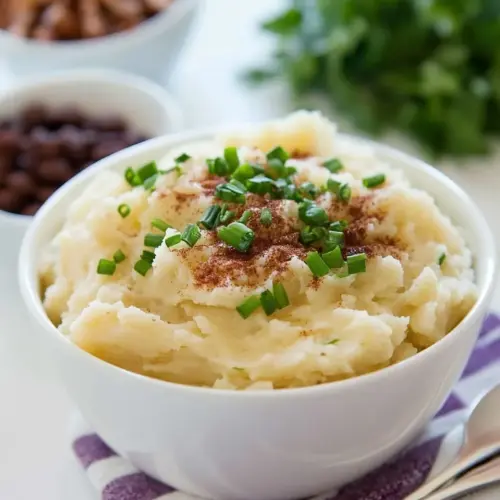
Miso Mashed Potatoes
Equipment
- Large Pot
- Potato Masher
- Colander
Ingredients
- 2 pounds red potatoes, scrubbed Provide body and starch to the dish, offering a creamy base when boiled and mashed; scrubbed red potatoes hold their shape well and yield a smooth texture when prepared correctly. Enhance flavor by cooking until tender, then draining and returning to heat briefly to evaporate excess moisture before mashing for optimal consistency.
- 2 tablespoons butter Add richness and a silky mouthfeel, melting into the warm potatoes to bind and carry flavors throughout the mash. Soften butter gently into the potatoes to create a luxurious texture without overpowering the subtle miso notes.
- 2 tablespoons Miso & Easy (or 1 tablespoon regular miso paste) Impart savory umami and depth, with Miso & Easy or regular miso paste contributing a salty, fermented complexity that elevates simple potatoes into a more interesting side dish. Dissolve the miso in a bit of warm milk or stir into softened butter to distribute its flavor evenly through the mash.
- 2 tablespoons milk Loosen and cream the potato mixture while adding a touch of dairy flavor; warm milk helps achieve the desired mash consistency without making it gluey. Adjust the amount to reach preferred texture, adding more for creamier results or less for a firmer mash.
- 2 teaspoons minced fresh chives, parsley or green onion Provide a fresh, mild oniony-herb finish when minced and sprinkled over the potatoes, adding color and a bright contrast to the rich, savory mash. Use chives, parsley, or green onion to introduce a delicate aromatic lift and subtle textural bite.
Instructions
- In a large pot, add the potatoes and cover with water by 2 inches. Bring to a boil, then turn heat to medium and let cook for 20 minutes, or until the potatoes are easily pierced with a fork.: The kitchen will fill with a faint earthy aroma as the potatoes heat and steam, and you should hear a steady, gentle simmer rather than a violent boil. Visual cues include bubbles breaking the surface and the skins wrinkling slightly on the largest pieces. Why this matters, the even simmer ensures the potatoes cook through uniformly so your final mash has consistent texture. If you rush and leave the heat too high, the exterior can break down before the centers are tender, resulting in mealy texture. One common mistake is boiling too hard, which can cause the potatoes to absorb excess water and become waterlogged, diluting flavor.
- Drain the water, leaving the potatoes in the pot. Mash the potatoes with a potato masher. Add in the remaining ingredients and mix well. Taste and season with additional miso (needs more flavor) or milk (too thick) if needed.: When you drain, steam will rise, smelling faintly of cooked potatoes , and leaving them in the pot lets residual heat evaporate off some moisture so the mash is not watery. Use a potato masher to press through lumps until you reach a slightly rustic consistency, with tiny bits of potato remaining for texture. This technique matters because overworking cooked potatoes can create a gluey paste rather than a creamy mash. Watch for a starchy sheen that signals too much stirring, and stop mashing once you get that tender but not paste like feel. A common error is using a blender or food processor, which overworks the potatoes and makes them gummy.
- Add in the remaining ingredients and mix well.: As you add warm butter , miso , and milk , you will notice the mash turning glossy and silkier, and the aroma will gain a savory, slightly tangy layer from the miso . Mixing while the potatoes are still warm allows the butter to melt evenly and the miso to dissolve into the mass, ensuring cohesive flavor. The reason this order matters is temperature and dispersion, warm fat and liquid incorporate more smoothly than cold. One troubleshooting tip, if the mash seems too stiff, add more warm milk a teaspoon at a time, tasting as you go. Avoid adding too much liquid at once which can make the mash soupy.
- Taste and season with additional miso (needs more flavor) or milk (too thick) if needed.: This final tasting is where the dish comes alive, with the full interplay of creamy butter , savory miso , and the gentle sweetness of the potatoes . Use small increments when adjusting, since both miso and milk can quickly swing the balance. If you add more miso , expect a deeper, slightly fermented aroma and a saltier profile, so proceed carefully. Conversely, if you loosen with additional warm milk , the texture becomes silkier and milder. A frequent mistake is over seasoning at this stage; mix and rest for a minute, then taste again before adding more.
Notes
- Warm your dairy Before adding the milk or butter, warm them slightly so they blend into the mash without cooling it down, preserving the glossy texture.
- Measure miso by taste Start with a conservative amount of miso because its saltiness can vary, then adjust after stirring and resting for a minute.
- Keep some potato texture Resist the urge to puree, since a lightly textured mash provides a more satisfying mouthfeel than a totally smooth purée.
- Use the potato cooking water sparingly If you need to thin the mash, a spoonful of reserved cooking water can help, but use warm milk first for a richer result.
- Fresh herbs last Add minced chives, parsley, or green onion at the end so the brightness remains vivid and not cooked away.