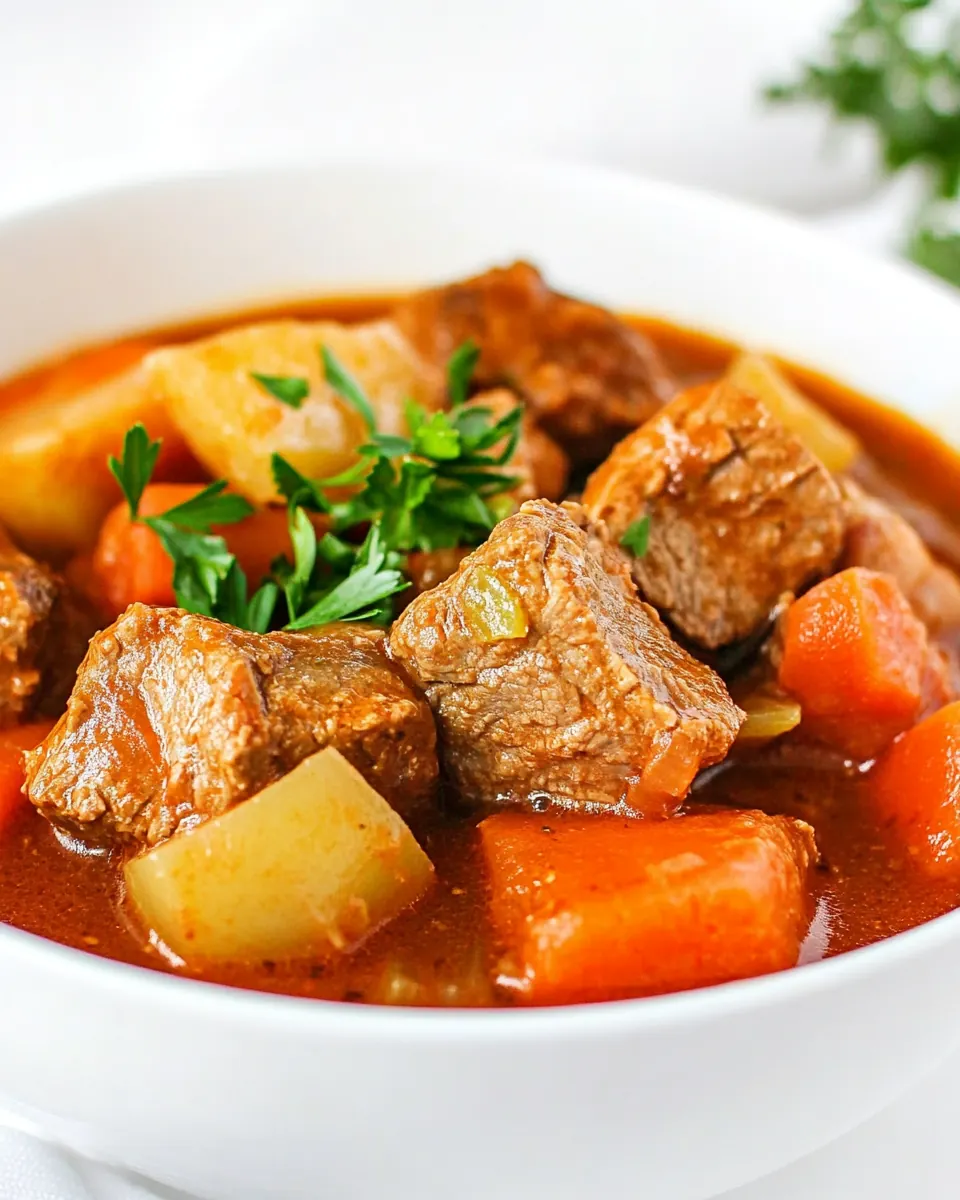
Instant Pot Beef Stew
Instant Pot Beef Stew is the kind of recipe I turn to when the house feels chilly and I want something honest, comforting, and deeply savory. The first time I made this, the aroma filled every room, and my partner wandered in saying, I can smell dinner from the porch. That eager walk toward the kitchen convinced me this was worth writing down, because good stew makes a quiet kind of magic in a home.
I remember trimming the roast, patting the cubes dry, and feeling a little pride as the meat hit the hot pot and began to brown, that sizzling sound promising depth. While the stew simmered under pressure, I cleaned up with a cup of tea and thought about how a few staple pantry items, like beef stock or broth and tomato sauce, can transform simple produce into something soulful. It became a routine for cold evenings, one that combined speed with the rich, layered flavors I expect from slow cooking.
Over time I tweaked the seasoning, learned when to brown the beef so the surface caramelized, and when to allow the pressure to release naturally so the meat stays tender. Each bowl reminded me that great home cooking does not need to be complicated, just thoughtful. I love serving this when friends drop by unannounced, because it tastes like I spent hours, though the Instant Pot does most of the heavy lifting. If you want a stew that warms from the inside out and fits right into a busy week, this is the one I reach for.
Recipe Snapshot
40 mins
5 mins
35 mins
Easy
350 kcal
American
Gluten-Free, Paleo
Dinner
Instant Pot
Why This Instant Pot Beef Stew Is a Winner
Deep, Balanced Flavor in Less Time
I adore how Instant Pot Beef Stew captures the rich, slow cooked flavors you expect from a long simmer, while cutting the hands on time dramatically. Browning the beef first gives a savory foundation, and the pressure cooking concentrates the stock and tomato sauce into a glossy, flavorful gravy.
Everyday Ingredients, Extraordinary Results
One of the reasons I keep coming back to this recipe is its accessibility. Ingredients like carrots, potatoes, and onion are pantry and market staples, yet when combined with the right technique they produce a meal that feels special. I like that you can shop easily and still deliver something memorable.
Reliable Weeknight Comfort
We often need dinners that are both fast and forgiving, and this recipe hits that sweet spot. The Instant Pot lets me set it and handle other tasks, and natural pressure release helps the beef reach succulent tenderness without constant babysitting. I appreciate having one pot do the heavy lifting on busy nights.
Textural Harmony
What stands out to me is the way textures play together, soft potatoes that soak up the sauce, tender carrots that still offer a bite, and chunks of beef that pull apart easily. That balance makes each spoonful interesting, and the cornstarch slurry at the end gives the stew a silky finish I look forward to.
Comfort Food That Feels Thoughtful
I serve this when I want to show care without fuss. It scales to feed a family, and it stores beautifully, tasting even better the next day. For me, that reliability and flavor is why this stew keeps earning a place in the rotation.
What to Gather for Instant Pot Beef Stew
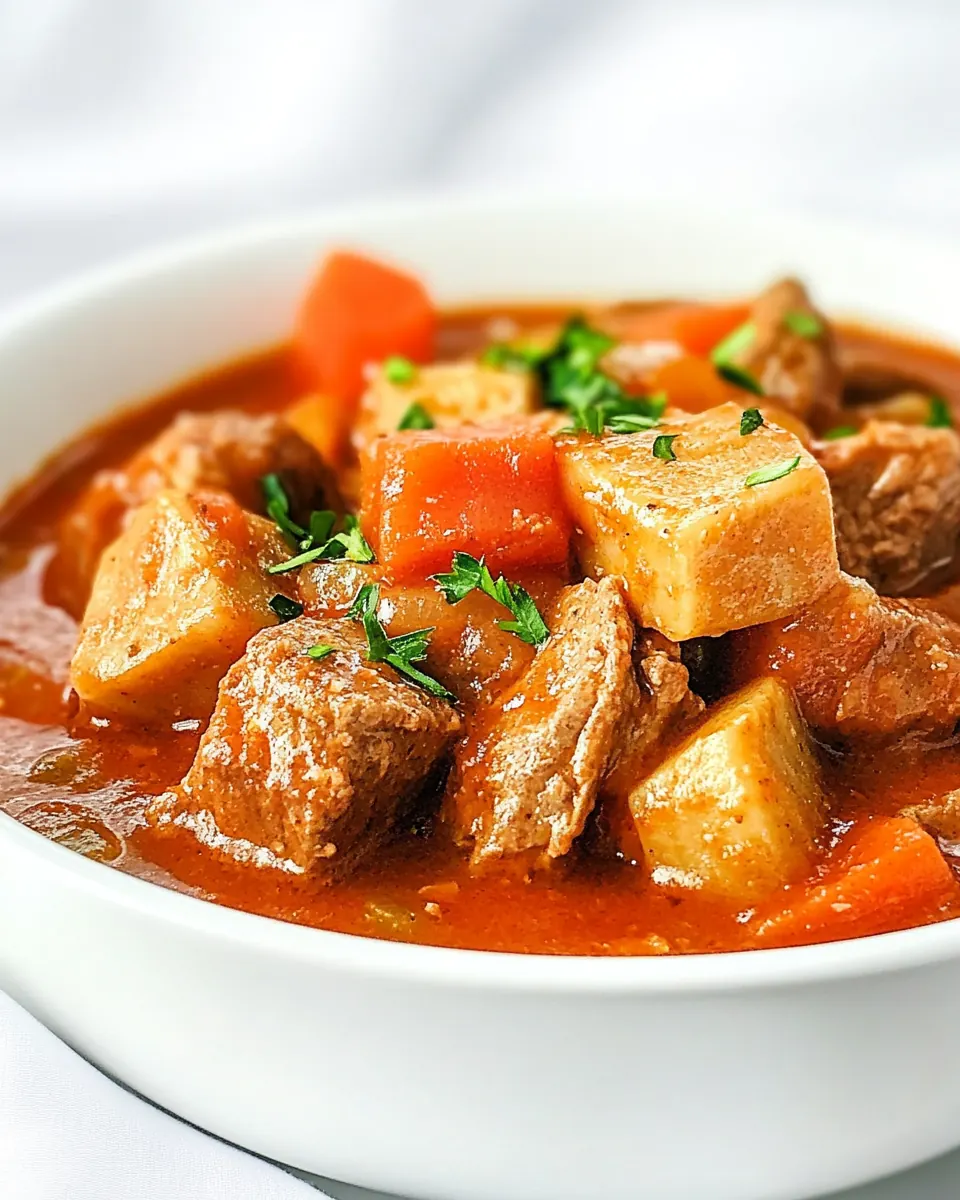
These ingredients are chosen to create a layered, hearty stew where each element supports the others. The beef provides umami and body, the vegetables add sweetness and texture, and the liquids build the sauce that carries flavor. I think of the Worcestershire sauce and seasoning as small details that nudge the profile into something savory and homey.
- 1 tablespoons olive oil: Heat olive oil in the pot to create a nonstick searing surface and develop rich flavor; its monounsaturated fats help brown the beef, adding depth to the stew. Use it sparingly to prevent smoking in the Instant Pot and to carry aromatics like onions and garlic. Olive oil also helps dissolve fat-soluble flavors, enhancing the overall mouthfeel of the finished dish.
- 1 (2-3 pound) boneless roast beef (chuck or round roast), cut into 1 1/2 to 2-inch cubes: Coat and brown the cubed roast beef to build a savory foundation through Maillard reactions; cutting into uniform 1 1/2 to 2-inch pieces ensures even cooking under pressure. Choose chuck or round roast for a balance of connective tissue and lean meat that becomes tender when pressure-cooked. Browning the pieces before pressure cooking locks in juices and contributes to a flavorful braising liquid.
- 1 teaspoon Worcestershire sauce: Add Worcestershire sauce to introduce umami, mild tang, and depth that complements beefy flavors and enriches the stew base. Its fermented anchors and savory notes help balance the acidity of tomato sauce and the earthiness of stock. A small amount goes a long way to round out the overall savory profile without overpowering other seasonings.
- 1 teaspoons Stone House Seasoning: Season with Stone House Seasoning to infuse a balanced blend of herbs and spices that elevates the stew’s savory profile and layers complexity. Use it to complement salt and other aromatics while enhancing the natural flavors of beef and vegetables. Apply sparingly and taste-adjust after cooking since seasoning blends vary in intensity.
- 1 medium onion, chopped: Sauté chopped onion to provide sweet and aromatic flavor that forms the backbone of the stew’s savory base when softened. Cooking onions before pressure cooking releases natural sugars that promote caramelization and deepen the broth’s flavor. Onions also contribute body and subtle texture contrasts to the finished stew.
- 5 medium carrots, peeled and sliced: Simmer sliced carrots to add natural sweetness, color, and a tender bite that complements the savory meat and broth. Their sugars help balance acidic components and their texture holds up well in pressure cooking without turning mushy when cut to medium thickness. Carrots also contribute vitamins and visual appeal to the stew.
- 1 pound new potatoes, quartered: Cook quartered new potatoes to provide creamy, starchy body and to help thicken the stew slightly as some starch releases during cooking. Choosing new potatoes offers a waxier texture that keeps pieces intact under pressure while absorbing surrounding flavors. Potatoes also make the dish heartier and more satisfying as a complete meal.
- 4 cups beef stock or broth: Pour in beef stock or broth to create the flavorful liquid medium for pressure cooking and to intensify the stew’s meaty character. The stock supplies body, collagen, and savory depth that meld with browned bits and seasonings during the pressure-cooking process. Use a low-sodium variety if further seasoning control is needed.
- 1 cup tomato sauce: Stir in tomato sauce to add acidity, sweetness, and a concentrated tomato flavor that brightens the stew and complements the beefy base. It contributes body and a subtle umami lift while helping to round out the broth’s complexity. Tomato sauce also aids in developing a cohesive sauce that clings to meat and vegetables.
- 1 tablespoon cornstarch: Mix cornstarch to create a slurry that thickens the cooking liquid when added at the end, yielding a glossy, clingy stew sauce. Dissolve it in a small amount of cold water first to prevent lumps, then stir into simmering liquid until desired thickness is reached. Use cornstarch sparingly to avoid over-thickening or a gummy texture.
Recipe Steps for Instant Pot Beef Stew

This method walks you through searing, building flavor, pressure cooking, and finishing with a silky sauce. I find that small sensory cues and patience with the natural release make a big difference in tenderness and depth.
- Drizzle olive oil into Instant Pot. Set to saute setting. Add beef pieces and cook until all sides are browned. Add in Worcestershire sauce and sprinkle with Stone House Seasoning.: You'll notice a lively sizzle and the smell of caramelizing meat as the olive oil heats and the beef hits the hot pot, releasing those rich browned aromas that signal Maillard reactions are forming. I listen for a steady sear rather than furious spitting, and I watch for the cubes to take on a deep, golden brown color on each face, which locks in savory juices and builds a foundation for the sauce. This step matters because browning creates layers of flavor that pressure alone cannot replicate. A common mistake is overcrowding the pot, which causes steam and prevents proper browning, so brown in batches if needed and use tongs to turn pieces for even color.
- Add the onion, carrots, potatoes, beef stock, and tomato sauce to the Instant Pot. Stir to combine. Secure the lid to the Instant Pot, make sure the vent is closed and set for 35 minutes on high setting.: As you add the onion , carrots , and potatoes , the raw vegetable scent will briefly sweeten the air before it softens under cooking, and the liquid will take on a rust colored hue when the tomato sauce blends with the beef stock or broth . Stirring ensures the seasoning and liquids coat everything evenly so heat transmits uniformly. Setting the Instant Pot to high pressure for the recommended time forces the connective tissues in the beef to break down into tender strands while infusing the vegetables. This technique matters because pressure allows deep flavor extraction quickly. A frequent error here is not sealing the lid properly, so double check the vent position and listen for the machine to come to pressure before walking away.
- Allow the pressure to release naturally, about 20 minutes. Then, carefully remove the lid to the Instant Pot. Ladle out some of the juices from the beef stew into a small bowl. Whisk in the cornstarch to create a slurry. Then, stir the slurry into the beef stew.: During the natural release you will hear the pot settle, and the stew continues to relax and tenderize as the internal temperature gradually drops, which helps the beef remain moist. Opening the lid after this resting phase will reveal a fragrant, steaming pot and a sauce that looks thin but intensely flavored. I ladle out a cup of hot juices and whisk the cornstarch into them until smooth, testing for any lumps, because a proper slurry yields a glossy finish without clumps. Stirring the slurry in will thicken the liquid into a coat that clings to the potatoes , carrots , and beef , improving mouthfeel and presentation. One pitfall is adding undissolved cornstarch directly to the pot, which can create gritty pockets, so always dissolve first in a separate bowl.
Tips for Success
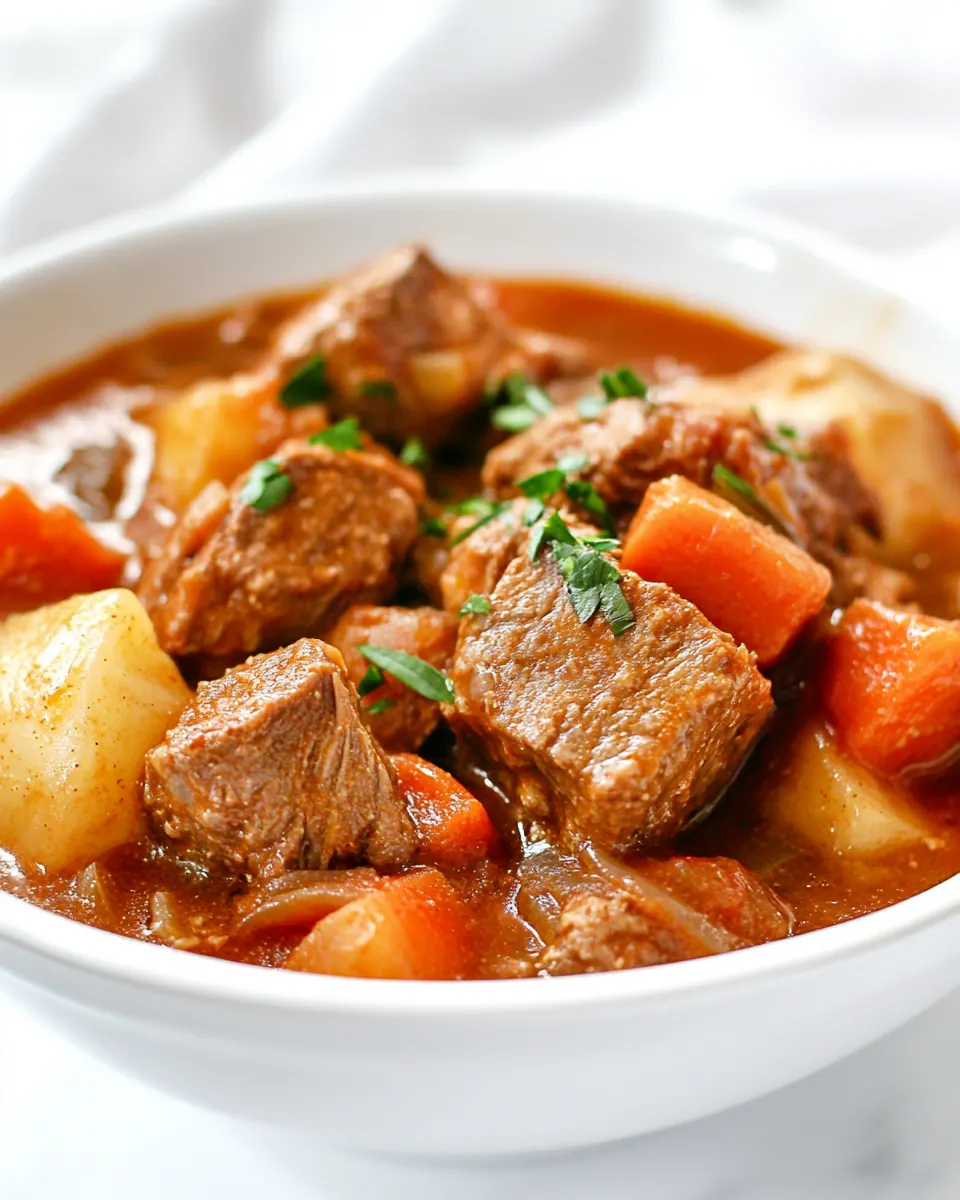
I like to think of these tips as the small choices that produce a big payoff. A few intentional steps during searing, seasoning, and finishing will elevate the final bowl.
- Brown in Batches The pot should be hot and not overcrowded so each piece of beef gets direct contact with the surface, producing a deep brown crust that builds flavor.
- Quality Stock Matters Using a flavorful beef stock or broth creates a richer sauce, and low quality store stock can make the stew taste flat.
- Seal the Lid Properly Confirm the vent is closed before pressure cooking, because an unsealed lid prevents the Instant Pot from reaching and holding pressure.
- Natural Release for Tenderness Letting pressure drop naturally helps the beef fibers relax and avoids a stringy texture that can occur with quick release.
- Make a Smooth Slurry Whisk the cornstarch into hot juices to prevent lumps and to achieve a glossy, clingy sauce that enhances mouthfeel.
Perfect Matches for Instant Pot Beef Stew
This stew pairs well with simple accompaniments that let the rich flavors shine. Consider hearty breads and light, crisp sides to balance the meal and pick an occasion that invites slow conversation and warmth.
- Crusty Bread A thick slice of crusty bread is perfect for mopping up the glossy sauce and enjoying the stew to the last spoonful.
- Buttery Mashed Potatoes Serve the stew over mashed potatoes for an extra comforting presentation that soaks up every drop of sauce.
- Simple Green Salad A bright, lightly dressed salad adds a crisp contrast to the stew and refreshes the palate between rich bites.
- Family Dinner This is ideal for a winter family meal where everyone gathers, because the dish is filling and pairs well with conversation and cozy table settings.
- Make Ahead and Store The flavors deepen after a day, so refrigerate leftovers and reheat gently, adding a splash of stock if the sauce thickens too much.
- Seasonal Pairing During winter, serve this stew with roasted root vegetables or a simple steamed green for a seasonal plate that feels balanced and comforting.
FAQ
Conclusion
This Instant Pot Beef Stew stands out for its ability to deliver deep, slow cooked flavors with minimal hands on time. It combines browned meat, hearty vegetables, and a glossy, seasoned sauce into a bowl that comforts and satisfies. Give it a try on a chilly evening, and enjoy the way the house fills with savory aroma while the Instant Pot does the heavy lifting. Serve it with a simple side and let the stew be the centerpiece of an easy, memorable meal.
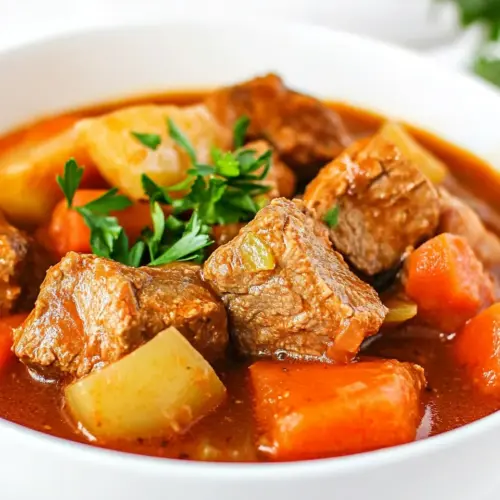
Instant Pot Beef Stew
Equipment
- Instant Pot
Ingredients
- 1 tablespoons olive oil Heat olive oil in the pot to create a nonstick searing surface and develop rich flavor; its monounsaturated fats help brown the beef, adding depth to the stew. Use it sparingly to prevent smoking in the Instant Pot and to carry aromatics like onions and garlic. Olive oil also helps dissolve fat-soluble flavors, enhancing the overall mouthfeel of the finished dish.
- 1 (2-3 pound) boneless roast beef (chuck or round roast), cut into 1 1/2 to 2-inch cubes Coat and brown the cubed roast beef to build a savory foundation through Maillard reactions; cutting into uniform 1 1/2 to 2-inch pieces ensures even cooking under pressure. Choose chuck or round roast for a balance of connective tissue and lean meat that becomes tender when pressure-cooked. Browning the pieces before pressure cooking locks in juices and contributes to a flavorful braising liquid.
- 1 teaspoon Worcestershire sauce Add Worcestershire sauce to introduce umami, mild tang, and depth that complements beefy flavors and enriches the stew base. Its fermented anchors and savory notes help balance the acidity of tomato sauce and the earthiness of stock. A small amount goes a long way to round out the overall savory profile without overpowering other seasonings.
- 1 teaspoons Stone House Seasoning Season with Stone House Seasoning to infuse a balanced blend of herbs and spices that elevates the stew’s savory profile and layers complexity. Use it to complement salt and other aromatics while enhancing the natural flavors of beef and vegetables. Apply sparingly and taste-adjust after cooking since seasoning blends vary in intensity.
- 1 medium onion, chopped Sauté chopped onion to provide sweet and aromatic flavor that forms the backbone of the stew’s savory base when softened. Cooking onions before pressure cooking releases natural sugars that promote caramelization and deepen the broth’s flavor. Onions also contribute body and subtle texture contrasts to the finished stew.
- 5 medium carrots, peeled and sliced Simmer sliced carrots to add natural sweetness, color, and a tender bite that complements the savory meat and broth. Their sugars help balance acidic components and their texture holds up well in pressure cooking without turning mushy when cut to medium thickness. Carrots also contribute vitamins and visual appeal to the stew.
- 1 pound new potatoes, quartered Cook quartered new potatoes to provide creamy, starchy body and to help thicken the stew slightly as some starch releases during cooking. Choosing new potatoes offers a waxier texture that keeps pieces intact under pressure while absorbing surrounding flavors. Potatoes also make the dish heartier and more satisfying as a complete meal.
- 4 cups beef stock or broth Pour in beef stock or broth to create the flavorful liquid medium for pressure cooking and to intensify the stew’s meaty character. The stock supplies body, collagen, and savory depth that meld with browned bits and seasonings during the pressure-cooking process. Use a low-sodium variety if further seasoning control is needed.
- 1 cup tomato sauce Stir in tomato sauce to add acidity, sweetness, and a concentrated tomato flavor that brightens the stew and complements the beefy base. It contributes body and a subtle umami lift while helping to round out the broth’s complexity. Tomato sauce also aids in developing a cohesive sauce that clings to meat and vegetables.
- 1 tablespoon cornstarch Mix cornstarch to create a slurry that thickens the cooking liquid when added at the end, yielding a glossy, clingy stew sauce. Dissolve it in a small amount of cold water first to prevent lumps, then stir into simmering liquid until desired thickness is reached. Use cornstarch sparingly to avoid over-thickening or a gummy texture.
Instructions
- Drizzle olive oil into Instant Pot. Set to saute setting. Add beef pieces and cook until all sides are browned. Add in Worcestershire sauce and sprinkle with Stone House Seasoning.: You'll notice a lively sizzle and the smell of caramelizing meat as the olive oil heats and the beef hits the hot pot, releasing those rich browned aromas that signal Maillard reactions are forming. I listen for a steady sear rather than furious spitting, and I watch for the cubes to take on a deep, golden brown color on each face, which locks in savory juices and builds a foundation for the sauce. This step matters because browning creates layers of flavor that pressure alone cannot replicate. A common mistake is overcrowding the pot, which causes steam and prevents proper browning, so brown in batches if needed and use tongs to turn pieces for even color.
- Add the onion, carrots, potatoes, beef stock, and tomato sauce to the Instant Pot. Stir to combine. Secure the lid to the Instant Pot, make sure the vent is closed and set for 35 minutes on high setting.: As you add the onion , carrots , and potatoes , the raw vegetable scent will briefly sweeten the air before it softens under cooking, and the liquid will take on a rust colored hue when the tomato sauce blends with the beef stock or broth . Stirring ensures the seasoning and liquids coat everything evenly so heat transmits uniformly. Setting the Instant Pot to high pressure for the recommended time forces the connective tissues in the beef to break down into tender strands while infusing the vegetables. This technique matters because pressure allows deep flavor extraction quickly. A frequent error here is not sealing the lid properly, so double check the vent position and listen for the machine to come to pressure before walking away.
- Allow the pressure to release naturally, about 20 minutes. Then, carefully remove the lid to the Instant Pot. Ladle out some of the juices from the beef stew into a small bowl. Whisk in the cornstarch to create a slurry. Then, stir the slurry into the beef stew.: During the natural release you will hear the pot settle, and the stew continues to relax and tenderize as the internal temperature gradually drops, which helps the beef remain moist. Opening the lid after this resting phase will reveal a fragrant, steaming pot and a sauce that looks thin but intensely flavored. I ladle out a cup of hot juices and whisk the cornstarch into them until smooth, testing for any lumps, because a proper slurry yields a glossy finish without clumps. Stirring the slurry in will thicken the liquid into a coat that clings to the potatoes , carrots , and beef , improving mouthfeel and presentation. One pitfall is adding undissolved cornstarch directly to the pot, which can create gritty pockets, so always dissolve first in a separate bowl.
Notes
- Brown in Batches The pot should be hot and not overcrowded so each piece of beef gets direct contact with the surface, producing a deep brown crust that builds flavor.
- Quality Stock Matters Using a flavorful beef stock or broth creates a richer sauce, and low quality store stock can make the stew taste flat.
- Seal the Lid Properly Confirm the vent is closed before pressure cooking, because an unsealed lid prevents the Instant Pot from reaching and holding pressure.
- Natural Release for Tenderness Letting pressure drop naturally helps the beef fibers relax and avoids a stringy texture that can occur with quick release.
- Make a Smooth Slurry Whisk the cornstarch into hot juices to prevent lumps and to achieve a glossy, clingy sauce that enhances mouthfeel.