Eggnog Pancakes
Eggnog Pancakes started showing up at my holiday breakfasts long before I knew how to measure a cup properly, and every year they bring back that warm kitchen chaos I love. I remember my aunt flipping pancakes while humming carols, the air thick with nutmeg and cinnamon, and how the stack disappeared faster than any toast could. Those mornings taught me that a simple batter can turn into a seasonal tradition, and that is exactly what these pancakes do for me.
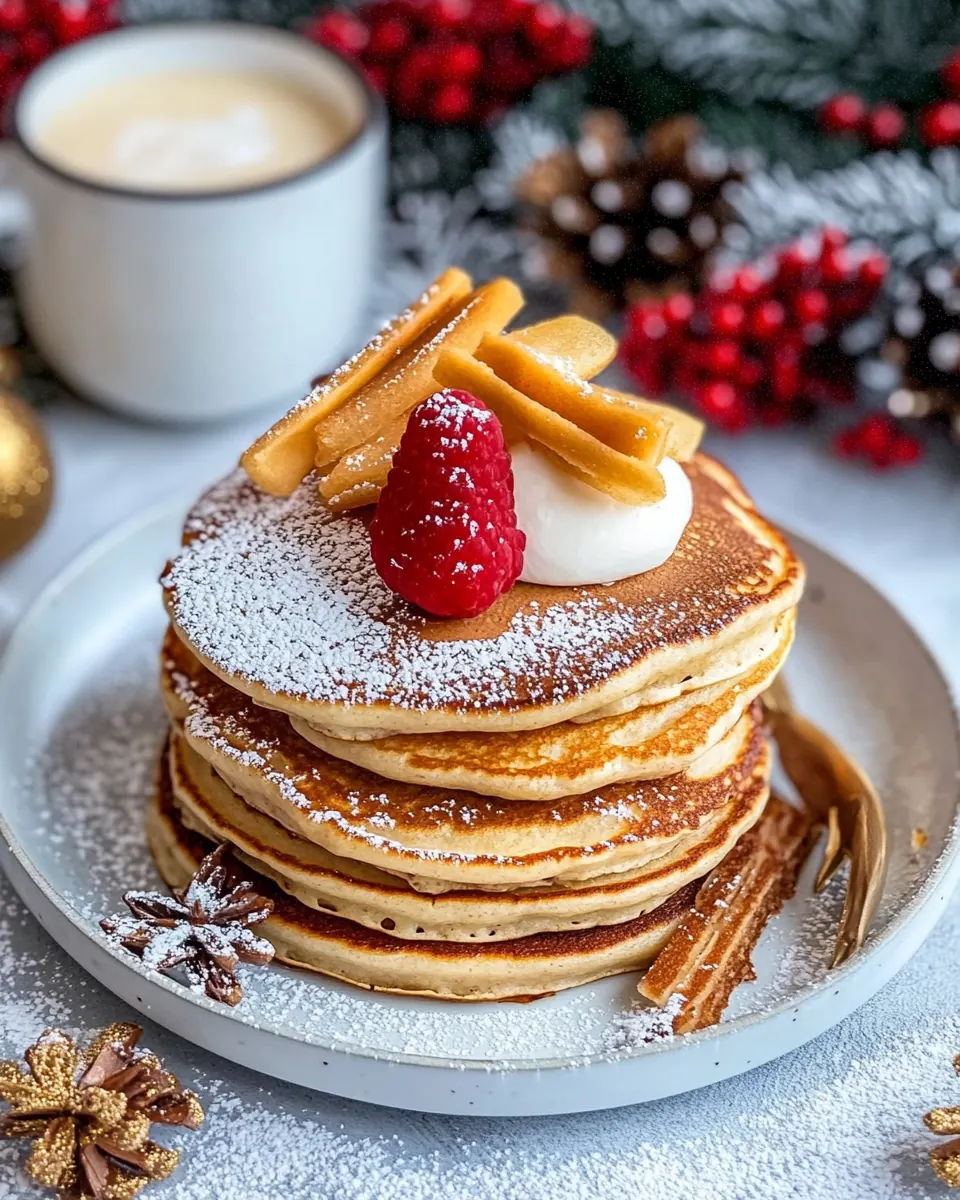
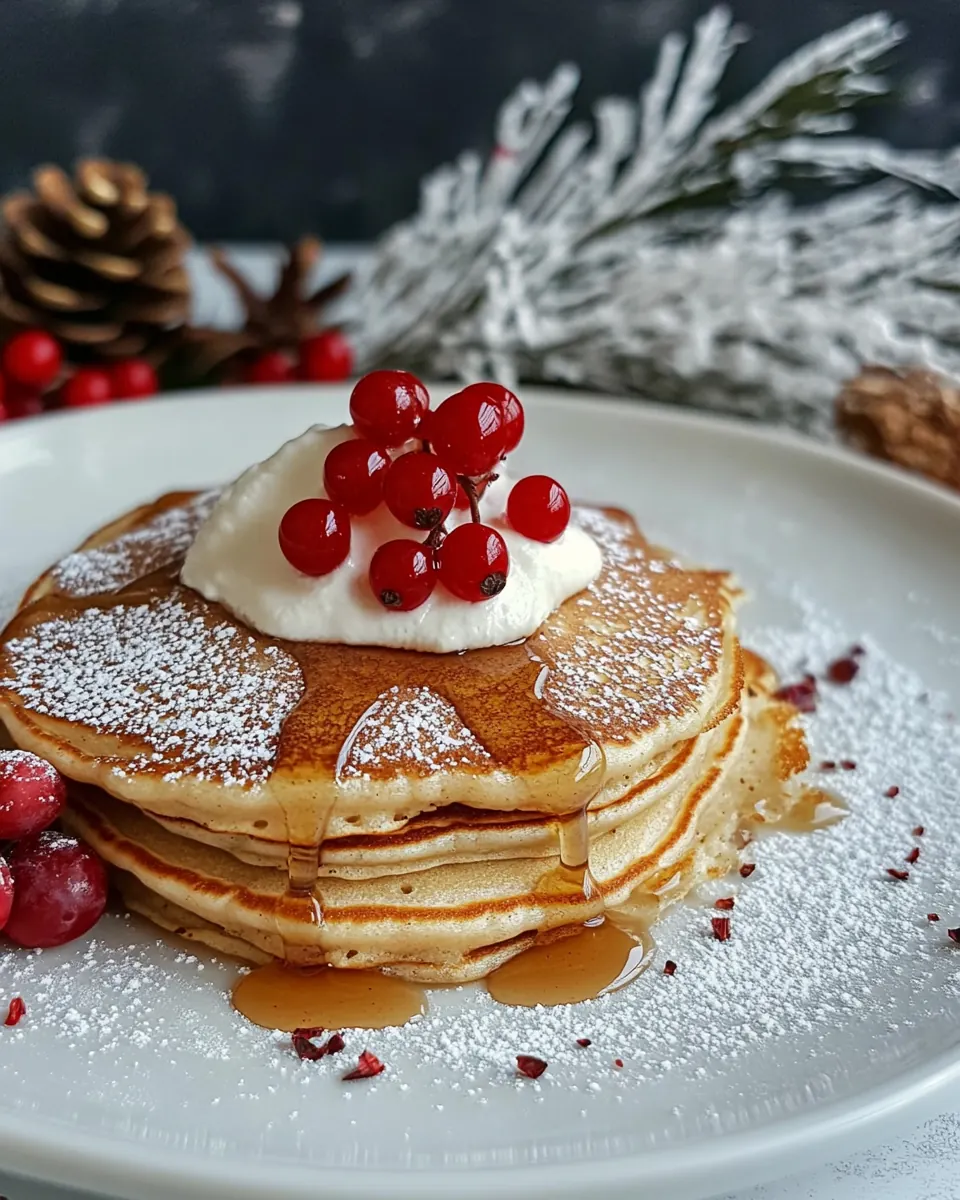
When I make Eggnog Pancakes now, I aim for that same nostalgic comfort, while keeping the technique approachable. There is a satisfying rhythm to whisking the dry ingredients, folding in the wet, and watching tiny bubbles appear before the flip. I like to chat with whoever’s around as the pancakes sizzle, because good food gets better with company. The final drizzle of maple syrup and a dollop of whipped cream feel like a celebratory ribbon across each warm stack.
Recipe Snapshot
30 mins
10 mins
20 mins
Medium
320 kcal
American
Gluten-Free, Low FODMAP
Breakfast
6-Inch Stainless Steel Whisk, All-Clad Hard Anodized Nonstick Fry Pan Set 2
The Best Thing About This Eggnog Pancakes
Seasonal warmth in every bite
I adore how Eggnog Pancakes encapsulate that cozy winter feeling, with familiar holiday aromas folded into something you can eat for breakfast. The combination of eggnog, nutmeg, and cinnamon makes each mouthful evocative, without being over the top.
Fluffy texture that still feels indulgent
I love how the baking powder and gentle mixing create soft, airy pancakes, while the eggnog keeps them rich. The result is light layers that still taste comforting and a touch luxurious.
Flexible and friendly for hosts
These pancakes are forgiving, so I can adjust spice levels or use store bought or homemade eggnog depending on how much time I have. That flexibility makes them reliable when I am feeding a crowd.
Quick and satisfying
One of the best things about Eggnog Pancakes is how quickly they come together. With basic tools and pantry staples like all-purpose flour and sugar, you get a celebratory breakfast without a marathon in the kitchen.
Great canvas for toppings
I always appreciate a recipe that welcomes personalization. Whether you pile on fresh fruit, a dusting of powdered sugar, or a glossy pour of maple syrup, these pancakes adapt to your mood and the moment.
Ingredients for Eggnog Pancakes
These ingredients are chosen to balance structure, spice, and richness. The dry components give lift and texture, while the wet ones contribute moisture and that signature holiday flavor. Key players like all-purpose flour and eggnog work together to produce tender, flavorful pancakes, and small touches such as melted unsalted butter and eggs round out the mouthfeel.
- 1 1/2 cup all-purpose flour: Whisk together to form the dry base that gives structure and body to the pancakes; it provides gluten for chew and helps trap air when combined with leavening. Use measured flour for consistent batter texture and to balance wet ingredients for tender results.
- 3 tablespoons sugar: Sweeten the batter lightly to enhance overall flavor and provide subtle caramelization during cooking; sugar also aids browning on the pancake surface. Adjust slightly if using particularly sweet eggnog to keep balance.
- 1 tablespoon baking powder: Leaven the batter by releasing carbon dioxide when heated, creating fluffiness and lift in each pancake; evenly distribute to avoid dense spots. Sift or whisk with the dry ingredients to ensure consistent rise throughout the batter.
- 1/2 teaspoon salt: Season the batter by balancing flavors and strengthening gluten slightly; salt enhances sweetness and rounds out the overall taste profile. Dissolve into the dry mix to ensure even seasoning in every bite.
- 1/2 teaspoon ground nutmeg: Spice the mixture with warm, nutty aromatics that complement the eggnog; nutmeg adds traditional holiday flavor and a hint of depth. Use measured amounts to avoid overpowering the batter while contributing to the pancakes' signature character.
- 1/2 teaspoon ground cinnamon: Accentuate warmth and complexity with a sweet, woody note that pairs well with nutmeg and eggnog; cinnamon adds comforting spice that rounds out the batter. Mix thoroughly with other dry spices for balanced spice distribution.
- 1 1/4 cups eggnog (store-bought or homemade): Moisten the dry ingredients and impart rich, creamy flavor reminiscent of holiday eggnog; it contributes both liquid and aromatic character for tender pancakes. Use cold or room-temperature eggnog to control batter consistency and achieve desired thickness.
- 1/4 cup unsalted butter (melted): Enrich the batter with fat that adds richness, improves mouthfeel, and helps golden browning on the griddle; melted unsalted butter also carries flavor without adding extra sodium. Cool slightly before mixing into eggs and eggnog to prevent cooking the eggs prematurely.
- 2 large eggs: Bind and enrich the batter while contributing to lift and a custardy interior; eggs provide structure and help trap air when beaten. Whisk until combined with liquids to ensure smooth batter and uniform cooking.
- 1 teaspoon vanilla extract: Enhance sweetness and deepen aroma with a floral-vanilla note that complements the spices and eggnog; vanilla helps balance and elevate the overall flavor profile. Add to the wet mixture and mix briefly to distribute evenly.
- whipped cream: Top finished pancakes with light, airy cream to add a sweet, creamy contrast and visual appeal; whipped cream melts slightly into warm pancakes for indulgence. Pipe or dollop just before serving to maintain texture and height.
- maple syrup: Finish pancakes with a classic maple syrup drizzle for sweetness and a warm, woody flavor that pairs well with eggnog spices; syrup also adds moisture and shine. Warm slightly for easier pouring and better integration with the stack.
- fresh fruit: Garnish with seasonal fresh fruit to introduce bright acidity, color, and a fresh counterpoint to the rich pancakes; berries or sliced stone fruit complement the spices. Arrange atop or alongside to enhance presentation and provide textural contrast.
- powdered sugar: Dust pancakes with a fine coating of powdered sugar to add subtle sweetness and an attractive finish; it also highlights the stack and spices visually. Sift lightly over warm pancakes just before serving to avoid clumping.
Preparation Steps for Eggnog Pancakes
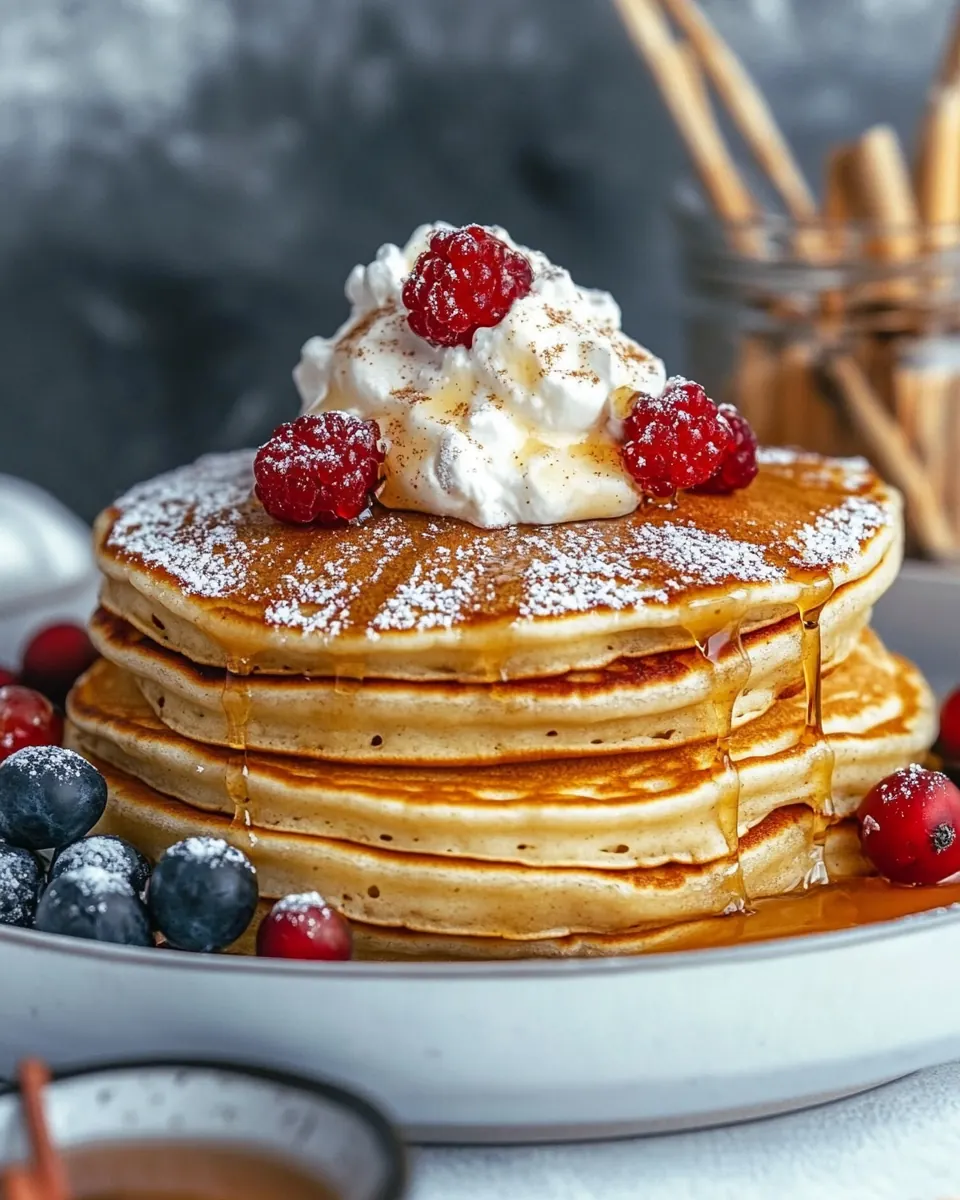
These pancakes are straightforward, but paying attention to small cues will make a big difference. I like to set out equipment and ingredients so each step flows, and then work methodically from dry mixing to cooking. Keep a warm oven on low to hold finished pancakes.
- In a large bowl, whisk together the flour, sugar, baking powder, salt, nutmeg, and cinnamon until well combined.: The moment you whisk these dry ingredients together, you release the powdered spices' aroma, a gentle warmth that foreshadows the finished pancakes. Visually, you want a uniform pale mixture with tiny specks of nutmeg and cinnamon spread throughout, which ensures an even distribution of flavor. The whisking incorporates air and separates any clumps of all-purpose flour and baking powder , which helps create lift when the batter cooks. If you skip thorough whisking, you might find pockets of concentrated spice or uneven rise. A common pitfall is overhandling the flour with hands or a spoon, which compresses it and can cause denser pancakes, so keep this step light and brisk.
- In another bowl, mix the eggnog, melted butter, eggs, and vanilla extract until smooth.: When you stir these wet ingredients, the shiny ribbon of melted unsalted butter disperses and gives the mixture a glossy look, while the eggs thicken it slightly. The aroma of vanilla will bloom, and the warmth from the butter mellows the dairy notes in the eggnog . A smooth wet mix signals that the components are well emulsified, which helps the batter hold together on the griddle. If the butter is too hot when added, it can cook the eggs, so allow it to cool slightly before whisking. One mistake is failing to fully combine, which leaves streaks of butter or pockets of liquid in the batter.
- Gently fold the wet ingredients into the dry ingredients. Stir until just combined. The batter might be slightly lumpy, but avoid overmixing to keep the pancakes fluffy.: As you incorporate the wet and dry, you will see the batter transform from powdery to cohesive, dotted with small lumps that are desirable. These tiny lumps of flour hydrate during cooking and contribute to a tender crumb, while vigorous mixing develops gluten and risks toughness. I rely on a folding motion, using a spatula to bring the mixture together in broad strokes, conserving air in the batter. If you overmix, the surface becomes glossy and elastic, which leads to dense pancakes, so stop when streaks vanish but small lumps remain. Another error to avoid is adding extra liquid to fix a perceived dryness before testing a pancake, as that can dilute flavor and texture.
- Warm a non-stick skillet or griddle over medium-high heat and lightly coat it with cooking spray or a small amount of melted butter.: As the pan heats, you will hear a light hiss when a drop of water hits the surface, a reliable cue that it is ready. Using a non-stick surface reduces the need for excess fat, but a thin coating of melted unsalted butter enhances browning and flavor. When the pan is at the right temperature, batter will form bubbles and edges will set without burning. If the heat is too high, pancakes will brown externally while remaining raw inside, so aim for medium-high and adjust as needed. Avoid overcrowding the pan, which can cause the cakes to merge and cook unevenly.
- Using a 1/4 cup measure, pour the pancake batter onto the skillet. Allow sufficient space between each pancake to avoid merging during cooking.: Measuring batter creates consistently sized pancakes that cook evenly, and the quarter cup yields a familiar medium pancake. Watch the batter as it spreads into a soft, slightly glossy disc. If you pour too much, centers will take longer to cook and edges can burn, while too little makes mini pancakes that can overcook quickly. Space them with a couple of inches between to allow you to flip without disturbing neighbors. A slip is to crowd the pan when you are in a rush, which compromises texture and presentation.
- Allow to cook until bubbles form on the surface of the pancakes (usually 2-3 minutes). Then flip them using a spatula and cook for an additional 1-2 minutes, or until golden brown and cooked through. Repeat with remaining batter.: The sensory cues here are vital: look for a scattering of bubbles that open slightly and small dry edges, and listen for a steady gentle sizzle rather than a roar. After flipping, the underside should be a warm golden brown that signals doneness. The second side usually cooks faster, so watch closely to avoid overbrowning. If a pancake feels doughy when pressed, it needs more time; if it browns too quickly, lower the heat. A typical error is flipping too early, which can deflate the pancake and yield a heavier texture.
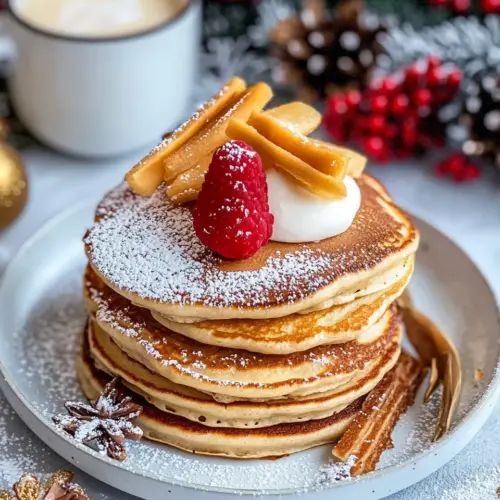
- Plate the pancakes and serve warm with your chosen toppings such as whipped cream, maple syrup, fresh fruit, or a light dusting of powdered sugar.: When plating, the contrast of warm pancakes and cool toppings creates a delightful mouthfeel. The aroma of warm nutmeg and cinnamon mingles with sweet maple syrup and the fresh brightness of fruit . I often keep finished pancakes in a low oven to maintain warmth while I finish the batch. Avoid stacking too many while still wet with syrup, which can make the bottom ones soggy; instead, layer with thin sheets of parchment if holding for a short time. A common mistake is serving them straight from the pan without a brief rest, which can make syrup run off too quickly and reduce the pleasure of each bite.
Make It Your Own
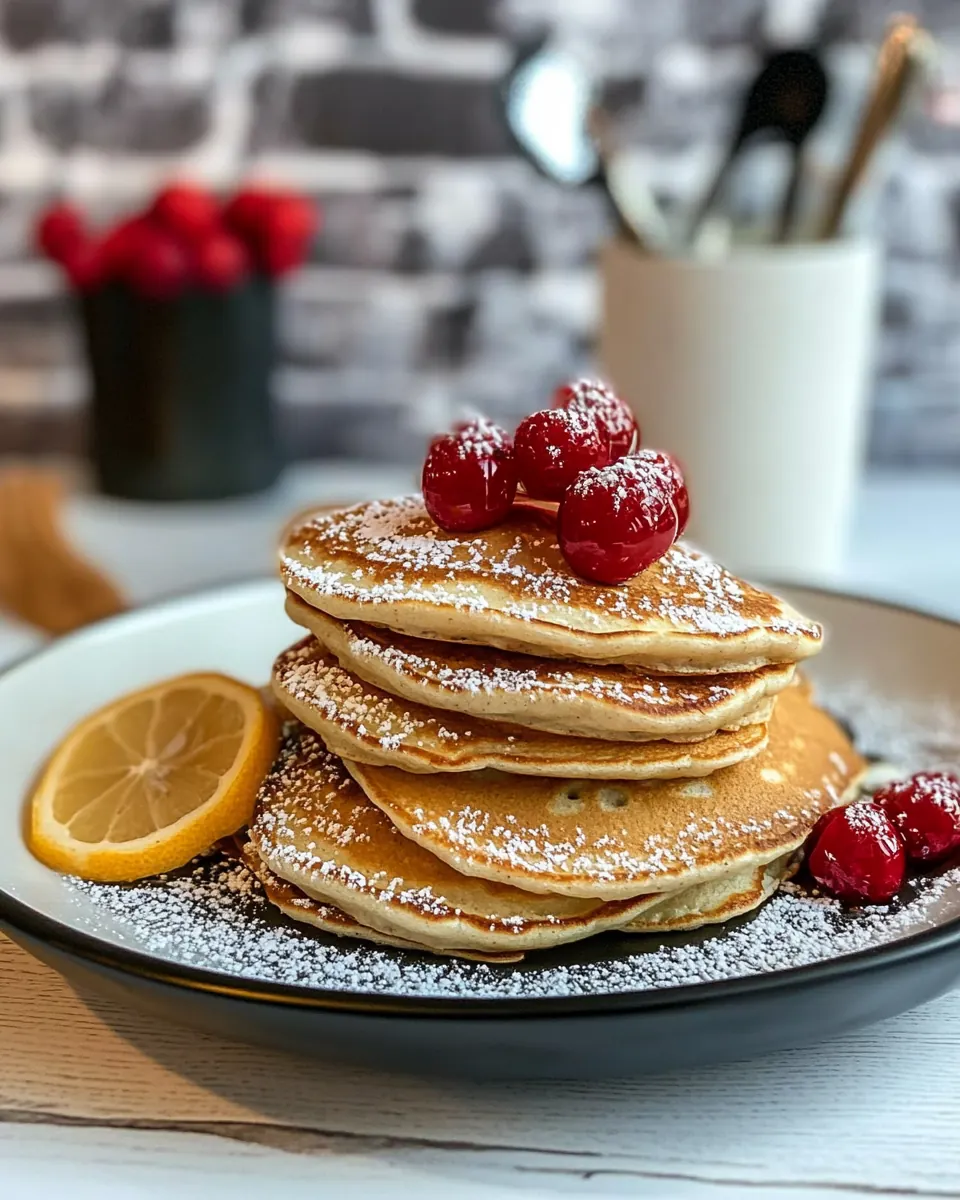
I love recipes that welcome small personal tweaks, and Eggnog Pancakes are perfect for this. Below are practical tips and variations to help you tailor the flavor and texture to your taste or the occasion.
- Yield note: Recipe should yield approximately 12 pancakes, which makes it great for a family breakfast or a small holiday gathering; adjust quantities proportionally if you need more.
- Eggnog choice: You can use either store–bought or homemade eggnog, and richer versions will produce a more decadent pancake; if using very sweet commercial eggnog, consider slightly reducing the added sugar to balance sweetness.
- Flour alternatives: For a healthier twist, substitute half of the all-purpose flour with whole wheat flour, which adds nuttiness and extra fiber, though the pancakes may be a touch denser so you might increase the baking powder by a small pinch to compensate.
- Adjusting spices: Feel free to tweak the amounts of nutmeg and cinnamon to suit your taste; adding a touch more nutmeg enhances warmth, but use it sparingly because its flavor can dominate quickly.
- Non-stick tip: If you do not have a non-stick skillet, use enough unsalted butter or cooking spray to prevent sticking and watch the heat, since a standard pan transfers temperature differently than non-stick surfaces.
- Batter consistency: If the batter seems too thick, add a little more eggnog a tablespoon at a time; if it is too runny, add a bit more all-purpose flour to reach the right pourable thickness without diluting flavor.
- Avoid overmixing: Mix the batter until just combined to keep your pancakes light and fluffy; vigorous mixing develops gluten and leads to a tougher texture.
Serve This Eggnog Pancakes With
Serving these pancakes can be as simple or as festive as you like. Below are ideas for accompaniments, occasions, and practical storage notes to keep your breakfast service seamless and seasonal.
- Classic topping: Warm maple syrup drizzled generously over a stack creates the classic sweet finish that pairs perfectly with the spices in the pancakes.
- Indulgent finish: A dollop of chilled whipped cream on top of warm pancakes offers a creamy contrast and makes the plate feel special for holiday mornings.
- Fruit contrast: Serve with fresh berries or sliced fresh fruit to cut through the richness and add bright acidity; seasonal fruit pairs especially well in winter with citrus or late berries.
- Light dusting: A sprinkle of powdered sugar adds a festive, snowy look and a touch of extra sweetness without overpowering the spice notes.
- Occasions: These pancakes are ideal for winter mornings, holiday brunches like Christmas, or any cozy weekend breakfast when you want a comforting, seasonal meal.
- Storage: Store leftover pancakes in an airtight container in the refrigerator for up to two days; rewarm gently in a skillet or low oven to preserve texture, and avoid microwaving too long which can make them rubbery.
- Make ahead: You can prepare batter and refrigerate it briefly, but for best rise, cook fresh in the morning; alternatively freeze cooked pancakes separated by parchment for quick future breakfasts.
FAQ
Conclusion
What makes these pancakes special is how they marry classic breakfast comfort with the warm, festive flavors of eggnog and holiday spices. If you are looking for a breakfast that feels both familiar and a little celebratory, this recipe delivers in flavor and ease. Give it a try on a chilly morning, share a stack with friends or family, and let the seasonal aromas become a new tradition in your kitchen.
Eggnog Pancakes
Equipment
- 6-Inch Stainless Steel Whisk
- All-Clad Hard Anodized Nonstick Fry Pan Set 2
Ingredients
- 1 1/2 cup all-purpose flour Whisk together to form the dry base that gives structure and body to the pancakes; it provides gluten for chew and helps trap air when combined with leavening. Use measured flour for consistent batter texture and to balance wet ingredients for tender results.
- 3 tablespoons sugar Sweeten the batter lightly to enhance overall flavor and provide subtle caramelization during cooking; sugar also aids browning on the pancake surface. Adjust slightly if using particularly sweet eggnog to keep balance.
- 1 tablespoon baking powder Leaven the batter by releasing carbon dioxide when heated, creating fluffiness and lift in each pancake; evenly distribute to avoid dense spots. Sift or whisk with the dry ingredients to ensure consistent rise throughout the batter.
- 1/2 teaspoon salt Season the batter by balancing flavors and strengthening gluten slightly; salt enhances sweetness and rounds out the overall taste profile. Dissolve into the dry mix to ensure even seasoning in every bite.
- 1/2 teaspoon ground nutmeg Spice the mixture with warm, nutty aromatics that complement the eggnog; nutmeg adds traditional holiday flavor and a hint of depth. Use measured amounts to avoid overpowering the batter while contributing to the pancakes' signature character.
- 1/2 teaspoon ground cinnamon Accentuate warmth and complexity with a sweet, woody note that pairs well with nutmeg and eggnog; cinnamon adds comforting spice that rounds out the batter. Mix thoroughly with other dry spices for balanced spice distribution.
- 1 1/4 cups eggnog (store-bought or homemade) Moisten the dry ingredients and impart rich, creamy flavor reminiscent of holiday eggnog; it contributes both liquid and aromatic character for tender pancakes. Use cold or room-temperature eggnog to control batter consistency and achieve desired thickness.
- 1/4 cup unsalted butter (melted) Enrich the batter with fat that adds richness, improves mouthfeel, and helps golden browning on the griddle; melted unsalted butter also carries flavor without adding extra sodium. Cool slightly before mixing into eggs and eggnog to prevent cooking the eggs prematurely.
- 2 large eggs Bind and enrich the batter while contributing to lift and a custardy interior; eggs provide structure and help trap air when beaten. Whisk until combined with liquids to ensure smooth batter and uniform cooking.
- 1 teaspoon vanilla extract Enhance sweetness and deepen aroma with a floral-vanilla note that complements the spices and eggnog; vanilla helps balance and elevate the overall flavor profile. Add to the wet mixture and mix briefly to distribute evenly.
- whipped cream Top finished pancakes with light, airy cream to add a sweet, creamy contrast and visual appeal; whipped cream melts slightly into warm pancakes for indulgence. Pipe or dollop just before serving to maintain texture and height.
- maple syrup Finish pancakes with a classic maple syrup drizzle for sweetness and a warm, woody flavor that pairs well with eggnog spices; syrup also adds moisture and shine. Warm slightly for easier pouring and better integration with the stack.
- fresh fruit Garnish with seasonal fresh fruit to introduce bright acidity, color, and a fresh counterpoint to the rich pancakes; berries or sliced stone fruit complement the spices. Arrange atop or alongside to enhance presentation and provide textural contrast.
- powdered sugar Dust pancakes with a fine coating of powdered sugar to add subtle sweetness and an attractive finish; it also highlights the stack and spices visually. Sift lightly over warm pancakes just before serving to avoid clumping.
Instructions
- In a large bowl, whisk together the flour, sugar, baking powder, salt, nutmeg, and cinnamon until well combined.: The moment you whisk these dry ingredients together, you release the powdered spices' aroma, a gentle warmth that foreshadows the finished pancakes. Visually, you want a uniform pale mixture with tiny specks of nutmeg and cinnamon spread throughout, which ensures an even distribution of flavor. The whisking incorporates air and separates any clumps of all-purpose flour and baking powder , which helps create lift when the batter cooks. If you skip thorough whisking, you might find pockets of concentrated spice or uneven rise. A common pitfall is overhandling the flour with hands or a spoon, which compresses it and can cause denser pancakes, so keep this step light and brisk.
- In another bowl, mix the eggnog, melted butter, eggs, and vanilla extract until smooth.: When you stir these wet ingredients, the shiny ribbon of melted unsalted butter disperses and gives the mixture a glossy look, while the eggs thicken it slightly. The aroma of vanilla will bloom, and the warmth from the butter mellows the dairy notes in the eggnog . A smooth wet mix signals that the components are well emulsified, which helps the batter hold together on the griddle. If the butter is too hot when added, it can cook the eggs, so allow it to cool slightly before whisking. One mistake is failing to fully combine, which leaves streaks of butter or pockets of liquid in the batter.
- Gently fold the wet ingredients into the dry ingredients. Stir until just combined. The batter might be slightly lumpy, but avoid overmixing to keep the pancakes fluffy.: As you incorporate the wet and dry, you will see the batter transform from powdery to cohesive, dotted with small lumps that are desirable. These tiny lumps of flour hydrate during cooking and contribute to a tender crumb, while vigorous mixing develops gluten and risks toughness. I rely on a folding motion, using a spatula to bring the mixture together in broad strokes, conserving air in the batter. If you overmix, the surface becomes glossy and elastic, which leads to dense pancakes, so stop when streaks vanish but small lumps remain. Another error to avoid is adding extra liquid to fix a perceived dryness before testing a pancake, as that can dilute flavor and texture.
- Warm a non-stick skillet or griddle over medium-high heat and lightly coat it with cooking spray or a small amount of melted butter.: As the pan heats, you will hear a light hiss when a drop of water hits the surface, a reliable cue that it is ready. Using a non-stick surface reduces the need for excess fat, but a thin coating of melted unsalted butter enhances browning and flavor. When the pan is at the right temperature, batter will form bubbles and edges will set without burning. If the heat is too high, pancakes will brown externally while remaining raw inside, so aim for medium-high and adjust as needed. Avoid overcrowding the pan, which can cause the cakes to merge and cook unevenly.
- Using a 1/4 cup measure, pour the pancake batter onto the skillet. Allow sufficient space between each pancake to avoid merging during cooking.: Measuring batter creates consistently sized pancakes that cook evenly, and the quarter cup yields a familiar medium pancake. Watch the batter as it spreads into a soft, slightly glossy disc. If you pour too much, centers will take longer to cook and edges can burn, while too little makes mini pancakes that can overcook quickly. Space them with a couple of inches between to allow you to flip without disturbing neighbors. A slip is to crowd the pan when you are in a rush, which compromises texture and presentation.
- Allow to cook until bubbles form on the surface of the pancakes (usually 2-3 minutes). Then flip them using a spatula and cook for an additional 1-2 minutes, or until golden brown and cooked through. Repeat with remaining batter.: The sensory cues here are vital: look for a scattering of bubbles that open slightly and small dry edges, and listen for a steady gentle sizzle rather than a roar. After flipping, the underside should be a warm golden brown that signals doneness. The second side usually cooks faster, so watch closely to avoid overbrowning. If a pancake feels doughy when pressed, it needs more time; if it browns too quickly, lower the heat. A typical error is flipping too early, which can deflate the pancake and yield a heavier texture.
- Plate the pancakes and serve warm with your chosen toppings such as whipped cream, maple syrup, fresh fruit, or a light dusting of powdered sugar.: When plating, the contrast of warm pancakes and cool toppings creates a delightful mouthfeel. The aroma of warm nutmeg and cinnamon mingles with sweet maple syrup and the fresh brightness of fruit . I often keep finished pancakes in a low oven to maintain warmth while I finish the batch. Avoid stacking too many while still wet with syrup, which can make the bottom ones soggy; instead, layer with thin sheets of parchment if holding for a short time. A common mistake is serving them straight from the pan without a brief rest, which can make syrup run off too quickly and reduce the pleasure of each bite.
Notes
- Yield note: Recipe should yield approximately 12 pancakes, which makes it great for a family breakfast or a small holiday gathering; adjust quantities proportionally if you need more.
- Eggnog choice: You can use either store-bought or homemade eggnog, and richer versions will produce a more decadent pancake; if using very sweet commercial eggnog, consider slightly reducing the added sugar to balance sweetness.
- Flour alternatives: For a healthier twist, substitute half of the all-purpose flour with whole wheat flour, which adds nuttiness and extra fiber, though the pancakes may be a touch denser so you might increase the baking powder by a small pinch to compensate.
- Adjusting spices: Feel free to tweak the amounts of nutmeg and cinnamon to suit your taste; adding a touch more nutmeg enhances warmth, but use it sparingly because its flavor can dominate quickly.
- Non-stick tip: If you do not have a non-stick skillet, use enough unsalted butter or cooking spray to prevent sticking and watch the heat, since a standard pan transfers temperature differently than non-stick surfaces.
- Batter consistency: If the batter seems too thick, add a little more eggnog a tablespoon at a time; if it is too runny, add a bit more all-purpose flour to reach the right pourable thickness without diluting flavor.
- Avoid overmixing: Mix the batter until just combined to keep your pancakes light and fluffy; vigorous mixing develops gluten and leads to a tougher texture.