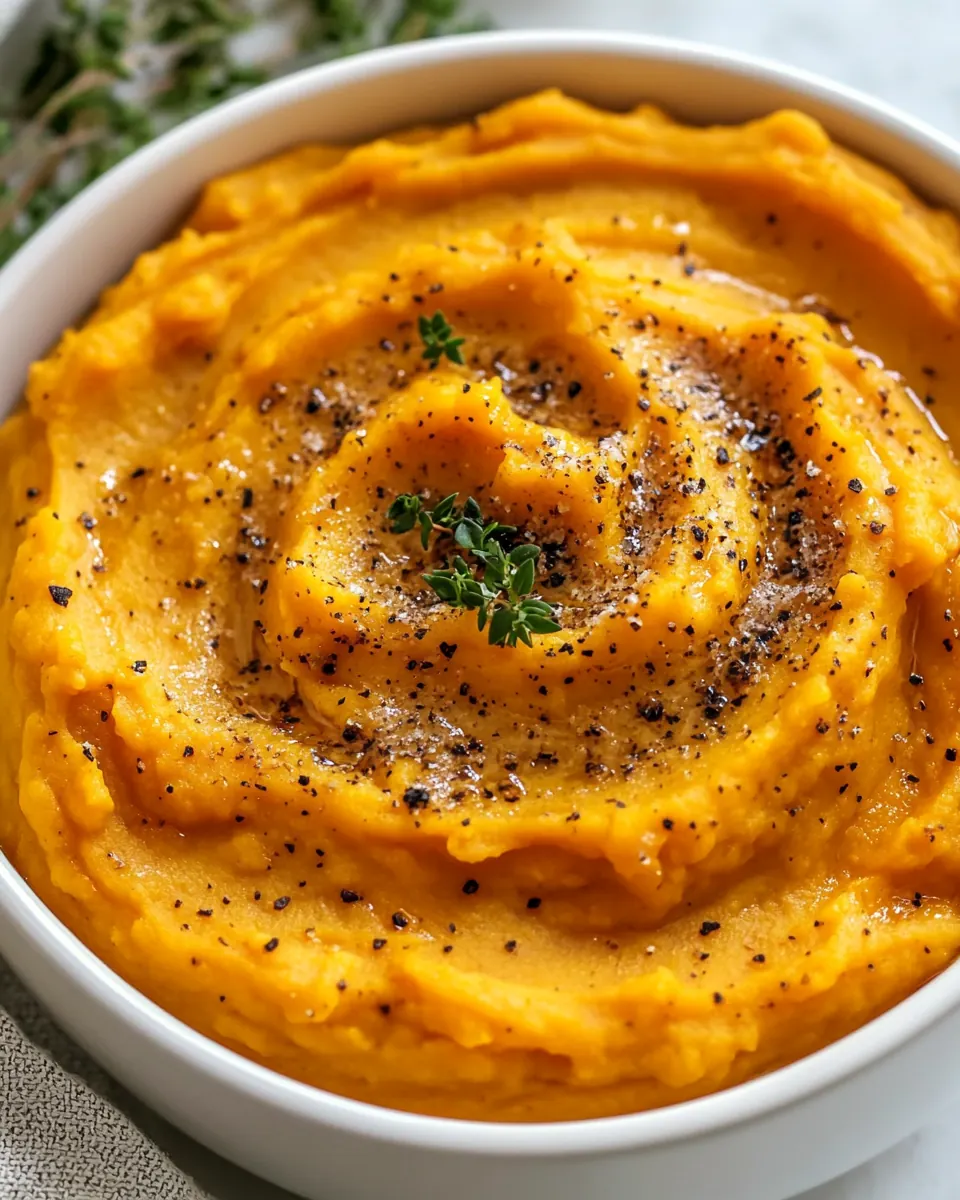
Mashed Sweet Potatoes
Mashed Sweet Potatoes has been my go to when I want comfort food that feels thoughtful without a lot of fuss. The first time I roasted a pile of sweet potatoes until they were almost caramelized at the edges, I knew I had a winner. I still remember pulling them from the oven, the kitchen filling with that warm, nutty aroma, and thinking how simple ingredients can create something really memorable.
Over the years I’ve tweaked the balance of dairy and seasoning so the texture is pillowy and the flavor sings of the sweet potato itself. I like that this Mashed Sweet Potatoes recipe is flexible, forgiving, and behaves well whether I’m feeding a small family meal or filling a Thanksgiving side dish platter. I often swap between using a food processor for an ultra smooth finish or mashing by hand when I want a bit of rustic texture and a more hands on moment.
When I serve Mashed Sweet Potatoes, people comment on the natural sweetness and how the garlic adds a subtle savory lift. There’s a comforting richness from the butter and the creamy dairy, but it’s never heavy. I enjoy sharing stories about little changes I make depending on the season, and watching folks savor the first spoonful is always a highlight. This recipe has become one of those dependable dishes I turn to when I want something cozy that still feels a little special.
Recipe Snapshot
55 mins
10 mins
45 mins
Medium
210 kcal
American
Gluten-Free, Keto
Side Dishes
Oven, Baking sheet, Tongs, Large food processor
The Magic of This Mashed Sweet Potatoes
Rich Yet Simple Flavor
I love how Mashed Sweet Potatoes delivers deep, rounded sweetness without needing sugar, because the roasting concentrates natural sugars and creates a caramel note that feels indulgent. The combination of butter and milk or half and half makes the mouthfeel luxurious, while the gentle hit of garlic keeps it grounded and savory, so every bite feels balanced.
Comfort Food That Scales
This recipe works for a small dinner or a holiday crowd. I’ve made it for two and for ten, and the method is forgiving. Roasting the tubers whole means you can stagger timing, and pureeing in a processor speeds service. Because it’s adaptable, I can dial creaminess up or down depending on the batch, which is perfect when I’m juggling other dishes.
Texture Control
I appreciate that texture is a choice here. Using a food processor yields an ultra smooth, velvety result, while hand mashing leaves little pockets of caramelized sweet potato for a rustic bite. I like giving guests options, and knowing the exact cues that tell me the potatoes are ready helps me get the texture I want every time.
Minimal Ingredients, Maximum Impact
With only a handful of straightforward items this dish shines because each player has a clear role. The tubers provide body and flavor, butter lends silkiness, dairy adjusts creaminess, and salt amplifies everything. That directness is why I return to this recipe again and again.
Holiday Friendly
Finally, this recipe fits right into special meals. It pairs well with richer mains or on a festive table where sides need to be reliable and beloved. I often make it when I want one less thing to worry about, and it reliably earns compliments.
What’s In This Mashed Sweet Potatoes
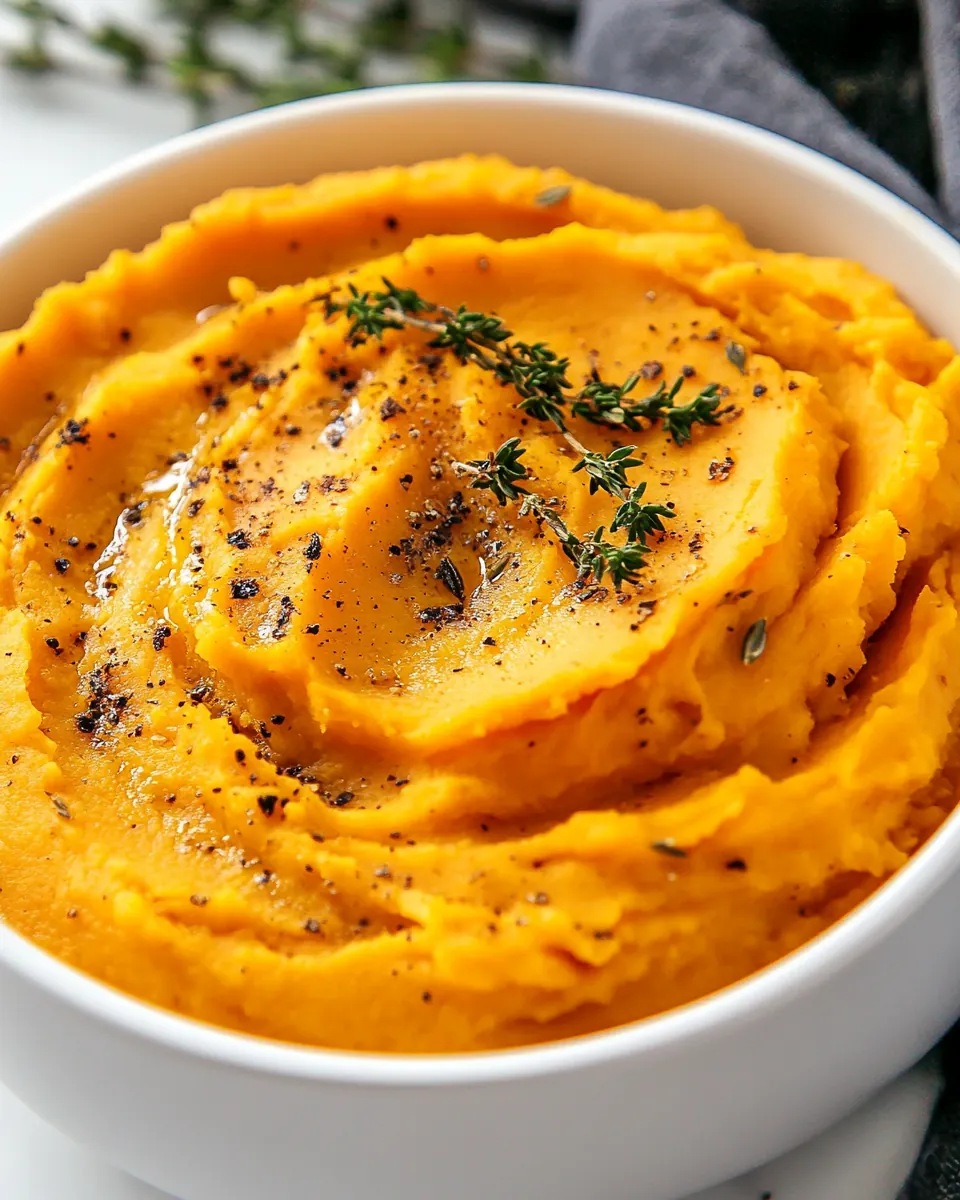
These ingredients are intentionally compact, chosen to highlight the sweet potato while tuning texture and seasoning. The key players are the tubers for flavor and body, butter for richness, and dairy for silkiness. The smash of garlic and a measured amount of salt bring balance, allowing the natural sweetness to shine without being cloying.
- 4.5 5 pounds sweet potatoes: Provide creamy body and natural sweetness while cooking down to tender flesh; choose firm sweet potatoes and peel or leave skins on per preference. Add warmth and orange color to the dish, and mash thoroughly for a smooth or slightly chunky texture depending on desired mouthfeel.
- 1/3 cup half & half, or whole milk: Add richness and a touch of dairy flavor, helping to loosen the mashed potatoes for a silky consistency when mixed in. Use at room temperature so it blends smoothly and adjust amount to reach preferred creaminess without thinning the mixture too much.
- 1/4 cup butter: Contribute a buttery flavor and smooth mouthfeel while enriching the mash; melt before stirring in for even distribution. Use unsalted or salted butter according to salt preference, and incorporate gradually to control taste and texture.
- 1 clove garlic, peeled and smashed: Infuse a subtle savory note and aromatic depth when cooked with the potatoes; bruise the garlic to release more flavor and remove before mashing if a milder profile is desired. Roast or simmer with the potatoes to mellow sharpness and integrate gently into the overall dish.
- 1 1/2 teaspoons salt: Season the dish and enhance all other flavors while balancing sweetness; dissolve thoroughly so the salt distributes evenly throughout the mash. Taste and adjust at the end to avoid over-salting, especially if using salted butter.
Directions for Mashed Sweet Potatoes
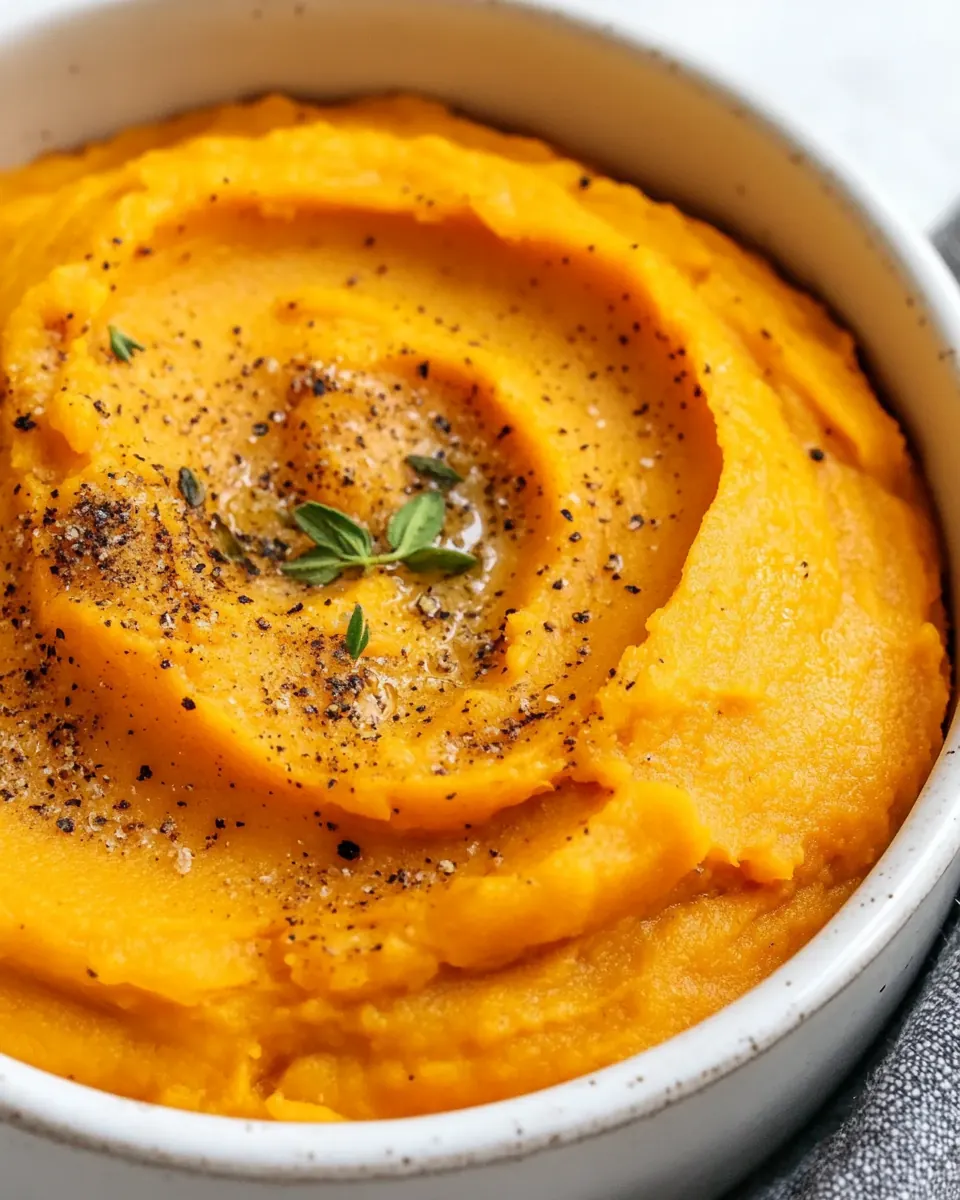
I like to approach these directions with a relaxed, sensory mindset so the process feels intuitive rather than rigid. The sequence moves from roasting to peeling to pureeing, and each stage offers cues that tell you when you are on track. Follow the steps and pay attention to texture and aroma to achieve the best result.
- Preheat the oven to 400 degrees F. Place the sweet potatoes on a baking sheet and bake until very soft, 45-60 minutes. Test the largest sweet potato by inserting a fork into the middle.: The room will fill with a warm, slightly sweet scent as the oven comes up to temperature, which sets the stage for caramelization and concentrated flavor. Roasting at 400 degrees F encourages the edges of the sweet potatoes to brown gently while the centers soften thoroughly. A common mistake is putting the tubers in an oven that is not fully preheated, which can lead to uneven cooking and firmer centers. Use an oven thermometer if you are unsure about your oven's accuracy.
- Use tongs to peel the loosened skin off the hot sweet potatoes. Then place the sweet potato flesh in a large food processor.: As they roast, you will hear the faint pop of moisture escaping and see the skins darken and break slightly, which signals deepening flavor. The smell becomes nutty and lightly caramelized, and the flesh should feel tender when pierced. Avoid removing them too early, because undercooked potatoes will produce a chunky, gluey mash rather than a smooth puree. Turn them once during roasting if your oven has hot spots to promote even cooking.
- Add the butter, garlic clove, and salt. Cover the food processor and pulse until the sweet potatoes are very smooth.: When the fork slides through with almost no resistance, the tubers are ready, and the internal sugars will be fully developed. You might notice steam escaping as you probe the center, and the fork should come away coated with moist, soft flesh. If there is resistance, return the potatoes to the oven and check again in ten to fifteen minutes. Cutting one open too soon leads to a mash with fibrous bits, so patience is worth it.
- Test the texture of the mashed sweet potatoes. Then add 2 tablespoons, or up to 1/3 cup, half & half to the mash and puree again until well combined. Some sweet potatoes are very moist, so you may not want to add all the half & half.: Handling them hot lets the skins slip away easily and reveals the lush, steaming flesh beneath, which smells sweet and toasty. Be careful to use a utensil or protective gloves, because the skins and flesh retain heat; a common mishap is burning your fingers while trying to peel. Removing the skin while warm also helps the flesh drop into the processor cleanly, minimizing waste.
- Serve warm as-is, or top with parsley, candied pecans, or butter.: Placing the warm flesh into a processor creates a silky texture as the heat helps the fats emulsify with the natural starches, producing a glossy finish. The machine will whir to a steady sound that becomes smoother as the mixture homogenizes. Over-processing can sometimes produce a gluey result, so pulse and monitor the texture, stopping when it reaches a velvety consistency you like.
- Add the butter, garlic clove, and salt: The aroma of melting butter mingling with the infused scent of the garlic is immediately comforting, creating an undercurrent of savory complexity that counters the sweetness. Salt awakens the flavor, rounding out the profile. A frequent error is adding cold butter straight from the fridge, which can leave little pockets; allowing the butter to warm slightly or cubing it helps it incorporate evenly.
- Cover the food processor and pulse until the sweet potatoes are very smooth: The pulsing action releases steam and blends the fats into the starchy matrix, which gives a creamy sheen and uniform texture. Listen for the motor to move from a choppy to a steady whir, and watch the puree become uniformly smooth. If you overdo it, however, the texture may go past silky to gummy, so stop when it looks glossy and lump free.
- Test the texture of the mashed sweet potatoes: Scoop a spoonful onto a plate to feel its body, noting whether it spreads or holds a gentle mound. The right texture should be soft and luscious, not wet or runny, nor dry and chalky. If it seems too firm, it likely needs more liquid or a touch more fat; if it seems too loose, you may have added too much dairy. Tasting at this point helps you balance salt and richness before final adjustments.
- Then add 2 tablespoons, or up to 1/3 cup, half and half to the mash and puree again until well combined: Adding small amounts of half and half or milk lets you control creaminess precisely, because roasted potatoes vary in moisture content. The puree should become silkier and flow more gently, and the aroma will broaden with a soft dairy note. A misstep is pouring in the full amount all at once, which can make the mash too loose; always add incrementally and stop when the texture pleases you.
- Some sweet potatoes are very moist, so you may not want to add all the half and half: Let the potato's natural moisture guide you, because excess liquid dilutes flavor and can make reheating awkward. If the mash already spreads nicely and tastes balanced, skip additional dairy. Overcorrecting with too much liquid is a common issue, and it is harder to reverse than adding a touch more butter to tighten the texture.
- Serve warm as-is, or top with parsley, candied pecans, or butter: Warm servings highlight the silky texture and aromatic notes, and toppings add contrast in color and texture. The surface should glisten slightly from the butter , and a scattering of herbs or nuts introduces freshness and crunch. Avoid letting the mash sit uncovered too long, because it will form a dry skin; keep it tented with foil or briefly rewarm with a splash of dairy if needed before serving.
Recipe Tips about Mashed Sweet Potatoes
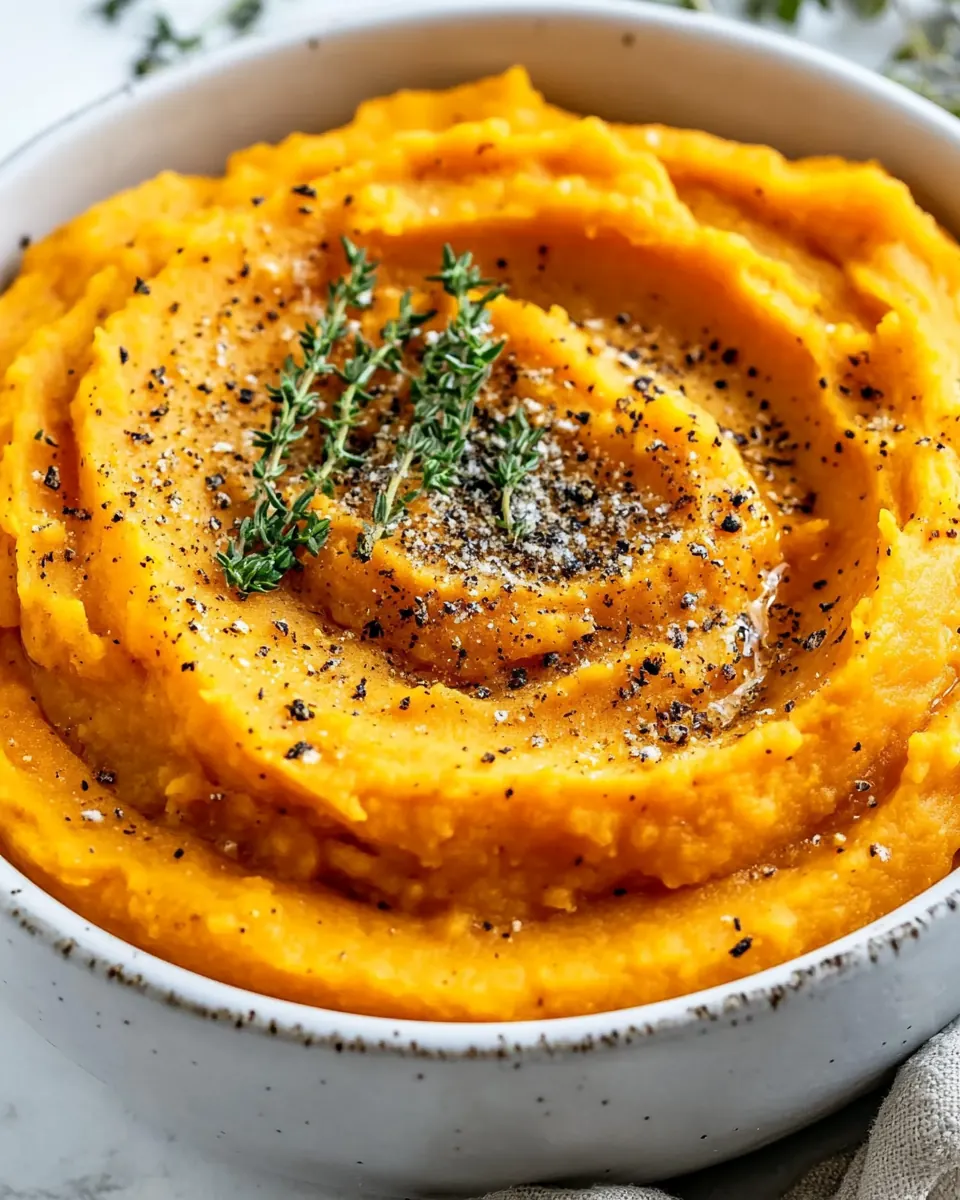
I like to offer practical tips that help you control texture, flavor, and timing so every batch turns out well. These guidelines reflect small choices that make a big difference when you are preparing Mashed Sweet Potatoes for family dinners or holiday spreads.
- Choose firm, evenly sized tubers to ensure uniform roasting, which prevents some being overdone while others are undercooked.
- Roast until very soft because fully cooked flesh yields a sweeter, smoother mash and minimizes fibrous bits.
- Warm the butter slightly so it blends seamlessly into the mash without leaving cold pockets.
- Add dairy slowly and stop when the texture pleases you, as too much can make reheating and plating messy.
- Pulse in the food processor to achieve a velvety finish while avoiding an overly gluey mouthfeel from overprocessing.
- Keep extras warm gently by tenting with foil or placing the dish in a low oven, stirring in a splash of warm milk if it firms up.
How to Serve Mashed Sweet Potatoes
Serving Mashed Sweet Potatoes is all about texture contrasts and thoughtful pairings. I like to present it warm, with one or two complementary elements to add crunch or brightness. This dish fits well on casual weeknight tables and also shines at holiday meals.
- Holiday centerpiece side: Serve alongside roasted mains at celebrations such as Thanksgiving, where the sweet, creamy profile complements richer proteins and earthy vegetable sides.
- Weeknight dinner pairing: Offer with a simply roasted protein and a bright green vegetable for a balanced, easy weeknight meal that feels homey and complete.
- Garnish ideas: Top with a pat of butter for gloss, or add chopped nuts for crunch, which brings welcome contrast to the smooth mash.
- Make ahead: Prepare up to a day in advance and refrigerate, then rewarm gently with a splash of dairy, stirring occasionally to restore silkiness.
- Portioning for a crowd: Keep the mash in a covered baking dish in a low oven and stir before serving to refresh the texture, making it effortless to serve many guests.
- Seasonal pairings: In fall, combine with warm spices at the table or bright fresh herbs to lift the profile and match the season.
FAQ
Conclusion
Mashed Sweet Potatoes stands out for its straightforward ingredients and comforting, crowd pleasing texture. The roasting step deepens natural sweetness while the butter and dairy create a silky mouthfeel that feels both indulgent and homey. Give it a try when you want a reliable side that scales for guests or simplifies weeknight meals. You will likely find yourself returning to this recipe whenever you want a warm, satisfying dish that feels special without extra effort.
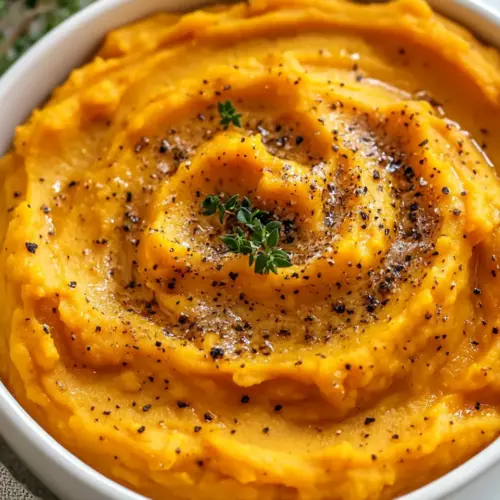
Mashed Sweet Potatoes
Equipment
- Oven
- Baking Sheet
- Tongs
- Large food processor
Ingredients
- 4.5 -5 pounds sweet potatoes Provide creamy body and natural sweetness while cooking down to tender flesh; choose firm sweet potatoes and peel or leave skins on per preference. Add warmth and orange color to the dish, and mash thoroughly for a smooth or slightly chunky texture depending on desired mouthfeel.
- 1/3 cup half & half, or whole milk Add richness and a touch of dairy flavor, helping to loosen the mashed potatoes for a silky consistency when mixed in. Use at room temperature so it blends smoothly and adjust amount to reach preferred creaminess without thinning the mixture too much.
- 1/4 cup butter Contribute a buttery flavor and smooth mouthfeel while enriching the mash; melt before stirring in for even distribution. Use unsalted or salted butter according to salt preference, and incorporate gradually to control taste and texture.
- 1 clove garlic, peeled and smashed Infuse a subtle savory note and aromatic depth when cooked with the potatoes; bruise the garlic to release more flavor and remove before mashing if a milder profile is desired. Roast or simmer with the potatoes to mellow sharpness and integrate gently into the overall dish.
- 1 1/2 teaspoons salt Season the dish and enhance all other flavors while balancing sweetness; dissolve thoroughly so the salt distributes evenly throughout the mash. Taste and adjust at the end to avoid over-salting, especially if using salted butter.
Instructions
- Preheat the oven to 400 degrees F. Place the sweet potatoes on a baking sheet and bake until very soft, 45-60 minutes. Test the largest sweet potato by inserting a fork into the middle.: The room will fill with a warm, slightly sweet scent as the oven comes up to temperature, which sets the stage for caramelization and concentrated flavor. Roasting at 400 degrees F encourages the edges of the sweet potatoes to brown gently while the centers soften thoroughly. A common mistake is putting the tubers in an oven that is not fully preheated, which can lead to uneven cooking and firmer centers. Use an oven thermometer if you are unsure about your oven's accuracy.
- Use tongs to peel the loosened skin off the hot sweet potatoes. Then place the sweet potato flesh in a large food processor.: As they roast, you will hear the faint pop of moisture escaping and see the skins darken and break slightly, which signals deepening flavor. The smell becomes nutty and lightly caramelized, and the flesh should feel tender when pierced. Avoid removing them too early, because undercooked potatoes will produce a chunky, gluey mash rather than a smooth puree. Turn them once during roasting if your oven has hot spots to promote even cooking.
- Add the butter, garlic clove, and salt. Cover the food processor and pulse until the sweet potatoes are very smooth.: When the fork slides through with almost no resistance, the tubers are ready, and the internal sugars will be fully developed. You might notice steam escaping as you probe the center, and the fork should come away coated with moist, soft flesh. If there is resistance, return the potatoes to the oven and check again in ten to fifteen minutes. Cutting one open too soon leads to a mash with fibrous bits, so patience is worth it.
- Test the texture of the mashed sweet potatoes. Then add 2 tablespoons, or up to 1/3 cup, half & half to the mash and puree again until well combined. Some sweet potatoes are very moist, so you may not want to add all the half & half.: Handling them hot lets the skins slip away easily and reveals the lush, steaming flesh beneath, which smells sweet and toasty. Be careful to use a utensil or protective gloves, because the skins and flesh retain heat; a common mishap is burning your fingers while trying to peel. Removing the skin while warm also helps the flesh drop into the processor cleanly, minimizing waste.
- Serve warm as-is, or top with parsley, candied pecans, or butter.: Placing the warm flesh into a processor creates a silky texture as the heat helps the fats emulsify with the natural starches, producing a glossy finish. The machine will whir to a steady sound that becomes smoother as the mixture homogenizes. Over-processing can sometimes produce a gluey result, so pulse and monitor the texture, stopping when it reaches a velvety consistency you like.
- Add the butter, garlic clove, and salt: The aroma of melting butter mingling with the infused scent of the garlic is immediately comforting, creating an undercurrent of savory complexity that counters the sweetness. Salt awakens the flavor, rounding out the profile. A frequent error is adding cold butter straight from the fridge, which can leave little pockets; allowing the butter to warm slightly or cubing it helps it incorporate evenly.
- Cover the food processor and pulse until the sweet potatoes are very smooth: The pulsing action releases steam and blends the fats into the starchy matrix, which gives a creamy sheen and uniform texture. Listen for the motor to move from a choppy to a steady whir, and watch the puree become uniformly smooth. If you overdo it, however, the texture may go past silky to gummy, so stop when it looks glossy and lump free.
- Test the texture of the mashed sweet potatoes: Scoop a spoonful onto a plate to feel its body, noting whether it spreads or holds a gentle mound. The right texture should be soft and luscious, not wet or runny, nor dry and chalky. If it seems too firm, it likely needs more liquid or a touch more fat; if it seems too loose, you may have added too much dairy. Tasting at this point helps you balance salt and richness before final adjustments.
- Then add 2 tablespoons, or up to 1/3 cup, half and half to the mash and puree again until well combined: Adding small amounts of half and half or milk lets you control creaminess precisely, because roasted potatoes vary in moisture content. The puree should become silkier and flow more gently, and the aroma will broaden with a soft dairy note. A misstep is pouring in the full amount all at once, which can make the mash too loose; always add incrementally and stop when the texture pleases you.
- Some sweet potatoes are very moist, so you may not want to add all the half and half: Let the potato's natural moisture guide you, because excess liquid dilutes flavor and can make reheating awkward. If the mash already spreads nicely and tastes balanced, skip additional dairy. Overcorrecting with too much liquid is a common issue, and it is harder to reverse than adding a touch more butter to tighten the texture.
- Serve warm as-is, or top with parsley, candied pecans, or butter: Warm servings highlight the silky texture and aromatic notes, and toppings add contrast in color and texture. The surface should glisten slightly from the butter , and a scattering of herbs or nuts introduces freshness and crunch. Avoid letting the mash sit uncovered too long, because it will form a dry skin; keep it tented with foil or briefly rewarm with a splash of dairy if needed before serving.
Notes
- Choose firm, evenly sized tubers to ensure uniform roasting, which prevents some being overdone while others are undercooked.
- Roast until very soft because fully cooked flesh yields a sweeter, smoother mash and minimizes fibrous bits.
- Warm the butter slightly so it blends seamlessly into the mash without leaving cold pockets.
- Add dairy slowly and stop when the texture pleases you, as too much can make reheating and plating messy.
- Pulse in the food processor to achieve a velvety finish while avoiding an overly gluey mouthfeel from overprocessing.
- Keep extras warm gently by tenting with foil or placing the dish in a low oven, stirring in a splash of warm milk if it firms up.