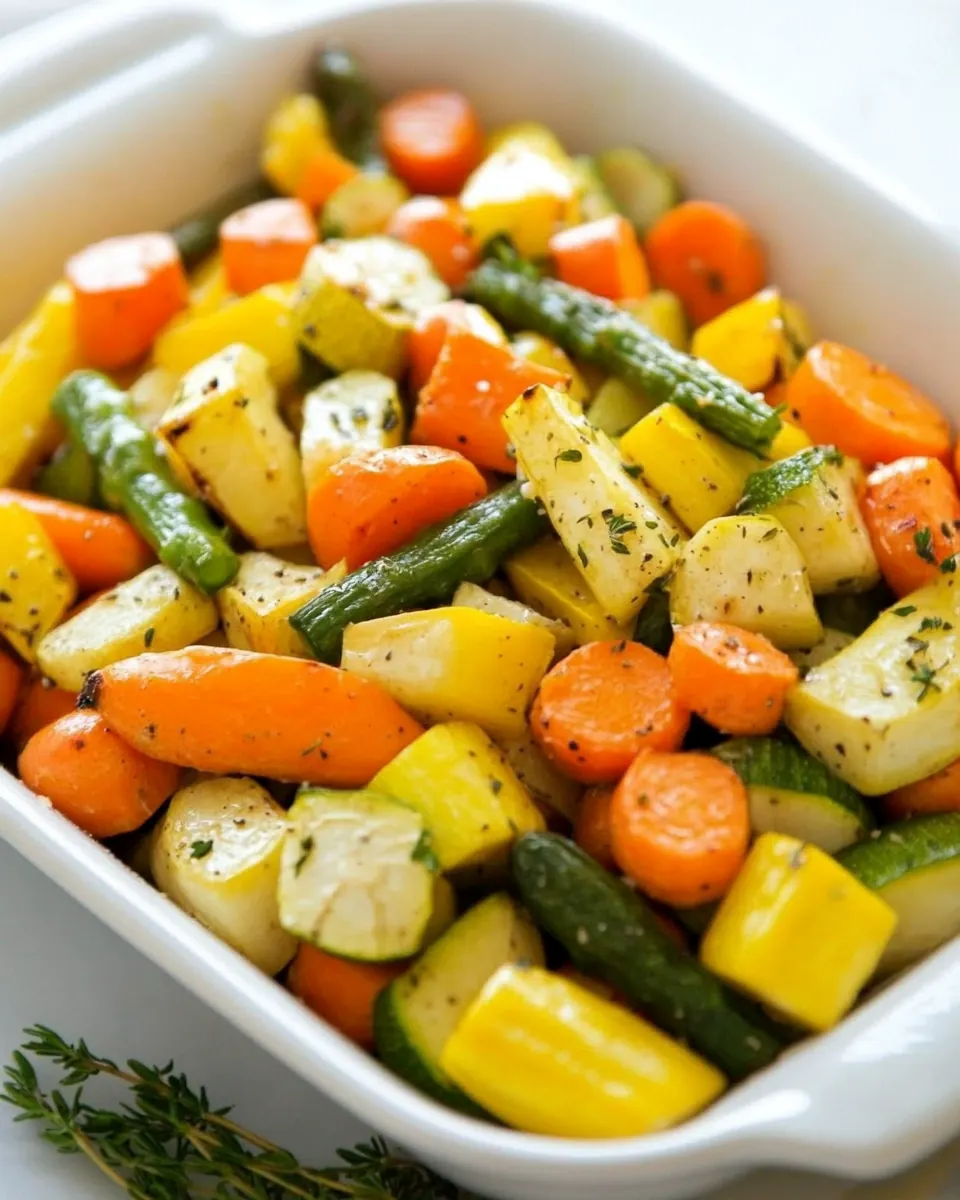
Roasted Spring Vegetables
Roasted Spring Vegetables is the kind of dish I fall back on when I want bright flavors without fuss. I remember the first time I roasted a pile of seasonal produce on a sunny afternoon, the kitchen filled with a warm, green perfume that felt like the start of something simple and nourishing. That day I learned how a few minutes in a hot oven can turn crisp stems into tender bites that still snap when you chew them.
Growing up I watched family members fuss over complicated meals, and I came to appreciate a recipe that honors ingredients instead of hiding them. Roasted Spring Vegetables became my summer rehearsal for weekend dinners, a way to celebrate fresh farmers market finds. I like how the process leaves room for conversation while the oven does the heavy lifting, and how the finished tray always looks like a rustic celebration on the table.
Over the years I’ve adapted this recipe for small gatherings and solo meals, learning tiny habits that make a big difference, like tossing everything in melted butter so each piece browns beautifully. When friends sit down and take that first bite, I love hearing them remark on the natural sweetness of the carrots and the gentle char on the asparagus. It feels honest, homey, and reliably comforting.
Recipe Snapshot
17 mins
5 mins
12 mins
Easy
150 kcal
American
Gluten-Free, Low FODMAP
Side Dishes
Oven, Baking sheet, Parchment paper, Mixing bowl
Why This Roasted Spring Vegetables Stands Out
Fresh Seasonal Flavor
I adore how Roasted Spring Vegetables showcases produce at its peak. The asparagus and baby carrots bring a vegetal brightness while the yellow squash and zucchini add soft, tender flesh. Roasting concentrates the natural sugars, so every bite tastes more intense and lively than raw vegetables. I find myself reaching for this when I want a dish that feels light but fully satisfying.
Effortless Weeknight Win
What makes me recommend this recipe often is how little hands on time it needs. A quick chop, a toss with melted butter and garlic, and the oven turns raw into roasted gold. I especially appreciate that it frees me to prep a salad or set the table while the oven does its work. It is one of my go to solutions for easy weeknight dinner sides.
Great Texture Contrast
The balance between crisp edges and tender centers is what keeps me coming back. When roasted correctly, you get a slight char on the tips of the asparagus, a soft, sweet note from the carrots, and silky slices from the zucchini and yellow squash. That contrast makes each mouthful interesting, and it pairs beautifully with grilled proteins or a grain bowl.
Flexible and Forgiving
I love recommending this as a template because it is so adaptable. If you find different produce at the market, you can swap in similar textures. The basic formula of veggies plus melted butter, minced garlic, parsley, and salt is a reliable platform. It is forgiving enough to tolerate slight differences in oven heat or vegetable size without breaking the result.
Comfort With a Clean Finish
Lastly, there is something quietly celebratory about a tray of roasted vegetables. It feels nourishing without being heavy, making it perfect for casual dinners and special meals alike. I often serve this when I want food that feels both wholesome and served with care.
What You Need for Roasted Spring Vegetables
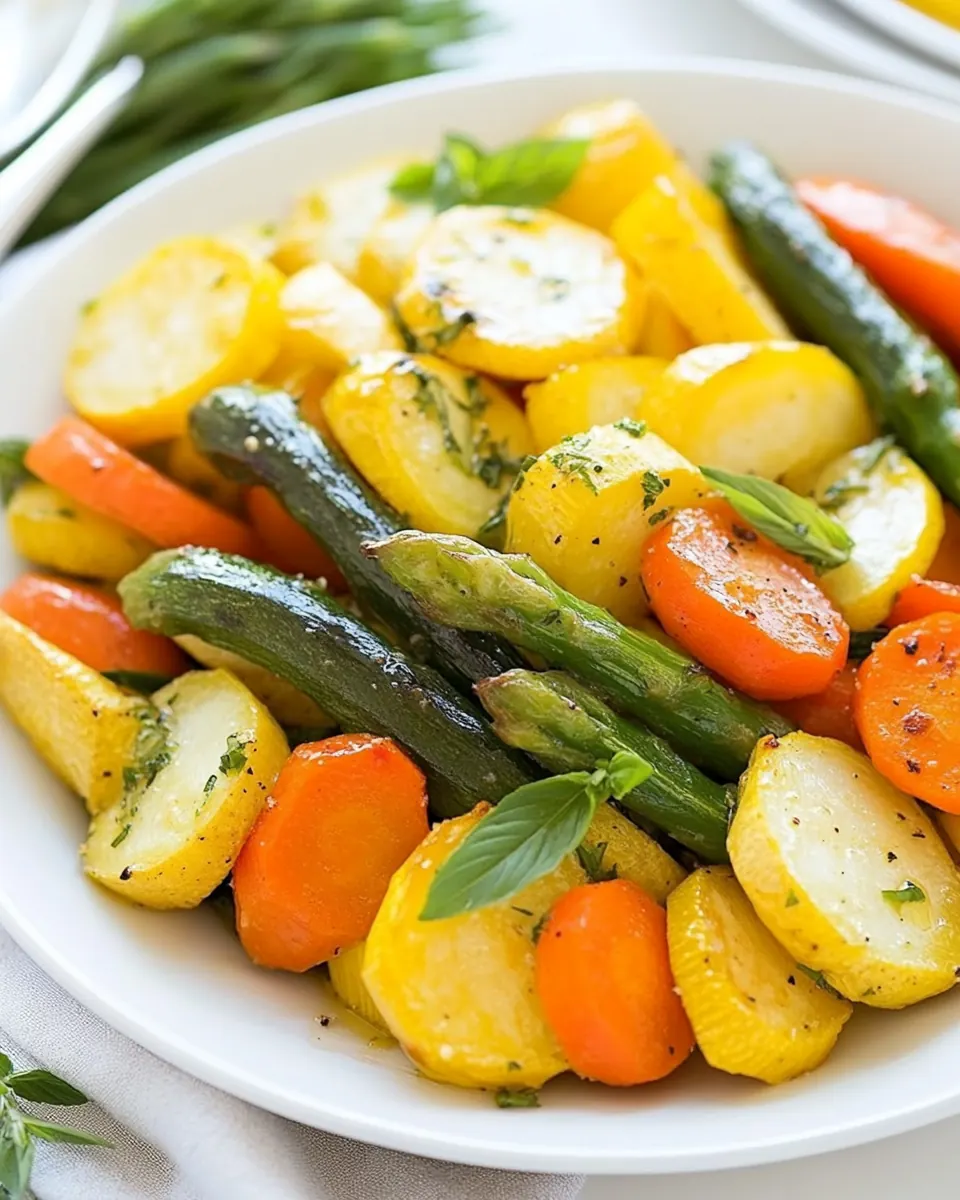
These ingredients are intentionally simple, chosen to highlight the sweet and slightly grassy notes of spring produce. The key players are the firm, snap filled asparagus and the sweet baby carrots, while the soft, tender slices of yellow squash and zucchini round everything out. Melted butter and minced garlic act as flavor carriers, and a sprinkle of parsley and salt finishes the dish with brightness and seasoning.
- 6 oz (175 g) asparagus, stems removed and cut into 2-inch (5 cm) lengths: Trimmed and tender, provides vibrant color and a slightly grassy, fresh flavor; adds crisp texture when roasted and holds up well to high heat. Cut into uniform lengths to ensure even cooking and to blend seamlessly with other spring vegetables on the tray.
- 6 oz (175 g) baby carrots: Sweet and earthy with a firm bite that caramelizes nicely; contributes bright color and natural sweetness when roasted. Keep whole or halved depending on size to maintain consistent roasting times alongside other vegetables.
- 6 oz (175 g) yellow squash: Mild and slightly sweet with a tender, creamy interior when roasted; adds a soft contrast to firmer vegetables. Slice or halve to match the size of accompanying vegetables so it cooks evenly and absorbs butter and garlic flavors.
- 6 oz (175 g) zucchini: Lightly sweet and firm with a subtle crunch when roasted; offers a complementary texture and a slightly nutty flavor. Cut to similar dimensions as the yellow squash to ensure uniform roasting and balanced mouthfeel.
- 3 tablespoons salted butter, melted: Rich, savory fat that promotes browning and carries flavors; melts over vegetables to create a glossy, flavorful coating when roasted. Use melted form to evenly coat all pieces so garlic and herbs adhere and roasting produces golden edges.
- 3 cloves garlic, minced: Pungent and aromatic component that infuses vegetables with savory depth; releases fragrant oils when heated to enhance overall flavor. Mince finely so small pieces distribute throughout the mix and gently brown without burning.
- 1 teaspoon parsley, chopped: Bright, fresh herb that lifts the overall flavor profile with a mild, slightly peppery note; sprinkled after roasting to add color and herbal freshness. Chop finely to evenly distribute among vegetables and preserve its fresh aroma.
- salt, to taste: Seasoning used to enhance and balance the natural flavors of the vegetables; adjust to taste to avoid overpowering delicate spring produce. Sprinkle sparingly before or after roasting to refine the final seasoning.
The Process for Making Roasted Spring Vegetables
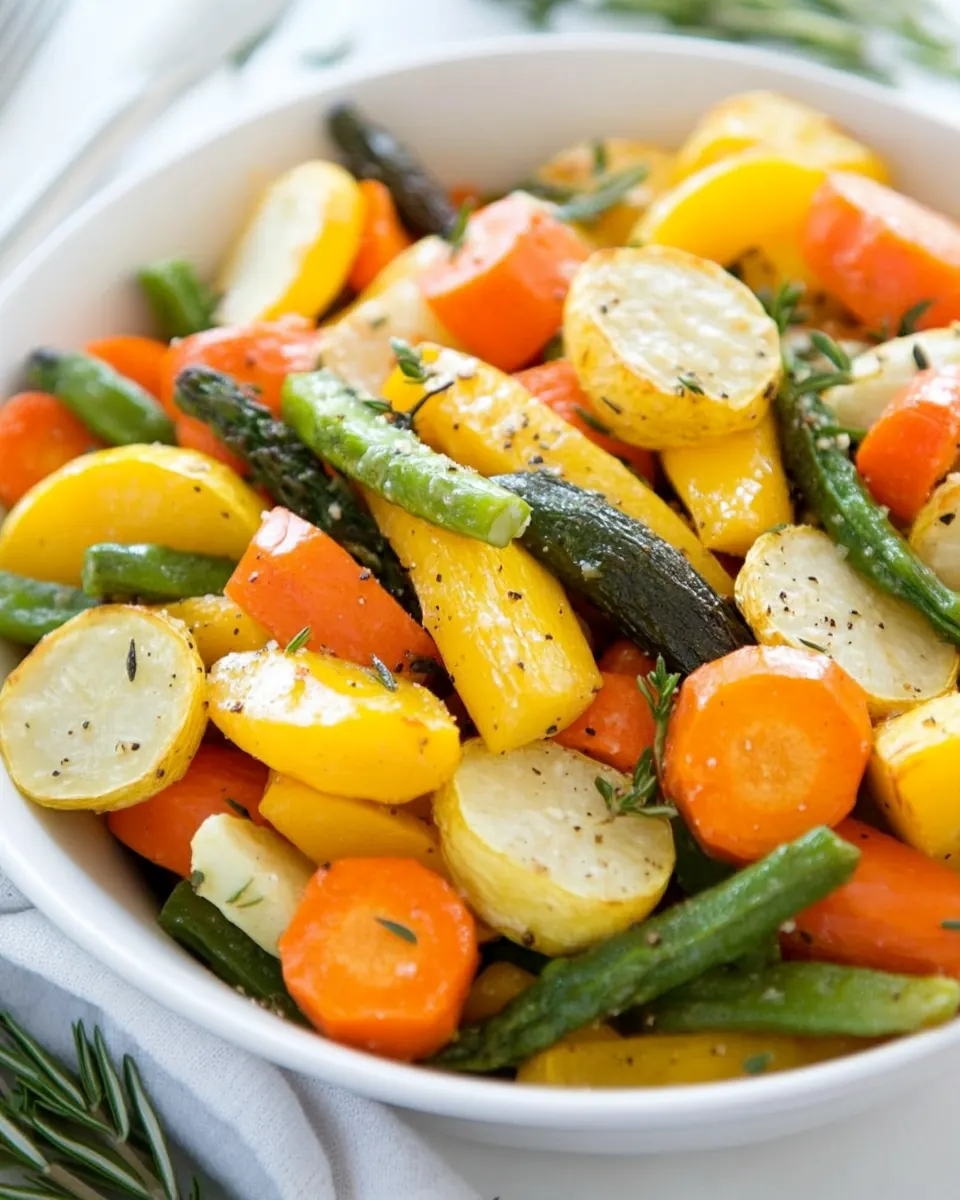
I keep the technique straightforward and conversational, focusing on even roasting and attentive timing. Follow these steps and you will get consistent results with caramelized edges, tender centers, and fragrant garlic notes. Read each step fully before you begin so you know the sensory cues to watch for.
- Preheat oven to 400°F (200°C).: As soon as the oven starts warming, you will notice a subtle heat building in the kitchen, and that steady hot environment is what creates even browning. A properly preheated oven ensures the vegetables begin to sizzle the moment they hit the tray, which seals flavors and promotes caramelization. If the oven is not hot enough you will end up steaming instead of roasting, producing limp, pale vegetables. Common mistake to avoid, do not skip preheating or the texture will suffer.
- Combine the asparagus, carrots, squash, and zucchini. Add the melted butter, garlic, parsley, and salt, and stir to mix well.: Once chopped, the vegetables mingle in a large bowl, their colors and textures contrasting visually. Tossing them together ensures the butter and seasonings will coat each piece uniformly. As you stir, you should hear gentle clinks and feel the different firmness under your fingers, which helps you sense when everything is evenly distributed. A frequent issue is overcrowding the bowl, making coating uneven, so use a large container to give them space.
- Ensure that all the spring vegetables are evenly coated with the butter mixture. Arrange them in a single layer on a baking sheet lined with parchment paper.: The aroma of warm melted butter and minced garlic will perfume the vegetables as you pour and stir, creating a glossy sheen on each piece. The butter helps the heat transfer and encourages browning at the edges, while the garlic blends into the fat and becomes toasted and mellow in the oven. Stirring until everything looks evenly coated is key, because pockets of dry vegetables will roast unevenly. Avoid adding too much salt at once; you can always adjust after roasting to prevent over seasoning.
- Roast for 12 minutes, then dish out and serve immediately.: Visually inspect the bowl to confirm the butter and minced garlic cling to every piece, and use your hands if necessary to feel for consistent coating. Even coverage results in uniform color development and flavor penetration. When they are well coated, arrange them on a baking sheet so their surfaces touch as little as possible, which allows hot air to circulate. A common pitfall is leaving wet pools of butter on the sheet that cause some vegetables to fry in place, creating uneven textures.
- Arrange them in a single layer on a baking sheet lined with parchment paper: Spreading the vegetables into a single layer gives each piece direct exposure to the hot air and metal below, which helps edges crisp while interiors soften. The parchment keeps cleanup simple and helps prevent sticking, while the single layer prevents steaming and sogginess. You should be able to see a little space around each piece, and the tray should look evenly distributed rather than heaped. Overcrowding will cause steaming and muted browning, so use two sheets if needed.
- Roast for 12 minutes, then dish out and serve immediately: As the vegetables roast you will notice the kitchen filling with a nutty, toasted scent as sugars caramelize and the minced garlic softens into sweet depths. At around the ten minute mark, start checking for golden edges and tender centers by piercing a thicker carrot with a fork. When the time is right, the asparagus tips will have a touch of char and the zucchini will show small browned flecks. Serve straight from the oven so you preserve warmth and texture, and be mindful not to let them sit too long or they will wilt. A typical error is leaving them on the hot sheet to sit, which continues to cook them and changes the ideal texture.
Tips and Tricks about Roasted Spring Vegetables
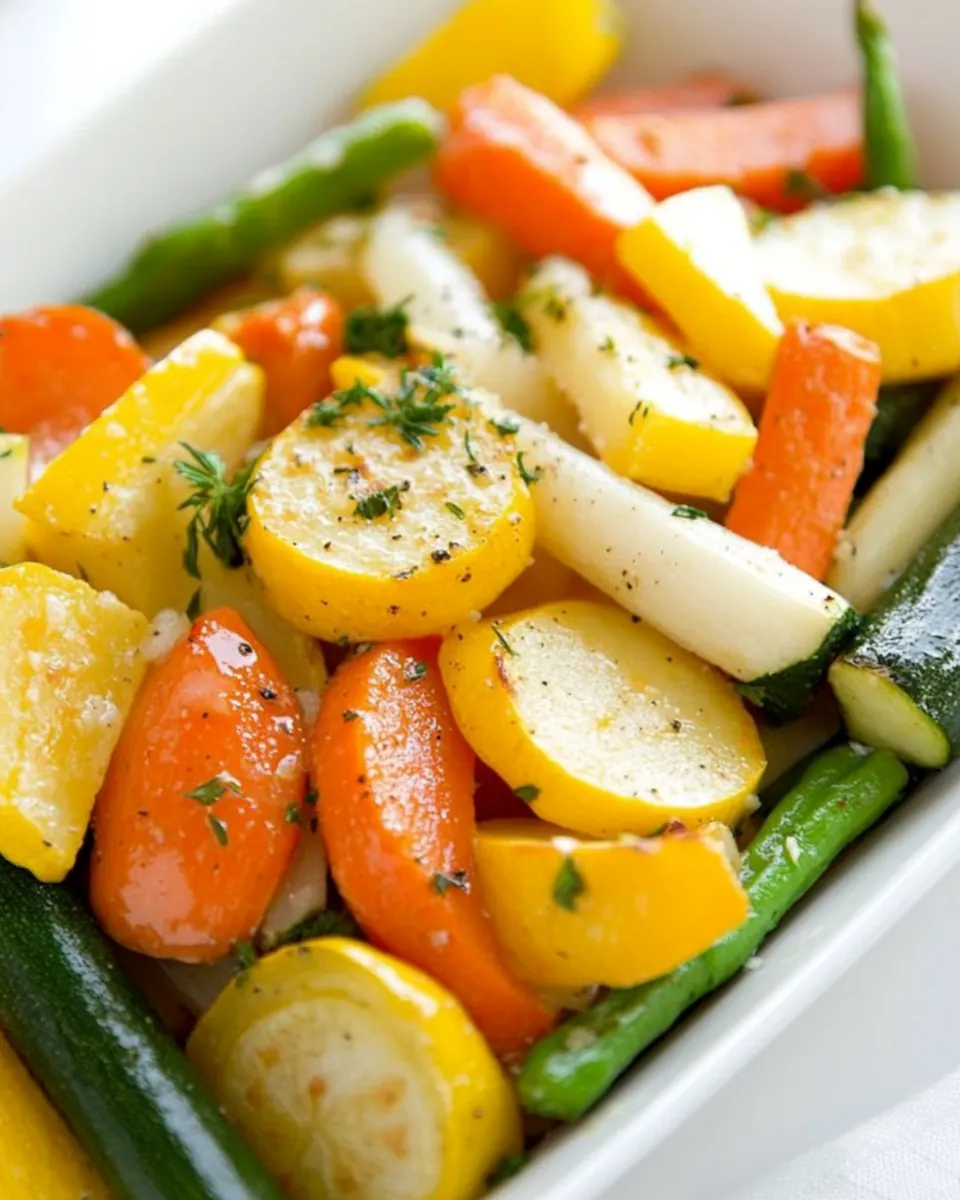
I like to think of these tips as little chef secrets that make a good tray of roasted vegetables feel elevated. Each one helps you get the most from the produce, whether it is timing, seasoning, or technique. Keep them in mind next time you roast a sheet pan and the results will be reliably delicious.
- Preheat Properly. Always allow your oven to reach 400°F (200°C) before you put the tray in. A fully heated oven jump starts browning, giving you crisp edges and tender centers. If you skip this, vegetables tend to steam and end up limp rather than caramelized.
- Uniform Cutting. Cut the asparagus, carrots, yellow squash, and zucchini to similar sizes so they finish at the same time. This simple step prevents some pieces from overcooking while others are underdone, ensuring a balanced texture across the tray.
- Coat Evenly. Use melted butter and mix in a large bowl, making sure every surface is glossy. Even coating ensures the garlic and salt stick to the vegetables and encourages consistent browning, which enhances sweet roasted flavors.
- Single Layer Rule. Arrange vegetables in a single layer on the baking sheet with a little breathing room. Overcrowding causes steaming instead of roasting, which reduces the desirable golden color and textural contrast you are aiming for.
- Watch the Timing. Start checking at about ten minutes, since ovens vary. Look for golden flecks and a tender bite; these sensory cues are more reliable than the clock. Pulling them at the right moment keeps the vegetables vibrant and prevents mushiness.
How to Serve Roasted Spring Vegetables
Serving these vegetables is about simplicity and contrast. They pair well with a range of mains, and the presentation is beautiful when you keep it rustic yet intentional. Here are practical serving approaches and pairing ideas to make the most of the tray.
- As a Side for Dinner. Serve warm alongside roasted or grilled mains, letting the vegetables provide a bright, textural contrast. Their natural sweetness complements richer proteins and adds fresh spring notes to the plate.
- Family Style on the Table. Present the sheet pan or a large platter in the center so guests can serve themselves. This casual display invites conversation and suits relaxed weeknight meals or weekend gatherings.
- With Grains for a Lighter Meal. Spoon roasted vegetables over cooked rice, quinoa, or farro to create a simple bowl. The butter and garlic meld with the grains, turning the vegetables into a satisfying vegetarian option.
- Seasonal Occasions. These are perfect for springtime lunches, family dinners, or celebratory brunches where lighter, fresher flavors are welcome. They feel appropriate for Ramadan if planning a gentle, nourishing iftar selection.
- Storage and Reheating. Store leftovers in an airtight container in the refrigerator for up to three days. Reheat briefly in a hot oven to revive the texture rather than microwaving, which can make them soggy.
FAQ
Conclusion
Roasted Spring Vegetables shine because they celebrate seasonal produce with minimal fuss and maximum flavor. The combination of asparagus, baby carrots, yellow squash, and zucchini tossed in melted butter and garlic creates caramelized edges and tender interiors that are both comforting and bright. Give this recipe a try the next time you want a reliable, easy side that feels thoughtful and homey, and enjoy how simple technique elevates humble ingredients into a dish worth sharing.
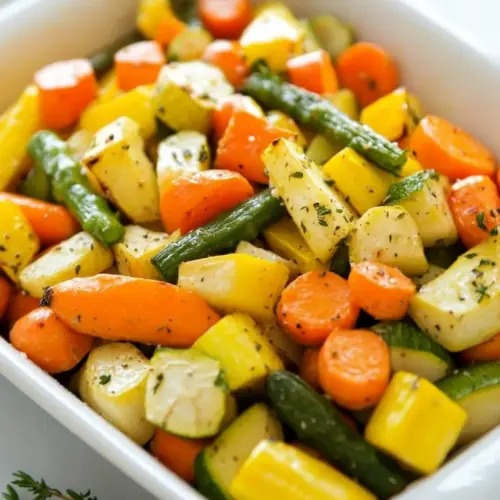
Roasted Spring Vegetables
Equipment
- Oven
- Baking Sheet
- Parchment Paper
- Mixing Bowl
Ingredients
- 6 oz (175 g) asparagus, stems removed and cut into 2-inch (5 cm) lengths Trimmed and tender, provides vibrant color and a slightly grassy, fresh flavor; adds crisp texture when roasted and holds up well to high heat. Cut into uniform lengths to ensure even cooking and to blend seamlessly with other spring vegetables on the tray.
- 6 oz (175 g) baby carrots Sweet and earthy with a firm bite that caramelizes nicely; contributes bright color and natural sweetness when roasted. Keep whole or halved depending on size to maintain consistent roasting times alongside other vegetables.
- 6 oz (175 g) yellow squash Mild and slightly sweet with a tender, creamy interior when roasted; adds a soft contrast to firmer vegetables. Slice or halve to match the size of accompanying vegetables so it cooks evenly and absorbs butter and garlic flavors.
- 6 oz (175 g) zucchini Lightly sweet and firm with a subtle crunch when roasted; offers a complementary texture and a slightly nutty flavor. Cut to similar dimensions as the yellow squash to ensure uniform roasting and balanced mouthfeel.
- 3 tablespoons salted butter, melted Rich, savory fat that promotes browning and carries flavors; melts over vegetables to create a glossy, flavorful coating when roasted. Use melted form to evenly coat all pieces so garlic and herbs adhere and roasting produces golden edges.
- 3 cloves garlic, minced Pungent and aromatic component that infuses vegetables with savory depth; releases fragrant oils when heated to enhance overall flavor. Mince finely so small pieces distribute throughout the mix and gently brown without burning.
- 1 teaspoon parsley, chopped Bright, fresh herb that lifts the overall flavor profile with a mild, slightly peppery note; sprinkled after roasting to add color and herbal freshness. Chop finely to evenly distribute among vegetables and preserve its fresh aroma.
- salt, to taste Seasoning used to enhance and balance the natural flavors of the vegetables; adjust to taste to avoid overpowering delicate spring produce. Sprinkle sparingly before or after roasting to refine the final seasoning.
Instructions
- Preheat oven to 400°F (200°C).: As soon as the oven starts warming, you will notice a subtle heat building in the kitchen, and that steady hot environment is what creates even browning. A properly preheated oven ensures the vegetables begin to sizzle the moment they hit the tray, which seals flavors and promotes caramelization. If the oven is not hot enough you will end up steaming instead of roasting, producing limp, pale vegetables. Common mistake to avoid, do not skip preheating or the texture will suffer.
- Combine the asparagus, carrots, squash, and zucchini. Add the melted butter, garlic, parsley, and salt, and stir to mix well.: Once chopped, the vegetables mingle in a large bowl, their colors and textures contrasting visually. Tossing them together ensures the butter and seasonings will coat each piece uniformly. As you stir, you should hear gentle clinks and feel the different firmness under your fingers, which helps you sense when everything is evenly distributed. A frequent issue is overcrowding the bowl, making coating uneven, so use a large container to give them space.
- Ensure that all the spring vegetables are evenly coated with the butter mixture. Arrange them in a single layer on a baking sheet lined with parchment paper.: The aroma of warm melted butter and minced garlic will perfume the vegetables as you pour and stir, creating a glossy sheen on each piece. The butter helps the heat transfer and encourages browning at the edges, while the garlic blends into the fat and becomes toasted and mellow in the oven. Stirring until everything looks evenly coated is key, because pockets of dry vegetables will roast unevenly. Avoid adding too much salt at once; you can always adjust after roasting to prevent over seasoning.
- Roast for 12 minutes, then dish out and serve immediately.: Visually inspect the bowl to confirm the butter and minced garlic cling to every piece, and use your hands if necessary to feel for consistent coating. Even coverage results in uniform color development and flavor penetration. When they are well coated, arrange them on a baking sheet so their surfaces touch as little as possible, which allows hot air to circulate. A common pitfall is leaving wet pools of butter on the sheet that cause some vegetables to fry in place, creating uneven textures.
- Arrange them in a single layer on a baking sheet lined with parchment paper: Spreading the vegetables into a single layer gives each piece direct exposure to the hot air and metal below, which helps edges crisp while interiors soften. The parchment keeps cleanup simple and helps prevent sticking, while the single layer prevents steaming and sogginess. You should be able to see a little space around each piece, and the tray should look evenly distributed rather than heaped. Overcrowding will cause steaming and muted browning, so use two sheets if needed.
- Roast for 12 minutes, then dish out and serve immediately: As the vegetables roast you will notice the kitchen filling with a nutty, toasted scent as sugars caramelize and the minced garlic softens into sweet depths. At around the ten minute mark, start checking for golden edges and tender centers by piercing a thicker carrot with a fork. When the time is right, the asparagus tips will have a touch of char and the zucchini will show small browned flecks. Serve straight from the oven so you preserve warmth and texture, and be mindful not to let them sit too long or they will wilt. A typical error is leaving them on the hot sheet to sit, which continues to cook them and changes the ideal texture.
Notes
- Preheat Properly. Always allow your oven to reach 400°F (200°C) before you put the tray in. A fully heated oven jump starts browning, giving you crisp edges and tender centers. If you skip this, vegetables tend to steam and end up limp rather than caramelized.
- Uniform Cutting. Cut the asparagus, carrots, yellow squash, and zucchini to similar sizes so they finish at the same time. This simple step prevents some pieces from overcooking while others are underdone, ensuring a balanced texture across the tray.
- Coat Evenly. Use melted butter and mix in a large bowl, making sure every surface is glossy. Even coating ensures the garlic and salt stick to the vegetables and encourages consistent browning, which enhances sweet roasted flavors.
- Single Layer Rule. Arrange vegetables in a single layer on the baking sheet with a little breathing room. Overcrowding causes steaming instead of roasting, which reduces the desirable golden color and textural contrast you are aiming for.
- Watch the Timing. Start checking at about ten minutes, since ovens vary. Look for golden flecks and a tender bite; these sensory cues are more reliable than the clock. Pulling them at the right moment keeps the vegetables vibrant and prevents mushiness.
