Gluten Free Eggplant Lasagna
Gluten Free Eggplant Lasagna began for me on a rainy evening when I wanted something comforting, hearty, and a little lighter than the usual pasta based dishes. I remember pulling a dense, glossy eggplant from the crisper, feeling its weight, and thinking about how its meaty texture could stand in for noodles. That first attempt was messy, soulful, and perfectly imperfect, and it taught me how simple swaps can still deliver that warm, cheesy satisfaction we crave.
Over the years I have layered eggplant, bright tomato sauce, and melting mozzarella cheese enough times to know which small moves make the biggest difference. I salt the slices to coax out moisture, I brown them until their edges caramelize, and I spoon sauce with just enough care so every bite has balance. Friends who try it always ask for seconds, and that quiet approval keeps me making it on chilly nights.
Recipe Snapshot
60 mins
20 mins
40 mins
Medium
350 kcal
Italian
Gluten-Free, Keto
Dinner
Large skillet, Baking dish, Paper towels
What We Adore About This Gluten Free Eggplant Lasagna
It is naturally lighter without losing comfort
I love that Gluten Free Eggplant Lasagna gives you the cozy texture of a traditional lasagna without a heavy wheat base. Because I use layers of roasted eggplant instead of noodles, each forkful feels both substantial and lighter, which makes it an easy pick for evenings when I want comfort food that does not leave me sluggish.
Simple ingredients create deep flavor
When I cook this dish I rely on a few strong players like the canned plum tomatoes, fragrant garlic, and the blend of mozzarella cheese and parmesan cheese. These components meld into a sauce that tastes far more complex than the list suggests, especially after a gentle simmer that concentrates the tomatoes and softens the aromatics.
Adaptable and forgiving for busy cooks
I appreciate recipes that recover from small mistakes. If you cook the eggplant slices a touch longer to get them less watery, or you simmer the sauce a bit more for extra depth, the dish still comes together beautifully. That forgiving nature makes it a go to for weeknight meals when time is short but flavor cannot be compromised.
Great for sharing and for leftovers
I often make a bigger casserole because this lasagna reheats wonderfully. The textures settle and the flavors marry overnight, so whether I serve it to guests or pack it for lunches, it keeps tasting better the next day. That makes it practical for planning dinners ahead.
A comfort dish with an elegant side
Finally, I adore how this recipe fits both casual and slightly dressier meals. It sits well at a family table, and with a simple garnish of fresh basil, it also looks put together enough for company. That versatility is one reason I keep returning to it.
What You Need for Gluten Free Eggplant Lasagna
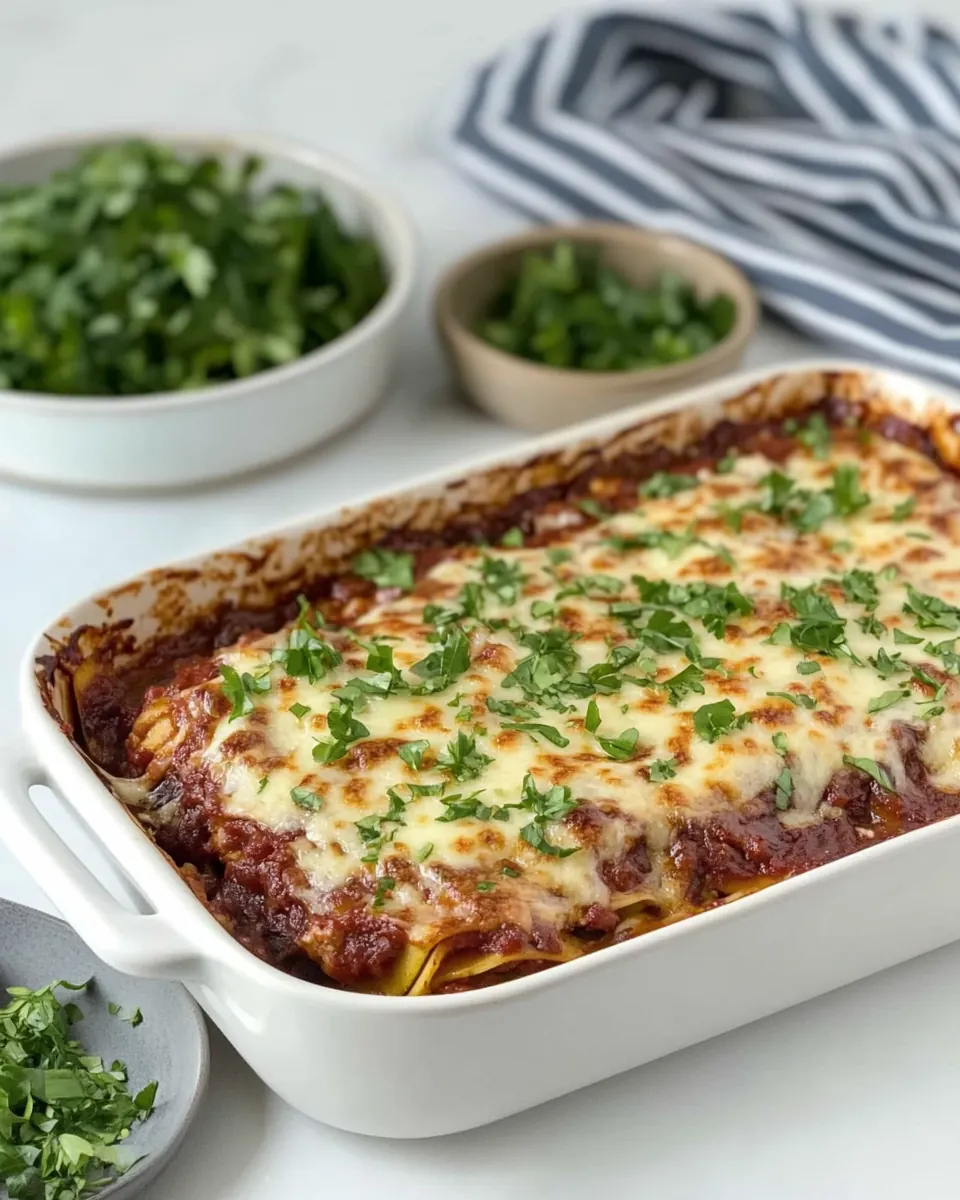
This ingredient lineup focuses on texture and balance. The key idea is to let the eggplant act like a noodle, the plum tomatoes become an intense, savory bed, and the cheeses give cream and salt to marry everything. Each item plays a clear role, and together they form layers that are cohesive and satisfying.
- 2 pounds eggplant, firmer the better: Slice and roast or grill to remove excess moisture and create sturdy, ricotta-free lasagna layers; firmer eggplants hold shape during baking and provide a meaty texture that mimics pasta sheets. Salt and drain slices if needed to reduce bitterness and prevent a soggy casserole, improving overall structure. Use consistently sized slices to ensure even cooking and pleasing presentation.
- 1/4 cup olive oil, plus more if needed: Drizzle and saute to create the base fat for flavor extraction and browning; olive oil brings richness and helps soften aromatics while preventing sticking. Add additional oil sparingly if pan is dry to maintain a gentle sizzle without becoming greasy. Choose extra-virgin for flavor when finishing or a neutral olive oil for high-heat cooking.
- 1 medium onion, chopped: Sweat and caramelize to develop sweetness and depth in the sauce; chopping yields even pieces that meld into the tomato mixture. Cook until translucent to build a flavorful foundation that complements eggplant and cheeses. Adjust cooking time to achieve desired texture and to release natural sugars.
- 2 cloves garlic, chopped: Mince and release pungent, aromatic qualities that infuse the tomato sauce; chopped garlic brightens and balances the dish when briefly sautéed with onion. Avoid burning by adding at the right time so it softens and melds without turning bitter. Use fresh garlic for the cleanest, most pronounced flavor impact.
- 1 1/2 cup mozzarella cheese: Grate and layer to provide melty, stretchy creaminess that binds the lasagna together; mozzarella contributes a milky, elastic texture when baked. Use low-moisture or shred and drain if overly wet to prevent watery layers. Scatter evenly between eggplant sheets for cohesive, gooey bites.
- 128 ounce can plum tomatoes, chopped: Crush or chop and simmer to form the rich, acidic tomato base that defines the sauce; a large can ensures abundant coverage and saucy consistency. Season and cook down to concentrate flavors and harmonize with garlic and onion. Choose high-quality plum tomatoes for balanced sweetness and acidity.
- 1/2 cup parmesan cheese, grated: Sprinkle and finish to add salty, umami depth and a slightly granular texture that complements melted cheese; grated parmesan elevates savory notes across layers. Use as a topping and interlayer seasoning to enhance complexity without overpowering. Add gradually to control saltiness.
- red pepper flakes () (optional): Shake and spice lightly to introduce heat and a subtle kick that enhances overall flavor without dominating; red pepper flakes can be adjusted to taste and are optional. Use sparingly to complement the tomato's acidity and the cheeses' richness. Reserve a pinch for garnish if serving to spice-lovers.
- fresh basil for garnish () (optional): Tear and scatter as a bright, herbaceous finish that lifts rich flavors and adds visual contrast; fresh basil brings aromatic freshness when added just before serving. Use whole leaves or chiffonade to distribute fragrant notes without wilting under prolonged heat. Add at plating time to preserve color and perfume.
The Process for Making Gluten Free Eggplant Lasagna
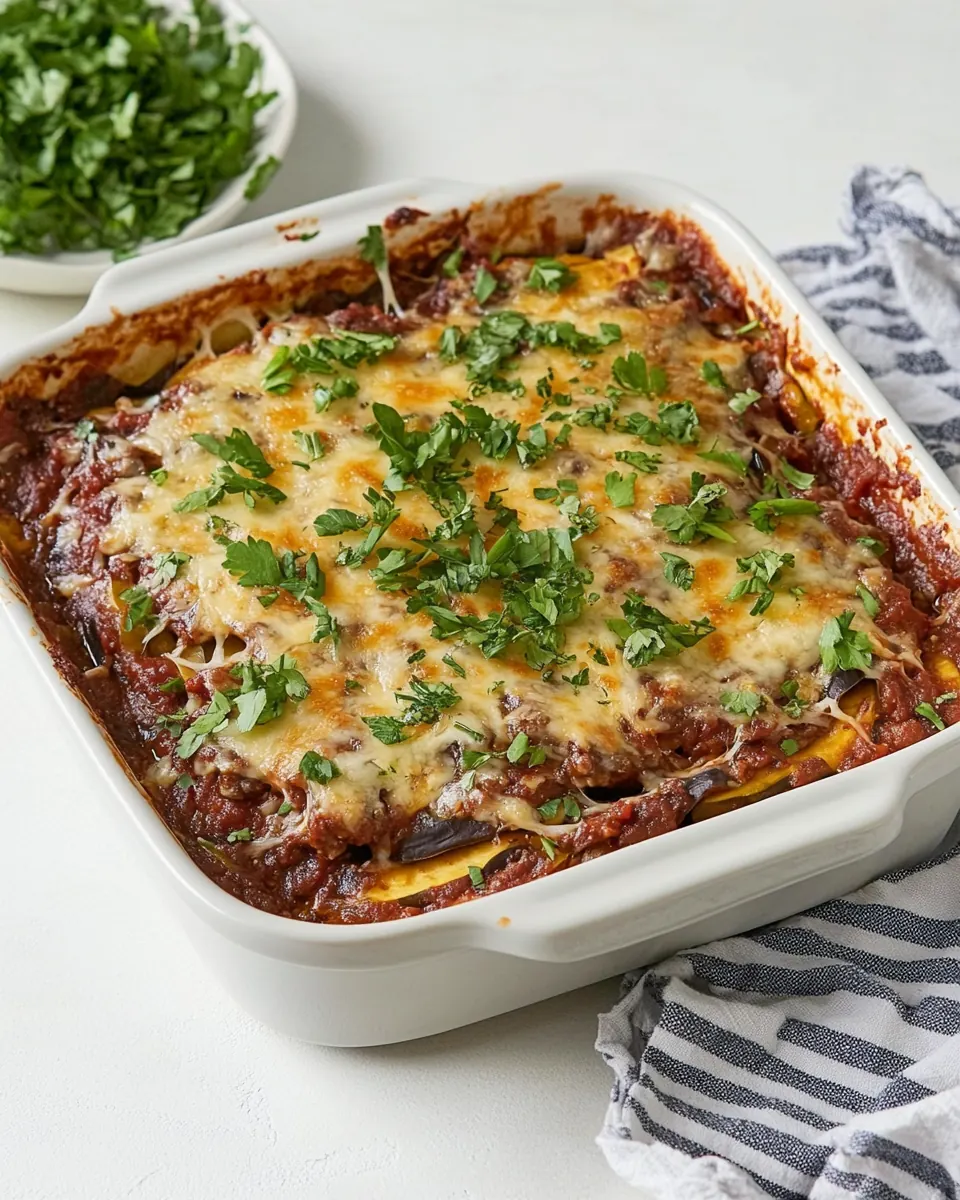
These steps bring warmth, texture, and balance together. I like to think of the process as three acts, searing the eggplant, building a rich sauce, and layering for the oven to finish. Below, each direction is expanded with sensory cues, reasons behind the technique, and troubleshooting tips so you can cook confidently.
- Preheat oven to 400° F.: The oven should feel reliably hot so the casserole finishes with bubbling, gently browned cheese and set layers. As it warms you may notice a dry, warm air from the vent and slight hum from the thermostat. Preheating ensures the baking time is accurate and that the top starts to brown immediately, rather than merely warming. A common mistake is sliding it into a cold oven, which can lead to limp cheese and undercooked center; always give the oven time to reach temperature.
- Trim eggplant and slice into 1/2” pieces. Sprinkle both sides of each slice with salt and let sit for 10 minutes (this helps remove moisture from the eggplant before cooking), then blot off any extra moisture with a paper towel.: When you slice the eggplant to about half an inch thickness you create pieces that hold shape through searing and layering. The slices should show a clean white interior and even, glossy skin edge. This thickness allows good browning while still cooking through in the oven. If slices are uneven, some pieces will overcook while others remain firm, so aim for uniformity. To avoid gummy layers, salt and rest them as directed to draw out moisture.
- Coat bottom of a large skillet with oil (about 3 tablespoons) and place over medium heat. When the oil is hot, carefully add the eggplant. Cook until bottoms are golden, about 5 minutes, then flip slices and cook until bottoms are golden, about 9-10 minutes total. Remove slices to a paper towel-lined plate to drain off any excess oil. Return pan to the heat.: Salt draws water from the eggplant , helping it brown and preventing a watery final dish. You will see small beads of moisture form on the surface, which is a good visual cue that the salt is doing its work. After resting blot with a paper towel to remove the drawn out moisture and excess salt. Skipping this step often results in a soggy lasagna because the eggplant releases water while baking, diluting the sauce.
- If there is no more oil left in the pan, add 1 tbsp of oil along with the onion and garlic over low to medium heat for 3-4 minutes or until onions start to soften. Add the tomatoes, season to taste and add the red pepper flakes (if using). Bring just to a boil, then reduce to a simmer and cook for 10 minutes.: The oil should shimmer gently when hot but not smoke. A well heated skillet creates an immediate sizzle when the eggplant hits the pan, which signals good browning. Proper browning produces caramelized flavors that mimic the toasty edge of baked noodles. If you cook over too high a flame you risk burning the exterior before the interior softens, so keep the heat controlled.
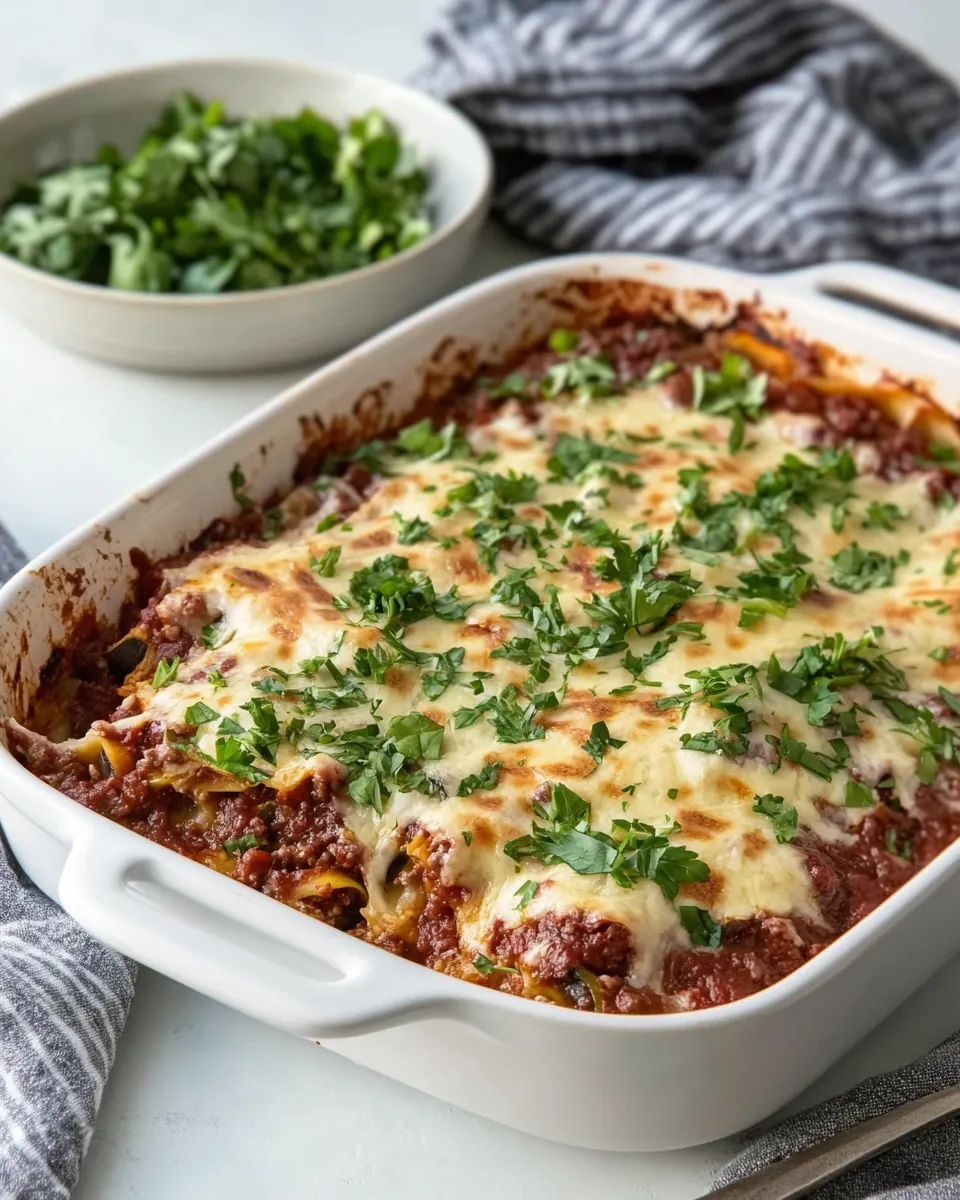
- When the sauce is ready, make a layer of eggplant at the bottom of a baking dish, followed by a layer of tomato sauce, then cheese, then eggplant, tomato sauce, cheese. Place in oven and bake for 12 minutes or until the cheese is melted and bubbly. Garnish with basil if desired.: Expect a lively sizzle and the aroma of caramelizing sugars. Place slices in a single layer so they make even contact with the pan. If pieces crowd the pan they will steam instead of brown, so work in batches if necessary. A typical mistake is overcrowding which prevents the golden crust from forming on the eggplant .
- Cook until bottoms are golden, about 5 minutes: Watch for a deep, golden brown color along the exposed edge and a softening of the flesh. You can gently lift one slice to check the color. This initial sear creates textured contrast and a roasted flavor that adds depth to each layer. If you flip too soon the slice may stick and tear, so wait until the crust releases easily.
- Flip slices and cook until bottoms are golden, about 9 to 10 minutes total: After turning, continue cooking until both sides show color and the flesh is tender. The eggplant should feel soft but still hold its shape. The sound will be a lower sizzle as moisture reduces. Overcooking can make the slices collapse, so remove them when they are tender yet intact.
- Remove slices to a paper towel-lined plate to drain off any excess oil: Laying slices on absorbent paper captures extra oil and keeps the layered lasagna from becoming greasy. You will notice small droplets collecting, which confirms you have removed enough fat. Pressing down lightly can speed drainage. Avoid stacking hot slices tightly because trapped steam can rehydrate them and make them soggy.
- Return pan to the heat: The residual pan heat is useful for building your sauce. You may hear a faint hiss as it reheats and see a shimmer on the surface. Bringing the pan back up allows you to quickly soften aromatics without recollecting excess oil. Be mindful because a completely cool pan will delay sauce development, while a pan too hot can scorch the next ingredients.
- If there is no more oil left in the pan, add 1 tbsp of oil along with the onion and garlic over low to medium heat for 3 to 4 minutes or until onions start to soften: Softening the onion gently in oil releases sweetness and creates a silky base for the sauce. Add the chopped garlic once the onion is translucent so the garlic becomes fragrant but not bitter. If you cook the garlic too long or at too high a heat it turns biting and detracts from the sauce.
- Add the tomatoes, season to taste and add the red pepper flakes (if using): When you pour in the chopped plum tomatoes you will hear a soft simmer and notice the pan filling with a bright tomato aroma. Seasoning now allows the salt and pepper to meld with the tomatoes as they release their juices. A pinch of red pepper flakes lifts the profile slightly, but use them sparingly to avoid overpowering the dish. If your canned tomatoes are watery, increase simmer time to concentrate the sauce.
- Bring just to a boil, then reduce to a simmer and cook for 10 minutes: The sauce should move in gentle bubbles and smell round and balanced. Ten minutes is enough to soften raw tomato edges and marry flavors for a straightforward sauce. During simmering the liquid will reduce and deepen in color. If you need a thicker sauce, continue simmering, stirring occasionally to prevent sticking. A thin sauce will make the lasagna watery, so do not rush this step.
- When the sauce is ready, make a layer of eggplant at the bottom of a baking dish: Lay slices so they slightly overlap, forming a continuous base that supports the next layers. You should hear a soft settling sound as pieces contact the ceramic or metal. This foundation keeps the lasagna stable and ensures even heat transfer. If pieces are too small, gaps can allow sauce to pool and create uneven baking.
- Followed by a layer of tomato sauce, then cheese, then eggplant, tomato sauce, cheese: Each layer should feel balanced in weight and texture. The sauce should be spooned to coat, not drown, the eggplant , and the mozzarella cheese should be distributed so you get melty pockets throughout. The alternating textures are the point: silky sauce, melting cheese, and roasted eggplant . Over layering with too much sauce or too much cheese can throw off the bake and make the center slow to set.
- Place in oven and bake for 12 minutes or until the cheese is melted and bubbly: In the oven you will soon see the top go from pale to golden with small bubbling islands of cheese and sauce. The scent becomes richer, and the edges may caramelize slightly. Bake only until the cheese is melted and the top shows slight color. Leaving it too long can dry out the surface, so watch the final minutes carefully.
- Garnish with basil if desired: Fresh torn basil scattered over the warm top releases a fragrant, peppery perfume that brightens each bite. The visual pop of green contrasts with the red sauce and melted cheese, and the herb’s freshness lifts the dish. Add the basil right before serving to keep it vivid and aromatic.
Ways to Customize
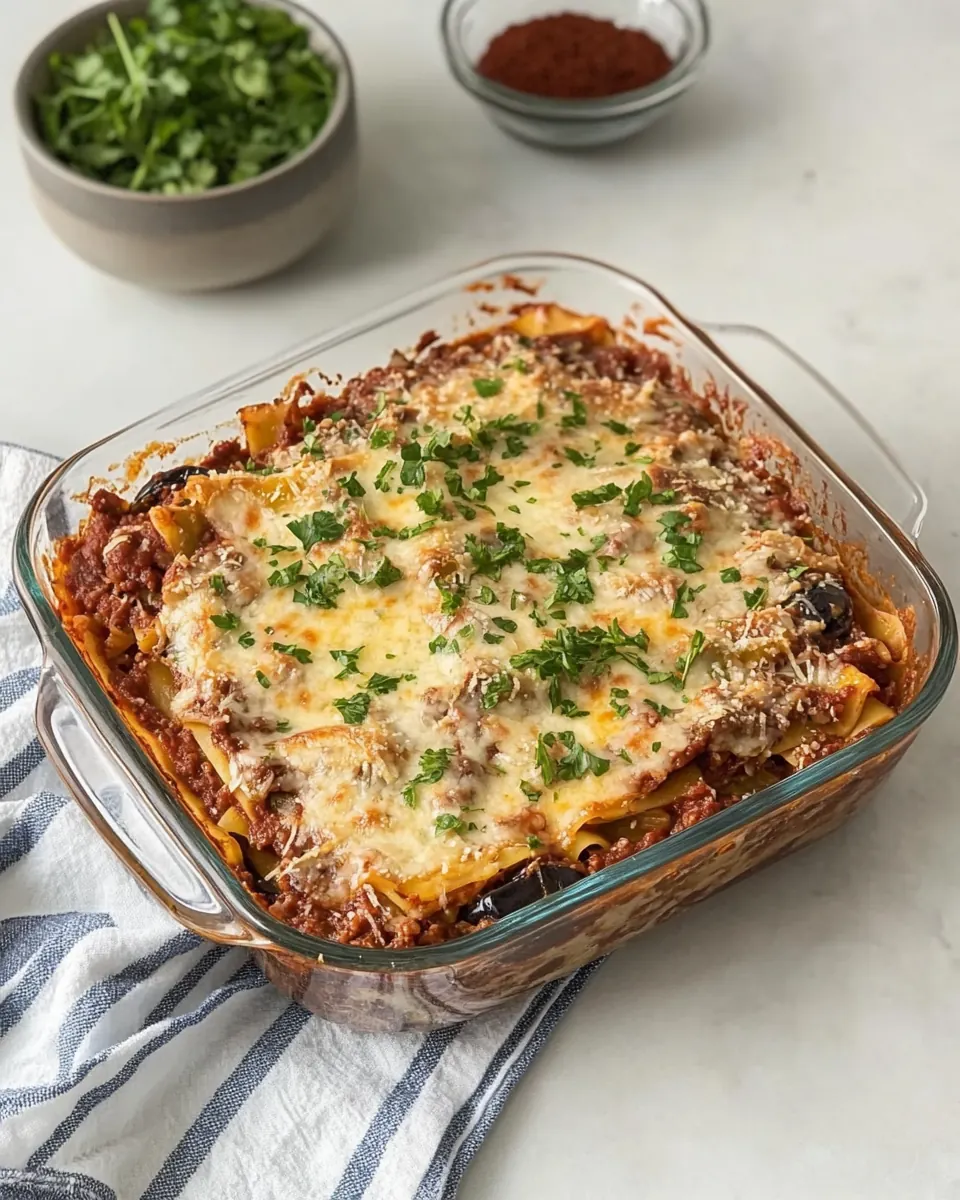
This section offers practical ideas to make the dish your own, while keeping the structure intact. Below are focused tips you can try to tweak texture, flavor, and timing based on your preferences.
- Boost tomato depth: Gently simmer the plum tomatoes for longer to concentrate their sweetness and reduce acidity, which gives a richer, more satisfying sauce.
- Cheese balance: Adjust the ratio of mozzarella cheese to parmesan cheese to control creaminess versus savory bite, using more parmesan cheese for a punchier finish.
- Spice it up: Increase the amount of red pepper flakes if you prefer a noticeable warmth, adding them to taste so the heat complements rather than overwhelms.
- Oil management: If you want less oil, drain the seared eggplant well and blot with paper towels, and use measured oil in the pan for consistent results.
- Herb finish: Add fresh torn basil at the end rather than during baking so the herb’s aroma remains bright and distinctive.
What to Pair With Gluten Free Eggplant Lasagna
This dish is hearty enough to be the centerpiece, yet versatile so you can pair it with lighter sides or fuller accompaniments. Below are pairing ideas, serving suggestions, and storage notes to help you plan an entire meal or adapt to occasions.
- Light green salad: A simple salad with crisp greens and a lemon vinaigrette contrasts the creamy layers and refreshes the palate between bites.
- Roasted vegetables: Serve roasted seasonal vegetables for a complementary texture and to round out the plate with additional roasted notes.
- Crusty bread alternative: While this is gluten free, a warm gluten free loaf or crisp breadsticks work well to sop up sauce for those who want a bit of chew.
- Occasions: This recipe fits weeknight dinners, relaxed weekend gatherings, and family meals during cooler months when you crave warming food.
- Storage: Refrigerate leftovers in an airtight container for up to four days; reheat gently to preserve texture, or warm slices in a low oven until just heated through.
- Make ahead: Assemble the lasagna up to the baking step and keep it covered in the fridge for a day, then bake when ready for a fuss free dinner.
- Seasonal pairing: In fall, pair with roasted root vegetables and in spring try bright, tart sides to balance the earthy eggplant.
FAQ
Conclusion
This Gluten Free Eggplant Lasagna stands out because it brings all the comforting elements of lasagna while swapping in roasted eggplant for a lighter texture and naturally gluten free base. Give it a try the next time you want a cozy, layered casserole that is both satisfying and approachable. I hope you enjoy the balance of roasted eggplant, bright tomato sauce, and melty cheeses as much as I do, and that it becomes a regular on your dinner rotation.
Gluten Free Eggplant Lasagna
Equipment
- Large Skillet
- Baking Dish
- Paper towels
Ingredients
- 2 pounds eggplant, firmer the better Slice and roast or grill to remove excess moisture and create sturdy, ricotta-free lasagna layers; firmer eggplants hold shape during baking and provide a meaty texture that mimics pasta sheets. Salt and drain slices if needed to reduce bitterness and prevent a soggy casserole, improving overall structure. Use consistently sized slices to ensure even cooking and pleasing presentation.
- 1/4 cup olive oil, plus more if needed Drizzle and saute to create the base fat for flavor extraction and browning; olive oil brings richness and helps soften aromatics while preventing sticking. Add additional oil sparingly if pan is dry to maintain a gentle sizzle without becoming greasy. Choose extra-virgin for flavor when finishing or a neutral olive oil for high-heat cooking.
- 1 medium onion, chopped Sweat and caramelize to develop sweetness and depth in the sauce; chopping yields even pieces that meld into the tomato mixture. Cook until translucent to build a flavorful foundation that complements eggplant and cheeses. Adjust cooking time to achieve desired texture and to release natural sugars.
- 2 cloves garlic, chopped Mince and release pungent, aromatic qualities that infuse the tomato sauce; chopped garlic brightens and balances the dish when briefly sautéed with onion. Avoid burning by adding at the right time so it softens and melds without turning bitter. Use fresh garlic for the cleanest, most pronounced flavor impact.
- 1 1/2 cup mozzarella cheese Grate and layer to provide melty, stretchy creaminess that binds the lasagna together; mozzarella contributes a milky, elastic texture when baked. Use low-moisture or shred and drain if overly wet to prevent watery layers. Scatter evenly between eggplant sheets for cohesive, gooey bites.
- 128 ounce can plum tomatoes, chopped Crush or chop and simmer to form the rich, acidic tomato base that defines the sauce; a large can ensures abundant coverage and saucy consistency. Season and cook down to concentrate flavors and harmonize with garlic and onion. Choose high-quality plum tomatoes for balanced sweetness and acidity.
- 1/2 cup parmesan cheese, grated Sprinkle and finish to add salty, umami depth and a slightly granular texture that complements melted cheese; grated parmesan elevates savory notes across layers. Use as a topping and interlayer seasoning to enhance complexity without overpowering. Add gradually to control saltiness.
- red pepper flakes (optional) Shake and spice lightly to introduce heat and a subtle kick that enhances overall flavor without dominating; red pepper flakes can be adjusted to taste and are optional. Use sparingly to complement the tomato's acidity and the cheeses' richness. Reserve a pinch for garnish if serving to spice-lovers.
- fresh basil for garnish (optional) Tear and scatter as a bright, herbaceous finish that lifts rich flavors and adds visual contrast; fresh basil brings aromatic freshness when added just before serving. Use whole leaves or chiffonade to distribute fragrant notes without wilting under prolonged heat. Add at plating time to preserve color and perfume.
Instructions
- Preheat oven to 400° F.: The oven should feel reliably hot so the casserole finishes with bubbling, gently browned cheese and set layers. As it warms you may notice a dry, warm air from the vent and slight hum from the thermostat. Preheating ensures the baking time is accurate and that the top starts to brown immediately, rather than merely warming. A common mistake is sliding it into a cold oven, which can lead to limp cheese and undercooked center; always give the oven time to reach temperature.
- Trim eggplant and slice into 1/2” pieces. Sprinkle both sides of each slice with salt and let sit for 10 minutes (this helps remove moisture from the eggplant before cooking), then blot off any extra moisture with a paper towel.: When you slice the eggplant to about half an inch thickness you create pieces that hold shape through searing and layering. The slices should show a clean white interior and even, glossy skin edge. This thickness allows good browning while still cooking through in the oven. If slices are uneven, some pieces will overcook while others remain firm, so aim for uniformity. To avoid gummy layers, salt and rest them as directed to draw out moisture.
- Coat bottom of a large skillet with oil (about 3 tablespoons) and place over medium heat. When the oil is hot, carefully add the eggplant. Cook until bottoms are golden, about 5 minutes, then flip slices and cook until bottoms are golden, about 9-10 minutes total. Remove slices to a paper towel-lined plate to drain off any excess oil. Return pan to the heat.: Salt draws water from the eggplant , helping it brown and preventing a watery final dish. You will see small beads of moisture form on the surface, which is a good visual cue that the salt is doing its work. After resting blot with a paper towel to remove the drawn out moisture and excess salt. Skipping this step often results in a soggy lasagna because the eggplant releases water while baking, diluting the sauce.
- If there is no more oil left in the pan, add 1 tbsp of oil along with the onion and garlic over low to medium heat for 3-4 minutes or until onions start to soften. Add the tomatoes, season to taste and add the red pepper flakes (if using). Bring just to a boil, then reduce to a simmer and cook for 10 minutes.: The oil should shimmer gently when hot but not smoke. A well heated skillet creates an immediate sizzle when the eggplant hits the pan, which signals good browning. Proper browning produces caramelized flavors that mimic the toasty edge of baked noodles. If you cook over too high a flame you risk burning the exterior before the interior softens, so keep the heat controlled.
- When the sauce is ready, make a layer of eggplant at the bottom of a baking dish, followed by a layer of tomato sauce, then cheese, then eggplant, tomato sauce, cheese. Place in oven and bake for 12 minutes or until the cheese is melted and bubbly. Garnish with basil if desired.: Expect a lively sizzle and the aroma of caramelizing sugars. Place slices in a single layer so they make even contact with the pan. If pieces crowd the pan they will steam instead of brown, so work in batches if necessary. A typical mistake is overcrowding which prevents the golden crust from forming on the eggplant .
- Cook until bottoms are golden, about 5 minutes: Watch for a deep, golden brown color along the exposed edge and a softening of the flesh. You can gently lift one slice to check the color. This initial sear creates textured contrast and a roasted flavor that adds depth to each layer. If you flip too soon the slice may stick and tear, so wait until the crust releases easily.
- Flip slices and cook until bottoms are golden, about 9 to 10 minutes total: After turning, continue cooking until both sides show color and the flesh is tender. The eggplant should feel soft but still hold its shape. The sound will be a lower sizzle as moisture reduces. Overcooking can make the slices collapse, so remove them when they are tender yet intact.
- Remove slices to a paper towel-lined plate to drain off any excess oil: Laying slices on absorbent paper captures extra oil and keeps the layered lasagna from becoming greasy. You will notice small droplets collecting, which confirms you have removed enough fat. Pressing down lightly can speed drainage. Avoid stacking hot slices tightly because trapped steam can rehydrate them and make them soggy.
- Return pan to the heat: The residual pan heat is useful for building your sauce. You may hear a faint hiss as it reheats and see a shimmer on the surface. Bringing the pan back up allows you to quickly soften aromatics without recollecting excess oil. Be mindful because a completely cool pan will delay sauce development, while a pan too hot can scorch the next ingredients.
- If there is no more oil left in the pan, add 1 tbsp of oil along with the onion and garlic over low to medium heat for 3 to 4 minutes or until onions start to soften: Softening the onion gently in oil releases sweetness and creates a silky base for the sauce. Add the chopped garlic once the onion is translucent so the garlic becomes fragrant but not bitter. If you cook the garlic too long or at too high a heat it turns biting and detracts from the sauce.
- Add the tomatoes, season to taste and add the red pepper flakes (if using): When you pour in the chopped plum tomatoes you will hear a soft simmer and notice the pan filling with a bright tomato aroma. Seasoning now allows the salt and pepper to meld with the tomatoes as they release their juices. A pinch of red pepper flakes lifts the profile slightly, but use them sparingly to avoid overpowering the dish. If your canned tomatoes are watery, increase simmer time to concentrate the sauce.
- Bring just to a boil, then reduce to a simmer and cook for 10 minutes: The sauce should move in gentle bubbles and smell round and balanced. Ten minutes is enough to soften raw tomato edges and marry flavors for a straightforward sauce. During simmering the liquid will reduce and deepen in color. If you need a thicker sauce, continue simmering, stirring occasionally to prevent sticking. A thin sauce will make the lasagna watery, so do not rush this step.
- When the sauce is ready, make a layer of eggplant at the bottom of a baking dish: Lay slices so they slightly overlap, forming a continuous base that supports the next layers. You should hear a soft settling sound as pieces contact the ceramic or metal. This foundation keeps the lasagna stable and ensures even heat transfer. If pieces are too small, gaps can allow sauce to pool and create uneven baking.
- Followed by a layer of tomato sauce, then cheese, then eggplant, tomato sauce, cheese: Each layer should feel balanced in weight and texture. The sauce should be spooned to coat, not drown, the eggplant , and the mozzarella cheese should be distributed so you get melty pockets throughout. The alternating textures are the point: silky sauce, melting cheese, and roasted eggplant . Over layering with too much sauce or too much cheese can throw off the bake and make the center slow to set.
- Place in oven and bake for 12 minutes or until the cheese is melted and bubbly: In the oven you will soon see the top go from pale to golden with small bubbling islands of cheese and sauce. The scent becomes richer, and the edges may caramelize slightly. Bake only until the cheese is melted and the top shows slight color. Leaving it too long can dry out the surface, so watch the final minutes carefully.
- Garnish with basil if desired: Fresh torn basil scattered over the warm top releases a fragrant, peppery perfume that brightens each bite. The visual pop of green contrasts with the red sauce and melted cheese, and the herb’s freshness lifts the dish. Add the basil right before serving to keep it vivid and aromatic.
Notes
- Boost tomato depth: Gently simmer the plum tomatoes for longer to concentrate their sweetness and reduce acidity, which gives a richer, more satisfying sauce.
- Cheese balance: Adjust the ratio of mozzarella cheese to parmesan cheese to control creaminess versus savory bite, using more parmesan cheese for a punchier finish.
- Spice it up: Increase the amount of red pepper flakes if you prefer a noticeable warmth, adding them to taste so the heat complements rather than overwhelms.
- Oil management: If you want less oil, drain the seared eggplant well and blot with paper towels, and use measured oil in the pan for consistent results.
- Herb finish: Add fresh torn basil at the end rather than during baking so the herb’s aroma remains bright and distinctive.