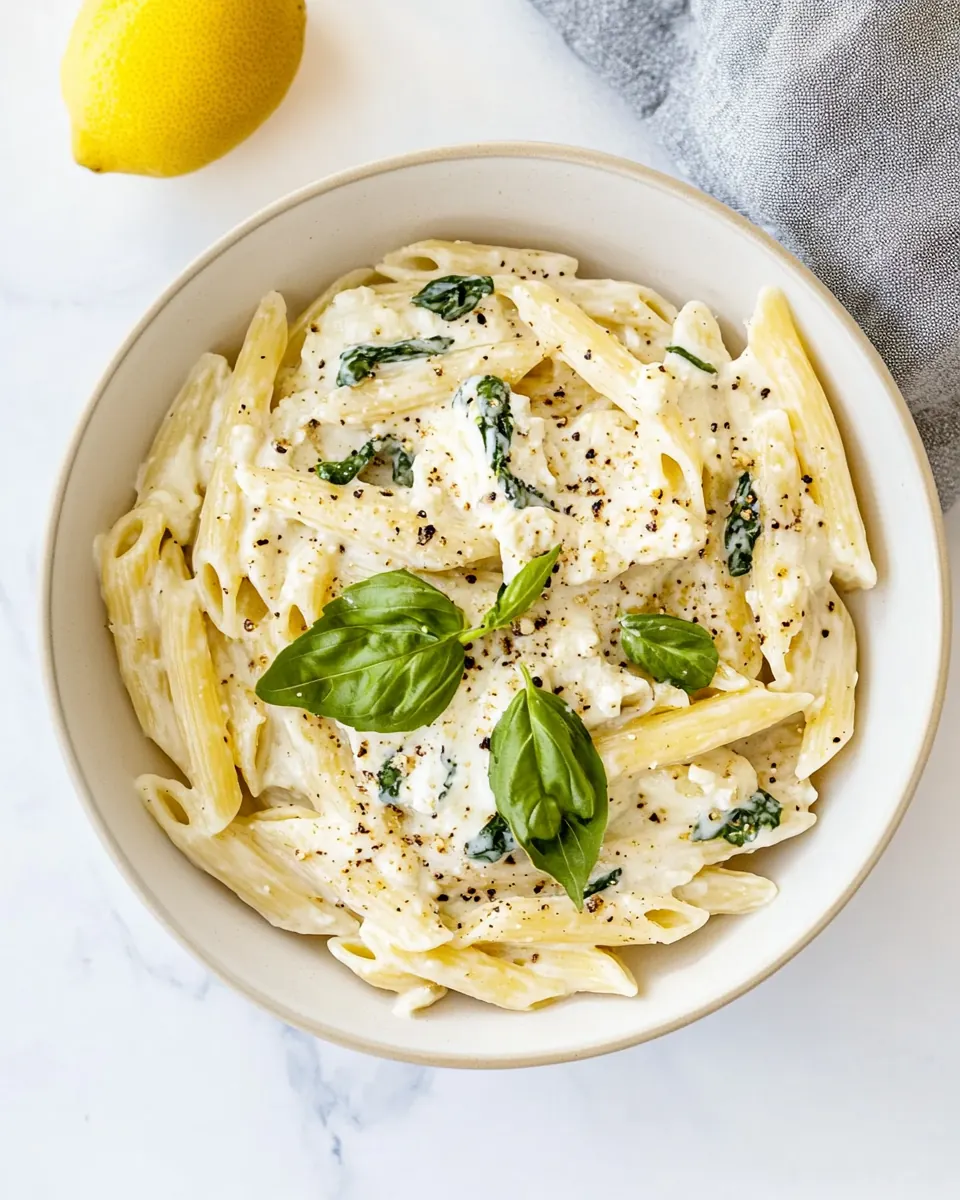
Lemon Ricotta Pasta
Lemon Ricotta Pasta is one of those weeknight heroes I turn to whenever I want comfort without fuss. The first time I made it I was short on time and long on hunger, so I threw a few pantry staples together and ended up with something bright, creamy, and surprisingly elegant.
That evening stuck with me because the kitchen smelled like fresh lemons and warm garlic, and the sauce clung to each strand of fettuccine like it had been simmering all day. I loved how the cool, pillowy ricotta cheese transformed with just a little hot pasta water into a silky coating that was somehow both light and indulgent. Every bite felt homey yet special, the way a simple meal can when it comes together.
Recipe Snapshot
15 mins
5 mins
10 mins
Medium
450 kcal
Italian
Keto, Gluten-Free
Dinner
Large sauce pot
What Sets This Lemon Ricotta Pasta Apart
Bright, Clean Flavor
I love how Lemon Ricotta Pasta balances fresh acidity with creamy richness. The combination of zesty lemons and milky ricotta cheese keeps each forkful lively, so you never feel weighed down by heaviness. I often reach for this recipe when I want something that tastes fresh but still comforting.
Speed and Simplicity
This dish practically cooks itself, which is a huge win on busy nights. Working with just a single pot and a handful of ingredients makes cleanup painless, and the recipe moves fast, so you get dinner on the table with minimal fuss. I appreciate recipes that respect my time without sacrificing flavor.
Textural Contrast
The soft, creamy ricotta cheese against the slightly toothsome fettuccine creates a lovely mouthfeel. Fresh basil adds a leafy lift, and a final grate of parmesan cheese introduces a savory, slightly crystalline finish. I enjoy the way these textures play off one another every time.
Flexible and Approachable
I often adapt this as needed, using different pasta shapes while keeping the core idea intact. It works for a cozy dinner for two or scaled up for a casual dinner party. The technique is forgiving, so even cooks who are new to the kitchen can get great results.
Seasonal Appeal
Because it relies on bright lemons, Lemon Ricotta Pasta feels especially suited to spring and warmer months, though I make it year round. The freshness it brings to the table is a reliable mood lifter, and everyone seems to appreciate the clean flavors.
Recipe Ingredients for Lemon Ricotta Pasta
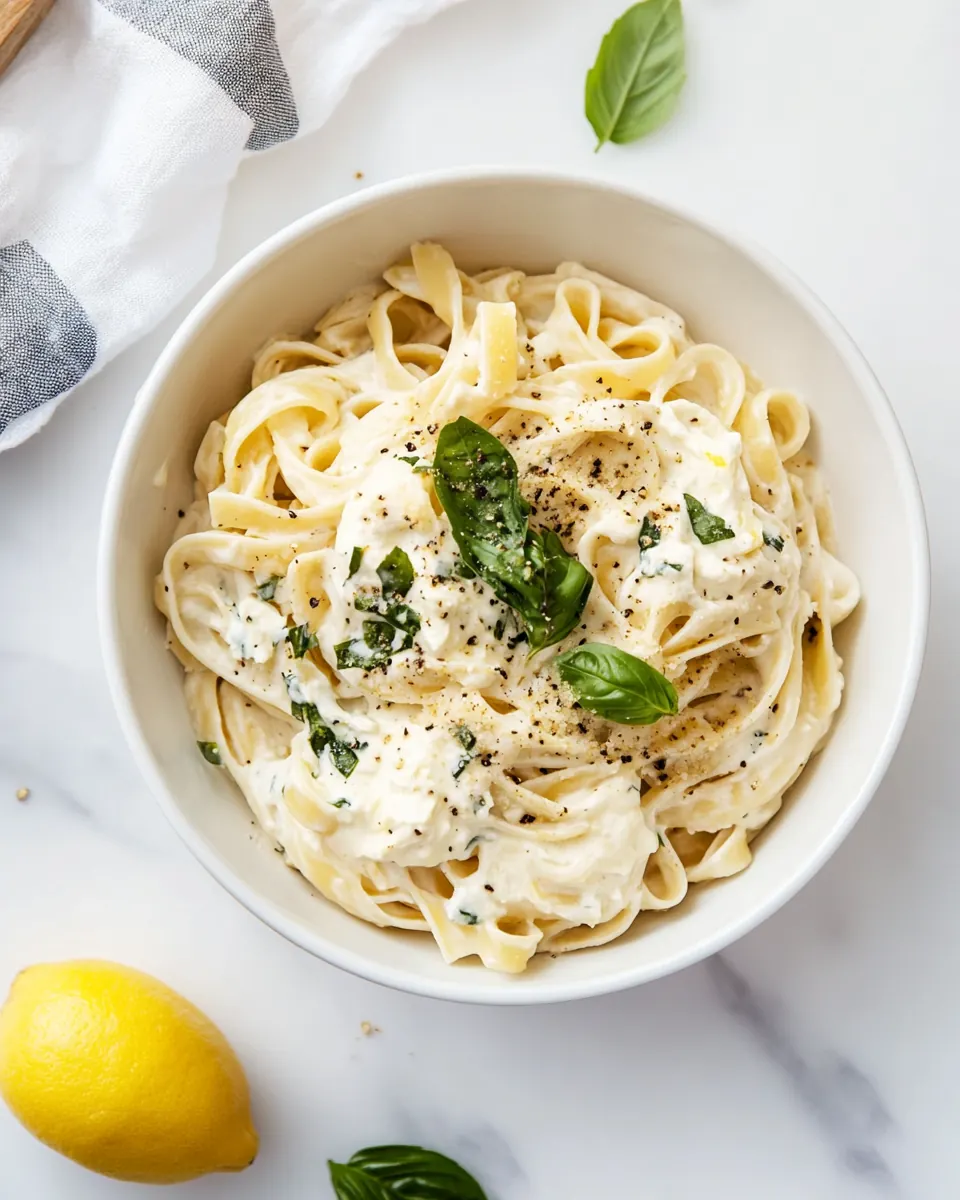
These ingredients are intentionally few yet purposeful. The star players are the fettuccine, which provides structure, the ricotta cheese that creates the luxurious sauce, and the lemons that brighten every bite. Garlic and parmesan cheese add savory depth while fresh basil finishes the dish with an herbal lift. Together they balance creaminess, acidity, and aromatic punch.
- 16 ounces dried fettuccine: Boil to cook the pasta until al dente; provides the primary body and texture for the dish and soaks up the creamy sauce. Use salted water for seasoning and stir occasionally to prevent sticking.
- 6 cups water: Provide the cooking medium for the pasta; ensures even cooking and helps control temperature during boiling. Use the measured amount to maintain consistent cooking results and dilute ingredients if needed.
- 3 4 cloves garlic minced: Mince finely to release aromatic sharpness; adds pungent depth and subtle heat that brightens the ricotta and lemon flavors. Sauté briefly or add raw depending on desired intensity, and distribute evenly for balanced taste.
- 3 lemons zested and juiced: Zest and juice to contribute bright citrus acidity and fragrant oils; balances the richness of the ricotta and lifts the entire dish. Use zest for aromatic intensity and juice for tangy flavor, adjusting quantities to taste.
- 15 ounce ricotta cheese: Whisk until creamy to serve as the luxurious base of the sauce; provides richness, creaminess, and mild tang that binds the pasta. Combine with lemon and cheeses for a smooth, velvety coating.
- 1/2 cup grated parmesan cheese: Grate finely to add savory umami and salty depth; enhances overall flavor and helps thicken the sauce when mixed with ricotta. Sprinkle into the mixture and reserve a little for garnish if desired.
- 1/2 cup fresh basil leaves packed: Chiffonade or tear to introduce fresh herbaceous brightness; offers aromatic lift and a clean, peppery finish that complements the lemon. Add near the end to preserve color and flavor.
- Salt and pepper: Season to taste with salt and pepper; balances and enhances all other flavors while preventing the dish from tasting flat. Adjust gradually, tasting as you go to achieve the desired savory profile.
Directions for Lemon Ricotta Pasta
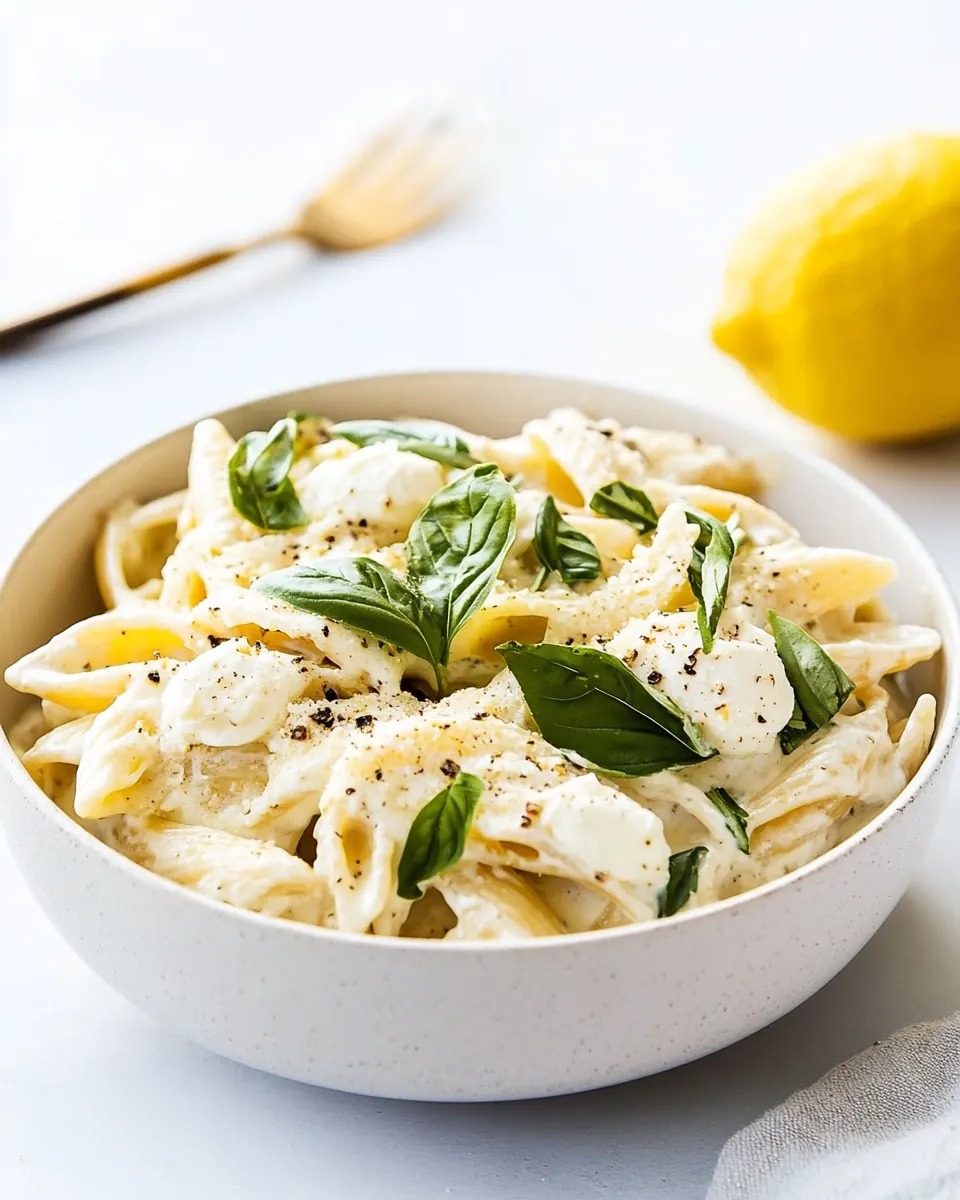
This method keeps things practical and comforting. I walk you through each pot stage so you can sense when the pasta and sauce have reached their perfect point. Follow along and trust your senses as you go.
- Set a large 6-8 quart sauce pot over medium heat. Add 6 cups of water and a teaspoon of salt. Cover and bring to a boil.: The kitchen will start to warm and you may notice a faint metallic hum from the burner as the pot heats. Using a large pot helps the water come to a steady boil without overflowing, and it gives the fettuccine room so strands do not clump. One thing to watch for is placing the pot on a burner that is too small, which can cause uneven heating and longer cooking. If your pot feels hot to touch on the handle, use an oven mitt to avoid burning your hand.
- Once the water is boiling, stir in the fettuccine. Make sure it is fully submerged, then cover and boil for 5-6 minutes.: When the water hits the pot it will hiss quietly, and small bubbles will form along the bottom as it warms. Salt seasons the pasta internally, which is critical because under seasoned pasta will taste flat even after sauce is added. Avoid adding excessive salt early on, and remember you can always adjust later after tasting. A common mistake is thinking the sauce alone will provide all the seasoning, so be mindful here.
- Meanwhile zest and juice the lemons.: Covering the pot traps heat so the water reaches a rolling boil faster, and you will see large energetic bubbles breaking the surface. Bringing the water to a vigorous boil before adding pasta ensures even cooking. Do not leave it unattended as it can foam and boil over quickly. If that happens, lower the heat slightly and remove the lid to calm it down.
- Remove the lid and test the pasta. It should be mostly cooked, but just slightly more firm than al dente, and there should still be some liquid in the bottom of the pot.: The sound will shift to a gentle bubbling with occasional slaps as the pasta settles into the pot, and you should push the strands down so they are fully submerged. Proper submersion prevents uneven cooking where some strands stay firm while others become soft. A typical error is crowding the pot with too much pasta, which causes clumping and inconsistent doneness.
- Stir in the garlic, all lemon zest, and 1/3 cup of lemon juice. Continue to simmer until the pasta is perfectly al dente, 1-3 more minutes.: The first minutes will be noisy as the water returns to a boil, and steam will billow when you lift the lid briefly to peek. The specified time gets you close to the desired texture but remember stoves vary, so use this as a guide. Overcooking here leads to soft, limp pasta, so check early if you have a powerful burner.
- Now stir in 1 cup of ricotta cheese, 1/2 cup of Parmesan cheese, and 1/2 cup of fresh basil leaves. Once the cheese melts into the remaining pasta water and creates a creamy sauce, taste, then salt and pepper as needed. Add additional lemon juice if you so desire.: Zesting releases fragrant citrus oils that smell intensely bright, and juicing gives you the tang that lifts the sauce. Do this while the pasta cooks so the flavors stay fresh and aromatic. Avoid zesting into the juice to keep the oils separate until needed. A mistake to avoid is zesting too deeply into the bitter pith.
- To serve, plate the pasta on a platter with the remaining ricotta cheese scooped over the top and sprinkling a fresh basil leaves. Served warm.: You will feel resistance when biting a strand, indicating it is slightly firmer than al dente, and visually there should still be noticeable liquid pooling at the bottom of the pot. This remaining starchy water is essential for creating the emulsion with the ricotta cheese . If you overcook to fully soft, the pasta will absorb too much moisture and the texture will suffer, so aim for that slight firmness.
- Stir in the garlic, all lemon zest, and 1/3 cup of lemon juice: The moment you add these the kitchen will fill with a bright, savory perfume as the heat releases essential oils from the zest and aroma from the minced garlic . The acid from the lemons starts to cut through the starch, preparing the base for the creamy sauce. Add the juice gradually and taste, because too much acid can dominate the dish.
- Continue to simmer until the pasta is perfectly al dente, 1 to 3 more minutes: During this brief final simmer the bubbles become gentler and the sauce starts to thicken as starches concentrate. The timing here is where the final texture is made, so check by tasting a strand for that ideal tender bite. If the heat is too high you risk tightening the pasta and evaporating too much liquid, so keep a close eye. Overreliance on the clock rather than tasting is a common misstep.
- Now stir in 1 cup of ricotta cheese, 1/2 cup of Parmesan cheese, and 1/2 cup of fresh basil leaves: At this stage the pot will sound more subdued, and as the cheeses melt you will see a glossy, creamy emulsion form that clings to the fettuccine . The contrast of warm pasta and cool ricotta cheese creates that silky texture, while the parmesan cheese deepens the savory profile. Fold gently so the basil stays bright and does not overcook into limpness. A usual error is adding cold dairy directly from the fridge without allowing the sauce to moderate temperature, which can lead to clumping instead of smooth melting.
- Once the cheese melts into the remaining pasta water and creates a creamy sauce, taste, then salt and pepper as needed: You will notice a harmonious balance between citrus brightness and cheesy richness, and seasoning at this point lets you correct any flatness. A light grind of black pepper enhances the flavors, and additional lemon juice can be added if you want more zing. Take care not to over salt, particularly if your parmesan cheese is quite salty.
- Add additional lemon juice if you so desire: Adding more juice will lift the dish with vibrant acidity, and you will see the sauce tighten slightly as the acid interacts with the starch. Taste after small increments so you do not overshoot the balance. A common mistake is adding too much at once and needing to dilute the flavor, which is harder to do after the fact.
- To serve, plate the pasta on a platter with the remaining ricotta cheese scooped over the top and sprinkling a fresh basil leaves: The final presentation lets you add texture and visual contrast, with the soft mound of ricotta cheese and bright green basil leaves on display. The dish should feel warm and inviting, and a final twist of black pepper visually punctuates the plate. Serve immediately to enjoy the sauce at its creamiest, as it will thicken as it cools.
- Served warm: Warmth intensifies aroma and the sauce will be at its silkier best when hot, making each bite comforting. If the pasta sits too long it will firm up as the sauce firms, so plan to serve right away. Reheating can be done gently with a splash of water to revive the sauce, but fresh is always preferable.
Helpful Hints
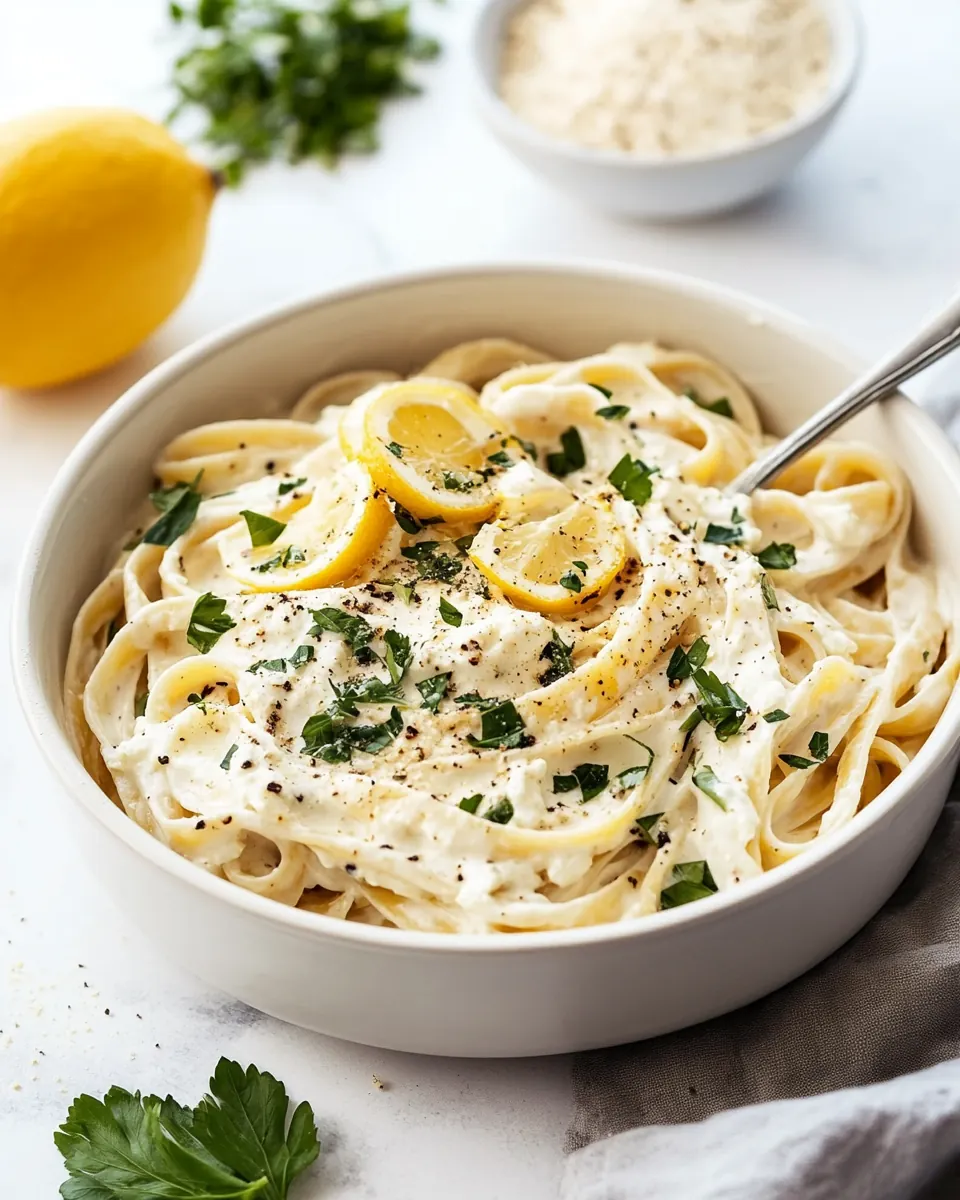
I like to keep a few reliable strategies in my back pocket when making Lemon Ricotta Pasta. These help preserve the bright citrus notes and ensure a creamy finish every time.
- Choose quality dried pasta – A sturdy shape like fettuccine holds the sauce well, so pick a brand with good texture to avoid a mushy result.
- Measure lemons by flavor – Some lemons are juicier than others, so add juice gradually and taste to avoid over acidic pasta.
- Warm the ricotta slightly – Letting the ricotta cheese come closer to room temperature helps it melt into a smooth sauce instead of clumping.
- Grate parmesan fresh – Freshly grated parmesan cheese melts better and adds a clean savory note that pregrated products lack.
- Keep some pasta water – The starchy water is your secret emulsion ingredient; use it to loosen and silkify the sauce as needed.
- Add basil at the end – Adding the basil late preserves its bright color and fresh aroma without turning it limp.
Serving Suggestions
Lemon Ricotta Pasta shines when served warm and simply plated. I like to keep service intuitive and centered around freshness and balance, adding one or two small complements so the pasta stays the star.
- Family dinner – Serve the pasta family style on a large platter so everyone can take a generous portion while it is hot and creamy.
- Casual lunch – Pair a smaller bowl with a simple green salad dressed lightly in olive oil and lemon to echo the citrus notes in the pasta.
- Spring gatherings – This recipe is perfect for spring, when bright lemons and fresh basil are at their best, making it suitable for brunch or a light dinner party.
- Storage tips – Store leftovers in an airtight container for up to three to four days, then reheat gently with a splash of water to revive the sauce.
- Seasonal pairings – Pair with steamed vegetables or a simple roasted vegetable side when you want a heartier meal while keeping flavors harmonious.
- Serving style – Spoon extra ricotta cheese on top when plating for a pretty contrast and a creamy finish at the table.
FAQ
Conclusion
Lemon Ricotta Pasta stands out because it delivers creamy comfort and bright citrus in a single, simple pot. Its magic lies in combining pantry staples into a sauce that feels luxurious yet effortless. Give it a try on a busy weeknight or for a casual dinner with friends, and you may find it becoming a regular in your rotation. The fresh lemon, pillowy ricotta, and savory parmesan come together in a way that feels both homey and special, inviting repeated servings and warm compliments.
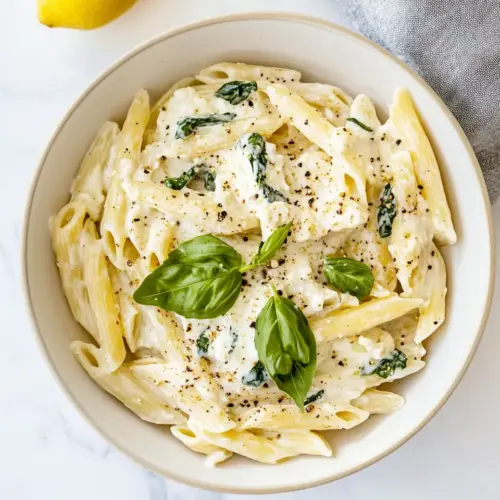
Lemon Ricotta Pasta
Equipment
- Large sauce pot
Ingredients
- 16 ounces dried fettuccine Boil to cook the pasta until al dente; provides the primary body and texture for the dish and soaks up the creamy sauce. Use salted water for seasoning and stir occasionally to prevent sticking.
- 6 cups water Provide the cooking medium for the pasta; ensures even cooking and helps control temperature during boiling. Use the measured amount to maintain consistent cooking results and dilute ingredients if needed.
- 3 -4 cloves garlic minced Mince finely to release aromatic sharpness; adds pungent depth and subtle heat that brightens the ricotta and lemon flavors. Sauté briefly or add raw depending on desired intensity, and distribute evenly for balanced taste.
- 3 lemons zested and juiced Zest and juice to contribute bright citrus acidity and fragrant oils; balances the richness of the ricotta and lifts the entire dish. Use zest for aromatic intensity and juice for tangy flavor, adjusting quantities to taste.
- 15 ounce ricotta cheese Whisk until creamy to serve as the luxurious base of the sauce; provides richness, creaminess, and mild tang that binds the pasta. Combine with lemon and cheeses for a smooth, velvety coating.
- 1/2 cup grated parmesan cheese Grate finely to add savory umami and salty depth; enhances overall flavor and helps thicken the sauce when mixed with ricotta. Sprinkle into the mixture and reserve a little for garnish if desired.
- 1/2 cup fresh basil leaves packed Chiffonade or tear to introduce fresh herbaceous brightness; offers aromatic lift and a clean, peppery finish that complements the lemon. Add near the end to preserve color and flavor.
- Salt and pepper Season to taste with salt and pepper; balances and enhances all other flavors while preventing the dish from tasting flat. Adjust gradually, tasting as you go to achieve the desired savory profile.
Instructions
- Set a large 6-8 quart sauce pot over medium heat. Add 6 cups of water and a teaspoon of salt. Cover and bring to a boil.: The kitchen will start to warm and you may notice a faint metallic hum from the burner as the pot heats. Using a large pot helps the water come to a steady boil without overflowing, and it gives the fettuccine room so strands do not clump. One thing to watch for is placing the pot on a burner that is too small, which can cause uneven heating and longer cooking. If your pot feels hot to touch on the handle, use an oven mitt to avoid burning your hand.
- Once the water is boiling, stir in the fettuccine. Make sure it is fully submerged, then cover and boil for 5-6 minutes.: When the water hits the pot it will hiss quietly, and small bubbles will form along the bottom as it warms. Salt seasons the pasta internally, which is critical because under seasoned pasta will taste flat even after sauce is added. Avoid adding excessive salt early on, and remember you can always adjust later after tasting. A common mistake is thinking the sauce alone will provide all the seasoning, so be mindful here.
- Meanwhile zest and juice the lemons.: Covering the pot traps heat so the water reaches a rolling boil faster, and you will see large energetic bubbles breaking the surface. Bringing the water to a vigorous boil before adding pasta ensures even cooking. Do not leave it unattended as it can foam and boil over quickly. If that happens, lower the heat slightly and remove the lid to calm it down.
- Remove the lid and test the pasta. It should be mostly cooked, but just slightly more firm than al dente, and there should still be some liquid in the bottom of the pot.: The sound will shift to a gentle bubbling with occasional slaps as the pasta settles into the pot, and you should push the strands down so they are fully submerged. Proper submersion prevents uneven cooking where some strands stay firm while others become soft. A typical error is crowding the pot with too much pasta, which causes clumping and inconsistent doneness.
- Stir in the garlic, all lemon zest, and 1/3 cup of lemon juice. Continue to simmer until the pasta is perfectly al dente, 1-3 more minutes.: The first minutes will be noisy as the water returns to a boil, and steam will billow when you lift the lid briefly to peek. The specified time gets you close to the desired texture but remember stoves vary, so use this as a guide. Overcooking here leads to soft, limp pasta, so check early if you have a powerful burner.
- Now stir in 1 cup of ricotta cheese, 1/2 cup of Parmesan cheese, and 1/2 cup of fresh basil leaves. Once the cheese melts into the remaining pasta water and creates a creamy sauce, taste, then salt and pepper as needed. Add additional lemon juice if you so desire.: Zesting releases fragrant citrus oils that smell intensely bright, and juicing gives you the tang that lifts the sauce. Do this while the pasta cooks so the flavors stay fresh and aromatic. Avoid zesting into the juice to keep the oils separate until needed. A mistake to avoid is zesting too deeply into the bitter pith.
- To serve, plate the pasta on a platter with the remaining ricotta cheese scooped over the top and sprinkling a fresh basil leaves. Served warm.: You will feel resistance when biting a strand, indicating it is slightly firmer than al dente, and visually there should still be noticeable liquid pooling at the bottom of the pot. This remaining starchy water is essential for creating the emulsion with the ricotta cheese . If you overcook to fully soft, the pasta will absorb too much moisture and the texture will suffer, so aim for that slight firmness.
- Stir in the garlic, all lemon zest, and 1/3 cup of lemon juice: The moment you add these the kitchen will fill with a bright, savory perfume as the heat releases essential oils from the zest and aroma from the minced garlic . The acid from the lemons starts to cut through the starch, preparing the base for the creamy sauce. Add the juice gradually and taste, because too much acid can dominate the dish.
- Continue to simmer until the pasta is perfectly al dente, 1 to 3 more minutes: During this brief final simmer the bubbles become gentler and the sauce starts to thicken as starches concentrate. The timing here is where the final texture is made, so check by tasting a strand for that ideal tender bite. If the heat is too high you risk tightening the pasta and evaporating too much liquid, so keep a close eye. Overreliance on the clock rather than tasting is a common misstep.
- Now stir in 1 cup of ricotta cheese, 1/2 cup of Parmesan cheese, and 1/2 cup of fresh basil leaves: At this stage the pot will sound more subdued, and as the cheeses melt you will see a glossy, creamy emulsion form that clings to the fettuccine . The contrast of warm pasta and cool ricotta cheese creates that silky texture, while the parmesan cheese deepens the savory profile. Fold gently so the basil stays bright and does not overcook into limpness. A usual error is adding cold dairy directly from the fridge without allowing the sauce to moderate temperature, which can lead to clumping instead of smooth melting.
- Once the cheese melts into the remaining pasta water and creates a creamy sauce, taste, then salt and pepper as needed: You will notice a harmonious balance between citrus brightness and cheesy richness, and seasoning at this point lets you correct any flatness. A light grind of black pepper enhances the flavors, and additional lemon juice can be added if you want more zing. Take care not to over salt, particularly if your parmesan cheese is quite salty.
- Add additional lemon juice if you so desire: Adding more juice will lift the dish with vibrant acidity, and you will see the sauce tighten slightly as the acid interacts with the starch. Taste after small increments so you do not overshoot the balance. A common mistake is adding too much at once and needing to dilute the flavor, which is harder to do after the fact.
- To serve, plate the pasta on a platter with the remaining ricotta cheese scooped over the top and sprinkling a fresh basil leaves: The final presentation lets you add texture and visual contrast, with the soft mound of ricotta cheese and bright green basil leaves on display. The dish should feel warm and inviting, and a final twist of black pepper visually punctuates the plate. Serve immediately to enjoy the sauce at its creamiest, as it will thicken as it cools.
- Served warm: Warmth intensifies aroma and the sauce will be at its silkier best when hot, making each bite comforting. If the pasta sits too long it will firm up as the sauce firms, so plan to serve right away. Reheating can be done gently with a splash of water to revive the sauce, but fresh is always preferable.
Notes
- Choose quality dried pasta - A sturdy shape like fettuccine holds the sauce well, so pick a brand with good texture to avoid a mushy result.
- Measure lemons by flavor - Some lemons are juicier than others, so add juice gradually and taste to avoid over acidic pasta.
- Warm the ricotta slightly - Letting the ricotta cheese come closer to room temperature helps it melt into a smooth sauce instead of clumping.
- Grate parmesan fresh - Freshly grated parmesan cheese melts better and adds a clean savory note that pregrated products lack.
- Keep some pasta water - The starchy water is your secret emulsion ingredient; use it to loosen and silkify the sauce as needed.
- Add basil at the end - Adding the basil late preserves its bright color and fresh aroma without turning it limp.