Air Fryer Acorn Squash
Air Fryer Acorn Squash is one of those cozy, hands on side dishes I turn to when the calendar leans into crisp evenings and I want something that smells like fall as soon as it hits the kitchen.
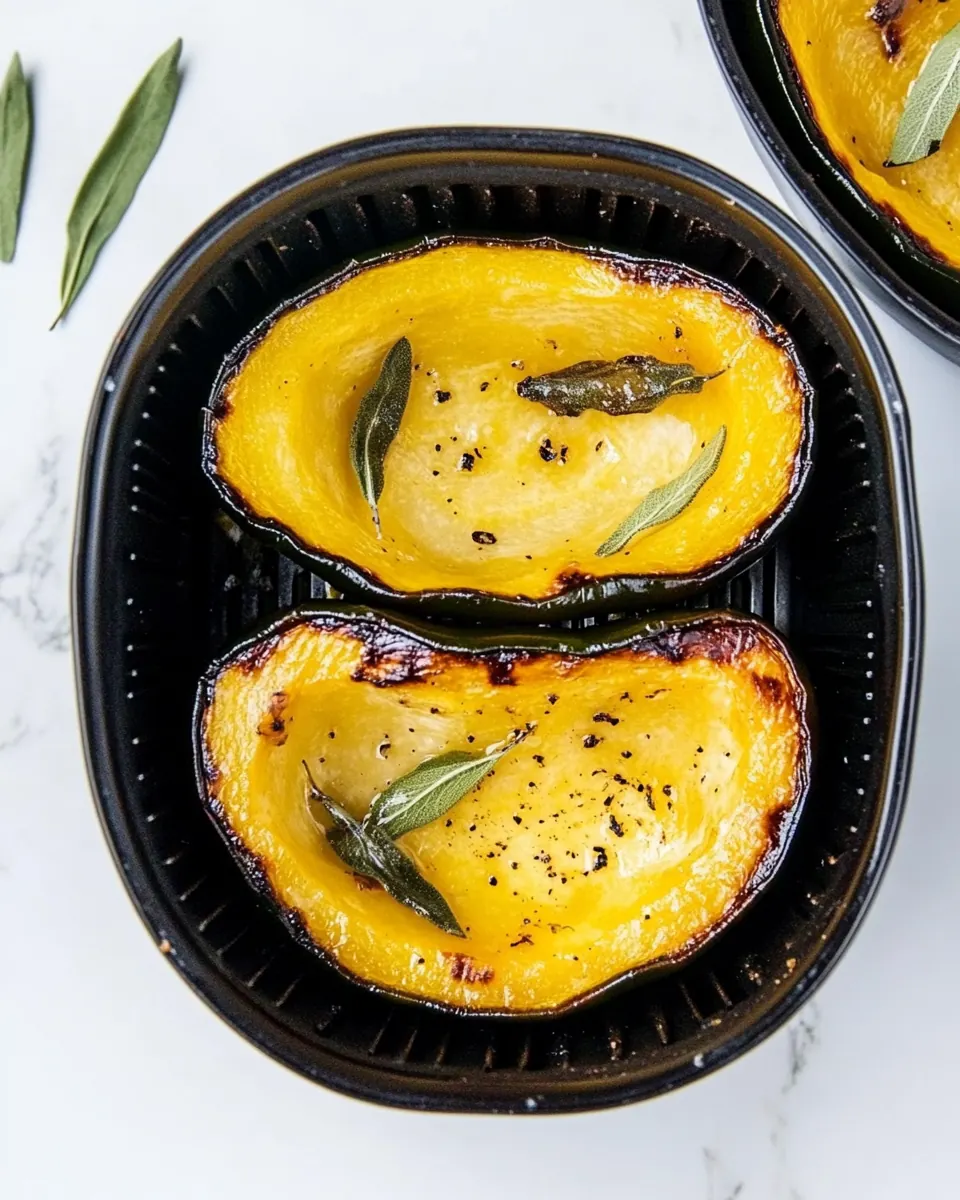
I still remember the first time I tried roasting an acorn squash in an air fryer. I was skeptical that the little basket cooker could coax out the same caramel notes as the oven, but after that first buttery, maple glazed bite I was sold. The skins crisped, the flesh softened into silky ribbons, and the sage on top went from grassy to lightly toasted in a way that felt almost magical. I like to think of this recipe as a small, intentional ritual, where simple touches like a brush of olive oil and a final drizzle of maple syrup make it sing.
What I appreciate most about this version is how forgiving it is. You can prep quickly, then let the air fryer do the heavy lifting while you set the table or pour a warm drink. It works for quiet weeknight dinners as well as a festive side for company. Over the years I have tweaked timing and butter amounts so the center always reaches that fork tender texture without going mushy, and the herbs get toast rather than burn. When guests arrive, I like setting the platter down and watching the first curious forkfuls turn into satisfied nods.
Recipe Snapshot
35 mins
5 mins
30 mins
Medium
180 kcal
American
Gluten-Free, Low FODMAP
Side Dishes
Air Fryer
Why This Air Fryer Acorn Squash Works
Comforting fall flavor in minutes
I love that Air Fryer Acorn Squash delivers that warm, sweet and savory profile you crave in autumn, without a long oven wait. The combination of butter and maple syrup caramelizes the natural sugars in the acorn squash, giving you a deep, golden surface and a tender interior. It feels indulgent, yet it is surprisingly simple, which is why I reach for it on busy evenings.
Efficient and reliable method
Using the air fryer shortens roasting time and concentrates heat so the flesh cooks evenly. I find the two stage temperature approach prevents the outside from overbrowning while ensuring the inside is soft and scoopable. If you want a hands off side that still looks like you spent time on it, this technique is a win in my book.
Versatile enough for many occasions
This recipe can be dressed up or pared back. The simple sage leaves make it feel special for a holiday spread, while skipping the chipotle keeps it family friendly. I often double the amount when I know we will have guests, because it stores and reheats beautifully. It fits casual dinners, festive gatherings, or a quiet weekend lunch.
Ingredients that play well together
The cast here is small and each part has a job. Olive oil helps heat transfer and crisp the skin, butter gives rich mouthfeel and toasty notes, while maple syrup provides balance and glossy finish. A pinch of salt brightens everything, and the optional chipotle powder adds a subtle smoky warmth if you want a bit of edge. I love how a few leaves of fresh sage add an herbaceous lift that bridges sweet and savory.
Kid friendly and approachable
When I cook this for family, even picky eaters often try a bite because it looks fun on the plate. The texture is familiar, like a soft baked potato but sweeter and silkier, and the flavors are comforting rather than challenging. That makes this recipe a reliable choice when feeding different tastes at the table.
Ingredients You’ll Need for Air Fryer Acorn Squash
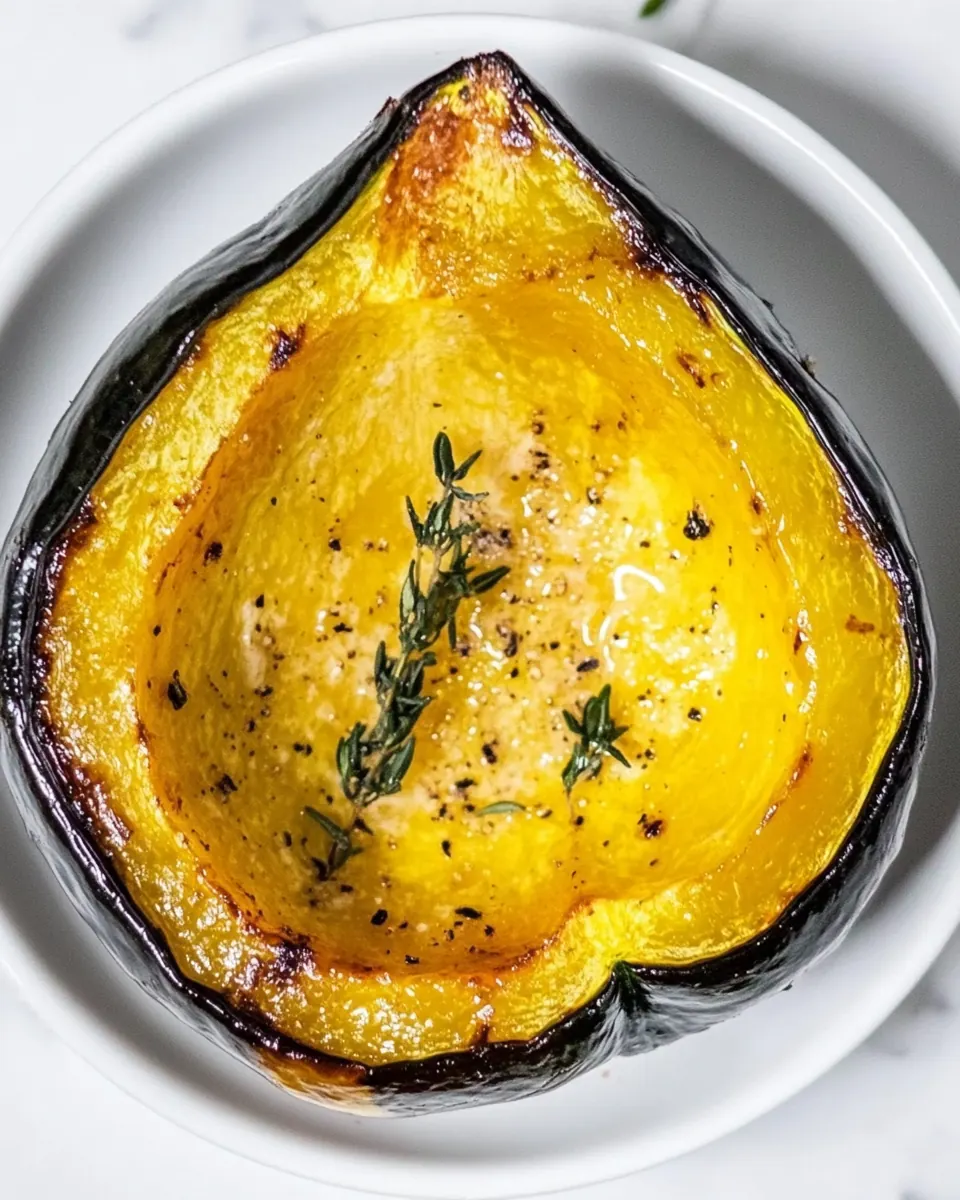
These ingredients are intentionally few, so each one plays a leading role. The philosophy here is simplicity with purpose, using fat for caramelization, sweet for balance, and a touch of herb and spice to elevate the natural squash. Together they create layers of flavor without masking the star, the acorn squash.
- 1 whole acorn squash outside washed: Trim and halve if desired, then scoop seeds and pat dry; provides the main edible base and cooks to tender, sweet flesh in the air fryer.
- 2 tsp olive oil: Drizzle over cut squash to promote even browning and help other seasonings adhere; contributes healthy fat and a light, fruity flavor when heated.
- 2 tbsp butter melted: Melt and brush onto squash to add rich, creamy mouthfeel and help caramelize edges; enhances overall flavor with buttery depth.
- 1/2 tsp salt: Sprinkle evenly to season and balance sweetness, helping to bring out the squash's natural flavor; also assists in enhancing Maillard browning.
- 1/8 tsp chipotle powder dried (, to spice it up) (optional): Shake lightly for a smoky, spicy kick if using; adds warmth and complexity without overwhelming the squash when applied sparingly.
- 10 leaves sage fresh (, or thyme or another fresh herb) (optional): Tuck whole leaves or chop and sprinkle to impart an aromatic, herbaceous note; complements the squash’s sweet profile with earthy freshness.
- 2 tbsp maple syrup pure: Drizzle over the squash before or after cooking to create glaze and amplify sweetness; helps caramelize surfaces and ties flavors together.
Air Fryer Acorn Squash Instructions
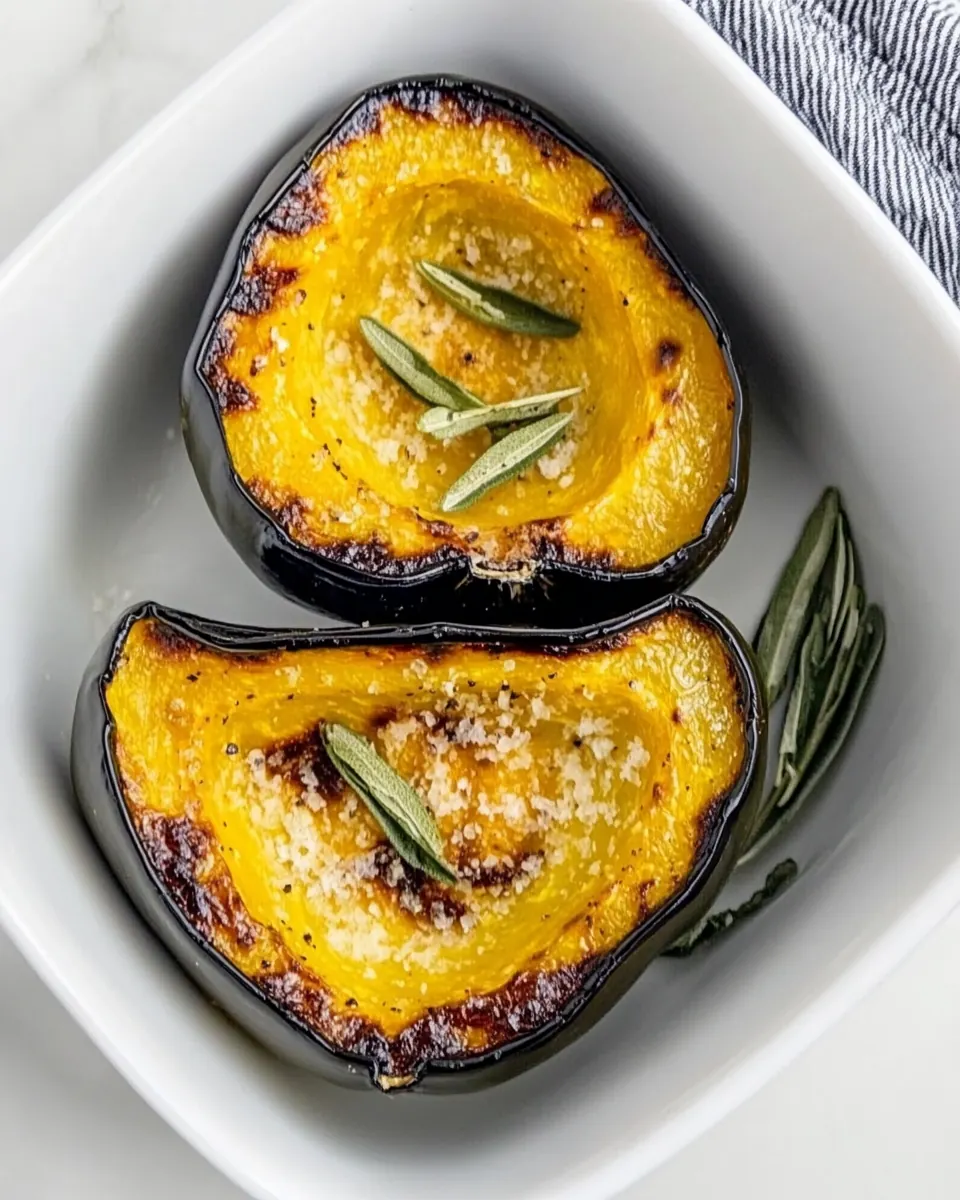
This method is straightforward but purposeful. I like to think of the steps as gentle choreography: an initial low heat to soften the flesh, a brief higher heat to roast the interior, then a finishing touch of butter and maple for shine and flavor.
- Preheat the air fryer to 325 degrees F. Carefully slice acorn squash in half with a sharp knife. You want to cut the acorn squash from point to stem. Then use a large metal spoon for scooping out and removing the seeds (discard them).: When you open the air fryer and feel the warm air start to circulate, that steady, gentle hum tells you the environment is stabilizing, which helps the acorn squash cook evenly. I always let the unit reach temperature first because placing the squash into a cold basket leads to uneven softness, with edges possibly overcooking before the center softens. One common mistake is skipping preheat, which can lengthen cook time and produce a chewier interior rather than a uniformly tender one.
- Brush the acorn squash halves all over with olive oil. Add both halves of the acorn squash to the air fryer basket, with the insides facing down.: Cutting from the point to the stem yields two natural halves that hold their shape. You will notice a crisp sound as the knife breaks the skin, and a firm resistance at first that gives way to a clean cut. Using a sharp blade reduces rips in the skin and makes scooping easier. Be cautious of slipping, a frequent error, so stabilize the squash on a steady cutting board and work with deliberate, controlled presses.
- Air fry acorn squash at 325 degrees F for 20 minutes.: As you scoop, you will feel the seeds detach and the fibrous netting clean out into the spoon. Removing the seeds clears the cavity so the butter and maple can pool and caramelize without trapping moisture. Save the seeds for another use if you like, otherwise discard. A common oversight is leaving too much stringy fiber, which can keep the center wet, so scrape until the cavity feels smooth.
- Remove the partially air fried acorn squash from the air fryer with tongs. Preheat the air fryer to 400 degrees F.: When you brush on the olive oil , watch how the surface darkens slightly and the skin starts to gleam. This thin coating promotes crisping and helps heat transfer through the rind. A mistake I see is overapplying oil, which can make the skin heavy; a light, even layer is sufficient for good browning and texture.
- Brush the insides of the acorn squash with most of the butter (about 2/3), sprinkle with salt and chipotle powder if desired. Add sage leaves or fresh herbs on top and drizzle/brush with the rest of the butter so the herbs stick.: Positioning the halves with the cavity down helps them cook through gently, letting steam escape without pooling. You will hear a soft sizzle as the hot air hits the oiled surfaces. Avoid overcrowding the basket, which blocks airflow and causes uneven roasting; give each half space to breathe.
- Add the seasoned acorn squash back to the air fryer basket (insides facing up) and air fry at 400 degrees F for 5-15 minutes, until the inside edges are brown and roasted, and the thickest part of the inside squash 'meat' is easily pierced with a fork.: During this stage the aroma shifts from neutral to warm and slightly sweet, and the flesh begins to soften. The sound is quiet, mostly a low fan hum, and visually you will see the flesh become less opaque. Underbaking here is common, so check that the flesh yields slightly when nudged; it should not feel raw in the center.
- Transfer to dishes or a serving platter, drizzle with maple syrup and enjoy when it's cool enough to eat.: Using tongs keeps your hands away from hot steam and prevents burns. At this point the outside feels firmer and the inside gives a little under pressure. A common misstep is using fingers or an unstable tool and accidentally dropping a hot half, so always use long handled, heat resistant tongs for safety.
- Preheat the air fryer to 400 degrees F: Cranking the temperature up concentrates heat for the finishing roast, which encourages caramelization on the exposed flesh. You will notice the air fryer cycles briskly to reach the higher heat, and that extra intensity is what creates those browned edges. Skipping this step or rushing it can result in a less golden finish.
- Brush the insides of the acorn squash with most of the butter about 2/3, sprinkle with salt and chipotle powder if desired: When you apply warm butter , it soaks into the flesh and carries the salt and chipotle powder for even seasoning. The butter sizzles slightly on contact with the hot squash and releases a nutty aroma, which is a great cue. Avoid pouring cold butter straight on, which can shock the flesh and prevent proper absorption.
- Add sage leaves or fresh herbs on top and drizzle brush with the rest of the butter so the herbs stick: Placing the herb leaves on the buttered surface causes them to adhere and toast during the final blast of heat, turning crisp and fragrant. The contrast of tender squash and crunchy herb is delightful. A frequent error is adding wet herbs, which can steam rather than toast, so pat them dry first.
- Add the seasoned acorn squash back to the air fryer basket insides facing up and air fry at 400 degrees F for 5 to 15 minutes until the inside edges are brown and roasted, and the thickest part of the inside squash meat is easily pierced with a fork: This finishing step is all about watching for visual cues, the caramelized rim and the fork test. The smell becomes richly buttery and slightly toasted, and you may hear a faint crackle as sugars brown. Timing varies with squash size, so check early to avoid burning; a common mistake is relying strictly on time instead of sensory signals.
- Transfer to dishes or a serving platter drizzle with maple syrup and enjoy when it's cool enough to eat: A final drizzle of maple syrup adds glossy sweetness and a warm scent that ties everything together. Allowing the squash to cool a bit prevents the syrup from running off and gives the flavors a moment to settle. Serving too hot can mask delicate flavors and make it hard to enjoy the texture, so let it rest briefly.
Change It Up
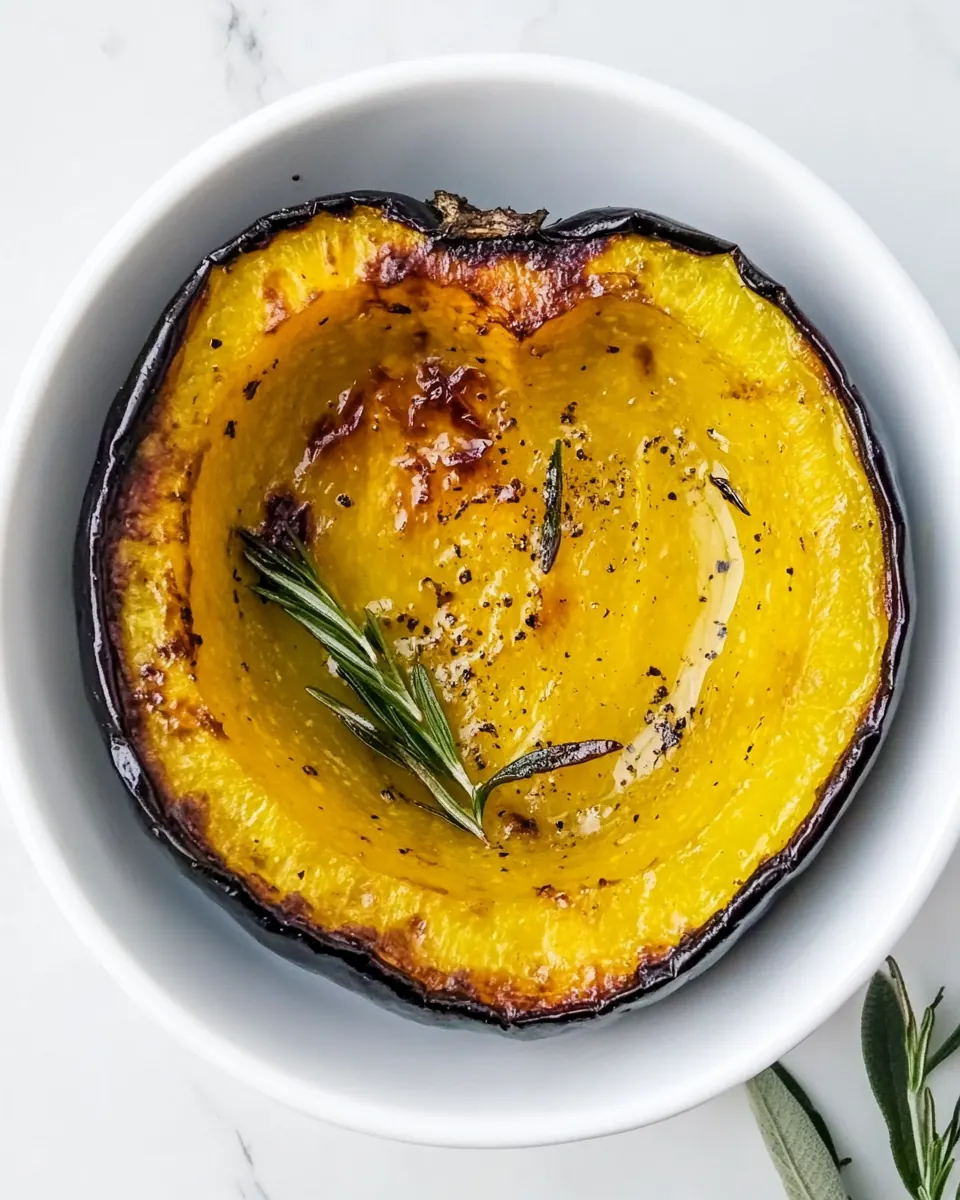
I like offering options that keep this recipe approachable while letting you personalize the flavor. Below are practical, tested ideas to change texture, tweak sweetness, or add a subtle kick. Each tip begins with a short bolded phrase to help you scan quickly.
- Swap the herb: Try thyme instead of sage for a lighter herbal note, it pairs nicely with the maple syrup and still crisps under the final heat.
- Adjust sweetness: Increase or decrease the maple syrup drizzle to suit your taste, a tablespoon more will make it dessert like, while a light brush keeps it savory leaning.
- Make it spicy: Add a touch more chipotle powder if you want a noticeable warm edge, but go slowly because a little goes a long way.
- Use brown butter: Brown the butter until nutty notes appear for deeper flavor, then cool slightly before brushing to avoid burning the herb leaves.
- Prep ahead: Roast the squash fully, store covered in the fridge, and reheat in the air fryer for a few minutes to refresh the texture before serving.
What Complements This Air Fryer Acorn Squash
This dish is flexible when planning a meal. Below I outline pairings, occasions, and storage guidance so you can confidently present it at the table or save leftovers. I favor serving styles that highlight the squash‘s sweet and buttery character.
- Serve alongside roasted poultry: Pair with a simply seasoned roast chicken for a balanced plate where the squash brings sweet contrast to savory meat.
- Vegetarian main options: Set the squash next to a grain bowl topped with warm quinoa and greens to create a filling meat free dinner.
- Holiday table: The warm flavors make it suitable for fall gatherings and holiday spreads, where it can act as a seasonal side that appeals to many palates.
- Storage tips: Refrigerate leftover squash in an airtight container for up to four days; reheat in the air fryer to refresh the surface crispness.
- Seasonal pairings: This works best in fall when squashes are at their peak, though you can enjoy it whenever acorn squash is available at the market.
FAQ
Conclusion
This recipe stands out because it turns a humble squash into a show stopping side using simple techniques and minimal ingredients. Give Air Fryer Acorn Squash a try when you want a quick, seasonal dish that still feels thoughtful and satisfying. I hope it becomes one of your go to fall recipes, bringing warmth and flavor to your table with very little fuss.

Air Fryer Acorn Squash
Equipment
- Air Fryer
Ingredients
- 1 whole acorn squash outside washed Trim and halve if desired, then scoop seeds and pat dry; provides the main edible base and cooks to tender, sweet flesh in the air fryer.
- 2 tsp olive oil Drizzle over cut squash to promote even browning and help other seasonings adhere; contributes healthy fat and a light, fruity flavor when heated.
- 2 tbsp butter melted Melt and brush onto squash to add rich, creamy mouthfeel and help caramelize edges; enhances overall flavor with buttery depth.
- 1/2 tsp salt Sprinkle evenly to season and balance sweetness, helping to bring out the squash's natural flavor; also assists in enhancing Maillard browning.
- 1/8 tsp chipotle powder dried (optional, to spice it up) Shake lightly for a smoky, spicy kick if using; adds warmth and complexity without overwhelming the squash when applied sparingly.
- 10 leaves sage fresh (optional, or thyme or another fresh herb) Tuck whole leaves or chop and sprinkle to impart an aromatic, herbaceous note; complements the squash’s sweet profile with earthy freshness.
- 2 tbsp maple syrup pure Drizzle over the squash before or after cooking to create glaze and amplify sweetness; helps caramelize surfaces and ties flavors together.
Instructions
- Preheat the air fryer to 325 degrees F. Carefully slice acorn squash in half with a sharp knife. You want to cut the acorn squash from point to stem. Then use a large metal spoon for scooping out and removing the seeds (discard them).: When you open the air fryer and feel the warm air start to circulate, that steady, gentle hum tells you the environment is stabilizing, which helps the acorn squash cook evenly. I always let the unit reach temperature first because placing the squash into a cold basket leads to uneven softness, with edges possibly overcooking before the center softens. One common mistake is skipping preheat, which can lengthen cook time and produce a chewier interior rather than a uniformly tender one.
- Brush the acorn squash halves all over with olive oil. Add both halves of the acorn squash to the air fryer basket, with the insides facing down.: Cutting from the point to the stem yields two natural halves that hold their shape. You will notice a crisp sound as the knife breaks the skin, and a firm resistance at first that gives way to a clean cut. Using a sharp blade reduces rips in the skin and makes scooping easier. Be cautious of slipping, a frequent error, so stabilize the squash on a steady cutting board and work with deliberate, controlled presses.
- Air fry acorn squash at 325 degrees F for 20 minutes.: As you scoop, you will feel the seeds detach and the fibrous netting clean out into the spoon. Removing the seeds clears the cavity so the butter and maple can pool and caramelize without trapping moisture. Save the seeds for another use if you like, otherwise discard. A common oversight is leaving too much stringy fiber, which can keep the center wet, so scrape until the cavity feels smooth.
- Remove the partially air fried acorn squash from the air fryer with tongs. Preheat the air fryer to 400 degrees F.: When you brush on the olive oil , watch how the surface darkens slightly and the skin starts to gleam. This thin coating promotes crisping and helps heat transfer through the rind. A mistake I see is overapplying oil, which can make the skin heavy; a light, even layer is sufficient for good browning and texture.
- Brush the insides of the acorn squash with most of the butter (about 2/3), sprinkle with salt and chipotle powder if desired. Add sage leaves or fresh herbs on top and drizzle/brush with the rest of the butter so the herbs stick.: Positioning the halves with the cavity down helps them cook through gently, letting steam escape without pooling. You will hear a soft sizzle as the hot air hits the oiled surfaces. Avoid overcrowding the basket, which blocks airflow and causes uneven roasting; give each half space to breathe.
- Add the seasoned acorn squash back to the air fryer basket (insides facing up) and air fry at 400 degrees F for 5-15 minutes, until the inside edges are brown and roasted, and the thickest part of the inside squash 'meat' is easily pierced with a fork.: During this stage the aroma shifts from neutral to warm and slightly sweet, and the flesh begins to soften. The sound is quiet, mostly a low fan hum, and visually you will see the flesh become less opaque. Underbaking here is common, so check that the flesh yields slightly when nudged; it should not feel raw in the center.
- Transfer to dishes or a serving platter, drizzle with maple syrup and enjoy when it's cool enough to eat.: Using tongs keeps your hands away from hot steam and prevents burns. At this point the outside feels firmer and the inside gives a little under pressure. A common misstep is using fingers or an unstable tool and accidentally dropping a hot half, so always use long handled, heat resistant tongs for safety.
- Preheat the air fryer to 400 degrees F: Cranking the temperature up concentrates heat for the finishing roast, which encourages caramelization on the exposed flesh. You will notice the air fryer cycles briskly to reach the higher heat, and that extra intensity is what creates those browned edges. Skipping this step or rushing it can result in a less golden finish.
- Brush the insides of the acorn squash with most of the butter about 2/3, sprinkle with salt and chipotle powder if desired: When you apply warm butter , it soaks into the flesh and carries the salt and chipotle powder for even seasoning. The butter sizzles slightly on contact with the hot squash and releases a nutty aroma, which is a great cue. Avoid pouring cold butter straight on, which can shock the flesh and prevent proper absorption.
- Add sage leaves or fresh herbs on top and drizzle brush with the rest of the butter so the herbs stick: Placing the herb leaves on the buttered surface causes them to adhere and toast during the final blast of heat, turning crisp and fragrant. The contrast of tender squash and crunchy herb is delightful. A frequent error is adding wet herbs, which can steam rather than toast, so pat them dry first.
- Add the seasoned acorn squash back to the air fryer basket insides facing up and air fry at 400 degrees F for 5 to 15 minutes until the inside edges are brown and roasted, and the thickest part of the inside squash meat is easily pierced with a fork: This finishing step is all about watching for visual cues, the caramelized rim and the fork test. The smell becomes richly buttery and slightly toasted, and you may hear a faint crackle as sugars brown. Timing varies with squash size, so check early to avoid burning; a common mistake is relying strictly on time instead of sensory signals.
- Transfer to dishes or a serving platter drizzle with maple syrup and enjoy when it's cool enough to eat: A final drizzle of maple syrup adds glossy sweetness and a warm scent that ties everything together. Allowing the squash to cool a bit prevents the syrup from running off and gives the flavors a moment to settle. Serving too hot can mask delicate flavors and make it hard to enjoy the texture, so let it rest briefly.
Notes
- Swap the herb: Try thyme instead of sage for a lighter herbal note, it pairs nicely with the maple syrup and still crisps under the final heat.
- Adjust sweetness: Increase or decrease the maple syrup drizzle to suit your taste, a tablespoon more will make it dessert like, while a light brush keeps it savory leaning.
- Make it spicy: Add a touch more chipotle powder if you want a noticeable warm edge, but go slowly because a little goes a long way.
- Use brown butter: Brown the butter until nutty notes appear for deeper flavor, then cool slightly before brushing to avoid burning the herb leaves.
- Prep ahead: Roast the squash fully, store covered in the fridge, and reheat in the air fryer for a few minutes to refresh the texture before serving.