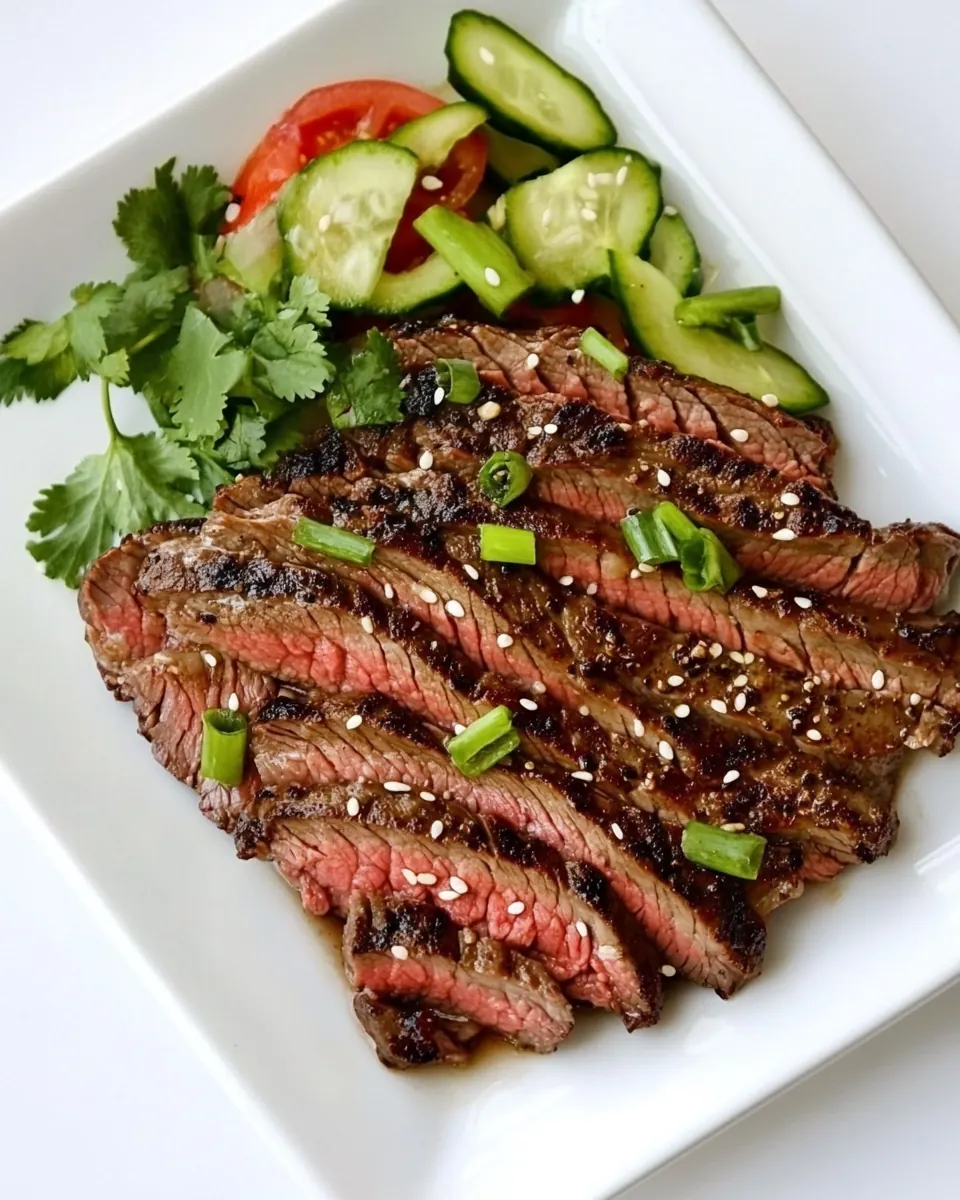
Soy Marinated Flank Steak
Soy Marinated Flank Steak has been a weekday hero in my kitchen ever since I first tossed a simple mixture of soy, honey, and ginger over a piece of flank and fired up the grill. The first bite felt like a discovery, that perfect balance of salty, sweet, and bright aromatics that made everyone at the table hush and reach for another slice. I remember rushing home on a busy evening, wanting something quick but special, and this dish delivered comfort without fuss.
I love how this rendition sings of contrast, the chewy meaty grain of the flank steak against the glossy, slightly sticky glaze that forms when it hits high heat. It became my go to for casual dinners when friends pop over, and for nights when I want to feel like I put in effort without spending hours. The marinade is forgiving, adaptable, and honestly, I often double it when I want extra sauce to drizzle over rice or greens.
Over time I tweaked small things, like adding a touch of sesame oil for toasty depth and reserving a portion of the marinade mixed with rice vinegar to finish the steak so that bright vinegar contrast lifts the richness. Those tiny adjustments turned a good meal into a repeatable favorite. Whenever I serve it, people ask for the recipe, and I find joy in telling the little story about my first smoky, caramelized slice straight off the grill.
Recipe Snapshot
35 mins
20 mins
15 mins
Medium
350 kcal
American
Gluten-Free, Paleo
Dinner
Grill, Resealable bag, Instant read thermometer, Mixing bowl, Cutting board
Why This Soy Marinated Flank Steak Is a Winner
Bold, balanced flavor that travels well
I adore how Soy Marinated Flank Steak carries strong, layered flavors without needing complicated techniques. The combination of soy sauce and honey creates both umami and caramelization, while the garlic and ginger add aromatic lift. This makes it perfect for packing into lunches, stacking on salads, or serving family style at a casual dinner.
Fast enough for weeknights, impressive for guests
We can marinate for as little as one hour and still get great flavor, so it fits into busy schedules. At the same time, when grilled hot and rested properly, the steak develops a beautiful crust that looks like you slaved over it, making it a go to when I want to impress without stress.
Flexible and forgiving
I’ve learned that this recipe is forgiving on timing and technique. If you can only marinate an hour, it will still be flavorful. If you marinate longer, the meat becomes even more infused. Using reduced sodium soy sauce helps control salt, and reserving and acidifying some marinade with rice vinegar gives you a bright finishing sauce without extra steps.
Clear sensory cues make it easy to nail
You can tell when the steak is done by sight, sound, and feel. A well seared exterior will be deeply browned and slightly sticky from the honey. The grill should sizzle as the steak hits, and the aroma of caramelizing sugars with toasted garlic and ginger is unmistakable. These cues make grilling far less intimidating.
Minimal ingredients, maximum payoff
Only a handful of pantry staples and a single cut of flank steak are needed. That simplicity keeps prep fast and shopping lists short, but the payoff is big, with complex flavor and attractive presentation. I often pair it with steamed rice or quick noodles, and it still shines.
Ingredients to Make Soy Marinated Flank Steak
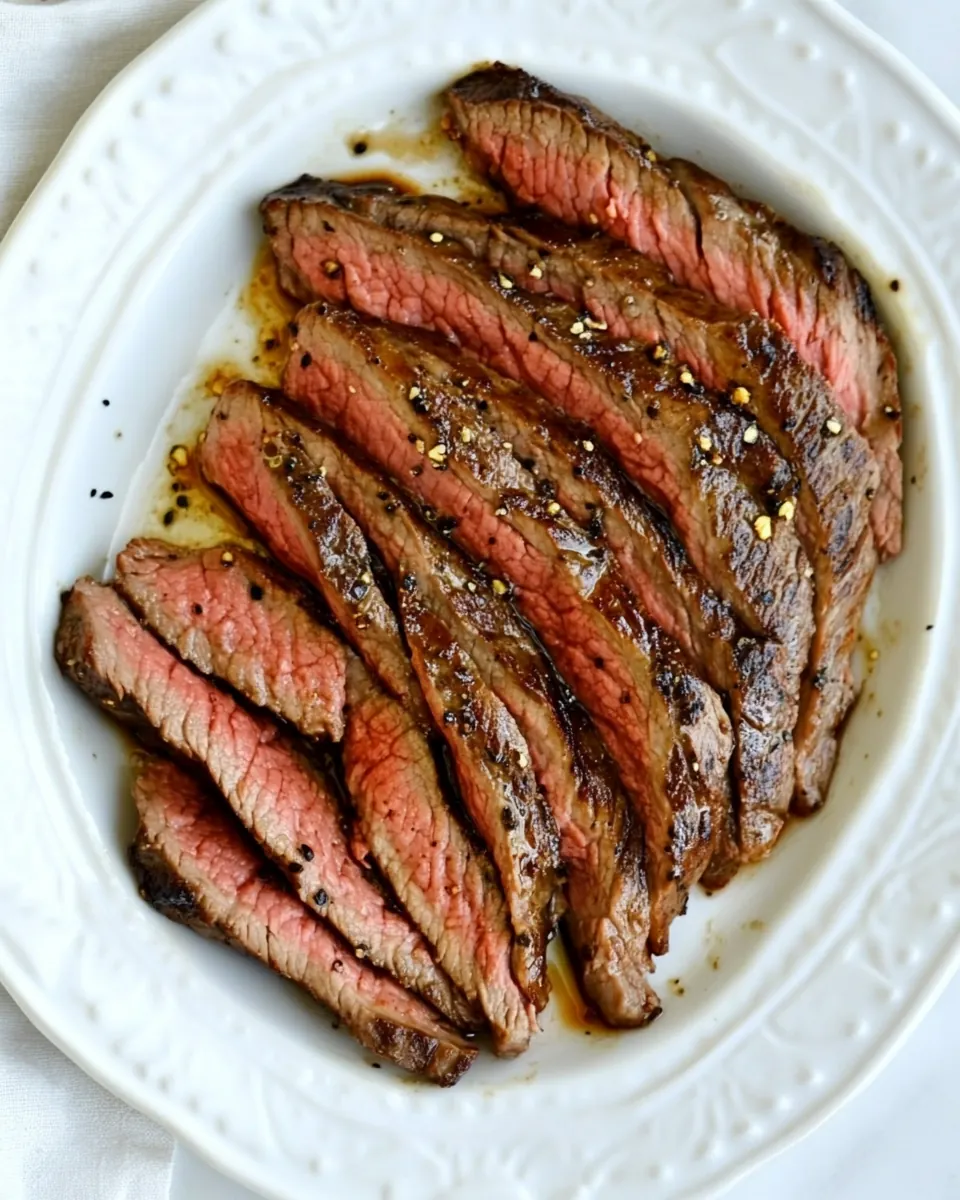
The ingredients here are deliberate and complementary. The salty backbone of soy sauce meets the sweet, sticky note of honey, while garlic and ginger bring aromatic bite. Small amounts of oils help the marinade cling and promote caramelization, and the reserved, acidified marinade adds brightness at the end. These are the key players that create deep, layered flavor without clutter.
- 1/2 cup 120 ml reduced sodium soy sauce or tamari (for gluten-free option): Provide a salty, savory base for the marinade and tenderize the meat through its sodium content; reduced sodium soy sauce or tamari adds umami depth while keeping sodium lower and tamari offers a gluten–free alternative for dietary needs.
- 1/4 cup 60 ml honey: Contribute concentrated sweetness and help balance salt and acidity while promoting caramelization during cooking; honey also helps the marinade adhere to the steak and adds a glossy finish when seared.
- 2 tablespoons 30 ml vegetable oil, plus more for greasing: Add a neutral fat that helps distribute flavors and aids in transferring heat during cooking; vegetable oil also prevents sticking and helps the marinade coat the meat evenly.
- 1 tsp sesame oil: Impart a toasty, aromatic note that enhances the overall flavor profile in small quantity; sesame oil is potent so a teaspoon provides fragrance without overpowering the other components.
- 4 cloves garlic, minced: Deliver pungent, aromatic sharpness that brightens the marinade and penetrates the meat when minced; garlic also adds savory complexity and pairs well with soy and ginger.
- 2 tsp 10 g minced ginger: Provide warm, zesty heat and fresh brightness that complements the soy and garlic; minced ginger helps tenderize slightly and balances richness with its citrusy, peppery notes.
- 1/2 tsp black pepper: Add subtle warmth and background spice that enhances savory flavors without dominating; black pepper helps lift the overall taste profile and pairs well with grilled beef.
- 1/4 tsp red chili pepper flakes: Bring concentrated heat and a touch of smokiness to the marinade in small measure; red chili pepper flakes introduce a lingering kick that can be adjusted to taste.
- 2 tbsp 6 g thinly sliced green onion, plus more for garnish: Offer a mild oniony crunch and fresh green flavor that cuts through richness; thinly sliced green onion mixed into the marinade adds texture and extra garnish appeal.
- 3/4 tsp rice vinegar: Provide a gentle acidic brightness that balances sweet and salty elements; rice vinegar helps tenderize the meat slightly and rounds out the marinade.
- 2 lb 907 g flank steak: Serve as the main protein to be marinated and grilled or seared; flank steak benefits from marinade penetration, yields flavorful slices when cut across the grain, and responds well to high-heat cooking.
Soy Marinated Flank Steak Instructions
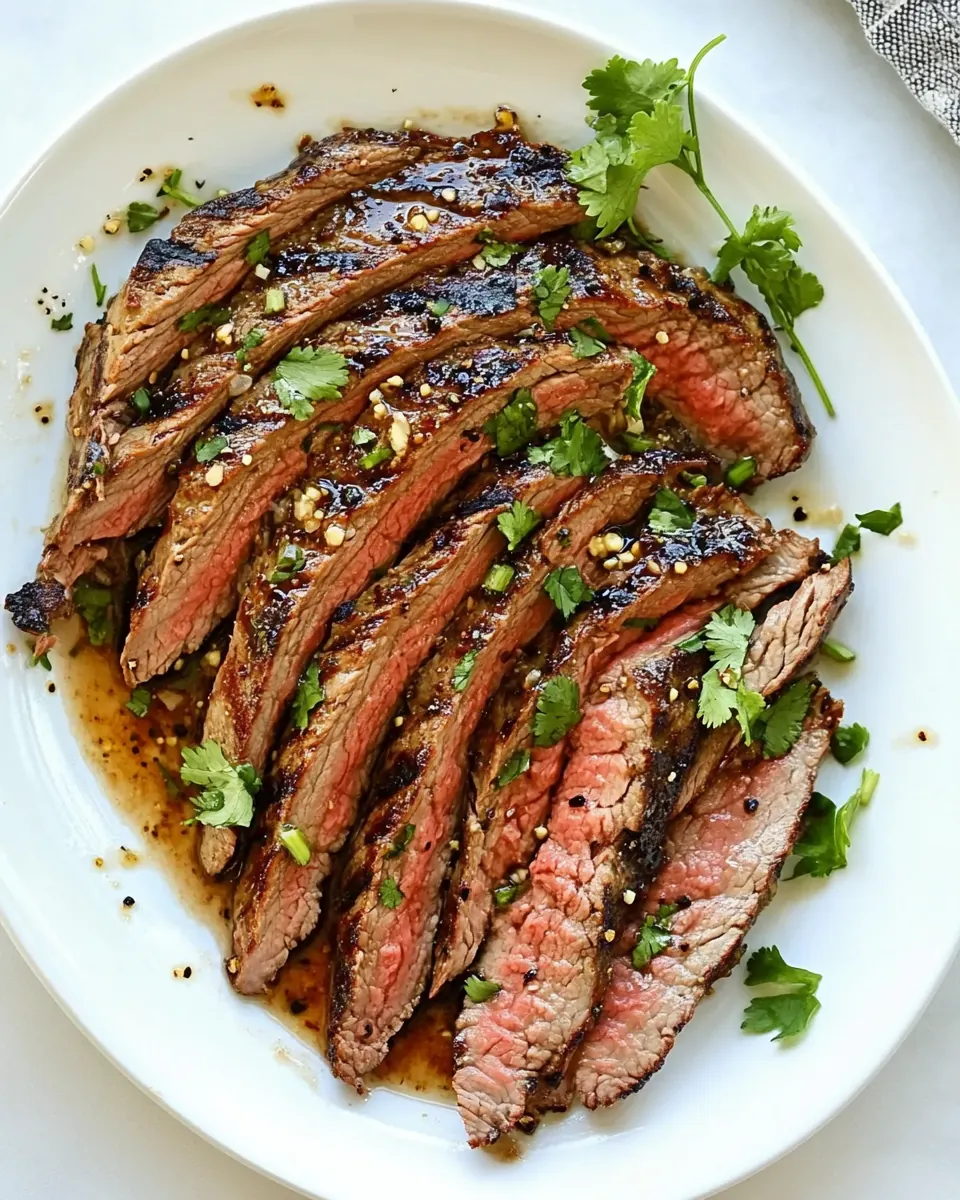
The steps below will guide you from marinade to the perfect rest and slice. Work confidently, watch for the sensory cues described, and keep an eye on the grill temperature. Once you get a feel for the sizzling and caramelization, this becomes a repeatable weeknight win.
- In a medium-size bowl, combine the soy sauce, honey, vegetable oil, sesame oil, garlic, ginger, black pepper, red chili pepper and green onions.: The bowl will quickly fill with heady aromas of garlic and ginger , and the glossy mixture should look cohesive, not separated. Stirring until the honey dissolves helps the marinade cling to the meat, improving surface coverage for even caramelization. A common mistake is not fully mixing the honey and oils, which can lead to uneven browning, so scrape the bottom of the bowl and whisk well. Expect the scent to be fragrant, slightly sweet, and savory all at once, which signals a well balanced base for the steak.
- Remove 1/4 cup (60 ml) of the marinade and combine with the rice vinegar in a small bowl. Cover and refrigerate.: You will notice a brighter, tangy aroma once the rice vinegar is added, which will contrast nicely with the rich grilled meat. This reserved portion becomes your finishing sauce, so be sure to set it aside in the refrigerator to keep it fresh. The acid tames some sweetness and awakens the aromatics, creating a lively drizzle that prevents the final plate from feeling heavy. A typical error is forgetting to reserve this portion, which means losing that bright finishing note.
- Place the remaining marinade and steak in a 1-gallon (3.6-L) resealable bag. Remove as much air as possible and seal the bag.: As the steak meets the marinade, you should hear a soft swish and see the liquid coat the surface. Massaging the bag briefly ensures the mixture covers the entire cut, improving penetration along the grain. Removing excess air helps keep the steak submerged for consistent flavor absorption. Avoid overcrowding the bag with too many cuts, as that can prevent even contact and lead to patchy flavor development.
- Refrigerate for at least 1 hour by laying the steak flat, and flipping the bag after 30 minutes. The steak can be marinated in the refrigerator for up to 12 hours.: During this rest, you will smell the marinade mellowing and infusing the meat. Laying the steak flat maximizes contact, and flipping midway redistributes the marinade so both sides get equal exposure. If you overmarinate, especially with acidic components, the texture can become mushy, so I do not recommend exceeding the suggested 12 hours for this cut. The meat will feel firmer to the touch after a good hour of marinating, indicating proper absorption.
- Remove the steak from the marinade, drain any excess liquid and transfer to a pan. Discard the marinating bag.: The surface should glisten but not be dripping wet. Patting briefly will help promote a better sear when the steak hits the grill, because excess moisture prevents browning. Discard the used bag to avoid cross contamination. A frequent misstep is putting a wet slab directly on high heat, which can steam instead of sear; ensure the exterior is tacky rather than soggy.
- Set the grill to high. Add a small amount of oil on a folded piece of paper towel, carefully greasing the grill with the oil.: When you set the grill to high, allow the grates to get intensely hot so the steak will sizzle and caramelize immediately. Add a small amount of oil on a folded piece of paper towel, and carefully grease the grill to help prevent sticking and encourage even browning. You should see faint wisps of smoke and feel heat radiating when your hand is a safe distance above the grates. A common pitfall is starting with a cool grill, which leads to gray, underbrowned meat rather than a richly caramelized crust.
- Allow the grill to preheat for 15 minutes, and once the grill is very hot, add the steak.: The preheat ensures the grates are clean and hot enough to create instant sizzle. When the steak hits the grill, listen for a steady, loud sizzle and watch the sugars start to darken within moments. If the steak moves easily and has good color after a minute, the heat is right. If it sticks aggressively, the grates may need more oil or higher heat. Maintaining that high surface temperature is key to developing the crust without overcooking the center.
- Cover and cook the steak until well browned, about 4 to 5 minutes, then flip and cook until desired doneness, about 3 to 4 minutes. For medium rare, cook the steak until the internal temperature reaches between 120 and 125°F (49 and 52°C). For medium, cook between 130 and 135°F (54 and 57°C).: You will notice the surface becoming deeply colored and slightly sticky as the honey and soy sauce caramelize. The aroma will shift to toasted, almost nutty notes with intensified savory perfume. For medium rare, aim for an internal temperature between 120 and 125°F 49 and 52°C, whereas for medium, target 130 to 135°F 54 to 57°C. Use an instant read thermometer to avoid guesswork. One mistake is relying only on time instead of temperature, which can yield overcooked or underdone results because grill heat varies widely.
- Transfer the steak to a cutting board and allow to rest for 10 minutes.: Resting lets the juices redistribute, so when you slice, the meat stays moist rather than leaking onto the board. You will see the surface steam gently as it rests, and the aroma will mellow and concentrate. Ten minutes is long enough for a 2 pound 907 g flank to relax; cutting too soon causes loss of juices, while resting excessively will cool the steak down and harden the crust.
- Slice the steak against the grain into 1/4-inch (6-mm) thick slices. Pour the reserved marinade on top and serve hot.: Slicing against the grain shortens the muscle fibers, making each bite more tender. The slices should reveal a gradient of color from the caramelized edge to the juicy interior. Pour the reserved marinade on top and serve hot so the acidified sauce adds a bright finish that cuts through the richness. A common error is slicing with the grain, which yields chewier, less pleasant bites, so take a moment to identify the grain direction before cutting.
Ways to Adapt This Recipe
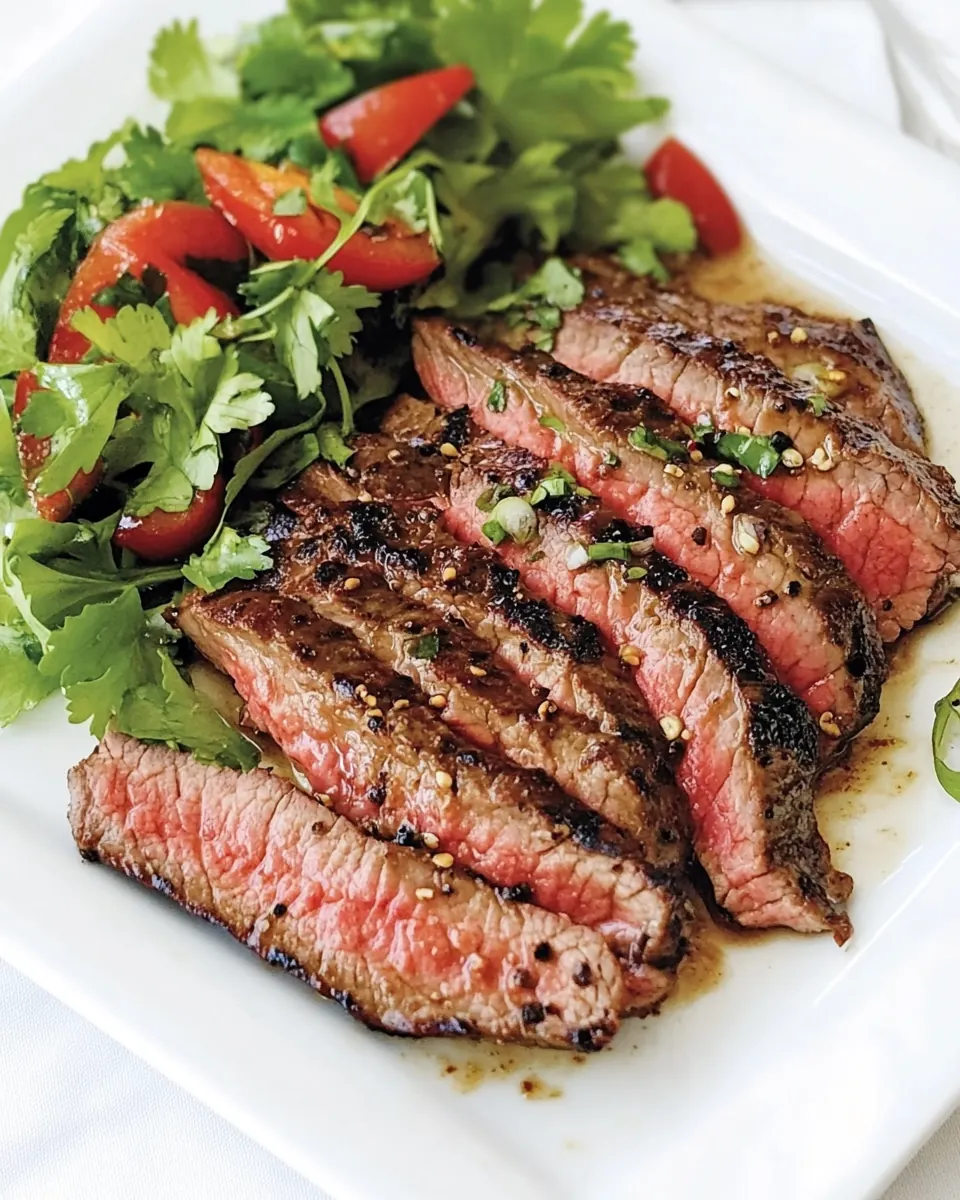
This section explores practical variations and timing strategies so you can make Soy Marinated Flank Steak fit your pantry and schedule. Below are targeted tips you can apply immediately to tweak flavor, texture, and prep flow.
- Use tamari for gluten free: Swap the reduced sodium soy sauce with tamari in an equal amount to keep the same savory depth while making the recipe safe for gluten sensitive diners, preserving the same balance of salt and umami.
- Double the finishing sauce: Reserve extra marinade before adding it to the bag, then acidify with more rice vinegar so you have ample sauce to drizzle over rice bowls or salads, which elevates leftovers beautifully.
- Rest time matters: Let the cooked steak rest a full 10 minutes on a cutting board tented loosely with foil, as this redistributes juices and prevents a dry final slice, especially important for lean cuts like flank steak.
- Control the heat: Keep the grill very hot to ensure a fast sear and crisp exterior, but monitor internal temperature closely to avoid overshooting your target doneness.
- Adjust chili to taste: If you prefer more heat, increase the red chili flakes incrementally, tasting the marinade before adding the steak, because flavors intensify after cooking.
- Oil the grill safely: Use an oil soaked paper towel held with tongs to grease grates, which reduces flare ups and ensures clean searing without adding excessive oil to the steak.
What to Pair With Soy Marinated Flank Steak
Soy Marinated Flank Steak is versatile, fitting casual family dinners and small celebratory meals alike. Its bold, savory profile pairs well with simple starches and bright vegetables that soak up the sauce. Here are serving ideas, occasions, and storage notes to help you plan the full meal.
- Steamed rice or garlic fried rice: A bed of plain steamed rice or quick garlic fried rice acts as a neutral canvas that soaks up the reserved marinade, making every bite satisfying and complete.
- Simple green salad: Serve sliced steak over crisp mixed greens dressed lightly with sesame oil and rice vinegar to add freshness and a crisp contrast to the rich meat.
- Grilled vegetables: Zucchini, bell peppers, or asparagus grilled alongside the steak complement the caramelized flavors and add a smoky vegetable element to the plate.
- Casual gatherings: This recipe is great for backyard dinners or potlucks because it scales easily and travels well if you slice the steak before arriving and reheat gently.
- Meal prep lunches: Slice the steak and store in airtight containers over rice with a separate cup of the reserved sauce to pour on just before eating, maintaining texture and freshness.
- Seasonal pairing: Works year round as a hearty option in colder months and as a lighter grilled centerpiece in warmer months, especially when paired with crisp seasonal vegetables.
- Storage tips: Refrigerate cooked steak in a shallow container for up to three days. Reheat gently in a warm skillet with a splash of the reserved sauce to keep it moist and flavorful.
- Serving styles: Present family style on a large board for casual dinners, or arrange slices artistically on a platter with scallions for a slightly more formal presentation.
- Occasion ideas: Great for weeknight dinners, weekend grilling, Ramadan iftar spreads, and informal dinner parties where you want big flavor with minimal fuss.
- Leftover uses: Thinly sliced steak folds into sandwiches, wraps, or salads, providing flavorful protein without extra effort.
FAQ
Conclusion
This Soy Marinated Flank Steak stands out because it combines a handful of pantry ingredients into a bold, layered grilled main that is both quick and impressive. I encourage you to give it a try on a busy weeknight or for a relaxed weekend meal, because the technique is straightforward and the results are reliably delicious. When you take the time to rest and slice against the grain, the flavor and texture truly sing, turning a simple steak into a memorable dinner everyone will ask for again.
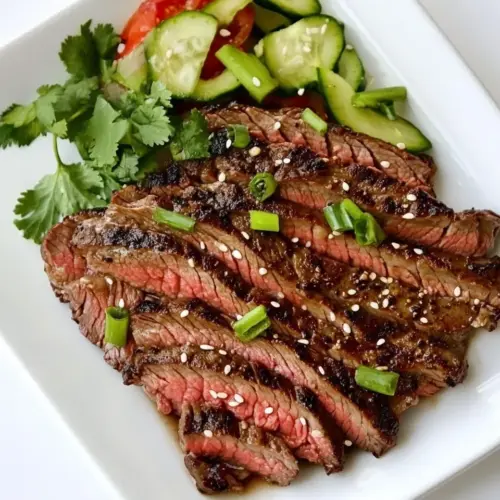
Soy Marinated Flank Steak
Equipment
- Grill
- Resealable bag
- Instant read thermometer
- Mixing Bowl
- Cutting Board
Ingredients
- 1/2 cup 120 ml reduced sodium soy sauce or tamari (for gluten-free option) Provide a salty, savory base for the marinade and tenderize the meat through its sodium content; reduced sodium soy sauce or tamari adds umami depth while keeping sodium lower and tamari offers a gluten-free alternative for dietary needs.
- 1/4 cup 60 ml honey Contribute concentrated sweetness and help balance salt and acidity while promoting caramelization during cooking; honey also helps the marinade adhere to the steak and adds a glossy finish when seared.
- 2 tablespoons 30 ml vegetable oil, plus more for greasing Add a neutral fat that helps distribute flavors and aids in transferring heat during cooking; vegetable oil also prevents sticking and helps the marinade coat the meat evenly.
- 1 tsp sesame oil Impart a toasty, aromatic note that enhances the overall flavor profile in small quantity; sesame oil is potent so a teaspoon provides fragrance without overpowering the other components.
- 4 cloves garlic, minced Deliver pungent, aromatic sharpness that brightens the marinade and penetrates the meat when minced; garlic also adds savory complexity and pairs well with soy and ginger.
- 2 tsp 10 g minced ginger Provide warm, zesty heat and fresh brightness that complements the soy and garlic; minced ginger helps tenderize slightly and balances richness with its citrusy, peppery notes.
- 1/2 tsp black pepper Add subtle warmth and background spice that enhances savory flavors without dominating; black pepper helps lift the overall taste profile and pairs well with grilled beef.
- 1/4 tsp red chili pepper flakes Bring concentrated heat and a touch of smokiness to the marinade in small measure; red chili pepper flakes introduce a lingering kick that can be adjusted to taste.
- 2 tbsp 6 g thinly sliced green onion, plus more for garnish Offer a mild oniony crunch and fresh green flavor that cuts through richness; thinly sliced green onion mixed into the marinade adds texture and extra garnish appeal.
- 3/4 tsp rice vinegar Provide a gentle acidic brightness that balances sweet and salty elements; rice vinegar helps tenderize the meat slightly and rounds out the marinade.
- 2 lb 907 g flank steak Serve as the main protein to be marinated and grilled or seared; flank steak benefits from marinade penetration, yields flavorful slices when cut across the grain, and responds well to high-heat cooking.
Instructions
- In a medium-size bowl, combine the soy sauce, honey, vegetable oil, sesame oil, garlic, ginger, black pepper, red chili pepper and green onions.: The bowl will quickly fill with heady aromas of garlic and ginger , and the glossy mixture should look cohesive, not separated. Stirring until the honey dissolves helps the marinade cling to the meat, improving surface coverage for even caramelization. A common mistake is not fully mixing the honey and oils, which can lead to uneven browning, so scrape the bottom of the bowl and whisk well. Expect the scent to be fragrant, slightly sweet, and savory all at once, which signals a well balanced base for the steak.
- Remove 1/4 cup (60 ml) of the marinade and combine with the rice vinegar in a small bowl. Cover and refrigerate.: You will notice a brighter, tangy aroma once the rice vinegar is added, which will contrast nicely with the rich grilled meat. This reserved portion becomes your finishing sauce, so be sure to set it aside in the refrigerator to keep it fresh. The acid tames some sweetness and awakens the aromatics, creating a lively drizzle that prevents the final plate from feeling heavy. A typical error is forgetting to reserve this portion, which means losing that bright finishing note.
- Place the remaining marinade and steak in a 1-gallon (3.6-L) resealable bag. Remove as much air as possible and seal the bag.: As the steak meets the marinade, you should hear a soft swish and see the liquid coat the surface. Massaging the bag briefly ensures the mixture covers the entire cut, improving penetration along the grain. Removing excess air helps keep the steak submerged for consistent flavor absorption. Avoid overcrowding the bag with too many cuts, as that can prevent even contact and lead to patchy flavor development.
- Refrigerate for at least 1 hour by laying the steak flat, and flipping the bag after 30 minutes. The steak can be marinated in the refrigerator for up to 12 hours.: During this rest, you will smell the marinade mellowing and infusing the meat. Laying the steak flat maximizes contact, and flipping midway redistributes the marinade so both sides get equal exposure. If you overmarinate, especially with acidic components, the texture can become mushy, so I do not recommend exceeding the suggested 12 hours for this cut. The meat will feel firmer to the touch after a good hour of marinating, indicating proper absorption.
- Remove the steak from the marinade, drain any excess liquid and transfer to a pan. Discard the marinating bag.: The surface should glisten but not be dripping wet. Patting briefly will help promote a better sear when the steak hits the grill, because excess moisture prevents browning. Discard the used bag to avoid cross contamination. A frequent misstep is putting a wet slab directly on high heat, which can steam instead of sear; ensure the exterior is tacky rather than soggy.
- Set the grill to high. Add a small amount of oil on a folded piece of paper towel, carefully greasing the grill with the oil.: When you set the grill to high, allow the grates to get intensely hot so the steak will sizzle and caramelize immediately. Add a small amount of oil on a folded piece of paper towel, and carefully grease the grill to help prevent sticking and encourage even browning. You should see faint wisps of smoke and feel heat radiating when your hand is a safe distance above the grates. A common pitfall is starting with a cool grill, which leads to gray, underbrowned meat rather than a richly caramelized crust.
- Allow the grill to preheat for 15 minutes, and once the grill is very hot, add the steak.: The preheat ensures the grates are clean and hot enough to create instant sizzle. When the steak hits the grill, listen for a steady, loud sizzle and watch the sugars start to darken within moments. If the steak moves easily and has good color after a minute, the heat is right. If it sticks aggressively, the grates may need more oil or higher heat. Maintaining that high surface temperature is key to developing the crust without overcooking the center.
- Cover and cook the steak until well browned, about 4 to 5 minutes, then flip and cook until desired doneness, about 3 to 4 minutes. For medium rare, cook the steak until the internal temperature reaches between 120 and 125°F (49 and 52°C). For medium, cook between 130 and 135°F (54 and 57°C).: You will notice the surface becoming deeply colored and slightly sticky as the honey and soy sauce caramelize. The aroma will shift to toasted, almost nutty notes with intensified savory perfume. For medium rare, aim for an internal temperature between 120 and 125°F 49 and 52°C, whereas for medium, target 130 to 135°F 54 to 57°C. Use an instant read thermometer to avoid guesswork. One mistake is relying only on time instead of temperature, which can yield overcooked or underdone results because grill heat varies widely.
- Transfer the steak to a cutting board and allow to rest for 10 minutes.: Resting lets the juices redistribute, so when you slice, the meat stays moist rather than leaking onto the board. You will see the surface steam gently as it rests, and the aroma will mellow and concentrate. Ten minutes is long enough for a 2 pound 907 g flank to relax; cutting too soon causes loss of juices, while resting excessively will cool the steak down and harden the crust.
- Slice the steak against the grain into 1/4-inch (6-mm) thick slices. Pour the reserved marinade on top and serve hot.: Slicing against the grain shortens the muscle fibers, making each bite more tender. The slices should reveal a gradient of color from the caramelized edge to the juicy interior. Pour the reserved marinade on top and serve hot so the acidified sauce adds a bright finish that cuts through the richness. A common error is slicing with the grain, which yields chewier, less pleasant bites, so take a moment to identify the grain direction before cutting.
Notes
- Use tamari for gluten free: Swap the reduced sodium soy sauce with tamari in an equal amount to keep the same savory depth while making the recipe safe for gluten sensitive diners, preserving the same balance of salt and umami.
- Double the finishing sauce: Reserve extra marinade before adding it to the bag, then acidify with more rice vinegar so you have ample sauce to drizzle over rice bowls or salads, which elevates leftovers beautifully.
- Rest time matters: Let the cooked steak rest a full 10 minutes on a cutting board tented loosely with foil, as this redistributes juices and prevents a dry final slice, especially important for lean cuts like flank steak.
- Control the heat: Keep the grill very hot to ensure a fast sear and crisp exterior, but monitor internal temperature closely to avoid overshooting your target doneness.
- Adjust chili to taste: If you prefer more heat, increase the red chili flakes incrementally, tasting the marinade before adding the steak, because flavors intensify after cooking.
- Oil the grill safely: Use an oil soaked paper towel held with tongs to grease grates, which reduces flare ups and ensures clean searing without adding excessive oil to the steak.