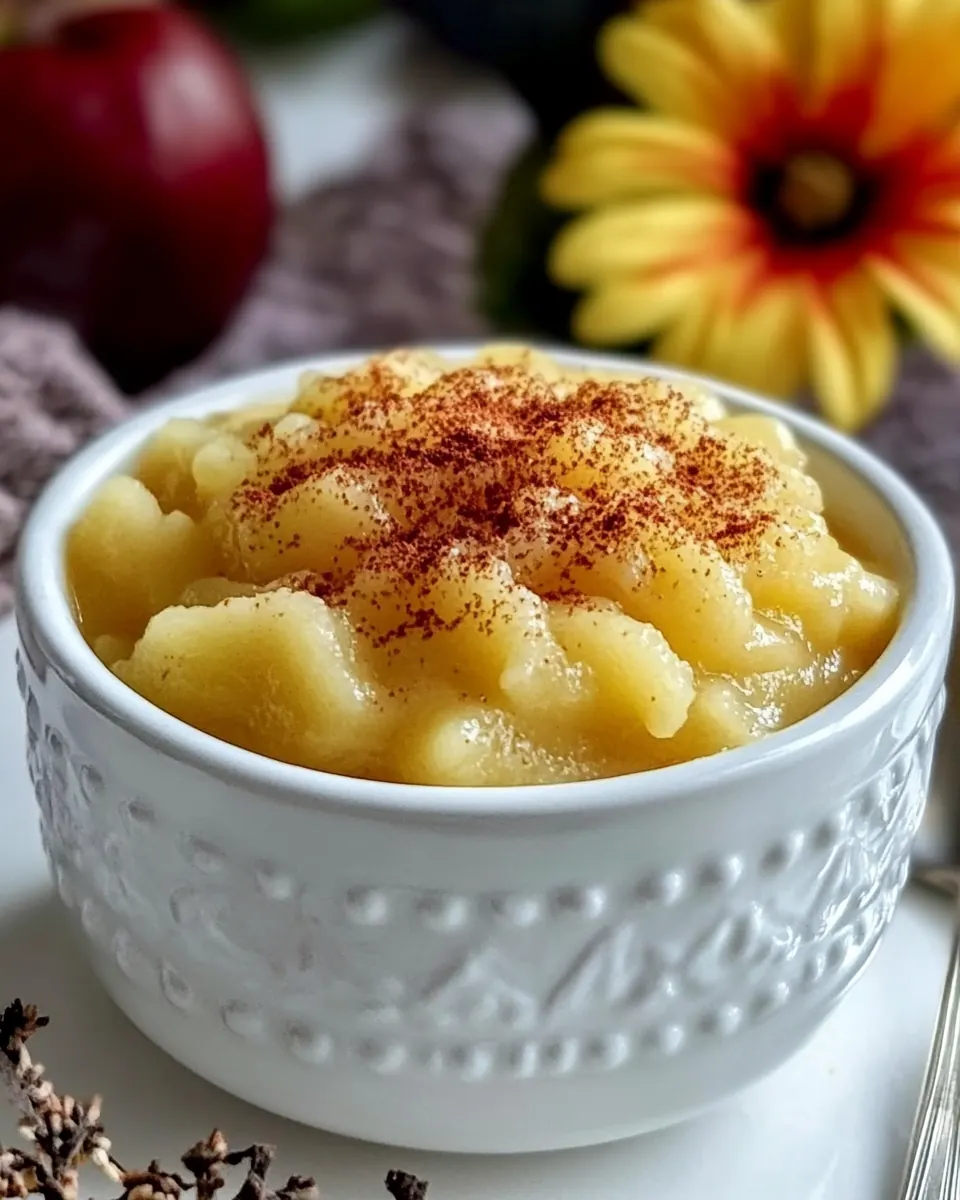
Compote de Pommes or French Applesauce
Compote de Pommes or French Applesauce is a recipe that takes me back to quiet autumn mornings in my grandmother’s kitchen, where the air always smelled of warm fruit and a whisper of butter. I still remember the sound of knives tapping on the wooden board and the soft thud as apples hit the bowl, and every batch felt like a small, comforting ritual I was glad to inherit.
There was one afternoon when I set out to make Compote de Pommes or French Applesauce for a simple lunch and ended up making enough to share with neighbors. I learned then how forgiving this recipe is, how it rewards a little patience and gentle stirring, and how it can be adapted depending on how chunky or smooth you like your apples. That day I sat with a spoon and a warm bowl, watching steam curl upward and feeling strangely triumphant about something so humble.
Over the years I have experimented with apple varieties and small tweaks, discovering that the right balance of sweetness and acidity makes all the difference. Making Compote de Pommes or French Applesauce became my go to when I needed a simple dessert, a cozy breakfast topper, or a thoughtful jar to gift. I find there’s comfort in the way the fruit breaks down, turning into glossy, fragrant compote that feels both rustic and refined. Each time I stir the pot I notice tiny differences, and I enjoy those subtle discoveries.
Recipe Snapshot
30 mins
10 mins
20 mins
Easy
150 kcal
French
Gluten-Free, Vegan
Desserts
Medium saucepan, Knife, Cutting board, Potato masher, Food mill
What Makes This Compote de Pommes or French Applesauce Special
Versatility that surprises
I love that Compote de Pommes or French Applesauce works across so many moments, from a lazy weekend breakfast to an easy dessert after a hectic day. You can spoon it over yogurt, swirl it into oatmeal, or serve it warm with a dusting of cinnamon. The adaptability is a reason I keep this recipe in heavy rotation.
Simple ingredients, big payoff
The ingredient list is few and familiar, yet the result is layered and satisfying. Using just apples, a touch of sugar, and a bit of vanilla unlocks deep fruit flavor. When I add the optional butter it brings a rounded mouthfeel that makes the compote feel indulgent without fuss.
Control over texture
I appreciate how much control you have over the final texture of Compote de Pommes or French Applesauce. If I want silky smooth compote I run it through a food mill, and if I want rustic chunks I use a masher. That control means you can tune the recipe for toddlers, adults, or as a component in other dishes.
Comfort in technique
There is something reassuring about the low and slow simmer, the way the kitchen fills with the scent of cooked fruit. I enjoy the quiet ritual of stirring and tasting, and I find it calming. It is an accessible technique that yields consistent results even for cooks who are new to stovetop methods.
Easy to scale and preserve
I often double the batch and jar some for later. Compote de Pommes or French Applesauce stores beautifully in the fridge and freezes well too, so you can capture a bit of autumn flavor year round. That practicality is a big reason I return to this recipe.
Main Ingredients for Compote de Pommes or French Applesauce
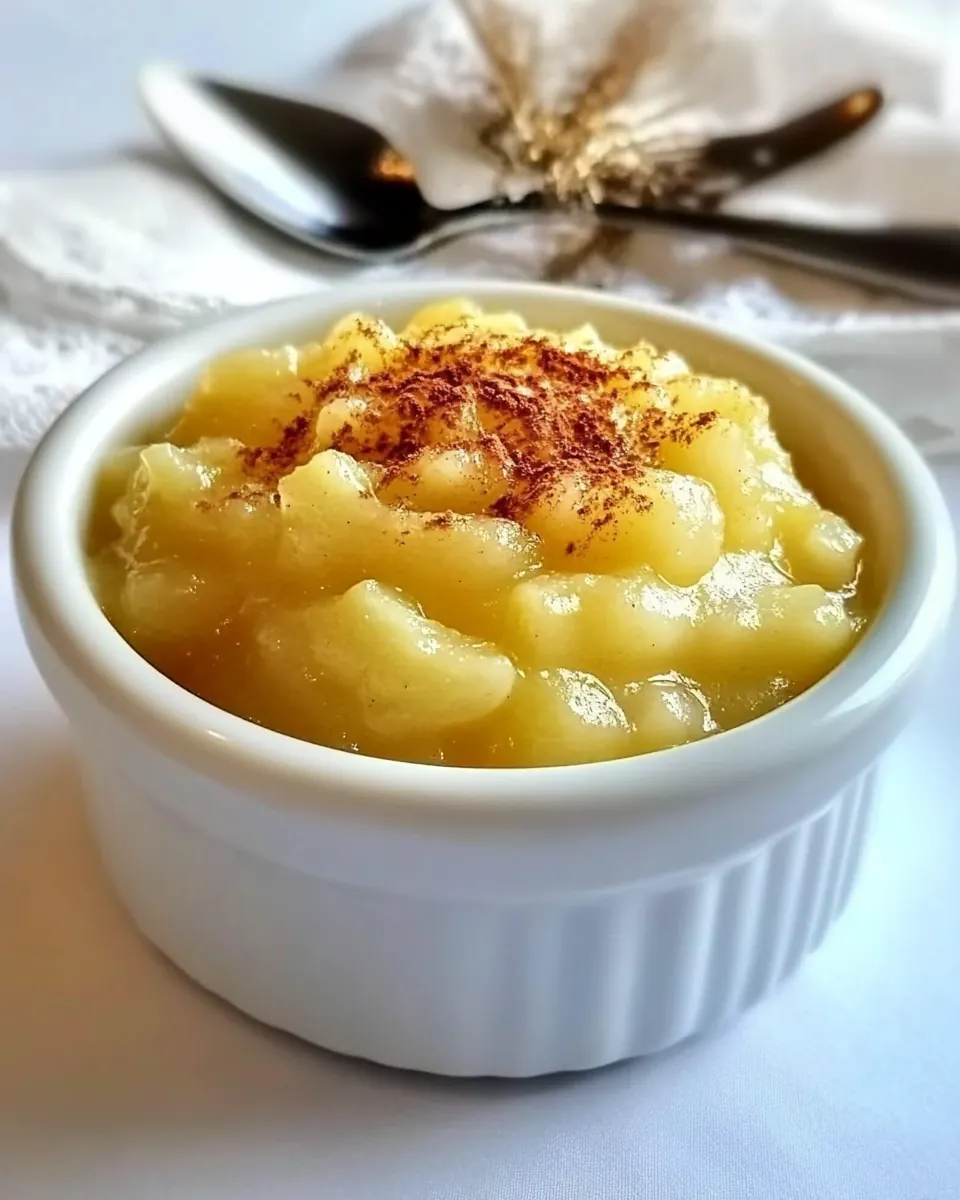
These ingredients are deliberately simple and sing together. The apples are the star, providing sweetness and structure, while a little water helps them break down during cooking. The sugars and vanilla deepen the flavor, and the optional butter adds silkiness. Together they create a compote that is balanced, versatile, and easy to personalize.
- 2 pounds (6 medium) apples, preferably red apples like Empire, Cortland or McIntosh: Peel, core, and chop into uniform pieces to provide the sweet, tart base and body of the compote; choose red varieties for balance and a pleasant texture when cooked down.
- About 1/4 cup water: Add sparingly to the pot to prevent sticking and help the apples soften evenly; use just enough to create gentle steam without diluting flavor.
- 1 tablespoon brown sugar: Sprinkle in to deepen the caramelized, molasses-like notes and round out the apple sweetness; adjust slightly for personal preference but keep light to avoid overpowering.
- 1/4 cup sugar: Dissolve into the cooking liquid to enhance overall sweetness and balance natural apple tartness; stir in gradually and taste as compote cooks.
- 1/2 teaspoon pure vanilla extract: Stir in near the end to contribute aromatic warmth and a rounded, vanilla-scented finish that elevates the fruit flavors; use pure extract for a clean, true vanilla profile.
- 2 tablespoons butter, for thicker compote () (optional): Optional: melt in to enrich texture and add a silky mouthfeel that yields a thicker, richer compote; incorporate while hot so it blends smoothly with the apples.
Making Compote de Pommes or French Applesauce
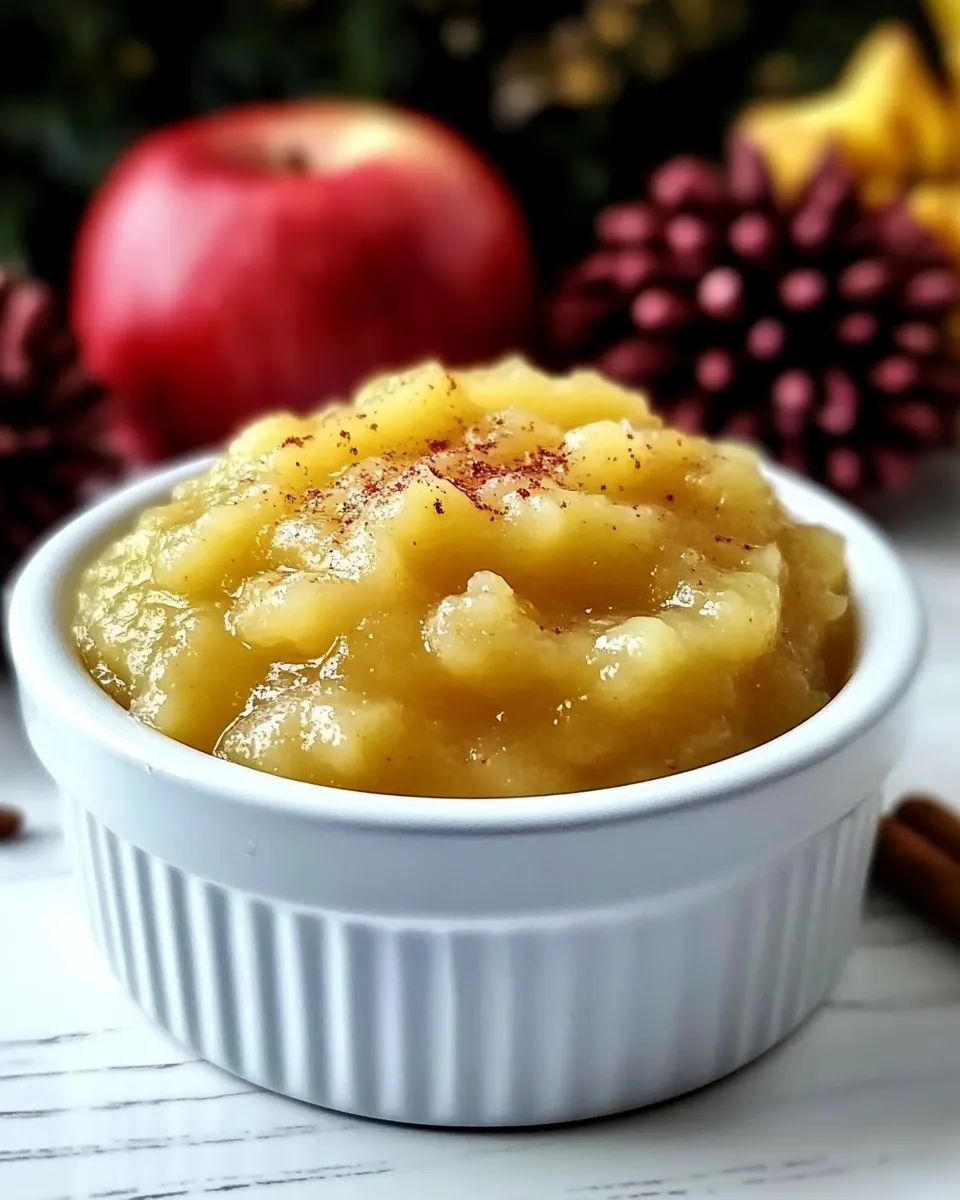
These directions are straightforward but they reward attention and gentle technique. I like to keep the pot low and patient, stirring often so nothing sticks and so the apples break down evenly. Below I unfold each step with sensory details and what to watch for.
- Peel and core the apples. Slice each into about 8 pieces. Place in a medium saucepan.: Steam rises as you work with the fruit, and you will notice the fresh, bright scent of cut apples . The slices should be even so they cook uniformly, which helps avoid some pieces turning to mush while others remain firm. A common mistake is leaving cores or seeds behind, which adds bitterness, so take a moment to remove them cleanly. The sound of the knife on the board is steady, and the bowl will start to look rounded and full as you add the slices. Good knives and a stable cutting board make this chore faster and safer. When the pieces are in the saucepan they should fit comfortably without crowding, giving them room to soften and release juices.
- Stir in 1/4 cup of water and brown sugar. Cook, stirring frequently over medium-low heat. Continue until the apples are soft enough to be crushed with the back of a spoon. If the pan looks too dry, add a little more water as you cook. This process will take about 15-20 minutes.: Right away you will see the sugars dissolve and the water begin to steam, coaxing the apples to soften. The mixture should bubble gently, not roar, so the sugars do not scorch. Stirring frequently prevents sticking and promotes even caramelization, which develops depth of flavor. The aroma evolves from sharp apple to warm, slightly caramel scented fruit. A typical error here is turning the heat too high, which causes burning at the bottom and an overly dark flavor, so keep it steady and patient. If the pan looks dry, add small splashes of water to maintain gentle simmering.
- If you want regular compote de pommes, remove the pan from the heat and run the compote through a food mill. If you prefer chunky applesauce, mash with a potato masher. If your applesauce is too runny, just cook for a few more minutes.: As the pieces collapse, the pot will begin to give off a sweet steam and the surface will show glossy juices. Pressing a slice with the back of a spoon should yield a soft, yielding texture. The timing can vary with apple type and slice thickness, so rely on touch and sight rather than the clock alone. One pitfall is stopping too early, which leaves undercooked, fibrous chunks. If you need a looser consistency, continue to cook a few extra minutes, tasting occasionally for balance. You will hear soft bubbling and see the color turn more concentrated as water reduces.
- Taste and add more sugar if needed. Mix in vanilla and butter. Cover with plastic wrap and chill.: Using a food mill yields a satin smooth texture that spreads and jars well, while mashing leaves pleasant pockets of apple to bite into. When you run the mixture through a mill you will notice a silky stream and an intensified aroma, which signals a smooth finish. With a masher the sound is more rustic, and the texture is visibly varied. A common mistake is over processing, which can make everything too uniform if you were hoping for rustic texture. If the compote seems thin, a few extra minutes on low heat thickens it naturally and concentrates flavor. Tasting here guides your final choices.
- Taste and add more sugar if needed. Mix in vanilla and butter. Cover with plastic wrap and chill.: The first spoonful will show you the final balance of sweet and tart, and you should adjust gently. When you stir in vanilla off heat it brightens the aroma, and the butter melts to add silkiness if you chose to include it. Covering with plastic wrap while still warm helps prevent a skin from forming, and chilling lets flavors meld and mellow. One mistake is adding too much sugar at once rather than tasting incrementally, which can lead to an overly sweet result. If you plan to store the compote, cool it quickly and refrigerate in airtight containers to preserve the best texture and flavor.
Substitutions and Tips
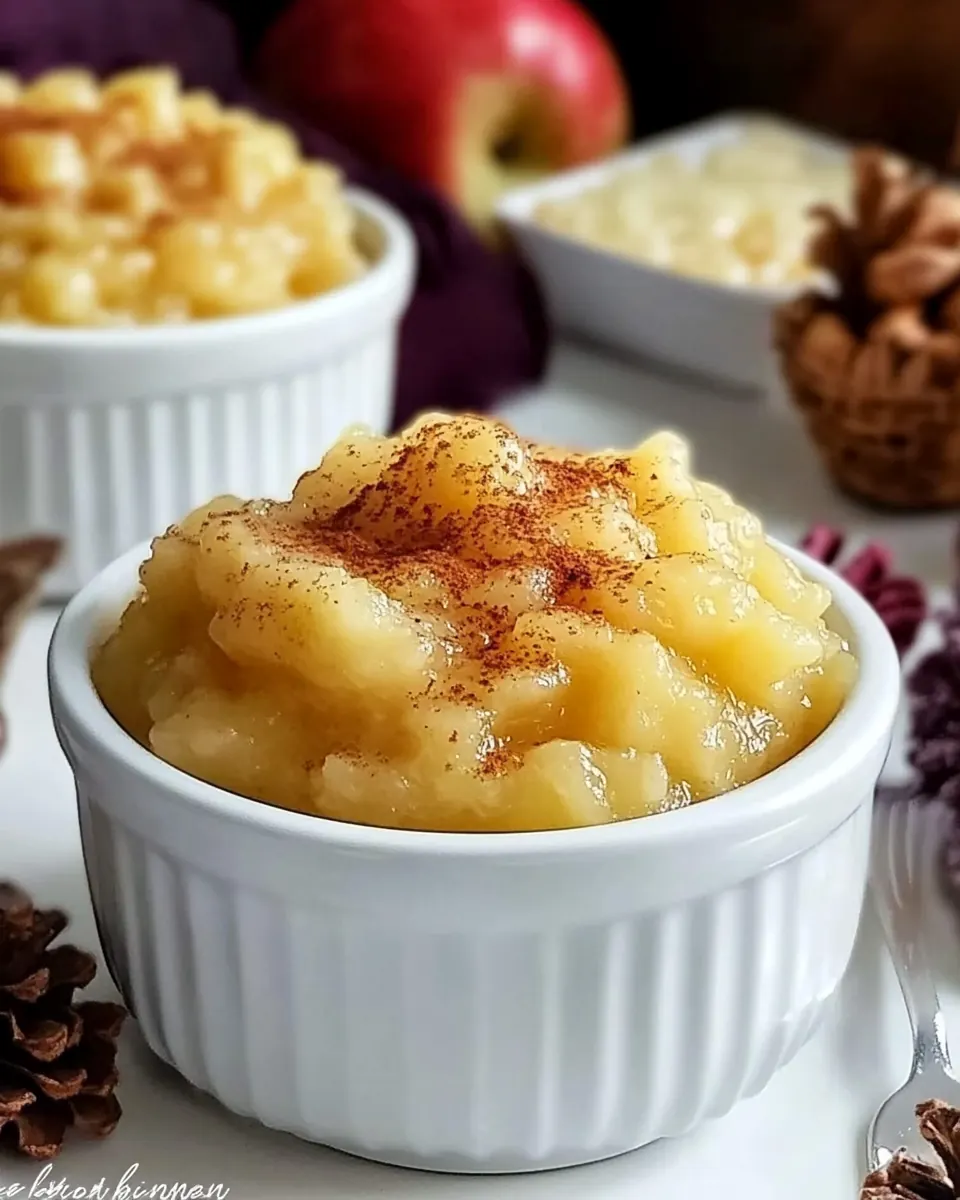
This recipe is forgiving, and small substitutions still lead to satisfying results. Below I expand practical tips I use often, highlighting key phrases so you can scan quickly and apply them in the kitchen.
- Choose your apple mix: Use a combination of tart and sweet apples for the most nuanced flavor, for example pairing a tart McIntosh with a sweeter Cortland.
- Adjust sweetness at the end: Taste before adding more sugar, because the compote will taste less sweet when warm compared with chilled, so adjust gradually.
- Optional butter for richness: Stir in cold butter off heat for a silkier texture, but skip it if you prefer a lighter compote.
- Control texture with tools: Use a food mill for smooth compote or a potato masher for chunks, and avoid overworking if you want rustic pieces.
- Store properly: Cool completely then refrigerate in airtight jars for up to one week, or freeze in portions for longer storage.
- Bring out aroma: Stir in vanilla off heat to keep the flavor bright and avoid cooking the delicate aroma away.
What to Serve Alongside Compote de Pommes or French Applesauce
This compote fits many serving occasions, and I like to think of it as both pantry staple and finishing touch. Below I lay out ideas for pairings, occasions, and storage notes to help you serve with confidence.
- Breakfast toppers: Spoon warm compote over yogurt, porridge, or pancakes for a comforting morning option that adds natural sweetness and texture.
- Simple desserts: Serve chilled compote with a dollop of plain yogurt or a scoop of vanilla free of artificial vanilla if available, creating a light dessert after a heavy meal.
- Snack or spread: Use the compote as a spread on toast or stirred into ricotta where it complements the creamy tang and adds a fruit note.
- Family meals: Offer the compote alongside roasted vegetables or a simple roast as a bright, sweet counterpoint that kids and adults both enjoy.
- Seasonal occasions: This is ideal for fall gatherings, school lunches, and cozy holiday mornings when you want an easy, nostalgic dish to share.
- Storage tips: Refrigerate in airtight jars for up to a week, label and freeze in portions for up to three months, and thaw in the refrigerator before reheating gently.
- Presentation ideas: Serve warm in a shallow bowl with a small pat of butter if you used none during cooking, or chill and present in glass jars tied with twine for gifting.
FAQ
Conclusion
This recipe stands out for its simplicity and comforting flavor, turning everyday apples into a versatile compote that feels both rustic and refined. Give Compote de Pommes or French Applesauce a try and you may find it becomes a kitchen staple for breakfasts, snacks, and light desserts. The gentle cooking and minimal ingredients make it approachable, and once you taste that warm, fragrant fruit you will want to make it again and share it with others.
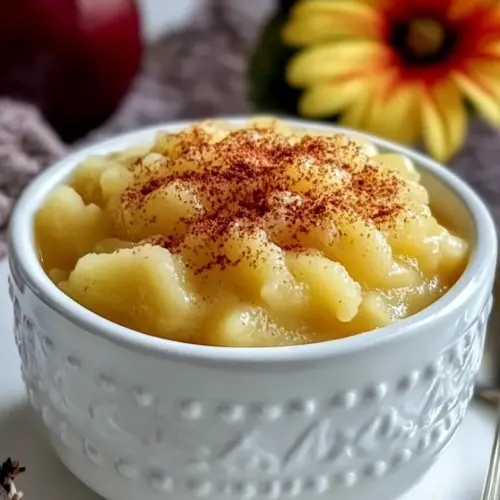
Compote de Pommes or French Applesauce
Equipment
- Medium Saucepan
- Knife
- Cutting Board
- Potato Masher
- Food mill
Ingredients
- 2 pounds (6 medium) apples, preferably red apples like Empire, Cortland or McIntosh Peel, core, and chop into uniform pieces to provide the sweet, tart base and body of the compote; choose red varieties for balance and a pleasant texture when cooked down.
- About 1/4 cup water Add sparingly to the pot to prevent sticking and help the apples soften evenly; use just enough to create gentle steam without diluting flavor.
- 1 tablespoon brown sugar Sprinkle in to deepen the caramelized, molasses-like notes and round out the apple sweetness; adjust slightly for personal preference but keep light to avoid overpowering.
- 1/4 cup sugar Dissolve into the cooking liquid to enhance overall sweetness and balance natural apple tartness; stir in gradually and taste as compote cooks.
- 1/2 teaspoon pure vanilla extract Stir in near the end to contribute aromatic warmth and a rounded, vanilla-scented finish that elevates the fruit flavors; use pure extract for a clean, true vanilla profile.
- 2 tablespoons butter, for thicker compote (optional) Optional: melt in to enrich texture and add a silky mouthfeel that yields a thicker, richer compote; incorporate while hot so it blends smoothly with the apples.
Instructions
- Peel and core the apples. Slice each into about 8 pieces. Place in a medium saucepan.: Steam rises as you work with the fruit, and you will notice the fresh, bright scent of cut apples . The slices should be even so they cook uniformly, which helps avoid some pieces turning to mush while others remain firm. A common mistake is leaving cores or seeds behind, which adds bitterness, so take a moment to remove them cleanly. The sound of the knife on the board is steady, and the bowl will start to look rounded and full as you add the slices. Good knives and a stable cutting board make this chore faster and safer. When the pieces are in the saucepan they should fit comfortably without crowding, giving them room to soften and release juices.
- Stir in 1/4 cup of water and brown sugar. Cook, stirring frequently over medium-low heat. Continue until the apples are soft enough to be crushed with the back of a spoon. If the pan looks too dry, add a little more water as you cook. This process will take about 15-20 minutes.: Right away you will see the sugars dissolve and the water begin to steam, coaxing the apples to soften. The mixture should bubble gently, not roar, so the sugars do not scorch. Stirring frequently prevents sticking and promotes even caramelization, which develops depth of flavor. The aroma evolves from sharp apple to warm, slightly caramel scented fruit. A typical error here is turning the heat too high, which causes burning at the bottom and an overly dark flavor, so keep it steady and patient. If the pan looks dry, add small splashes of water to maintain gentle simmering.
- If you want regular compote de pommes, remove the pan from the heat and run the compote through a food mill. If you prefer chunky applesauce, mash with a potato masher. If your applesauce is too runny, just cook for a few more minutes.: As the pieces collapse, the pot will begin to give off a sweet steam and the surface will show glossy juices. Pressing a slice with the back of a spoon should yield a soft, yielding texture. The timing can vary with apple type and slice thickness, so rely on touch and sight rather than the clock alone. One pitfall is stopping too early, which leaves undercooked, fibrous chunks. If you need a looser consistency, continue to cook a few extra minutes, tasting occasionally for balance. You will hear soft bubbling and see the color turn more concentrated as water reduces.
- Taste and add more sugar if needed. Mix in vanilla and butter. Cover with plastic wrap and chill.: Using a food mill yields a satin smooth texture that spreads and jars well, while mashing leaves pleasant pockets of apple to bite into. When you run the mixture through a mill you will notice a silky stream and an intensified aroma, which signals a smooth finish. With a masher the sound is more rustic, and the texture is visibly varied. A common mistake is over processing, which can make everything too uniform if you were hoping for rustic texture. If the compote seems thin, a few extra minutes on low heat thickens it naturally and concentrates flavor. Tasting here guides your final choices.
- Taste and add more sugar if needed. Mix in vanilla and butter. Cover with plastic wrap and chill.: The first spoonful will show you the final balance of sweet and tart, and you should adjust gently. When you stir in vanilla off heat it brightens the aroma, and the butter melts to add silkiness if you chose to include it. Covering with plastic wrap while still warm helps prevent a skin from forming, and chilling lets flavors meld and mellow. One mistake is adding too much sugar at once rather than tasting incrementally, which can lead to an overly sweet result. If you plan to store the compote, cool it quickly and refrigerate in airtight containers to preserve the best texture and flavor.
Notes
- Choose your apple mix: Use a combination of tart and sweet apples for the most nuanced flavor, for example pairing a tart McIntosh with a sweeter Cortland.
- Adjust sweetness at the end: Taste before adding more sugar, because the compote will taste less sweet when warm compared with chilled, so adjust gradually.
- Optional butter for richness: Stir in cold butter off heat for a silkier texture, but skip it if you prefer a lighter compote.
- Control texture with tools: Use a food mill for smooth compote or a potato masher for chunks, and avoid overworking if you want rustic pieces.
- Store properly: Cool completely then refrigerate in airtight jars for up to one week, or freeze in portions for longer storage.
- Bring out aroma: Stir in vanilla off heat to keep the flavor bright and avoid cooking the delicate aroma away.