Herbed Cheddar Latkes
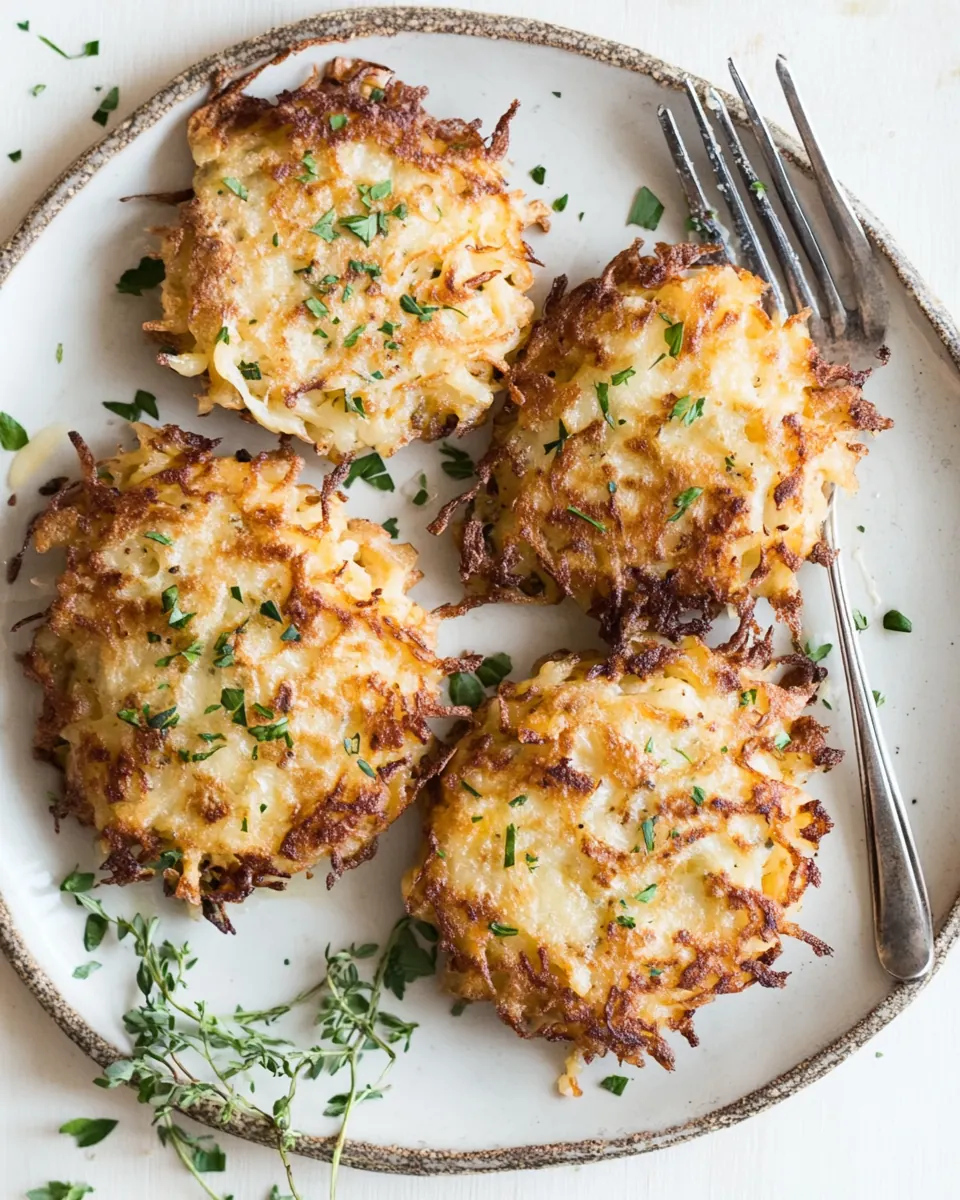
Herbed Cheddar Latkes are a recipe I’ve returned to again and again when I want something crispy, comforting, and full of personality.
The first time I made Herbed Cheddar Latkes was on a chilly afternoon when I had a basket of russet potatoes that had been staring back at me from the counter. I grated them by hand, listening to the rhythmic scrape against the grater, and remembered how my grandmother used to say that good latkes are all about patience and attention to texture. As the aroma of sizzling oil filled the kitchen, I realized how simple ingredients like potatoes, onion, and cheddar cheese come together to make something far greater than the sum of its parts.
Over the years I have tweaked the mix of herbs, trying everything from parsley to thyme, and landed on a bright, savory blend that wakes up the savory notes in the cheddar cheese. Serving them with a spoonful of plain greek yogurt or a tart apple accompaniment balances the richness, and friends always ask for the recipe. This version keeps the texture light and crisp, with each bite delivering a golden edge and a tender interior.
Recipe Snapshot
45 mins
30 mins
15 mins
Medium
200 kcal
American
Gluten-Free, Paleo
Side Dishes
Large skillet, Grater, Large mixing bowl, Kitchen towel, Wire cooling rack, Spatula
Why This Herbed Cheddar Latkes Stands Out
Golden crisp texture every time
I love how these Herbed Cheddar Latkes deliver a deeply satisfying crunch on the outside while staying tender inside. The combination of hand grated potatoes and a modest amount of panko bread crumbs helps wick away excess moisture, so the surface browns evenly. I often notice a gentle sizzling when they hit the pan, and that sound tells me the crust is forming.
Bold savory flavor from simple ingredients
Using sharp cheddar cheese and a mix of fresh herbs like oregano, thyme, and sage gives the latkes a savory lift. I appreciate how the herbs brighten each bite without overpowering the comforting potato base. The grated onion adds a sweet and sulfurous depth that balances the richness perfectly.
Flexible serving options
One reason I reach for this recipe is how easy it is to adapt the accompaniments. Serve with plain greek yogurt for a tangy contrast, or opt for apple sauce when you want a traditional pairing. Both options change the mood of the dish, letting you lean into creamy tang or fruity sweetness depending on the occasion.
Great for feeding a crowd
Because the recipe scales cleanly, I find it ideal for gatherings. You can work in batches and keep the finished latkes warm on a rack in a low oven, preserving their texture. I like that the recipe yields multiple crisp rounds that are perfect for passing around or plating with multiple sides.
Totally approachable technique
If you are a home cook who worries about technique, this recipe is forgiving. The most important steps are squeezing moisture from the potatoes and monitoring oil temperature. Once you master those, you get reliably golden results that feel impressive but are not fussy.
Ingredients Overview for Herbed Cheddar Latkes
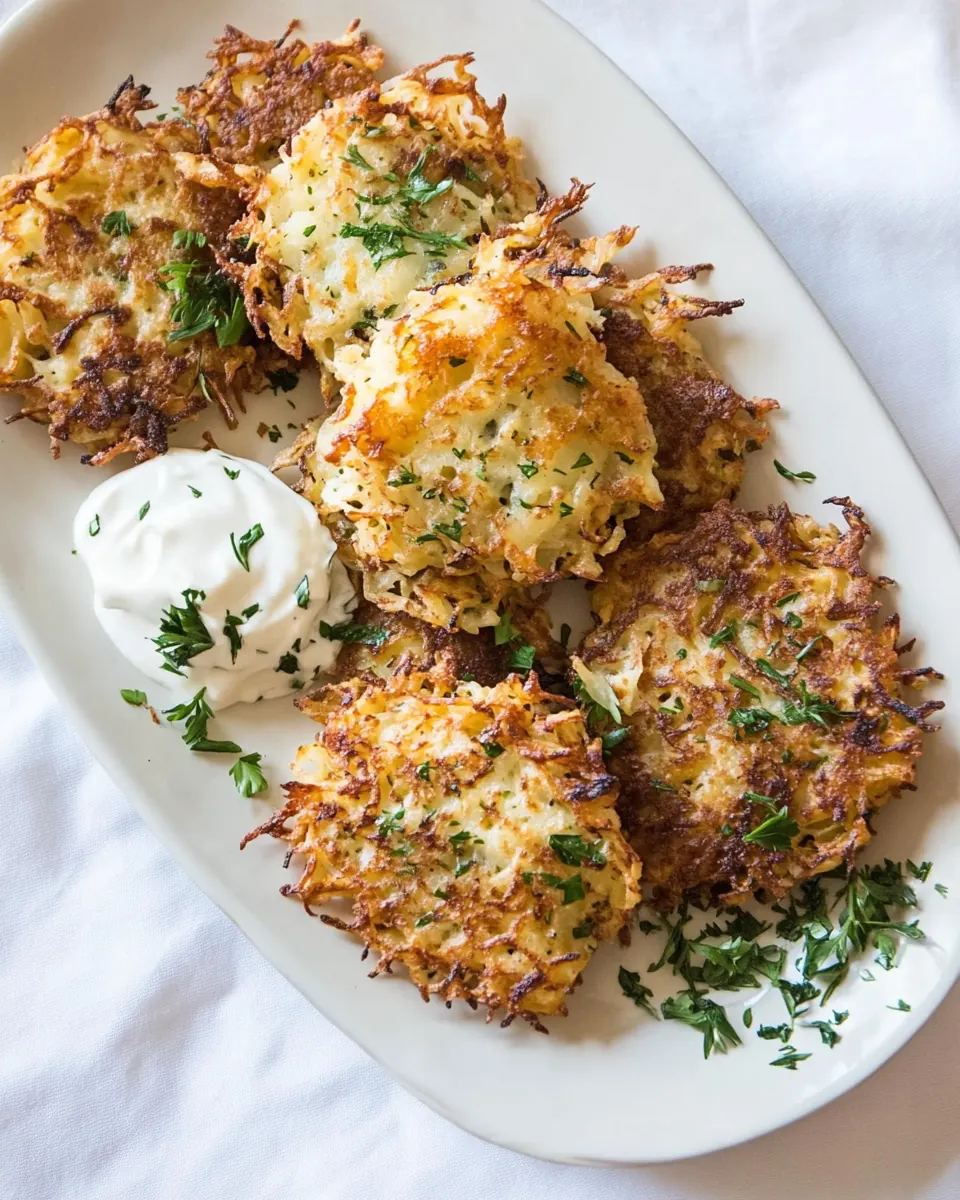
These ingredients are chosen to create a balance of texture and savory depth. The starchy potatoes provide structure and a tender interior, while the grated onion brings a subtle sweetness and moisture. Panko bread crumbs help bind and keep the exterior crisp. The eggs act as a glue, and sharp cheddar cheese introduces a punchy, creamy note. Fresh herbs lift the profile, and simple seasoning plus olive oil finish and fry to a golden exterior.
- 6 medium russet potatoes, grated: Grated finely to provide a starchy base and tender interior for the latkes; squeezes dry easily to help bind and crisp during frying. Adds structure and a familiar potato flavor that browns attractively when cooked.
- 1 yellow onion, grated: Grated to add moisture, sweetness, and aromatic depth that balances the potatoes; squeeze out excess liquid to prevent sogginess. Enhances overall texture and provides a mild savory note that caramelizes while cooking.
- 2 tablespoons panko bread crumbs: Used sparingly to help absorb excess moisture and give the batter body so patties hold together; contributes a light crunch if not fully hydrated. Keeps latkes from falling apart while maintaining a delicate crisp edge.
- 2 eggs, beaten: Beaten to act as the primary binder, giving cohesion to the shredded potatoes, onion, and cheese so patties stay intact. Contributes richness and helps create a tender interior when cooked through.
- 1 1/2 cups sharp cheddar cheese, shredded: Shredded to introduce melty, savory richness and sharpness that contrasts the potatoes; melts into the batter for pockets of gooey cheese. Provides depth of flavor and a golden color when browned.
- 1/3 cup chopped fresh herbs, such as oregano, thyme, and sage: Chopped finely to introduce bright, aromatic notes and herbaceous complexity that lift the savory pancakes; combines earthy and floral tones depending on chosen herbs. Fresh herbs also add color and a fragrant finish.
- kosher salt and black pepper: Used to season to taste, enhancing and balancing the savory flavors while drawing out the natural sweetness of the vegetables; both salt and pepper are added during mixing and adjusted after frying. Essential for depth and a finished, well-seasoned bite.
- extra virgin olive oil: Used for frying to create a crisp, golden exterior while imparting a subtle fruity or peppery note depending on quality; maintain a medium-high temperature for best results. Helps develop texture and color without overwhelming the latkes' flavors.
- flaky salt and fresh chopped chives, for serving: Sprinkled as a finishing touch to add a delicate burst of saltiness and a fresh visual accent, while chives bring a mild oniony brightness that complements the latkes. Provides contrasting texture and enhances presentation.
- plain greek yogurt and apple sauce, for serving: Served alongside to add creamy tang and sweet contrast that complements the savory, crispy latkes; yogurt offers a cooling element while applesauce gives a classic sweet counterpoint. Together they provide balance and options for different taste preferences.
Recipe Directions for Herbed Cheddar Latkes
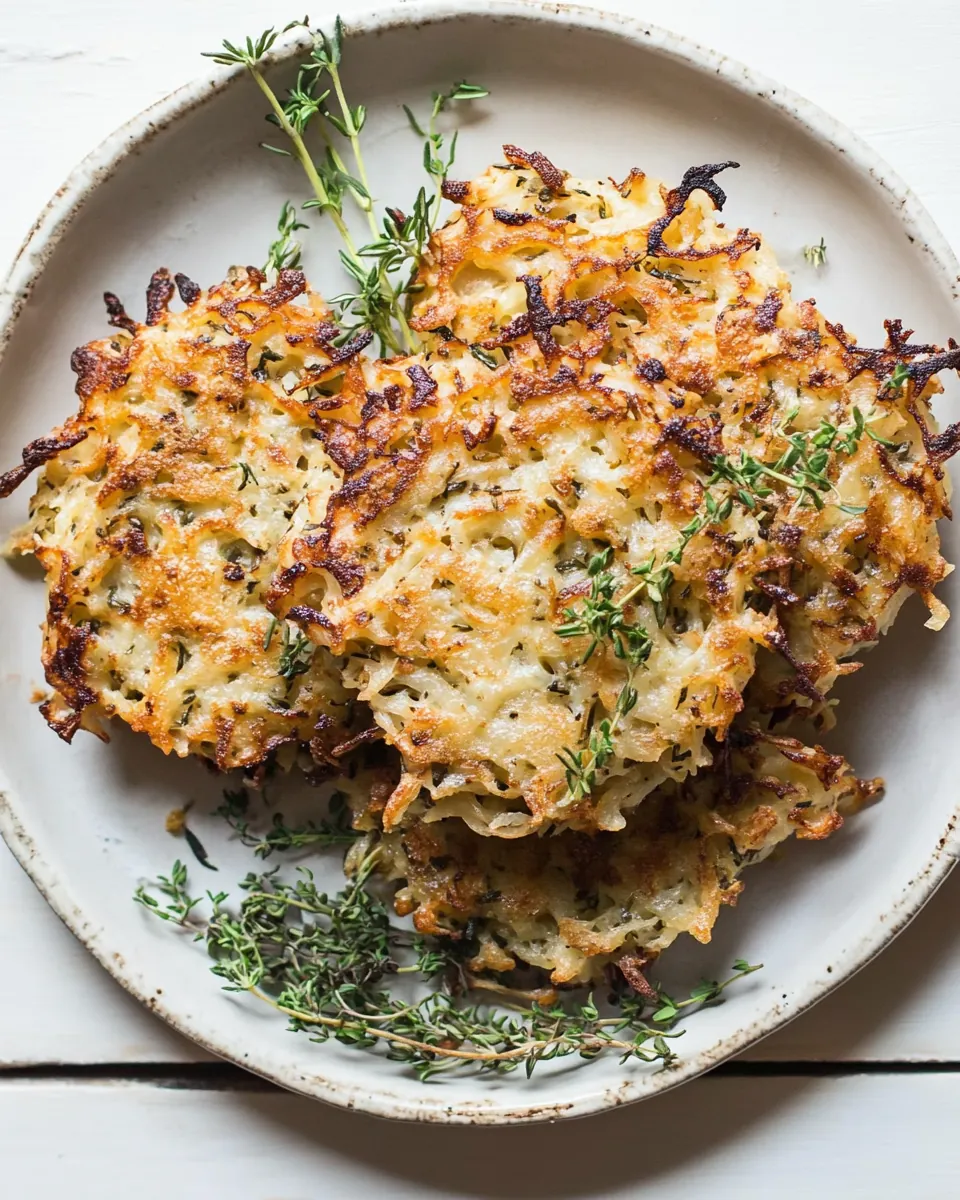
These directions walk you through preparing, shaping, frying, and finishing the latkes. I like to move methodically so each batch maintains consistent texture. Read each step fully before you start, and have your serving accompaniments ready so the latkes go from pan to plate while still warm.
- Place the potatoes and onion in a large kitchen towel and squeeze out any excess moisture. Add to a large mixing bowl along with the bread crumbs, eggs, cheddar cheese, herbs, and a large pinch each of salt and pepper. Mix to evenly combine. Heat a few tablespoons of olive oil in a large skillet over medium heat. When the oil shimmers, scoop about 1/4 cup of the potato mix and add to the pan, flattening down with a spatula. Work in batches of 3-4 and cook 4-5 minutes per side or until deeply golden brown and crisp. Transfer to a wire cooling rack and sprinkle with flaky salt. Serve immediately with applesauce and/or Greek yogurt.: As you press the grated potatoes and grated onion in the towel, you will feel the cool, starchy liquid leaving the vegetables, and the pile will become noticeably drier and firmer, which is exactly what you want. This drying step is essential because excess moisture steams the latkes in the pan rather than allowing a crisp crust to form, so take your time and squeeze until only a faint dampness remains. If you skip this, the batter will be loose and the latkes will fall apart in the skillet, so avoid rushing through this step.
- Add to a large mixing bowl along with the bread crumbs, eggs, cheddar cheese, herbs, and a large pinch each of salt and pepper: When you combine the dried potatoes and onion with the panko bread crumbs , beaten eggs , shredded cheddar cheese , and chopped herbs , you should notice a more cohesive, slightly tacky mixture that holds together when pressed. The eggs and panko bind the components, while the cheese and herbs distribute flavor evenly. Mix gently so you do not overwork the batter, which can lead to dense latkes; if the mixture seems too wet after thorough mixing, add a touch more panko bread crumbs .
- Mix to evenly combine: As you fold the ingredients, watch for little pockets of cheddar cheese and flecks of herbs spreading through the batter, and smell the savory, herby aroma coming together. This even distribution ensures each latke has a balance of texture and flavor, and it also influences how they brown in the pan. Avoid vigorous stirring which can break down the shredded potatoes , diminishing the textural contrast between crispy exterior and tender interior.
- Heat a few tablespoons of olive oil in a large skillet over medium heat: When the extra virgin olive oil shimmers in the pan and just begins to ripple, that is the right moment to add the batter. The oil temperature contributes directly to browning, producing a satisfying sizzle and the aroma of toasted potato and cheese. If the oil is too cool, the latkes will absorb oil and become greasy, while oil that is too hot will burn the exterior before the inside cooks, so adjust the flame to maintain a consistent medium heat.
- When the oil shimmers, scoop about 1/4 cup of the potato mix and add to the pan, flattening down with a spatula: As you drop each scoop into the skillet, listen for a brisk sizzle, and then flatten gently to form an even round; this encourages even browning and a compact interior. The edges will begin to firm and take on color after a minute or two, and you should see small bubbles and browning along the rim. If you press too hard you can make them overly dense, so press just enough to form contact with the oil.
- Work in batches of 3 to 4 and cook 4 to 5 minutes per side or until deeply golden brown and crisp: Cooking in batches prevents overcrowding, which would lower the oil temperature and cause steaming instead of frying, so keep the pan to a few latkes at a time. After the first side turns golden and releases easily, flip to the second side; the sound of steady sizzling and the sight of an even deep golden color tell you they are ready. A common mistake is flipping too often, which interrupts browning and prevents a uniform crust.
- Transfer to a wire cooling rack and sprinkle with flaky salt: Moving finished latkes to a wire rack allows air circulation so they stay crisp rather than soggy, and the flaky salt on the surface enhances the savory peaks, giving bright hits of salinity. The contrast between crunchy exterior and tender middle is most pronounced when they are allowed to rest briefly, so avoid stacking them, which traps steam and softens the crust.
- Serve immediately with applesauce and or Greek yogurt: Serving while still warm preserves the signature contrast of textures and lets the melted pockets of cheddar cheese soften pleasantly. A spoonful of cool plain greek yogurt adds tang that lightens the richness, and apple sauce offers a sweet counterpoint if you prefer that route. If you must hold them longer, keep them on a rack in a low oven as noted in the notes, but be aware they will gradually lose some crispness over time.
Helpful Notes about Herbed Cheddar Latkes
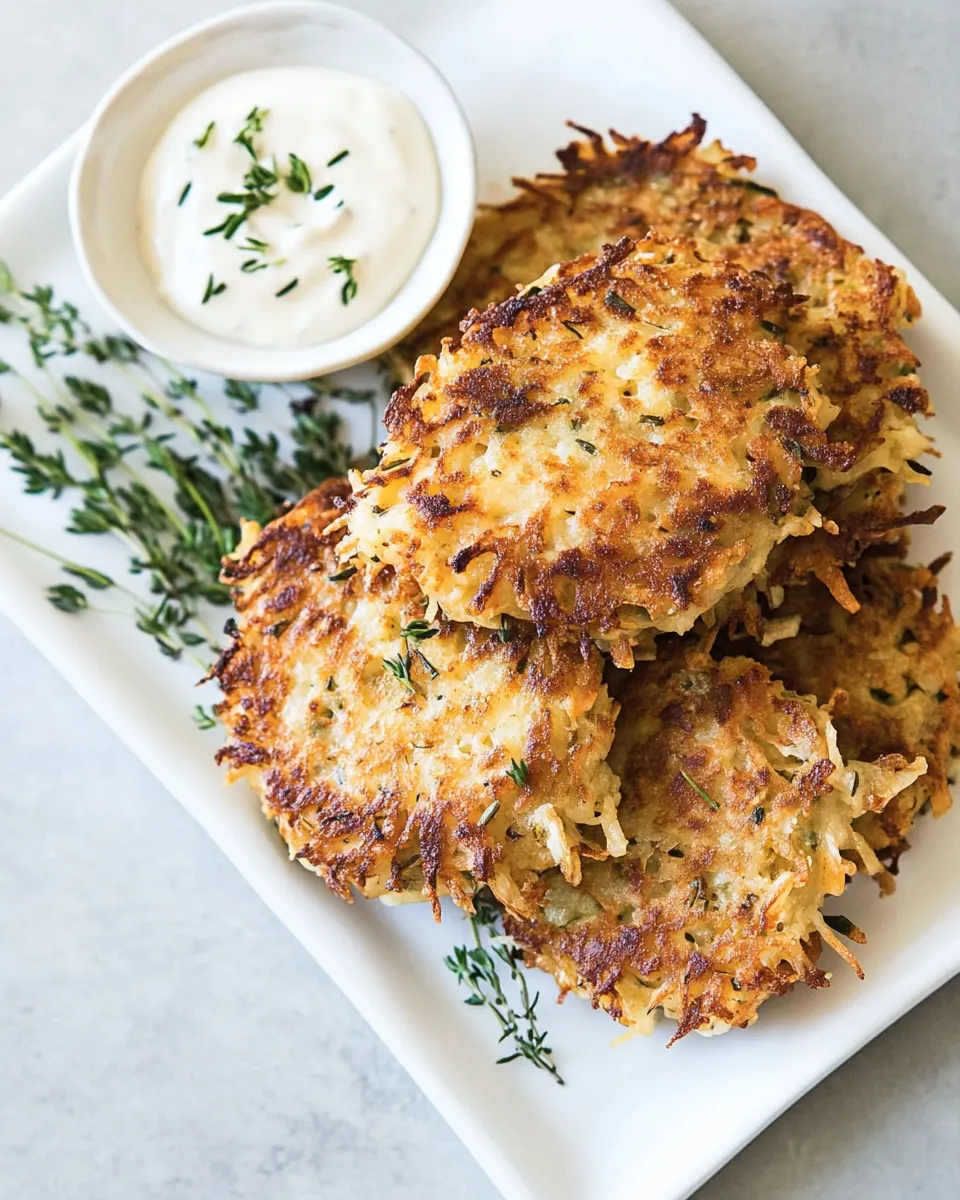
Here are practical notes I turn to whenever I make Herbed Cheddar Latkes. These expand on technique, timing, and serving so your results match what I describe above.
- Keep the potatoes dry When you grate the russets, wrap them in a clean towel and squeeze firmly to remove as much moisture as possible, which is the single most important step to getting a crisp exterior.
- Test the oil first Drop a small pinch of batter into the skillet; if it sizzles and browns within a few seconds the oil is ready, if it sinks or splatters the temperature needs adjustment.
- Use room temperature eggs Room temperature eggs incorporate more smoothly into the batter, helping with binding without causing cold pockets that affect cooking performance.
- Keep finished latkes warm properly To preserve crispness, place cooked latkes on a wire rack set over a baking sheet in a 250 degree oven for up to 30 minutes as noted, this prevents steaming and sogginess.
- Adjust herbs to taste Taste the raw mixture and tune the fresh herbs and cheddar cheese level before frying, remembering that flavors concentrate slightly as they cook.
What to Pair With Herbed Cheddar Latkes
These latkes are adaptable to many meals and occasions. Below are ideas on accompaniments, occasions to serve them, and storage notes to keep them tasting their best.
- Traditional pairing Serve with a spoonful of apple sauce to provide a sweet and slightly tart foil to the savory cheddar cheese and herbs; this is a classic combination that suits brunch or holiday spreads.
- Tangy contrast A dollop of plain greek yogurt or a yogurt based dip gives a cool, creamy contrast that cuts through the richness and adds a clean, bright finish.
- Occasions These are excellent for weekend brunch, casual dinners, or festive gatherings in the fall when russet potatoes are plentiful; their shareable nature makes them ideal for parties.
- Storage for leftovers Cool completely, then refrigerate in a single layer separated by parchment and reheat in a hot oven or skillet to revive crispness; avoid microwaving which makes them soggy.
- Plating ideas Stack two latkes with a smear of plain greek yogurt and a spoonful of apple sauce on top, finishing with chopped chives and a sprinkle of flaky salt for an elevated presentation.
- Seasonal notes In the fall, pair with roasted vegetables or a crisp green salad to balance the warm, hearty flavors of the latkes for a complete meal.
FAQ
Conclusion
These Herbed Cheddar Latkes stand out for their crisp exterior, tender interior, and bright herbal lift, making them an irresistible treat for gatherings or cozy meals. Give them a try when you want a comforting dish that feels special yet entirely approachable. With a little attention to drying the potatoes and keeping the oil at the right temperature, you will be rewarded with golden, flavorful latkes that everyone will enjoy. I hope this recipe becomes one of your reliable go to dishes for brunches and fall dinners.

Herbed Cheddar Latkes
Equipment
- Large Skillet
- Grater
- Large Mixing Bowl
- Kitchen Towel
- wire cooling rack
- Spatula
Ingredients
- 6 medium russet potatoes, grated Grated finely to provide a starchy base and tender interior for the latkes; squeezes dry easily to help bind and crisp during frying. Adds structure and a familiar potato flavor that browns attractively when cooked.
- 1 yellow onion, grated Grated to add moisture, sweetness, and aromatic depth that balances the potatoes; squeeze out excess liquid to prevent sogginess. Enhances overall texture and provides a mild savory note that caramelizes while cooking.
- 2 tablespoons panko bread crumbs Used sparingly to help absorb excess moisture and give the batter body so patties hold together; contributes a light crunch if not fully hydrated. Keeps latkes from falling apart while maintaining a delicate crisp edge.
- 2 eggs, beaten Beaten to act as the primary binder, giving cohesion to the shredded potatoes, onion, and cheese so patties stay intact. Contributes richness and helps create a tender interior when cooked through.
- 1 1/2 cups sharp cheddar cheese, shredded Shredded to introduce melty, savory richness and sharpness that contrasts the potatoes; melts into the batter for pockets of gooey cheese. Provides depth of flavor and a golden color when browned.
- 1/3 cup chopped fresh herbs, such as oregano, thyme, and sage Chopped finely to introduce bright, aromatic notes and herbaceous complexity that lift the savory pancakes; combines earthy and floral tones depending on chosen herbs. Fresh herbs also add color and a fragrant finish.
- kosher salt and black pepper Used to season to taste, enhancing and balancing the savory flavors while drawing out the natural sweetness of the vegetables; both salt and pepper are added during mixing and adjusted after frying. Essential for depth and a finished, well-seasoned bite.
- extra virgin olive oil Used for frying to create a crisp, golden exterior while imparting a subtle fruity or peppery note depending on quality; maintain a medium-high temperature for best results. Helps develop texture and color without overwhelming the latkes' flavors.
- flaky salt and fresh chopped chives, for serving Sprinkled as a finishing touch to add a delicate burst of saltiness and a fresh visual accent, while chives bring a mild oniony brightness that complements the latkes. Provides contrasting texture and enhances presentation.
- plain greek yogurt and apple sauce, for serving Served alongside to add creamy tang and sweet contrast that complements the savory, crispy latkes; yogurt offers a cooling element while applesauce gives a classic sweet counterpoint. Together they provide balance and options for different taste preferences.
Instructions
- Place the potatoes and onion in a large kitchen towel and squeeze out any excess moisture. Add to a large mixing bowl along with the bread crumbs, eggs, cheddar cheese, herbs, and a large pinch each of salt and pepper. Mix to evenly combine. Heat a few tablespoons of olive oil in a large skillet over medium heat. When the oil shimmers, scoop about 1/4 cup of the potato mix and add to the pan, flattening down with a spatula. Work in batches of 3-4 and cook 4-5 minutes per side or until deeply golden brown and crisp. Transfer to a wire cooling rack and sprinkle with flaky salt. Serve immediately with applesauce and/or Greek yogurt.: As you press the grated potatoes and grated onion in the towel, you will feel the cool, starchy liquid leaving the vegetables, and the pile will become noticeably drier and firmer, which is exactly what you want. This drying step is essential because excess moisture steams the latkes in the pan rather than allowing a crisp crust to form, so take your time and squeeze until only a faint dampness remains. If you skip this, the batter will be loose and the latkes will fall apart in the skillet, so avoid rushing through this step.
- Add to a large mixing bowl along with the bread crumbs, eggs, cheddar cheese, herbs, and a large pinch each of salt and pepper: When you combine the dried potatoes and onion with the panko bread crumbs , beaten eggs , shredded cheddar cheese , and chopped herbs , you should notice a more cohesive, slightly tacky mixture that holds together when pressed. The eggs and panko bind the components, while the cheese and herbs distribute flavor evenly. Mix gently so you do not overwork the batter, which can lead to dense latkes; if the mixture seems too wet after thorough mixing, add a touch more panko bread crumbs .
- Mix to evenly combine: As you fold the ingredients, watch for little pockets of cheddar cheese and flecks of herbs spreading through the batter, and smell the savory, herby aroma coming together. This even distribution ensures each latke has a balance of texture and flavor, and it also influences how they brown in the pan. Avoid vigorous stirring which can break down the shredded potatoes , diminishing the textural contrast between crispy exterior and tender interior.
- Heat a few tablespoons of olive oil in a large skillet over medium heat: When the extra virgin olive oil shimmers in the pan and just begins to ripple, that is the right moment to add the batter. The oil temperature contributes directly to browning, producing a satisfying sizzle and the aroma of toasted potato and cheese. If the oil is too cool, the latkes will absorb oil and become greasy, while oil that is too hot will burn the exterior before the inside cooks, so adjust the flame to maintain a consistent medium heat.
- When the oil shimmers, scoop about 1/4 cup of the potato mix and add to the pan, flattening down with a spatula: As you drop each scoop into the skillet, listen for a brisk sizzle, and then flatten gently to form an even round; this encourages even browning and a compact interior. The edges will begin to firm and take on color after a minute or two, and you should see small bubbles and browning along the rim. If you press too hard you can make them overly dense, so press just enough to form contact with the oil.
- Work in batches of 3 to 4 and cook 4 to 5 minutes per side or until deeply golden brown and crisp: Cooking in batches prevents overcrowding, which would lower the oil temperature and cause steaming instead of frying, so keep the pan to a few latkes at a time. After the first side turns golden and releases easily, flip to the second side; the sound of steady sizzling and the sight of an even deep golden color tell you they are ready. A common mistake is flipping too often, which interrupts browning and prevents a uniform crust.
- Transfer to a wire cooling rack and sprinkle with flaky salt: Moving finished latkes to a wire rack allows air circulation so they stay crisp rather than soggy, and the flaky salt on the surface enhances the savory peaks, giving bright hits of salinity. The contrast between crunchy exterior and tender middle is most pronounced when they are allowed to rest briefly, so avoid stacking them, which traps steam and softens the crust.
- Serve immediately with applesauce and or Greek yogurt: Serving while still warm preserves the signature contrast of textures and lets the melted pockets of cheddar cheese soften pleasantly. A spoonful of cool plain greek yogurt adds tang that lightens the richness, and apple sauce offers a sweet counterpoint if you prefer that route. If you must hold them longer, keep them on a rack in a low oven as noted in the notes, but be aware they will gradually lose some crispness over time.
Notes
- Keep the potatoes dry When you grate the russets, wrap them in a clean towel and squeeze firmly to remove as much moisture as possible, which is the single most important step to getting a crisp exterior.
- Test the oil first Drop a small pinch of batter into the skillet; if it sizzles and browns within a few seconds the oil is ready, if it sinks or splatters the temperature needs adjustment.
- Use room temperature eggs Room temperature eggs incorporate more smoothly into the batter, helping with binding without causing cold pockets that affect cooking performance.
- Keep finished latkes warm properly To preserve crispness, place cooked latkes on a wire rack set over a baking sheet in a 250 degree oven for up to 30 minutes as noted, this prevents steaming and sogginess.
- Adjust herbs to taste Taste the raw mixture and tune the fresh herbs and cheddar cheese level before frying, remembering that flavors concentrate slightly as they cook.