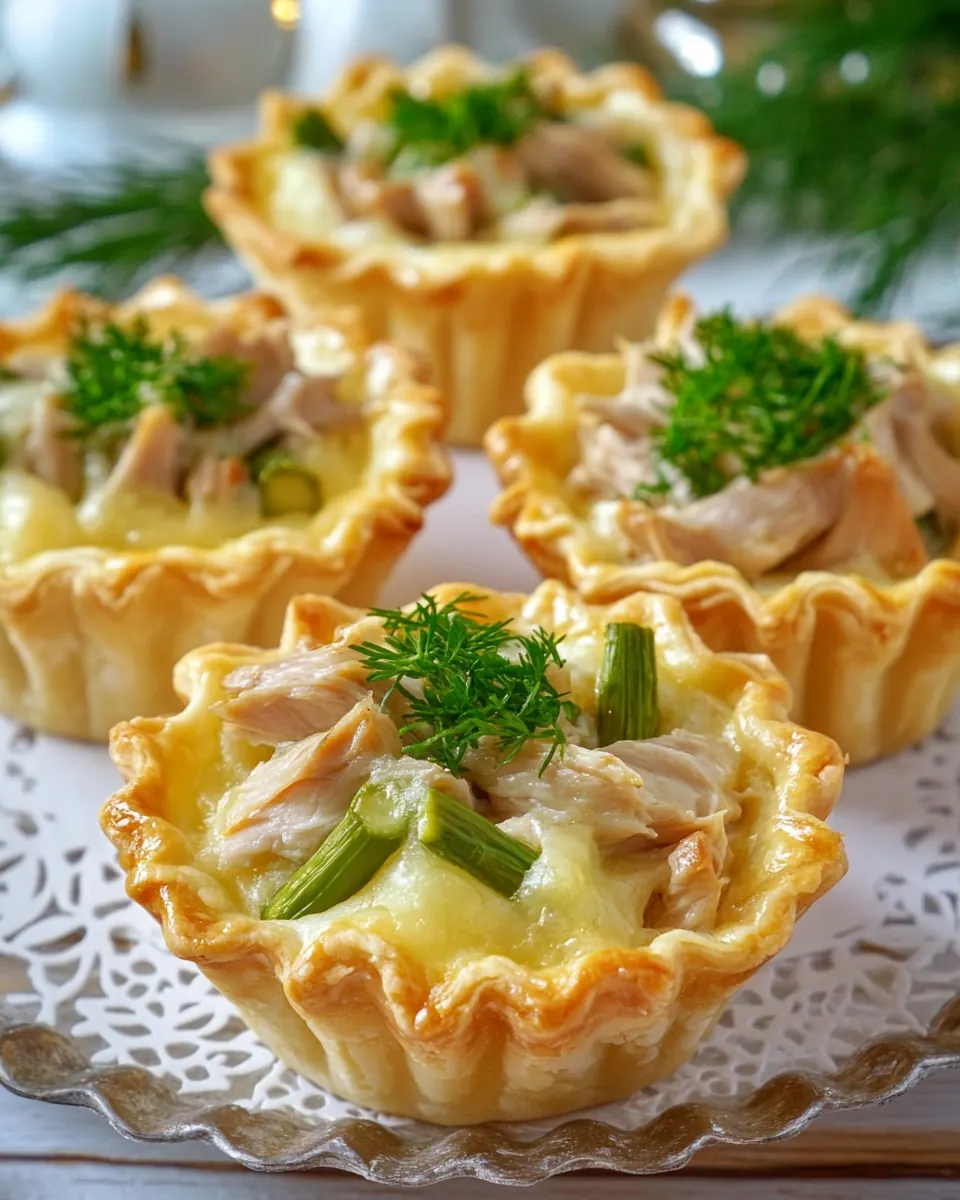
Danish Chicken and Asparagus Tartlets
Danish Chicken and Asparagus Tartlets were the kind of dish that first hooked me on weekend brunch experiments years ago when I was chasing light, savory bites that felt fancy without fuss. I remember the afternoon clearly, the sun coming through the kitchen window, and me juggling a pot on the stove while sneaking tastes of a creamy filling that smelled of butter and warm stock. That first batch taught me how comforting a simple combination of tender chicken and delicate asparagus can be when folded into a silky sauce and baked briefly inside a crisp tartlet shell.
Since then, I’ve adjusted small things each time I make Danish Chicken and Asparagus Tartlets, learning when the roux needs a minute more to cook through, and how a splash of reserved broth lifts the flavor without watering it down. I love how the tartlets travel well to potlucks, and how they feel both homely and refined at the same time. Over the years, I’ve also learned the forgiving moments in the recipe, like when to shred versus dice the chicken and how to time the asparagus so it stays tender but not mushy.
Cooking these tartlets for friends became my quiet way of showing care. I often make them when I want a light dinner that still feels celebratory, or when company arrives and I want something that tastes like effort without a dinner table full of chaos. Each bite is a contrast of textures and gentle flavors, and I’m always delighted watching people take that first cautious forkful and then reach for seconds. If you enjoy hands on, comforting plates that look elegant with minimal garnish, you will find these tartlets to be one of those recipes you return to again and again.
Recipe Snapshot
55 mins
10 mins
45 mins
Medium
350 kcal
American
Gluten-Free, Low FODMAP
Appetizers
Large pot, Saucepan, Sieve, Knife
The Magic of This Danish Chicken and Asparagus Tartlets
Rich yet restrained flavor
I love how Danish Chicken and Asparagus Tartlets balance a creamy sauce with bright vegetable notes. The chicken gives savory depth while the asparagus brings a gentle vegetal lift, so every bite avoids feeling heavy. I appreciate that the sauce is luxurious without being greasy, so you get comfort without collapse.
Make ahead friendly
One of the reasons I keep coming back to this recipe is its make ahead potential. You can simmer the stock and poach the chicken earlier in the day, chill the filling, and then simply warm and assemble when guests arrive. I’ve done this countless times when I wanted to spend more time at the table and less by the stove.
Textural contrast
The crunchy shell of a tartlet paired with a velvety filling is endlessly satisfying. When I bite into a warm tartlet, I love the audible crisp, followed by a soft interior. That contrast is why these feel special even if the ingredients are humble.
Simple pantry ingredients
I often say recipes that rely on pantry basics are winners. This one uses staples like butter, flour, and milk, plus the more distinct players, chicken and asparagus. I can usually pull everything together without a special grocery run, which makes it my go to for last minute hosting.
Versatile for occasions
From light lunches to buffet spreads, I use these tartlets in many settings. They read well on a spring brunch menu or as part of a finger food selection at informal gatherings. I especially like serving them when I want an approachable dish that still looks thoughtfully composed.
Essential Ingredients for Danish Chicken and Asparagus Tartlets
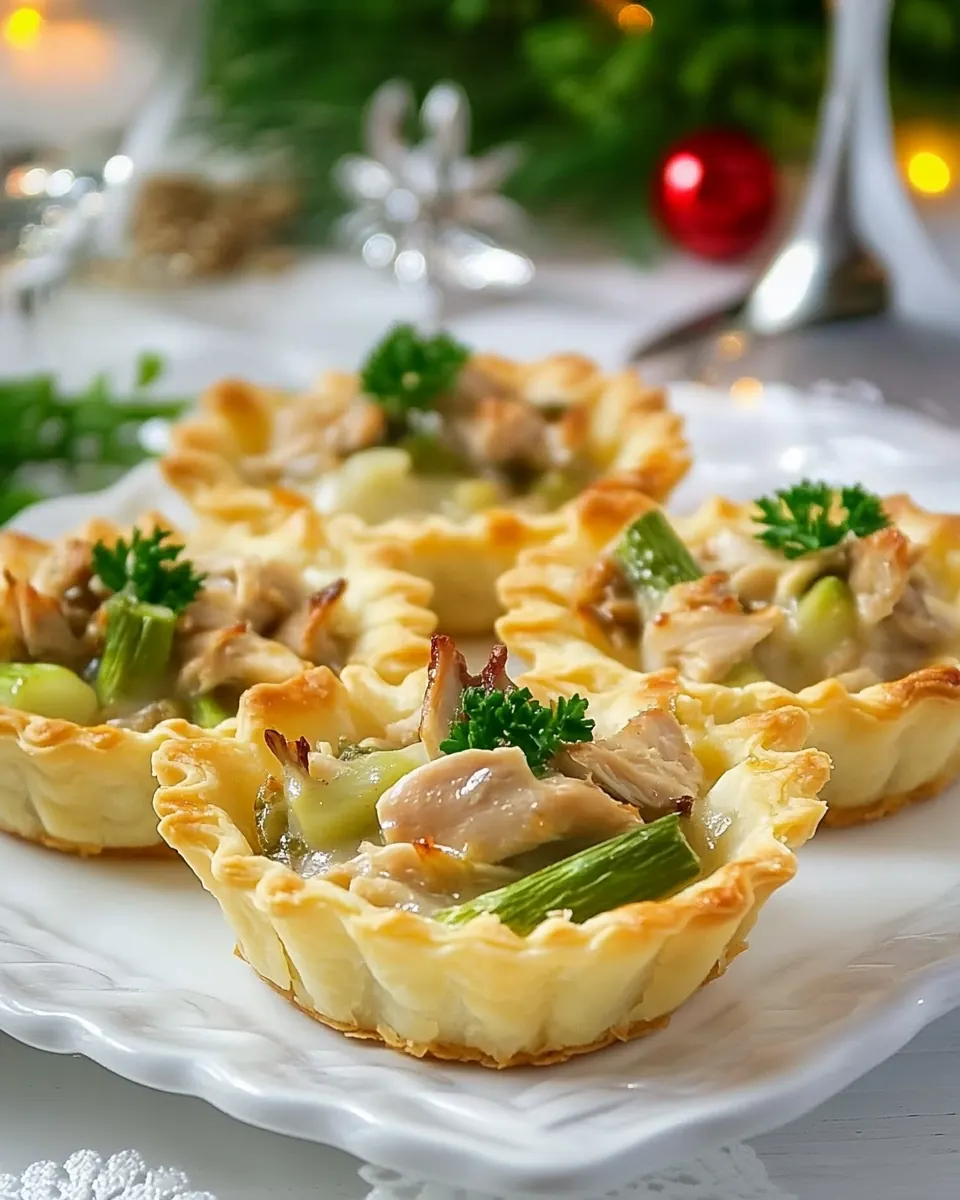
The success of these tartlets comes down to a few dependable ingredients that work in concert. I prioritize a good poach for the chicken so it stays moist, and a properly cooked roux to build a stable, glossy sauce. The asparagus adds seasonal brightness, while store bought tartlet shells save time and deliver crisp texture. Together these elements create a balanced, comforting bite.
- 1/2 gal water: Boil to create a base for cooking and blanching; used to simmer vegetables and poach proteins, providing heat transfer and dilution. Contribute neutral flavor while extracting aromatics from onion and carrot during stock preparation. Help control temperature in the recipe and adjust consistency of sauces or fillings.
- 4/5 cup chicken stock: Enrich the filling with concentrated savory flavor and umami notes; used to intensify the chicken taste in the sauce and braising liquid. Add depth to the overall dish and provide liquid for simmering the chicken and vegetables. Balance saltiness when combined with salt adjustments.
- 1 onion chopped: Sauté chopped to build aromatic depth and sweetness; used as a flavor foundation for the filling and to deglaze the pan. Contribute texture and natural sugars that caramelize slightly during cooking, enhancing the savory profile. Release moisture and soluble aromatics that infuse the stock and sauce.
- 1 carrot chopped: Simmer chopped to add natural sweetness, body, and vegetal flavor; used alongside onion to create a balanced aromatic base for the chicken and sauce. Provide texture and bulk to the filling while contributing soluble pectins that help thicken the liquid. Carrot solids can be softened and partially pureed into the sauce if desired.
- 12 oz chicken breast: Poach or simmer as the primary protein; used to provide tender, lean chicken pieces for the tartlet filling. Offer substantial texture and flavor when cooked in stock or broth, and contribute protein that pairs well with the creamy sauce. Can be shredded or diced to distribute evenly in each tartlet.
- 5 oz white asparagus fresh or canned: Slice or chop for vegetal brightness and a distinct mild, slightly sweet flavor; use either fresh or well-drained canned to add asparagus character to the filling. Contribute both texture and a subtly grassy note that complements chicken and cream elements. Preserve tips if possible for presentation or add evenly chopped stalks for consistency.
- 1 1/2 oz butter: Melt to form the fat base for the roux and enrich the sauce with a silky mouthfeel; used to cook the flour and add buttery flavor. Provide gloss and help integrate dairy and stock into a cohesive cream sauce. Control browning of the roux to manage final sauce color and taste.
- 5 tbsp all purpose flour: Cook into a roux to thicken the sauce and provide body and structure to the filling; use with butter to absorb fat and form a paste before adding liquids. Provide a neutral thickening mechanism that prevents separation and yields a smooth, stable sauce. Adjust amount gradually to reach desired consistency without lumps.
- 4/5 cup milk: Heat and incorporate into the roux to create a creamy base and control sauce richness; used to add dairy flavor and adjust viscosity. Contribute calcium and mild sweetness while tempering heat for a smooth sauce. Balance with stock to achieve the right creaminess for the tartlet filling.
- 4/5 cup chicken broth: Simmer as a savory liquid component to enhance chicken flavor and adjust sauce consistency; used in combination with other liquids for depth and body. Provide additional seasoning potential and help dissolve thickeners for a cohesive filling. Work with the other stock to fine-tune saltiness and umami.
- salt to taste: Season sparingly to enhance and balance overall flavors; used to adjust taste at multiple stages of cooking, especially in the sauce and filling. Actively control perceived saltiness and bring out natural flavors in chicken, vegetables, and dairy. Be added gradually and tasted to avoid oversalting.
- pepper to taste: Season delicately to add warmth and a subtle sharpness; used to balance richness and highlight savory elements in the filling. Provide a background spice that lifts the dish without overpowering delicate asparagus and herbs. Adjust to taste for final seasoning.
- 12 store-bought tartlets: Bake or fill with the prepared mixture to provide a crisp, pre-formed vessel; used as the base that holds the chicken and asparagus filling in individual servings. Contribute buttery, flaky texture and convenient portioning while contrasting with creamy interior. Offer a structural element that can be warmed or lightly toasted before serving.
- fresh parsley or dill, chopped: Garnish chopped to add fresh herbal brightness and a pop of color; used to finish the tartlets with aromatic lift and slight herbaceous contrast. Contribute subtle freshness that balances buttery pastry and creamy filling; choose parsley for clean flavor or dill for a slightly tangy, anise-like note.
Recipe Directions for Danish Chicken and Asparagus Tartlets

These directions walk you through the process as I make it at home, step by step. Think of this as a gentle guide that emphasizes sensory cues and practical troubleshooting so you can follow along confidently. Keep a spoon handy for tasting and adjust heat as you go.
- Place the water in a large pot and bring it to a boil. Add the chicken stock, onion, carrot and chicken fillets. Season with salt and pepper and simmer for 20 minutes.: As the pot heats, you'll notice the surface begin to move and send off steam, with small bubbles forming first then growing into a steady boil. The aroma is faintly mineral, and once boiling, lower the heat to maintain a gentle simmer which ensures even cooking without tearing the meat fibers. This technique matters because a rolling boil can make the chicken tough and stringy. A common mistake is leaving the pot at a furious boil, which over-agitates the liquid and leads to uneven doneness.
- Meanwhile, if you're using fresh asparagus, boil it in a pot of salted water for 15-20 minutes until tender. Cut it into small chunks.: When you add these, the pot will transiently quiet as temperatures adjust, and the stock will begin releasing savory scents. The onion and carrot start to perfume the broth, creating a foundation of flavor for the chicken . Keep the simmer gentle so the chicken cooks through slowly, preserving moisture. If you rush this stage with higher heat, the chicken can seize up and dry out.
- Once cooked, transfer the chicken to a dish and allow to cool. Once it has become cool enough to handle without burning yourself, dice it into small pieces.: As the simmer progresses you will see the broth soften in color and the aromas deepen. After about 20 minutes, pierce the thickest part of a fillet to check doneness, it should offer little resistance and release clear juices. This timing ensures the chicken is cooked through yet still tender. Overcooking is the main pitfall here, producing stringy meat that will detract from the filling s texture.
- Strain the chicken soup and reserve for later. Discard the vegetables.: The asparagus will shift from firm to yielding, and its color may pale slightly depending on the variety. I aim for tender but still with slight bite, then quickly chop into small chunks. This matters because floppy asparagus becomes mushy inside the tartlet. A typical mistake is leaving it in the water too long, which compromises texture and color.
- Melt the butter in a saucepan and stir in the flour, thoroughly to form a roux. Slowly add the milk, little by little, then 4/5 cup of the chicken soup, mixing until all the flour dissolves. Adjust the seasoning with salt and pepper if necessary and allow it to cook and thicken for another 10 minutes or so, making sure to stir every so often so it doesn't burn.: As you chop, the asparagus will release a mild vegetal aroma and the cut surfaces show whether the interior is cooked properly. Smaller pieces distribute flavor evenly through each tartlet and make for a balanced bite. If pieces are too large, bites can be uneven, with one mouthful dominated by asparagus and another by sauce.
- Throw in the chicken and asparagus pieces and heat everything through.: Cooling the chicken slightly reduces carryover cooking and makes handling safer. You will notice the surface steam dissipate and the meat firm just a touch as it cools. Cooling also helps maintain moisture when you dice it. A common mistake is dicing when the meat is too hot, which can make the pieces fall apart or release too much liquid into the filling.
- Warm the tartlet cups according to package instructions and fill them with the chicken and asparagus mixture.: The texture will be firm yet tender, and the diced pieces should hold together without shredding. Small dice ensures even distribution through each tartlet, avoiding biting into a dry chunk. If pieces are uneven, some tartlets will be texturally off balance.
- Sprinkle a pinch of chopped fresh parsley or dill over the top and serve.: Pouring the liquid through a sieve will leave a clear, flavorful stock behind and remove the cooked onion and carrot solids. The reserved soup is concentrated with savory notes that enrich the sauce. I always taste it to judge how much to add back later. A pitfall is discarding the stock which wastes flavor and forces you to dilute the sauce with plain water.
- Enjoy!: After straining, the softened onion and carrot have already given their flavor to the stock, and removing them keeps the final filling smooth and uniform. This step prevents unexpected fibrous bits in the mouthfeel of the tartlets. Avoid leaving large chunks behind which can make the filling grainy.
- Melt the butter in a saucepan and stir in the flour, thoroughly to form a roux: As the butter melts it will foam slightly and then calm as you sprinkle in the flour . Whisk constantly until the mixture is smooth and lightly fragrant, without letting it color. This pale roux creates the base for a glossy sauce; cooking it too briefly leaves a raw flour taste, while overbrowning alters the intended gentle flavor.
- Slowly add the milk, little by little, then 4/5 cup of the chicken soup, mixing until all the flour dissolves: When you introduce the liquids gradually, the mixture emulsifies into a smooth cream that thickens evenly. The sauce will hiss gently as it warms and begin to thicken into a silkier consistency. This method prevents lumps and produces a silky mouthfeel. Adding all the liquid at once can shock the roux and create clumps that are hard to fix.
- Adjust the seasoning with salt and pepper if necessary and allow it to cook and thicken for another 10 minutes or so: The sauce will reduce slightly and coat the back of a spoon when ready, with a gentle aroma of cooked butter and stock. Stir periodically to prevent sticking and to monitor thickness. This step matters because undercooked sauce can taste raw and thin, while over-reduction concentrates salt and can make it gluey.
- Making sure to stir every so often so it doesn't burn: Regular stirring prevents the sauce from catching on the pan s bottom, which would create bitter browned bits. You will feel the sauce loosen and tighten as moisture evaporates, and your whisk strokes will become more resistant as it approaches the right texture. Neglect here can lead to scorching that ruins the filling s flavor.
- Throw in the chicken and asparagus pieces and heat everything through: Once combined, the mixture will steam and the aromas will meld, signaling readiness. The filling should be warm throughout, and you will see the sauce clinging to the diced chicken and asparagus . Heating through ensures flavors marry without further cooking the solids into toughness. A typical mistake is overheating, which can leach moisture out of the chicken and make it dry.
- Warm the tartlet cups according to package instructions and fill them with the chicken and asparagus mixture: Warming the shells crisps them and helps keep the filling from making them soggy. As you spoon the filling in, look for even distribution so each tartlet has balance. Assemble just before serving for the best texture, and avoid filling hours ahead which invites sogginess.
- Sprinkle a pinch of chopped fresh parsley or dill over the top and serve: Fresh herbs add a bright finish and a pop of color that lifts the appearance and aroma. Chop finely so the herb melds with each bite. Adding herbs too early causes them to darken and lose freshness, so garnish at the last moment.
- Enjoy!: The first bite should offer crispness from the shell, followed by the creamy, savory filling and herbaceous lift. Take note of the balance and consider what adjustments you might make next time for personal preference. Rushing through plating can cool the tartlets, so serve promptly for the best experience.
Recipe Notes about Danish Chicken and Asparagus Tartlets

Ive written these notes as if I were standing next to you in the kitchen, pointing out the small choices that make a big difference. Read them before you start so you feel confident about timing and texture. They focus on practical, repeatable strategies I use every time I prepare these tartlets.
- Reserve flavored stock Keep some of the poaching liquid to thin the sauce, it adds depth that plain water cannot replicate, and lets you control salt and intensity gradually.
- Temperature matters Bring the milk closer to room temperature before adding it to the roux to prevent sudden cooling that can cause lumping; warm ingredients incorporate more smoothly.
- Watch the asparagus For fresh spears, test a thick piece at the 12 minute mark; it should give slightly to pressure but not collapse, this keeps the final bite pleasantly textured.
- Mind your seasoning Taste the sauce as it finishes, since reduction concentrates salt, and adjust sparingly to avoid oversalting the entire batch.
- Assemble last minute Fill shells just before serving to maintain their crunch; if you must make ahead, keep shells and filling separate and combine shortly before guests arrive.
Great Combinations for Danish Chicken and Asparagus Tartlets
These tartlets pair beautifully with simple sides and suit several occasions. Below I outline serving ideas, storage cues, and seasonal pairings that I often use when planning a menu. Each suggestion is meant to enhance the tartlets gentle flavors without overwhelming them.
- Spring brunch Serve the tartlets alongside a crisp green salad dressed lightly with lemon and olive oil, the brightness complements the creamy filling perfectly.
- Light dinner Pair with steamed new potatoes or a small bowl of clear vegetable broth to keep the meal balanced and unfussy for weekday evenings.
- Party platter Arrange tartlets on a platter with raw vegetable sticks and a simple yogurt dip for a mix of textures that guests can graze on easily.
- Storage tips Refrigerate the filling in an airtight container for up to two days, and keep tartlet shells separate until just before serving to avoid sogginess.
- Seasonal pairing Highlight local spring vegetables such as peas or baby greens as a side; their fresh profiles align with the lightness of the tartlets.
- Occasion ideas These work well for baby showers, casual weddings, or Ramadan if youre looking for a light, savory option for iftar that is gentle on the palate.
FAQ
Conclusion
These tartlets stand out because they marry simple, familiar ingredients into a refined, approachable bite. The combination of tender chicken, delicate asparagus, and a creamy, well seasoned sauce inside a crisp tartlet is what makes this recipe feel both comforting and elegant. I encourage you to give it a try for your next brunch or casual gathering; its forgiving, portable, and always earns compliments without requiring complicated techniques. Make the filling ahead if you like, warm and assemble when guests arrive, and enjoy the way small thoughtful details turn humble ingredients into something memorable.
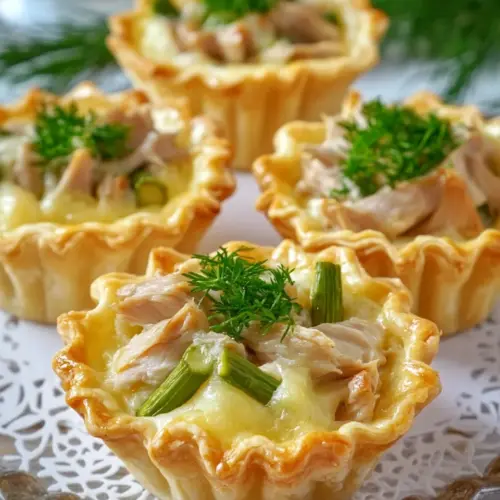
Danish Chicken and Asparagus Tartlets
Equipment
- Large Pot
- Saucepan
- Sieve
- Knife
Ingredients
- 1/2 gal water Boil to create a base for cooking and blanching; used to simmer vegetables and poach proteins, providing heat transfer and dilution. Contribute neutral flavor while extracting aromatics from onion and carrot during stock preparation. Help control temperature in the recipe and adjust consistency of sauces or fillings.
- 4/5 cup chicken stock Enrich the filling with concentrated savory flavor and umami notes; used to intensify the chicken taste in the sauce and braising liquid. Add depth to the overall dish and provide liquid for simmering the chicken and vegetables. Balance saltiness when combined with salt adjustments.
- 1 onion chopped Sauté chopped to build aromatic depth and sweetness; used as a flavor foundation for the filling and to deglaze the pan. Contribute texture and natural sugars that caramelize slightly during cooking, enhancing the savory profile. Release moisture and soluble aromatics that infuse the stock and sauce.
- 1 carrot chopped Simmer chopped to add natural sweetness, body, and vegetal flavor; used alongside onion to create a balanced aromatic base for the chicken and sauce. Provide texture and bulk to the filling while contributing soluble pectins that help thicken the liquid. Carrot solids can be softened and partially pureed into the sauce if desired.
- 12 oz chicken breast Poach or simmer as the primary protein; used to provide tender, lean chicken pieces for the tartlet filling. Offer substantial texture and flavor when cooked in stock or broth, and contribute protein that pairs well with the creamy sauce. Can be shredded or diced to distribute evenly in each tartlet.
- 5 oz white asparagus fresh or canned Slice or chop for vegetal brightness and a distinct mild, slightly sweet flavor; use either fresh or well-drained canned to add asparagus character to the filling. Contribute both texture and a subtly grassy note that complements chicken and cream elements. Preserve tips if possible for presentation or add evenly chopped stalks for consistency.
- 1 1/2 oz butter Melt to form the fat base for the roux and enrich the sauce with a silky mouthfeel; used to cook the flour and add buttery flavor. Provide gloss and help integrate dairy and stock into a cohesive cream sauce. Control browning of the roux to manage final sauce color and taste.
- 5 tbsp all purpose flour Cook into a roux to thicken the sauce and provide body and structure to the filling; use with butter to absorb fat and form a paste before adding liquids. Provide a neutral thickening mechanism that prevents separation and yields a smooth, stable sauce. Adjust amount gradually to reach desired consistency without lumps.
- 4/5 cup milk Heat and incorporate into the roux to create a creamy base and control sauce richness; used to add dairy flavor and adjust viscosity. Contribute calcium and mild sweetness while tempering heat for a smooth sauce. Balance with stock to achieve the right creaminess for the tartlet filling.
- 4/5 cup chicken broth Simmer as a savory liquid component to enhance chicken flavor and adjust sauce consistency; used in combination with other liquids for depth and body. Provide additional seasoning potential and help dissolve thickeners for a cohesive filling. Work with the other stock to fine-tune saltiness and umami.
- salt to taste Season sparingly to enhance and balance overall flavors; used to adjust taste at multiple stages of cooking, especially in the sauce and filling. Actively control perceived saltiness and bring out natural flavors in chicken, vegetables, and dairy. Be added gradually and tasted to avoid oversalting.
- pepper to taste Season delicately to add warmth and a subtle sharpness; used to balance richness and highlight savory elements in the filling. Provide a background spice that lifts the dish without overpowering delicate asparagus and herbs. Adjust to taste for final seasoning.
- 12 store-bought tartlets Bake or fill with the prepared mixture to provide a crisp, pre-formed vessel; used as the base that holds the chicken and asparagus filling in individual servings. Contribute buttery, flaky texture and convenient portioning while contrasting with creamy interior. Offer a structural element that can be warmed or lightly toasted before serving.
- fresh parsley or dill, chopped Garnish chopped to add fresh herbal brightness and a pop of color; used to finish the tartlets with aromatic lift and slight herbaceous contrast. Contribute subtle freshness that balances buttery pastry and creamy filling; choose parsley for clean flavor or dill for a slightly tangy, anise-like note.
Instructions
- Place the water in a large pot and bring it to a boil. Add the chicken stock, onion, carrot and chicken fillets. Season with salt and pepper and simmer for 20 minutes.: As the pot heats, you'll notice the surface begin to move and send off steam, with small bubbles forming first then growing into a steady boil. The aroma is faintly mineral, and once boiling, lower the heat to maintain a gentle simmer which ensures even cooking without tearing the meat fibers. This technique matters because a rolling boil can make the chicken tough and stringy. A common mistake is leaving the pot at a furious boil, which over-agitates the liquid and leads to uneven doneness.
- Meanwhile, if you're using fresh asparagus, boil it in a pot of salted water for 15-20 minutes until tender. Cut it into small chunks.: When you add these, the pot will transiently quiet as temperatures adjust, and the stock will begin releasing savory scents. The onion and carrot start to perfume the broth, creating a foundation of flavor for the chicken . Keep the simmer gentle so the chicken cooks through slowly, preserving moisture. If you rush this stage with higher heat, the chicken can seize up and dry out.
- Once cooked, transfer the chicken to a dish and allow to cool. Once it has become cool enough to handle without burning yourself, dice it into small pieces.: As the simmer progresses you will see the broth soften in color and the aromas deepen. After about 20 minutes, pierce the thickest part of a fillet to check doneness, it should offer little resistance and release clear juices. This timing ensures the chicken is cooked through yet still tender. Overcooking is the main pitfall here, producing stringy meat that will detract from the filling s texture.
- Strain the chicken soup and reserve for later. Discard the vegetables.: The asparagus will shift from firm to yielding, and its color may pale slightly depending on the variety. I aim for tender but still with slight bite, then quickly chop into small chunks. This matters because floppy asparagus becomes mushy inside the tartlet. A typical mistake is leaving it in the water too long, which compromises texture and color.
- Melt the butter in a saucepan and stir in the flour, thoroughly to form a roux. Slowly add the milk, little by little, then 4/5 cup of the chicken soup, mixing until all the flour dissolves. Adjust the seasoning with salt and pepper if necessary and allow it to cook and thicken for another 10 minutes or so, making sure to stir every so often so it doesn't burn.: As you chop, the asparagus will release a mild vegetal aroma and the cut surfaces show whether the interior is cooked properly. Smaller pieces distribute flavor evenly through each tartlet and make for a balanced bite. If pieces are too large, bites can be uneven, with one mouthful dominated by asparagus and another by sauce.
- Throw in the chicken and asparagus pieces and heat everything through.: Cooling the chicken slightly reduces carryover cooking and makes handling safer. You will notice the surface steam dissipate and the meat firm just a touch as it cools. Cooling also helps maintain moisture when you dice it. A common mistake is dicing when the meat is too hot, which can make the pieces fall apart or release too much liquid into the filling.
- Warm the tartlet cups according to package instructions and fill them with the chicken and asparagus mixture.: The texture will be firm yet tender, and the diced pieces should hold together without shredding. Small dice ensures even distribution through each tartlet, avoiding biting into a dry chunk. If pieces are uneven, some tartlets will be texturally off balance.
- Sprinkle a pinch of chopped fresh parsley or dill over the top and serve.: Pouring the liquid through a sieve will leave a clear, flavorful stock behind and remove the cooked onion and carrot solids. The reserved soup is concentrated with savory notes that enrich the sauce. I always taste it to judge how much to add back later. A pitfall is discarding the stock which wastes flavor and forces you to dilute the sauce with plain water.
- Enjoy!: After straining, the softened onion and carrot have already given their flavor to the stock, and removing them keeps the final filling smooth and uniform. This step prevents unexpected fibrous bits in the mouthfeel of the tartlets. Avoid leaving large chunks behind which can make the filling grainy.
- Melt the butter in a saucepan and stir in the flour, thoroughly to form a roux: As the butter melts it will foam slightly and then calm as you sprinkle in the flour . Whisk constantly until the mixture is smooth and lightly fragrant, without letting it color. This pale roux creates the base for a glossy sauce; cooking it too briefly leaves a raw flour taste, while overbrowning alters the intended gentle flavor.
- Slowly add the milk, little by little, then 4/5 cup of the chicken soup, mixing until all the flour dissolves: When you introduce the liquids gradually, the mixture emulsifies into a smooth cream that thickens evenly. The sauce will hiss gently as it warms and begin to thicken into a silkier consistency. This method prevents lumps and produces a silky mouthfeel. Adding all the liquid at once can shock the roux and create clumps that are hard to fix.
- Adjust the seasoning with salt and pepper if necessary and allow it to cook and thicken for another 10 minutes or so: The sauce will reduce slightly and coat the back of a spoon when ready, with a gentle aroma of cooked butter and stock. Stir periodically to prevent sticking and to monitor thickness. This step matters because undercooked sauce can taste raw and thin, while over-reduction concentrates salt and can make it gluey.
- Making sure to stir every so often so it doesn't burn: Regular stirring prevents the sauce from catching on the pan s bottom, which would create bitter browned bits. You will feel the sauce loosen and tighten as moisture evaporates, and your whisk strokes will become more resistant as it approaches the right texture. Neglect here can lead to scorching that ruins the filling s flavor.
- Throw in the chicken and asparagus pieces and heat everything through: Once combined, the mixture will steam and the aromas will meld, signaling readiness. The filling should be warm throughout, and you will see the sauce clinging to the diced chicken and asparagus . Heating through ensures flavors marry without further cooking the solids into toughness. A typical mistake is overheating, which can leach moisture out of the chicken and make it dry.
- Warm the tartlet cups according to package instructions and fill them with the chicken and asparagus mixture: Warming the shells crisps them and helps keep the filling from making them soggy. As you spoon the filling in, look for even distribution so each tartlet has balance. Assemble just before serving for the best texture, and avoid filling hours ahead which invites sogginess.
- Sprinkle a pinch of chopped fresh parsley or dill over the top and serve: Fresh herbs add a bright finish and a pop of color that lifts the appearance and aroma. Chop finely so the herb melds with each bite. Adding herbs too early causes them to darken and lose freshness, so garnish at the last moment.
- Enjoy!: The first bite should offer crispness from the shell, followed by the creamy, savory filling and herbaceous lift. Take note of the balance and consider what adjustments you might make next time for personal preference. Rushing through plating can cool the tartlets, so serve promptly for the best experience.
Notes
- Reserve flavored stock Keep some of the poaching liquid to thin the sauce, it adds depth that plain water cannot replicate, and lets you control salt and intensity gradually.
- Temperature matters Bring the milk closer to room temperature before adding it to the roux to prevent sudden cooling that can cause lumping; warm ingredients incorporate more smoothly.
- Watch the asparagus For fresh spears, test a thick piece at the 12 minute mark; it should give slightly to pressure but not collapse, this keeps the final bite pleasantly textured.
- Mind your seasoning Taste the sauce as it finishes, since reduction concentrates salt, and adjust sparingly to avoid oversalting the entire batch.
- Assemble last minute Fill shells just before serving to maintain their crunch; if you must make ahead, keep shells and filling separate and combine shortly before guests arrive.