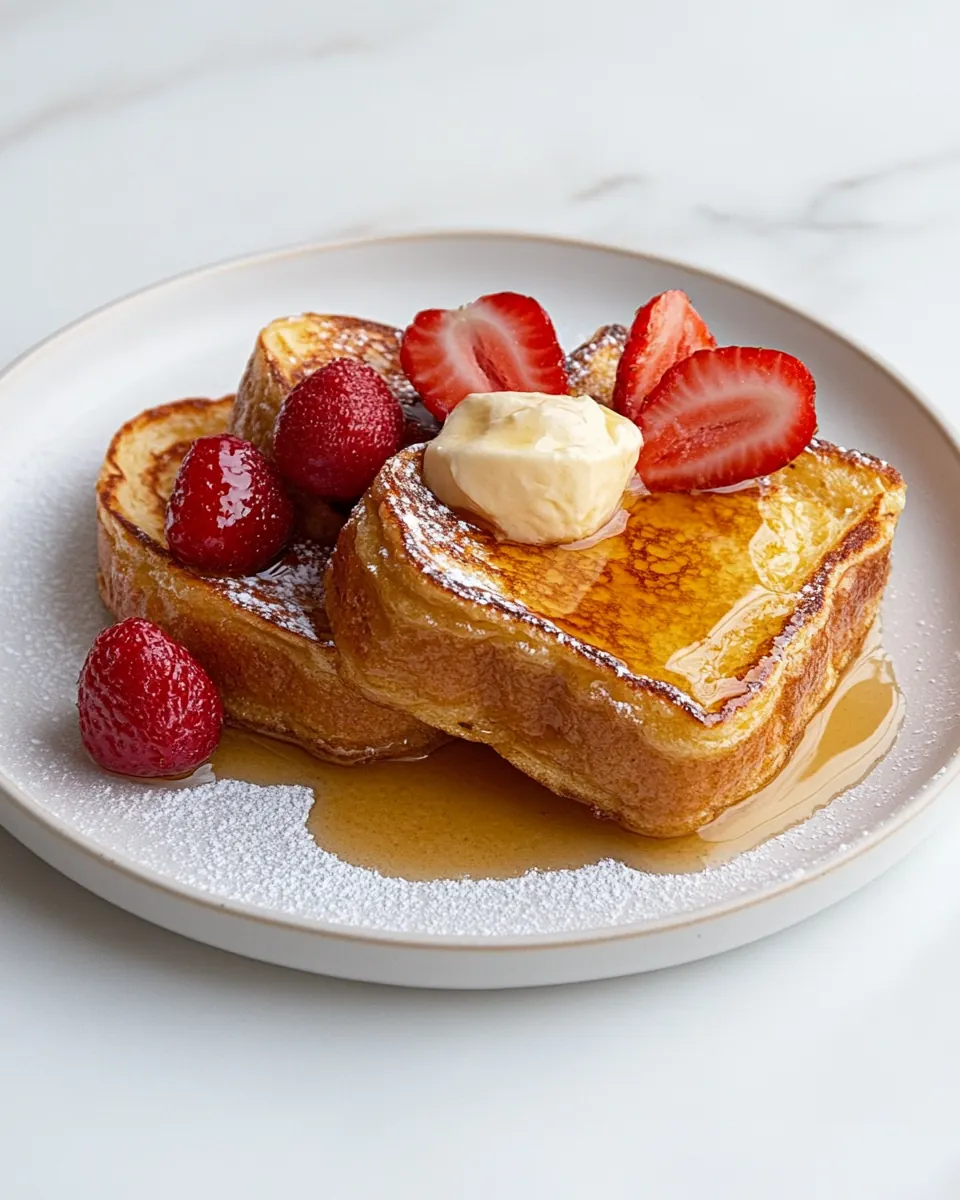
French Toast Recipe for One
French Toast Recipe for One is the little morning ritual I reach for when I want comfort without the fuss. On slow, quiet mornings I wander into the kitchen with the lingering warmth of my duvet still clinging to me, and that single skillet becomes a tiny stage for a simple treat. I remember the first time I made this for myself after a long night, and how the scent of warm bread and cinnamon felt like a warm note that steadied me for the day. That gentle sweetness, paired with rich, custardy texture, always feels like a hug in edible form.
Some days I make this when I need to celebrate small wins alone, other times I prepare it as a thoughtful pause between errands. The recipe is forgiving, so I often improvise depending on what I have on hand. A single egg makes a perfectly custardy soak, while a touch of milk and a whisper of brown sugar caramelize slightly as the butter sizzles in the skillet. The result is a crisp golden edge and a tender interior that soaks up maple syrup in the best possible way.
Because it is written for one, this version feels curated for those solo mornings when you want something special but not extravagant. I enjoy how quickly it comes together, and how every sensory cue tells me I did it right: the smell of toasted bread, the visual of deep golden color, and the sound of a soft sizzle when the slice hits the pan. I like to sit near the window with a cup of tea and watch steam rise as I drizzle syrup, thinking about small pleasures. It’s a simple ritual, but it always resets my day.
Recipe Snapshot
15 mins
5 mins
10 mins
Easy
300 kcal
American
Gluten-Free, Low FODMAP
Breakfast
Skillet, Shallow dish, Whisk
The Beauty of This French Toast Recipe for One
Comfort in a Single Serving
I love that French Toast Recipe for One gives you a full breakfast experience without producing leftovers. When I only want to cook for myself, the ability to make something that feels indulgent but still quick is priceless. The single portion format keeps things efficient while preserving all the cozy textures and flavors I crave.
Speed without Sacrifice
I often need breakfast fast, and this recipe delivers in minutes. The custard mixture comes together with a couple of whisks, and the skillet does the work. You get crispy edges and a soft center in very little time, which makes it perfect for busy weekday mornings or relaxed weekend brunches when you do not want to spend ages in the kitchen.
Ingredient Simplicity
What stands out to me is how few, humble ingredients create something so satisfying. With just an egg, a splash of milk, a pinch of cinnamon, and a little butter, you get layers of taste and texture. Each component plays a clear role: the egg builds the custard, the milk loosens the mixture for even soaking, and the brown sugar adds depth and gentle caramelization.
Flexibility and Forgiveness
I find this recipe very forgiving. If your slice of bread is thicker, let it soak slightly longer; if it is thin, a quick dunk will do. The skillet method gives you control over browning, so you can get it as golden as you like. That flexibility is a big reason I return to this recipe time and again.
Small Ritual, Big Impact
Finally, there is something ritualistic about preparing a single serving. The focused attention on one plate makes the experience feel intentional. I appreciate how this simple recipe can elevate a mundane morning into something quietly celebratory, and that is why it remains a favorite in my repertoire.
Ingredients Overview for French Toast Recipe for One
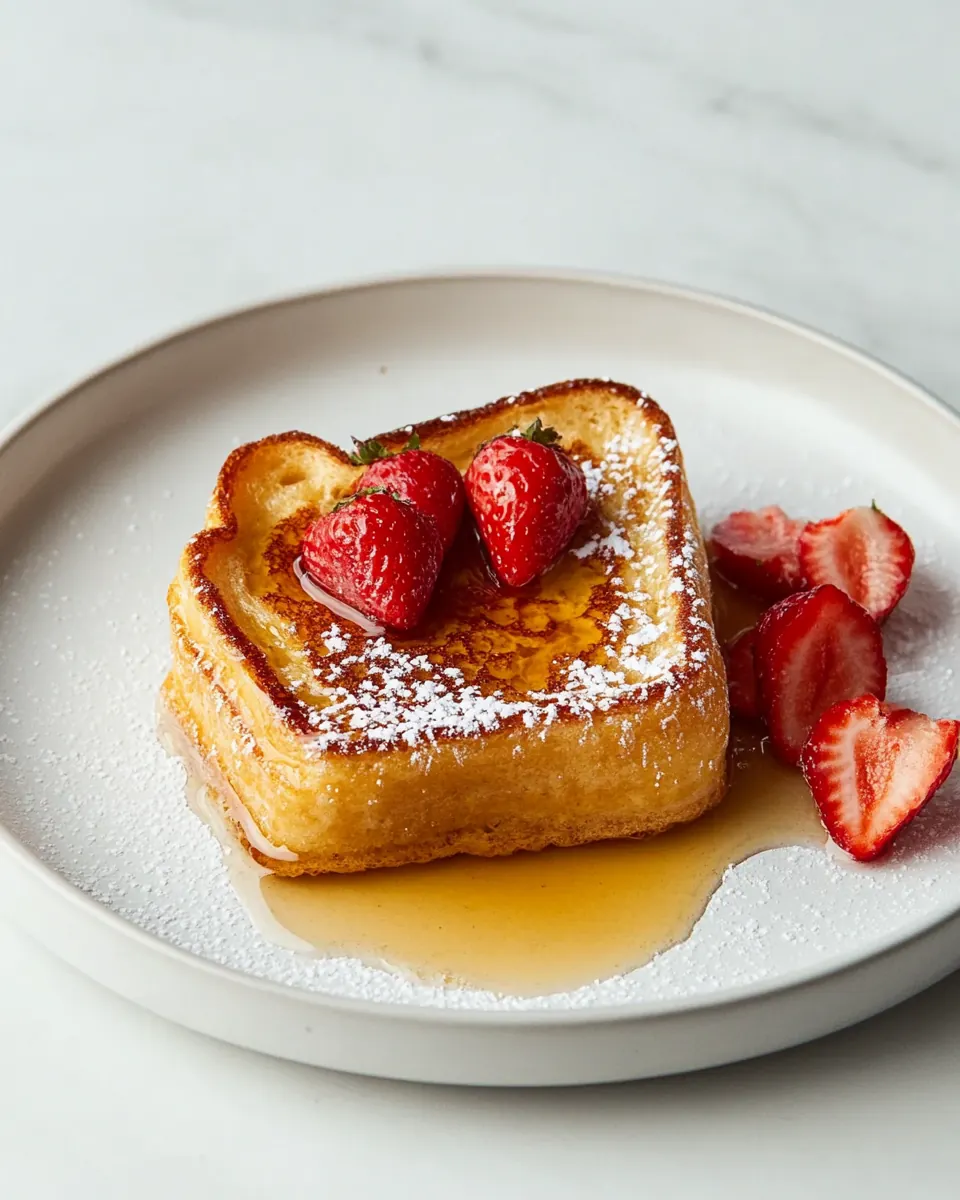
These ingredients are intentionally minimal so the custardy soak and the bread itself can shine. The key players are the egg and milk which form a rich custard, with brown sugar and cinnamon adding warm sweetness and spice. The butter in the skillet creates golden crisp edges while the chosen slice of bread brings structure and texture.
- 1 large egg: Whisk together thoroughly to create a rich custard base that binds and helps set the toast when cooked; provides structure and a silky texture once warmed.
- 1/4 cup whole milk: Pour in to loosen the custard and add creaminess, contributing to a tender, moist interior of the soaked bread while helping distribute flavors evenly.
- 1 teaspoon brown sugar: Sweeten gently to balance the egginess and enhance caramelization on the surface during cooking; helps create a lightly caramelized exterior and pleasant sweetness.
- 1/2 teaspoon vanilla extract: Flavor subtly to add aromatic depth and warmth; enhances the overall sweetness profile and pairs especially well with maple syrup when serving.
- 1 pinch ground cinnamon: Sprinkle sparingly to add warm, earthy spice and complexity; contributes a subtle background note that complements the sweetness and egg custard.
- 2 slices thick bread like brioche or challah: Soak thoroughly in the custard mixture to absorb flavors and provide a sturdy, tender base for frying; thick slices like brioche or challah deliver a rich, airy interior and hold up well without falling apart.
- 1 tablespoon unsalted butter plus extra for serving () (optional): Melt in the pan to prevent sticking and promote even browning, imparting a rich buttery flavor and creating a crisp golden crust while keeping the interior soft.
- Maple syrup for serving: Drizzle generously when serving to add sweetness and acidity balance, enhancing the overall flavor and providing a classic finishing touch that complements the custardy bread.
The Process for Making French Toast Recipe for One
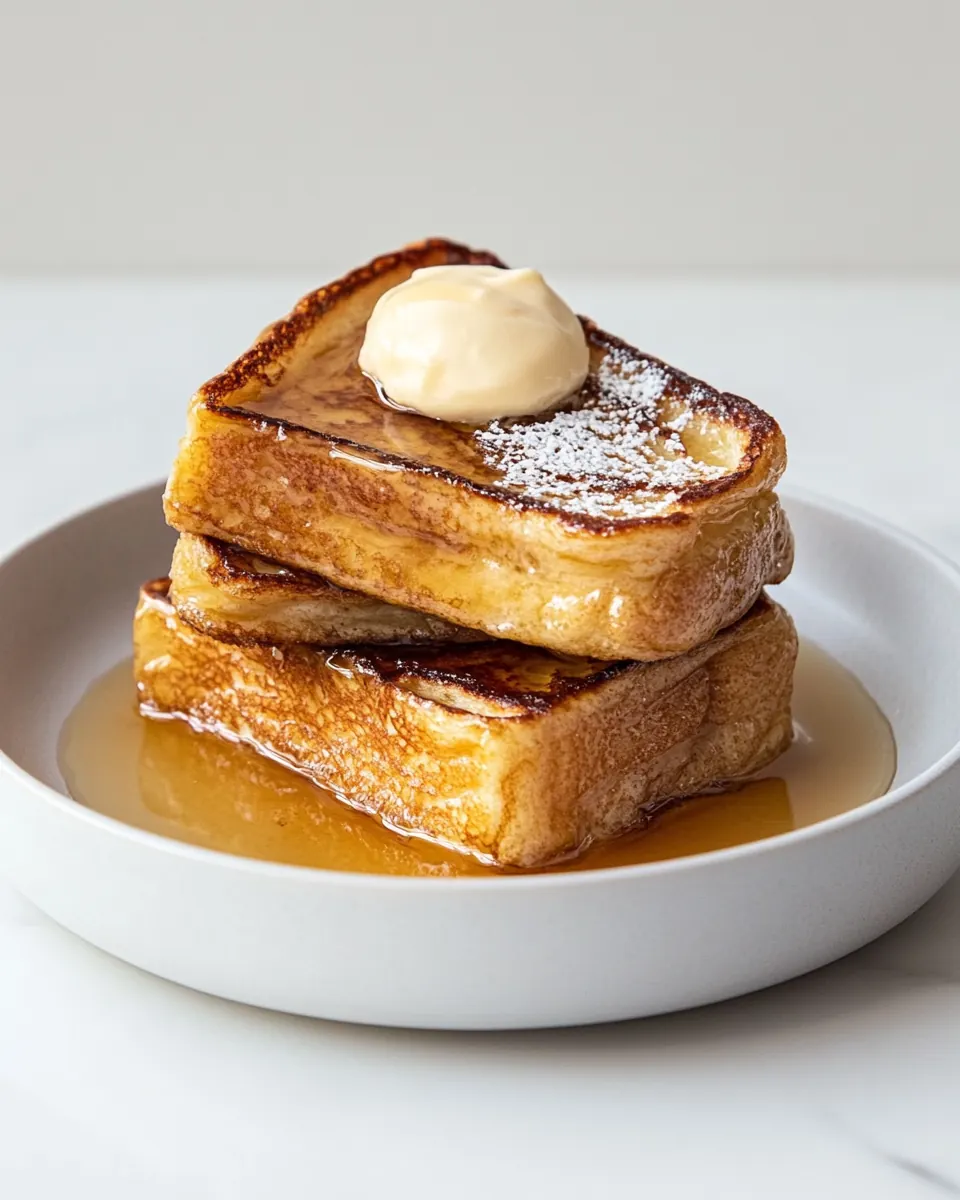
These steps are conversational and practical, meant to guide you through a calm, single person breakfast prep. I walk you through sensory cues and common pitfalls, so you know when the custard is right and when the skillet is at the correct heat. Follow the order and trust the visual and aromatic signals to produce perfect, golden slices.
- In a shallow dish, whisk together the egg, milk, vanilla extract, brown sugar, and cinnamon until well combined.: The aroma of cinnamon and vanilla will bloom as you whisk, creating a fragrant custard base. You should notice the brown sugar begin to dissolve, leaving a slight sheen on the surface. Whisking thoroughly matters because it ensures an even color and texture when the mixture soaks into the bread , preventing streaks of egg white or clumps of spice. A common mistake is under whisking, which can leave uneven pockets of flavor or cause parts of the custard to set prematurely when cooked. Aim for a smooth, homogeneous mixture with small bubbles around the edges to signal readiness.
- Dip each slice of bread into the egg mixture, allowing each side to soak for a few seconds.: As the bread meets the custard, you will see it darken slightly and feel the custard saturate the crumb. Thicker slices should be given a moment longer to absorb, while dense or slightly stale loaves might need a careful press to encourage the soak. The tactile cue is important; the bread should feel saturated but not dripping. Avoid the trap of over soaking, which leads to a soggy interior that will take longer to cook through and may fall apart in the pan. If the slices are overly wet, briefly rest them on a rack so excess custard drains away before cooking.
- Heat a skillet over medium heat and melt the butter.: You want the skillet to be comfortably warm so the butter foams and gives off a nutty scent without turning brown immediately. The sound when you add the toast should be a gentle sizzle, not an aggressive crackle, which would indicate the pan is too hot. Moderate heat ensures the exterior browns while the interior becomes custardy, avoiding burnt edges and raw centers. A common error is starting with too high heat, which creates a browned exterior before the inside cooks, resulting in imbalance. Adjust the flame if the butter smokes or darkens too quickly.
- Add the soaked bread slices to the skillet and cook until golden brown on each side, about 2 to 4 minutes per side. Try not to disturb the French toast too much while it cooks.: You will see the edges turn golden and the surface develop small caramelized bubbles. The sizzling sound should be steady but gentle, and the odor will move from buttery to toasty with sweet notes from the brown sugar . Letting the slices sit undisturbed allows a crust to form, which locks in the custardy interior. Flipping too often prevents that crust from developing and can cause the toast to break apart. If the surface is browning too fast, lower the heat and give the slice more time to cook through, otherwise the center will remain underdone.
- Serve the French toast immediately with a drizzle of maple syrup and extra butter if desired.: When you plate the toast, the final sensory moment arrives as the warm slices release steam and the maple syrup glistens on the surface. The contrast between the crisp edges and the soft interior is most pronounced right away, so serving promptly preserves that balance. If you wait too long, the crust softens and the texture becomes uniformly tender rather than layered. A frequent oversight is stacking slices while they are still hot, which traps steam and softens the crust, so plate single slices side by side or on a wire rack briefly if you must hold them.
Variations to Try
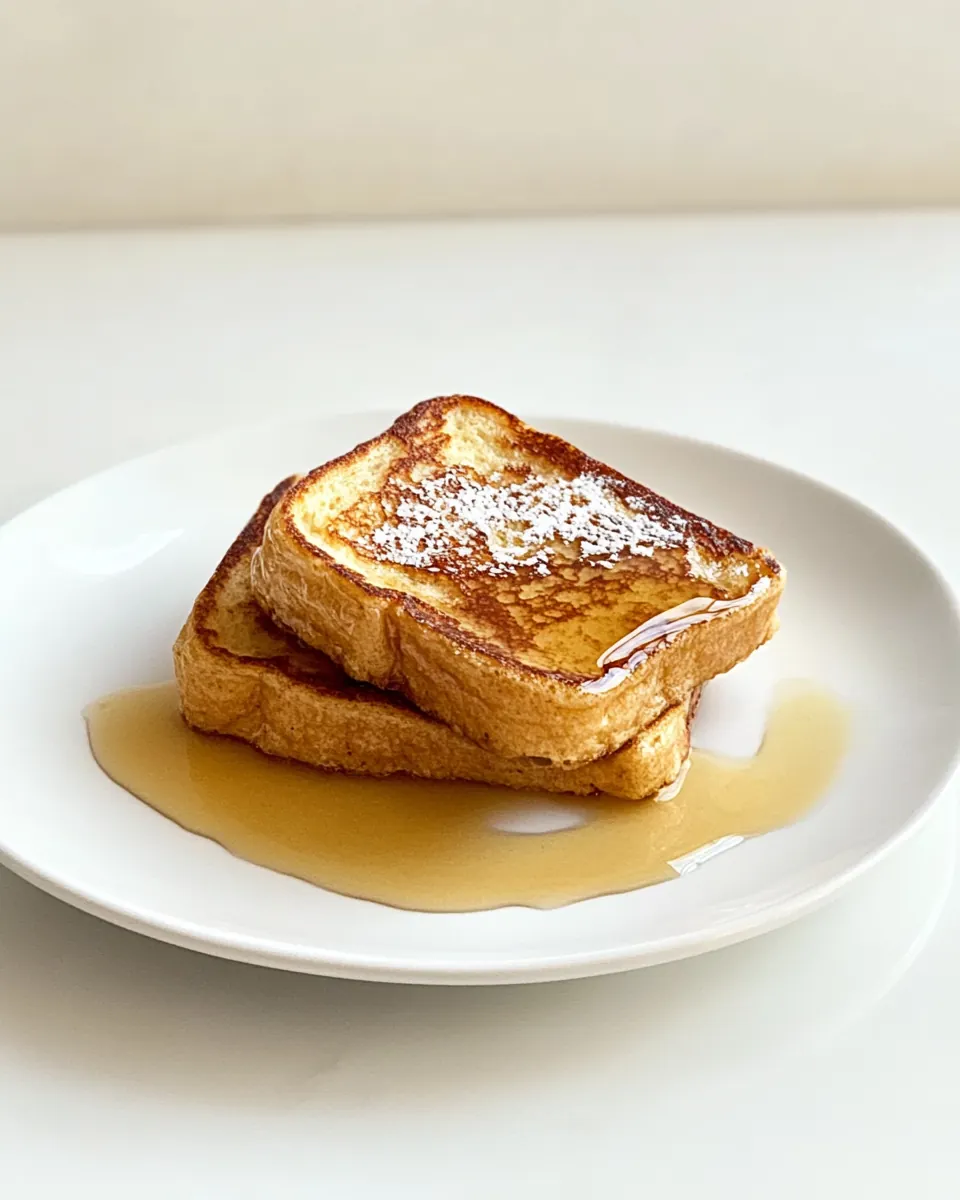
This recipe adapts well to small twists depending on what you have and how you feel. Below are useful variations and small tweaks that keep the base technique intact while adding flavorful changes. Each tip starts with a bold phrase to highlight the idea.
- Swap the bread wisely Try brioche or challah for a rich crumb, or a sturdy sourdough for tang and chew, both soak differently so adjust soak time slightly.
- Control sweetness with brown sugar Reduce the brown sugar for a less sweet profile or increase it for deeper caramelization on the crust.
- Opt for whole milk Whole milk gives a richer custard, while lower fat milks will yield a lighter texture but slightly less silkiness.
- Mind the butter temperature Melt the butter until foaming but not browned to avoid bitter flavors and to achieve even browning.
- Use a shallow dish for dipping A wide, shallow bowl allows even soaking and makes it easier to flip the slices without spills.
Great Combinations for French Toast Recipe for One
Serving this single portion can be simple or special depending on the occasion. Below are ideas for companions, occasions, and storage, organized into a list so you can mix and match depending on your mood. Each entry highlights a practical phrase in bold.
- Classic morning plate Serve the toast with a small pat of extra butter and a light drizzle of maple syrup, pairing it with a cup of tea or coffee for a cozy solo breakfast.
- Brunch setup Add a side of fresh fruit or a small yogurt to create a fuller brunch vibe, keeping the toast as the centerpiece without overwhelming its texture.
- Special occasion For a simple celebration, plate with a wedge of orange and an extra drizzle of maple syrup to add brightness and a bit of acidity to the sweet profile.
- Quick weekday treat Make this on busy mornings when you want a comforting, high impact breakfast with minimal cleanup and maximum satisfaction.
- Storage tip Store leftover uncut slices separately wrapped in the fridge for up to one day, then reheat gently in a skillet to revive the crust rather than microwaving which makes them soggy.
- Seasonal pairing In cooler months, enjoy with warm spices like extra cinnamon or a dusting of powdered sugar; in warmer months keep it light with citrus and fresh berries.
FAQ
Conclusion
This French Toast Recipe for One shines because it turns a few simple ingredients into a comforting, single serving breakfast that feels indulgent without effort. Try it when you want a little morning luxury that is fast to make and full of warm, familiar flavors. I hope you enjoy the ritual of cooking a small, thoughtful meal for yourself, and that this recipe becomes one of your reliable go to morning treats.
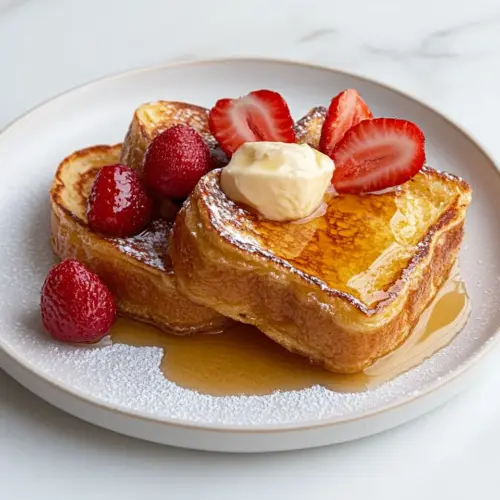
French Toast Recipe for One
Equipment
- Skillet
- Shallow Dish
- Whisk
Ingredients
- 1 large egg Whisk together thoroughly to create a rich custard base that binds and helps set the toast when cooked; provides structure and a silky texture once warmed.
- 1/4 cup whole milk Pour in to loosen the custard and add creaminess, contributing to a tender, moist interior of the soaked bread while helping distribute flavors evenly.
- 1 teaspoon brown sugar Sweeten gently to balance the egginess and enhance caramelization on the surface during cooking; helps create a lightly caramelized exterior and pleasant sweetness.
- 1/2 teaspoon vanilla extract Flavor subtly to add aromatic depth and warmth; enhances the overall sweetness profile and pairs especially well with maple syrup when serving.
- 1 pinch ground cinnamon Sprinkle sparingly to add warm, earthy spice and complexity; contributes a subtle background note that complements the sweetness and egg custard.
- 2 slices thick bread like brioche or challah Soak thoroughly in the custard mixture to absorb flavors and provide a sturdy, tender base for frying; thick slices like brioche or challah deliver a rich, airy interior and hold up well without falling apart.
- 1 tablespoon unsalted butter plus extra for serving (optional) Melt in the pan to prevent sticking and promote even browning, imparting a rich buttery flavor and creating a crisp golden crust while keeping the interior soft.
- Maple syrup for serving Drizzle generously when serving to add sweetness and acidity balance, enhancing the overall flavor and providing a classic finishing touch that complements the custardy bread.
Instructions
- In a shallow dish, whisk together the egg, milk, vanilla extract, brown sugar, and cinnamon until well combined.: The aroma of cinnamon and vanilla will bloom as you whisk, creating a fragrant custard base. You should notice the brown sugar begin to dissolve, leaving a slight sheen on the surface. Whisking thoroughly matters because it ensures an even color and texture when the mixture soaks into the bread , preventing streaks of egg white or clumps of spice. A common mistake is under whisking, which can leave uneven pockets of flavor or cause parts of the custard to set prematurely when cooked. Aim for a smooth, homogeneous mixture with small bubbles around the edges to signal readiness.
- Dip each slice of bread into the egg mixture, allowing each side to soak for a few seconds.: As the bread meets the custard, you will see it darken slightly and feel the custard saturate the crumb. Thicker slices should be given a moment longer to absorb, while dense or slightly stale loaves might need a careful press to encourage the soak. The tactile cue is important; the bread should feel saturated but not dripping. Avoid the trap of over soaking, which leads to a soggy interior that will take longer to cook through and may fall apart in the pan. If the slices are overly wet, briefly rest them on a rack so excess custard drains away before cooking.
- Heat a skillet over medium heat and melt the butter.: You want the skillet to be comfortably warm so the butter foams and gives off a nutty scent without turning brown immediately. The sound when you add the toast should be a gentle sizzle, not an aggressive crackle, which would indicate the pan is too hot. Moderate heat ensures the exterior browns while the interior becomes custardy, avoiding burnt edges and raw centers. A common error is starting with too high heat, which creates a browned exterior before the inside cooks, resulting in imbalance. Adjust the flame if the butter smokes or darkens too quickly.
- Add the soaked bread slices to the skillet and cook until golden brown on each side, about 2 to 4 minutes per side. Try not to disturb the French toast too much while it cooks.: You will see the edges turn golden and the surface develop small caramelized bubbles. The sizzling sound should be steady but gentle, and the odor will move from buttery to toasty with sweet notes from the brown sugar . Letting the slices sit undisturbed allows a crust to form, which locks in the custardy interior. Flipping too often prevents that crust from developing and can cause the toast to break apart. If the surface is browning too fast, lower the heat and give the slice more time to cook through, otherwise the center will remain underdone.
- Serve the French toast immediately with a drizzle of maple syrup and extra butter if desired.: When you plate the toast, the final sensory moment arrives as the warm slices release steam and the maple syrup glistens on the surface. The contrast between the crisp edges and the soft interior is most pronounced right away, so serving promptly preserves that balance. If you wait too long, the crust softens and the texture becomes uniformly tender rather than layered. A frequent oversight is stacking slices while they are still hot, which traps steam and softens the crust, so plate single slices side by side or on a wire rack briefly if you must hold them.
Notes
- Swap the bread wisely Try brioche or challah for a rich crumb, or a sturdy sourdough for tang and chew, both soak differently so adjust soak time slightly.
- Control sweetness with brown sugar Reduce the brown sugar for a less sweet profile or increase it for deeper caramelization on the crust.
- Opt for whole milk Whole milk gives a richer custard, while lower fat milks will yield a lighter texture but slightly less silkiness.
- Mind the butter temperature Melt the butter until foaming but not browned to avoid bitter flavors and to achieve even browning.
- Use a shallow dish for dipping A wide, shallow bowl allows even soaking and makes it easier to flip the slices without spills.