
Chicken Taco Salad
Chicken Taco Salad is the kind of meal I turn to when I want bright flavors without fuss, and it grabbed my attention the first time I made it for a hot summer night with friends.
I remember arriving home late from a farmers market run, arms full of tomatoes and cilantro, and knowing I wanted something crunchy, tangy, and satisfying. I browned chicken in a skillet while the house filled with the warm, savory scent of taco seasoning, and the contrast of cool, crisp lettuce with creamy avocado felt like an immediate win. Friends lingered at the kitchen counter, stealing spoonfuls of bright, herby dressing straight from the blender, and that casual, communal vibe is what this salad always brings to our table.
Over the years I tweaked the dressing to make it zesty and emulsified, making sure the lime sings through without overpowering the herbs. I prefer using a mix of textures, from shredded romaine for bulk to whole cherry tomatoes for bursts of sweetness, and that balance keeps every bite interesting. When I serve Chicken Taco Salad, people comment on the layers of flavor, and it feels like a celebration of simple ingredients done thoughtfully.
Recipe Snapshot
45 mins
30 mins
15 mins
Medium
350 kcal
Mexican
Gluten-Free, Low FODMAP
Salads
Blender or food processor, Large cast iron pan
The Best Thing About This Chicken Taco Salad
Fresh, layered flavors
I love how Chicken Taco Salad brings fresh herbs, citrus, and spices together so each forkful sings. The dressing brightens the lettuce without drowning it, and the interplay between tangy lime and savory chicken keeps the salad lively.
Quick to make, great for weeknights
This recipe is a practical favorite because it comes together fast, yet feels composed. I often make the dressing while the chicken sizzles, which saves time and keeps the momentum in the kitchen.
Textural contrasts
Crisp romaine, creamy avocado, and tender spiced chicken create contrast that makes bites interesting. I find that these textures prevent the salad from ever feeling monotonous.
Flexible and crowd friendly
I appreciate that this salad scales easily for guests, and components can be prepped ahead. When I host, I keep the dressing and avocado separate until serving so everything stays crisp and inviting.
Bright, customizable dressing
The zesty lime cilantro dressing ties the whole dish together, and you can tweak heat or acidity to match your mood. I like a touch of sweetness to round out the citrus, which keeps the dressing balanced.
Essential Ingredients for Chicken Taco Salad
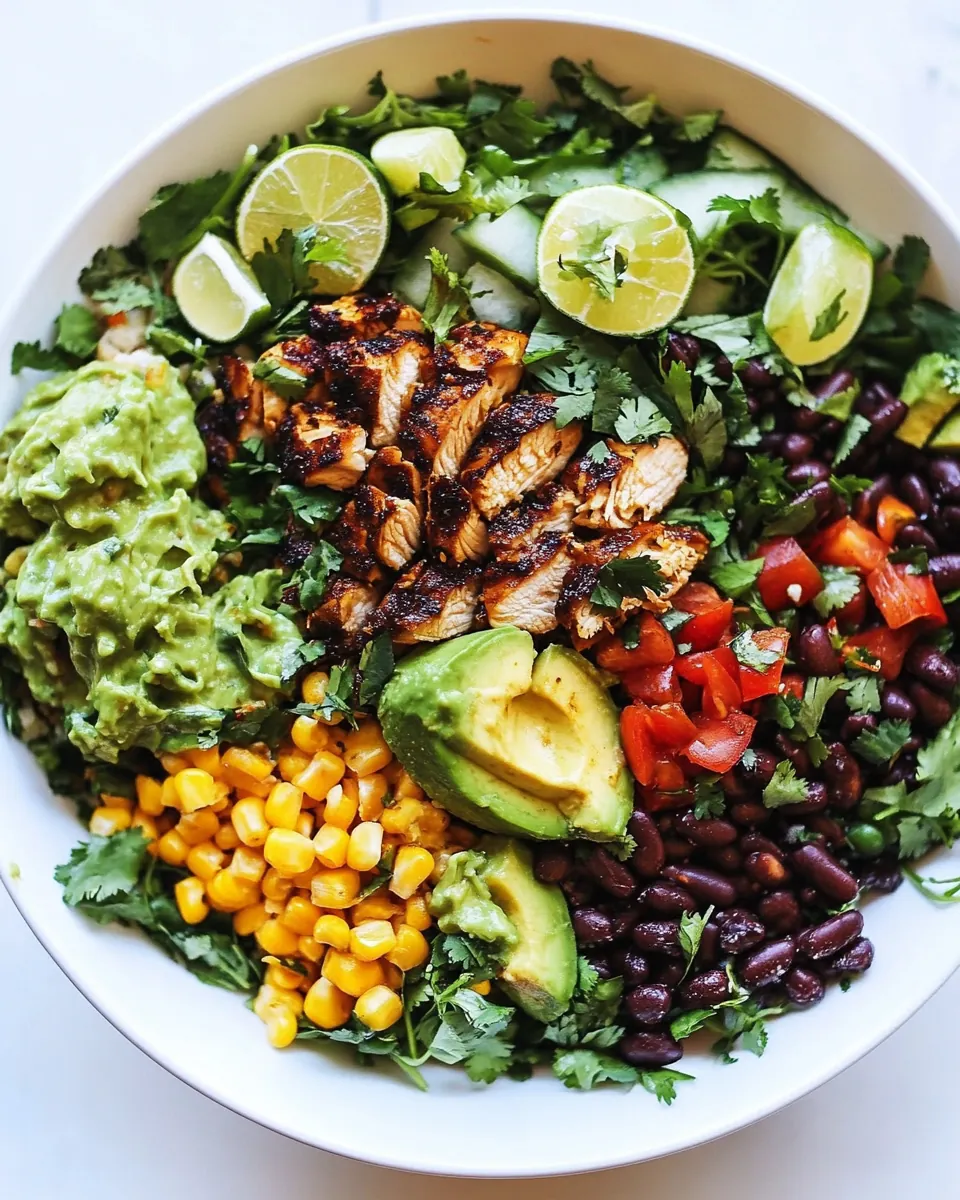
These ingredients form a cohesive ensemble, each playing a clear role. The aromatic cilantro and lime lift the dish, while the seasoned chicken provides savory depth. Crisp romaine and fresh produce add texture and color, and the simple pantry items in the dressing create a smooth, bright finish.
- 2 cups cilantro twist and rip off the top half of the bunch to loosely measure (stems are fine), plus more for serving if desired: Provide bright, herbaceous flavor and a fresh, citrusy aroma; stems and leaves contribute leafy texture and vibrant color to the salad while garnishing portions add visual appeal.
- 3 limes plus extra lime wedges for serving if desired: Add zesty, acidic brightness and balancing tartness that lifts flavors throughout the dish; wedges serve as a finishing squeeze for personalized seasoning at the table.
- 1 1/2 tablespoons diced jalapeños seeds and ribs removed: Introduce moderate heat and a vegetal, slightly fruity bite when deseeded and finely diced; jalapeño pieces distribute warm spice into dressings and the chicken mixture without overpowering.
- 1/4 cup olive oil: Contribute a smooth, fruity fat that emulsifies dressings and helps coat salad ingredients; olive oil also aids in cooking the chicken and enhancing mouthfeel.
- 3 tablespoons rice vinegar: Provide a mild, slightly sweet acidity that sharpens the dressing and complements the lime; rice vinegar helps balance the oil and mustard into a cohesive vinaigrette.
- 1 tablespoon Dijon-style mustard: Bring a tangy, emulsifying quality that helps the dressing bind while adding a hint of savory sharpness; Dijon–style mustard stabilizes the vinaigrette and layers of flavor.
- 2 teaspoons granulated sugar: Supply a touch of sweetness to counterbalance acidity and spice, creating rounded flavor in the dressing; granulated sugar dissolves to mellow sharp edges.
- Salt and pepper to taste: Season to taste, enhancing and balancing all flavors in both the chicken and the salad; salt and pepper are adjusted at multiple stages for seasoning precision.
- 1 tablespoon olive oil: Serve as an additional fat for cooking that prevents sticking and aids browning; a small amount of olive oil helps cook the ground chicken evenly and enhances flavor.
- 1 pound ground chicken: Provide lean protein with a mild flavor that takes on taco seasonings well; ground chicken cooks quickly and forms the hearty base of the salad topping.
- 1 red onion divided, see note 2: Offer sharp, pungent sweetness and crunch with divided use for both cooking and raw garnish; slicing and dicing separately allows for milder cooked flavor and brighter raw texture.
- 1 to 2 cloves garlic minced, 1 and 1/2 teaspoons: Deliver pungent, aromatic depth when minced, enhancing savory notes in the chicken and dressing; a measured minced amount ensures consistent garlic flavor without overpowering.
- 1 (1-ounce) packet taco seasoning see note 3: Impart a seasoned, savory Mexican-inspired flavor profile that infuses the ground chicken; a single packet conveniently contains spices to streamline preparation.
- 8 cups romaine lettuce thinly sliced, 3 heads of lettuce: Supply crisp, sturdy leafy crunch and a neutral base to hold toppings; thinly sliced romaine provides volume and a refreshing contrast to warm, seasoned chicken.
- 1 (15-ounce) can black beans drained and rinsed: Add creamy, earthy protein and fiber with a slightly nutty flavor and tender texture; drained and rinsed black beans contribute heartiness and absorb dressing flavors.
- 1 cup fresh corn cut off the cob, 2 ears of corn: Contribute sweet, juicy kernels and a pop of color and texture when cut from fresh ears; corn adds seasonal brightness and natural sweetness to the salad.
- 1 large avocado or 2 small to medium ones, thinly sliced or diced: Offer creamy, rich texture and buttery flavor when sliced or diced as a topping; avocado provides healthy fats and helps meld flavors in each forkful.
- 1 1/4 cups cherry tomatoes halved: Introduce burstable sweet-tart pops of flavor and vibrant color when halved; cherry tomatoes add acidity and freshness to balance richer elements.
- 1/2 cup extra sharp Cheddar cheese freshly shredded: Provide sharp, salty depth and a crumbly texture that enhances overall flavor; freshly shredded extra sharp Cheddar lends savory richness and melts slightly when paired with warm chicken.
Cooking Method for Chicken Taco Salad
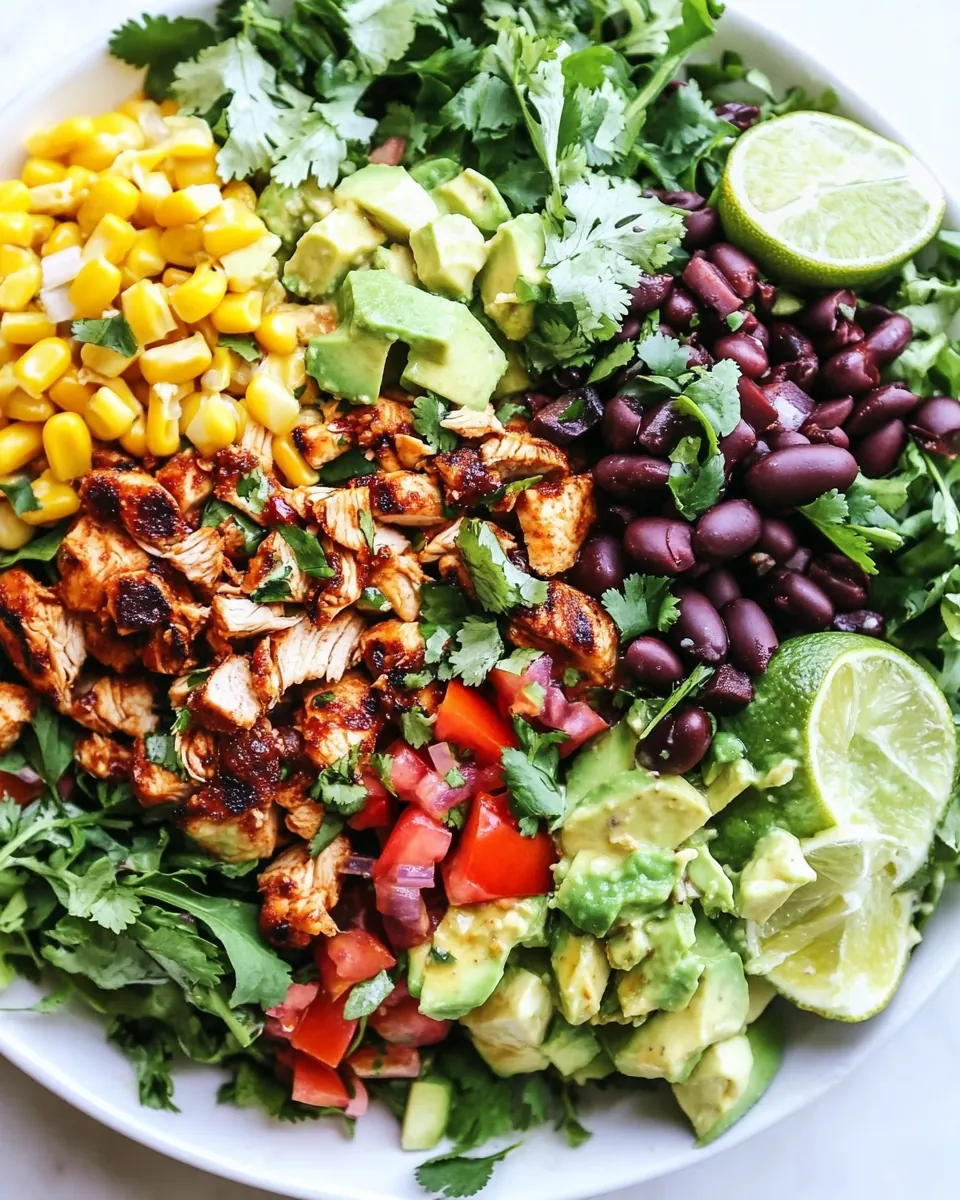
I like to think of the cooking portion as orchestration, where timing is key so warm and cool elements meet at the table. The following steps turn scattered ingredients into a composed salad, and I find that a relaxed rhythm makes the process enjoyable.
- Zest and juice limes to get 1 teaspoon zest and 6 tablespoons juice. Combine all the dressing ingredients except for the olive oil in a blender or food processor. Add salt and pepper to taste (about 1/2 teaspoon salt and pepper). Pulse until ingredients are combined, then drizzle in olive oil, quickly pulsing until emulsified. Don’t overmix/blend the olive oil or it can create a metallic flavor. Taste and adjust any seasonings to personal preference.: The aroma that hits you when you zest a lime is immediate, bright, and citrusy, a signal that the dressing will be lively. Use a microplane for fine zest so you avoid the bitter pith, and when you squeeze the limes expect a fragrant, tart juice that wakes up the other dressing elements. If the lime feels dry, roll it on the counter under your palm to release more juice. A common misstep here is zesting after juicing which makes it harder to get a clean zest, and another is leaving too much pith on the zest which introduces bitterness.
- Add the olive oil to a large cast-iron skillet and heat over medium-high heat. Once shimmering, add in 1 cup finely diced red onion and 1 and 1/2 teaspoons minced garlic. Stir often, cooking until tender, about 5 minutes. Reduce heat if it starts to burn. Add ground chicken and cook for 6–8 minutes or until white and cooked through. Add the taco seasoning and reduce heat to low. Stir to coat and season to taste with salt (it will vary, depending on the taco seasoning). Remove from heat and cover to keep warm.: As you blend the lime, cilantro, rice vinegar, Dijon, sugar, jalapeño, and seasonings, the mixture will smell herbal and bright, with the heat of jalapeño just beneath the surface. Blending these first helps them break down evenly so the olive oil can emulsify effectively later. Overworking some herbs can make them pasty, so pulse to reach a coarse, aromatic base. If your blender is too small you might spill, so use an appropriately sized container; otherwise the dressing can end up uneven.
- Wash and chop the lettuce. Cut into ribbons and halve the ribbons—thinner salad pieces allow for more surface area that the dressing can adhere to. Use a salad spinner to ensure the lettuce is 100% dry before adding any other ingredients.: Seasoning at this stage lets you calibrate the dressing before oil mellows it. Salt amplifies flavors and pepper adds warmth, and I usually start with a modest amount and adjust after emulsifying, because fats can mask seasoning. Taste a small spoonful against a leaf of romaine to check balance. Relying solely on packet seasoning later can lead to an overly salty result, so always taste early and often.
- Thinly slice the other quarter of the red onion to get about 1/4 cup (see note 2), drain and rinse black beans, prepare the corn (see note 4), halve the cherry tomatoes, chop or thinly slice the avocado(s), and shred the cheese. Add to the salad.: You will notice the dressing thicken slightly and take on a glossy sheen as the oil binds with the acid and mustard. Adding the oil slowly encourages a stable emulsion, which helps the dressing cling to the lettuce . If you pour too fast the oil can separate, and overblending the oil may create an off metallic note, so pulse gently and stop when the texture is smooth and pourable.
- If serving the salad immediately, pour the dressing over (add to desired preference; you may not want to use all the dressing), toss the salad, and enjoy! Add additional lime wedges and cilantro to individual plates.: Right after emulsification, pause and smell the dressing; it should be bright rather than oily. The texture should coat the back of a spoon without sliding off immediately. If you detect any bitter off notes, a splash more lime or a pinch of sugar can rebalance it. Blending for too long is the typical error here, so err on the side of under blening.
- Taste and adjust any seasonings to personal preference: This is your chance to personalize heat and acidity, maybe adding a bit more jalapeño or a touch more sugar. Keep in mind that the dressing will mellow slightly when it meets the cooled or room temperature salad components, so lean a touch toward brightness. A mistake is overcooking the desire to fix seasoning after the salad is assembled; small adjustments now save bigger fixes later.
- Add the olive oil to a large cast-iron skillet and heat over medium-high heat: As the oil heats you will see it shimmer which means it is ready to take aromatics without sticking. Cast-iron holds heat well and encourages even browning on the chicken , producing savory fond that enhances flavor. If the pan smokes, reduce the heat as excessive heat will scorch aromatics and create bitterness.
- Once shimmering, add in 1 cup finely diced red onion and 1 and 1/2 teaspoons minced garlic: The onion will soften and sweeten, releasing a warm, savory aroma as it cooks. Garlic browns quickly, so stir constantly to avoid bitter char. Listen for gentle sizzling and watch for translucency in the onion as the cue to proceed. Burning the garlic is a common issue, so lower the heat if you see any browning too early.
- Stir often, cooking until tender, about 5 minutes: You will notice the skillet releasing a nutty, caramel aroma as the sugars in the onion brown lightly. Even stirring prevents hot spots and ensures uniform tenderness. If the pan gets too hot and the onion starts to char, lower the heat and add a splash of water to deglaze and soften, rather than scrapping a scorched pan.
- Reduce heat if it starts to burn: Reducing the heat preserves the sweet notes and prevents bitterness, allowing the aromatics to gently coax flavor out of the onion and garlic. This measured cooking helps the chicken later to caramelize without burning. A common mistake is keeping the pan too hot throughout, which leads to an unevenly cooked protein.
- Add ground chicken and cook for 6 to 8 minutes or until white and cooked through: As the chicken browns, it will release a savory, meat forward scent and form small browned pockets that carry rich flavor. Break the meat into tender crumbles so it cooks evenly, and aim for opaque pieces with just a hint of golden sear. Overcooking will extract moisture and result in dryness, so remove from heat as soon as it is no longer pink.
- Add the taco seasoning and reduce heat to low: The spices will bloom briefly in the residual heat, releasing warm notes of cumin and chili, which deepen the overall flavor. Reducing the heat helps the seasoning marry with the meat without burning the spices. Stir gently to distribute it evenly; clumping is a sign you needed more liquid or heat control earlier.
- Stir to coat and season to taste with salt: Coating ensures every morsel carries the taco profile, and tasting at this point lets you adjust salt because packaged seasonings vary in sodium. If it tastes flat, a tiny pinch of salt will elevate the profile, but be cautious to avoid oversalting, especially if your seasoning mix already contains salt.
- Remove from heat and cover to keep warm: Covering traps steam which keeps the chicken moist until assembly, while allowing residual heat to settle flavors. Leaving it uncovered risks the meat drying as it sits. Avoid covering too tightly if you need to cool it quickly, as trapped steam can make it soggy.
- Wash and chop the lettuce: Clean, dry romaine is critical because any lingering water will dilute the dressing and make the salad limp. Chop into ribbons for better dressing adhesion and a pleasant mouthfeel. A common oversight is skipping the spinner step, leading to a watery salad.
- Cut into ribbons and halve the ribbons: Thin ribbons increase surface area so the dressing clings and every bite includes greens and toppings. The visual appeal improves as well, producing even bites. If pieces are too large, the salad feels disjointed, so aim for a uniform cut.
- Use a salad spinner to ensure the lettuce is 100% dry before adding any other ingredients: Spinning removes droplets that would otherwise pool and make the salad soggy, preserving crunch. If you do not have a spinner, pat the leaves with clean towels thoroughly. Neglecting this step is the main reason salads become watered down quickly.
- Thinly slice the other quarter of the red onion to get about 1/4 cup: These raw ribbons provide crisp, tangy bites and visual contrast. Soaking them briefly in cold water will tame sharpness if desired. Leaving raw onion unbalanced can overwhelm more delicate components, so slice thin and use sparingly if you are sensitive to onion heat.
- Drain and rinse black beans, prepare the corn: Rinsing the beans removes excess starch and sodium, making their flavor cleaner and allowing them to blend with the other textures. For corn, grilling or sautéing adds a smoky sweetness that enhances the salad, while raw corn contributes a fresher pop. Forgetting to drain canned beans can introduce starchy liquid that dilutes the salad.
- Halve the cherry tomatoes, chop or thinly slice the avocado(s), and shred the cheese: These finishing touches add color, creaminess, and salty tang. Add the avocado just before serving to maintain its green color, and use freshly shredded cheese for the best texture. Pre shredded cheese often contains anti caking agents that change mouthfeel, so shred fresh when possible.
- Add to the salad: At this point the bowl should be an appealing mosaic of textures and colors, and assembling now prevents any ingredient from sitting too long and losing its fresh character. Toss gently to avoid bruising the avocado. A harsh toss can break delicate pieces and result in a less attractive plate.
- If serving the salad immediately, pour the dressing over: The moment the dressing meets the greens you will see leaves glisten and the aroma lift. Start with a modest amount, toss, and add more as desired so the salad is not overdressed. Overdressing is a frequent mistake that masks ingredients instead of enhancing them.
- Toss the salad, and enjoy: Tossing ensures ingredients combine and the dressing distributes evenly; you should hear a faint rustle and see even coating. Serve with extra lime wedges and cilantro for brightness, and watch how the flavors pop together. A common error is letting the salad sit too long after dressing which leads to sogginess.
- Add additional lime wedges and cilantro to individual plates: A final squeeze of fresh lime and a scatter of herbs lifts each serving and lets guests personalize acidity and herb intensity. This small flourish brings freshness back to the plate moments before eating. Skipping final garnishes misses an opportunity for a lively finishing touch.
Recipe Tips about Chicken Taco Salad
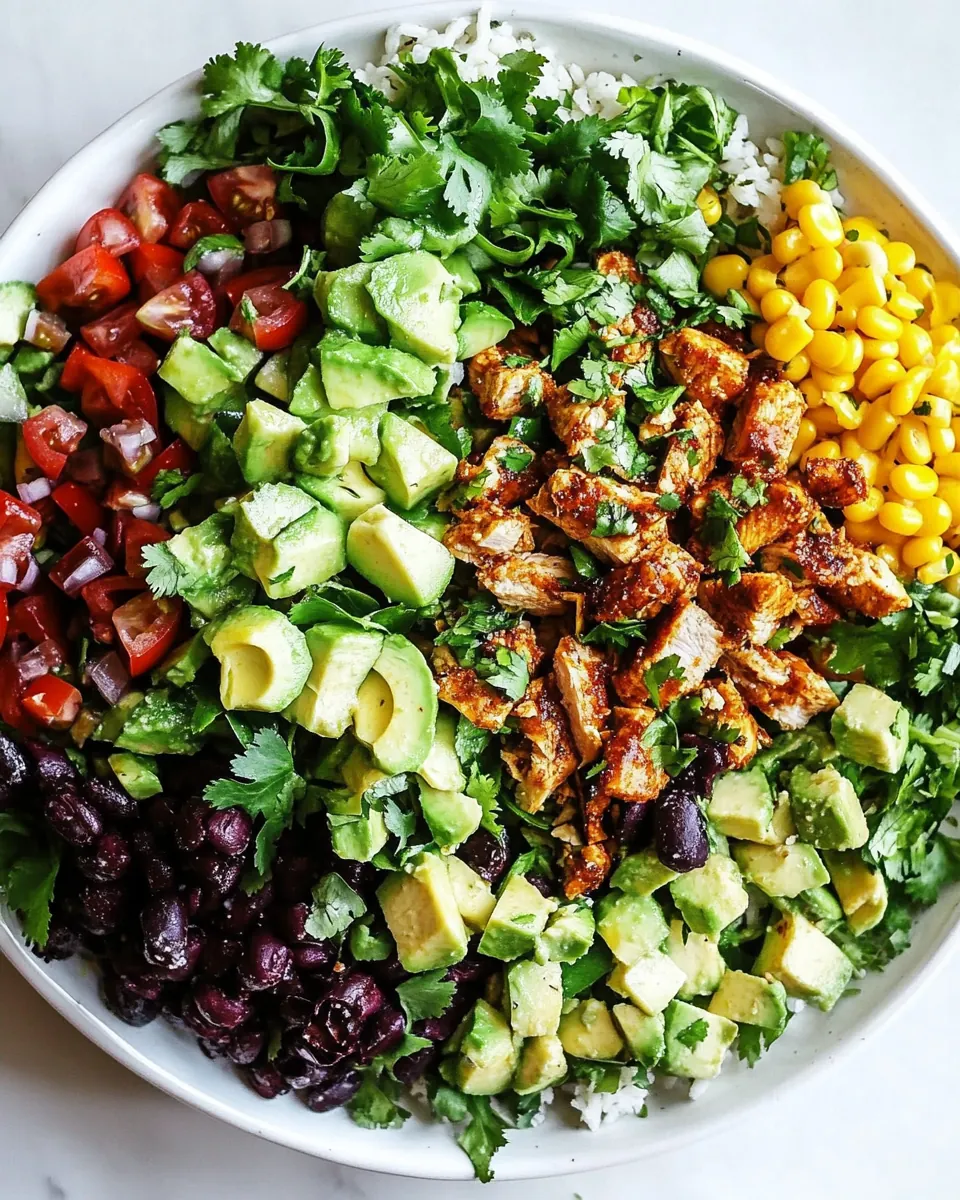
This section expands on practical ways I use the recipe to save time and boost flavor. Small adjustments in technique or timing elevate the finished salad.
- Make the dressing ahead — Prepare the dressing up to one week in advance and store it in an airtight container in the fridge. This lets the flavors meld and saves time on the day you plan to serve the salad. Before using, give it a quick shake or whisk to recombine if separation occurs. I find chilled dressing clings better to cool vegetables, but if it becomes too thick, let it sit at room temperature briefly and whisk.
- Toast the corn for depth — Grilling or sautéing the corn adds sweet, caramelized notes that contrast with the bright dressing. Use medium high heat and rotate frequently for even browning, and let it cool slightly before adding to the salad to avoid wilting the lettuce. If using frozen corn, thaw and sauté to replicate those toasted flavors.
- Control avocado timing — Slice or dice the avocado just before serving to maintain color and texture. If you must prep earlier, toss with a little lime juice to delay browning and store tightly covered. Still, nothing beats adding avocado at the last minute for best presentation.
- Adjust heat with jalapeño — Start with less jalapeño and add more if you want extra heat, tasting as you go. Deseeding and removing ribs tames the spice while preserving flavor, and a small diced piece lets you test heat without overwhelming the dressing.
- Serve components buffet style — Keep warm chicken separate from cold greens and toppings so guests can build bowls to their liking. This approach prevents sogginess and lets people customize dressing amount, protein, and add ins.
Side Dish Ideas for Chicken Taco Salad
This salad pairs well with bright, simple sides that complement its zesty, savory profile. Below are ideas for occasions and pairings, plus storage and seasonal notes to make serving effortless.
- For casual lunches — Serve the salad with warm, crusty tortillas or chips on the side so people can scoop or wrap bites, creating a fun finger food vibe. This works well for relaxed midday gatherings when you want something easy but flavorful.
- For dinner with guests — Offer a small tray of grilled vegetables, like charred corn or peppers, that echo the salad flavors and create a shared, family style spread. These roasted notes add warmth and variety while keeping the meal focused on fresh components.
- Ramadan or special occasions — This salad makes a light option for iftar when paired with a simple grain like cilantro lime rice to round out the meal. Keeping dressing and avocado separate until serving helps maintain texture for guests who may be returning to the table at different times.
- Storage tips — Store components separately: keep the dressing chilled up to one week, the cooked chicken in an airtight container for three to four days, and sliced avocado best used the same day. Assembling just before serving prevents limp greens and preserves texture.
- Seasonal pairings — In summer, maximize local produce by using sweet summer corn and vine ripe cherry tomatoes. In cooler months, use roasted corn or keep the tomatoes to a minimum and rely on preserved brightness from lime and cilantro.
- Serving style — Present the salad family style in a large bowl and let guests serve themselves, or compose individual plates with an emphasized ring of toppings for a composed look. A final squeeze of lime and a cilantro garnish elevates presentation and flavor.
FAQ
Conclusion
Chicken Taco Salad stands out for its bright dressing, seasoned ground chicken, and satisfying textural contrasts that make every bite interesting. I encourage you to give it a try because it balances fast prep with composed flavors, making it perfect for weeknight dinners and casual gatherings alike. Serve it family style or plated individually, and don’t be shy about adjusting the heat and acidity to suit your taste. Once you taste the bright lime and herb dressing against warm spiced chicken, I think you will find it becomes a go to meal in your rotation.
Chicken Taco Salad
Equipment
- Blender or food processor
- Large cast-iron pan
Ingredients
- 2 cups cilantro twist and rip off the top half of the bunch to loosely measure (stems are fine), plus more for serving if desired Provide bright, herbaceous flavor and a fresh, citrusy aroma; stems and leaves contribute leafy texture and vibrant color to the salad while garnishing portions add visual appeal.
- 3 limes plus extra lime wedges for serving if desired Add zesty, acidic brightness and balancing tartness that lifts flavors throughout the dish; wedges serve as a finishing squeeze for personalized seasoning at the table.
- 1 -1/2 tablespoons diced jalapeños seeds and ribs removed Introduce moderate heat and a vegetal, slightly fruity bite when deseeded and finely diced; jalapeño pieces distribute warm spice into dressings and the chicken mixture without overpowering.
- 1/4 cup olive oil Contribute a smooth, fruity fat that emulsifies dressings and helps coat salad ingredients; olive oil also aids in cooking the chicken and enhancing mouthfeel.
- 3 tablespoons rice vinegar Provide a mild, slightly sweet acidity that sharpens the dressing and complements the lime; rice vinegar helps balance the oil and mustard into a cohesive vinaigrette.
- 1 tablespoon Dijon-style mustard Bring a tangy, emulsifying quality that helps the dressing bind while adding a hint of savory sharpness; Dijon-style mustard stabilizes the vinaigrette and layers of flavor.
- 2 teaspoons granulated sugar Supply a touch of sweetness to counterbalance acidity and spice, creating rounded flavor in the dressing; granulated sugar dissolves to mellow sharp edges.
- Salt and pepper to taste Season to taste, enhancing and balancing all flavors in both the chicken and the salad; salt and pepper are adjusted at multiple stages for seasoning precision.
- 1 tablespoon olive oil Serve as an additional fat for cooking that prevents sticking and aids browning; a small amount of olive oil helps cook the ground chicken evenly and enhances flavor.
- 1 pound ground chicken Provide lean protein with a mild flavor that takes on taco seasonings well; ground chicken cooks quickly and forms the hearty base of the salad topping.
- 1 red onion divided, see note 2 Offer sharp, pungent sweetness and crunch with divided use for both cooking and raw garnish; slicing and dicing separately allows for milder cooked flavor and brighter raw texture.
- 1 to 2 cloves garlic minced, 1 and 1/2 teaspoons Deliver pungent, aromatic depth when minced, enhancing savory notes in the chicken and dressing; a measured minced amount ensures consistent garlic flavor without overpowering.
- 1 (1-ounce) packet taco seasoning see note 3 Impart a seasoned, savory Mexican-inspired flavor profile that infuses the ground chicken; a single packet conveniently contains spices to streamline preparation.
- 8 cups romaine lettuce thinly sliced, 3 heads of lettuce Supply crisp, sturdy leafy crunch and a neutral base to hold toppings; thinly sliced romaine provides volume and a refreshing contrast to warm, seasoned chicken.
- 1 (15-ounce) can black beans drained and rinsed Add creamy, earthy protein and fiber with a slightly nutty flavor and tender texture; drained and rinsed black beans contribute heartiness and absorb dressing flavors.
- 1 cup fresh corn cut off the cob, 2 ears of corn Contribute sweet, juicy kernels and a pop of color and texture when cut from fresh ears; corn adds seasonal brightness and natural sweetness to the salad.
- 1 large avocado or 2 small to medium ones, thinly sliced or diced Offer creamy, rich texture and buttery flavor when sliced or diced as a topping; avocado provides healthy fats and helps meld flavors in each forkful.
- 1 -1/4 cups cherry tomatoes halved Introduce burstable sweet-tart pops of flavor and vibrant color when halved; cherry tomatoes add acidity and freshness to balance richer elements.
- 1/2 cup extra sharp Cheddar cheese freshly shredded Provide sharp, salty depth and a crumbly texture that enhances overall flavor; freshly shredded extra sharp Cheddar lends savory richness and melts slightly when paired with warm chicken.
Instructions
- Zest and juice limes to get 1 teaspoon zest and 6 tablespoons juice. Combine all the dressing ingredients except for the olive oil in a blender or food processor. Add salt and pepper to taste (about 1/2 teaspoon salt and pepper). Pulse until ingredients are combined, then drizzle in olive oil, quickly pulsing until emulsified. Don’t overmix/blend the olive oil or it can create a metallic flavor. Taste and adjust any seasonings to personal preference.: The aroma that hits you when you zest a lime is immediate, bright, and citrusy, a signal that the dressing will be lively. Use a microplane for fine zest so you avoid the bitter pith, and when you squeeze the limes expect a fragrant, tart juice that wakes up the other dressing elements. If the lime feels dry, roll it on the counter under your palm to release more juice. A common misstep here is zesting after juicing which makes it harder to get a clean zest, and another is leaving too much pith on the zest which introduces bitterness.
- Add the olive oil to a large cast-iron skillet and heat over medium-high heat. Once shimmering, add in 1 cup finely diced red onion and 1 and 1/2 teaspoons minced garlic. Stir often, cooking until tender, about 5 minutes. Reduce heat if it starts to burn. Add ground chicken and cook for 6–8 minutes or until white and cooked through. Add the taco seasoning and reduce heat to low. Stir to coat and season to taste with salt (it will vary, depending on the taco seasoning). Remove from heat and cover to keep warm.: As you blend the lime, cilantro, rice vinegar, Dijon, sugar, jalapeño, and seasonings, the mixture will smell herbal and bright, with the heat of jalapeño just beneath the surface. Blending these first helps them break down evenly so the olive oil can emulsify effectively later. Overworking some herbs can make them pasty, so pulse to reach a coarse, aromatic base. If your blender is too small you might spill, so use an appropriately sized container; otherwise the dressing can end up uneven.
- Wash and chop the lettuce. Cut into ribbons and halve the ribbons—thinner salad pieces allow for more surface area that the dressing can adhere to. Use a salad spinner to ensure the lettuce is 100% dry before adding any other ingredients.: Seasoning at this stage lets you calibrate the dressing before oil mellows it. Salt amplifies flavors and pepper adds warmth, and I usually start with a modest amount and adjust after emulsifying, because fats can mask seasoning. Taste a small spoonful against a leaf of romaine to check balance. Relying solely on packet seasoning later can lead to an overly salty result, so always taste early and often.
- Thinly slice the other quarter of the red onion to get about 1/4 cup (see note 2), drain and rinse black beans, prepare the corn (see note 4), halve the cherry tomatoes, chop or thinly slice the avocado(s), and shred the cheese. Add to the salad.: You will notice the dressing thicken slightly and take on a glossy sheen as the oil binds with the acid and mustard. Adding the oil slowly encourages a stable emulsion, which helps the dressing cling to the lettuce . If you pour too fast the oil can separate, and overblending the oil may create an off metallic note, so pulse gently and stop when the texture is smooth and pourable.
- If serving the salad immediately, pour the dressing over (add to desired preference; you may not want to use all the dressing), toss the salad, and enjoy! Add additional lime wedges and cilantro to individual plates.: Right after emulsification, pause and smell the dressing; it should be bright rather than oily. The texture should coat the back of a spoon without sliding off immediately. If you detect any bitter off notes, a splash more lime or a pinch of sugar can rebalance it. Blending for too long is the typical error here, so err on the side of under blening.
- Taste and adjust any seasonings to personal preference: This is your chance to personalize heat and acidity, maybe adding a bit more jalapeño or a touch more sugar. Keep in mind that the dressing will mellow slightly when it meets the cooled or room temperature salad components, so lean a touch toward brightness. A mistake is overcooking the desire to fix seasoning after the salad is assembled; small adjustments now save bigger fixes later.
- Add the olive oil to a large cast-iron skillet and heat over medium-high heat: As the oil heats you will see it shimmer which means it is ready to take aromatics without sticking. Cast-iron holds heat well and encourages even browning on the chicken , producing savory fond that enhances flavor. If the pan smokes, reduce the heat as excessive heat will scorch aromatics and create bitterness.
- Once shimmering, add in 1 cup finely diced red onion and 1 and 1/2 teaspoons minced garlic: The onion will soften and sweeten, releasing a warm, savory aroma as it cooks. Garlic browns quickly, so stir constantly to avoid bitter char. Listen for gentle sizzling and watch for translucency in the onion as the cue to proceed. Burning the garlic is a common issue, so lower the heat if you see any browning too early.
- Stir often, cooking until tender, about 5 minutes: You will notice the skillet releasing a nutty, caramel aroma as the sugars in the onion brown lightly. Even stirring prevents hot spots and ensures uniform tenderness. If the pan gets too hot and the onion starts to char, lower the heat and add a splash of water to deglaze and soften, rather than scrapping a scorched pan.
- Reduce heat if it starts to burn: Reducing the heat preserves the sweet notes and prevents bitterness, allowing the aromatics to gently coax flavor out of the onion and garlic. This measured cooking helps the chicken later to caramelize without burning. A common mistake is keeping the pan too hot throughout, which leads to an unevenly cooked protein.
- Add ground chicken and cook for 6 to 8 minutes or until white and cooked through: As the chicken browns, it will release a savory, meat forward scent and form small browned pockets that carry rich flavor. Break the meat into tender crumbles so it cooks evenly, and aim for opaque pieces with just a hint of golden sear. Overcooking will extract moisture and result in dryness, so remove from heat as soon as it is no longer pink.
- Add the taco seasoning and reduce heat to low: The spices will bloom briefly in the residual heat, releasing warm notes of cumin and chili, which deepen the overall flavor. Reducing the heat helps the seasoning marry with the meat without burning the spices. Stir gently to distribute it evenly; clumping is a sign you needed more liquid or heat control earlier.
- Stir to coat and season to taste with salt: Coating ensures every morsel carries the taco profile, and tasting at this point lets you adjust salt because packaged seasonings vary in sodium. If it tastes flat, a tiny pinch of salt will elevate the profile, but be cautious to avoid oversalting, especially if your seasoning mix already contains salt.
- Remove from heat and cover to keep warm: Covering traps steam which keeps the chicken moist until assembly, while allowing residual heat to settle flavors. Leaving it uncovered risks the meat drying as it sits. Avoid covering too tightly if you need to cool it quickly, as trapped steam can make it soggy.
- Wash and chop the lettuce: Clean, dry romaine is critical because any lingering water will dilute the dressing and make the salad limp. Chop into ribbons for better dressing adhesion and a pleasant mouthfeel. A common oversight is skipping the spinner step, leading to a watery salad.
- Cut into ribbons and halve the ribbons: Thin ribbons increase surface area so the dressing clings and every bite includes greens and toppings. The visual appeal improves as well, producing even bites. If pieces are too large, the salad feels disjointed, so aim for a uniform cut.
- Use a salad spinner to ensure the lettuce is 100% dry before adding any other ingredients: Spinning removes droplets that would otherwise pool and make the salad soggy, preserving crunch. If you do not have a spinner, pat the leaves with clean towels thoroughly. Neglecting this step is the main reason salads become watered down quickly.
- Thinly slice the other quarter of the red onion to get about 1/4 cup: These raw ribbons provide crisp, tangy bites and visual contrast. Soaking them briefly in cold water will tame sharpness if desired. Leaving raw onion unbalanced can overwhelm more delicate components, so slice thin and use sparingly if you are sensitive to onion heat.
- Drain and rinse black beans, prepare the corn: Rinsing the beans removes excess starch and sodium, making their flavor cleaner and allowing them to blend with the other textures. For corn, grilling or sautéing adds a smoky sweetness that enhances the salad, while raw corn contributes a fresher pop. Forgetting to drain canned beans can introduce starchy liquid that dilutes the salad.
- Halve the cherry tomatoes, chop or thinly slice the avocado(s), and shred the cheese: These finishing touches add color, creaminess, and salty tang. Add the avocado just before serving to maintain its green color, and use freshly shredded cheese for the best texture. Pre shredded cheese often contains anti caking agents that change mouthfeel, so shred fresh when possible.
- Add to the salad: At this point the bowl should be an appealing mosaic of textures and colors, and assembling now prevents any ingredient from sitting too long and losing its fresh character. Toss gently to avoid bruising the avocado. A harsh toss can break delicate pieces and result in a less attractive plate.
- If serving the salad immediately, pour the dressing over: The moment the dressing meets the greens you will see leaves glisten and the aroma lift. Start with a modest amount, toss, and add more as desired so the salad is not overdressed. Overdressing is a frequent mistake that masks ingredients instead of enhancing them.
- Toss the salad, and enjoy: Tossing ensures ingredients combine and the dressing distributes evenly; you should hear a faint rustle and see even coating. Serve with extra lime wedges and cilantro for brightness, and watch how the flavors pop together. A common error is letting the salad sit too long after dressing which leads to sogginess.
- Add additional lime wedges and cilantro to individual plates: A final squeeze of fresh lime and a scatter of herbs lifts each serving and lets guests personalize acidity and herb intensity. This small flourish brings freshness back to the plate moments before eating. Skipping final garnishes misses an opportunity for a lively finishing touch.
Notes
- Make the dressing ahead — Prepare the dressing up to one week in advance and store it in an airtight container in the fridge. This lets the flavors meld and saves time on the day you plan to serve the salad. Before using, give it a quick shake or whisk to recombine if separation occurs. I find chilled dressing clings better to cool vegetables, but if it becomes too thick, let it sit at room temperature briefly and whisk.
- Toast the corn for depth — Grilling or sautéing the corn adds sweet, caramelized notes that contrast with the bright dressing. Use medium high heat and rotate frequently for even browning, and let it cool slightly before adding to the salad to avoid wilting the lettuce. If using frozen corn, thaw and sauté to replicate those toasted flavors.
- Control avocado timing — Slice or dice the avocado just before serving to maintain color and texture. If you must prep earlier, toss with a little lime juice to delay browning and store tightly covered. Still, nothing beats adding avocado at the last minute for best presentation.
- Adjust heat with jalapeño — Start with less jalapeño and add more if you want extra heat, tasting as you go. Deseeding and removing ribs tames the spice while preserving flavor, and a small diced piece lets you test heat without overwhelming the dressing.
- Serve components buffet style — Keep warm chicken separate from cold greens and toppings so guests can build bowls to their liking. This approach prevents sogginess and lets people customize dressing amount, protein, and add ins.
