Spaghetti Salad
Spaghetti Salad has been one of those recipes that always shows up at summer gatherings in my family, the kind of dish I reach for when I want something that travels well and still tastes fresh the next day.
I remember the first time I made Spaghetti Salad for a potluck, juggling a pan of sizzling Italian Sausage links while a huge pot of Fiber Gourmet Light Spaghetti boiled away on the stove. I felt proud watching guests return for seconds as the tangy dressing coated every strand of pasta and every halved cherry tomatoes popped with brightness. Over the years I tuned small details, like letting the pasta cool so the dressing clings without getting gummy, and browning the Italian Sausage links twice so each slice has those caramelized edges that add texture.
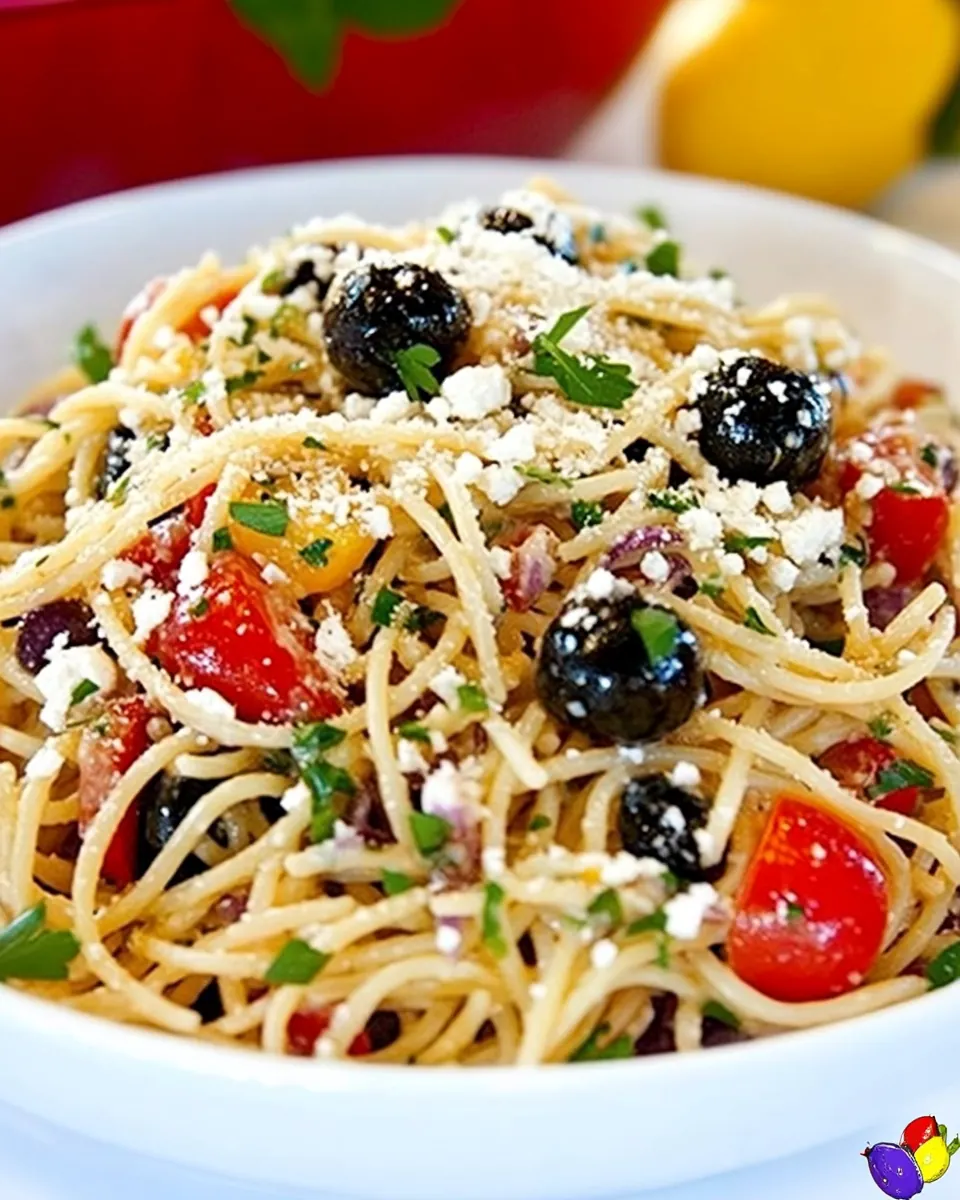
When I make Spaghetti Salad now, it feels like a ritual. I chop the green onions while the sausage rests, and the aroma of browned Italian Sausage links always tempts me to nibble a slice. The tossed bowl, studded with black olives and flecks of chopped fresh parsley, looks vibrant enough to put a smile on anyone’s face. It’s an easy dish to scale up, and because the components are simple and bold, every bite is satisfying.
Recipe Snapshot
35 mins
15 mins
20 mins
Medium
360 kcal
Italian
Paleo, Gluten-Free
Salads
Large frying pan, Large pot, Colander, Large bowl, Knife
What Makes This Spaghetti Salad Special
Fresh and hearty all at once
I love that Spaghetti Salad blends the heartiness of pasta with bright, fresh ingredients. The Fiber Gourmet Light Spaghetti provides a substantial base that carries the dressing and flavors without weighing the salad down, so it works for picnics and backyard barbecues where you want something filling but not heavy.
Texture that keeps you coming back
The secret is textural contrast. Caramelized edges on the browned Italian Sausage links give a chewy, savory counterpoint to the tender strands of Fiber Gourmet Light Spaghetti. The popped juices from halved cherry tomatoes and the briny bite of the canned black olives keep every forkful interesting.
Customizable and forgiving
I appreciate how forgiving Spaghetti Salad is. You can make the dressing a day ahead, cook the pasta in advance, and finish everything just before serving. The salad holds up well in the fridge for hours, which makes it a reliable choice for events when timing is unpredictable.
Bright, herb forward dressing
The dressing brings balance. A vinaigrette whisked with chopped basil or pesto wraps each ingredient in an herbaceous layer that ties the savory and fresh elements together. I always find myself tasting the dressing and tweaking the seasoning as I go to hit that perfect harmony.
Simple pantry friendly ingredients
Finally, the ingredient list is approachable. Canned black olives, a wedge of fresh Parmesan, and a handful of green onions are staples in my kitchen, so I rarely have to run to the store last minute. That accessibility is why I end up making this recipe again and again.
Main Ingredients for Spaghetti Salad
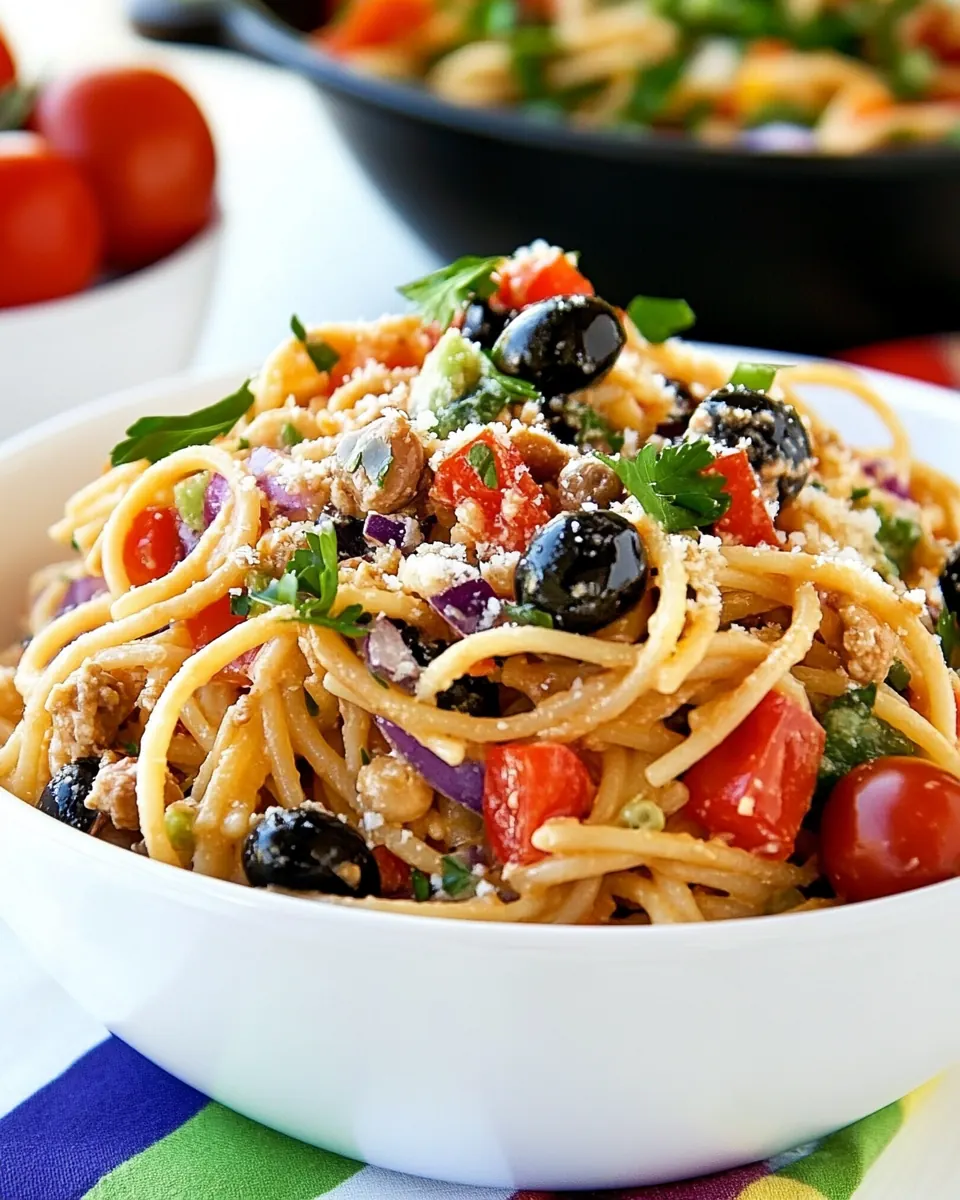
These ingredients are thoughtfully chosen to create a balance of savory, briny, and fresh notes. The pasta and sausage deliver substance, while the vegetables and herbs brighten the dish. The dressing is the glue that lets each part shine without overpowering the rest.
- one 19.5 oz. package Italian Sausage links (see notes): Browned: helps provide a rich, savory base flavor when crumbled or sliced; cook thoroughly until nicely browned and juices run clear. Adds hearty, meaty texture to the salad and pairs well with herbs and tomatoes.
- 2 tsp . + 2 tsp. olive oil, for browning the sausage: Used for browning: supplies a hot cooking fat to properly sear the sausage, promoting caramelization and flavor development. Contributes a light olive flavor and helps prevent sticking while cooking.
- 8 oz . Fiber Gourmet Light Spaghetti, broken into pieces about 2 inches long (see notes): Broken and cooked: provides the pasta component of the salad and delivers a tender, satisfying bite when cooked al dente. Small broken pieces make the salad easy to toss and ensure even distribution of flavors in every forkful.
- salt, for pasta cooking water: Seasoning for pasta water: raises the boiling point and seasons the spaghetti from within, enhancing overall flavor. Use a generous pinch to ensure the pasta itself carries savory depth into the finished salad.
- 2 cups cherry tomatoes, cut in half: Halved and tossed: offers juicy sweetness and bright acidity that balance the richness of the sausage and cheese. Cherry tomatoes add fresh color, bursts of moisture, and a pleasant textural contrast in each bite.
- one 6 oz. can black olives: Drained and added: contributes briny, salty notes and a slightly tangy profile that complement the other savory elements. Sliced olives bring depth and a Mediterranean character to the salad.
- 1/2 cup sliced green onions: Sliced and scattered: provides a mild oniony bite with a fresh, green crunch that enlivens the dish. Green onions also add aromatic sharpness without overpowering the other flavors.
- 1/2 cup chopped fresh parsley: Chopped and mixed in: supplies bright, herbaceous freshness and a clean flavor that lifts the richness of the sausage and cheese. Parsley also adds a subtle crisp texture and visual appeal.
- 1/4 cup coarsely grated fresh Parmesan (or more): Coarsely grated and sprinkled: gives nutty, salty umami that melts slightly into warm pasta and binds flavors together. Parmesan adds savory complexity and a touch of creaminess when combined with the other ingredients.
- salt and fresh ground black pepper to taste: Used to taste: balances and refines the salad by adjusting overall saltiness and providing a final peppery kick. Finish with seasoning increments to achieve a harmonious flavor profile.
How to Prepare Spaghetti Salad
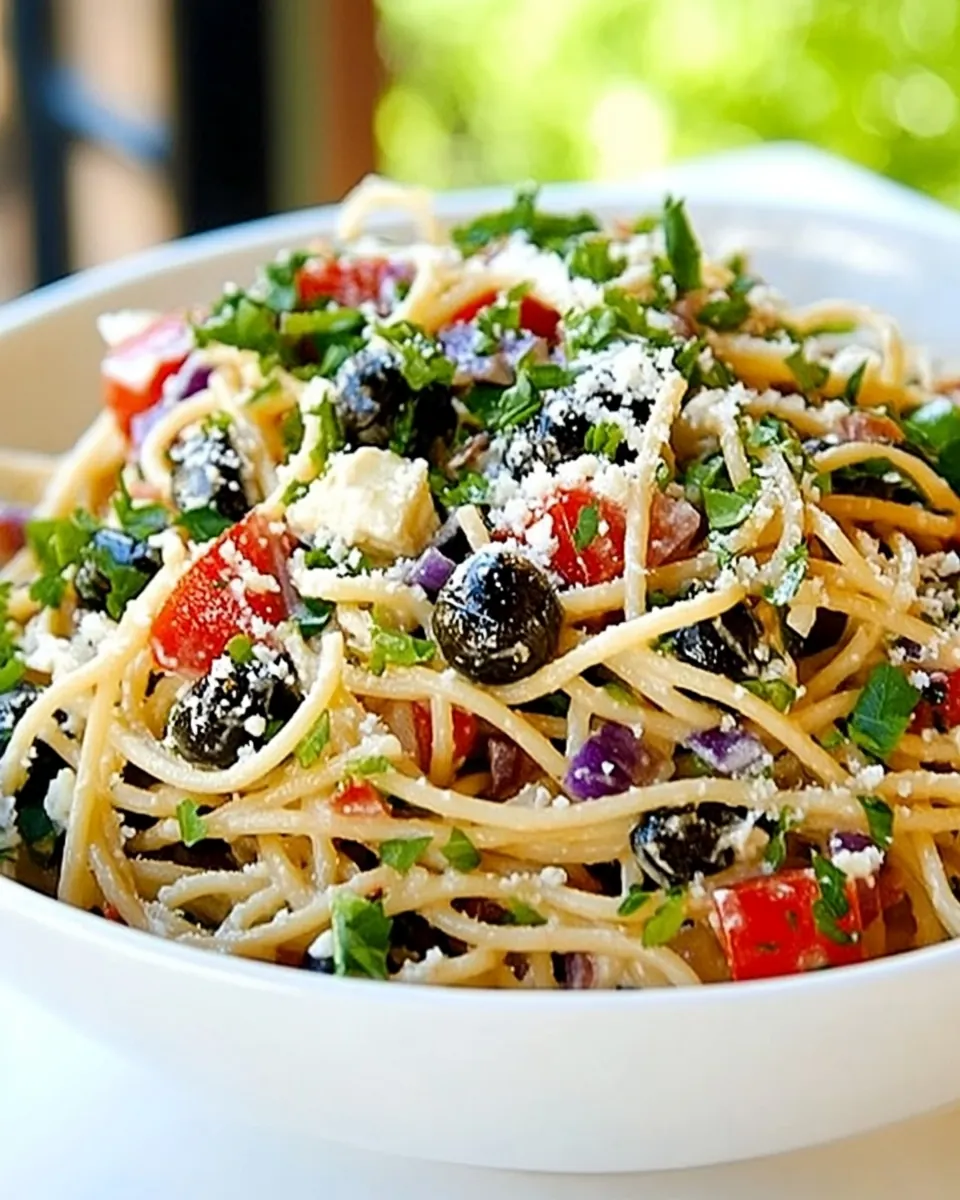
I like to approach the cooking flow so components are ready around the same time, which keeps the assembly relaxed. This set of steps walks you through prepping, cooking, and finishing the salad with sensory cues so you know when each element is just right.
- Heat a small amount of olive oil in a large frying pan and start browning the sausage over medium heat.: The moment the olive oil glistens and ripples in the pan you will smell a faint toasted note, which tells you the pan is hot enough to build a caramelized crust on the Italian Sausage links . As the sausage meets the surface you should hear a soft sear, not a violent splatter; adjust the heat if it screams. Browning concentrates the sausage flavors and creates those savory browned bits that add complexity to the salad. A common error is overcrowding the pan, which causes steaming instead of browning, so leave space around each link for proper color development. Pay attention to the color change from raw pink to a golden brown exterior and slight firmness when pressed, which indicates it is ready to turn or remove.
- While sausage browns, break the spaghetti into pieces and start a big pot of water boiling to cook the pasta, adding a generous amount of salt to the water when it comes to a boil.: When the water reaches a full boil it will roar and you will see rolling movement across the surface; that is the moment to add the Fiber Gourmet Light Spaghetti . Breaking the spaghetti into two inch pieces makes it easier to toss and eat in the salad. Salting the boiling water seasons the pasta through and is essential for layered flavor later. A mistake people make is skimping on salt, which leaves the pasta tasting bland even after dressing. Use the sound of active bubbling and a quick shimmer on the water to know it's ready for pasta, and add the salt just before the noodles go in so it dissolves quickly.
- When the water is boiling, add the pasta, reduce heat to a low boil, and cook pasta until it's barely al-dente. (Check the package for cooking time; Fiber Gourmet Light Spaghetti will take longer to cook than other types of spaghetti.): For Fiber Gourmet Light Spaghetti you may need slightly more time than standard spaghetti, so check a strand a minute or two before the package time. Al-dente pasta should resist slightly when bitten, offering a tender center with a little bite. This texture keeps the salad lively and prevents the strands from turning mushy when chilled. Overcooking is the most common pitfall here; if the pasta becomes soft through and through it will break apart and create a gluey texture in the salad. Use a visual cue of a slight opaque dot in the center when you bite to confirm al-dente.
- Drain the pasta into a colander placed in the sink, rinse with cold water, and let it drain well.: The sudden hiss of hot water hitting cool air marks the draining stage, and rinsing with cold water immediately stops the cooking so the Fiber Gourmet Light Spaghetti holds its texture. Cold rinsing also cools the strands to better accept the dressing without wilting fresh ingredients. Allowing the pasta to drain well prevents diluted dressing, which can make the salad watery. A common mistake is not draining thoroughly, leaving excess water that thins the vinaigrette, so let gravity do the work until no more drops fall.
- As soon as the sausage is browned on all sides, remove from the pan and let cool until you can slice it.: Removing the Italian Sausage links at the right moment preserves juiciness, and the sizzling will quiet down as the pan temperature drops. Letting the sausage rest allows interior juices to redistribute, which keeps slices moist. Cutting into hot sausage releases those juices and can make the salad oily, so wait until it's comfortably warm or room temperature. One error is slicing immediately, which causes juice to leak out and can lead to a greasy final dish. Look for a steady, browned surface and a firmer feel to the link before removing it to cool.
- While sausage cools, cut the cherry tomatoes in half. Drain the olives and cut in half.: When you halve the cherry tomatoes you will notice their sweet aroma and a tiny spray of juices that adds freshness to the bowl. Draining and halving the black olives prevents excess packing liquid from entering the salad. These quick prep actions brighten the salad and create bite sized pieces that mingle easily with the short spaghetti. A trap is cutting tomatoes too early and leaving them sitting, which can make them soggy; prepare them near assembly time for peak texture.
- Chop the parsley and slice the green onions and finely chop the basil (or measure the pesto if you don't have fresh basil.): The sound of a knife chopping chopped fresh parsley and sliced green onions is crisp and refreshing, and their aromas release when you cut through the stems. Fresh herbs introduce a leafy, herbal brightness that balances heavier ingredients. Measure pesto or finely chop basil to ensure even distribution in the dressing. Over chopping can bruise herbs and make them lose vitality, so aim for clean, confident cuts and add them close to assembly to keep color and flavor vivid.
- When it's cool, cut the sausage into thick slices, add a little more olive oil to the frying pan, and brown the sausage slices again on both sides. Let cool.: Reintroducing the slices to the pan creates additional caramelization, sealing edges so each slice holds texture and adds savory chew to the salad. The second sear produces a richer aroma and tiny crisp spots you will notice as a pleasant contrast to the tender pasta. Be careful not to dry out the slices by keeping the sear brief and controlled. Overbrowning until the center is dry will yield tough pieces, so aim for a warm, browned exterior and a moist interior when you remove them to cool.
- While the sausage is cooling and pasta is draining, whisk or blend together the Newman's Own Olive Oil and Vinegar Dressing, Italian herb blend, and garlic powder to make the dressing.: As you whisk the dressing you should see it emulsify into a smooth, glossy liquid that clings to a spoon, releasing an herby perfume. The combination of a prepared dressing, the Italian herb blend , and garlic powder gives a consistent, reliable base flavor that marries the ingredients without overpowering them. Blending briefly in an immersion blender brings a silkier mouthfeel. A frequent mistake is under-seasoning the dressing; taste and adjust so it has a bright acidity and herb presence that will carry through the salad.
- Then whisk or blend in the finely chopped basil (or basil pesto.) I made it in the bowl of my immersion blender, but just stirring in the chopped basil will also work fine.: When you fold in fragrant chopped basil or a spoonful of basil pesto , you will notice a fresh, green lift in the dressing that complements both the tomatoes and the sausage. The tiny flecks of herb make each bite smell lively and taste layered. If you skip this step the dressing can taste flat, so add the basil for aromatic complexity. Overblending will homogenize the basil completely, muting its texture, so pulse just enough to disperse it evenly.
- Put the cooled and drained spaghetti, sliced tomatoes, and sliced olives into a large bowl and gently toss with the dressing.: As you toss, the vinaigrette will cling to the Fiber Gourmet Light Spaghetti strands, leaving a gentle sheen and coating each ingredient. Gently folding rather than aggressively stirring preserves the shape of the tomatoes and prevents the pasta from breaking. Listen for the soft rustle of ingredients moving in the bowl as a cue that everything is combining. A common misstep is vigorous mixing that mashes the tomatoes and tears the pasta, so use wide motions and a light touch.
- Add the cooled and browned sausage slices and toss again, then add the chopped parsley, sliced green onion, and coarsely grated fresh Parmesan and toss again.: When you add the sliced Italian Sausage links the bowl will release savory steam and the mixture will smell richer; the heat of the sausage can slightly warm the dressing so it melds with the pasta. Folding in the chopped fresh parsley , sliced green onions , and coarsely grated fresh Parmesan at this stage brightens the salad and layers in herbaceous and umami notes. Avoid adding cheese too early if the pasta is warm, which can cause it to melt and clump; add it when the bowl is mostly cool to keep texture distinct.
- Season the salad well with salt and fresh ground black pepper and serve, or refrigerate for a few hours before serving. (Remember the pasta cooking water and the olives are salty, so it doesn't need much salt.): As you finish with salt and fresh ground black pepper the aromatics will bloom and the overall balance will click into place. Tasting is crucial here since the pasta water and canned olives contribute salt, so add seasoning sparingly and sample between adjustments. Refrigerating for a couple hours lets flavors marry, while serving sooner preserves maximum freshness in the herbs and tomatoes. A mistake to avoid is oversalting before chilling, which can intensify and make the salad too salty after it rests.
- I don't normally like to refrigerate things with fresh tomatoes, but this salad was still really good after it had been in the fridge overnight.: Chilling can subdue the brightness of the cherry tomatoes slightly but also allows the dressing to penetrate the pasta and sausage, creating a more cohesive flavor. If you keep it refrigerated overnight, note that textures soften and flavors meld, which some people prefer for potlucks. The downside is that tomatoes may become less vibrant in color and firmness, so if you prefer maximum texture serve it within a few hours. Keep the salad covered to prevent it from picking up other fridge odors.
Recipe Variations about Spaghetti Salad
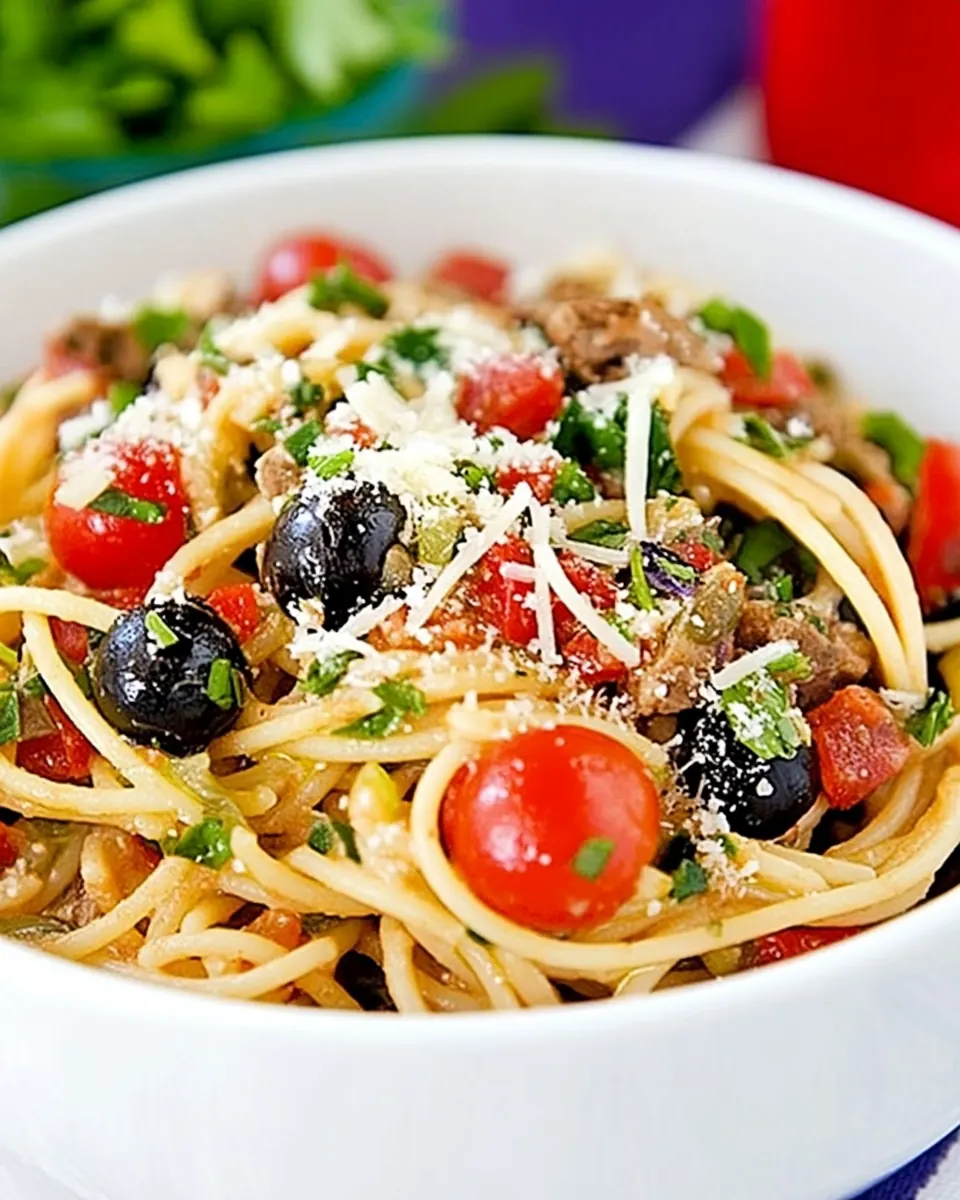
This salad adapts easily to what you have on hand while staying true to its bright, herb forward character. Below are practical variations and ideas that respect the original flavor profile and keep the dish balanced.
- Double sear the sausage for texture, browning the links whole then slicing and briefly searing the slices adds crisp edges that contrast delightfully with tender pasta.
- Use broken short spaghetti for easy eating, which helps the dressing coat each piece and makes the salad fork friendly without long strands getting messy.
- Mix in the dressing while pasta is slightly warm, it helps the dressing cling better but cool quickly to protect the freshness of tomatoes and herbs.
- Measure herbs finely, finely chopped chopped fresh parsley and basil disperse evenly so each bite gets herbal lift without big leaves overpowering the texture.
- Serve chilled or room temperature, refrigerate for a few hours for melded flavors, or serve soon after assembly for maximum herb and tomato brightness.
Pairing Suggestions for Spaghetti Salad
Spaghetti Salad is ideal for summer lunches, picnic spreads, and potluck dinners. Its balance of savory sausage and bright vegetables makes it versatile, and it pairs well with simple sides and fresh salads. Below are serving ideas and storage notes in a list format to help you plan the perfect meal.
- Serve with crisp green salad, a side of lightly dressed greens complements the pasta‘s heartiness and adds leafy freshness to the plate.
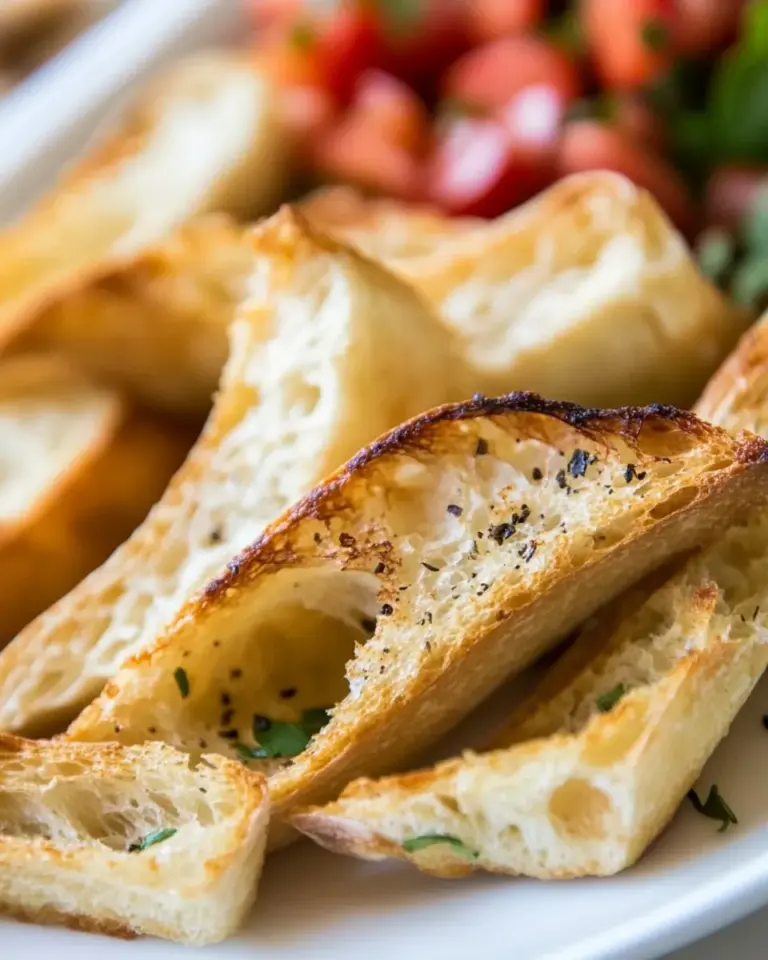
- Offer crusty bread or rolls, a warm loaf helps guests scoop up any leftover dressing and pairs nicely with the savory sausage.
- Great for outdoor gatherings, the salad travels well and can be served at room temperature, making it convenient for picnics and potlucks.
- Occasion fit, ideal for summer lunches, casual dinners, and celebratory buffets where easy to serve dishes are preferred.
- Storage tips, keep refrigerated in an airtight container for up to two days; the salad will mellow and flavors will meld, though tomato texture may soften.
- Seasonal pairing, lean into summer produce when tomatoes and basil are at their peak, which enhances the salad’s bright character.
FAQ
Conclusion
This Spaghetti Salad stands out because it balances hearty, savory sausage with bright tomatoes, briny olives, and an herbaceous dressing. It’s a versatile, crowd pleasing dish that travels well for potlucks and adapts easily to make ahead plans. Give it a try at your next gathering, and you might find it becoming one of your go to recipes. The simple, complementary ingredients make it satisfying and approachable, so have fun assembling it and enjoy the layered flavors.
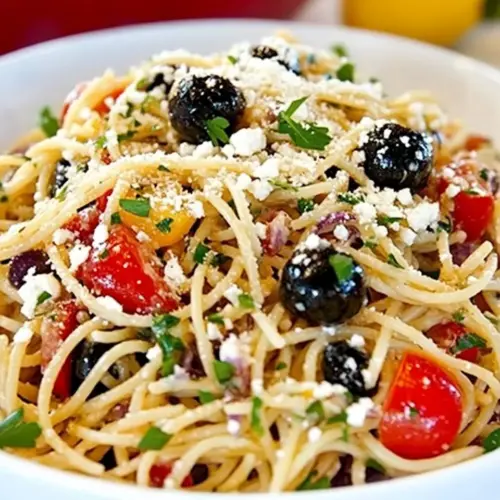
Spaghetti Salad
Equipment
- Large Frying Pan
- Large Pot
- Colander
- Large Bowl
- Knife
Ingredients
- one 19.5 oz. package Italian Sausage links (see notes) Browned: helps provide a rich, savory base flavor when crumbled or sliced; cook thoroughly until nicely browned and juices run clear. Adds hearty, meaty texture to the salad and pairs well with herbs and tomatoes.
- 2 tsp . + 2 tsp. olive oil, for browning the sausage Used for browning: supplies a hot cooking fat to properly sear the sausage, promoting caramelization and flavor development. Contributes a light olive flavor and helps prevent sticking while cooking.
- 8 oz . Fiber Gourmet Light Spaghetti, broken into pieces about 2 inches long (see notes) Broken and cooked: provides the pasta component of the salad and delivers a tender, satisfying bite when cooked al dente. Small broken pieces make the salad easy to toss and ensure even distribution of flavors in every forkful.
- salt, for pasta cooking water Seasoning for pasta water: raises the boiling point and seasons the spaghetti from within, enhancing overall flavor. Use a generous pinch to ensure the pasta itself carries savory depth into the finished salad.
- 2 cups cherry tomatoes, cut in half Halved and tossed: offers juicy sweetness and bright acidity that balance the richness of the sausage and cheese. Cherry tomatoes add fresh color, bursts of moisture, and a pleasant textural contrast in each bite.
- one 6 oz. can black olives Drained and added: contributes briny, salty notes and a slightly tangy profile that complement the other savory elements. Sliced olives bring depth and a Mediterranean character to the salad.
- 1/2 cup sliced green onions Sliced and scattered: provides a mild oniony bite with a fresh, green crunch that enlivens the dish. Green onions also add aromatic sharpness without overpowering the other flavors.
- 1/2 cup chopped fresh parsley Chopped and mixed in: supplies bright, herbaceous freshness and a clean flavor that lifts the richness of the sausage and cheese. Parsley also adds a subtle crisp texture and visual appeal.
- 1/4 cup coarsely grated fresh Parmesan (or more) Coarsely grated and sprinkled: gives nutty, salty umami that melts slightly into warm pasta and binds flavors together. Parmesan adds savory complexity and a touch of creaminess when combined with the other ingredients.
- salt and fresh ground black pepper to taste Used to taste: balances and refines the salad by adjusting overall saltiness and providing a final peppery kick. Finish with seasoning increments to achieve a harmonious flavor profile.
Instructions
- Heat a small amount of olive oil in a large frying pan and start browning the sausage over medium heat.: The moment the olive oil glistens and ripples in the pan you will smell a faint toasted note, which tells you the pan is hot enough to build a caramelized crust on the Italian Sausage links . As the sausage meets the surface you should hear a soft sear, not a violent splatter; adjust the heat if it screams. Browning concentrates the sausage flavors and creates those savory browned bits that add complexity to the salad. A common error is overcrowding the pan, which causes steaming instead of browning, so leave space around each link for proper color development. Pay attention to the color change from raw pink to a golden brown exterior and slight firmness when pressed, which indicates it is ready to turn or remove.
- While sausage browns, break the spaghetti into pieces and start a big pot of water boiling to cook the pasta, adding a generous amount of salt to the water when it comes to a boil.: When the water reaches a full boil it will roar and you will see rolling movement across the surface; that is the moment to add the Fiber Gourmet Light Spaghetti . Breaking the spaghetti into two inch pieces makes it easier to toss and eat in the salad. Salting the boiling water seasons the pasta through and is essential for layered flavor later. A mistake people make is skimping on salt, which leaves the pasta tasting bland even after dressing. Use the sound of active bubbling and a quick shimmer on the water to know it's ready for pasta, and add the salt just before the noodles go in so it dissolves quickly.
- When the water is boiling, add the pasta, reduce heat to a low boil, and cook pasta until it's barely al-dente. (Check the package for cooking time; Fiber Gourmet Light Spaghetti will take longer to cook than other types of spaghetti.): For Fiber Gourmet Light Spaghetti you may need slightly more time than standard spaghetti, so check a strand a minute or two before the package time. Al-dente pasta should resist slightly when bitten, offering a tender center with a little bite. This texture keeps the salad lively and prevents the strands from turning mushy when chilled. Overcooking is the most common pitfall here; if the pasta becomes soft through and through it will break apart and create a gluey texture in the salad. Use a visual cue of a slight opaque dot in the center when you bite to confirm al-dente.
- Drain the pasta into a colander placed in the sink, rinse with cold water, and let it drain well.: The sudden hiss of hot water hitting cool air marks the draining stage, and rinsing with cold water immediately stops the cooking so the Fiber Gourmet Light Spaghetti holds its texture. Cold rinsing also cools the strands to better accept the dressing without wilting fresh ingredients. Allowing the pasta to drain well prevents diluted dressing, which can make the salad watery. A common mistake is not draining thoroughly, leaving excess water that thins the vinaigrette, so let gravity do the work until no more drops fall.
- As soon as the sausage is browned on all sides, remove from the pan and let cool until you can slice it.: Removing the Italian Sausage links at the right moment preserves juiciness, and the sizzling will quiet down as the pan temperature drops. Letting the sausage rest allows interior juices to redistribute, which keeps slices moist. Cutting into hot sausage releases those juices and can make the salad oily, so wait until it's comfortably warm or room temperature. One error is slicing immediately, which causes juice to leak out and can lead to a greasy final dish. Look for a steady, browned surface and a firmer feel to the link before removing it to cool.
- While sausage cools, cut the cherry tomatoes in half. Drain the olives and cut in half.: When you halve the cherry tomatoes you will notice their sweet aroma and a tiny spray of juices that adds freshness to the bowl. Draining and halving the black olives prevents excess packing liquid from entering the salad. These quick prep actions brighten the salad and create bite sized pieces that mingle easily with the short spaghetti. A trap is cutting tomatoes too early and leaving them sitting, which can make them soggy; prepare them near assembly time for peak texture.
- Chop the parsley and slice the green onions and finely chop the basil (or measure the pesto if you don't have fresh basil.): The sound of a knife chopping chopped fresh parsley and sliced green onions is crisp and refreshing, and their aromas release when you cut through the stems. Fresh herbs introduce a leafy, herbal brightness that balances heavier ingredients. Measure pesto or finely chop basil to ensure even distribution in the dressing. Over chopping can bruise herbs and make them lose vitality, so aim for clean, confident cuts and add them close to assembly to keep color and flavor vivid.
- When it's cool, cut the sausage into thick slices, add a little more olive oil to the frying pan, and brown the sausage slices again on both sides. Let cool.: Reintroducing the slices to the pan creates additional caramelization, sealing edges so each slice holds texture and adds savory chew to the salad. The second sear produces a richer aroma and tiny crisp spots you will notice as a pleasant contrast to the tender pasta. Be careful not to dry out the slices by keeping the sear brief and controlled. Overbrowning until the center is dry will yield tough pieces, so aim for a warm, browned exterior and a moist interior when you remove them to cool.
- While the sausage is cooling and pasta is draining, whisk or blend together the Newman's Own Olive Oil and Vinegar Dressing, Italian herb blend, and garlic powder to make the dressing.: As you whisk the dressing you should see it emulsify into a smooth, glossy liquid that clings to a spoon, releasing an herby perfume. The combination of a prepared dressing, the Italian herb blend , and garlic powder gives a consistent, reliable base flavor that marries the ingredients without overpowering them. Blending briefly in an immersion blender brings a silkier mouthfeel. A frequent mistake is under-seasoning the dressing; taste and adjust so it has a bright acidity and herb presence that will carry through the salad.
- Then whisk or blend in the finely chopped basil (or basil pesto.) I made it in the bowl of my immersion blender, but just stirring in the chopped basil will also work fine.: When you fold in fragrant chopped basil or a spoonful of basil pesto , you will notice a fresh, green lift in the dressing that complements both the tomatoes and the sausage. The tiny flecks of herb make each bite smell lively and taste layered. If you skip this step the dressing can taste flat, so add the basil for aromatic complexity. Overblending will homogenize the basil completely, muting its texture, so pulse just enough to disperse it evenly.
- Put the cooled and drained spaghetti, sliced tomatoes, and sliced olives into a large bowl and gently toss with the dressing.: As you toss, the vinaigrette will cling to the Fiber Gourmet Light Spaghetti strands, leaving a gentle sheen and coating each ingredient. Gently folding rather than aggressively stirring preserves the shape of the tomatoes and prevents the pasta from breaking. Listen for the soft rustle of ingredients moving in the bowl as a cue that everything is combining. A common misstep is vigorous mixing that mashes the tomatoes and tears the pasta, so use wide motions and a light touch.
- Add the cooled and browned sausage slices and toss again, then add the chopped parsley, sliced green onion, and coarsely grated fresh Parmesan and toss again.: When you add the sliced Italian Sausage links the bowl will release savory steam and the mixture will smell richer; the heat of the sausage can slightly warm the dressing so it melds with the pasta. Folding in the chopped fresh parsley , sliced green onions , and coarsely grated fresh Parmesan at this stage brightens the salad and layers in herbaceous and umami notes. Avoid adding cheese too early if the pasta is warm, which can cause it to melt and clump; add it when the bowl is mostly cool to keep texture distinct.
- Season the salad well with salt and fresh ground black pepper and serve, or refrigerate for a few hours before serving. (Remember the pasta cooking water and the olives are salty, so it doesn't need much salt.): As you finish with salt and fresh ground black pepper the aromatics will bloom and the overall balance will click into place. Tasting is crucial here since the pasta water and canned olives contribute salt, so add seasoning sparingly and sample between adjustments. Refrigerating for a couple hours lets flavors marry, while serving sooner preserves maximum freshness in the herbs and tomatoes. A mistake to avoid is oversalting before chilling, which can intensify and make the salad too salty after it rests.
- I don't normally like to refrigerate things with fresh tomatoes, but this salad was still really good after it had been in the fridge overnight.: Chilling can subdue the brightness of the cherry tomatoes slightly but also allows the dressing to penetrate the pasta and sausage, creating a more cohesive flavor. If you keep it refrigerated overnight, note that textures soften and flavors meld, which some people prefer for potlucks. The downside is that tomatoes may become less vibrant in color and firmness, so if you prefer maximum texture serve it within a few hours. Keep the salad covered to prevent it from picking up other fridge odors.
Notes
- Double sear the sausage for texture, browning the links whole then slicing and briefly searing the slices adds crisp edges that contrast delightfully with tender pasta.
- Use broken short spaghetti for easy eating, which helps the dressing coat each piece and makes the salad fork friendly without long strands getting messy.
- Mix in the dressing while pasta is slightly warm, it helps the dressing cling better but cool quickly to protect the freshness of tomatoes and herbs.
- Measure herbs finely, finely chopped chopped fresh parsley and basil disperse evenly so each bite gets herbal lift without big leaves overpowering the texture.
- Serve chilled or room temperature, refrigerate for a few hours for melded flavors, or serve soon after assembly for maximum herb and tomato brightness.