Ramen Spring Rolls
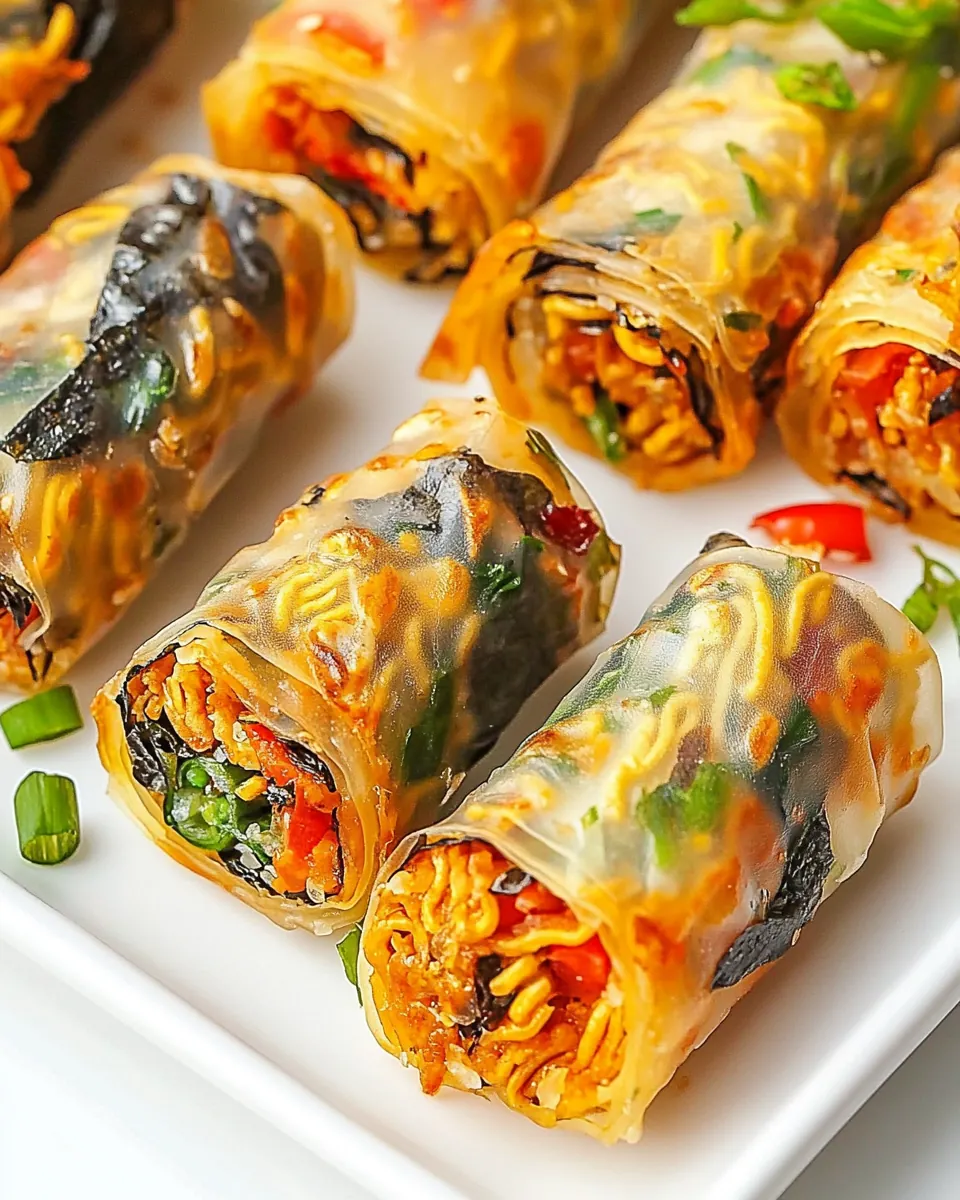
Ramen Spring Rolls felt like a kitchen experiment I needed to try the first time I made them, a rainy afternoon when I had leftover noodles and a craving for something handheld and bright. I remember lining up the rice papers, feeling oddly ceremonial as I prepped each little pile of bok choy, mushrooms, and scallion. The first bite was surprising, a mix of textures that made me laugh out loud, because somehow fried rice paper and slurpable ramen came together better than I expected.
Over different weekends I refined the filling, learning when to toss in sriracha, how much cilantro actually improves the flavor instead of overpowering it, and why a quick pan fry at the end gives you that irresistible outer crunch. I often make a double batch when friends pop by, because these rolls disappear fast. When I teach people, they tell me the rolling technique is the trickiest part, yet the reward is well worth the fumbling, especially when you hear that first satisfying crisp.
Recipe Snapshot
30 mins
10 mins
20 mins
Medium
250 kcal
Asian
Vegan, Gluten-Free
Appetizers
Wok, Non-stick frying pan (10.5 inch / 26 cm), Rice paper tray, Rice paper water bowl
The Magic of This Ramen Spring Rolls
Conversation Starter Finger Food
I love how Ramen Spring Rolls transform humble pantry items into a shareable plate that invites conversation. They are portable, easy to hand around, and always spark curiosity because they mash two comforting formats together, spring rolls and ramen.
Texture Play
The contrast between the soft, slurpable Ramen noodles and the crisped rice paper exterior creates a textural thrill. I savor the little crunch followed by the chew, and that interplay makes each bite interesting enough to keep people reaching for another.
Bright, Fresh Flavors
With fresh components like bok choy, scallion, and cilantro, these rolls taste light and lively. I especially like how a splash of soy sauce and a hint of sriracha bring depth without weighing the roll down, giving a balanced salty and spicy profile.
Quick Weeknight Appeal
These rolls come together quickly, which is why I reach for them on busy evenings. Using simple cooking techniques, you can have a satisfying meal or snack in a short time, and the steps are forgiving enough for cooks at any level.
Customizable and Friendly
I appreciate that Ramen Spring Rolls adapt well to what you have on hand. The core is flexible, so you can tweak spice levels or herb amounts. I often change cilantro to more scallion if I have guests who prefer milder herbs.
Ramen Spring Rolls Shopping List
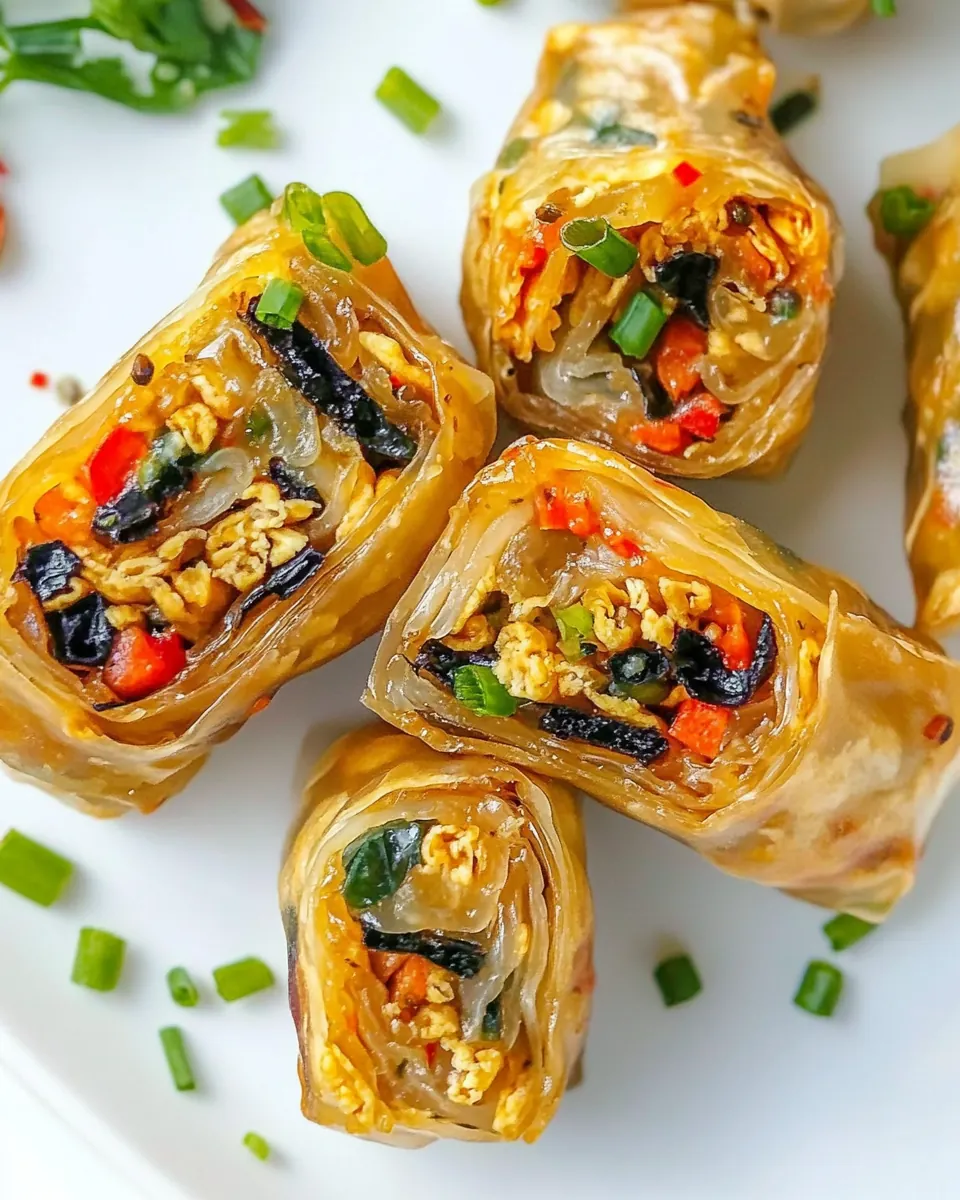
These ingredients are a deliberate mix of texture drivers and flavor anchors. The Ramen noodles and rice paper sheets provide structure, while the vegetables and aromatics add brightness. Oils and sauces bind everything with savory and toasty notes, turning a simple filling into something layered and memorable.
- 8 Rice paper sheets: Soften quickly in warm water to provide a delicate, pliable wrapper that holds fillings while staying translucent and slightly chewy.
- 3.5 oz Ramen noodles: Cook until tender and separated to add hearty, springy noodles that give the rolls substantial texture and soak up flavors from the sauce.
- 2 oz Bok choy: Wilt briefly or shred finely to contribute a mild, cabbage-like crunch and bright green color that balances softer elements.
- 2 oz Wood ear mushrooms cooked: Rehydrate or sauté until tender to offer an earthy, slightly chewy bite and umami depth that complements the other vegetables.
- 1 Scallion: Slice thinly and use raw or lightly cooked to deliver a sharp, oniony note and fresh aroma that lifts the roll’s flavor profile.
- 1/4 Red chilies: Chop finely to introduce a bright, spicy heat with fruity undertones that enlivens the filling without overpowering it.
- 2 cloves Garlic: Mince and incorporate raw or lightly sautéd to supply pungent, aromatic pungency and savory depth that enhances overall savoriness.
- 1 tbsp Ginger minced: Mince finely to add warm, peppery zest with a citrusy brightness that cuts through richness and brightens the roll filling.
- 1 tbsp Freshly chopped cilantro: Chop coarsely and fold in to provide bursts of herbal freshness and a lively, slightly citrusy finish that complements Asian flavors.
- 2 tbsp Coconut oil: Melt briefly for sautéing to impart a subtle, tropical richness and help cook aromatics while adding a smooth mouthfeel.
- 2 tbsp Soy sauce: Stir into cooked fillings or dressing to contribute salty, savory umami that seasons noodles and vegetables evenly throughout.
- 2 tsp Sesame oil: Finish sparingly to bring a toasty, nutty aroma and a glossy sheen that deepens overall flavor complexity.
- 1 tsp Sriracha (or any other chili paste): Add for concentrated chili flavor and a tangy, spicy kick that punctuates the rolls with heat and fermentation notes.
- 1/2 tsp Salt: Sprinkle lightly to enhance overall taste, balancing and elevating flavors without masking the fresh ingredients.
- 1/4 tsp Black pepper: Grind over the rolls to introduce a warm, slightly sharp note that complements savory and spicy components.
The Method for Ramen Spring Rolls
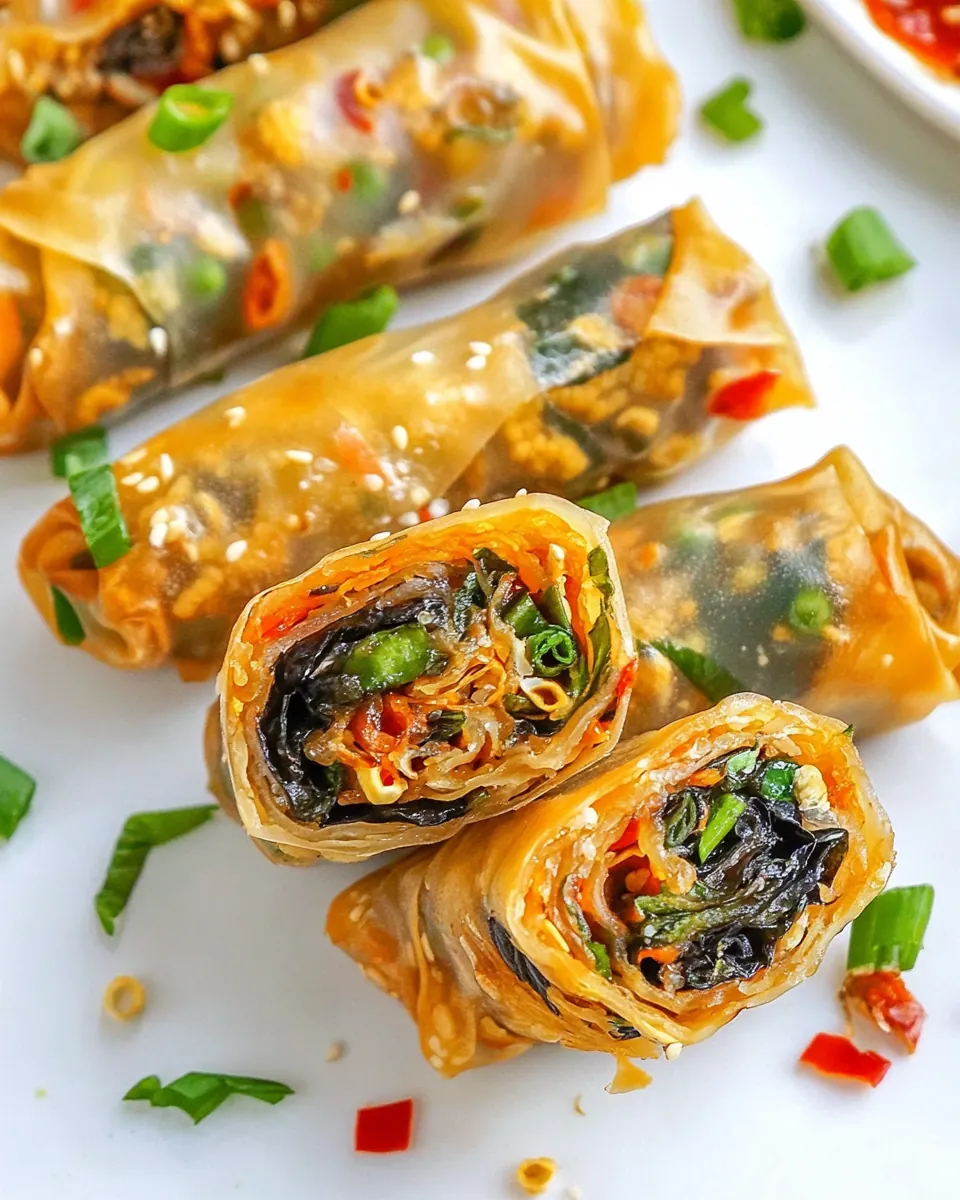
These instructions guide you through building flavor and texture in stages. The approach balances quick saute techniques with a mindful rolling routine that protects the delicate rice paper while producing a crisp finish.
- Wash and cut bok choy into stripes.: You will notice a fresh, green scent as you slice through the leaves and stems, and the visual cue of brightening color signals freshness; cut evenly so they wilt at the same rate during cooking. This step matters because uniform pieces ensure consistent texture in every bite. A common mistake is leaving large chunks that remain fibrous, so trim the stem end and slice thinly to avoid toughness.
- Wash and chop the scallion, the red chili pepper, and the fresh cilantro.: Chopping releases aromatic oils from the scallion and cilantro , filling the kitchen with a lively herbaceous smell; the red chili adds sharp, fruity heat and a pop of color when finely minced. Even cuts distribute flavors evenly throughout the filling, which prevents biting into a single overpowering piece. Avoid chopping too coarsely, as uneven pieces create textural imbalance.
- Peel and mince the garlic and the ginger.: Mincing these aromatics yields an immediate punch of fragrance that will bloom when heated, creating a warm, savory base for the filling. The rationale is that finely minced garlic and ginger infuse the oil quickly without leaving chewy bits. A frequent error is overbrowning the garlic, which turns it bitter, so keep heat moderate and stir.
- Cook dried wood ear mushrooms as per package instructions.: Follow the package so they rehydrate to the right chew, producing an earthy, slightly springy texture. Properly hydrated mushrooms should feel tender and have an understated umami aroma, which adds depth to the rolls. Don’t skip draining them well, as trapped water can cause soggy filling, and avoid overcooking which makes them too soft.
- Cook ramen noodles according to package instructions. Discard the seasoning packets.: Once cooked, the noodles should feel springy and separate easily, smelling faintly of toasted wheat. Preparing them correctly ensures they absorb the sauces without turning mushy. A typical misstep is overcooking; drain and rinse quickly if needed to stop residual cooking.
- Preheat 1 tablespoon of coconut oil in a wok or large pan. On medium heat, add minced garlic and ginger. Cook for 1 minute while constantly stirring.: You will smell the coconut oil warm and then the aromatics blooming; gentle stirring prevents hot spots and encourages even flavor release. This technique softens the raw bite of garlic and ginger while infusing the oil. Avoid high heat here, which can scorch the garlic and impart bitterness.
- Add pre-cooked wood ear mushrooms, scallions, bok choy, and red chili peppers. Season them with salt and black pepper. Stir well and cook for 2-3 minutes.: As these ingredients hit the hot pan, they will sizzle and release moisture, the bok choy stems turning translucent and the scallions softening slightly, creating a fragrant, layered aroma. This step wilts and tames the vegetables while preserving some crunch. Overcrowding the pan is a common problem, leading to steaming instead of quick sauteing, so keep space to promote browning.
- Add pre-cooked ramen noodles. Mix well.: The noodles will pick up pan aromas and lightly toast in spots, releasing a toasty, savory scent. Mixing thoroughly ensures sauces coat everything evenly for consistent flavor in each roll. If noodles clump, gently separate with tongs to avoid uneven seasoning and textural pockets.
- Add chopped cilantro, sriracha, soy sauce, and sesame oil. Stir well and cook for 2-3 minutes.: You will sense the filling brighten as the cilantro aroma lifts and the sriracha and soy sauce bind into a glossy coating, while the sesame oil adds a warm, toasted perfume. This final toss integrates heat and umami, crucial for balanced flavor. Avoid adding sesame oil too early, since prolonged heat can diminish its fragrance.
- Gently submerge the rice paper. (See NOTES on how to know the duration.): As you lower the wrapper into water or a moist towel, it will become soft and pliable, with a slight rice aroma. Timing is critical to avoid overhandling tears; the paper should be flexible but not falling apart. A frequent mistake is leaving it too long which yields a fragile wrapper that rips when filled.
- Once submerged, transfer it to a dry and smooth surface.: The surface should be clean and dry so you can work quickly placing filling without extra moisture interfering, and you will see the rice paper regain a slightly tacky feel that helps it adhere as you fold. Working on a damp surface can cause sticking and uneven rolling, so ensure the work area is properly prepared before you wet the paper.
- I place the filling in the middle. If you have standard-size rice paper wrappers (8 inches (ca. 20 cm)), you can fit 2-3 tablespoons of filling. It would make a 4-inch (ca. 10 cm) long spring roll.: You will notice the filling mound holding its shape, and portion control is important so the wrapper closes neatly without bursting. Proper portioning prevents overstuffed rolls that tear during frying. Resist the urge to overload, which leads to splitting seams.
- First, fold the sides gently but tight towards the middle. Take the bottom seam and fold it upwards gently, but tight. Use your fingers to tuck the filling tight within the rice paper before rolling it all the way up.: This technique produces a compact roll where the filling sits snug, and you should feel slight resistance as you tuck to create a firm interior and smooth exterior. Tight rolling ensures even frying and a pleasing bite. Commonly, people roll too loosely, causing fillings to shift and the roll to fall apart.
- Place your finished spring roll on a parchment paper or a large plate with the closing seam on the bottom.: Let the rolls rest seam-side down to set, and you will notice they hold shape better as the rice paper dries lightly. This resting step prevents accidental unrolling during frying. Avoid stacking them wet on top of each other which causes sticking and tearing.
- Preheat 1 tablespoon coconut oil in a large pan. On medium heat, fry spring rolls on each side for 2 minutes. Don't overcrowd the pan, so you can flip them easily.: The oil should shimmer but not smoke, and when the rolls hit the pan you will hear a gentle crisping sound, with edges turning golden brown; flip carefully to brown evenly. This brief fry yields a crunchy exterior while warming the filling through. Overcrowding cools the pan and leads to soggy, unevenly crisped rolls, so fry in batches if needed.
Making Adjustments
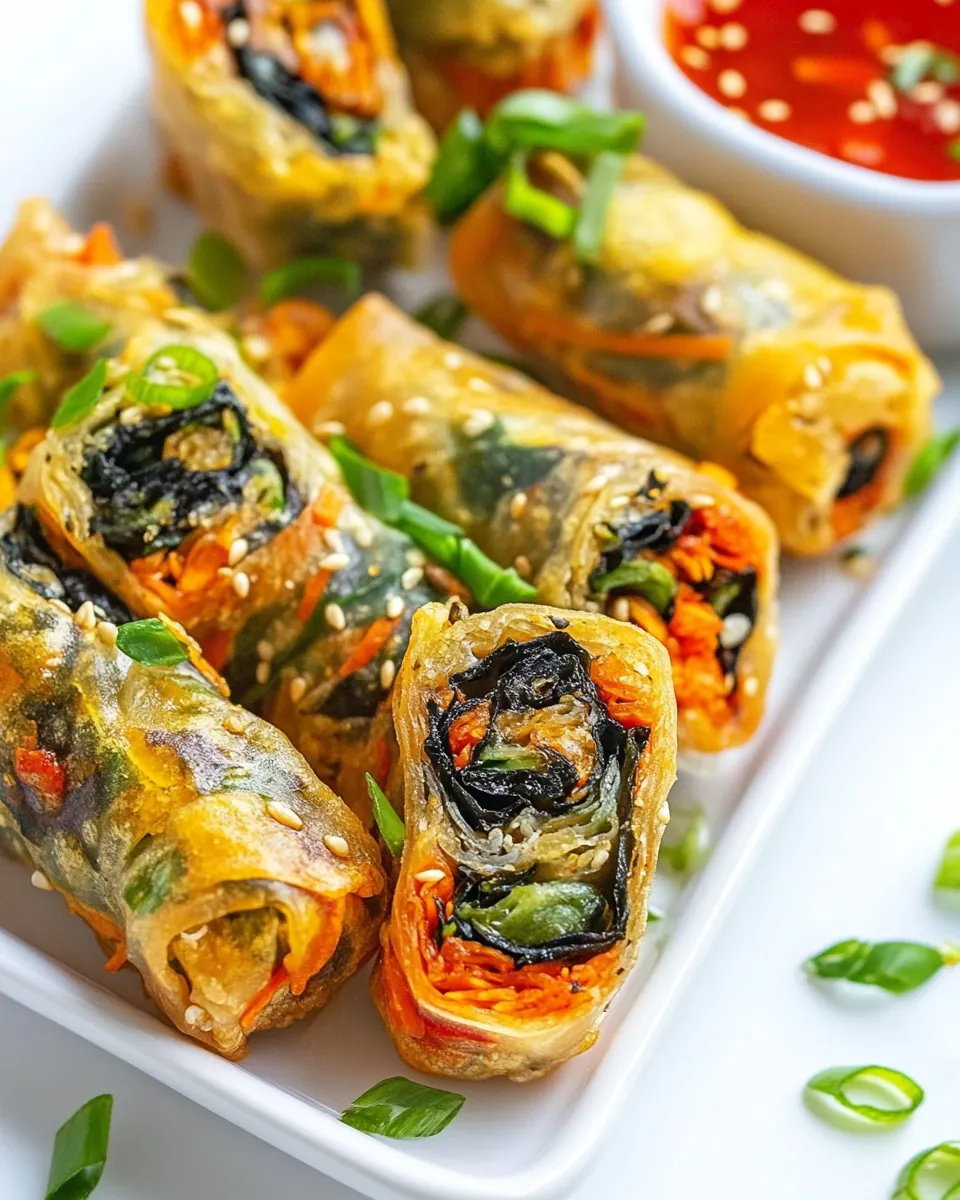
These tips help you adapt the recipe to different preferences and circumstances. I wrote these from experience, focusing on texture, timing, and small swaps that preserve the intent of the dish.
- Handle rice paper carefully, and always dry your hands before picking up another wrapper so they separate cleanly and do not tear from moisture accumulation.
- Adjust submersion time, beginning with 3 to 4 seconds if unsure, then increase by a couple of seconds until the wrapper becomes pliable but not fragile, since different brands vary in composition.
- Manage moisture in fillings, patting cooked mushrooms and noodles dry to prevent the rolls from becoming soggy, which otherwise leads to tearing or leaking during frying.
- Control pan temperature, aiming for medium heat so the rolls crisp without burning; if oil smokes, lower the heat immediately to protect flavor.
- Batch fry thoughtfully, making sure you have enough space to flip easily, because overcrowding reduces oil temperature and yields soft, undercrisped wrappers.
- Customize heat, by adjusting the sriracha amount to taste; add less initially and offer more on the side for guests who want extra spice.
Great Combinations for Ramen Spring Rolls
These serving suggestions focus on complementary textures and occasions where Ramen Spring Rolls shine. Think about contrasts and how the rolls fit into a meal or social setting.
- As an appetizer for casual dinners, serve these rolls with small dipping bowls of soy sauce mixed with a touch of sesame oil and extra sriracha on the side, encouraging guests to build their preferred heat level.
- Snack for gatherings, where they work beautifully on a shared platter; place them seam-side down on parchment and provide toothpicks if you want to make them easy to grab during conversation.
- Light lunch option, paired with a simple green salad dressed lightly, so the rolls remain the textural star while the salad refreshes the palate.
- Ramadan iftar friendly, offering a savory, easy-to-eat item that warms the stomach after a day of fasting; prepare warm and crisp so the first bites comfort and satisfy.
- Storage and reheating, keep leftover rolls in an airtight container for up to 24 hours and reheat in a skillet over medium heat to restore crispness, avoiding the microwave which makes the wrapper soft and chewy.
- Seasonal pairing, these rolls feel especially bright in spring when lighter vegetables are abundant, matching the fresh herbs and crisp textures of the filling.
FAQ
Conclusion
Ramen Spring Rolls are special because they marry chewy, flavorful noodles with a crisped rice paper exterior and fresh, bright vegetables for a textural and flavor-packed bite. Give them a try when you want something approachable yet adventurous, perfect for sharing with friends or serving as a standout appetizer. They reward a little patience in rolling and a mindful pan fry at the end, delivering a satisfying crunch and a layered, savory filling that makes them irresistible.

Ramen Spring Rolls
Equipment
- Wok
- Non-stick frying pan (10.5 inch / 26 cm)
- Rice paper tray
- Rice paper water bowl
Ingredients
- 8 Rice paper sheets Soften quickly in warm water to provide a delicate, pliable wrapper that holds fillings while staying translucent and slightly chewy.
- 3.5 oz Ramen noodles Cook until tender and separated to add hearty, springy noodles that give the rolls substantial texture and soak up flavors from the sauce.
- 2 oz Bok choy Wilt briefly or shred finely to contribute a mild, cabbage-like crunch and bright green color that balances softer elements.
- 2 oz Wood ear mushrooms cooked Rehydrate or sauté until tender to offer an earthy, slightly chewy bite and umami depth that complements the other vegetables.
- 1 Scallion Slice thinly and use raw or lightly cooked to deliver a sharp, oniony note and fresh aroma that lifts the roll’s flavor profile.
- 1/4 Red chilies Chop finely to introduce a bright, spicy heat with fruity undertones that enlivens the filling without overpowering it.
- 2 cloves Garlic Mince and incorporate raw or lightly sautéd to supply pungent, aromatic pungency and savory depth that enhances overall savoriness.
- 1 tbsp Ginger minced Mince finely to add warm, peppery zest with a citrusy brightness that cuts through richness and brightens the roll filling.
- 1 tbsp Freshly chopped cilantro Chop coarsely and fold in to provide bursts of herbal freshness and a lively, slightly citrusy finish that complements Asian flavors.
- 2 tbsp Coconut oil Melt briefly for sautéing to impart a subtle, tropical richness and help cook aromatics while adding a smooth mouthfeel.
- 2 tbsp Soy sauce Stir into cooked fillings or dressing to contribute salty, savory umami that seasons noodles and vegetables evenly throughout.
- 2 tsp Sesame oil Finish sparingly to bring a toasty, nutty aroma and a glossy sheen that deepens overall flavor complexity.
- 1 tsp Sriracha (or any other chili paste) Add for concentrated chili flavor and a tangy, spicy kick that punctuates the rolls with heat and fermentation notes.
- 1/2 tsp Salt Sprinkle lightly to enhance overall taste, balancing and elevating flavors without masking the fresh ingredients.
- 1/4 tsp Black pepper Grind over the rolls to introduce a warm, slightly sharp note that complements savory and spicy components.
Instructions
- Wash and cut bok choy into stripes.: You will notice a fresh, green scent as you slice through the leaves and stems, and the visual cue of brightening color signals freshness; cut evenly so they wilt at the same rate during cooking. This step matters because uniform pieces ensure consistent texture in every bite. A common mistake is leaving large chunks that remain fibrous, so trim the stem end and slice thinly to avoid toughness.
- Wash and chop the scallion, the red chili pepper, and the fresh cilantro.: Chopping releases aromatic oils from the scallion and cilantro , filling the kitchen with a lively herbaceous smell; the red chili adds sharp, fruity heat and a pop of color when finely minced. Even cuts distribute flavors evenly throughout the filling, which prevents biting into a single overpowering piece. Avoid chopping too coarsely, as uneven pieces create textural imbalance.
- Peel and mince the garlic and the ginger.: Mincing these aromatics yields an immediate punch of fragrance that will bloom when heated, creating a warm, savory base for the filling. The rationale is that finely minced garlic and ginger infuse the oil quickly without leaving chewy bits. A frequent error is overbrowning the garlic, which turns it bitter, so keep heat moderate and stir.
- Cook dried wood ear mushrooms as per package instructions.: Follow the package so they rehydrate to the right chew, producing an earthy, slightly springy texture. Properly hydrated mushrooms should feel tender and have an understated umami aroma, which adds depth to the rolls. Don’t skip draining them well, as trapped water can cause soggy filling, and avoid overcooking which makes them too soft.
- Cook ramen noodles according to package instructions. Discard the seasoning packets.: Once cooked, the noodles should feel springy and separate easily, smelling faintly of toasted wheat. Preparing them correctly ensures they absorb the sauces without turning mushy. A typical misstep is overcooking; drain and rinse quickly if needed to stop residual cooking.
- Preheat 1 tablespoon of coconut oil in a wok or large pan. On medium heat, add minced garlic and ginger. Cook for 1 minute while constantly stirring.: You will smell the coconut oil warm and then the aromatics blooming; gentle stirring prevents hot spots and encourages even flavor release. This technique softens the raw bite of garlic and ginger while infusing the oil. Avoid high heat here, which can scorch the garlic and impart bitterness.
- Add pre-cooked wood ear mushrooms, scallions, bok choy, and red chili peppers. Season them with salt and black pepper. Stir well and cook for 2-3 minutes.: As these ingredients hit the hot pan, they will sizzle and release moisture, the bok choy stems turning translucent and the scallions softening slightly, creating a fragrant, layered aroma. This step wilts and tames the vegetables while preserving some crunch. Overcrowding the pan is a common problem, leading to steaming instead of quick sauteing, so keep space to promote browning.
- Add pre-cooked ramen noodles. Mix well.: The noodles will pick up pan aromas and lightly toast in spots, releasing a toasty, savory scent. Mixing thoroughly ensures sauces coat everything evenly for consistent flavor in each roll. If noodles clump, gently separate with tongs to avoid uneven seasoning and textural pockets.
- Add chopped cilantro, sriracha, soy sauce, and sesame oil. Stir well and cook for 2-3 minutes.: You will sense the filling brighten as the cilantro aroma lifts and the sriracha and soy sauce bind into a glossy coating, while the sesame oil adds a warm, toasted perfume. This final toss integrates heat and umami, crucial for balanced flavor. Avoid adding sesame oil too early, since prolonged heat can diminish its fragrance.
- Gently submerge the rice paper. (See NOTES on how to know the duration.): As you lower the wrapper into water or a moist towel, it will become soft and pliable, with a slight rice aroma. Timing is critical to avoid overhandling tears; the paper should be flexible but not falling apart. A frequent mistake is leaving it too long which yields a fragile wrapper that rips when filled.
- Once submerged, transfer it to a dry and smooth surface.: The surface should be clean and dry so you can work quickly placing filling without extra moisture interfering, and you will see the rice paper regain a slightly tacky feel that helps it adhere as you fold. Working on a damp surface can cause sticking and uneven rolling, so ensure the work area is properly prepared before you wet the paper.
- I place the filling in the middle. If you have standard-size rice paper wrappers (8 inches (ca. 20 cm)), you can fit 2-3 tablespoons of filling. It would make a 4-inch (ca. 10 cm) long spring roll.: You will notice the filling mound holding its shape, and portion control is important so the wrapper closes neatly without bursting. Proper portioning prevents overstuffed rolls that tear during frying. Resist the urge to overload, which leads to splitting seams.
- First, fold the sides gently but tight towards the middle. Take the bottom seam and fold it upwards gently, but tight. Use your fingers to tuck the filling tight within the rice paper before rolling it all the way up.: This technique produces a compact roll where the filling sits snug, and you should feel slight resistance as you tuck to create a firm interior and smooth exterior. Tight rolling ensures even frying and a pleasing bite. Commonly, people roll too loosely, causing fillings to shift and the roll to fall apart.
- Place your finished spring roll on a parchment paper or a large plate with the closing seam on the bottom.: Let the rolls rest seam-side down to set, and you will notice they hold shape better as the rice paper dries lightly. This resting step prevents accidental unrolling during frying. Avoid stacking them wet on top of each other which causes sticking and tearing.
- Preheat 1 tablespoon coconut oil in a large pan. On medium heat, fry spring rolls on each side for 2 minutes. Don't overcrowd the pan, so you can flip them easily.: The oil should shimmer but not smoke, and when the rolls hit the pan you will hear a gentle crisping sound, with edges turning golden brown; flip carefully to brown evenly. This brief fry yields a crunchy exterior while warming the filling through. Overcrowding cools the pan and leads to soggy, unevenly crisped rolls, so fry in batches if needed.
Notes
- Handle rice paper carefully, and always dry your hands before picking up another wrapper so they separate cleanly and do not tear from moisture accumulation.
- Adjust submersion time, beginning with 3 to 4 seconds if unsure, then increase by a couple of seconds until the wrapper becomes pliable but not fragile, since different brands vary in composition.
- Manage moisture in fillings, patting cooked mushrooms and noodles dry to prevent the rolls from becoming soggy, which otherwise leads to tearing or leaking during frying.
- Control pan temperature, aiming for medium heat so the rolls crisp without burning; if oil smokes, lower the heat immediately to protect flavor.
- Batch fry thoughtfully, making sure you have enough space to flip easily, because overcrowding reduces oil temperature and yields soft, undercrisped wrappers.
- Customize heat, by adjusting the sriracha amount to taste; add less initially and offer more on the side for guests who want extra spice.