Edible Sugar Cookie Dough
Edible Sugar Cookie Dough has been one of those tiny rebellions in my kitchen that always makes guests grin, because who does not want to sneak a spoonful of safe to eat cookie dough while the rest of the dessert is still being plated? The first time I learned to bake the flour so it was safe to eat, I was skeptical, yet curious, and that single practice changed how I think about mixing bowls and late night snacks. I still remember the warm, toasty scent of baked flour mingling with the sweet aroma of creamed butter and granulated sugar as I stirred in the final splash of milk, feeling like I had unlocked a cheat code for dessert satisfaction.
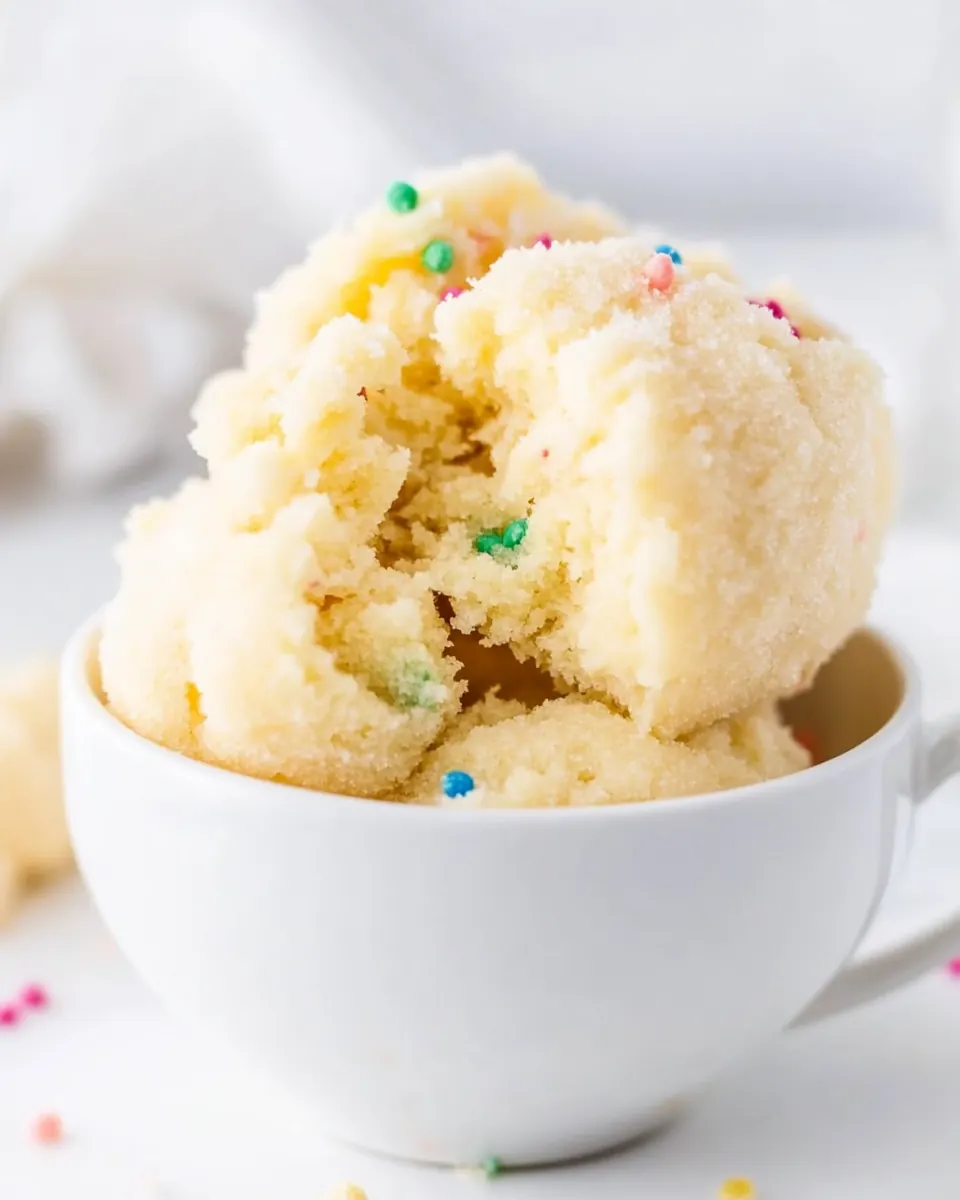
Over the years I have adapted this recipe for family gatherings, road trip picnic tubs, and quiet nights when I want something comforting without the fuss of an oven full of cookies. The texture is somewhere between soft frosting and classic cookie dough, and the vanilla extract note is simple yet unmistakable. Kids loved it from the first spoonful, adults appreciated the grown up control of sweetness, and I loved the fact that it required only a handful of pantry staples. Whenever someone asks for an easy, crowd pleasing treat, I reach for my mixing bowl and this recipe, because it is forgiving and endlessly approachable.
Recipe Snapshot
13 mins
10 mins
3 mins
Easy
210 kcal
American
Gluten-Free, Low FODMAP
Desserts
Oven, Rimmed baking sheet, Parchment paper or silicone mat, Stand mixer or large mixing bowl and hand mixer, Measuring cups and spoons
The Magic of This Edible Sugar Cookie Dough
I always bake the flour for safety and flavor
Baking the all purpose flour is a small extra step that makes a big difference. It removes raw flour starch flavors, produces a faintly toasted aroma, and ensures the dough is safe to eat. I like that this step elevates the texture and avoids any worry about raw ingredients when kids are involved.
Minimal ingredients, maximum comfort
This version relies on simple staples like salted butter, granulated sugar, and vanilla extract. Together they create a balanced backbone of fat, sweetness, and aromatics, so you do not need anything exotic to get professional tasting results. I often tell friends this is the best proof that pantry cooking can be indulgent.
Flexible texture for every craving
By adjusting the amount of whole milk, you can move from a spoonable spread to a firmer scoopable dough. I love that variance because sometimes you want to tuck into it with a spoon, other times you want to roll small balls for sharing. It is forgiving, and that makes it my go to for last minute entertaining.
Perfect for gatherings and gifting
I have gifted jars of this dough before, and people always comment on how nostalgic it feels. The predictable, sweet profile means it travels well, keeps for a few days refrigerated, and still tastes great after a short rest at room temperature. It is one of those small pleasures that people remember.
Customizable finishing touches
Additions like sprinkles are optional, but they bring a playful pop of color and texture. I often add them to match a party theme, or skip them for a simpler presentation. The recipe is neutral enough to pair with a wide range of mix ins while still staying faithful to the sugar cookie profile.
Edible Sugar Cookie Dough Shopping List
These ingredients are intentionally straightforward, each playing a clear role in texture and flavor. The baked all purpose flour forms the safe, dry base. The creaming duo of salted butter and granulated sugar creates air and tenderness. Vanilla extract adds aromatic depth, salt balances the sweetness, and a touch of whole milk helps you reach a perfect, scoopable consistency. Together they give you that classic sugar cookie flavor without the bother of baking cookies themselves.
- 1 cup all-purpose flour: Provide structure and a neutral base by offering the dry starches and proteins that give the dough its body; to ensure safety for raw consumption, it can be heat-treated before use. Combine gently with fats and sugars to create the classic cookie-dough crumb and mouthfeel.
- 8 tablespoons salted butter softened: Contribute richness, tenderness, and moisture by coating flour proteins with fat to inhibit overdevelopment of gluten; softened form allows easy creaming with sugar to incorporate air for a slightly lighter texture. Salted butter also adds a subtle savory balance to the sweet elements.
- 1/2 cup granulated sugar: Add sweetness and aid in tenderizing by dissolving into the butter to create a smooth, cohesive dough; sugar also helps with mouthfeel and contributes to slight caramelization if baked. Properly creamed, it assists with aeration and texture.
- 1 teaspoon vanilla extract: Impart aromatic flavor and enhance other ingredients by contributing warm, familiar vanilla notes; even a small amount can brighten and round out the overall flavor profile. Mix in during creaming or with liquids to evenly distribute the aroma.
- 1/4 teaspoons salt: Enhance overall flavor balance by providing subtle savory contrast that amplifies sweetness and other aromatics; a precise small amount prevents the dough from tasting flat. Salt can also slightly strengthen dough structure by interacting with proteins.
- 2 to 3 tablespoons whole milk to reach desired consistency: Adjust consistency and hydration by loosening the mixture just enough to achieve a scoopable, creamy texture without becoming wet; milk adds a touch of richness and helps bind dry ingredients. Add gradually until desired pliability is reached.
Preparation Steps for Edible Sugar Cookie Dough

I like to approach these steps with patience and a steady rhythm, because each moment builds on the last to create a safe, luscious dough. The directions are straightforward, yet the sensory cues I describe will help you feel confident at every turn.
- Preheat oven to 350°F. Spread flour on a parchment lined or silicone baking mat lined rimmed baking sheet.: Even though you will not be baking cookies, bringing your oven to 350°F ensures the internal temperature is stable when you toast the all purpose flour . You should notice the oven warming and a faint dry heat; if your oven has hot spots, rotate the sheet once while the flour toasts. Common mistake to avoid, do not leave the flour unattended, because it can brown quickly and become bitter.
- Bake the flour for about 6 minutes and then set it aside to cool. The flour needs to be completely cooled before proceeding. (Check the flour to make sure it hits 160 degrees to be safe.) You do not want the flour to brown so keep a close eye on it.: When you spread the flour in an even layer, you promote consistent toasting, which gives a uniform, toasted aroma and prevents pockets of raw flour. Use the back of a spoon to level it, and the layer should be thin enough that you can see a faint dusting across the sheet. A frequent error is piling the flour too thickly, which leads to uneven heating and longer bake times.
- In a large mixing bowl or the bowl of a stand mixer, cream together the butter and sugar until light and fluffy, about 3 to 4 minutes.: As the flour toasts, you will smell a warm, biscuity scent that is more fragrant than raw flour, and the surface should remain pale, not golden brown. Let it cool fully to room temperature so it does not melt the butter later, and for safety verify it reaches 160 degrees if you have a thermometer. A typical pitfall here is adding warm flour to the butter, which will make the dough greasy instead of creamy.
- Mix in the vanilla extract, cooled flour, salt and 2 tablespoons of milk. Mix on low speed just until the mixture starts to come together in a ball. Add additional milk if the dough appears dry or crumbly.: As you beat the salted butter with the granulated sugar , the mixture should become paler and expand slightly as air incorporates; you will hear a softer, smoother sound from the mixer and see a ribboning texture when you lift the paddle. This aeration is what gives the dough a lighter mouthfeel. A common error is using butter that is too cold, which prevents proper creaming and yields a dense texture.
- Stir in sprinkles if using.: Once you fold in the vanilla extract and the cooled, baked all purpose flour , the aroma will bloom and the mixture will lose its glossy sheen as dry ingredients absorb moisture. Start on low to avoid a flour puff, then increase briefly if needed to bring the dough together. If it looks crumbly, add the extra tablespoon of whole milk slowly, watching for the dough to form a cohesive, slightly tacky ball. Avoid over mixing, which can make the dough dense and cause it to lose its tender quality.
- Store in an airtight container in the refrigerator for up to 3 days. Dough may need to sit out at room temperature for 10 minutes before soft enough to eat with a spoon.: Sprinkles bring a cheerful texture contrast and visual pop, and they will disperse evenly with gentle folding; you should see flecks of color without streaks. Fold them in by hand or on low speed to preserve their shape and avoid creating a colored streak through the entire dough. One mistake to watch for is adding too many mix ins, which can overwhelm the delicate sugar cookie taste.
- Store in an airtight container in the refrigerator for up to 3 days. Dough may need to sit out at room temperature for 10 minutes before soft enough to eat with a spoon.: Chilling lets the flavors meld and firms the dough for scooping or spooning. When refrigerated you will notice it becomes denser and cooler to the touch; let it rest on the counter for about 10 minutes to soften for easier serving. A common error is letting it sit too long unrefrigerated, which can promote spoilage, so always use an airtight container and keep to the time window.
Tips for Success

I like to frame tips as little moments that save time and elevate flavor. These practical notes come from repeated tests and real life serving situations, so they are designed to be easy to apply.
- Toast the flour carefully so it gets warm and aromatic without browning, checking frequently to prevent a bitter taste.
- Measure accurately by spooning flour into a cup and leveling it, because packed flour will dry out the dough and change texture.
- Keep butter at room temperature so it creams smoothly with the sugar, creating the light texture you want in the finished dough.
- Add milk slowly and watch the dough come together; a little goes a long way toward achieving the ideal scoopable consistency.
- Use an airtight container and chill promptly to maintain freshness and prevent flavor changes while stored for up to three days.
- Customize sparingly with sprinkles or small mix ins to keep the sugar cookie profile clear and not overwhelmed.
What Complements This Edible Sugar Cookie Dough
This dough is versatile for casual snacking, parties, and small gifts. I often pair it with playful serving ideas and storage tips so it fits many occasions. Below are suggestions for serving styles, occasions, and how to keep it tasting fresh over time.
- Serve in small bowls for spooning at a dessert table; guests love dipping fruit or cookies into a small scoop of the dough.
- Pack in jars with a ribbon for a portable gift, and include a small label that notes refrigeration and a three day window for best quality.
- Bring to potlucks in a chilled container and set out with spoons so people can enjoy it safely without reheating.
- Make it a treat for kids by offering a few sprinkle choices so they can personalize each spoonful.
- Store in the fridge and allow 10 minutes at room temperature before serving so the dough softens for easy scooping.
- Enjoy as a post dinner snack with coffee or tea, letting the vanilla and buttery notes pair with warm beverages.
FAQ
Conclusion
Edible Sugar Cookie Dough stands out because it transforms familiar pantry ingredients into a safe, spoonable treat that people of all ages can enjoy. The toasted flour technique removes raw flour concerns while adding a warm, toasty aroma that complements the creamy butter and sweet sugar. Give it a try for casual snacking, party bowls, or a thoughtful jarred gift to friends. I hope this recipe becomes a little kitchen ritual for you, one that brings back cozy memories and invites small moments of indulgence.

Edible Sugar Cookie Dough
Equipment
- Oven
- Rimmed Baking Sheet
- Parchment paper or silicone mat
- Stand mixer or large mixing bowl and hand mixer
- Measuring Cups and Spoons
Ingredients
- 1 cup all-purpose flour Provide structure and a neutral base by offering the dry starches and proteins that give the dough its body; to ensure safety for raw consumption, it can be heat-treated before use. Combine gently with fats and sugars to create the classic cookie-dough crumb and mouthfeel.
- 8 tablespoons salted butter softened Contribute richness, tenderness, and moisture by coating flour proteins with fat to inhibit overdevelopment of gluten; softened form allows easy creaming with sugar to incorporate air for a slightly lighter texture. Salted butter also adds a subtle savory balance to the sweet elements.
- 1/2 cup granulated sugar Add sweetness and aid in tenderizing by dissolving into the butter to create a smooth, cohesive dough; sugar also helps with mouthfeel and contributes to slight caramelization if baked. Properly creamed, it assists with aeration and texture.
- 1 teaspoon vanilla extract Impart aromatic flavor and enhance other ingredients by contributing warm, familiar vanilla notes; even a small amount can brighten and round out the overall flavor profile. Mix in during creaming or with liquids to evenly distribute the aroma.
- 1/4 teaspoons salt Enhance overall flavor balance by providing subtle savory contrast that amplifies sweetness and other aromatics; a precise small amount prevents the dough from tasting flat. Salt can also slightly strengthen dough structure by interacting with proteins.
- 2 to 3 tablespoons whole milk to reach desired consistency Adjust consistency and hydration by loosening the mixture just enough to achieve a scoopable, creamy texture without becoming wet; milk adds a touch of richness and helps bind dry ingredients. Add gradually until desired pliability is reached.
Instructions
- Preheat oven to 350°F. Spread flour on a parchment lined or silicone baking mat lined rimmed baking sheet.: Even though you will not be baking cookies, bringing your oven to 350°F ensures the internal temperature is stable when you toast the all purpose flour . You should notice the oven warming and a faint dry heat; if your oven has hot spots, rotate the sheet once while the flour toasts. Common mistake to avoid, do not leave the flour unattended, because it can brown quickly and become bitter.
- Bake the flour for about 6 minutes and then set it aside to cool. The flour needs to be completely cooled before proceeding. (Check the flour to make sure it hits 160 degrees to be safe.) You do not want the flour to brown so keep a close eye on it.: When you spread the flour in an even layer, you promote consistent toasting, which gives a uniform, toasted aroma and prevents pockets of raw flour. Use the back of a spoon to level it, and the layer should be thin enough that you can see a faint dusting across the sheet. A frequent error is piling the flour too thickly, which leads to uneven heating and longer bake times.
- In a large mixing bowl or the bowl of a stand mixer, cream together the butter and sugar until light and fluffy, about 3 to 4 minutes.: As the flour toasts, you will smell a warm, biscuity scent that is more fragrant than raw flour, and the surface should remain pale, not golden brown. Let it cool fully to room temperature so it does not melt the butter later, and for safety verify it reaches 160 degrees if you have a thermometer. A typical pitfall here is adding warm flour to the butter, which will make the dough greasy instead of creamy.
- Mix in the vanilla extract, cooled flour, salt and 2 tablespoons of milk. Mix on low speed just until the mixture starts to come together in a ball. Add additional milk if the dough appears dry or crumbly.: As you beat the salted butter with the granulated sugar , the mixture should become paler and expand slightly as air incorporates; you will hear a softer, smoother sound from the mixer and see a ribboning texture when you lift the paddle. This aeration is what gives the dough a lighter mouthfeel. A common error is using butter that is too cold, which prevents proper creaming and yields a dense texture.
- Stir in sprinkles if using.: Once you fold in the vanilla extract and the cooled, baked all purpose flour , the aroma will bloom and the mixture will lose its glossy sheen as dry ingredients absorb moisture. Start on low to avoid a flour puff, then increase briefly if needed to bring the dough together. If it looks crumbly, add the extra tablespoon of whole milk slowly, watching for the dough to form a cohesive, slightly tacky ball. Avoid over mixing, which can make the dough dense and cause it to lose its tender quality.
- Store in an airtight container in the refrigerator for up to 3 days. Dough may need to sit out at room temperature for 10 minutes before soft enough to eat with a spoon.: Sprinkles bring a cheerful texture contrast and visual pop, and they will disperse evenly with gentle folding; you should see flecks of color without streaks. Fold them in by hand or on low speed to preserve their shape and avoid creating a colored streak through the entire dough. One mistake to watch for is adding too many mix ins, which can overwhelm the delicate sugar cookie taste.
- Store in an airtight container in the refrigerator for up to 3 days. Dough may need to sit out at room temperature for 10 minutes before soft enough to eat with a spoon.: Chilling lets the flavors meld and firms the dough for scooping or spooning. When refrigerated you will notice it becomes denser and cooler to the touch; let it rest on the counter for about 10 minutes to soften for easier serving. A common error is letting it sit too long unrefrigerated, which can promote spoilage, so always use an airtight container and keep to the time window.
Notes
- Toast the flour carefully so it gets warm and aromatic without browning, checking frequently to prevent a bitter taste.
- Measure accurately by spooning flour into a cup and leveling it, because packed flour will dry out the dough and change texture.
- Keep butter at room temperature so it creams smoothly with the sugar, creating the light texture you want in the finished dough.
- Add milk slowly and watch the dough come together; a little goes a long way toward achieving the ideal scoopable consistency.
- Use an airtight container and chill promptly to maintain freshness and prevent flavor changes while stored for up to three days.
- Customize sparingly with sprinkles or small mix ins to keep the sugar cookie profile clear and not overwhelmed.