The BEST Carrot Cake
The BEST Carrot Cake is the sort of cake I make when I want everyone at the table to slow down, talk, and reach for seconds. The first time I baked it for a family gathering, the kitchen filled with a warm, spice laden scent that clung to your sleeves, and my cousin asked for the recipe before the last crumbs were gone. I remember standing at the counter, hands dusted with flour and a bowl of freshly grated carrots at my feet, feeling oddly proud that such a humble root could transform into something so celebratory.
Over the years, I learned to tweak the balance of sweetness and spice, to brown butter for the frosting so it would have a toasty depth, and to fold the grated carrots gently so the crumb stays tender. Each time I bake The BEST Carrot Cake, I think about the little rituals that make baking comforting, like licking the spoon, tapping the pan to release air bubbles, and giving the frosting the softest, fluted finish with an offset spatula. It feels like passing along a warm, edible hug.
Recipe Snapshot
1 hr 35 mins
60 mins
35 mins
Medium
450 kcal
American
Gluten-Free, Low FODMAP
Desserts
Mixing bowls, Stand mixer or hand mixer, Saucepan, 8 inch or 9 inch round cake pans, Parchment paper, Cooling rack, Offset spatula, Kitchen scale
Why This The BEST Carrot Cake Works
Irresistible Texture
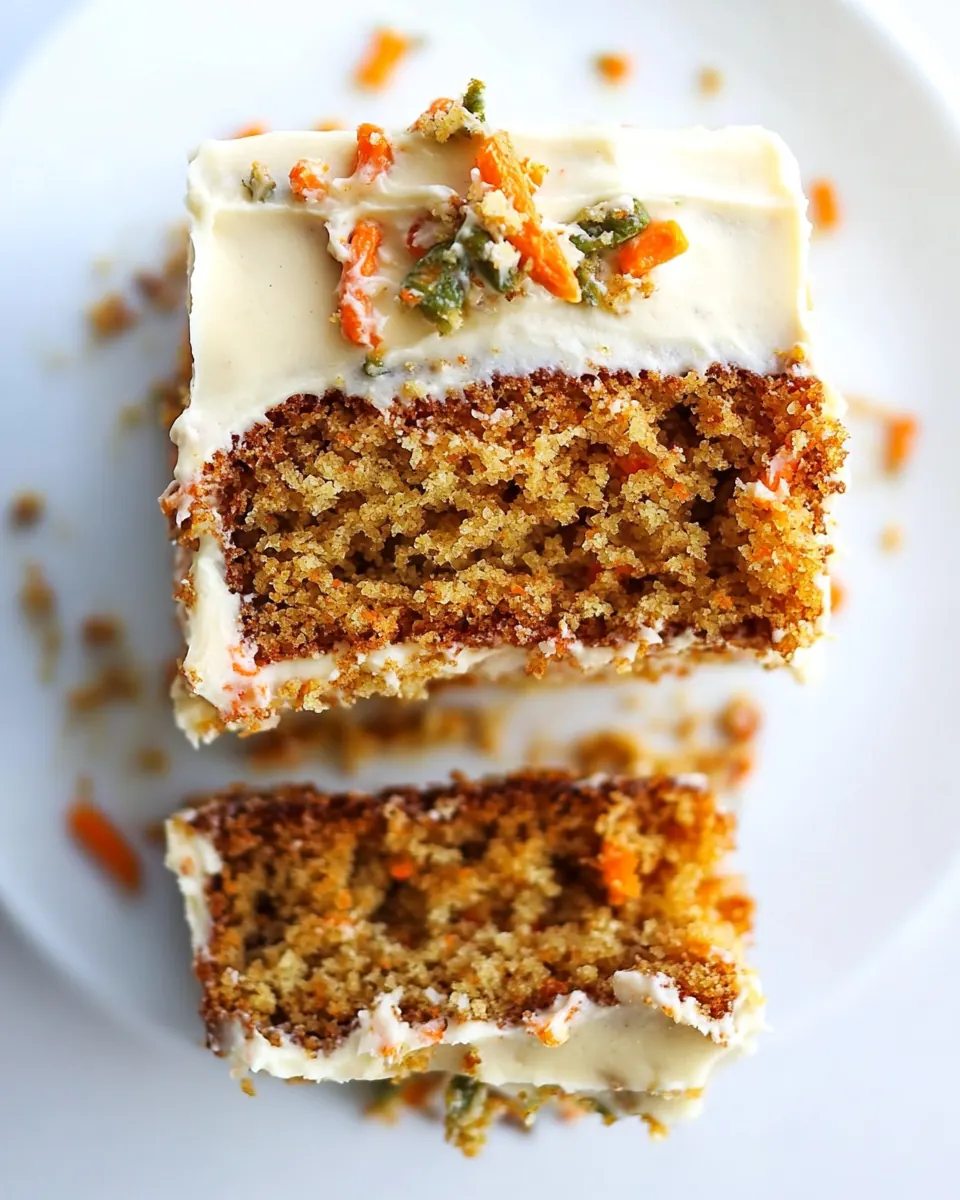
I adore how The BEST Carrot Cake delivers a tender, moist crumb every single time. The combination of all purpose flour, vegetable oil, and grated carrots keeps the cake silky and soft, while the leavening agents give it a light lift without drying it out. When I slice into the cake, I look for a springy bounce and moist center, that tells me the balance is perfect.
Layered Flavor
What sets this cake apart is the frosting, browned butter folded into a classic cream cheese frosting. The nuttiness of the browned butter adds a golden, caramel like note that deepens the sweetness of the powdered sugar and the tang of the cream cheese. I love how every bite gives you cinnamon spiced cake and lush, slightly tangy frosting.
Reliable Technique
I trust this recipe because it uses straightforward methods that reward attention to small details. From whisking the eggs and sugars until they lighten, to folding the carrots gently so the batter stays airy, each step is practical. I often tell friends that patience and gentle handling are the secrets to success, and most bakers see big returns with a little care.
Customizable and Crowd Friendly
I’ve served The BEST Carrot Cake at birthdays, neighborhood potlucks, and quiet Sunday teas. The recipe scales well and you can easily add toasted nuts or golden raisins if you want texture. I particularly like offering a small bowl of toasted walnuts on the side so guests can sprinkle them as they please.
Comforting Nostalgia
This cake carries a cozy, traditional vibe that always sparks conversation. It feels like a family recipe even if you just made it for the first time. I love watching people close their eyes as they take a bite, because that moment of enjoyment is what I bake for.
Key Ingredients for The BEST Carrot Cake
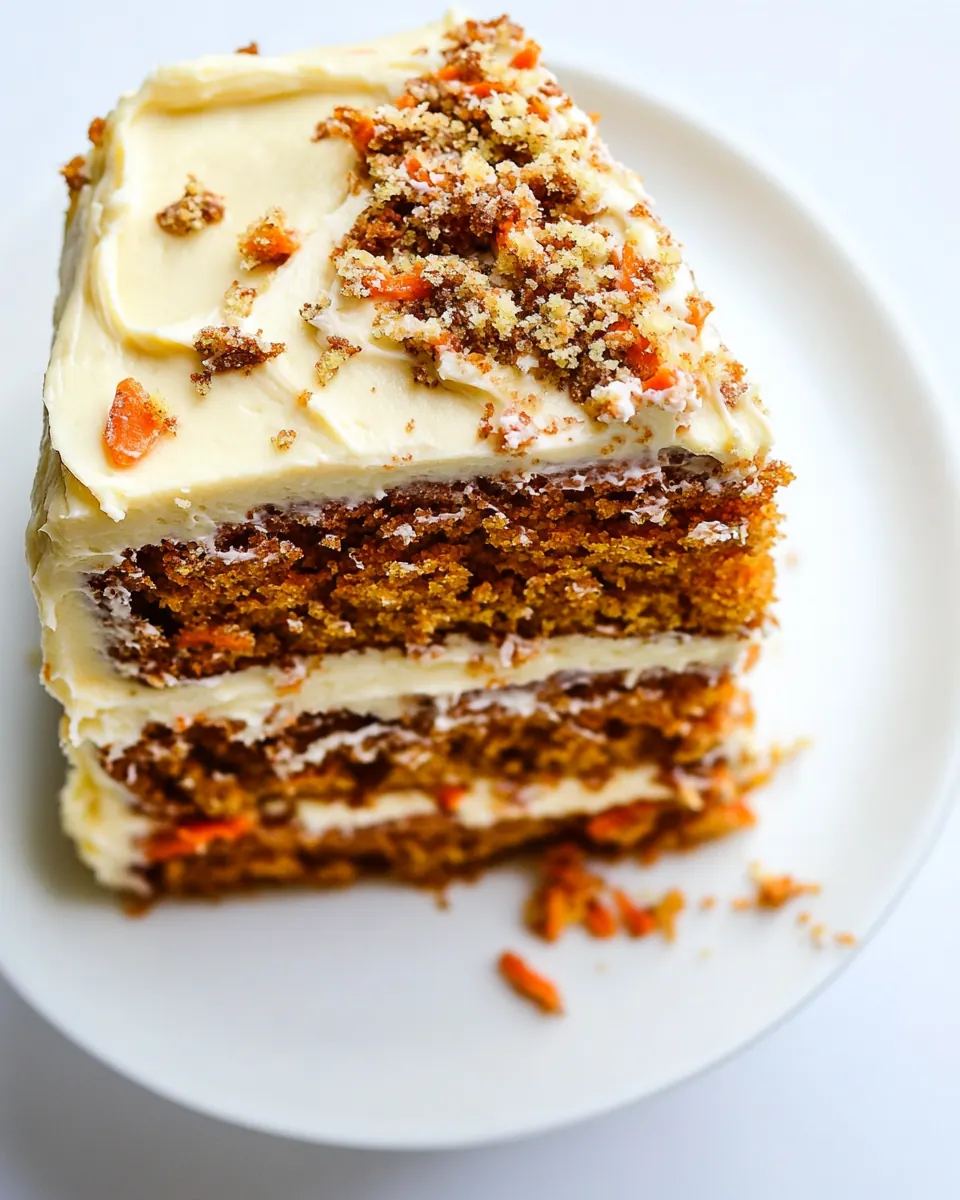
These ingredients are a study in harmony, each playing a clear role. The carrots bring moisture and natural sweetness, the combination of sugars and butter builds tenderness and flavor, and the leaveners create lift. The frosting pairs tangy cream cheese with browned butter for contrast, making each slice feel balanced and complete.
- 16 tablespoons unsalted butter, two sticks at room temperature, divided: Soften to room temperature and divide for batter and frosting; contributes richness, moisture, and tender crumb when creamed with sugars.
- 1 pound full fat cream cheese, at room temperature: Soften to room temperature and beat until smooth for a tangy, creamy frosting base that adds body and balances sweetness.
- 1/4 teaspoon kosher salt: Season sparingly to enhance and balance sweetness in both batter and frosting while amplifying other flavors.
- 3 1/2 cups powdered sugar: Sift or spoon in to sweeten and thicken the frosting; dissolves into a silky texture that stabilizes spreadable frosting.
- 4 tablespoons maple syrup, the darker the better: Add for a deep, complex sweetness and subtle maple aroma in the frosting; contributes a sticky, glossy finish and depth.
- 1 teaspoon vanilla extract: Provide a warm vanilla aroma and enhance overall sweetness; used to round and elevate flavors in both components.
- 1 1/2 cups light brown sugar: Cream with butter to create a moist, tender cake crumb and provide caramel-like flavor and color.
- 1/2 cup granulated sugar: Cream with butter and beat into the batter to add sweetness while helping to aerate and tenderize the cake structure.
- 4 eggs, at room temperature: Bring to room temperature and beat in to help emulsify fats and liquids; provides structure, lift, and moisture to the cake.
- 1 cup vegetable or canola oil: Pour in to create a moist crumb and help carry flavors; neutral oil keeps the texture tender without altering taste.
- 3/4 cup full fat buttermilk, at room temperature: Warm to room temperature and fold in to add slight tang and acidity, which reacts with leaveners to produce a light crumb.
- 1 teaspoon vanilla extract: Add for a second layer of warm vanilla aroma, reinforcing flavor continuity between cake and frosting components.
- 1 pound carrots, peeled and either shredded in a food processor, or coarsely grated with a box grater (about 4 cups): Prepare by peeling and shredding or grating to supply natural sweetness, moisture, and texture; provides structure and visible carrot flecks.
- 2 1/2 cups all-purpose flour: Sift or whisk in to form the dry base of the cake; provides bulk, gluten structure, and absorbs moisture from wet ingredients.
- 2 teaspoons ground cinnamon: Stir in to contribute classic warm, sweet-spicy flavor; complements carrots and spices while enhancing overall aroma.
- 2 teaspoons baking powder: Measure and whisk into dry ingredients to provide lift and an even rise by releasing gas during baking.
- 1 teaspoon baking soda: Combine with acidic components to produce additional rise and improve crumb lightness; helps overall leavening balance.
- 1 teaspoon kosher salt: Season the batter to enhance flavor contrast and bring out sweet and savory notes when combined with spices.
- 1 teaspoon ground ginger: Mix in to add warm, zesty heat and complement cinnamon; contributes complexity to the spice profile.
- 1/4 teaspoon ground nutmeg: Use sparingly to add sweet, warm depth and a hint of nutty pungency that enhances the autumnal spice blend.
- 1/4 teaspoon ground cloves: Add a pinch to provide a warm, slightly bitter, and aromatic finish that rounds out the spice blend.
Recipe Steps for The BEST Carrot Cake
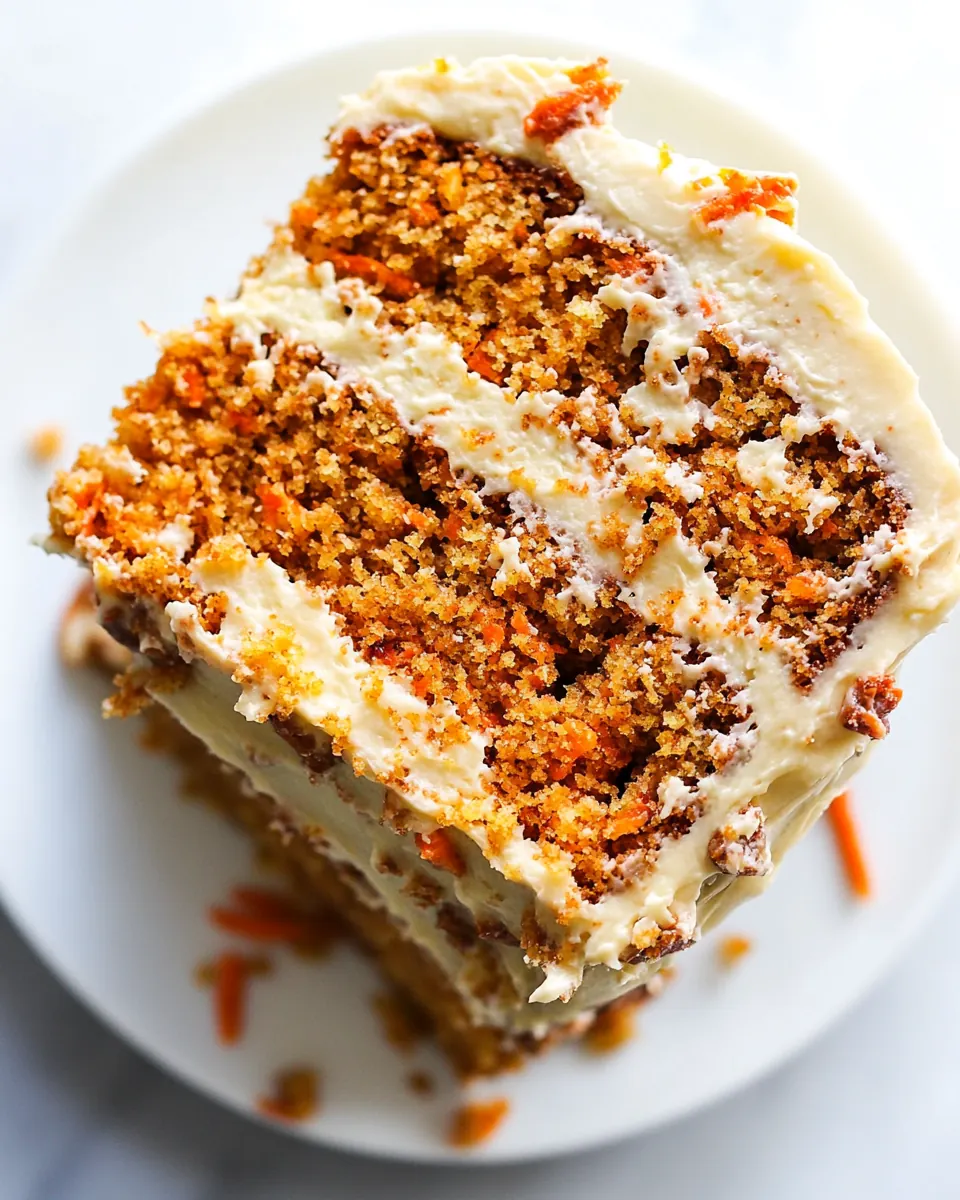
I like to approach baking this cake with calm focus, laying out bowls and ingredients so everything flows. These steps cover pan prep, batter creation, baking, and the much loved frosting. Read them fully once, and then dive in while having everything nearby.
- Lightly brush the bottoms and sides of two 8-inch or 9-inch round cake pans (or 9 X 13-inch pan) with oil, or spray with non-stick baking spray. Line the bottoms with parchment paper rounds and set aside.: You will notice the pan surface glinting slightly where the oil clings, that sheen prevents sticking and helps the cake release cleanly. Lining the bottoms with parchment rounds creates a flawless circle when you invert the layers, and prevents tearing. One common mistake is skimping on the spray or parchment, which can lead to cake edges sticking and breaking, so be thorough and press the parchment into the pan to avoid air pockets.
- First, brown the butter for your frosting. Add one stick of unsalted butter to a medium sized saucepan and heat over medium. Cook for about 3 minutes or until browned and fragrant (it will smell nutty), swirling the butter and stirring occasionally (be sure to scrape the sides and bottom of the pan to release all the brown bits that might have gotten stuck). Once browned, remove from heat and pour into a mixing bowl. Let it cool and solidify while you make your cake.: As the butter heats in a medium saucepan it will melt, foam, and then slowly darken with tiny brown flecks settling at the bottom. The aroma transforms from creamy to nutty, almost like toasted almonds, and that scent is the cue to remove it from heat. Pouring the browned butter into a bowl to cool lets it solidify slightly so it blends seamlessly with softened butter and cream cheese later. Overcooking is a risk, it can go from browned to burnt quickly, so watch closely and swirl the pan to avoid scorching.
- Preheat the oven to 350°F. In a large mixing bowl (or in the bowl of a stand mixer), whisk the sugars and eggs together until the mixture is thick and lighter in color, 5-6 minutes. While mixing, slowly add the oil to the eggs and sugar until blended and smooth then add the buttermilk and vanilla.: You should hear the oven click as it reaches temperature and the interior light will glow, setting the stage for even baking. Whisking the sugars and eggs until thick and lighter in color incorporates air which contributes to a tender crumb. When you slowly add the oil while mixing, it emulsifies into the eggs producing a smooth, glossy batter. A common oversight is not fully preheating the oven, which can cause the cake to bake unevenly, so wait until it's fully up to temperature before placing pans inside.
- In another bowl, whisk the dry ingredients together. If adding nuts, add them to your dry ingredients now, tossing to coat. Gradually add the dry ingredients to the wet mixture in three additions, mixing between each addition and scraping down the sides and bottom of the bowl to ensure everything is evenly mixed. Gently fold in the carrots (and raisins, if using), making sure there are no remaining pockets of dry ingredients.: Combine the flour , baking powder, baking soda, salt, and spices until evenly distributed and fragrant; you should smell the cinnamon and ginger blend. If you are using nuts or raisins, tossing them with a bit of flour before adding helps them distribute without sinking. Gradually adding the dry mix to the wet in three additions prevents over mixing, preserving a tender texture. A typical mistake is dumping all the dry ingredients in at once and over beating, which tightens the gluten and yields a dense cake.
- Divide the batter between two prepared cake pans (or your 9 X 13-inch pan). One trick I like for even cake layers is to place each pan on my kitchen scale, zero it out, and then add half the batter. Do the same with the other pan and add a bit more as needed so they weigh the same. Bake for 35-40 minutes for 8-inch cake pans, for 9-inch cake pans or a 9 X 13-inch pan bake for 30-35 minutes or until a tester inserted in the centers comes out clean and the sides of the cake pull away from the edges of the pan. Cool for 10 minutes in the pans then run a knife around the edges of the cake pans and carefully invert the cakes on a cooling rack to cool completely.: You will see the batter change from loose to thick and cohesive, and scraping prevents pockets of flour that bake into dry streaks. Folding gently at this stage guards against deflating the mixture, keeping the crumb light. Avoid using high speed or vigorous stirring here, as that can overdevelop the gluten and create a tough texture.
- While the cake cools, make your frosting. In the bowl of a stand mixer, combine the cooled 8 tablespoons of browned butter with the remaining stick of softened butter. Beat until the butter is light, smooth, and well blended. Add the cream cheese and salt then continue beating on medium to medium-high speed for about 3 minutes, scraping down the sides and bottom of the bowl to ensure everything is incorporated and there are no lumps. Add the maple syrup and vanilla and then the powdered sugar (1 cup at a time), beating until the frosting is smooth, whipped, and fluffy. Set aside until ready to use or refrigerate for up to 1 week if making it in advance.: Once the dry ingredients are fully incorporated, the grated carrots are folded in to distribute moisture and flecks of orange throughout the batter. The batter should look studded with carrot strands and hold together without streaks of flour. If you over fold, you risk compressing the batter which reduces rise; fold only until the carrots are evenly dispersed.
- Place a heaping cup of icing on the first cake layer and use an offset spatula to spread it out. Top with your second layer and another heaping cup of icing, spreading down the sides and covering the whole cake. Note: Depending on how much icing you’d like on your cake, you may have 1/4 – 1/2 cup extra icing leftover.: To get even layers, I weigh each pan while adding batter so the layers match; visually you want similar heights for balanced baking. Place the pans on a center rack in the preheated oven and bake until a tester comes out clean and the sides pull away slightly from the pan. Rushing to open the oven or moving pans too soon can cause the cakes to sink, so resist peeking during the crucial middle of baking.
- Bake for 35 to 40 minutes for 8 inch cake pans, for 9 inch cake pans or a 9 X 13 inch pan bake for 30 to 35 minutes or until a tester inserted in the centers comes out clean and the sides of the cake pull away from the edges of the pan: During baking, the aroma will grow and the top will turn a warm golden brown while the center springs back gently when touched. Use a thin toothpick or cake tester; if it comes out with moist crumbs, it is done, and if it has wet batter, give it a few more minutes. Opening the oven too often can lower the temperature and cause uneven rise, so check only near the end of the suggested time window.
- Cool for 10 minutes in the pans then run a knife around the edges of the cake pans and carefully invert the cakes on a cooling rack to cool completely: The cake will continue to set as it cools and slightly pull away from the pan edges, and this resting prevents crumbling when you remove the layers. Inverting onto a rack helps air circulate so the bottom does not become soggy. A common error is trying to frost while the cake is still warm, which melts the frosting and creates a messy finish, so allow it to cool fully.
- While the cake cools, make your frosting: Combine the cooled 8 tablespoons of browned butter with the remaining stick of softened butter and beat until light and smooth; the texture should become pale and fluffy. Adding the cream cheese and salt and beating for several minutes yields a silky, lump free base; scraping the bowl ensures even mixing. Then add the maple syrup , vanilla, and the powdered sugar gradually, beating until the frosting is whipped and airy. If the frosting is too loose, chilling briefly firms it; if too stiff, beat in a teaspoon of milk or adjust with gentle mixing.
- Place a heaping cup of icing on the first cake layer and use an offset spatula to spread it out: Spread the frosting evenly so the first layer is supported, then top with the second layer and another heaping cup of icing, covering the sides and top. Aim for a smooth finish or rustic swirls, both look beautiful; if you prefer more frosting, this recipe can yield a little extra. One mistake is using cold frosting which resists spreading; ensure it is soft enough to spread smoothly without tearing the cake layers.
Customization Ideas
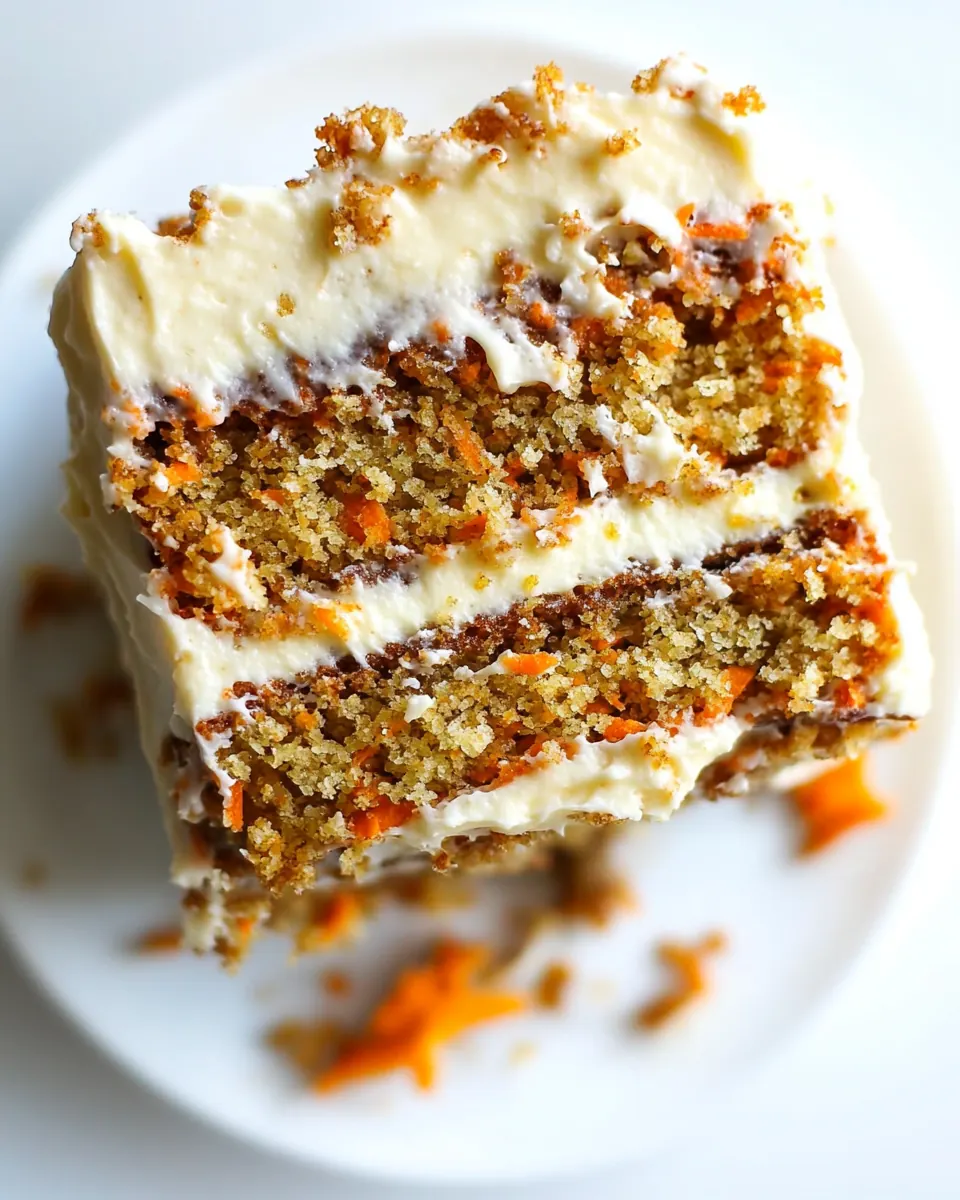
I like to give options so bakers can make this recipe their own. Below are ideas for texture, add ins, and presentation that keep the core profile intact while offering variety. Each tip starts with a clear action phrase so you can scan quickly and choose what suits your occasion.
- Add toasted nuts by folding in 1 to 1 1/2 cups of chopped walnuts or pecans to the batter, which gives a crunchy contrast to the soft crumb.
- Include golden raisins by stirring in 1/2 cup for pockets of chewy sweetness that pair well with the warm spices and cream cheese frosting.
- Adjust frosting sweetness by reducing the powdered sugar slightly if you prefer a tangier finish, tasting as you go to maintain balance with the cream cheese.
- Make cupcakes by dividing the batter into lined muffin tins and reducing bake time; this is perfect for individual servings at parties.
- Decorate simply with a sprinkling of toasted nut pieces on top of the frosted cake for an elegant, rustic finish that adds texture and visual appeal.
- Prepare ahead by making the frosting up to one week in advance and storing it chilled, bringing it back to spreadable temperature before assembly.
Serving Options for The BEST Carrot Cake
This cake is versatile for many occasions and serves beautifully both in casual and celebratory settings. Below are thoughtful options for pairing, occasions, and storage presented as a practical list you can reference when planning your menu.
- Classic dessert plate: Serve slices with a dollop of extra frosting and a small sprinkle of toasted walnuts for texture, making it ideal for birthdays or family dinners.
- Tea time: Offer thin slices alongside hot tea or coffee in the afternoon, creating a cozy moment for guests during a casual visit or a book club meeting.
- Holiday centerpiece: Use the cake as a sweet anchor for holiday spreads in fall, bringing warming spices and rich frosting to the table for gatherings.
- Make ahead and store: Refrigerate the frosted cake for three to four days; bring to room temperature for about 30 to 45 minutes before serving to restore softness.
- Transport friendly: For potlucks, assemble the layers chilled and keep the cake in a sturdy box or cake carrier to prevent shifting while traveling.
- Portion control: Cut the cake into small, even squares for buffet style service at larger events, and label a small card with allergens if you included nuts or raisins.
FAQ
Conclusion
This cake stands out because it pairs moist, warmly spiced layers with a rich browned butter cream cheese frosting that balances sweetness with tang. Give The BEST Carrot Cake a try when you want something comforting yet showy; the flavors are familiar, but the browned butter frosting makes it feel elevated. Share it with family or friends, and enjoy the little moments of praise and second helpings as people return for more.
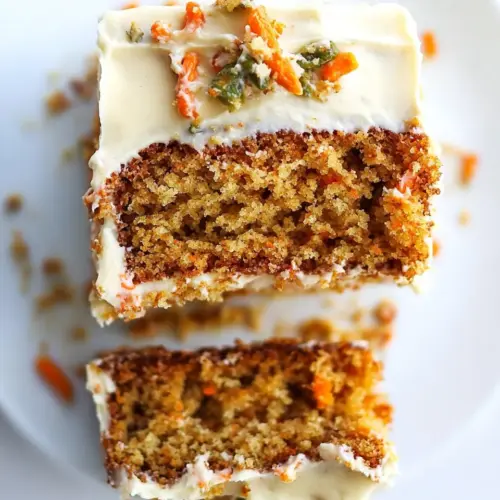
The BEST Carrot Cake
Equipment
- Mixing Bowls
- Stand mixer or hand mixer
- Saucepan
- 8 inch or 9 inch round cake pans
- Parchment Paper
- Cooling rack
- Offset Spatula
- Kitchen Scale
Ingredients
- 16 tablespoons unsalted butter, two sticks at room temperature, divided Soften to room temperature and divide for batter and frosting; contributes richness, moisture, and tender crumb when creamed with sugars.
- 1 pound full fat cream cheese, at room temperature Soften to room temperature and beat until smooth for a tangy, creamy frosting base that adds body and balances sweetness.
- 1/4 teaspoon kosher salt Season sparingly to enhance and balance sweetness in both batter and frosting while amplifying other flavors.
- 3 1/2 cups powdered sugar Sift or spoon in to sweeten and thicken the frosting; dissolves into a silky texture that stabilizes spreadable frosting.
- 4 tablespoons maple syrup, the darker the better Add for a deep, complex sweetness and subtle maple aroma in the frosting; contributes a sticky, glossy finish and depth.
- 1 teaspoon vanilla extract Provide a warm vanilla aroma and enhance overall sweetness; used to round and elevate flavors in both components.
- 1 1/2 cups light brown sugar Cream with butter to create a moist, tender cake crumb and provide caramel-like flavor and color.
- 1/2 cup granulated sugar Cream with butter and beat into the batter to add sweetness while helping to aerate and tenderize the cake structure.
- 4 eggs, at room temperature Bring to room temperature and beat in to help emulsify fats and liquids; provides structure, lift, and moisture to the cake.
- 1 cup vegetable or canola oil Pour in to create a moist crumb and help carry flavors; neutral oil keeps the texture tender without altering taste.
- 3/4 cup full fat buttermilk, at room temperature Warm to room temperature and fold in to add slight tang and acidity, which reacts with leaveners to produce a light crumb.
- 1 teaspoon vanilla extract Add for a second layer of warm vanilla aroma, reinforcing flavor continuity between cake and frosting components.
- 1 pound carrots, peeled and either shredded in a food processor, or coarsely grated with a box grater (about 4 cups) Prepare by peeling and shredding or grating to supply natural sweetness, moisture, and texture; provides structure and visible carrot flecks.
- 2 1/2 cups all-purpose flour Sift or whisk in to form the dry base of the cake; provides bulk, gluten structure, and absorbs moisture from wet ingredients.
- 2 teaspoons ground cinnamon Stir in to contribute classic warm, sweet-spicy flavor; complements carrots and spices while enhancing overall aroma.
- 2 teaspoons baking powder Measure and whisk into dry ingredients to provide lift and an even rise by releasing gas during baking.
- 1 teaspoon baking soda Combine with acidic components to produce additional rise and improve crumb lightness; helps overall leavening balance.
- 1 teaspoon kosher salt Season the batter to enhance flavor contrast and bring out sweet and savory notes when combined with spices.
- 1 teaspoon ground ginger Mix in to add warm, zesty heat and complement cinnamon; contributes complexity to the spice profile.
- 1/4 teaspoon ground nutmeg Use sparingly to add sweet, warm depth and a hint of nutty pungency that enhances the autumnal spice blend.
- 1/4 teaspoon ground cloves Add a pinch to provide a warm, slightly bitter, and aromatic finish that rounds out the spice blend.
Instructions
- Lightly brush the bottoms and sides of two 8-inch or 9-inch round cake pans (or 9 X 13-inch pan) with oil, or spray with non-stick baking spray. Line the bottoms with parchment paper rounds and set aside.: You will notice the pan surface glinting slightly where the oil clings, that sheen prevents sticking and helps the cake release cleanly. Lining the bottoms with parchment rounds creates a flawless circle when you invert the layers, and prevents tearing. One common mistake is skimping on the spray or parchment, which can lead to cake edges sticking and breaking, so be thorough and press the parchment into the pan to avoid air pockets.
- First, brown the butter for your frosting. Add one stick of unsalted butter to a medium sized saucepan and heat over medium. Cook for about 3 minutes or until browned and fragrant (it will smell nutty), swirling the butter and stirring occasionally (be sure to scrape the sides and bottom of the pan to release all the brown bits that might have gotten stuck). Once browned, remove from heat and pour into a mixing bowl. Let it cool and solidify while you make your cake.: As the butter heats in a medium saucepan it will melt, foam, and then slowly darken with tiny brown flecks settling at the bottom. The aroma transforms from creamy to nutty, almost like toasted almonds, and that scent is the cue to remove it from heat. Pouring the browned butter into a bowl to cool lets it solidify slightly so it blends seamlessly with softened butter and cream cheese later. Overcooking is a risk, it can go from browned to burnt quickly, so watch closely and swirl the pan to avoid scorching.
- Preheat the oven to 350°F. In a large mixing bowl (or in the bowl of a stand mixer), whisk the sugars and eggs together until the mixture is thick and lighter in color, 5-6 minutes. While mixing, slowly add the oil to the eggs and sugar until blended and smooth then add the buttermilk and vanilla.: You should hear the oven click as it reaches temperature and the interior light will glow, setting the stage for even baking. Whisking the sugars and eggs until thick and lighter in color incorporates air which contributes to a tender crumb. When you slowly add the oil while mixing, it emulsifies into the eggs producing a smooth, glossy batter. A common oversight is not fully preheating the oven, which can cause the cake to bake unevenly, so wait until it's fully up to temperature before placing pans inside.
- In another bowl, whisk the dry ingredients together. If adding nuts, add them to your dry ingredients now, tossing to coat. Gradually add the dry ingredients to the wet mixture in three additions, mixing between each addition and scraping down the sides and bottom of the bowl to ensure everything is evenly mixed. Gently fold in the carrots (and raisins, if using), making sure there are no remaining pockets of dry ingredients.: Combine the flour , baking powder, baking soda, salt, and spices until evenly distributed and fragrant; you should smell the cinnamon and ginger blend. If you are using nuts or raisins, tossing them with a bit of flour before adding helps them distribute without sinking. Gradually adding the dry mix to the wet in three additions prevents over mixing, preserving a tender texture. A typical mistake is dumping all the dry ingredients in at once and over beating, which tightens the gluten and yields a dense cake.
- Divide the batter between two prepared cake pans (or your 9 X 13-inch pan). One trick I like for even cake layers is to place each pan on my kitchen scale, zero it out, and then add half the batter. Do the same with the other pan and add a bit more as needed so they weigh the same. Bake for 35-40 minutes for 8-inch cake pans, for 9-inch cake pans or a 9 X 13-inch pan bake for 30-35 minutes or until a tester inserted in the centers comes out clean and the sides of the cake pull away from the edges of the pan. Cool for 10 minutes in the pans then run a knife around the edges of the cake pans and carefully invert the cakes on a cooling rack to cool completely.: You will see the batter change from loose to thick and cohesive, and scraping prevents pockets of flour that bake into dry streaks. Folding gently at this stage guards against deflating the mixture, keeping the crumb light. Avoid using high speed or vigorous stirring here, as that can overdevelop the gluten and create a tough texture.
- While the cake cools, make your frosting. In the bowl of a stand mixer, combine the cooled 8 tablespoons of browned butter with the remaining stick of softened butter. Beat until the butter is light, smooth, and well blended. Add the cream cheese and salt then continue beating on medium to medium-high speed for about 3 minutes, scraping down the sides and bottom of the bowl to ensure everything is incorporated and there are no lumps. Add the maple syrup and vanilla and then the powdered sugar (1 cup at a time), beating until the frosting is smooth, whipped, and fluffy. Set aside until ready to use or refrigerate for up to 1 week if making it in advance.: Once the dry ingredients are fully incorporated, the grated carrots are folded in to distribute moisture and flecks of orange throughout the batter. The batter should look studded with carrot strands and hold together without streaks of flour. If you over fold, you risk compressing the batter which reduces rise; fold only until the carrots are evenly dispersed.
- Place a heaping cup of icing on the first cake layer and use an offset spatula to spread it out. Top with your second layer and another heaping cup of icing, spreading down the sides and covering the whole cake. Note: Depending on how much icing you’d like on your cake, you may have 1/4 – 1/2 cup extra icing leftover.: To get even layers, I weigh each pan while adding batter so the layers match; visually you want similar heights for balanced baking. Place the pans on a center rack in the preheated oven and bake until a tester comes out clean and the sides pull away slightly from the pan. Rushing to open the oven or moving pans too soon can cause the cakes to sink, so resist peeking during the crucial middle of baking.
- Bake for 35 to 40 minutes for 8 inch cake pans, for 9 inch cake pans or a 9 X 13 inch pan bake for 30 to 35 minutes or until a tester inserted in the centers comes out clean and the sides of the cake pull away from the edges of the pan: During baking, the aroma will grow and the top will turn a warm golden brown while the center springs back gently when touched. Use a thin toothpick or cake tester; if it comes out with moist crumbs, it is done, and if it has wet batter, give it a few more minutes. Opening the oven too often can lower the temperature and cause uneven rise, so check only near the end of the suggested time window.
- Cool for 10 minutes in the pans then run a knife around the edges of the cake pans and carefully invert the cakes on a cooling rack to cool completely: The cake will continue to set as it cools and slightly pull away from the pan edges, and this resting prevents crumbling when you remove the layers. Inverting onto a rack helps air circulate so the bottom does not become soggy. A common error is trying to frost while the cake is still warm, which melts the frosting and creates a messy finish, so allow it to cool fully.
- While the cake cools, make your frosting: Combine the cooled 8 tablespoons of browned butter with the remaining stick of softened butter and beat until light and smooth; the texture should become pale and fluffy. Adding the cream cheese and salt and beating for several minutes yields a silky, lump free base; scraping the bowl ensures even mixing. Then add the maple syrup , vanilla, and the powdered sugar gradually, beating until the frosting is whipped and airy. If the frosting is too loose, chilling briefly firms it; if too stiff, beat in a teaspoon of milk or adjust with gentle mixing.
- Place a heaping cup of icing on the first cake layer and use an offset spatula to spread it out: Spread the frosting evenly so the first layer is supported, then top with the second layer and another heaping cup of icing, covering the sides and top. Aim for a smooth finish or rustic swirls, both look beautiful; if you prefer more frosting, this recipe can yield a little extra. One mistake is using cold frosting which resists spreading; ensure it is soft enough to spread smoothly without tearing the cake layers.
Notes
- Add toasted nuts by folding in 1 to 1 1/2 cups of chopped walnuts or pecans to the batter, which gives a crunchy contrast to the soft crumb.
- Include golden raisins by stirring in 1/2 cup for pockets of chewy sweetness that pair well with the warm spices and cream cheese frosting.
- Adjust frosting sweetness by reducing the powdered sugar slightly if you prefer a tangier finish, tasting as you go to maintain balance with the cream cheese.
- Make cupcakes by dividing the batter into lined muffin tins and reducing bake time; this is perfect for individual servings at parties.
- Decorate simply with a sprinkling of toasted nut pieces on top of the frosted cake for an elegant, rustic finish that adds texture and visual appeal.
- Prepare ahead by making the frosting up to one week in advance and storing it chilled, bringing it back to spreadable temperature before assembly.