Curry Chicken Chowder
Curry Chicken Chowder came into my life on a raw winter evening when I needed comfort and a little exotic warmth in the same bowl.
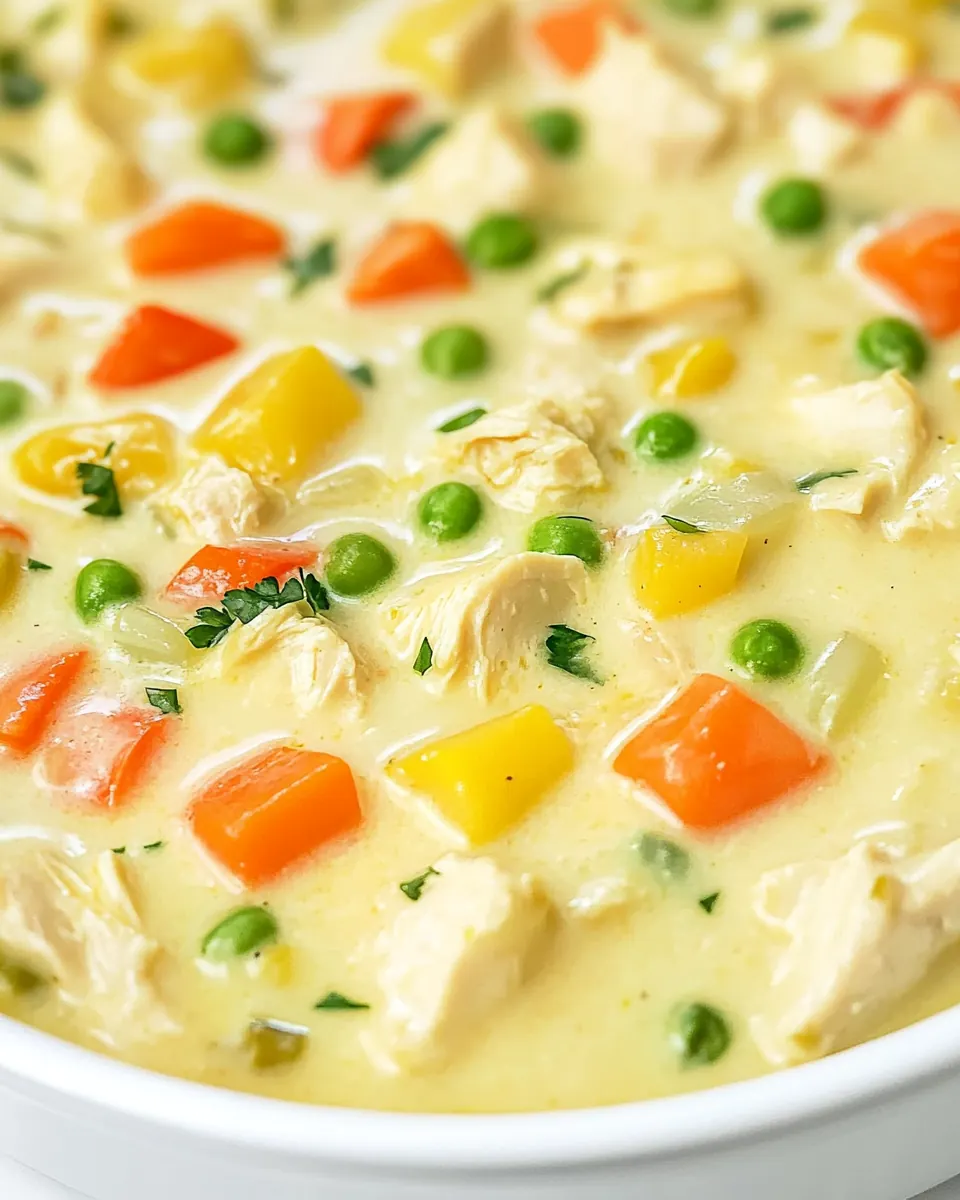
I remember stirring a pot while the rain tapped the window, the scent of chicken and yellow curry powder lifting the whole kitchen. I had leftover cooked chicken from the night before, some baby gold potatoes, and a modest pantry stash. Rather than reach for something familiar, I mixed the savory, creamy base of a chowder with bright curry spices, and the result was better than I expected. The texture was reassuringly thick, with soft pockets of potatoes and bursts of frozen peas, and the subtle tang of lemon made each spoonful sing.
That first trial felt like discovering a new family recipe, the kind I tuck into rotation when I want food that feels like a hug and a little adventure at once. Over time I adjusted the curry level, played with the creaminess by balancing milk and heavy cream, and learned that gently sautéing the mirepoix until soft unlocks the most layered flavor. Now when friends come by on chilly nights I reach for this bowl because it is forgiving, adaptable, and reliably satisfying.
Recipe Snapshot
60 mins
30 mins
30 mins
Medium
350 kcal
American
Gluten-Free, Low FODMAP
Soups
Dutch oven or a large soup pot, Medium pot
Why You’ll Love This Curry Chicken Chowder
Comfort with a twist
I love how Curry Chicken Chowder gives you that cozy chowder mouthfeel, while the curry powder adds an aromatic lift. The curry spices steer the familiar toward something playful, so you get warmth without heaviness. I often remark to guests that this dish feels like two classics in one, and they always ask for seconds.
Weeknight friendly
We can make this on a busy evening using cooked chicken, which cuts active time and keeps dinner stress low. It reheats beautifully, so I sometimes double the batch and stash half for later. The recipe scales up for company, but it never demands a full day in the kitchen.
Layered texture and balance
The combination of tender diced potatoes, soft carrots, and sweet frozen peas creates a variety of bites that keep the chowder interesting. The roux and milk base bring creaminess, while a squeeze of lemon at the end brings bright balance. I find that these contrasts make each spoonful feel complete.
Forgiving technique
I appreciate recipes that welcome improvisation, and this one does. If you have leftover roasted chicken, or need to use up a carton of milk, it still works. You can adjust the curry strength to taste, and small timing shifts will not ruin the pot, which makes it a reliable choice for cooks at every level.
Great for sharing
Because it is both hearty and accessible, I often bring Curry Chicken Chowder to casual gatherings. It pairs nicely with warm naan, and the optional herbs add a fresh finish. I like how it travels well and keeps its texture, so you can serve it family style with confidence.
Ingredients Required for Curry Chicken Chowder
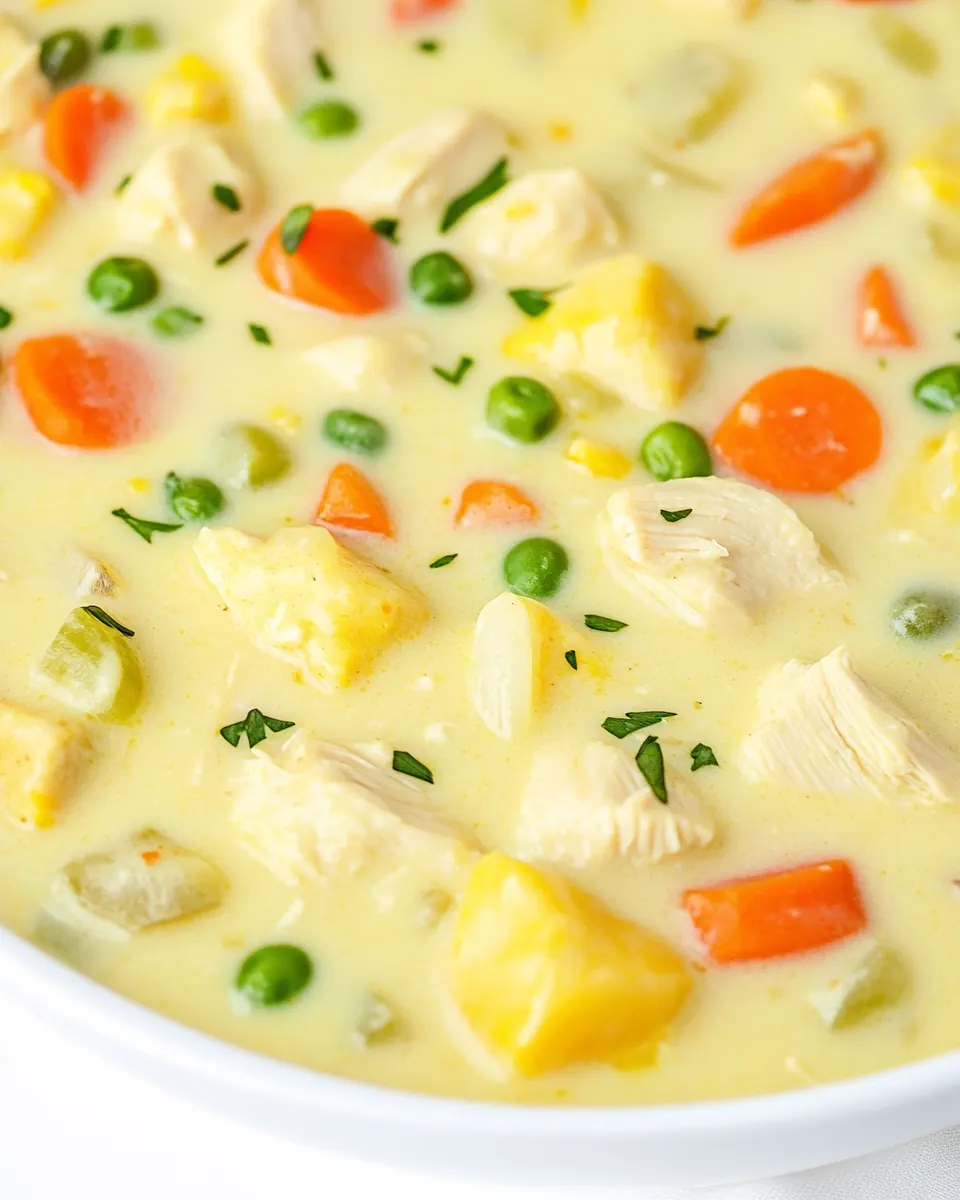
These ingredients are about harmony. A gentle saute of the aromatic vegetables builds the savory foundation, the diced chicken and potatoes add substance, and the roux with milk and heavy cream creates that luscious chowder body. The curry powder and chicken bouillon introduce depth, while a squeeze of lemon or a sprinkle of herbs brightens the finish. Together they form a balanced bowl that is creamy, savory, and slightly spiced.
- 2 1/2 cups finely diced cooked chicken up to 3 cups; if using uncooked chicken, see note 1: Provide finely diced cooked chicken to add substantial protein and hearty texture to the chowder; if using leftover roast or rotisserie chicken, fold it in near the end to prevent drying. Ensure pieces are small and uniform so they heat through evenly and disperse flavor throughout the soup.
- 2 tablespoons olive oil: Heat olive oil to sauté aromatics and vegetables, contributing a silky mouthfeel and subtle fruity flavor; use a neutral or quality extra-virgin depending on desired taste. Add early in the cooking process to prevent burning and to help develop a flavorful base.
- 2 cups finely diced yellow onion 1 large onions: Create a savory foundation with finely diced yellow onion, releasing natural sugars and depth when softened; cook until translucent to mellow sharpness. Uniform dicing ensures even cooking and blends smoothly into the chowder's texture.
- 2 cups thinly sliced carrots 4 large carrots: Introduce thinly sliced carrots for sweetness, color, and a tender bite that contrasts with potatoes and chicken; slice thinly so they soften in the simmering broth. Cook until just tender to retain slight texture and natural sweetness that balances spices.
- 1 1/2 cups finely diced celery 3–4 stalks: Add finely diced celery to provide aromatic, slightly peppery notes and a pleasant crunch if not overcooked; sauté with onions and carrots for classic mirepoix flavor. Dice uniformly to match other vegetables for consistent texture throughout the chowder.
- Salt and pepper: Season with salt and pepper to enhance and balance all flavors in the chowder; adjust gradually and taste as the chowder reduces and concentrates. Remember that broths and bouillon add sodium, so season near the end to avoid over-salting.
- 1 tablespoon minced garlic 3 cloves: Infuse bold savory and aromatic garlic by adding minced garlic; cook briefly after the onions to release fragrance without burning. Use fresh minced garlic for the brightest flavor and stir into the base before adding liquids.
- 1 tablespoon yellow curry powder: Brighten and warm the dish with yellow curry powder, contributing earthy, mildly spicy, and slightly sweet curry notes that define the chowder’s character. Add during sautéing to toast the spices lightly and unlock deeper flavors.
- 2 teaspoons chicken bouillon powder: Enhance savory depth with chicken bouillon powder to boost umami and body in the broth; dissolve fully in the liquid for consistent seasoning. Use sparingly and taste, since bouillon can be salty depending on the brand.
- 32 ounces chicken broth 4 cups: Provide the main cooking liquid with chicken broth, offering rich, meaty flavor and a base for simmering vegetables and potatoes; choose low-sodium if controlling salt. Pour gradually and deglaze the pan to capture browned bits for extra taste.
- 3 cups baby gold potatoes diced, unpeeled, see note 2: Add diced baby gold potatoes for creamy body and tender bite as they break down slightly during simmering; leave skins on for texture and nutrients. Cut uniformly so they cook evenly and contribute to the chowder’s thickened consistency.
- 4 tablespoons unsalted butter: Enrich the roux and add a silky mouthfeel with unsalted butter, which also aids in sautéing and flavor development; use unsalted to better control seasoning. Melt and combine with flour to create a smooth, golden roux before adding milk.
- 1/3 cup flour: Thicken the chowder with flour to form a roux when combined with butter, creating a stable, velvety base that coats ingredients; whisk thoroughly to avoid lumps. Cook the flour briefly to remove raw taste before adding milk and broth.
- 3 cups milk whole recommended: Contribute creaminess and body with whole milk, helping to create a rich, comforting chowder while balancing the roux; use whole milk for best texture. Add gradually over gentle heat to prevent curdling and maintain a smooth consistency.
- 1/2 cup heavy cream: Finish with heavy cream for extra richness and a silky mouthfeel, lending indulgence without overpowering other flavors; stir in near the end to preserve its texture. Use sparingly to achieve desired creaminess while keeping the dish balanced.
- 1 1/2 cups frozen peas: Introduce bright color and a tender pop with frozen peas that add sweetness and freshness; stir in towards the end so they retain texture and vibrant green color. No need to thaw—add directly to hot chowder to heat through quickly.
- 3 tablespoons finely chopped cilantro or parsley (optional): Garnish with finely chopped cilantro or parsley to add fresh herbal brightness and visual contrast; sprinkle over individual bowls just before serving. Chop finely so the herbs distribute evenly and complement the curry spices without dominating.
- 1 lemon (optional): Add a squeeze of lemon to brighten and balance richness with acidic lift, enhancing the curry’s flavors and cutting through creaminess; serve wedges for diners to adjust. Use sparingly to avoid overpowering the dish but enough to elevate overall taste.
- Naan warmed or toasted, see note 3, for serving: Serve with warmed or toasted naan to provide a soft, slightly chewy accompaniment perfect for scooping and soaking up chowder; warming enhances aroma and texture. Offer alongside bowls so diners can tear pieces to their preferred size for dipping.
How to Assemble Curry Chicken Chowder
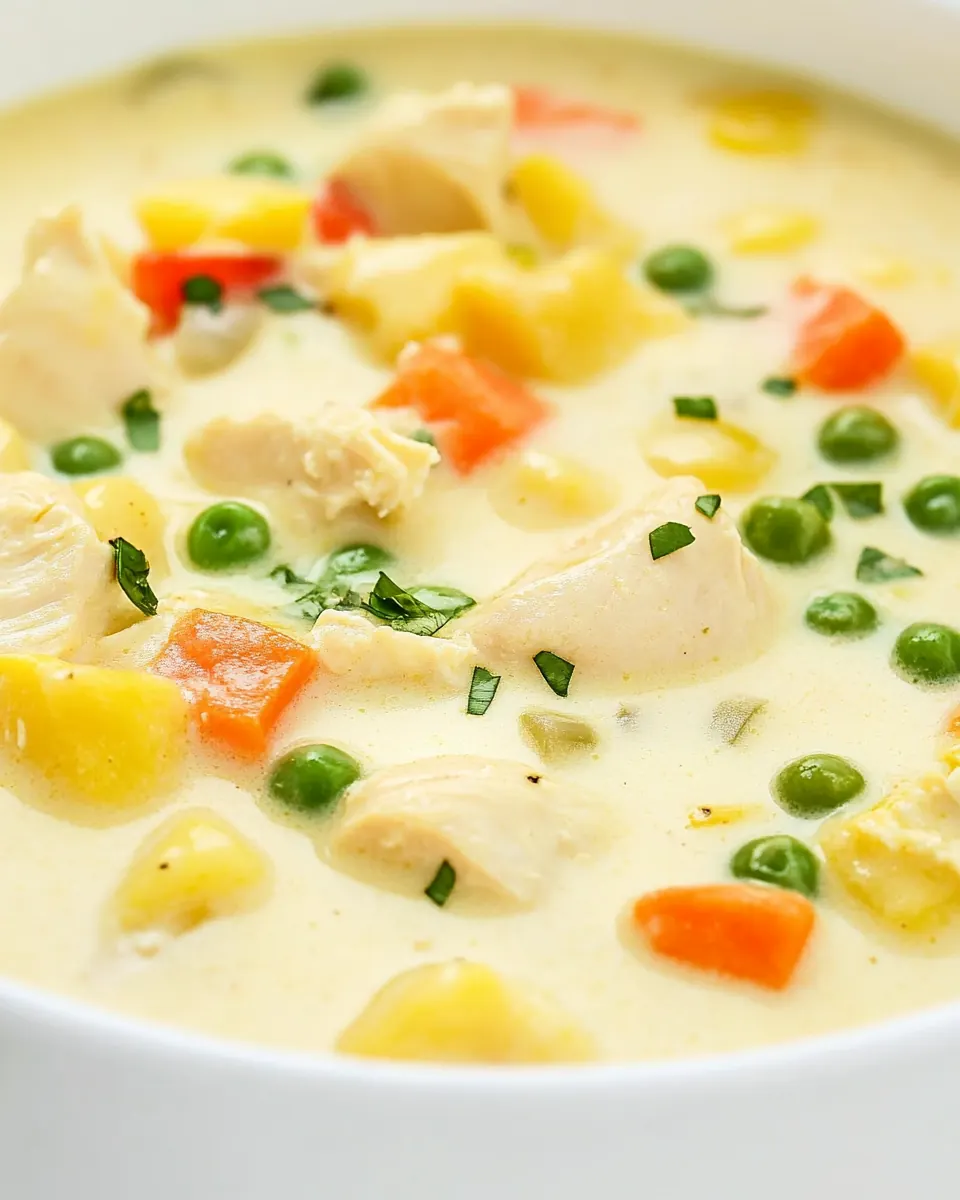
Assembling this chowder is about pacing and attention to sensory cues. You will build flavor by gently softening aromatics, simmering the potatoes until tender, and whisking a smooth roux based cream that will marry everything together. Keep close to the pot during key transitions so you catch the right textures and smells.
- In a Dutch oven or a large soup pot, heat oil over medium-high. Add onions, celery, and carrots. Season with salt and pepper (recommend 3/4 tsp salt and 1/2 tsp pepper). Sauté until tender, about 8 minutes. Don’t rush this step!: You should smell the faint grassy aroma of olive oil as it warms, and the surface will shimmer. When you add the diced onion , sliced carrots , and diced celery , listen for a gentle sizzle that indicates the pan is hot enough. The vegetables should soften and become translucent, releasing sweet aromatics and a savory foundation. This step unlocks sugars and builds depth, which is vital for a rich chowder. A common mistake here is rushing with too high heat, which can brown the vegetables instead of gently softening them. If you notice any charring, lower the flame and stir more frequently to rescue the base.
- Add garlic, chicken bouillon, and curry powder. Stir for 1 minute. Add broth and bring to a boil. Add potatoes and return to a boil, then reduce heat to a simmer. Cover pot and simmer for 15–18 minutes or until potatoes are tender.: A fragrant waft of curry should bloom almost instantly as you stir these into the softened vegetables, releasing warm, earthy aromatics. Stir for about one minute so the spices toast slightly and the bouillon dissolves into the aromatics. When you add the chicken broth and bring the pot to a boil, the surface will break into rolling bubbles, and you will see the broth capture the color of the curry. Adding the diced potatoes next increases the density of the pot, and a return to a boil signals it's time to reduce heat to a simmer. Covering and simmering for about 15 to 18 minutes lets the potatoes cook through until tender. Avoid boiling too vigorously, which can agitate the starch into a cloudy, gluey texture.
- Meanwhile, melt the butter in a separate pot over medium heat. Sprinkle flour on top and whisk briskly until smooth. Season with 1/4 teaspoon each of salt and pepper. Cook, whisking constantly, for 1 minute. Gradually add 1 cup milk, whisking until thick. Gradually add in the remaining milk and cream, whisking continuously. Simmer until thickened (see note 4). Keep warm.: The butter should foam slightly as it melts, offering a buttery scent. Sprinkle the flour on top and whisk briskly until it forms a smooth paste with no lumps, taking about a minute of constant whisking. Season lightly with salt and pepper , then gradually add one cup of the milk while whisking to create a silky, thickened base. Add the remaining milk and the heavy cream slowly, whisking continuously so the mixture stays smooth. Simmer gently until it thickens and coats the back of a spoon. The purpose of this separate cream base is to control thickness and avoid curdling in the main pot. A typical error is adding cold milk all at once into a hot roux, which can form lumps, so slowly introduce the liquid while whisking vigorously.
- Once potatoes are tender, reduce heat to low and stir the cream base into the soup. Add in chicken and peas, heating through. Remove soup from heat and adjust seasoning if needed. Add a splash of lemon if you’d like some acidity and herbs for freshness.: You will notice the soup gain a velvety sheen as the cream base integrates. The aroma will shift from raw starch to rounded dairy richness. At this stage, add the diced or shredded chicken and the frozen peas , stirring until everything is warmed through and the peas have turned bright green. Removing the soup from heat prevents the dairy from overheating and changing texture. Tasting now is crucial so you can adjust with more salt or pepper . One common pitfall is overheating after adding cream, which can flatten flavors and risk a slight separation; keep the pot off high heat.
- Ladle into bowls and serve with warm naan.: The final presentation should show a thick, spoonable chowder dotted with bits of potatoes , peas , and chicken , and flecks of herb if you used them. A light squeeze of lemon over each bowl will add a citrusy lift that brightens the entire profile. Serve alongside warmed naan for dipping, which complements the creamy texture. A common serving mistake is not tasting one last time before plating, so always sample a spoon and make any final seasoning adjustments.
Pro Tips and Tweaks
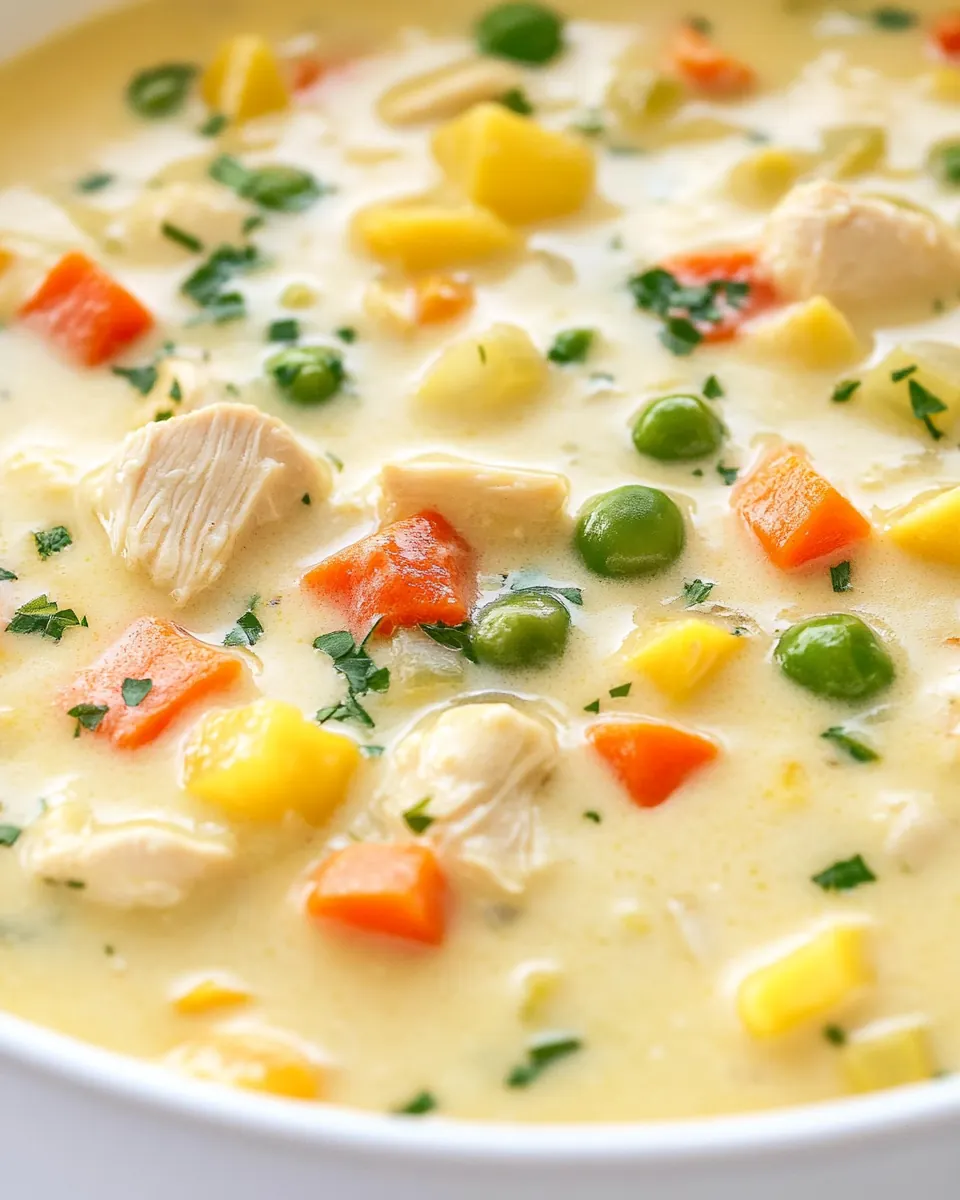
These tips will help you refine the process and get the texture and flavor you want. Small adjustments in timing, seasoning, and finishing touches make a big difference. Read through and pick a couple to try the next time you make the chowder.
- Control the curry intensity, start with the listed tablespoon of yellow curry powder and adjust up or down after tasting the finished soup, because curry potency varies by brand.
- Use leftover cooked chicken, it keeps the assembly quick and avoids overcooking the protein, which preserves juicy texture in the final bowl.
- Keep the roux smooth, whisk continuously when adding milk to prevent lumps and to ensure a silky cream base for uniform thickness.
- Warm the naan, heat it briefly so it becomes pliable and fragrant, making it perfect for scooping chowder without becoming soggy.
- Brighten at the end, a small squeeze of lemon or a sprinkle of chopped cilantro adds lift and balances the richness just before serving.
What to Serve Alongside Curry Chicken Chowder
This chowder stands on its own as a hearty main, but pairing suggestions and serving tips can elevate the meal. Think about texture contrasts and seasonality, and choose accompaniments that complement the creamy, spiced broth. Below are ideas for occasions, side dishes, storage, and seasonal pairings to help you serve confidently.
- Warm Naan for dipping, serve toasted or warmed, so guests can tear and scoop the chowder, adding a lovely chewy contrast to the creamy soup.
- Light green salad, a simple dressed greens salad brings a crisp, acidic counterpoint that refreshes the palate between spoonfuls.
- Simple rice bowl, for a heartier meal, offer steamed rice alongside so people can spoon chowder over rice for an almost curry stew feel.
- Occasion pairing, this is great for winter dinners or casual gatherings where comfort food is welcome, and it also works well for Ramadan if served as a warm, nourishing option to break the fast.
- Storage tips, refrigerate leftovers in an airtight container for up to three days, and reheat gently over low heat to avoid separating the dairy. For longer storage, freeze in portioned containers but be aware the texture may change slightly on thawing.
- Seasonal tweaks, in late spring you might finish with more fresh herbs for brightness, while in deep winter a little extra cream adds luxurious comfort.
FAQ
Conclusion
This Curry Chicken Chowder is special because it marries the soothing creaminess of a chowder with the aromatic warmth of curry, resulting in a bowl that is both comforting and interesting. I encourage you to try it on a chilly evening, whether you use leftover cooked chicken or sear raw chicken for extra depth, because it is forgiving and full of flavor. Serve it with warm naan and a squeeze of lemon for a simple yet memorable meal, and enjoy how a few pantry staples can transform into something that feels lovingly homemade.
Curry Chicken Chowder
Equipment
- Dutch oven or a large soup pot
- Medium Pot
Ingredients
- 2 -1/2 cups finely diced cooked chicken up to 3 cups; if using uncooked chicken, see note 1 Provide finely diced cooked chicken to add substantial protein and hearty texture to the chowder; if using leftover roast or rotisserie chicken, fold it in near the end to prevent drying. Ensure pieces are small and uniform so they heat through evenly and disperse flavor throughout the soup.
- 2 tablespoons olive oil Heat olive oil to sauté aromatics and vegetables, contributing a silky mouthfeel and subtle fruity flavor; use a neutral or quality extra-virgin depending on desired taste. Add early in the cooking process to prevent burning and to help develop a flavorful base.
- 2 cups finely diced yellow onion 1 large onions Create a savory foundation with finely diced yellow onion, releasing natural sugars and depth when softened; cook until translucent to mellow sharpness. Uniform dicing ensures even cooking and blends smoothly into the chowder's texture.
- 2 cups thinly sliced carrots 4 large carrots Introduce thinly sliced carrots for sweetness, color, and a tender bite that contrasts with potatoes and chicken; slice thinly so they soften in the simmering broth. Cook until just tender to retain slight texture and natural sweetness that balances spices.
- 1 -1/2 cups finely diced celery 3–4 stalks Add finely diced celery to provide aromatic, slightly peppery notes and a pleasant crunch if not overcooked; sauté with onions and carrots for classic mirepoix flavor. Dice uniformly to match other vegetables for consistent texture throughout the chowder.
- Salt and pepper Season with salt and pepper to enhance and balance all flavors in the chowder; adjust gradually and taste as the chowder reduces and concentrates. Remember that broths and bouillon add sodium, so season near the end to avoid over-salting.
- 1 tablespoon minced garlic 3 cloves Infuse bold savory and aromatic garlic by adding minced garlic; cook briefly after the onions to release fragrance without burning. Use fresh minced garlic for the brightest flavor and stir into the base before adding liquids.
- 1 tablespoon yellow curry powder Brighten and warm the dish with yellow curry powder, contributing earthy, mildly spicy, and slightly sweet curry notes that define the chowder’s character. Add during sautéing to toast the spices lightly and unlock deeper flavors.
- 2 teaspoons chicken bouillon powder Enhance savory depth with chicken bouillon powder to boost umami and body in the broth; dissolve fully in the liquid for consistent seasoning. Use sparingly and taste, since bouillon can be salty depending on the brand.
- 32 ounces chicken broth 4 cups Provide the main cooking liquid with chicken broth, offering rich, meaty flavor and a base for simmering vegetables and potatoes; choose low-sodium if controlling salt. Pour gradually and deglaze the pan to capture browned bits for extra taste.
- 3 cups baby gold potatoes diced, unpeeled, see note 2 Add diced baby gold potatoes for creamy body and tender bite as they break down slightly during simmering; leave skins on for texture and nutrients. Cut uniformly so they cook evenly and contribute to the chowder’s thickened consistency.
- 4 tablespoons unsalted butter Enrich the roux and add a silky mouthfeel with unsalted butter, which also aids in sautéing and flavor development; use unsalted to better control seasoning. Melt and combine with flour to create a smooth, golden roux before adding milk.
- 1/3 cup flour Thicken the chowder with flour to form a roux when combined with butter, creating a stable, velvety base that coats ingredients; whisk thoroughly to avoid lumps. Cook the flour briefly to remove raw taste before adding milk and broth.
- 3 cups milk whole recommended Contribute creaminess and body with whole milk, helping to create a rich, comforting chowder while balancing the roux; use whole milk for best texture. Add gradually over gentle heat to prevent curdling and maintain a smooth consistency.
- 1/2 cup heavy cream Finish with heavy cream for extra richness and a silky mouthfeel, lending indulgence without overpowering other flavors; stir in near the end to preserve its texture. Use sparingly to achieve desired creaminess while keeping the dish balanced.
- 1 -1/2 cups frozen peas Introduce bright color and a tender pop with frozen peas that add sweetness and freshness; stir in towards the end so they retain texture and vibrant green color. No need to thaw—add directly to hot chowder to heat through quickly.
- 3 tablespoons finely chopped cilantro or parsley, optional Garnish with finely chopped cilantro or parsley to add fresh herbal brightness and visual contrast; sprinkle over individual bowls just before serving. Chop finely so the herbs distribute evenly and complement the curry spices without dominating.
- 1 lemon optional Add a squeeze of lemon to brighten and balance richness with acidic lift, enhancing the curry’s flavors and cutting through creaminess; serve wedges for diners to adjust. Use sparingly to avoid overpowering the dish but enough to elevate overall taste.
- Naan warmed or toasted, see note 3, for serving Serve with warmed or toasted naan to provide a soft, slightly chewy accompaniment perfect for scooping and soaking up chowder; warming enhances aroma and texture. Offer alongside bowls so diners can tear pieces to their preferred size for dipping.
Instructions
- In a Dutch oven or a large soup pot, heat oil over medium-high. Add onions, celery, and carrots. Season with salt and pepper (recommend 3/4 tsp salt and 1/2 tsp pepper). Sauté until tender, about 8 minutes. Don’t rush this step!: You should smell the faint grassy aroma of olive oil as it warms, and the surface will shimmer. When you add the diced onion , sliced carrots , and diced celery , listen for a gentle sizzle that indicates the pan is hot enough. The vegetables should soften and become translucent, releasing sweet aromatics and a savory foundation. This step unlocks sugars and builds depth, which is vital for a rich chowder. A common mistake here is rushing with too high heat, which can brown the vegetables instead of gently softening them. If you notice any charring, lower the flame and stir more frequently to rescue the base.
- Add garlic, chicken bouillon, and curry powder. Stir for 1 minute. Add broth and bring to a boil. Add potatoes and return to a boil, then reduce heat to a simmer. Cover pot and simmer for 15–18 minutes or until potatoes are tender.: A fragrant waft of curry should bloom almost instantly as you stir these into the softened vegetables, releasing warm, earthy aromatics. Stir for about one minute so the spices toast slightly and the bouillon dissolves into the aromatics. When you add the chicken broth and bring the pot to a boil, the surface will break into rolling bubbles, and you will see the broth capture the color of the curry. Adding the diced potatoes next increases the density of the pot, and a return to a boil signals it's time to reduce heat to a simmer. Covering and simmering for about 15 to 18 minutes lets the potatoes cook through until tender. Avoid boiling too vigorously, which can agitate the starch into a cloudy, gluey texture.
- Meanwhile, melt the butter in a separate pot over medium heat. Sprinkle flour on top and whisk briskly until smooth. Season with 1/4 teaspoon each of salt and pepper. Cook, whisking constantly, for 1 minute. Gradually add 1 cup milk, whisking until thick. Gradually add in the remaining milk and cream, whisking continuously. Simmer until thickened (see note 4). Keep warm.: The butter should foam slightly as it melts, offering a buttery scent. Sprinkle the flour on top and whisk briskly until it forms a smooth paste with no lumps, taking about a minute of constant whisking. Season lightly with salt and pepper , then gradually add one cup of the milk while whisking to create a silky, thickened base. Add the remaining milk and the heavy cream slowly, whisking continuously so the mixture stays smooth. Simmer gently until it thickens and coats the back of a spoon. The purpose of this separate cream base is to control thickness and avoid curdling in the main pot. A typical error is adding cold milk all at once into a hot roux, which can form lumps, so slowly introduce the liquid while whisking vigorously.
- Once potatoes are tender, reduce heat to low and stir the cream base into the soup. Add in chicken and peas, heating through. Remove soup from heat and adjust seasoning if needed. Add a splash of lemon if you’d like some acidity and herbs for freshness.: You will notice the soup gain a velvety sheen as the cream base integrates. The aroma will shift from raw starch to rounded dairy richness. At this stage, add the diced or shredded chicken and the frozen peas , stirring until everything is warmed through and the peas have turned bright green. Removing the soup from heat prevents the dairy from overheating and changing texture. Tasting now is crucial so you can adjust with more salt or pepper . One common pitfall is overheating after adding cream, which can flatten flavors and risk a slight separation; keep the pot off high heat.
- Ladle into bowls and serve with warm naan.: The final presentation should show a thick, spoonable chowder dotted with bits of potatoes , peas , and chicken , and flecks of herb if you used them. A light squeeze of lemon over each bowl will add a citrusy lift that brightens the entire profile. Serve alongside warmed naan for dipping, which complements the creamy texture. A common serving mistake is not tasting one last time before plating, so always sample a spoon and make any final seasoning adjustments.
Notes
- Control the curry intensity, start with the listed tablespoon of yellow curry powder and adjust up or down after tasting the finished soup, because curry potency varies by brand.
- Use leftover cooked chicken, it keeps the assembly quick and avoids overcooking the protein, which preserves juicy texture in the final bowl.
- Keep the roux smooth, whisk continuously when adding milk to prevent lumps and to ensure a silky cream base for uniform thickness.
- Warm the naan, heat it briefly so it becomes pliable and fragrant, making it perfect for scooping chowder without becoming soggy.
- Brighten at the end, a small squeeze of lemon or a sprinkle of chopped cilantro adds lift and balances the richness just before serving.