
Gluten Free Minestrone Soup
Gluten Free Minestrone Soup is the kind of bowl that warms me from the inside out on a blustery winter evening, the aroma filling the kitchen and dragging the whole household to the table. I remember the first time I made this version, shrugging off the idea that gluten free meant bland, and instead discovering bright tomatoes, tender beans, and hearty potatoes that created a soup both comforting and lively. The first spoonful felt like a small victory, a reminder that simple pantry staples can become something soulful when cooked with attention.
Over the years I have adapted this recipe for busy weeknights and small dinner gatherings, keeping it flexible but reliable. Some nights I stand at the stove stirring while telling stories, other nights I hand the wooden spoon to a kid who insists on helping, and either way the result is the same, a steaming pot of shared satisfaction. There is a rhythm to chopping, sautéing, and simmering that I find meditative, and I love how the textures build toward a final harmony of soft potatoes, snappy green beans, and tender beans.
One thing I always do is serve the pasta separately so it keeps its texture until the last minute. It gives everyone control over their bowl, letting them add as much or as little pasta as they want. The soup itself is forgiving, so if you need to swap a bean or tweak the seasoning, it survives and often benefits from gentle personalization. I hope this version becomes one of your go to meals when you want something wholesome and satisfying without fuss.
Recipe Snapshot
38 mins
8 mins
30 mins
Easy
200 kcal
Italian
Gluten-Free, Vegan
Soups
Dutch oven, Wooden spoon, Colander, Knife
The Beauty of This Gluten Free Minestrone Soup
I love how welcoming it is
There is something inherently inviting about a pot of Gluten Free Minestrone Soup. When I ladle it into bowls, people instantly relax, and that warmth is more than temperature, it is comfort and hospitality. The mixture of beans, veggies, and broth creates a bowl that reads like home cooking, without feeling heavy. For quick family dinners, this is my go to, because it feeds a crowd and keeps everyone happy.
It is supremely adaptable
I often change small things depending on what is in the pantry, and the soup forgives substitutions. The base of tomatoes, beans, and broth is sturdy, so if I only have one type of bean or extra kale, it still shines. This adaptability makes it perfect when you want to use up odds and ends, and it means the recipe grows more personal each time I make it.
Flavor comes from technique, not fuss
Sautéing the aromatics until they soften and scraping the fond from the bottom of the pot gives real depth to the broth. I like to linger at this step because that bit of caramelization transforms simple ingredients into something savory and layered. Cooking like this feels like investing a little time for a big payoff in flavor.
Balanced nutrition in every spoonful
The combination of cannellini beans, kidney beans, and vegetables offers fiber and plant protein, making this a satisfying meal on its own. I appreciate how it fills you up without weighing you down, which is exactly what I want on chilly evenings. Having a nutrient dense meal that also tastes great checks so many boxes for weeknight cooking.
Comfort meets convenience
This recipe manages to be comforting while still being fast enough for busy nights. With straightforward prep and a forgiving simmer, it arrives at the table looking like you spent far more time than you actually did. I love serving it when friends drop by unexpectedly because it feels thoughtful without being stressful.
What Goes Into Gluten Free Minestrone Soup
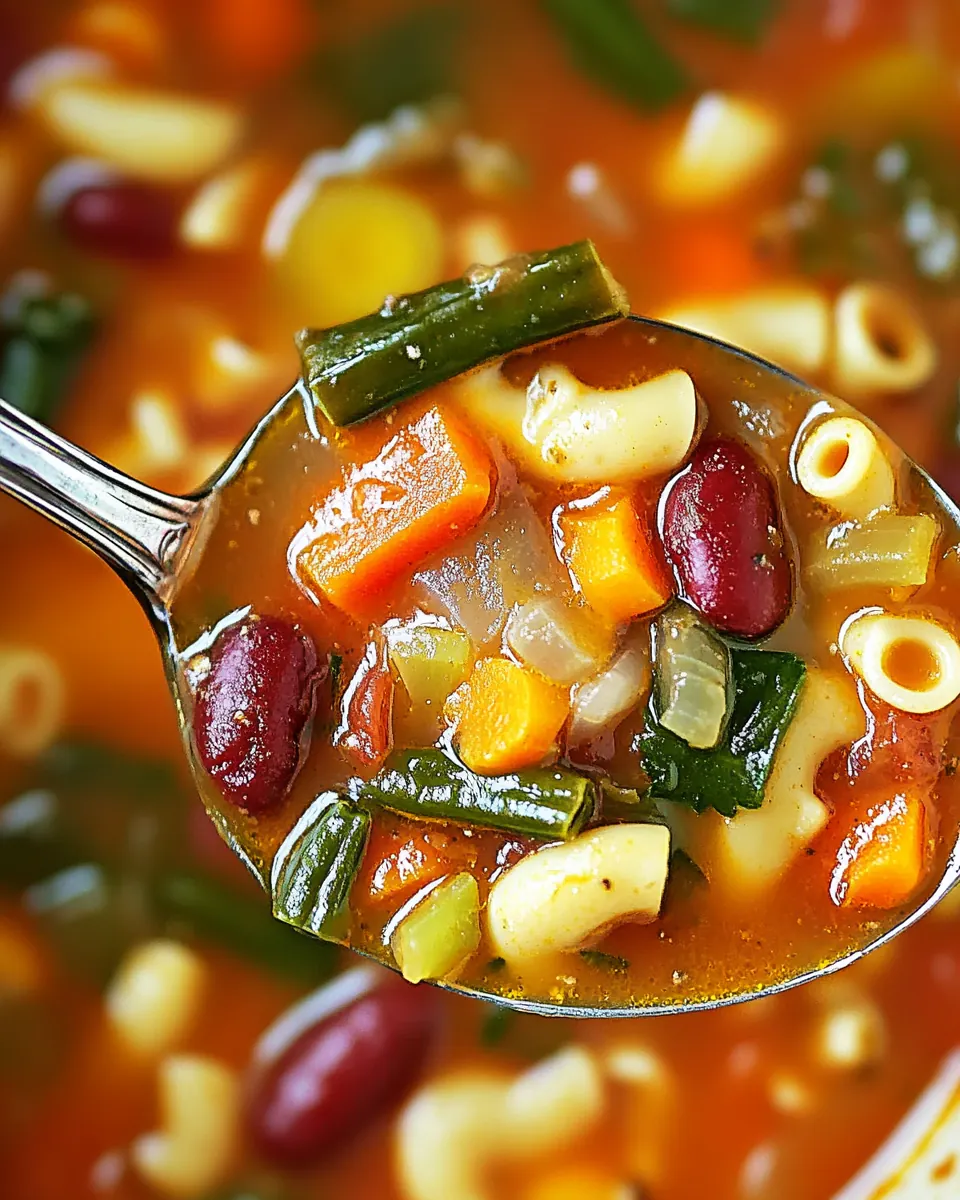
The philosophy behind this ingredient list is simple, hearty, and layered. Each item plays a role, from building savory depth with the aromatics to providing body and texture with the beans and potatoes. The key players are the tomatoes and the broth, which form the flavorful base, while the beans and pasta make the bowl filling and satisfying.
- 1 tablespoon extra-virgin olive oil: Enhance flavor and provide a silky mouthfeel by sautéing aromatics and vegetables in the oil at the start of the soup preparation.
- 1 onion, diced: Add savory depth and a sweet, aromatic base when diced and softened, contributing body and complexity to the broth.
- 2 garlic cloves, minced: Infuse pungent, aromatic notes and a subtle heat when minced and cooked briefly with the onions and oil.
- 2 ribs celery, diced: Contribute a mild, slightly peppery crunch and aromatic backbone when diced and sautéed alongside other base vegetables.
- 4 carrots, diced: Offer natural sweetness, texture, and color while building the hearty vegetable foundation after being diced.
- 2 yellow potatoes, peeled and diced small: Provide starchy body and creaminess as they break down slightly during simmering, helping thicken the soup.
- 15 ounce can diced tomatoes: Introduce bright acidity and tomatoey umami to balance the vegetables and add liquid and texture.
- 1 15 ounce can cannellini beans: Bring creamy, mild bean protein and fiber while adding a soft, hearty texture to make the soup more filling.
- 15 ounce can kidney beans: Supply additional protein, color contrast, and a slightly firmer bite compared to the cannellini beans.
- 1 teaspoon ea salt: Season and enhance overall flavor, bringing out other ingredients while helping to balance acidity and sweetness.
- 1 teaspoon black pepper: Add warm, earthy heat and aromatics to season the soup and complement the herbal components.
- 1 teaspoon Italian seasoning, more to taste: Incorporate a blend of herbs that delivers classic Italian aromatic flavors and a savory background note.
- 1 bay leaf: Impart a subtle herbal depth and complex aroma while simmering, contributing to the classic soup profile.
- 1/4 teaspoon red pepper flakes (optional): Provide optional heat and a touch of spiciness to lift flavors without overwhelming the other ingredients.
- 1 teaspoon fresh thyme leaves, more to taste: Deliver fresh, bright herbal notes and a slightly minty, lemony aroma when added toward the end of cooking.
- 6 cups veggie or chicken broth, more as needed: Create the liquid base that melds all components together while adding savory richness and room to simmer.
- 1 cup green beans, trimmed and cut into bite size pieces: Add crisp-green texture and a fresh vegetal note when trimmed and cut into bite–size pieces before simmering.
- 2 cups kale or spinach, roughly chopped: Introduce leafy color, nutrients, and a tender green texture that wilts into the broth near the end.
- 8 ounces gluten-free pasta, cooked: Contribute satisfying chew, gluten–free carbohydrates, and a familiar pasta element that completes the minestrone.
How to Cook Gluten Free Minestrone Soup
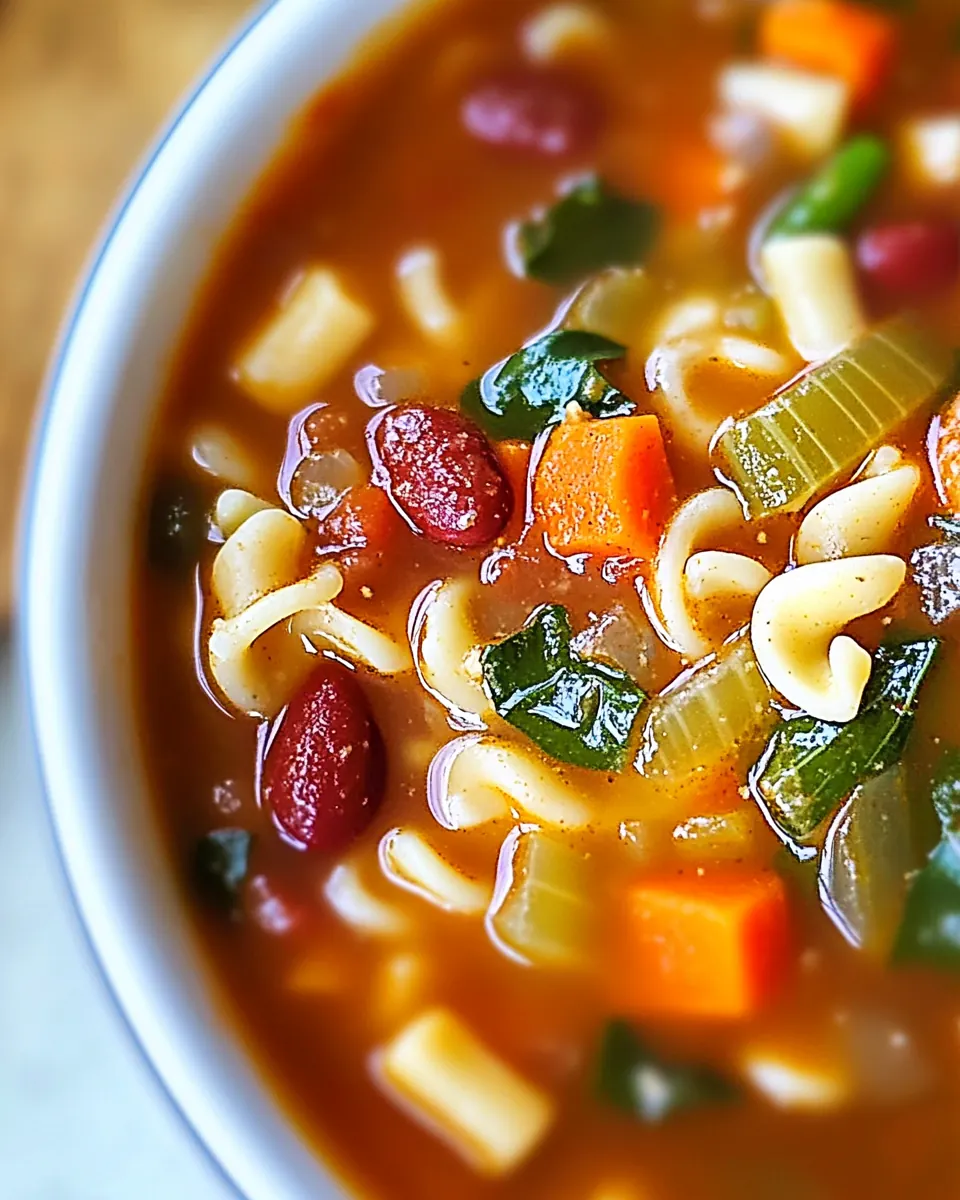
This is the part where everything comes together, and I like to move through it with patience. The method is straightforward, but attention to sensory cues makes the difference between a good soup and a great one. Keep your tasting spoon handy, and enjoy the aromas as they develop throughout the process.
- Heat oil over medium heat in a large dutch oven. Once hot, add onion, garlic, celery, and carrots and cook until the veggies have started to soften, about 5 minutes.: The moment the oil shimmers and breathes lightly, the pan is ready, releasing a warm, fruity scent from the extra–virgin olive oil . You'll hear a faint sigh as the oil warms, and the surface will look glossy rather than still. This stage primes the pan so the aromatics release their flavors without sticking. If the oil smokes, the pan is too hot and the oil has lost its delicate flavor, so reduce the temperature and start again. When done right, the oil forms the foundation for a savory, rounded broth.
- Add in the potatoes, canned tomatoes, cannellini beans, kidney beans, salt, black pepper, Italian seasoning, bay leaf, red pepper, and thyme.: As soon as the onion hits the oil, you will smell sweetness unfolding, and the edges will begin to go translucent. The garlic aroma should bouquet gently, not scorch, and the carrots will start to release a sugary note. Use a wooden spoon to stir, scraping any bits that cling so they brown lightly and deepen the flavor. A common error is rushing this step, which leaves the onion raw and the base flat, so keep the heat moderate and let time coax out complexity. You'll know it's ready when the mix looks glossy, and the vegetables give under the spoon.
- Pour in vegetable broth and mix, making sure to scrape up all of the bits from the bottom of the pan.: When these ingredients join the pot, the kitchen fills with a chorus of aromas, from herbaceous thyme to tomato sweetness. Stir to combine so the potatoes are evenly distributed and the spices coat the vegetables, which helps flavors marry as they simmer. The canned tomatoes will start to loosen and lend a bright acidity that balances the beans' creaminess. Avoid dumping everything haphazardly; instead, fold gently so the beans remain intact. A typical misstep is stirring too aggressively and mashing the beans, which can cloud the broth and change the texture.
- Cover and bring to a boil over high heat. Reduce heat to low and let simmer for 15 minutes, or until potatoes are tender. Add in green beans and kale, and continue to simmer until green beans are tender. Taste and adjust seasoning.: As the broth hits the hot pan, it will hiss and steam slightly, loosening those flavorful browned bits, called fond, that cling to the bottom. Scraping them up is essential because they dissolve into the liquid and enrich the overall taste. Stir until the mixture looks cohesive and the broth carries a deeper hue from those browned pieces. If you skip scraping, you miss concentrated umami and the soup will taste less layered. Be mindful of heat, and bring the pot to an even simmer rather than a rolling boil.
- Meanwhile, cook pasta according to the package directions, drain and set aside.: As the pot comes to a boil, the aroma will intensify and small bubbles will begin to break the surface. Covering helps the pot reach that point faster, trapping heat, but once it starts to boil, immediately reduce to low to maintain a gentle simmer. Vigorous boiling can break down the beans and potatoes unevenly and evaporate liquid too quickly. Watching for a steady, gentle bubbling along the perimeter tells you the temperature is right for tenderizing the vegetables without destroying texture.
- Serve soup warm with pasta.: During this simmer the potatoes absorb flavors and begin to soften, adding body to the broth. You will notice the broth deepening in color and the aroma shifting from raw ingredients to a cohesive, savory stew. Test a potato piece with a fork; it should yield easily without disintegrating. A pitfall here is over simmering, which can make the potatoes break down and thicken the soup excessively. Simmer slowly so each component reaches the ideal doneness.
- Add in green beans and kale, and continue to simmer until green beans are tender: Introducing the green beans and kale later keeps their texture and bright color vibrant. As they soften, the soup will gain a fresh vegetal note and a contrasting chew against the softer elements. A quick simmer of several minutes usually does the trick, and you will see the greens wilt while the beans become tender yet still slightly snap. Overcooking the greens will lead to a dull flavor and limp mouthfeel, so time this step carefully.
- Taste and adjust seasoning: This is when the soup reveals its final voice, and tasting lets you balance salt, pepper, and herbs. The flavor should be layered, with acidity from the tomatoes, savory depth from the broth, and a gentle herbal lift. I always sample a warm spoonful to determine if it needs a pinch more salt or a touch more Italian seasoning. A common oversight is failing to taste near the end, which can leave a well cooked soup underseasoned. Adjust slowly and let minor additions marry for a minute before reassessing.
- Meanwhile, cook pasta according to the package directions, drain and set aside: The gluten–free pasta should be cooked to al dente so it keeps a pleasant firmness when combined at the table. As it cooks, you will hear a soft, rolling bubble and see the pasta expand, and smelling the cooked grains gives a comforting reassurance that it is nearly ready. Drain promptly and toss with a little oil if you will store it separately to prevent sticking. Leaving pasta sitting in hot water or adding it too early to the soup will make it swell and become mushy.
- Serve soup warm with pasta: Serving the Gluten Free Minestrone Soup with pasta on the side lets everyone customize their bowl and preserves the pasta's texture. Ladle the hot soup into bowls, then top with the desired amount of pasta, enjoying the contrast between silky broth and toothsome noodles. If you combine them too early, the pasta will absorb the broth and the soup will thin out, so plating separately keeps everything lively. A final taste after plating ensures the seasoning is balanced and ready for the table.
Ways to Customize
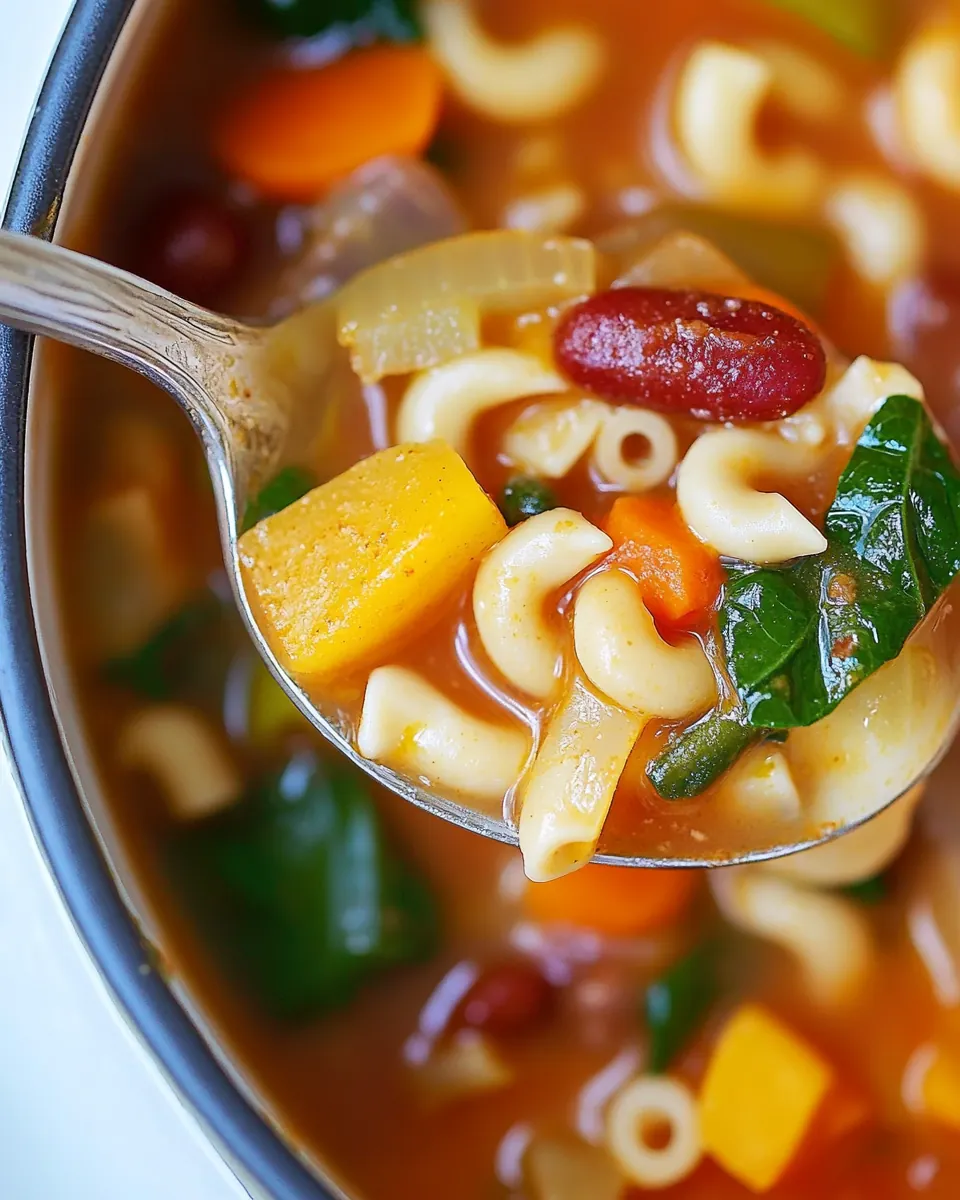
This soup is a perfect canvas for small personalization that keeps the soul of the recipe intact. Below are practical ways I like to tweak the bowl depending on mood, pantry, or occasion. Each tip starts with a bold phrase so you can scan quickly and decide how to adapt the soup to your needs.
- Swap beans selectively If you prefer a firmer bite, use chickpeas in place of one of the canned beans. Chickpeas will hold their texture and add a nutty note, while still contributing protein and fiber. Drain and rinse them just like the other beans to keep the broth clear.
- Make it more peppery Increase the red pepper flakes slightly for a lively heat, adding a pinch at a time and tasting as you go. Remember that heat intensifies as flavors meld, so err on the side of moderation and adjust at the end if needed.
- Boost the herb profile Stir in extra fresh thyme or a spoonful of chopped parsley at the end for a fresher finish. Fresh herbs brighten the bowl and add a pleasing, green aroma that complements the tomatoes and beans without overpowering them.
- Adjust the broth clarity If you like a clearer broth, use a fine mesh skimmer to remove scum that can appear early in the simmer. This keeps the liquid visually appealing and maintains a clean taste, especially important when serving to guests.
- Make it heartier Add an extra can of beans or a few more diced potatoes if you need a more filling meal. This increases the soup’s bulk without changing the core flavor profile, and is perfect for feeding hungrier appetites.
Serving Suggestions
I love serving Gluten Free Minestrone Soup in settings that range from casual family dinners to warming Ramadan iftars, because it is both comforting and flexible. Below are detailed ways I serve and pair this soup, including storage advice and ideal occasions.
- Simple family dinner Serve bowls of the hot soup with pasta on the side so everyone can add their preferred amount. Pair with crusty gluten free bread or warm focaccia for dipping, and present a small bowl of extra red pepper flakes for those who like more heat.
- Casual lunch For a lighter midday meal, ladle a smaller portion of soup and pair it with a crisp green salad dressed simply with olive oil and lemon. This keeps the meal balanced, with the soup providing warmth and the salad adding a refreshing contrast.
- Weeknight crowd pleaser Make a large pot for a group, keeping pasta separate so guests can customize their bowls. Offer grated cheese alternatives for those who can have them, and place spoons of chopped fresh herbs on the table for a bright finishing touch.
- Ramadan iftar or special occasion Serve the soup as a gentle starter to break the fast, because it is nourishing yet not heavy. Offer warm bowls with the pasta on the side, and consider serving dates and a light sweet treat afterwards to follow tradition while keeping the meal balanced.
- Storage and reheating Cool the soup quickly and refrigerate in an airtight container for up to four days, adding extra vegetable broth when reheating because the beans and vegetables can absorb liquid. Store the cooked pasta separately tossed in a bit of oil to prevent clumping and dryness when reheating later.
- Seasonal pairings In winter, pair the soup with roasted root vegetables or a winter citrus salad to brighten the meal. In spring, serve with lighter sides like a bean salad or marinated vegetables to echo the soup’s fresh qualities.
FAQ
Conclusion
What makes this soup special is its balance of hearty beans, tender vegetables, and bright tomato broth that feels both nourishing and approachable. Give it a try on a chilly night, and you will see how a simple list of pantry items can turn into a deeply satisfying meal. I hope this version becomes one of your dependable favorites for feeding family, entertaining friends, or enjoying a quiet bowl on your own.

Gluten Free Minestrone Soup
Equipment
- Dutch Oven
- Wooden Spoon
- Colander
- Knife
Ingredients
- 1 tablespoon extra-virgin olive oil Enhance flavor and provide a silky mouthfeel by sautéing aromatics and vegetables in the oil at the start of the soup preparation.
- 1 onion, diced Add savory depth and a sweet, aromatic base when diced and softened, contributing body and complexity to the broth.
- 2 garlic cloves, minced Infuse pungent, aromatic notes and a subtle heat when minced and cooked briefly with the onions and oil.
- 2 ribs celery, diced Contribute a mild, slightly peppery crunch and aromatic backbone when diced and sautéed alongside other base vegetables.
- 4 carrots, diced Offer natural sweetness, texture, and color while building the hearty vegetable foundation after being diced.
- 2 yellow potatoes, peeled and diced small Provide starchy body and creaminess as they break down slightly during simmering, helping thicken the soup.
- 15 ounce can diced tomatoes Introduce bright acidity and tomatoey umami to balance the vegetables and add liquid and texture.
- 1 15 ounce can cannellini beans Bring creamy, mild bean protein and fiber while adding a soft, hearty texture to make the soup more filling.
- 15 ounce can kidney beans Supply additional protein, color contrast, and a slightly firmer bite compared to the cannellini beans.
- 1 teaspoon ea salt Season and enhance overall flavor, bringing out other ingredients while helping to balance acidity and sweetness.
- 1 teaspoon black pepper Add warm, earthy heat and aromatics to season the soup and complement the herbal components.
- 1 teaspoon Italian seasoning, more to taste Incorporate a blend of herbs that delivers classic Italian aromatic flavors and a savory background note.
- 1 bay leaf Impart a subtle herbal depth and complex aroma while simmering, contributing to the classic soup profile.
- 1/4 teaspoon red pepper flakes, optional Provide optional heat and a touch of spiciness to lift flavors without overwhelming the other ingredients.
- 1 teaspoon fresh thyme leaves, more to taste Deliver fresh, bright herbal notes and a slightly minty, lemony aroma when added toward the end of cooking.
- 6 cups veggie or chicken broth, more as needed Create the liquid base that melds all components together while adding savory richness and room to simmer.
- 1 cup green beans, trimmed and cut into bite size pieces Add crisp-green texture and a fresh vegetal note when trimmed and cut into bite-size pieces before simmering.
- 2 cups kale or spinach, roughly chopped Introduce leafy color, nutrients, and a tender green texture that wilts into the broth near the end.
- 8 ounces gluten-free pasta, cooked Contribute satisfying chew, gluten-free carbohydrates, and a familiar pasta element that completes the minestrone.
Instructions
- Heat oil over medium heat in a large dutch oven. Once hot, add onion, garlic, celery, and carrots and cook until the veggies have started to soften, about 5 minutes.: The moment the oil shimmers and breathes lightly, the pan is ready, releasing a warm, fruity scent from the extra-virgin olive oil . You'll hear a faint sigh as the oil warms, and the surface will look glossy rather than still. This stage primes the pan so the aromatics release their flavors without sticking. If the oil smokes, the pan is too hot and the oil has lost its delicate flavor, so reduce the temperature and start again. When done right, the oil forms the foundation for a savory, rounded broth.
- Add in the potatoes, canned tomatoes, cannellini beans, kidney beans, salt, black pepper, Italian seasoning, bay leaf, red pepper, and thyme.: As soon as the onion hits the oil, you will smell sweetness unfolding, and the edges will begin to go translucent. The garlic aroma should bouquet gently, not scorch, and the carrots will start to release a sugary note. Use a wooden spoon to stir, scraping any bits that cling so they brown lightly and deepen the flavor. A common error is rushing this step, which leaves the onion raw and the base flat, so keep the heat moderate and let time coax out complexity. You'll know it's ready when the mix looks glossy, and the vegetables give under the spoon.
- Pour in vegetable broth and mix, making sure to scrape up all of the bits from the bottom of the pan.: When these ingredients join the pot, the kitchen fills with a chorus of aromas, from herbaceous thyme to tomato sweetness. Stir to combine so the potatoes are evenly distributed and the spices coat the vegetables, which helps flavors marry as they simmer. The canned tomatoes will start to loosen and lend a bright acidity that balances the beans' creaminess. Avoid dumping everything haphazardly; instead, fold gently so the beans remain intact. A typical misstep is stirring too aggressively and mashing the beans, which can cloud the broth and change the texture.
- Cover and bring to a boil over high heat. Reduce heat to low and let simmer for 15 minutes, or until potatoes are tender. Add in green beans and kale, and continue to simmer until green beans are tender. Taste and adjust seasoning.: As the broth hits the hot pan, it will hiss and steam slightly, loosening those flavorful browned bits, called fond, that cling to the bottom. Scraping them up is essential because they dissolve into the liquid and enrich the overall taste. Stir until the mixture looks cohesive and the broth carries a deeper hue from those browned pieces. If you skip scraping, you miss concentrated umami and the soup will taste less layered. Be mindful of heat, and bring the pot to an even simmer rather than a rolling boil.
- Meanwhile, cook pasta according to the package directions, drain and set aside.: As the pot comes to a boil, the aroma will intensify and small bubbles will begin to break the surface. Covering helps the pot reach that point faster, trapping heat, but once it starts to boil, immediately reduce to low to maintain a gentle simmer. Vigorous boiling can break down the beans and potatoes unevenly and evaporate liquid too quickly. Watching for a steady, gentle bubbling along the perimeter tells you the temperature is right for tenderizing the vegetables without destroying texture.
- Serve soup warm with pasta.: During this simmer the potatoes absorb flavors and begin to soften, adding body to the broth. You will notice the broth deepening in color and the aroma shifting from raw ingredients to a cohesive, savory stew. Test a potato piece with a fork; it should yield easily without disintegrating. A pitfall here is over simmering, which can make the potatoes break down and thicken the soup excessively. Simmer slowly so each component reaches the ideal doneness.
- Add in green beans and kale, and continue to simmer until green beans are tender: Introducing the green beans and kale later keeps their texture and bright color vibrant. As they soften, the soup will gain a fresh vegetal note and a contrasting chew against the softer elements. A quick simmer of several minutes usually does the trick, and you will see the greens wilt while the beans become tender yet still slightly snap. Overcooking the greens will lead to a dull flavor and limp mouthfeel, so time this step carefully.
- Taste and adjust seasoning: This is when the soup reveals its final voice, and tasting lets you balance salt, pepper, and herbs. The flavor should be layered, with acidity from the tomatoes, savory depth from the broth, and a gentle herbal lift. I always sample a warm spoonful to determine if it needs a pinch more salt or a touch more Italian seasoning. A common oversight is failing to taste near the end, which can leave a well cooked soup underseasoned. Adjust slowly and let minor additions marry for a minute before reassessing.
- Meanwhile, cook pasta according to the package directions, drain and set aside: The gluten-free pasta should be cooked to al dente so it keeps a pleasant firmness when combined at the table. As it cooks, you will hear a soft, rolling bubble and see the pasta expand, and smelling the cooked grains gives a comforting reassurance that it is nearly ready. Drain promptly and toss with a little oil if you will store it separately to prevent sticking. Leaving pasta sitting in hot water or adding it too early to the soup will make it swell and become mushy.
- Serve soup warm with pasta: Serving the Gluten Free Minestrone Soup with pasta on the side lets everyone customize their bowl and preserves the pasta's texture. Ladle the hot soup into bowls, then top with the desired amount of pasta, enjoying the contrast between silky broth and toothsome noodles. If you combine them too early, the pasta will absorb the broth and the soup will thin out, so plating separately keeps everything lively. A final taste after plating ensures the seasoning is balanced and ready for the table.
Notes
- Swap beans selectively If you prefer a firmer bite, use chickpeas in place of one of the canned beans. Chickpeas will hold their texture and add a nutty note, while still contributing protein and fiber. Drain and rinse them just like the other beans to keep the broth clear.
- Make it more peppery Increase the red pepper flakes slightly for a lively heat, adding a pinch at a time and tasting as you go. Remember that heat intensifies as flavors meld, so err on the side of moderation and adjust at the end if needed.
- Boost the herb profile Stir in extra fresh thyme or a spoonful of chopped parsley at the end for a fresher finish. Fresh herbs brighten the bowl and add a pleasing, green aroma that complements the tomatoes and beans without overpowering them.
- Adjust the broth clarity If you like a clearer broth, use a fine mesh skimmer to remove scum that can appear early in the simmer. This keeps the liquid visually appealing and maintains a clean taste, especially important when serving to guests.
- Make it heartier Add an extra can of beans or a few more diced potatoes if you need a more filling meal. This increases the soup's bulk without changing the core flavor profile, and is perfect for feeding hungrier appetites.
