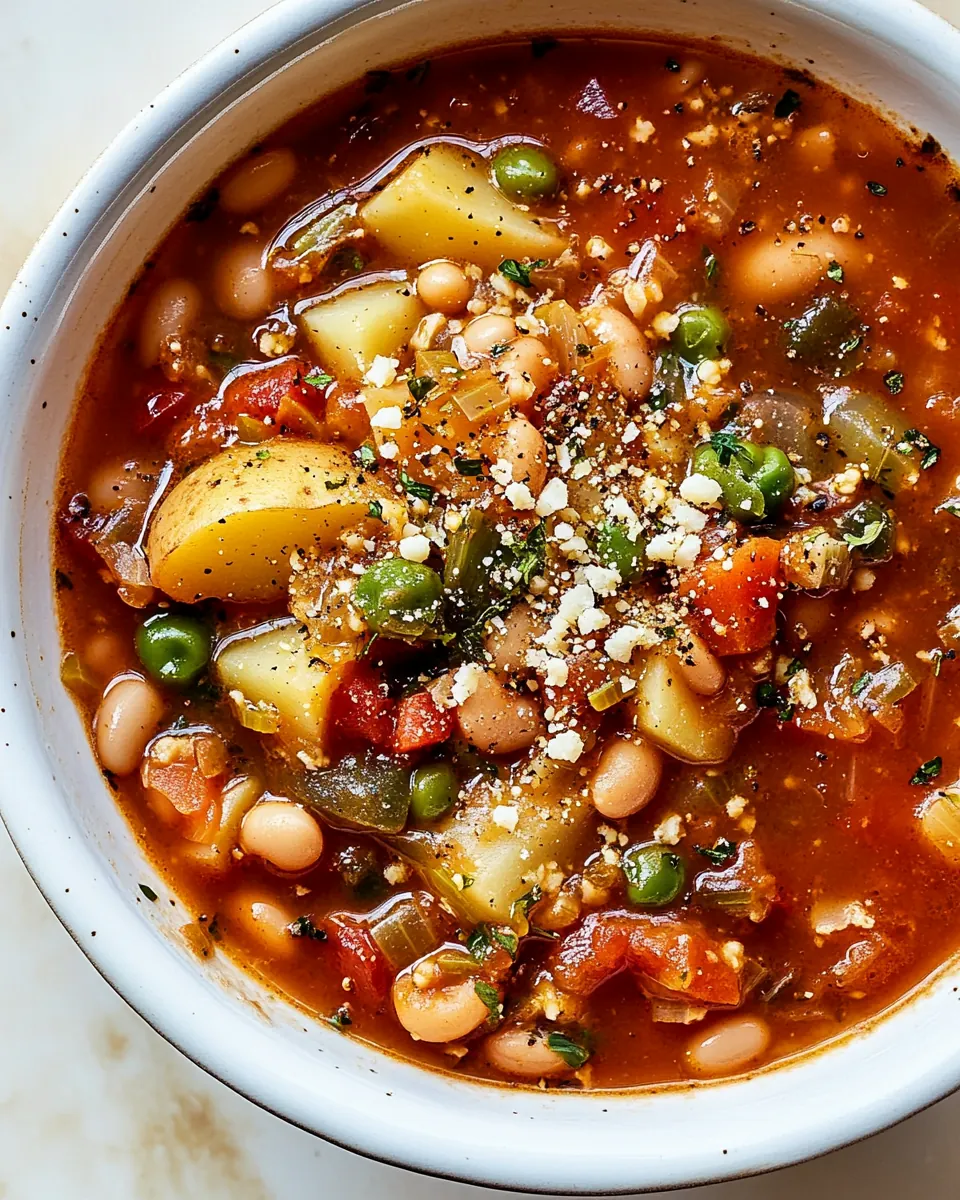
One Pot Vegan Minestrone Soup with Potatoes Beans
One Pot Vegan Minestrone Soup with Potatoes Beans is the kind of bowl I reach for when I want something honest, warming, and impossibly forgiving after a long day in the kitchen. The first time I made this soup I had a bag of mismatched veg in the fridge, a couple of cans of beans, and one giant pot that I figured would make everything easier. The result felt like a cozy, vegetable filled hug, and it has lived in our rotation ever since.
There is something about the way the aromas evolve while the soup simmers that makes the whole house take a deep breath. I remember stirring in the tomato paste and smelling that concentrated brightness bloom, then adding the rosemary and garlic and feeling like the pot was telling me it had a personality. Every time I serve this, guests ask what I did differently, and I always say it is less about a secret and more about patience, good stock, and the joy of one pot cooking.
Recipe Snapshot
1 hr 15 mins
30 mins
45 mins
Medium
250 kcal
Italian
Vegan, Gluten-Free
Soups
Large heavy pot, Wooden spoon, Ladle, Medium bowl
Why Try This One Pot Vegan Minestrone Soup with Potatoes Beans
I love how simple it is to make a meal for many
What really wins me over about One Pot Vegan Minestrone Soup with Potatoes Beans is how effortlessly it feeds a crowd without fuss. I often double the recipe for family gatherings because the pot fills the kitchen with such a comforting scent, and everyone hovers with bowls in hand. The technique is straightforward, so you can chat while you cook, not hide behind the stove.
The texture contrasts are wonderful
In this soup you get tender potatoes, toothsome pasta, and creamy beans, all bathing in a bright, tomato forward broth. I appreciate how each ingredient keeps its character, so every spoonful gives you a little different mouthfeel. That balance keeps me coming back; it never feels one note.
It is aggressively flexible
I adore recipes that bend with what I have on hand, and this minestrone is fearless about substitutions. If you want it heartier, add more beans. If you want it lighter, increase the zucchini and reduce pasta. Because the flavor base is strong, small swaps rarely break it, which is a blessing on rushed weeknights.
A pantry friendly champion
One of my favorite practical points is that many elements come from cans and pantry staples. Keeping a jar of tomato paste and tins of diced tomatoes and beans means you can make this at a moment’s notice. That reliability is kitchen gold when plans change or the weather turns cold.
It tastes like slow cooking even when it is not complicated
Because you brown, sweat, and simmer thoughtfully, the soup develops deep savory notes without complicated techniques. The miso finish lifts the broth in a subtle way that makes each spoonful feel layered and complete. I love serving it when I want food that feels like it was made with care, even on a tight timeline.
Ingredients for One Pot Vegan Minestrone Soup with Potatoes Beans
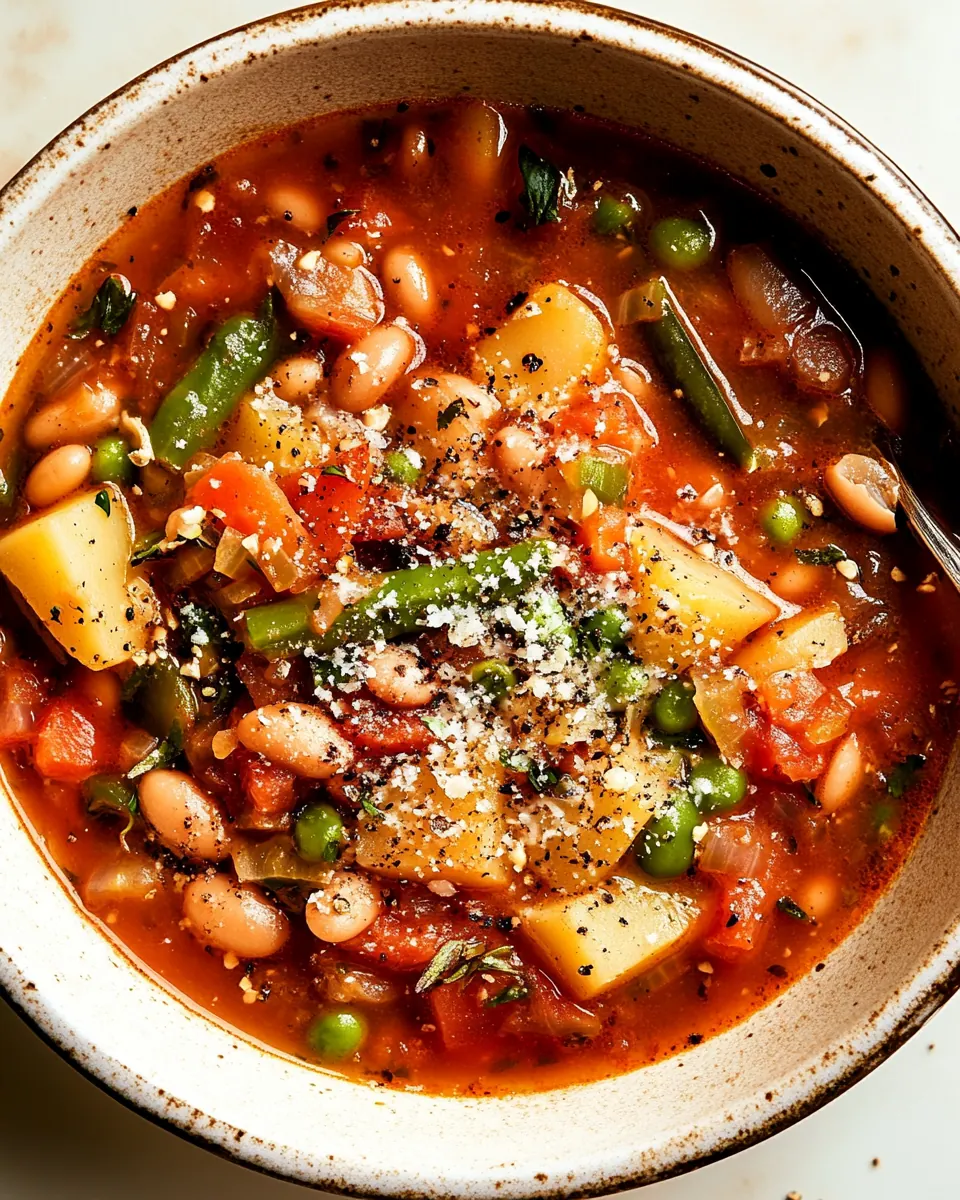
These ingredients are chosen to create a balanced, hearty, and vibrant minestrone. The base aromatics build depth, the vegetables provide texture and sweetness, and the beans and pasta add satisfying substance. Every item plays a clear role: the tomatoes and tomato paste bring brightness, the vegetable stock carries flavor, and the finishing miso and parsley add umami and freshness.
- 3 tablespoons olive oil: Enhance flavor and provide a silky base for sautéing aromatics; olive oil helps gently cook onions, carrots, and celery while carrying fat-soluble flavors throughout the soup. Use the specified amount to prevent sticking and develop a light golden color without overpowering the dish. Adds subtle fruitiness that complements tomato and herb elements.
- 1 medium yellow onion, small dice: Provide a sweet, savory foundation when softened; small–diced yellow onion releases sugars and umami as it sweats in the pot. Contribute aromatic depth and help form the soup's savory backbone when browned lightly in oil. Adjust cooking time to achieve translucent, tender pieces without burning.
- 2 medium carrots, small dice: Contribute natural sweetness and textural contrast when diced small; carrots add color and a gentle earthiness that balances the acidity of tomatoes. Release sweetness and body as they soften, helping to thicken the broth slightly. Their sugars also help build a flavorful soffritto.
- 2 sticks celery, small dice: Offer mild aromatic crunch and savory structure when small–diced; celery lends classic mirepoix flavor and a fibrous texture that softens into the broth. Add subtle bitterness and saline notes that enhance overall complexity. Cook long enough to become tender and integrate into the soup base.
- 1 small fennel bulb, cored and diced small (about 250 grams): Introduce anise-like sweetness and subtle licorice notes when cored and diced small; fennel bulb brings brightness and aromatic complexity that pairs well with tomatoes and rosemary. Soften in the olive oil to mellow its sharpness and release fragrant oils. Use the specified weight to ensure balanced flavor and texture.
- sea salt and ground black pepper, to taste: Season to taste and balance the soup's flavors; sea salt enhances natural tastes while black pepper adds a warm, sharp finish. Add gradually during cooking and adjust at the end to avoid over-salting, especially because stock and canned tomatoes contribute sodium. Grind fresh pepper for brighter aroma and better control.
- 5 cloves garlic, minced: Provide pungent aromatic depth and savory umami when minced; garlic brightens and layers flavor throughout the pot. Add after the onions and vegetables have softened to avoid burning and to coax out its mellow sweetness. Use minced form for even distribution and quick melding into the broth.
- 1 tablespoon fresh rosemary, minced: Deliver piney, resinous herb flavor and fragrant notes when minced fresh; rosemary infuses the soup with an earthy Mediterranean character. Add early with the aromatics to allow its oils to bloom in the oil and distribute throughout the stock. Mince finely to avoid woody bits and ensure pleasant texture.
- 1 teaspoon dried oregano: Add warm, slightly bitter herbaceous flavor and classic Italian seasoning; dried oregano contributes aromatic depth and melds with tomatoes and garlic. Sprinkle in during sauté or simmer stages so its flavor rehydrates and permeates the soup. Use measured amount to avoid medicinal bitterness from overuse.
- 1/2 teaspoon smoked paprika: Impart smoky warmth and mild depth when measured carefully; smoked paprika introduces color and a subtle smoked note that complements fire–roasted tomatoes. Incorporate into the sauté to toast briefly and release oils for fuller flavor. Balance with other spices to avoid dominating the soup's profile.
- 1/2 teaspoon red pepper flakes: Bring controlled heat and a touch of spice; red pepper flakes add background warmth without overwhelming the other flavors. Sprinkle into the pot while simmering to allow heat to integrate and mellow. Adjust quantity according to desired spice level for family-friendly or spicier versions.
- 1/4 cup tomato paste: Provide concentrated tomato richness and body when stirred into the aromatics; tomato paste deepens color and adds savory umami. Cook briefly with the vegetables to caramelize and reduce raw acidity before adding liquids. Use precise amount to thicken the broth and intensify tomato flavor.
- 2 medium Yukon gold potatoes, chopped (about 300 grams): Add comforting starch and tender bite when chopped into chunks; Yukon gold potatoes contribute creaminess and help thicken the soup as some starch is released. Simmer until fork-tender so they hold shape but also integrate into the broth. Use specified weight to maintain balanced potato presence.
- 1/2 small green cabbage, chopped (about 400 grams): Contribute mild sweetness, bulk, and leafy texture when chopped; green cabbage adds body and a tender-crisp element that softens during simmering. Layer into the soup to wilt gradually, imparting subtle vegetal flavor and increasing volume. Chop uniformly for even cooking throughout the pot.
- 3 cups cooked beans, drained and rinsed (from two 15.5 oz cans): Supply hearty protein, creamy texture, and fiber when cooked, drained, and rinsed; canned beans add substance and make the soup more filling. Add after potatoes begin to soften so beans warm through without disintegrating. Use the stated cooked volume to maintain consistent bean-to-broth ratio.
- 128 oz can (794 grams) diced fire-roasted tomatoes: Introduce bright, charred tomato flavor and tangy acidity from fire–roasted diced tomatoes; the large can provides tomato base and liquid for the soup. Pour in with stock and simmer to meld flavors and reduce slightly for concentrated taste. Use the specified size to ensure proper tomato-to-broth balance.
- 8 cups vegetable stock: Create the savory liquid body and depth of the soup; vegetable stock supplies seasoning, umami, and cooking medium for vegetables and pasta. Add gradually and simmer to allow flavors to marry, tasting for salt balance as other canned ingredients contribute sodium. Use proper volume for correct liquid-to-solid ratio.
- 1 medium zucchini, chopped: Add tender summer-like texture and mild flavor when chopped; zucchini contributes moisture, subtle sweetness, and light vegetal notes that soften quickly. Stir in later in the cooking process to prevent overcooking and preserve some structure. Adjust size to match other vegetables for consistent mouthfeel.
- 1 cup chopped green beans: Provide a fresh crisp snap and additional vegetal variety when chopped into 1 cup; green beans add color, fiber, and a pleasantly firm texture when cooked al dente. Add during simmering so beans retain slight bite without becoming mushy. Trim and chop uniformly for even cooking.
- 1 1/2 cups dry, small pasta (about 100 grams): Contribute satisfying chew and help thicken the soup slightly as starch releases; small dry pasta cooks within the broth to create a one-pot meal. Add at the appropriate simmer stage and cook until al dente, watching liquid levels and stirring occasionally to prevent sticking. Use the specified amount to maintain pasta-to-soup balance.
- 1 tablespoon light miso: Add subtle savory complexity and rounded umami when dissolved; light miso brings fermented depth and helps season the soup without relying solely on salt. Stir into warm broth off the heat to preserve beneficial enzymes and prevent boiling out delicate flavors. Use measured amount to avoid overpowering the other components.
- 1 cup flat leaf parsley leaves, chopped: Provide bright herbal finish and fresh aroma when chopped; flat leaf parsley lifts and unifies the soup with verdant flavor. Stir in at the end or garnish to retain color and freshness, adding a lively contrast to the cooked vegetables. Use the full cup for a noticeable herbal presence.
Cooking Method for One Pot Vegan Minestrone Soup with Potatoes Beans
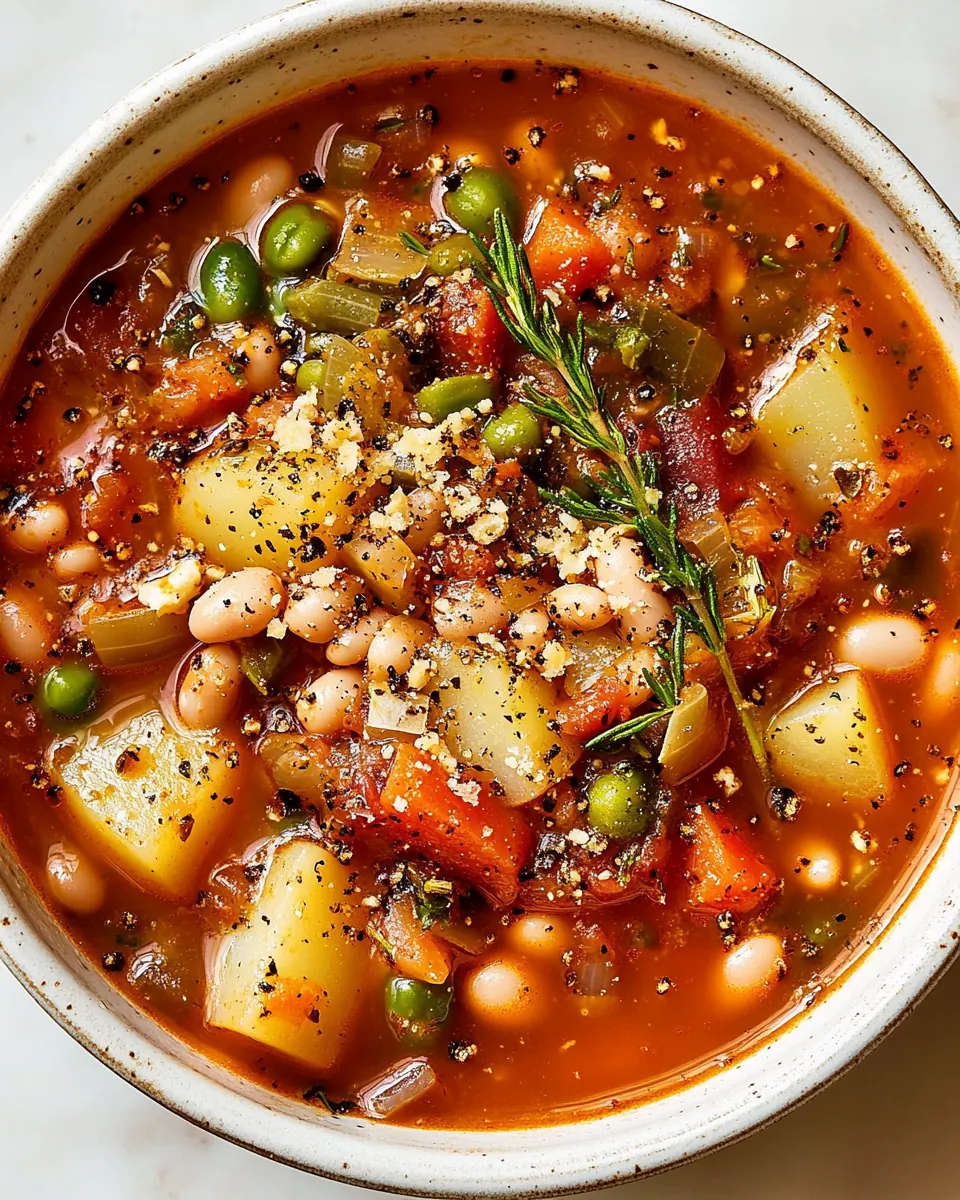
This is a relaxed, stepwise approach that rewards attention and patience. We’ll build flavor through sautéing, then simmer gently so the ingredients marry. Keep an eye on textures as different vegetables and the pasta finish at different times.
- Heat a large, heavy pot over medium heat. Once hot, pour in the olive oil and swirl it around.: You will notice the shimmer of the oil and a faint toasty scent as it heats, which signals the pot is ready to receive the aromatics. This oil acts as the flavor carrier, helping the onion and garlic release their fragrances; if it smokes, lower the heat right away since burnt oil will impart bitterness. A common mistake is rushing this stage on high heat, which can lead to uneven cooking and scorched aromatics, so keep the flame steady and patient.
- Add the onions and sauté until very soft and translucent, about 7-8 minutes. If they’re starting to brown, lower the heat.: As you stir, the onion will transform from sharp and crunchy to silken and sweet, filling the kitchen with a mellow aroma that forms the backbone of the broth. Softened onions also help thicken the liquid slightly, creating body. Avoid letting them caramelize to the point of dark browning unless you want a sweeter profile, since burnt bits will shift the taste. Stir frequently and adjust heat to maintain a gentle sizzle.
- Add the carrots, celery, and fennel to the pot and season with salt and pepper. Stir and sauté until celery is bright green and fennel has softened slightly, about 5 minutes.: You'll hear a softened sizzle and see colors brighten as moisture is released from the vegetables, which concentrates their flavors. The fennel will start to lose its raw edge and give a soft anise perfume, while the carrots and celery sweeten and deepen. Overcooking can make them mushy, so aim for tender crispness that will finish cooking in the broth; taste a piece to check doneness rather than relying solely on time.
- Add the garlic, rosemary, dried oregano, smoked paprika, and dried chili to the pot. Stir until very fragrant, about 1 minute.: The moment you add these aromatics you should get an immediate burst of scent, with pungent garlic and herb notes brightening the pan. This quick step releases essential oils from the herbs and spices, which bloom in the hot oil and infuse the upcoming liquid. Be cautious not to let the garlic brown, as that will bring a bitter edge; stir constantly and remove from direct high heat if necessary.
- Add the tomato paste to the pot and stir. Keep stirring and cooking out the 'raw' flavour from the tomato paste for about 1-2 minutes.: When the tomato paste is added, it will darken slightly and give off a roasted, sweet tomato aroma as you cook out its rawness. This step deepens the final broth and prevents an acidic, tinny taste. If you skip cooking the paste, the soup can taste flat or overly sharp. Use a wooden spoon to scrape any caramelized bits from the bottom, which adds complexity.
- Add the potatoes, cabbage and beans to the pot. Give everything a stir and season with salt and pepper again. Add the diced tomatoes and stir once more.: The raw potatoes will lend starch as they cook, slightly thickening the broth, while the cabbage starts to soften and wilt into the mix. The beans add creaminess without heaviness. When the diced tomatoes hit the pan, you'll see the pot take on a brighter, redder hue and begin to smell more tomato forward. A common slip is under seasoning at this point; taste and season carefully, since starchy ingredients can mute saltiness as they cook.
- Add the vegetable stock to the pot and stir to combine. Place a lid on top of the pot and bring everything to a boil. Once boiling, set the lid aside slightly so that steam can escape. Lower the heat to a strong simmer. Cook until potatoes are just starting to get tender, about 12 minutes.: As the liquid comes to a boil you will hear an energetic bubbling that will calm to a steady simmer, releasing savory steam. The stock is where flavors marry, so be mindful of its salt level. Keeping the lid slightly ajar prevents an over vigorous boil that might break delicate vegetables; too high a boil can also make the broth cloudy, so reduce heat if it seems too aggressive. Test a piece of potato to judge readiness.
- Add the zucchini, green beans, and pasta to the pot and stir. Bring to a boil again and then simmer until pasta is tender, about 12 minutes.: When the pasta goes in you will see the broth become thicker and slightly cloudy as starch releases. The zucchini will soften quickly and the green beans should keep a little snap if timed right, adding textural contrast. Keep the simmer moderate so the pasta cooks evenly without turning to mush; stir occasionally to prevent sticking, and taste a pasta piece for the exact doneness you prefer.
- Once the pasta is cooked, place the miso in a medium bowl to the side. Ladle a couple spoonfuls of hot stock from the pot over the miso. Using a spoon, 'mash' and stir the miso with the hot stock until it dissolves. Add this mixture back into the pot and stir.: This technique prevents lumps and ensures the miso integrates smoothly, adding a delicate umami lift without boiling it, which can destroy some of its nuanced flavors. You will notice the broth deepen slightly in color and round into a fuller taste. One common error is adding miso directly to high heat; tempering it first keeps the flavors bright and avoids bitterness.
- Add the parsley to the minestrone and stir. Check the soup for seasoning and adjust if necessary. Pasta and potatoes soak up a lot of salt, so you may need more. Serve hot!: The chopped parsley will add a fresh, green aroma that contrasts the rich broth, and a final taste will tell you if it needs extra salt or pepper. Serve while warm enough to steam, enjoying the interplay of soft potatoes , tender pasta , and creamy beans . A frequent oversight is not rechecking seasoning at the end; always taste a spoonful and adjust before serving.
Helpful Notes about One Pot Vegan Minestrone Soup with Potatoes Beans
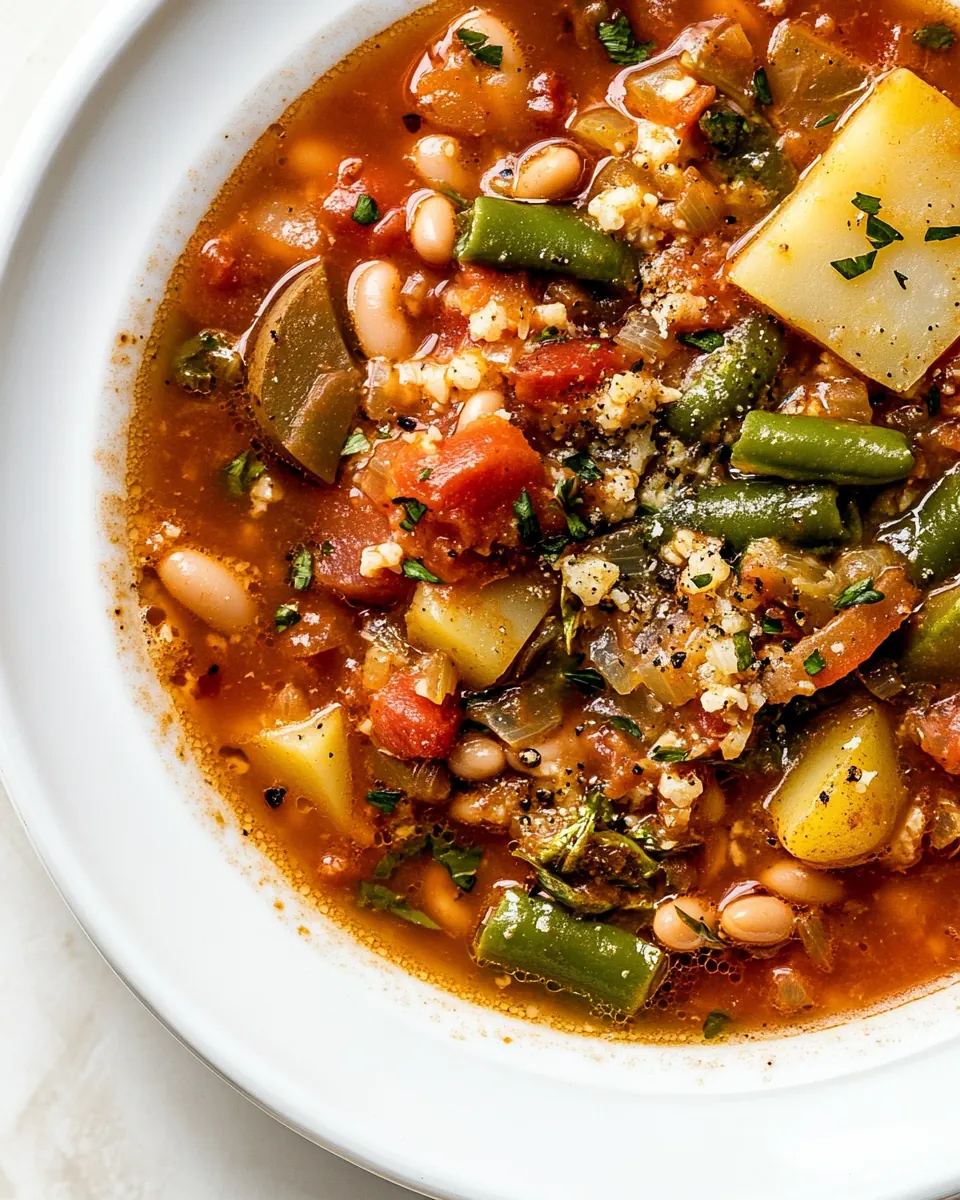
This recipe rewards small attentions, and these notes will help you make it shine every time. Read through them before you start to set yourself up for success, from choosing the pot to finishing the seasoning.
- Choose the right pot Use a large, heavy bottom pot so heat distributes evenly and you have room for stirring without spills, which prevents uneven cooking.
- Bloom spices in oil Toasting dried herbs and spices in oil releases their essential oils, creating a deeper, more integrated flavor in the finished soup.
- Don’t overcook pasta Aim for al dente since the pasta will continue to soften slightly in the hot broth, keeping texture balanced with the vegetables.
- Reserve salt until the end Because starches soak up seasoning, finishing with a final taste and seasoning touch prevents an under seasoned bowl.
- Use quality stock Since the broth carries everything, a flavorful vegetable stock makes an outsized difference to the end result.
Accompaniments for One Pot Vegan Minestrone Soup with Potatoes Beans
This soup is flexible for many serving contexts, from casual weeknight dinners to welcoming guests during colder seasons. Below are ideas that span sides, occasions, and storage recommendations to help you present it well.
- Crusty bread Serve with warm, crusty bread for mopping up the broth, which makes the meal feel rustic and complete and is perfect for casual dinners.
- Simple green salad A dressed green salad provides a crisp counterpoint, great for lighter lunches or springtime meals when you want balance.
- Family style This recipe shines served family style straight from the pot, ideal for communal gatherings and relaxed weeknight dinners where everyone helps themselves.
- Meal prep The soup stores well in the fridge for several days, and flavors often deepen overnight, making it an excellent option for make ahead lunches.
- Freezing tips Cool completely before freezing; reheat gently and add a splash of stock if the soup thickens, which preserves texture and flavor.
- Seasonal pairings In winter, serve with roasted root vegetables or warm olives; in lighter months, pair with fresh herb focaccia for a brighter pairing.
FAQ
Conclusion
This recipe shines because it combines accessible pantry staples with fresh vegetables to create a comforting, layered bowl that feels special yet effortless. Try making One Pot Vegan Minestrone Soup with Potatoes Beans when you want a nourishing, shareable meal that warms both body and kitchen. I hope you enjoy how forgiving and flavorful this soup is, and that it becomes one of your reliable go to recipes for cold evenings and busy nights alike.
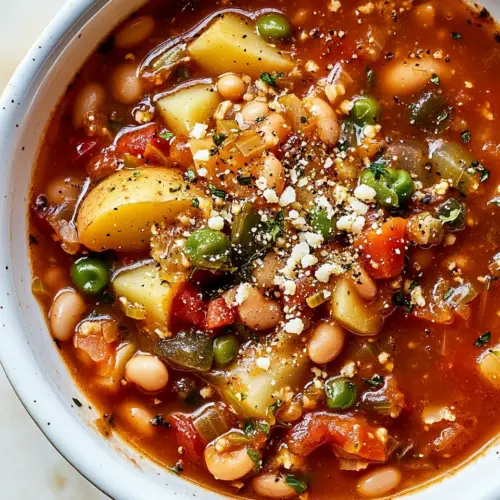
One Pot Vegan Minestrone Soup with Potatoes Beans
Equipment
- Large heavy pot
- Wooden Spoon
- Ladle
- Medium Bowl
Ingredients
- 3 tablespoons olive oil Enhance flavor and provide a silky base for sautéing aromatics; olive oil helps gently cook onions, carrots, and celery while carrying fat-soluble flavors throughout the soup. Use the specified amount to prevent sticking and develop a light golden color without overpowering the dish. Adds subtle fruitiness that complements tomato and herb elements.
- 1 medium yellow onion, small dice Provide a sweet, savory foundation when softened; small-diced yellow onion releases sugars and umami as it sweats in the pot. Contribute aromatic depth and help form the soup's savory backbone when browned lightly in oil. Adjust cooking time to achieve translucent, tender pieces without burning.
- 2 medium carrots, small dice Contribute natural sweetness and textural contrast when diced small; carrots add color and a gentle earthiness that balances the acidity of tomatoes. Release sweetness and body as they soften, helping to thicken the broth slightly. Their sugars also help build a flavorful soffritto.
- 2 sticks celery, small dice Offer mild aromatic crunch and savory structure when small-diced; celery lends classic mirepoix flavor and a fibrous texture that softens into the broth. Add subtle bitterness and saline notes that enhance overall complexity. Cook long enough to become tender and integrate into the soup base.
- 1 small fennel bulb, cored and diced small (about 250 grams) Introduce anise-like sweetness and subtle licorice notes when cored and diced small; fennel bulb brings brightness and aromatic complexity that pairs well with tomatoes and rosemary. Soften in the olive oil to mellow its sharpness and release fragrant oils. Use the specified weight to ensure balanced flavor and texture.
- sea salt and ground black pepper, to taste Season to taste and balance the soup's flavors; sea salt enhances natural tastes while black pepper adds a warm, sharp finish. Add gradually during cooking and adjust at the end to avoid over-salting, especially because stock and canned tomatoes contribute sodium. Grind fresh pepper for brighter aroma and better control.
- 5 cloves garlic, minced Provide pungent aromatic depth and savory umami when minced; garlic brightens and layers flavor throughout the pot. Add after the onions and vegetables have softened to avoid burning and to coax out its mellow sweetness. Use minced form for even distribution and quick melding into the broth.
- 1 tablespoon fresh rosemary, minced Deliver piney, resinous herb flavor and fragrant notes when minced fresh; rosemary infuses the soup with an earthy Mediterranean character. Add early with the aromatics to allow its oils to bloom in the oil and distribute throughout the stock. Mince finely to avoid woody bits and ensure pleasant texture.
- 1 teaspoon dried oregano Add warm, slightly bitter herbaceous flavor and classic Italian seasoning; dried oregano contributes aromatic depth and melds with tomatoes and garlic. Sprinkle in during sauté or simmer stages so its flavor rehydrates and permeates the soup. Use measured amount to avoid medicinal bitterness from overuse.
- 1/2 teaspoon smoked paprika Impart smoky warmth and mild depth when measured carefully; smoked paprika introduces color and a subtle smoked note that complements fire-roasted tomatoes. Incorporate into the sauté to toast briefly and release oils for fuller flavor. Balance with other spices to avoid dominating the soup's profile.
- 1/2 teaspoon red pepper flakes Bring controlled heat and a touch of spice; red pepper flakes add background warmth without overwhelming the other flavors. Sprinkle into the pot while simmering to allow heat to integrate and mellow. Adjust quantity according to desired spice level for family-friendly or spicier versions.
- 1/4 cup tomato paste Provide concentrated tomato richness and body when stirred into the aromatics; tomato paste deepens color and adds savory umami. Cook briefly with the vegetables to caramelize and reduce raw acidity before adding liquids. Use precise amount to thicken the broth and intensify tomato flavor.
- 2 medium Yukon gold potatoes, chopped (about 300 grams) Add comforting starch and tender bite when chopped into chunks; Yukon gold potatoes contribute creaminess and help thicken the soup as some starch is released. Simmer until fork-tender so they hold shape but also integrate into the broth. Use specified weight to maintain balanced potato presence.
- 1/2 small green cabbage, chopped (about 400 grams) Contribute mild sweetness, bulk, and leafy texture when chopped; green cabbage adds body and a tender-crisp element that softens during simmering. Layer into the soup to wilt gradually, imparting subtle vegetal flavor and increasing volume. Chop uniformly for even cooking throughout the pot.
- 3 cups cooked beans, drained and rinsed (from two 15.5 oz cans) Supply hearty protein, creamy texture, and fiber when cooked, drained, and rinsed; canned beans add substance and make the soup more filling. Add after potatoes begin to soften so beans warm through without disintegrating. Use the stated cooked volume to maintain consistent bean-to-broth ratio.
- 128 -oz can (794 grams) diced fire-roasted tomatoes Introduce bright, charred tomato flavor and tangy acidity from fire-roasted diced tomatoes; the large can provides tomato base and liquid for the soup. Pour in with stock and simmer to meld flavors and reduce slightly for concentrated taste. Use the specified size to ensure proper tomato-to-broth balance.
- 8 cups vegetable stock Create the savory liquid body and depth of the soup; vegetable stock supplies seasoning, umami, and cooking medium for vegetables and pasta. Add gradually and simmer to allow flavors to marry, tasting for salt balance as other canned ingredients contribute sodium. Use proper volume for correct liquid-to-solid ratio.
- 1 medium zucchini, chopped Add tender summer-like texture and mild flavor when chopped; zucchini contributes moisture, subtle sweetness, and light vegetal notes that soften quickly. Stir in later in the cooking process to prevent overcooking and preserve some structure. Adjust size to match other vegetables for consistent mouthfeel.
- 1 cup chopped green beans Provide a fresh crisp snap and additional vegetal variety when chopped into 1 cup; green beans add color, fiber, and a pleasantly firm texture when cooked al dente. Add during simmering so beans retain slight bite without becoming mushy. Trim and chop uniformly for even cooking.
- 1 1/2 cups dry, small pasta (about 100 grams) Contribute satisfying chew and help thicken the soup slightly as starch releases; small dry pasta cooks within the broth to create a one-pot meal. Add at the appropriate simmer stage and cook until al dente, watching liquid levels and stirring occasionally to prevent sticking. Use the specified amount to maintain pasta-to-soup balance.
- 1 tablespoon light miso Add subtle savory complexity and rounded umami when dissolved; light miso brings fermented depth and helps season the soup without relying solely on salt. Stir into warm broth off the heat to preserve beneficial enzymes and prevent boiling out delicate flavors. Use measured amount to avoid overpowering the other components.
- 1 cup flat leaf parsley leaves, chopped Provide bright herbal finish and fresh aroma when chopped; flat leaf parsley lifts and unifies the soup with verdant flavor. Stir in at the end or garnish to retain color and freshness, adding a lively contrast to the cooked vegetables. Use the full cup for a noticeable herbal presence.
Instructions
- Heat a large, heavy pot over medium heat. Once hot, pour in the olive oil and swirl it around.: You will notice the shimmer of the oil and a faint toasty scent as it heats, which signals the pot is ready to receive the aromatics. This oil acts as the flavor carrier, helping the onion and garlic release their fragrances; if it smokes, lower the heat right away since burnt oil will impart bitterness. A common mistake is rushing this stage on high heat, which can lead to uneven cooking and scorched aromatics, so keep the flame steady and patient.
- Add the onions and sauté until very soft and translucent, about 7-8 minutes. If they’re starting to brown, lower the heat.: As you stir, the onion will transform from sharp and crunchy to silken and sweet, filling the kitchen with a mellow aroma that forms the backbone of the broth. Softened onions also help thicken the liquid slightly, creating body. Avoid letting them caramelize to the point of dark browning unless you want a sweeter profile, since burnt bits will shift the taste. Stir frequently and adjust heat to maintain a gentle sizzle.
- Add the carrots, celery, and fennel to the pot and season with salt and pepper. Stir and sauté until celery is bright green and fennel has softened slightly, about 5 minutes.: You'll hear a softened sizzle and see colors brighten as moisture is released from the vegetables, which concentrates their flavors. The fennel will start to lose its raw edge and give a soft anise perfume, while the carrots and celery sweeten and deepen. Overcooking can make them mushy, so aim for tender crispness that will finish cooking in the broth; taste a piece to check doneness rather than relying solely on time.
- Add the garlic, rosemary, dried oregano, smoked paprika, and dried chili to the pot. Stir until very fragrant, about 1 minute.: The moment you add these aromatics you should get an immediate burst of scent, with pungent garlic and herb notes brightening the pan. This quick step releases essential oils from the herbs and spices, which bloom in the hot oil and infuse the upcoming liquid. Be cautious not to let the garlic brown, as that will bring a bitter edge; stir constantly and remove from direct high heat if necessary.
- Add the tomato paste to the pot and stir. Keep stirring and cooking out the 'raw' flavour from the tomato paste for about 1-2 minutes.: When the tomato paste is added, it will darken slightly and give off a roasted, sweet tomato aroma as you cook out its rawness. This step deepens the final broth and prevents an acidic, tinny taste. If you skip cooking the paste, the soup can taste flat or overly sharp. Use a wooden spoon to scrape any caramelized bits from the bottom, which adds complexity.
- Add the potatoes, cabbage and beans to the pot. Give everything a stir and season with salt and pepper again. Add the diced tomatoes and stir once more.: The raw potatoes will lend starch as they cook, slightly thickening the broth, while the cabbage starts to soften and wilt into the mix. The beans add creaminess without heaviness. When the diced tomatoes hit the pan, you'll see the pot take on a brighter, redder hue and begin to smell more tomato forward. A common slip is under seasoning at this point; taste and season carefully, since starchy ingredients can mute saltiness as they cook.
- Add the vegetable stock to the pot and stir to combine. Place a lid on top of the pot and bring everything to a boil. Once boiling, set the lid aside slightly so that steam can escape. Lower the heat to a strong simmer. Cook until potatoes are just starting to get tender, about 12 minutes.: As the liquid comes to a boil you will hear an energetic bubbling that will calm to a steady simmer, releasing savory steam. The stock is where flavors marry, so be mindful of its salt level. Keeping the lid slightly ajar prevents an over vigorous boil that might break delicate vegetables; too high a boil can also make the broth cloudy, so reduce heat if it seems too aggressive. Test a piece of potato to judge readiness.
- Add the zucchini, green beans, and pasta to the pot and stir. Bring to a boil again and then simmer until pasta is tender, about 12 minutes.: When the pasta goes in you will see the broth become thicker and slightly cloudy as starch releases. The zucchini will soften quickly and the green beans should keep a little snap if timed right, adding textural contrast. Keep the simmer moderate so the pasta cooks evenly without turning to mush; stir occasionally to prevent sticking, and taste a pasta piece for the exact doneness you prefer.
- Once the pasta is cooked, place the miso in a medium bowl to the side. Ladle a couple spoonfuls of hot stock from the pot over the miso. Using a spoon, 'mash' and stir the miso with the hot stock until it dissolves. Add this mixture back into the pot and stir.: This technique prevents lumps and ensures the miso integrates smoothly, adding a delicate umami lift without boiling it, which can destroy some of its nuanced flavors. You will notice the broth deepen slightly in color and round into a fuller taste. One common error is adding miso directly to high heat; tempering it first keeps the flavors bright and avoids bitterness.
- Add the parsley to the minestrone and stir. Check the soup for seasoning and adjust if necessary. Pasta and potatoes soak up a lot of salt, so you may need more. Serve hot!: The chopped parsley will add a fresh, green aroma that contrasts the rich broth, and a final taste will tell you if it needs extra salt or pepper. Serve while warm enough to steam, enjoying the interplay of soft potatoes , tender pasta , and creamy beans . A frequent oversight is not rechecking seasoning at the end; always taste a spoonful and adjust before serving.
Notes
- Choose the right pot Use a large, heavy bottom pot so heat distributes evenly and you have room for stirring without spills, which prevents uneven cooking.
- Bloom spices in oil Toasting dried herbs and spices in oil releases their essential oils, creating a deeper, more integrated flavor in the finished soup.
- Don’t overcook pasta Aim for al dente since the pasta will continue to soften slightly in the hot broth, keeping texture balanced with the vegetables.
- Reserve salt until the end Because starches soak up seasoning, finishing with a final taste and seasoning touch prevents an under seasoned bowl.
- Use quality stock Since the broth carries everything, a flavorful vegetable stock makes an outsized difference to the end result.