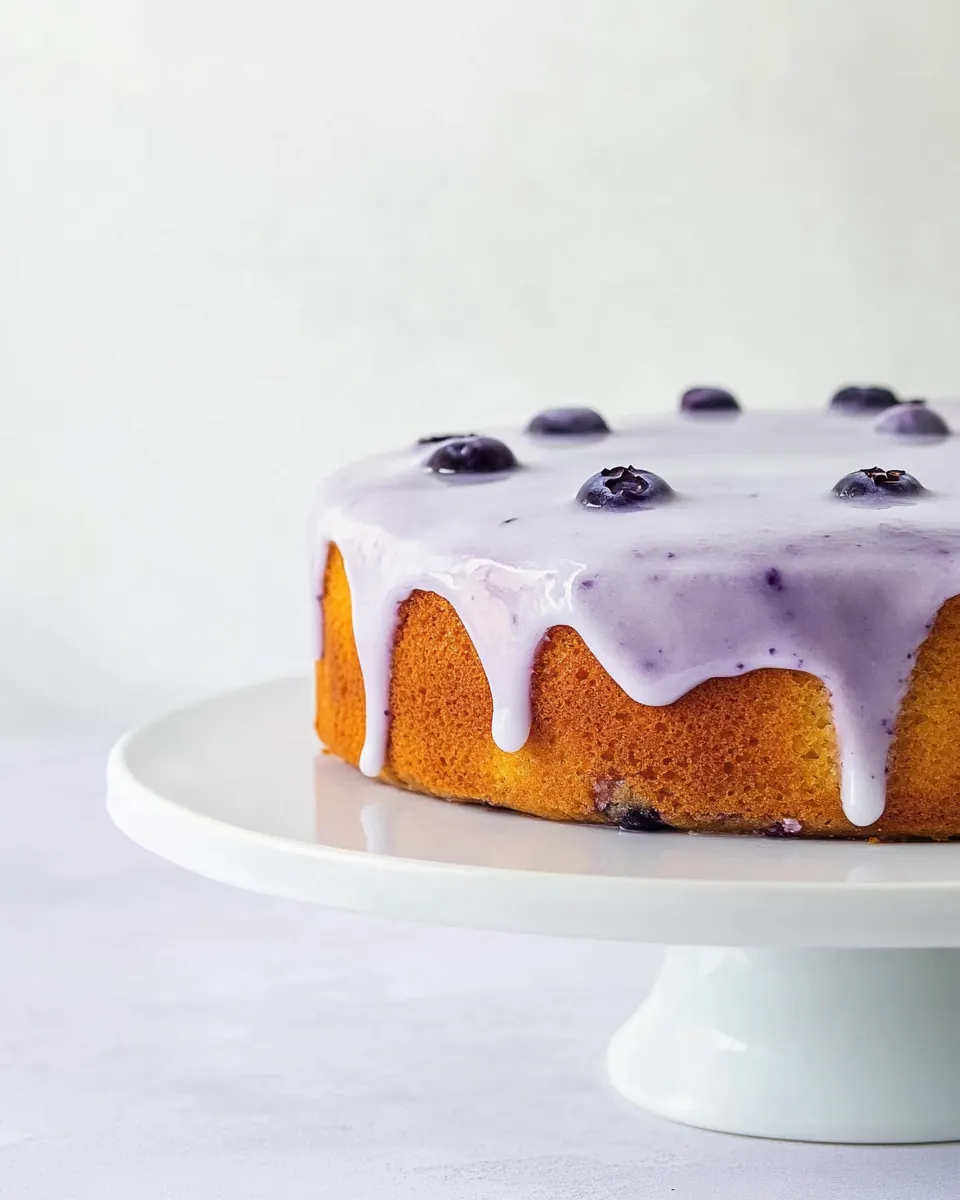
Blueberry Ricotta Cake with Lavender Glaze
Blueberry Ricotta Cake with Lavender Glaze was the cake I turned to on a gray spring Sunday when I needed something gentle and cheering.
I remember pulling a dented mixing bowl from the cabinet, feeling the cool metal in my hands as the scent of lemon from the fridge brightened the kitchen. The first time I baked this cake, the combination of fluffy ricotta cheese and jewel like blueberries seemed almost too simple to produce something so fragrant and tender. As the oven worked away, I wandered the house with a cup of tea, hearing the faint hum that meant warmth was building. Later, the loaf came out with a pale golden crust and a subtle bounce when pressed, the crumb dotted with bursts of fruity sweetness. Glazing it with the lavender frosting felt playful, a soft floral note that did not shout but nudged the palate.
Friends who came by that afternoon asked for the recipe, which surprised me because it is unfussy, relying on pantry staples like all purpose flour and sugar, plus a few special touches like lavender extract and a splash of lemon juice. I liked the way the cake felt like a little celebration without being fussy, perfect for a slow midweek treat or for bringing to a neighbor. Over time I tweaked the balance of ricotta to butter so the texture stayed moist but not dense, and I learned that tossing the blueberries in a spoonful of all purpose flour kept them suspended rather than sinking. Every time I slice this cake, the thin glaze cracks slightly, catching the light, and that moment has become one of those small rituals I savor.
Recipe Snapshot
1 hr 30 mins
30 mins
60 mins
Medium
350 kcal
American
Gluten-Free, Low FODMAP
Desserts
Loaf pan 9 x 5 inch, Electric mixer, Mixing bowls, Spatula, Whisk
Why You Need This Blueberry Ricotta Cake with Lavender Glaze
Bright yet balanced flavor
I love how Blueberry Ricotta Cake with Lavender Glaze marries bright citrus and floral notes with creamy dairy. The lemon juice lifts the richness of the ricotta cheese, while the lavender extract in the glaze gives a whisper of floral aroma that complements, rather than overpowers, the blueberries. This balance makes each bite interesting and layered.
Textural contrast
The texture is a big reason I keep coming back to this recipe. The cake crumb is tender and slightly springy thanks to the combination of butter and ricotta cheese. Meanwhile, the blueberries burst with juice, and the glaze adds a silky finish. Those contrasts make every forkful satisfying and never monotonous.
Simple ingredients, impressive results
I appreciate that most of the ingredients are pantry staples like all purpose flour, sugar, and baking powder. A small amount of lavender extract elevates the cake into something special without requiring rare items. This means you can throw it together on a whim and still impress guests.
Versatility for occasions
This cake works for many moments. I’ll serve it at afternoon tea, bring it to potlucks, or slice it thin for brunch. The gentle floral note from the lavender extract makes it especially nice in spring, and the loaf format makes it easy to transport and share.
Beginner friendly techniques
Even if you are not an experienced baker, the methods here are forgiving. The directions focus on simple mixing and gentle folding, so overworking the batter is easy to avoid. Small tips, like tossing the blueberries in a bit of all purpose flour, make a big difference in the finished loaf.
Recipe Ingredients for Blueberry Ricotta Cake with Lavender Glaze
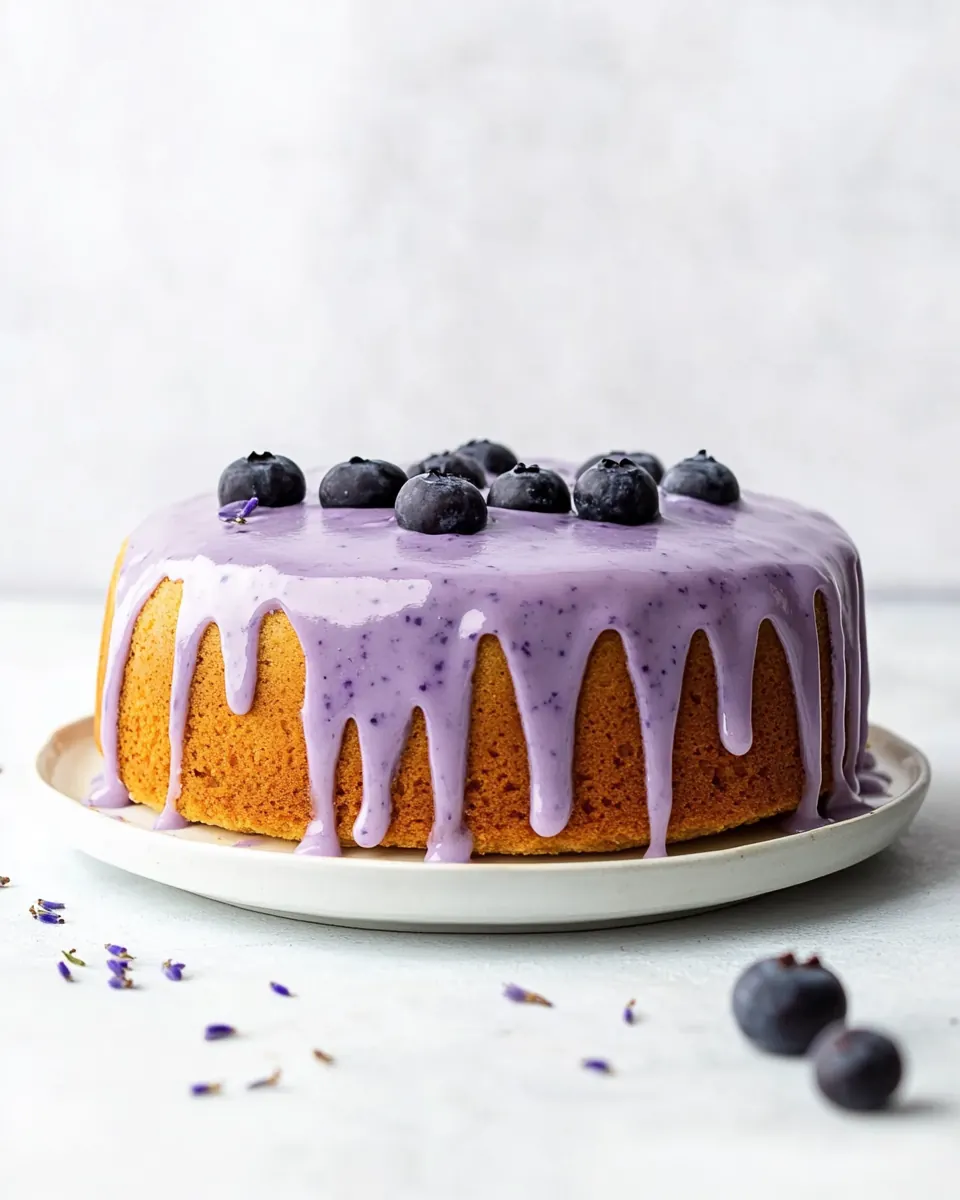
These ingredients are chosen to create a cake that is light, tender, and aromatic. The structure comes from all purpose flour and baking powder, sweetness from sugar, and richness from butter and ricotta cheese. The blueberries bring juicy pockets of fruit, while the glaze, made with powdered sugar and lavender extract, ties everything together with a glossy, fragrant finish. Each player has a clear role, and together they yield a balanced loaf with delicate floral notes.
- 1 1/2 cups all-purpose flour: Provide structure and bulk to the cake batter; sifts easily to ensure even texture and prevents lumps when combined with wet ingredients. Use at room temperature mixing for an even crumb and to help the cake rise uniformly during baking.
- 2 teaspoons baking powder: Leaven the cake by creating air pockets when combined with wet ingredients; activates during baking to give lift and lightness. Measure accurately and distribute evenly in the dry mix to ensure consistent rise throughout the cake.
- 1/2 teaspoons salt: Season and balance sweetness while enhancing overall flavor; controls the perception of other ingredients and stabilizes batter. Add with dry ingredients to ensure even distribution and avoid concentrated salty pockets.
- 5 tablespoons unsalted butter, softened: Cream into sugar to create a light and tender crumb; contributes moisture, richness, and flavor while helping to incorporate air into the batter. Use softened butter to achieve a smooth emulsion that aids in leavening and texture.
- 3/4 cups sugar: Sweeten and help tenderize the cake while aiding in browning; dissolves into butter and eggs to create a smooth batter. Adjust slightly for taste but maintain proportion to ensure proper cake structure and moisture.
- 3 large eggs: Bind ingredients together and provide structure, moisture, and richness; help with leavening and stability when whipped or mixed. Use at room temperature to ensure better emulsification with fats and to prevent curdling.
- 3/4 cup ricotta cheese: Add moisture and a creamy, slightly tangy richness that tenderizes the crumb and complements flavors; contributes to a moist texture without adding excess fat. Fold gently into batter to maintain lightness while providing silkiness.
- 1 tablespoon lemon juice: Brighten flavor and balance sweetness with acidity; enhance other flavors like ricotta and blueberries while helping to activate baking powder. Add with wet ingredients to distribute flavor evenly throughout the batter.
- 2 teaspoons vanilla extract: Enhance aromatic complexity and deepen overall flavor profile; pairs with citrus and dairy notes to create a more rounded taste. Add with wet ingredients to infuse vanilla into the batter smoothly.
- 1 1/2 cups fresh blueberries: Provide bursts of fresh, fruity flavor and juicy texture while adding visual appeal; contribute moisture and slight acidity that balance richness. Toss with a small amount of flour to prevent sinking and distribute evenly in the batter.
- 1 tablespoon all-purpose flour: Coat blueberries lightly to prevent sinking and promote even distribution throughout the batter; helps berries stay suspended while baking. Combine with fruit before folding into batter to maintain consistent spacing of berries.
- 1 1/4 cups of powdered sugar: Form the base of the glaze by adding sweetness and smoothness; dissolves easily to create a silky coating that sets on the cake. Sift before mixing to avoid lumps and ensure a glossy, even glaze.
- 1/2 teaspoon vanilla extract: Add subtle warmth and depth to the glaze while enhancing vanilla notes and rounding flavors; helps balance the powdered sugar's sweetness. Whisk into the glaze for gentle flavor infusion without altering texture.
- 1/4 teaspoon lavender extract: Impart a floral, slightly herbal aroma to the glaze; provides a delicate lavender note that complements lemon and blueberry. Use sparingly to avoid overpowering and stir in thoroughly for even distribution.
- 2 tablespoons heavy cream: Thin and enrich the glaze for a silky mouthfeel while adding subtle creaminess and shine; aids in achieving the desired drizzling consistency. Warm slightly if needed to help ingredients combine smoothly and form a glossy finish.
- 2 1/2 tablespoons milk: Adjust glaze texture and viscosity, adding a bit more liquid to reach the perfect pourable consistency; balances cream and powdered sugar for optimal coating. Add gradually to control thickness and avoid an overly runny glaze.
- a drop of light pink or purple food coloring: Tint the glaze with a gentle pastel hue for aesthetic appeal without adding flavor; a single drop achieves a soft, appealing color. Use sparingly and mix thoroughly to ensure even coloration throughout the glaze.
- culinary lavender flowers (optional): Garnish the finished cake with a delicate floral touch that reinforces the lavender flavor and adds visual elegance; optional for presentation and aroma. Sprinkle lightly just before serving to preserve fragrance and color.
Making Blueberry Ricotta Cake with Lavender Glaze
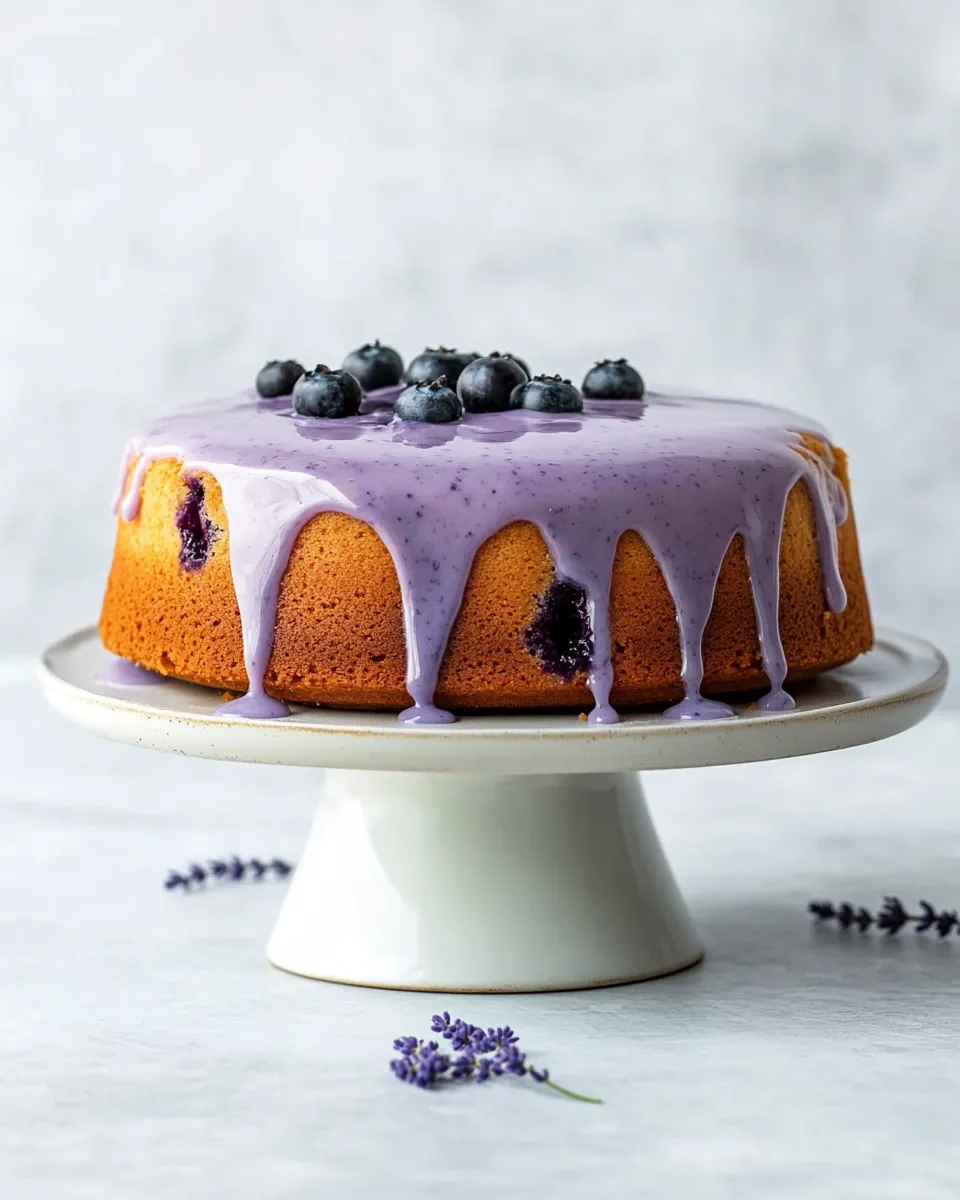
This loaf is approachable, and I like to guide you through the sensory cues so you know when each stage is right. The steps are straightforward, yet each one matters for the final texture and appearance. Read each step fully, notice the smells and visuals I describe, and you will end up with a tender, fragrant cake.
- Preheat the oven to 350 degrees. Spray a 9 x 5 inch loaf pan with nonstick spray. In a bowl, whisk together the flour, baking powder and salt.: You will smell the initial warmth in the kitchen as the oven comes up to temperature, and the consistent heat ensures even rise and browning. I set my oven early so the interior reaches a stable heat, which prevents the cake from baking unevenly. If the oven is not fully preheated the cake can bake too slowly and collapse in the center, so wait until it reaches a steady 350 degrees. A common mistake is setting the pan in too soon, which can cause underbaked spots. Keep your loaf pan ready and check the oven gauge if needed.
- In the bowl of an electric mixer, beat the butter and sugar until light and fluffy, about 5 minutes. Beat in the eggs 1 at a time. Beat in the ricotta cheese, lemon juice and vanilla extract until combined.: The faint scent of oil will be noticeable as you spray, and a well prepared pan ensures the cake releases cleanly. I sometimes line the pan with parchment along the bottom to make lifting easier, but a light spray alone usually does the trick. If you skip proper greasing, the crust can stick and tear when you invert the loaf. A troubleshooting tip is to run a knife gently along the edge after cooling if release seems hesitant.
- With the mixer on low speed, beat in the dry ingredients until they are just combined. Do not overmix!: As you whisk, notice the powdery, slightly toasted aroma of the dry mix coming together. This step distributes the leavener and salt evenly so every bite rises and tastes balanced. Sifting is optional, but whisking breaks up clumps and aerates the mixture. A common error is adding the leavening unevenly, which creates pockets of odd texture in the crumb, so take a moment to mix thoroughly.
- Toss the blueberries with the 1 tablespoon of flour. Add the blueberries to the batter and use a spatula to fold them in.: You will hear a steady whir as the butter and sugar aerate, and the mixture will lighten in color and texture. This aeration traps tiny air bubbles that help create a tender crumb. If the butter is too cold the mixture will stay lumpy, and if it is too warm it may look greasy. Beat for the time specified until it becomes pale and fluffy to ensure proper structure.
- Spread the batter in the loaf pan. Bake the cake for 55 to 60 minutes, or until a tester inserted in the center comes out clean. Remove the cake from the oven and let it cool for 20 to 30 minutes before inverting it onto a dish, cooling rack or parchment paper. Let it cool completely before glazing.: Each egg will incorporate with a slight change in texture, and adding them separately helps the batter emulsify smoothly. The sound will shift as the mixer works the mixture into a glossy batter. If you add all the eggs at once you risk a broken emulsion, which can make the batter split. A sign of trouble is a curdled looking batter; if that happens, beat in a spoonful of flour to help bring it back together.
- To make the lavender glaze, whisk all ingredients together until smooth. If it seems too thick, add in more milk 1 teaspoon at a time. If desired, you can add a drop of food coloring to make it pinkish-purple!: The batter will take on a creamier feel as the ricotta cheese blends in, and you will notice a fresh citrus lift from the lemon juice . This addition keeps the crumb moist and adds subtle tang. Over mixing here can break down the texture, so stop as soon as the ingredients are evenly distributed. If you see visible lumps of ricotta cheese , gently mix until smooth without vigorous beating.
- Once the glaze is smooth, drizzle it over the cake. Let it sit until it firms up before slicing.: At this stage the sound softens and the batter becomes smoother; you want to stop when streaks disappear. Gentle mixing prevents developing too much gluten from the all purpose flour , which would make the cake tough. A typical mistake is over mixing, which yields a tighter crumb. If you notice a glossy, elastic texture forming, you have likely overworked the batter and might end up with a denser loaf.
- Optional: sprinkle a teaspoon of culinary lavender over top of the glaze.: The batter should be uniform but not beaten to stretch the gluten, and you will see a soft thick consistency that still moves slowly when the bowl is tapped. The touch test is helpful; the batter should hold its shape but spread slightly. Overmixed batter can produce a chewy texture instead of the desired tender crumb. If this happens, resist the urge to keep mixing and proceed to the next step.
- Toss the blueberries with the 1 tablespoon of flour: The blueberries will pick up a light dusting that helps them stay suspended in the batter, and you can see them become slightly matte rather than glossy. This small trick prevents them from sinking to the bottom during baking. If you skip this, the fruit often collapses down and leaves a dense fruit layer. Be careful not to overcoat, a light toss is sufficient.
- Add the blueberries to the batter and use a spatula to fold them in: Folding creates minimal disturbance while distributing the fruit, and you will notice bluish streaks appearing in the batter as you work. Use a slow turn and scrape motion to avoid bursting the blueberries and coloring the batter too much. If you fold too vigorously the fruit will burst and the color will bleed, altering the cake appearance and texture. Fold until the fruit is just evenly spread.
- Spread the batter in the loaf pan: The batter will feel thick and slightly lumpy from the fruit, and as you smooth the top you can see where it will form a gentle dome. Tapping the pan on the counter once will settle air pockets. A mistake here is over smoothing which can compress the batter; gentle evening is best. Ensure the batter reaches near the top without spilling over for an even bake.
- Bake the cake for 55 to 60 minutes, or until a tester inserted in the center comes out clean: The aroma of baked butter and fruit will fill your kitchen as the top turns a light golden shade, and you will hear the faint pulling sound as the cake sets. The tester coming out clean is the clearest signal of doneness; if it comes out with wet batter continue baking in small increments. Removing the cake too early will leave a raw center, while leaving it too long can dry the crumb.
- Remove the cake from the oven and let it cool for 20 to 30 minutes before inverting it onto a dish, cooling rack or parchment paper: Cooling allows the crumb to set and prevents tearing when unmolding, and the warmth will become a comforting, baked aroma that drifts through the kitchen. If you try to remove it while piping hot it can collapse or stick. Patience here results in a clean release and intact loaf.
- Let it cool completely before glazing: The cake will firm as it cools and the crumb will stop releasing steam, ensuring the glaze sits on the surface rather than melting away. If you glaze a warm cake the icing will run off and become thin. A good sign it is ready is when the loaf feels room temperature to the touch.
- To make the lavender glaze, whisk all ingredients together until smooth: You will see the powdered sugar dissolve into the cream and milk , forming a glossy mixture. The aroma of lavender extract will be gentle and floral, and the texture should be pourable. If the glaze seems too thick, add more milk 1 teaspoon at a time until it reaches a drizzling consistency. Over thinning will make the glaze runny and translucent, so add liquids slowly.
- If it seems too thick, add in more milk 1 teaspoon at a time: Each small addition changes the body of the glaze noticeably, and you will see it shift from a stiff paste to a flowing ribbon. Test the flow by lifting the whisk; it should form a slow ribbon that disappears into the surface. Adding too much liquid quickly will make the glaze too thin to set properly.
- If desired, you can add a drop of food coloring to make it pinkish purple: A single drop will tint the glaze lightly and make the loaf feel festive, and the visual contrast against the golden top is pleasing. Too much coloring can look artificial, so proceed sparingly. Mix thoroughly to ensure an even hue.
- Once the glaze is smooth, drizzle it over the cake: The glaze should flow in a glossy ribbon, settling into gentle waves as it cools. Use a spoon or piping motion to control the coverage, and stop when you have a pleasing sheen. If the glaze sets too quickly while you are working, warm it briefly to regain fluidity. Uneven glazing can be remedied by letting it firm and adding a second, lighter drizzle.
- Let it sit until it firms up before slicing: The glaze will form a thin shell and the aroma of lavender extract will linger; waiting ensures neat slices and a pleasant mouthfeel. Cutting too soon will smear the glaze and make slices messy. Patience yields tidy, attractive portions.
- Optional: sprinkle a teaspoon of culinary lavender over top of the glaze : The small floral crunch of dried culinary lavender flowers adds a pretty finishing touch and an extra hint of fragrance. Use only a light sprinkle, as too much can taste soapy. If you are uncertain, try a tiny pinch first to judge the strength.
Recipe Tips about Blueberry Ricotta Cake with Lavender Glaze
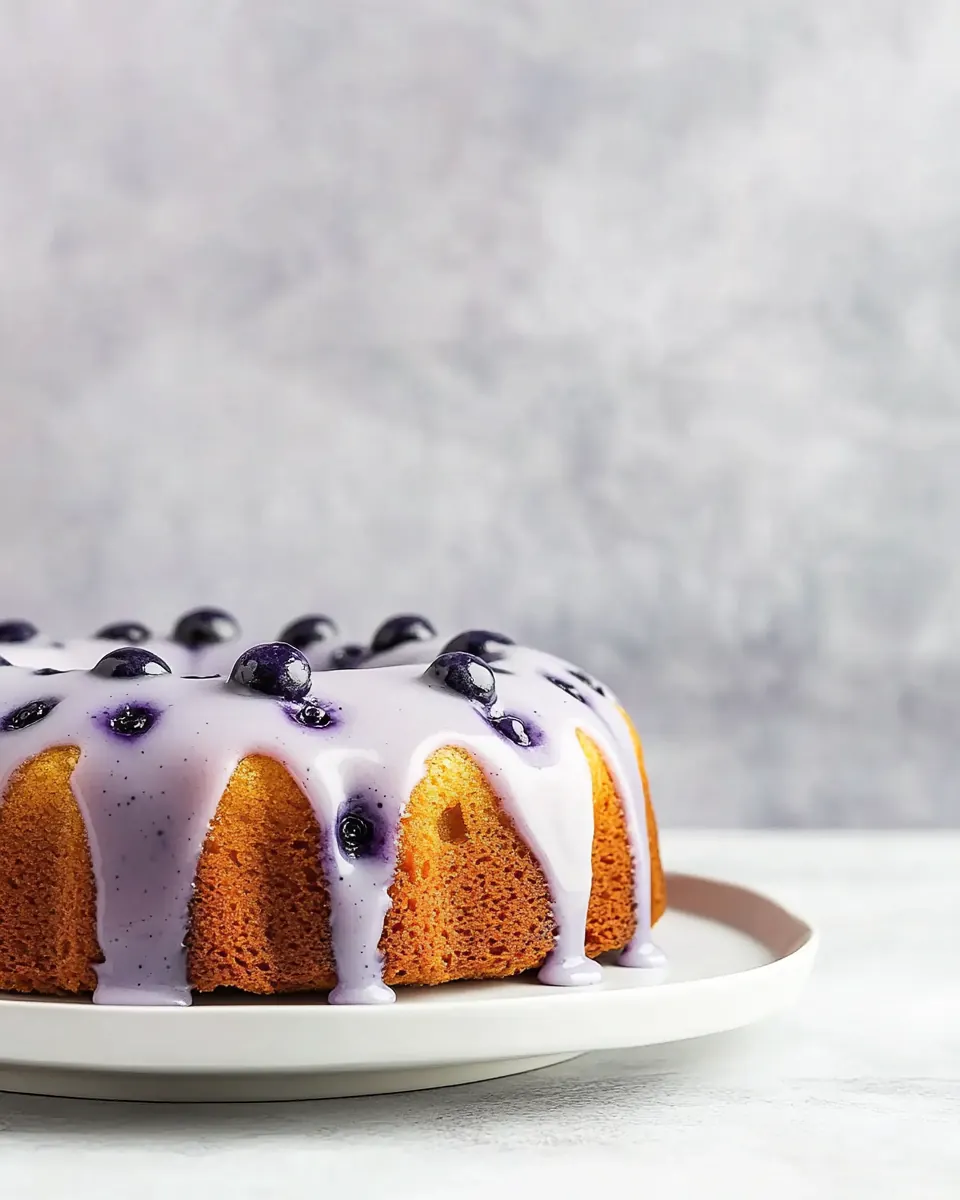
This short intro guides you to small actions that produce consistent, beautiful results. These tips focus on timing, texture, and small technique tweaks that make the loaf more reliable and more delicious.
- Measure flour accurately by spooning it into the cup and leveling with a knife to avoid packing, which can dry the cake.
- Keep blueberries cold until folding to minimize color bleed and preserve their shape during baking.
- Soften but do not melt butter to ensure proper creaming with the sugar, which traps air for a light crumb.
- Use full fat ricotta cheese for the best moist texture and flavor depth in the loaf.
- Add lavender extract sparingly and taste the glaze as you go, because the floral note intensifies quickly.
- Test for doneness with a skewer inserted near the center, and allow a few extra minutes if it comes out with moist crumbs.
Accompaniments for Blueberry Ricotta Cake with Lavender Glaze
This cake is versatile, pairing well with light accompaniments and fitting many occasions from casual brunch to a festive spring gathering. Below are ideas for serving, storage, and seasonal matching to help you present the loaf with confidence.
- Afternoon tea setting: Serve thin slices with a pot of mild black tea or herbal tea, placing the loaf on a pretty plate for an elegant touch.
- Brunch spread: Offer alongside fresh fruit and plain yogurt, letting guests assemble plates that balance richness and brightness.
- Picnic or potluck: The loaf format travels well; wrap it neatly and slice when ready to serve, making it convenient for outdoor gatherings.
- Special occasion: Garnish with a light dusting of powdered sugar and a few extra blueberries for a celebratory look at bridal showers or spring lunches.
- Storage tip: Keep the cake in an airtight container at room temperature for up to two days, or refrigerate for up to five days to preserve freshness.
- Freezing: Slice and freeze individually wrapped pieces for quick treats; thaw in the refrigerator or at room temperature before serving.
FAQ
Conclusion
This Blueberry Ricotta Cake with Lavender Glaze stands out for its tender, creamy crumb and the delicate lift of floral glaze, creating an elegant yet approachable loaf. I encourage you to take a quiet afternoon and bake it, noticing the gentle aromas as the cake bakes and the satisfaction of a glossy, fragrant glaze. It is the kind of recipe that rewards attention to small details and is perfect for sharing with friends or enjoying as a special treat.
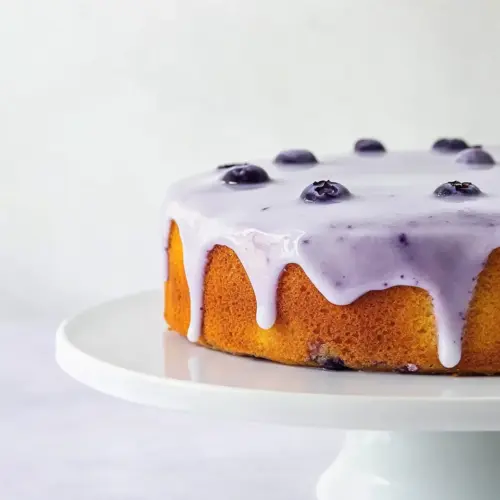
Blueberry Ricotta Cake with Lavender Glaze
Equipment
- Loaf pan 9 x 5 inch
- Electric Mixer
- Mixing Bowls
- Spatula
- Whisk
Ingredients
- 1 1/2 cups all-purpose flour Provide structure and bulk to the cake batter; sifts easily to ensure even texture and prevents lumps when combined with wet ingredients. Use at room temperature mixing for an even crumb and to help the cake rise uniformly during baking.
- 2 teaspoons baking powder Leaven the cake by creating air pockets when combined with wet ingredients; activates during baking to give lift and lightness. Measure accurately and distribute evenly in the dry mix to ensure consistent rise throughout the cake.
- 1/2 teaspoons salt Season and balance sweetness while enhancing overall flavor; controls the perception of other ingredients and stabilizes batter. Add with dry ingredients to ensure even distribution and avoid concentrated salty pockets.
- 5 tablespoons unsalted butter, softened Cream into sugar to create a light and tender crumb; contributes moisture, richness, and flavor while helping to incorporate air into the batter. Use softened butter to achieve a smooth emulsion that aids in leavening and texture.
- 3/4 cups sugar Sweeten and help tenderize the cake while aiding in browning; dissolves into butter and eggs to create a smooth batter. Adjust slightly for taste but maintain proportion to ensure proper cake structure and moisture.
- 3 large eggs Bind ingredients together and provide structure, moisture, and richness; help with leavening and stability when whipped or mixed. Use at room temperature to ensure better emulsification with fats and to prevent curdling.
- 3/4 cup ricotta cheese Add moisture and a creamy, slightly tangy richness that tenderizes the crumb and complements flavors; contributes to a moist texture without adding excess fat. Fold gently into batter to maintain lightness while providing silkiness.
- 1 tablespoon lemon juice Brighten flavor and balance sweetness with acidity; enhance other flavors like ricotta and blueberries while helping to activate baking powder. Add with wet ingredients to distribute flavor evenly throughout the batter.
- 2 teaspoons vanilla extract Enhance aromatic complexity and deepen overall flavor profile; pairs with citrus and dairy notes to create a more rounded taste. Add with wet ingredients to infuse vanilla into the batter smoothly.
- 1 1/2 cups fresh blueberries Provide bursts of fresh, fruity flavor and juicy texture while adding visual appeal; contribute moisture and slight acidity that balance richness. Toss with a small amount of flour to prevent sinking and distribute evenly in the batter.
- 1 tablespoon all-purpose flour Coat blueberries lightly to prevent sinking and promote even distribution throughout the batter; helps berries stay suspended while baking. Combine with fruit before folding into batter to maintain consistent spacing of berries.
- 1 1/4 cups of powdered sugar Form the base of the glaze by adding sweetness and smoothness; dissolves easily to create a silky coating that sets on the cake. Sift before mixing to avoid lumps and ensure a glossy, even glaze.
- 1/2 teaspoon vanilla extract Add subtle warmth and depth to the glaze while enhancing vanilla notes and rounding flavors; helps balance the powdered sugar's sweetness. Whisk into the glaze for gentle flavor infusion without altering texture.
- 1/4 teaspoon lavender extract Impart a floral, slightly herbal aroma to the glaze; provides a delicate lavender note that complements lemon and blueberry. Use sparingly to avoid overpowering and stir in thoroughly for even distribution.
- 2 tablespoons heavy cream Thin and enrich the glaze for a silky mouthfeel while adding subtle creaminess and shine; aids in achieving the desired drizzling consistency. Warm slightly if needed to help ingredients combine smoothly and form a glossy finish.
- 2 1/2 tablespoons milk Adjust glaze texture and viscosity, adding a bit more liquid to reach the perfect pourable consistency; balances cream and powdered sugar for optimal coating. Add gradually to control thickness and avoid an overly runny glaze.
- a drop of light pink or purple food coloring Tint the glaze with a gentle pastel hue for aesthetic appeal without adding flavor; a single drop achieves a soft, appealing color. Use sparingly and mix thoroughly to ensure even coloration throughout the glaze.
- optional: culinary lavender flowers Garnish the finished cake with a delicate floral touch that reinforces the lavender flavor and adds visual elegance; optional for presentation and aroma. Sprinkle lightly just before serving to preserve fragrance and color.
Instructions
- Preheat the oven to 350 degrees. Spray a 9 x 5 inch loaf pan with nonstick spray. In a bowl, whisk together the flour, baking powder and salt.: You will smell the initial warmth in the kitchen as the oven comes up to temperature, and the consistent heat ensures even rise and browning. I set my oven early so the interior reaches a stable heat, which prevents the cake from baking unevenly. If the oven is not fully preheated the cake can bake too slowly and collapse in the center, so wait until it reaches a steady 350 degrees. A common mistake is setting the pan in too soon, which can cause underbaked spots. Keep your loaf pan ready and check the oven gauge if needed.
- In the bowl of an electric mixer, beat the butter and sugar until light and fluffy, about 5 minutes. Beat in the eggs 1 at a time. Beat in the ricotta cheese, lemon juice and vanilla extract until combined.: The faint scent of oil will be noticeable as you spray, and a well prepared pan ensures the cake releases cleanly. I sometimes line the pan with parchment along the bottom to make lifting easier, but a light spray alone usually does the trick. If you skip proper greasing, the crust can stick and tear when you invert the loaf. A troubleshooting tip is to run a knife gently along the edge after cooling if release seems hesitant.
- With the mixer on low speed, beat in the dry ingredients until they are just combined. Do not overmix!: As you whisk, notice the powdery, slightly toasted aroma of the dry mix coming together. This step distributes the leavener and salt evenly so every bite rises and tastes balanced. Sifting is optional, but whisking breaks up clumps and aerates the mixture. A common error is adding the leavening unevenly, which creates pockets of odd texture in the crumb, so take a moment to mix thoroughly.
- Toss the blueberries with the 1 tablespoon of flour. Add the blueberries to the batter and use a spatula to fold them in.: You will hear a steady whir as the butter and sugar aerate, and the mixture will lighten in color and texture. This aeration traps tiny air bubbles that help create a tender crumb. If the butter is too cold the mixture will stay lumpy, and if it is too warm it may look greasy. Beat for the time specified until it becomes pale and fluffy to ensure proper structure.
- Spread the batter in the loaf pan. Bake the cake for 55 to 60 minutes, or until a tester inserted in the center comes out clean. Remove the cake from the oven and let it cool for 20 to 30 minutes before inverting it onto a dish, cooling rack or parchment paper. Let it cool completely before glazing.: Each egg will incorporate with a slight change in texture, and adding them separately helps the batter emulsify smoothly. The sound will shift as the mixer works the mixture into a glossy batter. If you add all the eggs at once you risk a broken emulsion, which can make the batter split. A sign of trouble is a curdled looking batter; if that happens, beat in a spoonful of flour to help bring it back together.
- To make the lavender glaze, whisk all ingredients together until smooth. If it seems too thick, add in more milk 1 teaspoon at a time. If desired, you can add a drop of food coloring to make it pinkish-purple!: The batter will take on a creamier feel as the ricotta cheese blends in, and you will notice a fresh citrus lift from the lemon juice . This addition keeps the crumb moist and adds subtle tang. Over mixing here can break down the texture, so stop as soon as the ingredients are evenly distributed. If you see visible lumps of ricotta cheese , gently mix until smooth without vigorous beating.
- Once the glaze is smooth, drizzle it over the cake. Let it sit until it firms up before slicing.: At this stage the sound softens and the batter becomes smoother; you want to stop when streaks disappear. Gentle mixing prevents developing too much gluten from the all purpose flour , which would make the cake tough. A typical mistake is over mixing, which yields a tighter crumb. If you notice a glossy, elastic texture forming, you have likely overworked the batter and might end up with a denser loaf.
- Optional: sprinkle a teaspoon of culinary lavender over top of the glaze.: The batter should be uniform but not beaten to stretch the gluten, and you will see a soft thick consistency that still moves slowly when the bowl is tapped. The touch test is helpful; the batter should hold its shape but spread slightly. Overmixed batter can produce a chewy texture instead of the desired tender crumb. If this happens, resist the urge to keep mixing and proceed to the next step.
- Toss the blueberries with the 1 tablespoon of flour: The blueberries will pick up a light dusting that helps them stay suspended in the batter, and you can see them become slightly matte rather than glossy. This small trick prevents them from sinking to the bottom during baking. If you skip this, the fruit often collapses down and leaves a dense fruit layer. Be careful not to overcoat, a light toss is sufficient.
- Add the blueberries to the batter and use a spatula to fold them in: Folding creates minimal disturbance while distributing the fruit, and you will notice bluish streaks appearing in the batter as you work. Use a slow turn and scrape motion to avoid bursting the blueberries and coloring the batter too much. If you fold too vigorously the fruit will burst and the color will bleed, altering the cake appearance and texture. Fold until the fruit is just evenly spread.
- Spread the batter in the loaf pan: The batter will feel thick and slightly lumpy from the fruit, and as you smooth the top you can see where it will form a gentle dome. Tapping the pan on the counter once will settle air pockets. A mistake here is over smoothing which can compress the batter; gentle evening is best. Ensure the batter reaches near the top without spilling over for an even bake.
- Bake the cake for 55 to 60 minutes, or until a tester inserted in the center comes out clean: The aroma of baked butter and fruit will fill your kitchen as the top turns a light golden shade, and you will hear the faint pulling sound as the cake sets. The tester coming out clean is the clearest signal of doneness; if it comes out with wet batter continue baking in small increments. Removing the cake too early will leave a raw center, while leaving it too long can dry the crumb.
- Remove the cake from the oven and let it cool for 20 to 30 minutes before inverting it onto a dish, cooling rack or parchment paper: Cooling allows the crumb to set and prevents tearing when unmolding, and the warmth will become a comforting, baked aroma that drifts through the kitchen. If you try to remove it while piping hot it can collapse or stick. Patience here results in a clean release and intact loaf.
- Let it cool completely before glazing: The cake will firm as it cools and the crumb will stop releasing steam, ensuring the glaze sits on the surface rather than melting away. If you glaze a warm cake the icing will run off and become thin. A good sign it is ready is when the loaf feels room temperature to the touch.
- To make the lavender glaze, whisk all ingredients together until smooth: You will see the powdered sugar dissolve into the cream and milk , forming a glossy mixture. The aroma of lavender extract will be gentle and floral, and the texture should be pourable. If the glaze seems too thick, add more milk 1 teaspoon at a time until it reaches a drizzling consistency. Over thinning will make the glaze runny and translucent, so add liquids slowly.
- If it seems too thick, add in more milk 1 teaspoon at a time: Each small addition changes the body of the glaze noticeably, and you will see it shift from a stiff paste to a flowing ribbon. Test the flow by lifting the whisk; it should form a slow ribbon that disappears into the surface. Adding too much liquid quickly will make the glaze too thin to set properly.
- If desired, you can add a drop of food coloring to make it pinkish purple: A single drop will tint the glaze lightly and make the loaf feel festive, and the visual contrast against the golden top is pleasing. Too much coloring can look artificial, so proceed sparingly. Mix thoroughly to ensure an even hue.
- Once the glaze is smooth, drizzle it over the cake: The glaze should flow in a glossy ribbon, settling into gentle waves as it cools. Use a spoon or piping motion to control the coverage, and stop when you have a pleasing sheen. If the glaze sets too quickly while you are working, warm it briefly to regain fluidity. Uneven glazing can be remedied by letting it firm and adding a second, lighter drizzle.
- Let it sit until it firms up before slicing: The glaze will form a thin shell and the aroma of lavender extract will linger; waiting ensures neat slices and a pleasant mouthfeel. Cutting too soon will smear the glaze and make slices messy. Patience yields tidy, attractive portions.
- Optional: sprinkle a teaspoon of culinary lavender over top of the glaze : The small floral crunch of dried culinary lavender flowers adds a pretty finishing touch and an extra hint of fragrance. Use only a light sprinkle, as too much can taste soapy. If you are uncertain, try a tiny pinch first to judge the strength.
Notes
- Measure flour accurately by spooning it into the cup and leveling with a knife to avoid packing, which can dry the cake.
- Keep blueberries cold until folding to minimize color bleed and preserve their shape during baking.
- Soften but do not melt butter to ensure proper creaming with the sugar, which traps air for a light crumb.
- Use full fat ricotta cheese for the best moist texture and flavor depth in the loaf.
- Add lavender extract sparingly and taste the glaze as you go, because the floral note intensifies quickly.
- Test for doneness with a skewer inserted near the center, and allow a few extra minutes if it comes out with moist crumbs.
