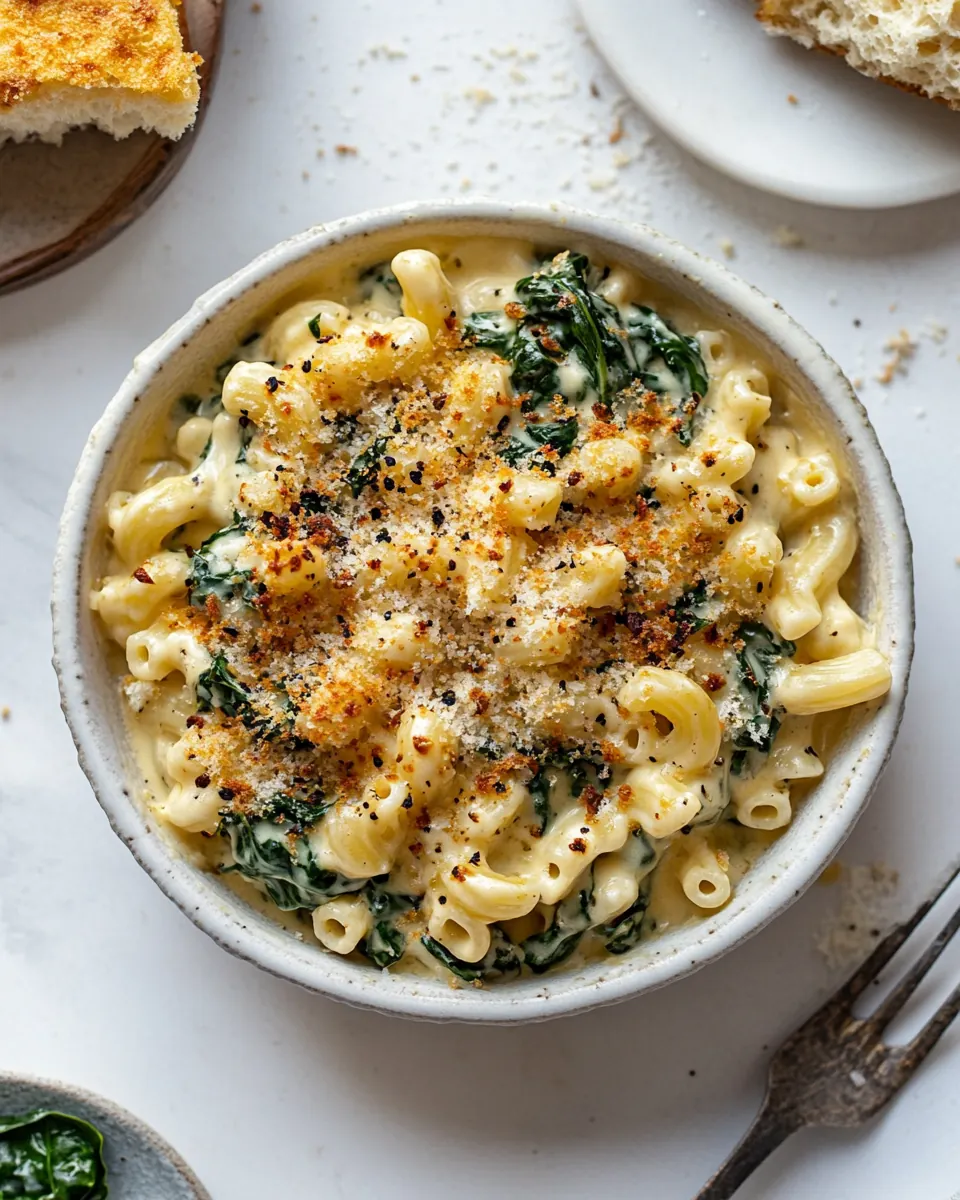
Creamed Spinach Mac and Cheese
Creamed Spinach Mac and Cheese is the kind of dish I reach for when I want comfort that feels a little grown up, and it was the first recipe I made for a snowy weeknight dinner that became a repeat request from friends. The first time I combined velvety sauce with handfuls of bright spinach and chewy hort cut pasta, I remember the kitchen filling with a warm, creamy aroma that made everyone pause whatever they were doing. I love how the fontina cheese melts into strings while the white cheddar gives a tangy nudge, and how the small grating of parmesan cheese lifts the whole thing with a savory whisper.
I learned to treat this dish like a cozy canvas, adding texture with a crunchy crown of crispy onions or breadcrumbs for contrast. Over time I tuned the balance so the milk-based sauce is rich without being cloying, and the spinach still tastes fresh, not overcooked. When family pops in unexpectedly, I’ll often reheat leftovers and top them with a little extra parmesan cheese which revives the flavors in a flash. This recipe has become my go to when I want something that satisfies like a hug but still feels a touch elegant.
Recipe Snapshot
1 hr 10 mins
40 mins
30 mins
Medium
450 kcal
American
Gluten-Free, Low FODMAP
Dinner
Large oven safe pot, Saucepan, Box grater
Why This Creamed Spinach Mac and Cheese Works
1. Creamy comfort with serious flavor
I adore how Creamed Spinach Mac and Cheese combines rich, silky sauce with layers of sharp and mellow cheeses. The texture is indulgent, but the presence of spinach keeps the dish lively. I often find that friends who say they do not like greens will happily eat this, because the spinach folds into the sauce and becomes part of the luscious mouthfeel.
2. Balanced textures for every bite
One of the reasons I keep making this is the contrast. The soft, almost custardy interior is finished with crunchy crispy onions or breadcrumbs that create a pleasing crunch. I love that every forkful manages to deliver creaminess, tenderness, and crispness, which makes the dish feel composed and thoughtful.
3. Friendly weeknight to company dinner
This recipe scales easily, and it travels from busy weeknight to small dinner party without fuss. I can make it mostly ahead, then finish under the oven until bubbly and golden. That flexibility means I can be a relaxed host, and people always compliment the depth of flavor from the cheeses and the gentle nutmeg note.
4. Ingredient driven and forgiving
I appreciate how straightforward the ingredient list is. It leans on reliable pantry items like flour and milk, and the technique is forgiving if you pay attention to simple cues. The roux thickens the sauce and keeps it from being gluey, while the slow incorporation of milk ensures a smooth texture. If you keep an eye on the heat, you will be rewarded.
5. Crowd pleasing and nostalgic
For me this dish taps into nostalgia without being stuck in the past. It has the warm familiarity of mac and cheese, but the spinach and mix of cheeses make it feel more grown up. I often catch myself smiling when the first spoonful hits my tongue because it feels like both comfort and a small celebration.
Ingredients Required for Creamed Spinach Mac and Cheese
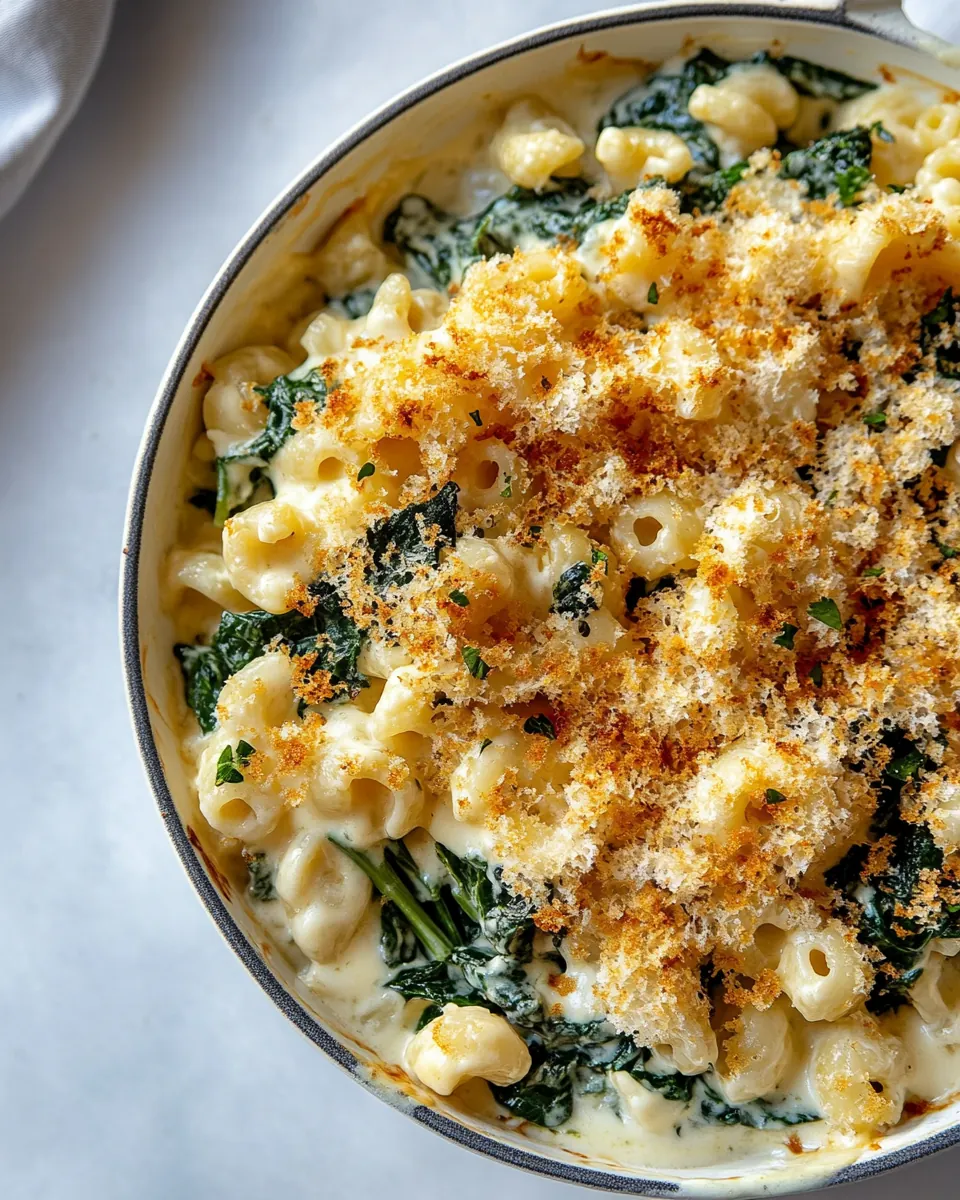
These ingredients are chosen to create a creamy, balanced casserole that marries silky sauce with fresh spinach and layered cheeses. The key players are the pasta, which provides structure, the milk and butter that form the sauce base, and the trio of cheeses that deliver melt, tang, and savory depth. Each item plays a role so the final dish is rich but harmonious.
- 1 pounds hort cut pasta, cooked according to package directions: Cooked until al dente and used as the base to hold the creamy sauce and spinach, providing structure and tenderness to the dish. Tossed with sauce at the end to ensure even coating and to absorb flavors without becoming mushy.
- 4 tablespoons unsalted butter: Melted to create a flavorful fat base for sautéing aromatics and forming the roux, adding richness and a silky mouthfeel. Whisked into milk and flour to help thicken the sauce and contribute to the overall creaminess.
- 1 sweet onion, diced: Diced and softened to add sweet, savory depth and natural umami to the sauce; gently sautéed until translucent to release sugars. Balances the richness of the cheeses and butter while contributing aromatic complexity.
- 3 garlic cloves, minced: Minced and briefly cooked with the onion to build aromatic layers and bright, savory flavor; added to the roux or sauce to infuse garlic essence. Provides pungency that complements the dairy and leafy greens without overpowering.
- pinch of salt and pepper: Pinned in small amounts to season during cooking and at tasting, enhancing the other flavors and balancing richness. Used sparingly to avoid masking delicate cheese and spinach notes while ensuring the dish is well-seasoned.
- 4 tablespoons flour: Whisked into melted butter to form a roux that thickens the milk into a cohesive, velvety cheese sauce. Cooked briefly to eliminate raw flour taste before gradually adding milk for a smooth consistency.
- 1/4 teaspoon freshly ground nutmeg: Added in tiny quantity to brighten and slightly warm the flavor profile of the sauce, imparting subtle aromatic complexity. Sprinkled into the béchamel to complement the cheeses and cut through some creaminess.
- 12 ounces fresh baby spinach: Wilted down to create the creamed element, contributing fresh vegetal flavor, color, and nutrients; squeezed or chopped if needed for texture control. Blended or folded into the sauce to integrate leafy texture without excess moisture.
- 2 1/2 cups milk: Gradually incorporated into the roux to form a creamy béchamel base, providing liquid volume and a neutral backdrop for the cheeses. Warmed gently to prevent scalding and to allow cheeses to melt smoothly into the sauce.
- 12 ounces fontina cheese, freshly grated: Freshly grated and folded into the béchamel for a nutty, melty character that lends stretch and depth to the mac and cheese. Balances with other cheeses by contributing moderate fat and a mild, creamy flavor.
- 6 ounces white cheddar, freshly grated: Freshly grated to provide sharpness and tang, enhancing overall flavor and adding bite to the creamy sauce. Melts into the béchamel to create a complex cheese profile and helps cut through the richness.
- 2 ounces parmesan cheese, freshly grated: Freshly grated to sprinkle subtle umami and salty, savory notes throughout the sauce; also used to finish the dish with a nutty, crystalline texture. Enhances overall depth and rounds out the cheese blend without dominating.
- 1/2 cup crispy onions or breadcrumbs, for topping: Crisped and sprinkled on top to add crunchy texture and a toasted finish that contrasts the creamy pasta, or substituted with breadcrumbs for a similar topping. Baked briefly to golden brown and provide an appealing crisp layer.
Making This Creamed Spinach Mac and Cheese
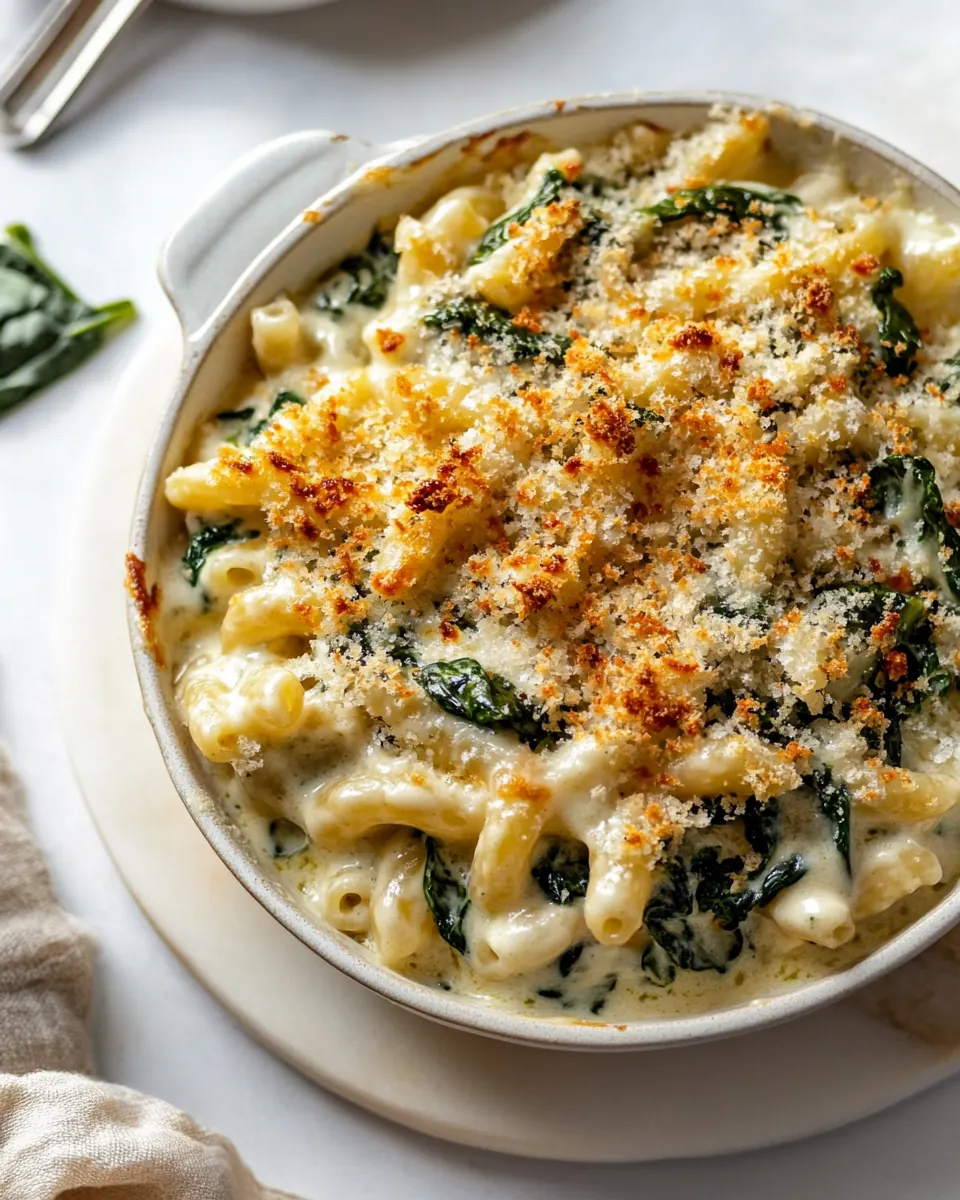
This recipe is approachable but rewarding, and I like to walk through it slowly so each component sings. The directions below are expanded into detailed steps that help you tune textures and flavors, so you can end up with a bubbling, golden casserole that wows. Keep your utensils and cheeses ready before you start, and listen, smell, and watch for the cues described.
- Preheat the oven to 350 degrees F. Heat a large oven-safe pot over medium-low heat and add the butter. Stir in the onion and garlic with a pinch of salt and pepper. Cook, stirring often, until the onions have softened.: The kitchen will fill with a faint oven-warmth that signals you are starting to finish the dish, and preheating ensures even baking and a reliably golden top at the end. You should hear a quiet hum from the oven during bake time, and when it has reached temperature the oven light will show steady warmth. A common mistake is not preheating, which can lengthen bake time and lead to uneven bubbling; allow the oven to reach 350 degrees F fully before you slide the pan in.
- At this time, you can also cook the pasta in another pot. You can cook it before too – just make sure to give it a quick spritz of olive oil so it doesn't stick together.: You will notice the butter melting into a glossy pool, releasing a soft dairy aroma that primes the pan for the onion . The gentle heat prevents scorching and helps the onion sweat without browning too fast. If the butter browns, lower the heat immediately because bitter notes can ruin the sauce. Use an oven safe pot so you can transfer directly to the oven without changing vessels.
- Toss all the grated cheese together.: As you stir, the onion will soften and turn translucent while the garlic releases an aromatic steam. The salt helps draw out moisture from the onion , encouraging even, tender cooking. Stir frequently so the aromatics do not stick or brown; burnt garlic develops a sharp, unpleasant flavor that is hard to mask.
- Stir the flour into the onions to create a roux. Cook for 2 to 3 minutes, until it becomes golden in color and starts to smell nutty. Slowly stream in the milk while stirring constantly. The mixture will begin to come together and thicken. Stir in the nutmeg.: You are looking for tender, translucent onion that offers a gentle sweetness and no raw bite, a cue that the base is ready for thickening. The sound of soft bubbling and occasional light sizzling is what to expect. Overcooking into deep brown will alter the flavor profile, so stop when soft and sweet notes dominate.
- Add in the spinach – it will seem overwhelming at first, but it will quickly cook down! Stir until it cooks down and softens.: The hort cut pasta should be cooked according to package directions until slightly firm to the bite because it will finish in the oven and absorb sauce. You will see the pasta surface swell and steam as it cooks, and a brief taste test will tell you when it is just underdone. A common slip is overcooking the pasta which can turn it mushy after baking; remove it a touch early.
- Once the spinach cooks down, stir in almost all of the cheese (reserve a bit for topping) and the pasta. Toss it together over and over until it is combined.: When you drain the pasta , the steam will rise and you may hear a soft hiss, but tossing it with a little oil prevents clumping while you finish the sauce. This keeps the pasta strands separate so the sauce can coat them evenly. Too much oil will prevent sauce adhesion, so use a light spritz only.
- Top with the remaining grated cheese. Top with crispy onions. Bake for 35 to 30 minutes, until golden and bubbly.: As you combine the fontina cheese , white cheddar , and parmesan cheese , you will notice color and texture variety in the bowl, with the fontina cheese appearing soft and silky and the parmesan cheese looking slightly granular. Mixing them ensures each bite has a layered cheese flavor. If you use pre shredded cheese it can clump because of anti caking agents, so fresh grating is best when possible.
- Stir the flour into the onions to create a roux: The roux should coat the onion and take on a pale golden hue while giving off a warm, nutty scent which indicates the flour has cooked. This step prevents a raw flour taste and builds the structure that thickens the milk . Stir continuously to avoid lumps forming; if you see dry pockets, keep stirring and lower the heat to maintain control.
- Cook for 2 to 3 minutes, until it becomes golden in color and starts to smell nutty: You will see the mixture deepen slightly and release a toasty aroma; that is the correct signal to proceed. This step ensures the roux has developed flavor and will thicken the sauce without unpleasant raw notes. Cook longer than needed and the roux can darken too much, shifting flavor away from the creamy profile you want.
- Slowly stream in the milk while stirring constantly: As the milk hits the warm roux, it will begin to come together and thicken into a smooth sauce, with a gentle steam rising and a glossy sheen forming. Constant stirring prevents lumps and helps you gauge consistency, so the sauce ends silky rather than grainy. Adding milk too quickly may create clumps, so take your time and whisk steadily.
- The mixture will begin to come together and thicken: Watch for a velvety coat on your spoon and a gentle bubble around the edge of the pot; that signals the sauce is ready. The texture should cling to the back of a spoon without being gluey. If it feels too thin, simmer gently until it reduces; if too thick, add a splash more milk and whisk to loosen.
- Stir in the nutmeg: The faint aromatic note of nutmeg lifts the creamy sauce, adding warmth without overt sweetness. A little goes a long way, so distribute it evenly for balance. Adding too much will skew the flavor toward dessert like tones, so measure carefully.
- Add in the spinach: When you add the mound of fresh baby spinach , it will seem voluminous at first, but within moments the leaves will wilt down dramatically and release a bright, green steam. Stirring helps the spinach integrate so it cooks evenly and keeps some texture. Avoid overcooking to preserve color and avoid a mushy mouthfeel.
- It will seem overwhelming at first, but it will quickly cook down: As the spinach collapses, you will notice the sauce turning flecked and verdant, which is the desired look. The wilted leaves should remain tender with a slight bite, adding freshness against the cheese richness. Overcooking removes that lift, so stop when the leaves are soft and bright.
- Stir until it cooks down and softens: Gentle stirring helps squeeze out any excess moisture and ensures even distribution through the sauce. The sound will calm to a soft simmer and the smell will balance between vegetal and dairy. Excess liquid can make the baking step soggy, so if too much water has released, simmer briefly to reduce.
- Once the spinach cooks down, stir in almost all of the cheese: The sauce will become silkier and slightly thicker as the cheese melts into it, releasing a glossy sheen and a mouthwatering cheesy aroma. Reserve some cheese for topping so the top finishes with a fresh melt. Adding cold cheese too quickly can cool the sauce and make melting uneven, so keep the heat gentle.
- Reserve a bit for topping and the pasta: Keeping some cheese back gives you a golden, melty finish and a crunchy crown when baked. The reserved cheeses also allow you to refresh the top after reheating. If you forget to reserve some, the surface may brown less attractively, so plan ahead.
- Stir in the pasta: As you fold the cooked hort cut pasta into the sauce, you will notice strands and shapes become slicked in a creamy coating and the pot will make a gentle stirring sound as pieces nestle together. The sauce should cling to the pasta rather than pool. If too much liquid exists, the dish can be soupy after baking, so aim for a balanced coating.
- Toss it together over and over until it is combined: Repeated gentle tossing ensures each piece of pasta picks up sauce and spinach so the casserole bakes evenly. You will feel the weight of the mixture lighten as it becomes homogenous. Avoid vigorous stirring that could break the pasta or make it mushy.
- Top with the remaining grated cheese: The reserved cheese will melt on top and brown attractively, forming a savory, slightly crisp layer that complements the creamy interior. You will see bubbling edges and a golden hue forming during baking. If you add the topping too early or too thickly it may brown too fast; distribute evenly.
- Top with crispy onions: Scatter the crispy onions or breadcrumbs evenly to create a textural contrast; they will toast in the oven, offering a nutty, crunchy finish. The sound of the crunchy topping against the soft interior is part of the pleasure when serving. If the topping is moist it will not crisp properly, so ensure it is evenly spread.
- Bake for 35 to 30 minutes, until golden and bubbly: In the oven the casserole will emit a mouthwatering scent as the cheeses bubble and the top turns golden. Look for even bubbling and a golden color at the edges and top; the center should be hot and the top should have a brittle crisp to the crumbs or onions. A frequent misstep is misreading time directions; if your oven runs hot check earlier to prevent over browning, and if it runs cool allow more time for bubbling to begin.
Tips for Success
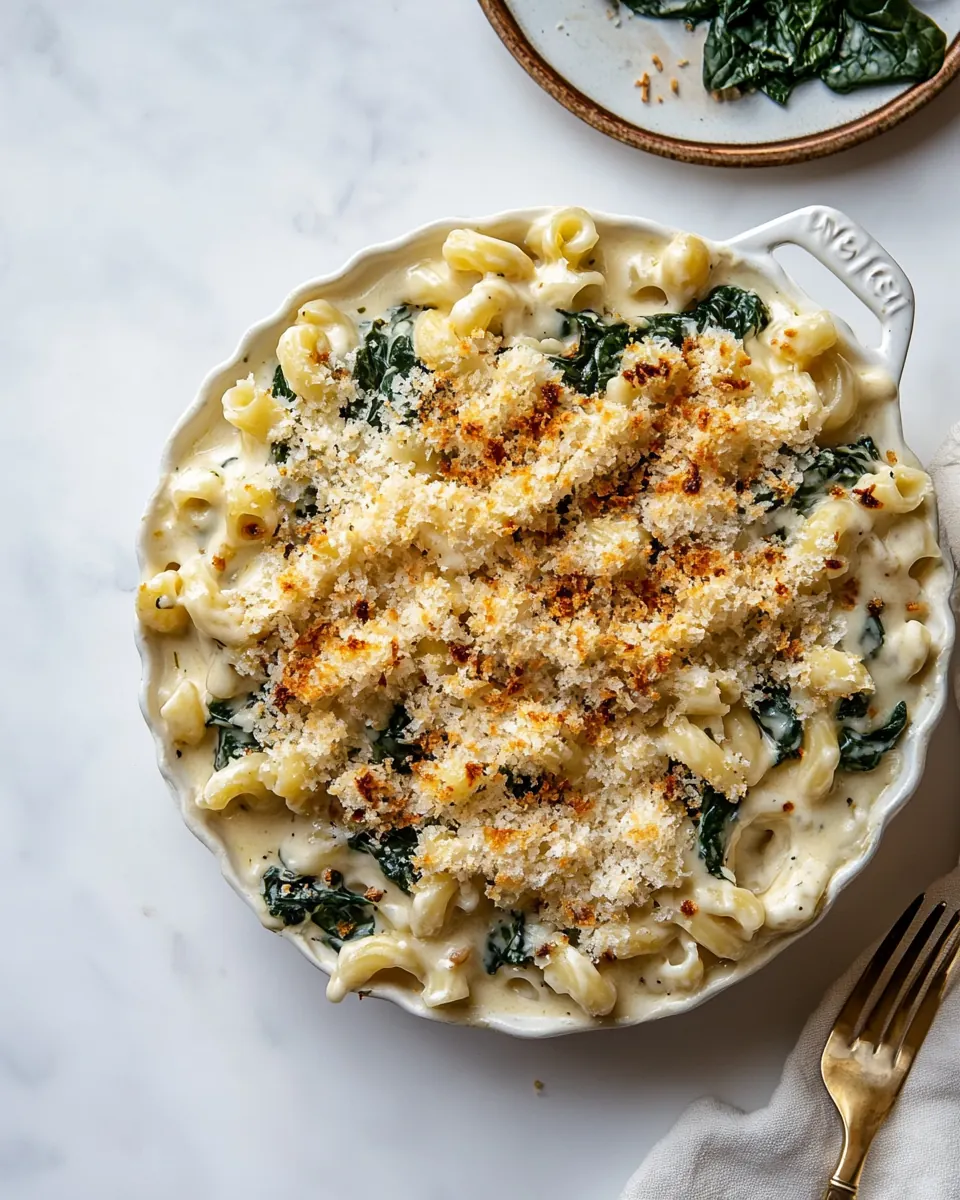
I like to think of these tips as small investment moves that pay dividends in flavor and texture. The suggestions below come from repeated practice and a few friendly mishaps, and they will help you get consistent, impressive results.
- Use fresh cheese, grate the fontina cheese, white cheddar, and parmesan cheese from blocks so they melt smoothly and do not contain anti caking agents that can create a grainy sauce.
- Cook pasta slightly under al dente, so that the hort cut pasta finishes in the oven without becoming mushy; this keeps bite and texture intact after baking.
- Control roux heat, keep the pan at medium low while you cook the flour with the butter and onion to avoid a raw flour taste and to develop a warm, nutty base for the sauce.
- Reserve some cheese for topping, holding back a bit of the grated cheese ensures a fresh, melty golden top, enhancing both appearance and texture after baking.
- Wilt spinach carefully, add the fresh baby spinach in batches if necessary and stop cooking when leaves are just softened to preserve color and a slight texture contrast.
- Use an oven safe pot, make the sauce and assemble in a large oven safe pot to avoid transferring the mixture and to reduce cleanup while ensuring even baking.
Serving This Creamed Spinach Mac and Cheese
This dish is hearty and versatile, suitable for weeknight dinners or as a comforting main for casual gatherings. Below are thoughtful serving ideas and storage notes to help you present it at its best.
- Serve warm and bubbling, place the casserole on a heatproof trivet and spoon generous portions immediately so the contrast between the creamy interior and the crunchy topping is enjoyed at its peak.
- Pair with a simple salad, a lightly dressed mixed green salad complements the richness, giving a fresh, crisp counterpoint that helps balance each bite.
- Great for dinner or weeknight feasts, this recipe works well as a main for family dinners and also scales up for small gatherings because it reheats nicely.
- Holiday or cozy evenings, serve it as a comforting centerpiece for colder months like winter where the warm, cheesy notes feel especially appropriate.
- Storage and reheating, refrigerate leftovers in an airtight container for up to three days; reheat in the oven at a moderate temperature to revive the creamy texture and crisp the topping.
- Make ahead tip, assemble the casserole and keep it chilled until ready to bake; add the topping before baking so it crisps fresh in the oven.
FAQ
Conclusion
Creamed Spinach Mac and Cheese stands out because it blends comforting, cheesy indulgence with bright, leafy spinach and a crunchy topping for contrast. It’s the kind of recipe that feels both familiar and a little special, perfect for weeknights when you want something satisfying, or for gatherings when you want an easy crowd pleaser. Give it a try and notice how the combination of cheeses, the velvety sauce, and the crisp topping create a dish that keeps people coming back for seconds. I hope this becomes one of your reliable recipes for cozy dinners and happy guests.

Creamed Spinach Mac and Cheese
Equipment
- Large oven safe pot
- Saucepan
- Box grater
Ingredients
- 1 pounds hort cut pasta, cooked according to package directions Cooked until al dente and used as the base to hold the creamy sauce and spinach, providing structure and tenderness to the dish. Tossed with sauce at the end to ensure even coating and to absorb flavors without becoming mushy.
- 4 tablespoons unsalted butter Melted to create a flavorful fat base for sautéing aromatics and forming the roux, adding richness and a silky mouthfeel. Whisked into milk and flour to help thicken the sauce and contribute to the overall creaminess.
- 1 sweet onion, diced Diced and softened to add sweet, savory depth and natural umami to the sauce; gently sautéed until translucent to release sugars. Balances the richness of the cheeses and butter while contributing aromatic complexity.
- 3 garlic cloves, minced Minced and briefly cooked with the onion to build aromatic layers and bright, savory flavor; added to the roux or sauce to infuse garlic essence. Provides pungency that complements the dairy and leafy greens without overpowering.
- pinch of salt and pepper Pinned in small amounts to season during cooking and at tasting, enhancing the other flavors and balancing richness. Used sparingly to avoid masking delicate cheese and spinach notes while ensuring the dish is well-seasoned.
- 4 tablespoons flour Whisked into melted butter to form a roux that thickens the milk into a cohesive, velvety cheese sauce. Cooked briefly to eliminate raw flour taste before gradually adding milk for a smooth consistency.
- 1/4 teaspoon freshly ground nutmeg Added in tiny quantity to brighten and slightly warm the flavor profile of the sauce, imparting subtle aromatic complexity. Sprinkled into the béchamel to complement the cheeses and cut through some creaminess.
- 12 ounces fresh baby spinach Wilted down to create the creamed element, contributing fresh vegetal flavor, color, and nutrients; squeezed or chopped if needed for texture control. Blended or folded into the sauce to integrate leafy texture without excess moisture.
- 2 1/2 cups milk Gradually incorporated into the roux to form a creamy béchamel base, providing liquid volume and a neutral backdrop for the cheeses. Warmed gently to prevent scalding and to allow cheeses to melt smoothly into the sauce.
- 12 ounces fontina cheese, freshly grated Freshly grated and folded into the béchamel for a nutty, melty character that lends stretch and depth to the mac and cheese. Balances with other cheeses by contributing moderate fat and a mild, creamy flavor.
- 6 ounces white cheddar, freshly grated Freshly grated to provide sharpness and tang, enhancing overall flavor and adding bite to the creamy sauce. Melts into the béchamel to create a complex cheese profile and helps cut through the richness.
- 2 ounces parmesan cheese, freshly grated Freshly grated to sprinkle subtle umami and salty, savory notes throughout the sauce; also used to finish the dish with a nutty, crystalline texture. Enhances overall depth and rounds out the cheese blend without dominating.
- 1/2 cup crispy onions or breadcrumbs, for topping Crisped and sprinkled on top to add crunchy texture and a toasted finish that contrasts the creamy pasta, or substituted with breadcrumbs for a similar topping. Baked briefly to golden brown and provide an appealing crisp layer.
Instructions
- Preheat the oven to 350 degrees F. Heat a large oven-safe pot over medium-low heat and add the butter. Stir in the onion and garlic with a pinch of salt and pepper. Cook, stirring often, until the onions have softened.: The kitchen will fill with a faint oven-warmth that signals you are starting to finish the dish, and preheating ensures even baking and a reliably golden top at the end. You should hear a quiet hum from the oven during bake time, and when it has reached temperature the oven light will show steady warmth. A common mistake is not preheating, which can lengthen bake time and lead to uneven bubbling; allow the oven to reach 350 degrees F fully before you slide the pan in.
- At this time, you can also cook the pasta in another pot. You can cook it before too - just make sure to give it a quick spritz of olive oil so it doesn't stick together.: You will notice the butter melting into a glossy pool, releasing a soft dairy aroma that primes the pan for the onion . The gentle heat prevents scorching and helps the onion sweat without browning too fast. If the butter browns, lower the heat immediately because bitter notes can ruin the sauce. Use an oven safe pot so you can transfer directly to the oven without changing vessels.
- Toss all the grated cheese together.: As you stir, the onion will soften and turn translucent while the garlic releases an aromatic steam. The salt helps draw out moisture from the onion , encouraging even, tender cooking. Stir frequently so the aromatics do not stick or brown; burnt garlic develops a sharp, unpleasant flavor that is hard to mask.
- Stir the flour into the onions to create a roux. Cook for 2 to 3 minutes, until it becomes golden in color and starts to smell nutty. Slowly stream in the milk while stirring constantly. The mixture will begin to come together and thicken. Stir in the nutmeg.: You are looking for tender, translucent onion that offers a gentle sweetness and no raw bite, a cue that the base is ready for thickening. The sound of soft bubbling and occasional light sizzling is what to expect. Overcooking into deep brown will alter the flavor profile, so stop when soft and sweet notes dominate.
- Add in the spinach - it will seem overwhelming at first, but it will quickly cook down! Stir until it cooks down and softens.: The hort cut pasta should be cooked according to package directions until slightly firm to the bite because it will finish in the oven and absorb sauce. You will see the pasta surface swell and steam as it cooks, and a brief taste test will tell you when it is just underdone. A common slip is overcooking the pasta which can turn it mushy after baking; remove it a touch early.
- Once the spinach cooks down, stir in almost all of the cheese (reserve a bit for topping) and the pasta. Toss it together over and over until it is combined.: When you drain the pasta , the steam will rise and you may hear a soft hiss, but tossing it with a little oil prevents clumping while you finish the sauce. This keeps the pasta strands separate so the sauce can coat them evenly. Too much oil will prevent sauce adhesion, so use a light spritz only.
- Top with the remaining grated cheese. Top with crispy onions. Bake for 35 to 30 minutes, until golden and bubbly.: As you combine the fontina cheese , white cheddar , and parmesan cheese , you will notice color and texture variety in the bowl, with the fontina cheese appearing soft and silky and the parmesan cheese looking slightly granular. Mixing them ensures each bite has a layered cheese flavor. If you use pre shredded cheese it can clump because of anti caking agents, so fresh grating is best when possible.
- Stir the flour into the onions to create a roux: The roux should coat the onion and take on a pale golden hue while giving off a warm, nutty scent which indicates the flour has cooked. This step prevents a raw flour taste and builds the structure that thickens the milk . Stir continuously to avoid lumps forming; if you see dry pockets, keep stirring and lower the heat to maintain control.
- Cook for 2 to 3 minutes, until it becomes golden in color and starts to smell nutty: You will see the mixture deepen slightly and release a toasty aroma; that is the correct signal to proceed. This step ensures the roux has developed flavor and will thicken the sauce without unpleasant raw notes. Cook longer than needed and the roux can darken too much, shifting flavor away from the creamy profile you want.
- Slowly stream in the milk while stirring constantly: As the milk hits the warm roux, it will begin to come together and thicken into a smooth sauce, with a gentle steam rising and a glossy sheen forming. Constant stirring prevents lumps and helps you gauge consistency, so the sauce ends silky rather than grainy. Adding milk too quickly may create clumps, so take your time and whisk steadily.
- The mixture will begin to come together and thicken: Watch for a velvety coat on your spoon and a gentle bubble around the edge of the pot; that signals the sauce is ready. The texture should cling to the back of a spoon without being gluey. If it feels too thin, simmer gently until it reduces; if too thick, add a splash more milk and whisk to loosen.
- Stir in the nutmeg: The faint aromatic note of nutmeg lifts the creamy sauce, adding warmth without overt sweetness. A little goes a long way, so distribute it evenly for balance. Adding too much will skew the flavor toward dessert like tones, so measure carefully.
- Add in the spinach: When you add the mound of fresh baby spinach , it will seem voluminous at first, but within moments the leaves will wilt down dramatically and release a bright, green steam. Stirring helps the spinach integrate so it cooks evenly and keeps some texture. Avoid overcooking to preserve color and avoid a mushy mouthfeel.
- It will seem overwhelming at first, but it will quickly cook down: As the spinach collapses, you will notice the sauce turning flecked and verdant, which is the desired look. The wilted leaves should remain tender with a slight bite, adding freshness against the cheese richness. Overcooking removes that lift, so stop when the leaves are soft and bright.
- Stir until it cooks down and softens: Gentle stirring helps squeeze out any excess moisture and ensures even distribution through the sauce. The sound will calm to a soft simmer and the smell will balance between vegetal and dairy. Excess liquid can make the baking step soggy, so if too much water has released, simmer briefly to reduce.
- Once the spinach cooks down, stir in almost all of the cheese: The sauce will become silkier and slightly thicker as the cheese melts into it, releasing a glossy sheen and a mouthwatering cheesy aroma. Reserve some cheese for topping so the top finishes with a fresh melt. Adding cold cheese too quickly can cool the sauce and make melting uneven, so keep the heat gentle.
- Reserve a bit for topping and the pasta: Keeping some cheese back gives you a golden, melty finish and a crunchy crown when baked. The reserved cheeses also allow you to refresh the top after reheating. If you forget to reserve some, the surface may brown less attractively, so plan ahead.
- Stir in the pasta: As you fold the cooked hort cut pasta into the sauce, you will notice strands and shapes become slicked in a creamy coating and the pot will make a gentle stirring sound as pieces nestle together. The sauce should cling to the pasta rather than pool. If too much liquid exists, the dish can be soupy after baking, so aim for a balanced coating.
- Toss it together over and over until it is combined: Repeated gentle tossing ensures each piece of pasta picks up sauce and spinach so the casserole bakes evenly. You will feel the weight of the mixture lighten as it becomes homogenous. Avoid vigorous stirring that could break the pasta or make it mushy.
- Top with the remaining grated cheese: The reserved cheese will melt on top and brown attractively, forming a savory, slightly crisp layer that complements the creamy interior. You will see bubbling edges and a golden hue forming during baking. If you add the topping too early or too thickly it may brown too fast; distribute evenly.
- Top with crispy onions: Scatter the crispy onions or breadcrumbs evenly to create a textural contrast; they will toast in the oven, offering a nutty, crunchy finish. The sound of the crunchy topping against the soft interior is part of the pleasure when serving. If the topping is moist it will not crisp properly, so ensure it is evenly spread.
- Bake for 35 to 30 minutes, until golden and bubbly: In the oven the casserole will emit a mouthwatering scent as the cheeses bubble and the top turns golden. Look for even bubbling and a golden color at the edges and top; the center should be hot and the top should have a brittle crisp to the crumbs or onions. A frequent misstep is misreading time directions; if your oven runs hot check earlier to prevent over browning, and if it runs cool allow more time for bubbling to begin.
Notes
- Use fresh cheese, grate the fontina cheese, white cheddar, and parmesan cheese from blocks so they melt smoothly and do not contain anti caking agents that can create a grainy sauce.
- Cook pasta slightly under al dente, so that the hort cut pasta finishes in the oven without becoming mushy; this keeps bite and texture intact after baking.
- Control roux heat, keep the pan at medium low while you cook the flour with the butter and onion to avoid a raw flour taste and to develop a warm, nutty base for the sauce.
- Reserve some cheese for topping, holding back a bit of the grated cheese ensures a fresh, melty golden top, enhancing both appearance and texture after baking.
- Wilt spinach carefully, add the fresh baby spinach in batches if necessary and stop cooking when leaves are just softened to preserve color and a slight texture contrast.
- Use an oven safe pot, make the sauce and assemble in a large oven safe pot to avoid transferring the mixture and to reduce cleanup while ensuring even baking.
