Chicken Noodle Casserole
Chicken Noodle Casserole is one of those dishes I turn to when I want comfort that feeds a crowd and soothes the soul. I first learned this recipe in a cramped kitchen while hosting friends after a blustery evening, and the way the kitchen filled with warm, savory aromas as it baked made everyone pause and smile. That memory lives on every time I pull this casserole from the oven, steam rising in gentle waves, and I love that it always brings people together.
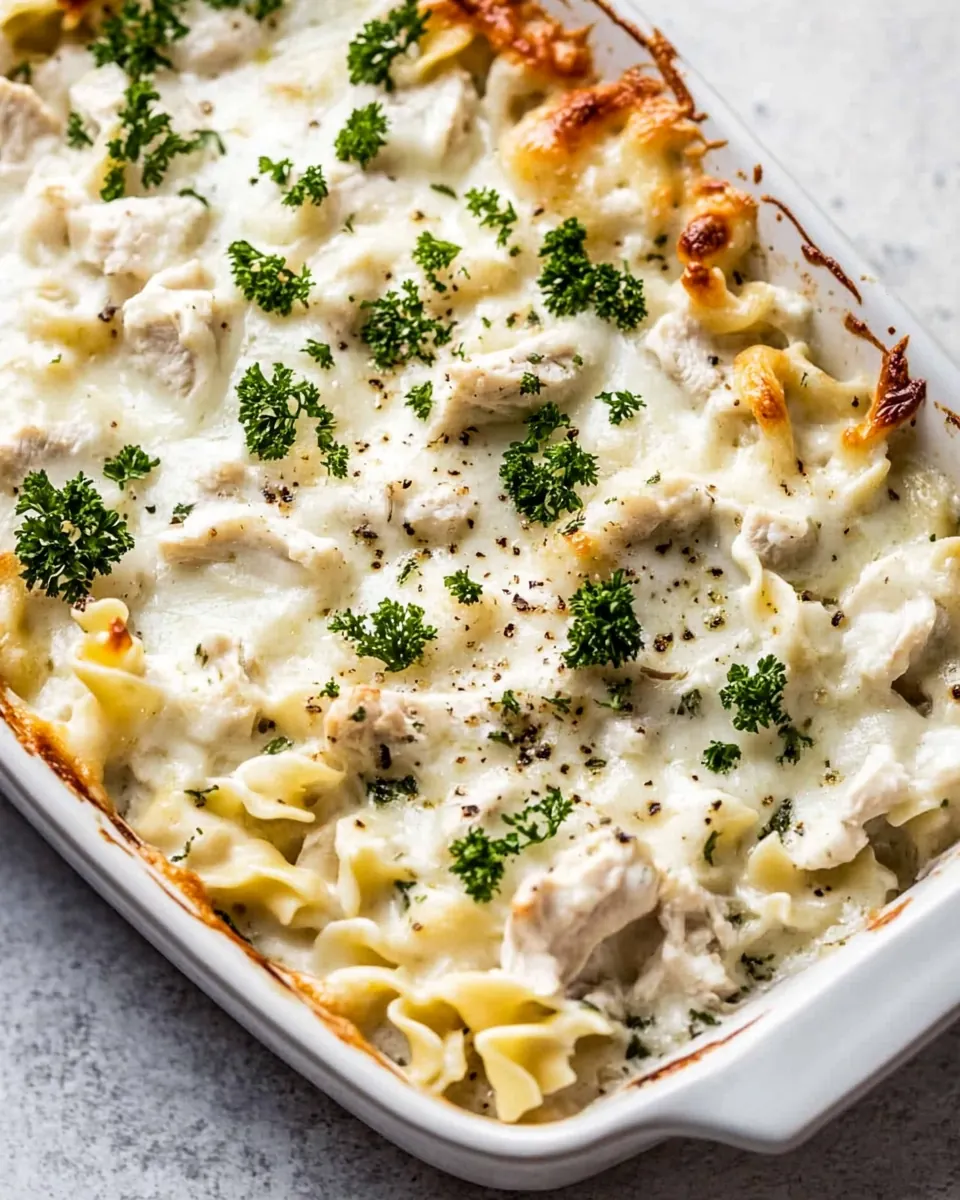
When I serve Chicken Noodle Casserole I like to think about texture more than anything. The tender egg noodles hugged in a creamy sauce, pockets of melted mozzarella cheese, and the subtle tang of parmesan cheese make each forkful a comforting mix of creamy and slightly chewy. I remember how the bubbling top turned golden the first time I made it for my parents, and how my father closed his eyes and declared it a hit. That reaction became its own little culinary stamp of approval.
Recipe Snapshot
50 mins
20 mins
30 mins
Medium
350 kcal
American
Gluten-Free, Low FODMAP
Dinner
9×13 glass baking dish
Why This Chicken Noodle Casserole Is So Good
Hearty, familiar comfort
I adore how Chicken Noodle Casserole tastes like home. The combination of warm chicken, tender egg noodles, and a creamy, savory sauce creates a nostalgic bite that feels both grounding and comforting. I lean on this recipe when I want to recreate that classic dish that reminds people of family dinners and cozy nights.
Simple pantry friendly ingredients
One thing I constantly appreciate is how the ingredients are mostly pantry staples. With items like butter, all purpose flour, and chicken broth on hand, you can pull this together quickly. That makes it ideal for busy weeks when you want a satisfying, homey meal without a long shopping list.
Flexible and forgiving
This casserole is forgiving in a way that makes it perfect for feeding a crowd. You can adjust seasoning, tweak the cheese amounts, or swap the exact proportions slightly and still end up with a great result. I often tweak a little salt or basil to suit what I have, and it rarely fails to please.
Great for make ahead and leftovers
I love that Chicken Noodle Casserole travels well through time. Prep it a day ahead, or freeze portions for later. The flavors deepen and meld, and reheating yields the same cozy satisfaction. For weekend meal prep this recipe is a lifesaver.
Comfort that serves many
This recipe scales beautifully, which is why I rely on it for family dinners and casual gatherings. The hearty portions mean fewer trips to the stove, and it’s a crowd pleaser that doesn’t demand constant attention. When I want something reliable that still feels homemade, this casserole is where I go.
Recipe Ingredients for Chicken Noodle Casserole
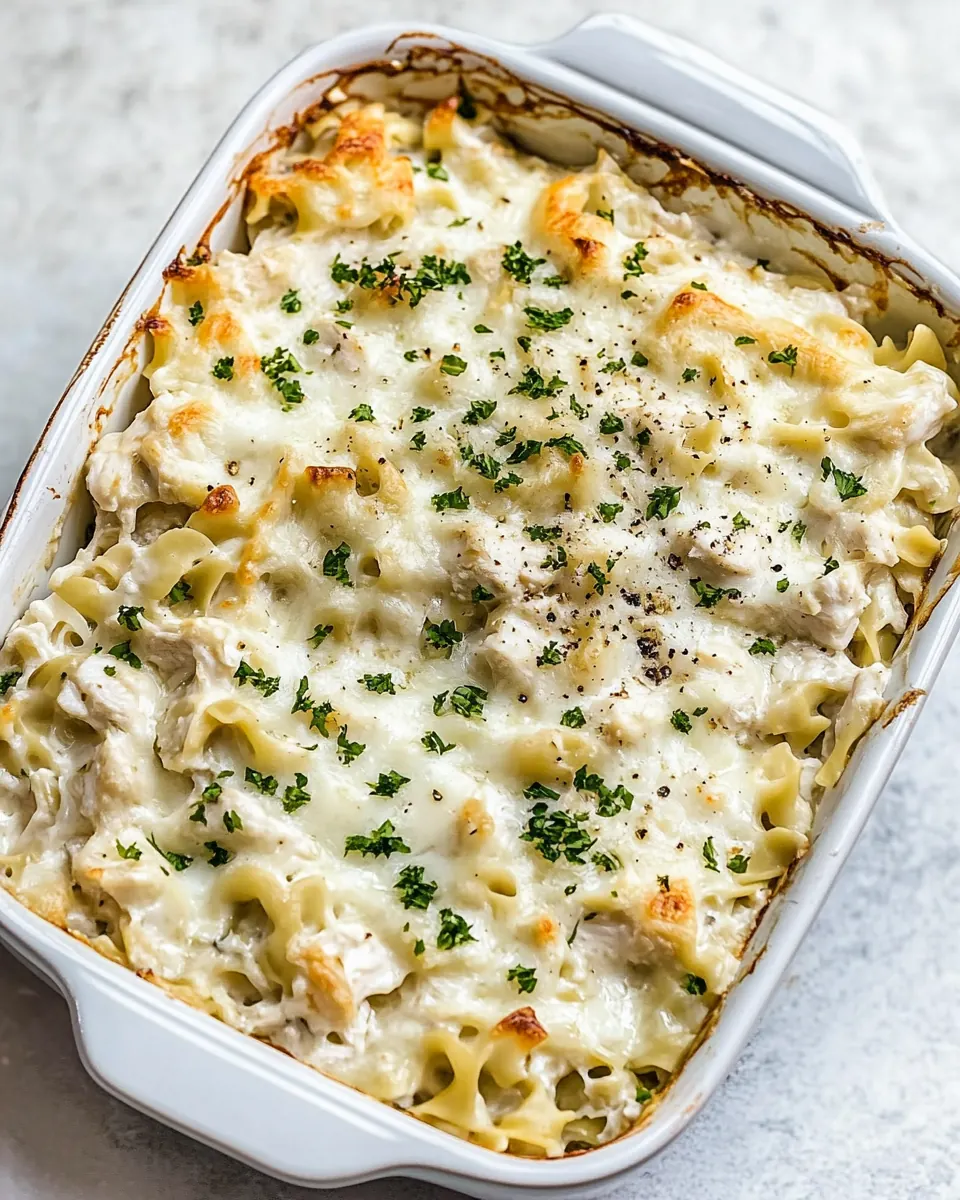
These ingredients come together to make a rich, comforting casserole that balances creamy sauce with tender protein and noodles. The highlights are the dairy components that provide silkiness, the chicken for heft and savory flavor, and the herbs and seasonings that keep it from tasting flat. Each item plays a role in texture or in flavor support, which is why they pair so seamlessly.
- 12 ounces egg noodles, cooked al dente: Cooked al dente to provide a tender yet slightly firm texture that holds sauce and casserole structure; absorbs flavors from the creamy sauce while preventing mushiness during baking.
- 1/2 cup butter: Melted to create a rich, buttery base that adds moisture and silky mouthfeel; used to form the roux when combined with flour for thickening the sauce.
- 1/2 cup all-purpose flour: Whisked into melted butter to form a roux that thickens the casserole sauce; provides body and helps create a smooth, velvety consistency.
- 1 teaspoon salt: Seasoned into the sauce to enhance overall flavor and balance the richness; helps bring out the savory components in the casserole.
- 1/2 teaspoon freshly ground black pepper: Ground finely to add a warm, sharp heat and depth; used sparingly to prevent overpowering the delicate creamy sauce.
- 1/4 teaspoon garlic powder: Sprinkled for subtle savory garlic notes that complement the cheese and chicken; enhances overall aroma without fresh garlic intensity.
- 1 teaspoon dried basil: Crumpled into the sauce to add herbal, slightly sweet and peppery undertones; pairs well with chicken and cheese for classic Italian-American flavor.
- 4 cups low-sodium chicken broth: Simmered with the roux to create a smooth, savory base that dissolves the flour and builds the creamy sauce; low-sodium choice controls overall saltiness.
- 24 ounces cottage cheese, small curd: Blended into the sauce to contribute creamy tang and body while keeping a slightly lumpy cottage texture; adds protein and lightness compared with heavier creams.
- 1 large egg, beaten: Beaten and mixed into the cheese mixture to help bind ingredients and set the casserole; contributes richness and helps achieve a cohesive texture when baked.
- 2 cups shredded mozzarella cheese, divided: Shredded and divided so some melts into the sauce for creaminess while some tops the casserole for gooey, golden coverage; provides mild, stretchy texture.
- 3/4 cup freshly grated parmesan cheese, divided: Freshly grated and divided to add nutty, salty complexity to the sauce while also creating a savory browned topping; enhances umami and mouthfeel.
- 4 cups cooked chicken, chopped: Cooked and chopped to supply hearty protein and savory flavor while adding texture and substance; distributes throughout the casserole to make it a complete meal.
- fresh chopped parsley for garnish (optional): Finely chopped and sprinkled as an optional garnish to add bright color and a fresh, herbaceous finish that lifts the rich flavors of the casserole.
How to Prepare Chicken Noodle Casserole
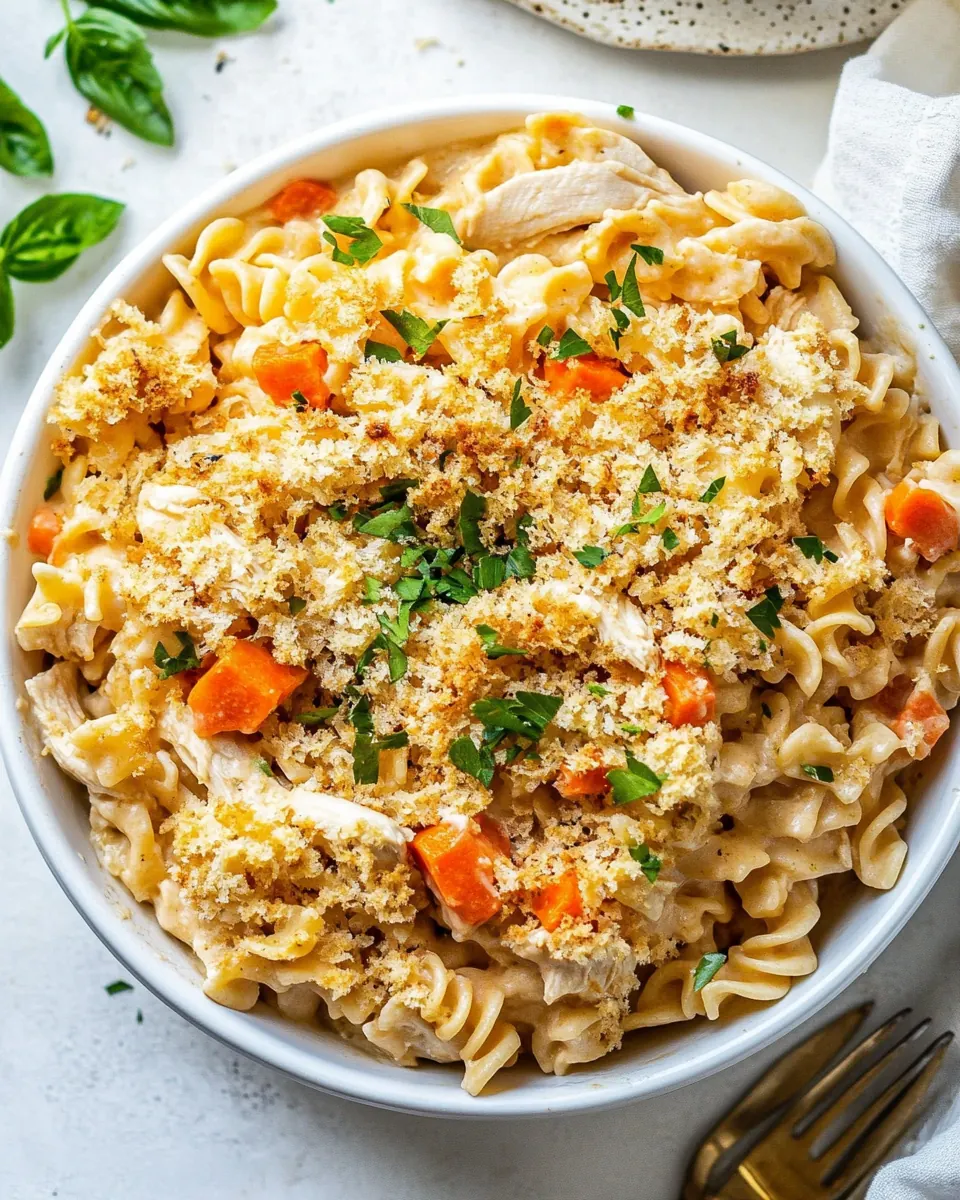
These instructions are written the way I cook this casserole at home, with small adjustments that make the texture and flavor sing. Keep your mise en place ready, because the sauce comes together quickly once you start. Follow each step closely and pay attention to the sensory cues I describe to ensure a reliably good result.
- Cook egg noodles in a large pot of boiling water, just until al dente, or even 1-2 minutes less. (The noodles will continue to cook later, when baked). Drain, rinse with cold water and set aside. Preheat oven to 350 degrees F.: You will notice the pasta plump and become tender but still offer a little resistance when you bite it, a sign called al dente. The pot should be at a steady rolling boil so the noodles move freely, which prevents sticking and ensures even cooking. When you drain and rinse with cold water, the noodles stop cooking immediately, which is important because they will absorb liquid in the casserole as it bakes and can easily turn mushy if overcooked. Common mistakes here include overcrowding the pot or not stirring early on, which causes clumping, and boiling too long which ruins the final texture. Aim for that slight chew and set the noodles aside in a colander so they cool and separate.
- Sauce: Melt butter in an extra large saucepan over medium to medium high heat. Add flour, salt, pepper, garlic powder, dried basil. Cook, stirring, for 1-2 minutes. Slowly whisk in chicken broth, about a cup at a time, until mixture is thickened, about 5-10 minutes. Remove from heat.: After you drain the egg noodles , rinsing with cold water halts the cooking and removes surface starch, which helps the noodles remain distinct rather than turning into a gluey mass in the casserole. You will feel them go from hot and pliable to cool and springy under your fingers. Doing this also makes handling easier when you fold them into the sauce. Avoid letting them sit in water for long periods, which can waterlog them; a quick rinse and drain is all that is needed.
- Cheese layer: In a large mixing bowl stir together cottage cheese, egg, 1 cup of mozzarella cheese, and 1/2 cup parmesan cheese.: When the oven is preheated, it provides stable, even heat so the casserole cooks through uniformly and the top browns beautifully. You will hear the oven click on and the internal fan cycle if it has one, and you should allow it a few minutes to reach the set temperature. A common oversight is starting to bake before the oven is fully heated, which can extend baking time and affect texture. I set a timer and trust the oven to come to temperature before the dish goes in.
- Combine: Add chicken, noodles and cheese mixture to the saucepan and stir to combine. Taste and add additional salt, pepper or dried basil, if needed.: Melt butter in an extra large saucepan over medium to medium high heat. : As the butter melts, it will foam briefly and then settle into a glossy liquid that smells rich and slightly nutty. Keep the heat moderate to prevent browning, unless you want a deeper flavor, which is not necessary here. If the butter smokes, reduce the heat immediately. This step sets the tone for a silky sauce, so watching the butter transform is worth the attention.
- Bake: Pour mixture into a 9×13’’ baking dish (or you can bake it right in an oven-safe saucepan it is in). Top with remaining mozzarella and parmesan cheese. Bake, uncovered, for 30-40 minutes or until golden on top and bubbly. Cool for 10-15 minutes before serving.: When you add the all purpose flour to the melted butter, it will create a paste that slightly thickens and loses the raw flour taste as you cook it for a minute or two. The spices and herbs will bloom and release aroma, and you should whisk continuously to keep everything smooth. If you skip the brief cooking, the sauce can have a pasty flavor, and adding spices too late can leave their flavors flat. Stir until the mixture smells toasted and cohesive.
- Cook, stirring, for 1 to 2 minutes.: During this brief cooking window the roux develops subtle nuttiness and the raw flour smell dissipates. You should see the mixture pull away from the pan slightly and become less chalky. Stirring constantly prevents scorching on the pan bottom. A typical mistake is to rush this step, which leads to a floury taste, or to cook too long, which can darken the flavor undesirably.
- Slowly whisk in chicken broth, about a cup at a time, until mixture is thickened, about 5 to 10 minutes.: As you add chicken broth gradually and whisk, the sauce will transform from a thick paste to a velvety, pourable consistency. Early on you will see the mixture loosen, the surface shimmer, and the aroma deepen into savory richness. Adding broth slowly prevents lumps and gives you control over thickness, which is crucial so the final casserole is creamy without being soupy. If lumps form, whisk vigorously or use a small amount of warm liquid to smooth them out. Patience here pays off in texture.
- Remove from heat.: Once the sauce has thickened to a creamy consistency, remove the pan from the burner to prevent over reduction. The residual heat will keep it warm while you prepare the cheese layer, and removing it promptly preserves the delicate balance of the sauce. Leaving it on the heat can make it thicken too much, which will change how it binds with the noodles and chicken in the casserole.
- Cheese layer: In a large mixing bowl stir together cottage cheese, egg, 1 cup of mozzarella cheese, and 1/2 cup parmesan cheese. : When you stir these together, you will smell a tangy, milky aroma and see a slightly lumpy but cohesive mix that will later melt into the sauce. The egg acts as a binder, while the cottage cheese brings creaminess and the mozzarella cheese and parmesan cheese add melt and flavor. Mix thoroughly so the egg is evenly distributed, preventing pockets of scrambled egg. If the mixture seems very watery, let it sit briefly; cottage cheese often releases some liquid that can be incorporated when combined with the sauce.
- Combine: Add chicken, noodles and cheese mixture to the saucepan and stir to combine. : As you fold the chicken , egg noodles , and cheese blend into the warm sauce, you will see the components coat and meld into a unified mixture that glistens. The aroma becomes richer, and the mozzarella softens as it warms. Stir gently to keep the noodle shapes intact, aiming for even distribution so each portion has a balance of protein, pasta, and cheese. A frequent error is over stirring which breaks up the noodles too much, so fold with care.
- Taste and add additional salt, pepper or dried basil, if needed.: This tasting moment is essential because the amounts of salt and tang from the cheeses vary by brand. Sample a spoonful and adjust seasoning in small increments to reach balance. If you over salt, it is difficult to fix later, so proceed cautiously. Adjusting herbs here ensures the final dish has the bright notes that cut through the creaminess.
- Bake: Pour mixture into a 9×13’’ baking dish (or you can bake it right in an oven-safe saucepan it is in). : When you transfer the mixture, spread it evenly so it bakes uniformly, and smooth the top lightly. The casserole will begin to bubble at the edges as the interior heats and the sauces meld. If your dish is too shallow, the casserole may brown too quickly, so ensure the depth is similar to the called for pan. Baking directly in an oven-safe saucepan is convenient but watch for hot handles.
- Top with remaining mozzarella and parmesan cheese.: Sprinkling the reserved mozzarella cheese and parmesan cheese on top creates a melty, golden crust. As it bakes you will see the cheese transform from pale to a light golden color and then to a deeper amber at the very peaks. This contrast of creamy interior and browned top is what makes the casserole feel special. Avoid piling cheese so thick it blocks heat penetration, which can lengthen baking time.
- Bake, uncovered, for 30 to 40 minutes or until golden on top and bubbly.: During baking you will hear faint bubbling at the edges and see steam rise as the sauce reaches a simmer. The top will gradually turn golden and then achieve a deeper color in spots, and the internal temperature will climb so the chicken and fillings are heated through. If the top browns too quickly, loosely tent with foil to prevent burning while the center finishes. Underbaking leaves a runny interior, while overbaking can dry the casserole out.
- Cool for 10 to 15 minutes before serving.: Letting the casserole rest allows the sauce to set slightly, which makes serving cleaner slices and ensures a pleasant mouthfeel. You will notice the bubbling slow down and the aromas settle into a warm, comforting perfume. Cutting or scooping too soon leads to runny portions, so be patient. After resting, garnish with the optional fresh chopped parsley to add a fresh visual touch.
Pro Tips and Tweaks
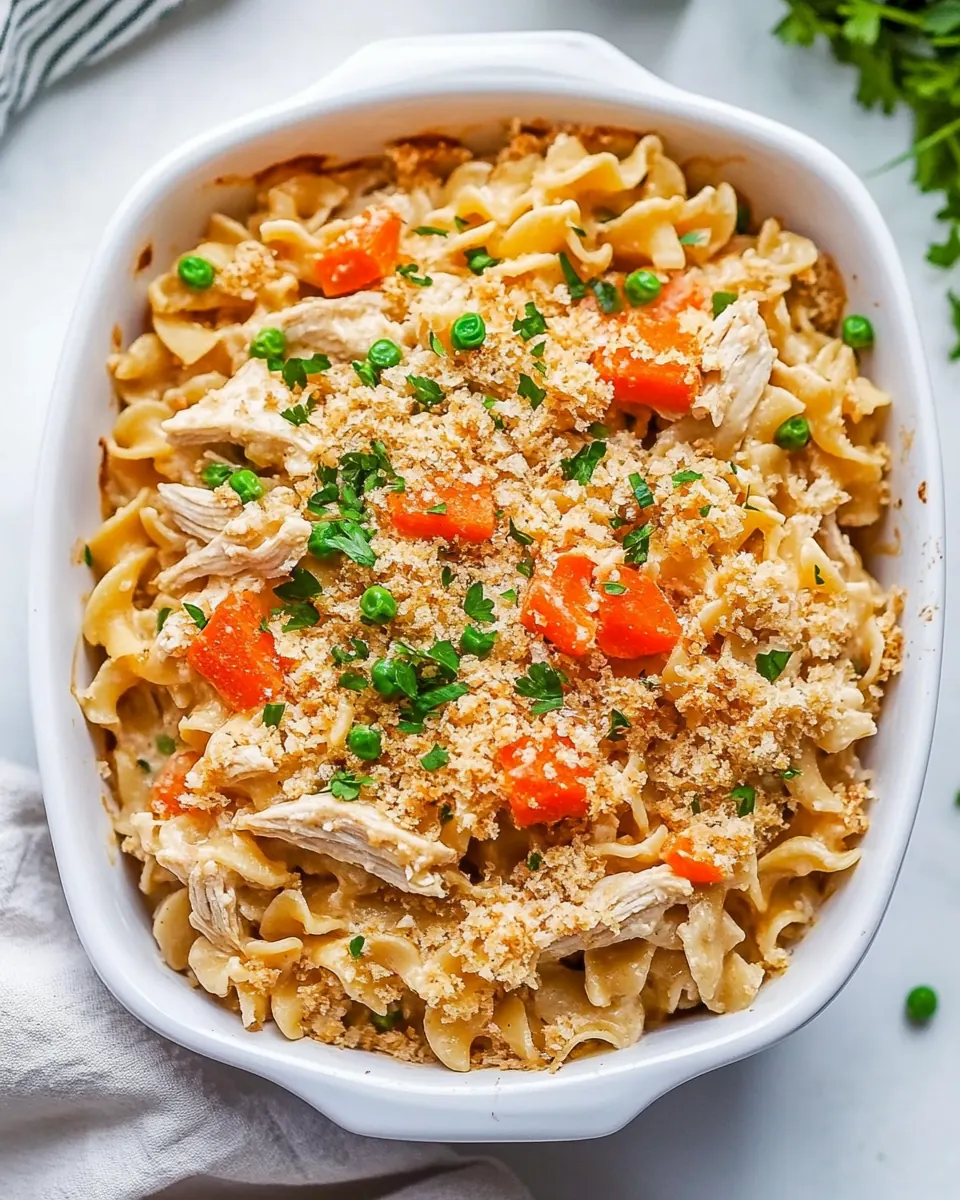
I often get questions about how to make this casserole even more reliable, and these tips reflect what I do in my kitchen to ensure consistency. A few small tweaks make a big difference in texture and flavor, and they are all easy to implement whether you are making this for a weeknight or a gathering.
- Under cook the noodles slightly then rinse them with cold water to stop cooking, which prevents a gluey finished casserole.
- Use low-sodium chicken broth so you can control salt levels, especially because the cheeses add additional saltiness.
- Blend cottage cheese if desired for a smoother texture in the filling, using a short pulse in a blender to keep some body but reduce curds.
- Divide cheese usages by reserving some for the top, which yields a gooey interior and a nicely browned crust on top after baking.
- Make ahead and refrigerate assembled casserole up to 24 hours, bringing it to room temperature before baking to ensure even cook through.
Perfect Matches for Chicken Noodle Casserole
This casserole pairs well with simple, fresh sides and suits a variety of occasions from casual family dinners to gatherings. Think light complementary textures and seasonal touches to round out the plate. Below are detailed serving ideas and occasions where this dish shines.
- Light green salad, such as a crisp lettuce mix with a bright vinaigrette, provides contrasting freshness that cuts through the richness of the casserole and balances the meal.
- Roasted vegetables, like carrots or green beans, offer a caramelized texture and a slightly sweet contrast to the savory casserole, making for a cozy dinner plate.
- Casual gatherings are perfect for this dish because it serves many and is easy to reheat, making it ideal for potlucks and family style meals where convenience matters.
- Meal prep advantage, since leftovers reheat well for lunches and weeknight dinners, giving you a comforting option for busy days without a lot of fuss.
- Seasonal touches like a light sprinkle of fresh herbs at serving can brighten the plate in winter months, when this hearty casserole feels most at home.
FAQ
Conclusion
This casserole shines because it combines tender chicken and perfectly cooked noodles with a silky, cheesy sauce that feels like a warm hug at the table. Give it a try when you want a reliable, comforting meal that serves a crowd and reheats beautifully for leftovers. It is an uncomplicated recipe that rewards attention to a few simple details, and once you make it you will understand why it becomes a go to for busy nights and family gatherings.
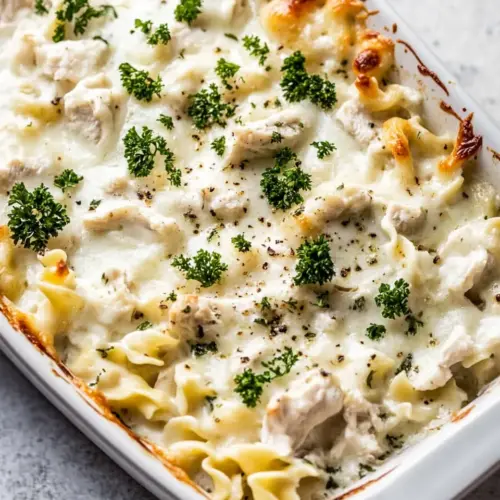
Chicken Noodle Casserole
Equipment
- 9×13 glass baking dish
Ingredients
- 12 ounces egg noodles, cooked al dente Cooked al dente to provide a tender yet slightly firm texture that holds sauce and casserole structure; absorbs flavors from the creamy sauce while preventing mushiness during baking.
- 1/2 cup butter Melted to create a rich, buttery base that adds moisture and silky mouthfeel; used to form the roux when combined with flour for thickening the sauce.
- 1/2 cup all-purpose flour Whisked into melted butter to form a roux that thickens the casserole sauce; provides body and helps create a smooth, velvety consistency.
- 1 teaspoon salt Seasoned into the sauce to enhance overall flavor and balance the richness; helps bring out the savory components in the casserole.
- 1/2 teaspoon freshly ground black pepper Ground finely to add a warm, sharp heat and depth; used sparingly to prevent overpowering the delicate creamy sauce.
- 1/4 teaspoon garlic powder Sprinkled for subtle savory garlic notes that complement the cheese and chicken; enhances overall aroma without fresh garlic intensity.
- 1 teaspoon dried basil Crumpled into the sauce to add herbal, slightly sweet and peppery undertones; pairs well with chicken and cheese for classic Italian-American flavor.
- 4 cups low-sodium chicken broth Simmered with the roux to create a smooth, savory base that dissolves the flour and builds the creamy sauce; low-sodium choice controls overall saltiness.
- 24 ounces cottage cheese, small curd Blended into the sauce to contribute creamy tang and body while keeping a slightly lumpy cottage texture; adds protein and lightness compared with heavier creams.
- 1 large egg, beaten Beaten and mixed into the cheese mixture to help bind ingredients and set the casserole; contributes richness and helps achieve a cohesive texture when baked.
- 2 cups shredded mozzarella cheese, divided Shredded and divided so some melts into the sauce for creaminess while some tops the casserole for gooey, golden coverage; provides mild, stretchy texture.
- 3/4 cup freshly grated parmesan cheese, divided Freshly grated and divided to add nutty, salty complexity to the sauce while also creating a savory browned topping; enhances umami and mouthfeel.
- 4 cups cooked chicken, chopped Cooked and chopped to supply hearty protein and savory flavor while adding texture and substance; distributes throughout the casserole to make it a complete meal.
- fresh chopped parsley for garnish, optional Finely chopped and sprinkled as an optional garnish to add bright color and a fresh, herbaceous finish that lifts the rich flavors of the casserole.
Instructions
- Cook egg noodles in a large pot of boiling water, just until al dente, or even 1-2 minutes less. (The noodles will continue to cook later, when baked). Drain, rinse with cold water and set aside. Preheat oven to 350 degrees F.: You will notice the pasta plump and become tender but still offer a little resistance when you bite it, a sign called al dente. The pot should be at a steady rolling boil so the noodles move freely, which prevents sticking and ensures even cooking. When you drain and rinse with cold water, the noodles stop cooking immediately, which is important because they will absorb liquid in the casserole as it bakes and can easily turn mushy if overcooked. Common mistakes here include overcrowding the pot or not stirring early on, which causes clumping, and boiling too long which ruins the final texture. Aim for that slight chew and set the noodles aside in a colander so they cool and separate.
- Sauce: Melt butter in an extra large saucepan over medium to medium high heat. Add flour, salt, pepper, garlic powder, dried basil. Cook, stirring, for 1-2 minutes. Slowly whisk in chicken broth, about a cup at a time, until mixture is thickened, about 5-10 minutes. Remove from heat.: After you drain the egg noodles , rinsing with cold water halts the cooking and removes surface starch, which helps the noodles remain distinct rather than turning into a gluey mass in the casserole. You will feel them go from hot and pliable to cool and springy under your fingers. Doing this also makes handling easier when you fold them into the sauce. Avoid letting them sit in water for long periods, which can waterlog them; a quick rinse and drain is all that is needed.
- Cheese layer: In a large mixing bowl stir together cottage cheese, egg, 1 cup of mozzarella cheese, and 1/2 cup parmesan cheese.: When the oven is preheated, it provides stable, even heat so the casserole cooks through uniformly and the top browns beautifully. You will hear the oven click on and the internal fan cycle if it has one, and you should allow it a few minutes to reach the set temperature. A common oversight is starting to bake before the oven is fully heated, which can extend baking time and affect texture. I set a timer and trust the oven to come to temperature before the dish goes in.
- Combine: Add chicken, noodles and cheese mixture to the saucepan and stir to combine. Taste and add additional salt, pepper or dried basil, if needed.: Melt butter in an extra large saucepan over medium to medium high heat. : As the butter melts, it will foam briefly and then settle into a glossy liquid that smells rich and slightly nutty. Keep the heat moderate to prevent browning, unless you want a deeper flavor, which is not necessary here. If the butter smokes, reduce the heat immediately. This step sets the tone for a silky sauce, so watching the butter transform is worth the attention.
- Bake: Pour mixture into a 9×13’’ baking dish (or you can bake it right in an oven-safe saucepan it is in). Top with remaining mozzarella and parmesan cheese. Bake, uncovered, for 30-40 minutes or until golden on top and bubbly. Cool for 10-15 minutes before serving.: When you add the all purpose flour to the melted butter, it will create a paste that slightly thickens and loses the raw flour taste as you cook it for a minute or two. The spices and herbs will bloom and release aroma, and you should whisk continuously to keep everything smooth. If you skip the brief cooking, the sauce can have a pasty flavor, and adding spices too late can leave their flavors flat. Stir until the mixture smells toasted and cohesive.
- Cook, stirring, for 1 to 2 minutes.: During this brief cooking window the roux develops subtle nuttiness and the raw flour smell dissipates. You should see the mixture pull away from the pan slightly and become less chalky. Stirring constantly prevents scorching on the pan bottom. A typical mistake is to rush this step, which leads to a floury taste, or to cook too long, which can darken the flavor undesirably.
- Slowly whisk in chicken broth, about a cup at a time, until mixture is thickened, about 5 to 10 minutes.: As you add chicken broth gradually and whisk, the sauce will transform from a thick paste to a velvety, pourable consistency. Early on you will see the mixture loosen, the surface shimmer, and the aroma deepen into savory richness. Adding broth slowly prevents lumps and gives you control over thickness, which is crucial so the final casserole is creamy without being soupy. If lumps form, whisk vigorously or use a small amount of warm liquid to smooth them out. Patience here pays off in texture.
- Remove from heat.: Once the sauce has thickened to a creamy consistency, remove the pan from the burner to prevent over reduction. The residual heat will keep it warm while you prepare the cheese layer, and removing it promptly preserves the delicate balance of the sauce. Leaving it on the heat can make it thicken too much, which will change how it binds with the noodles and chicken in the casserole.
- Cheese layer: In a large mixing bowl stir together cottage cheese, egg, 1 cup of mozzarella cheese, and 1/2 cup parmesan cheese. : When you stir these together, you will smell a tangy, milky aroma and see a slightly lumpy but cohesive mix that will later melt into the sauce. The egg acts as a binder, while the cottage cheese brings creaminess and the mozzarella cheese and parmesan cheese add melt and flavor. Mix thoroughly so the egg is evenly distributed, preventing pockets of scrambled egg. If the mixture seems very watery, let it sit briefly; cottage cheese often releases some liquid that can be incorporated when combined with the sauce.
- Combine: Add chicken, noodles and cheese mixture to the saucepan and stir to combine. : As you fold the chicken , egg noodles , and cheese blend into the warm sauce, you will see the components coat and meld into a unified mixture that glistens. The aroma becomes richer, and the mozzarella softens as it warms. Stir gently to keep the noodle shapes intact, aiming for even distribution so each portion has a balance of protein, pasta, and cheese. A frequent error is over stirring which breaks up the noodles too much, so fold with care.
- Taste and add additional salt, pepper or dried basil, if needed.: This tasting moment is essential because the amounts of salt and tang from the cheeses vary by brand. Sample a spoonful and adjust seasoning in small increments to reach balance. If you over salt, it is difficult to fix later, so proceed cautiously. Adjusting herbs here ensures the final dish has the bright notes that cut through the creaminess.
- Bake: Pour mixture into a 9×13’’ baking dish (or you can bake it right in an oven-safe saucepan it is in). : When you transfer the mixture, spread it evenly so it bakes uniformly, and smooth the top lightly. The casserole will begin to bubble at the edges as the interior heats and the sauces meld. If your dish is too shallow, the casserole may brown too quickly, so ensure the depth is similar to the called for pan. Baking directly in an oven-safe saucepan is convenient but watch for hot handles.
- Top with remaining mozzarella and parmesan cheese.: Sprinkling the reserved mozzarella cheese and parmesan cheese on top creates a melty, golden crust. As it bakes you will see the cheese transform from pale to a light golden color and then to a deeper amber at the very peaks. This contrast of creamy interior and browned top is what makes the casserole feel special. Avoid piling cheese so thick it blocks heat penetration, which can lengthen baking time.
- Bake, uncovered, for 30 to 40 minutes or until golden on top and bubbly.: During baking you will hear faint bubbling at the edges and see steam rise as the sauce reaches a simmer. The top will gradually turn golden and then achieve a deeper color in spots, and the internal temperature will climb so the chicken and fillings are heated through. If the top browns too quickly, loosely tent with foil to prevent burning while the center finishes. Underbaking leaves a runny interior, while overbaking can dry the casserole out.
- Cool for 10 to 15 minutes before serving.: Letting the casserole rest allows the sauce to set slightly, which makes serving cleaner slices and ensures a pleasant mouthfeel. You will notice the bubbling slow down and the aromas settle into a warm, comforting perfume. Cutting or scooping too soon leads to runny portions, so be patient. After resting, garnish with the optional fresh chopped parsley to add a fresh visual touch.
Notes
- Under cook the noodles slightly then rinse them with cold water to stop cooking, which prevents a gluey finished casserole.
- Use low-sodium chicken broth so you can control salt levels, especially because the cheeses add additional saltiness.
- Blend cottage cheese if desired for a smoother texture in the filling, using a short pulse in a blender to keep some body but reduce curds.
- Divide cheese usages by reserving some for the top, which yields a gooey interior and a nicely browned crust on top after baking.
- Make ahead and refrigerate assembled casserole up to 24 hours, bringing it to room temperature before baking to ensure even cook through.