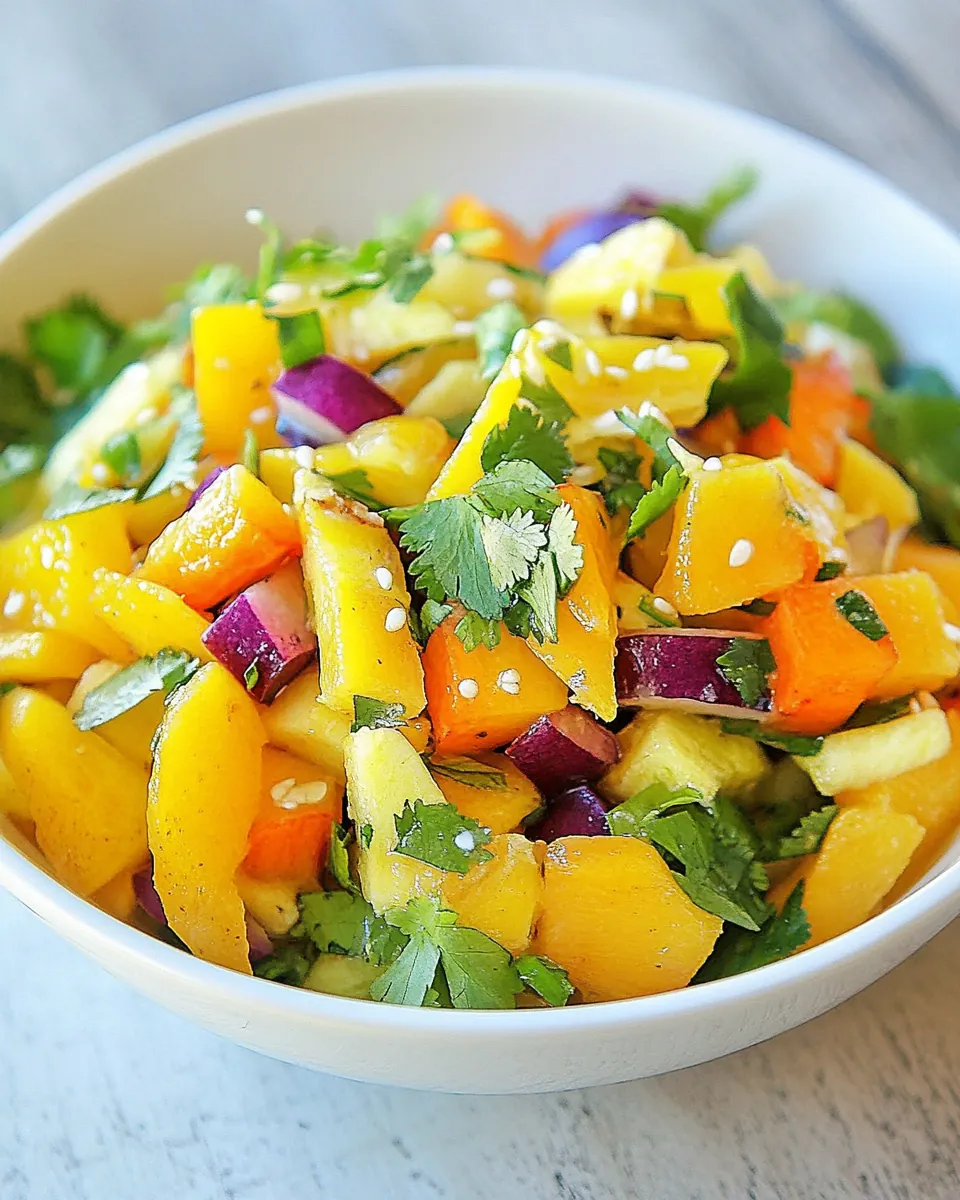
Asian Fruit Salad
Asian Fruit Salad is the bright bowl I reach for when I want something that tastes like sunlit afternoons and quick weekend gatherings. The first time I made this salad I was racing the clock between errands and a surprise tea with friends, and the combination of juicy mangoes and sweet mandarin oranges with crisp cabbage felt like a small celebration in a bowl. I remember nudging the dressing with a squeeze of lemon juice and thinking, that tiny tweak made everything sing.
My approach to Asian Fruit Salad is rooted in simplicity, I do not overcomplicate it. I want textures to play off each other, so I keep the carrot in thin matchsticks and the mangoes in confident cubes. On days when I need a dessert note without making a dessert, this salad fits the bill, because the light whipped cream and a touch of honey make the dressing playful rather than cloying. I often assemble it a bit ahead of time and let it rest, letting the flavors mingle and the cabbage soften just so.
Serving this is where little rituals matter to me. I like to chill the bowl so the citrusy dressing feels crisp on the tongue, and I always give it a gentle toss before bringing it to the table. Guests comment on the unexpectedness of cilantro with fruit, and I take that as a win because it gives the salad that fresh green note that balances the sweet. Whether I am packing it for a picnic or plating it for a weekday lunch, this combination never fails to feel both casual and considered.
Recipe Snapshot
10 mins
10 mins
Easy
250 kcal
Asian
Gluten-Free, Low FODMAP
Salads
Salad bowl, Whisk, Cutting board, Knife
The Beauty of This Asian Fruit Salad
Versatile and Light
I love how Asian Fruit Salad slips into so many roles, it can be a light lunch, a side for a fuller meal, or a refreshing sweet at the end of a meal. Because the ingredients are mostly raw and just lightly dressed, the salad stays bright and lively. I often rely on it when I want something that will not weigh people down, and that sense of levity is a major reason I reach for this recipe repeatedly.
Fast to Put Together
Speed is a big reason this salad stands out for me. With simple chopping and a quick whisk of dressing ingredients, you are ready in minutes. I appreciate recipes that respect my time but do not sacrifice flavor, and this salad hits that balance. It is the sort of dish I prepare when plans change and I need to pivot quickly, yet still serve something thoughtfully composed.
Great Texture Contrast
Texture is where this salad shines, the crunchy cabbage and crisp carrot contrast beautifully with soft, juicy mangoes and tender mandarin oranges. That interplay keeps every bite interesting. I enjoy how each forkful gives you a different combination of sensations, from snap to silk, and that variety keeps people coming back for more.
Layered, Balanced Flavor
The dressing is simple yet smart, the creaminess of the heavy whipping cream and the sweetness of the honey are brightened by the acidity of lemon juice. A little fresh cilantro introduces a green, herbal lift that prevents the salad from feeling one note. I find that these small flavor players work in concert to make a bowl that is both comforting and invigorating.
Kid Friendly and Crowd Pleasing
I often serve this when friends bring little ones, because the fruit elements usually win over picky eaters while the dressing remains mild enough to be broadly appealing. The colors are inviting, and the bite size pieces make it easy for everyone to dig in. For gatherings, the salad scales easily, which is another reason it has become a reliable favorite in my rotation.
Everything You Need for Asian Fruit Salad
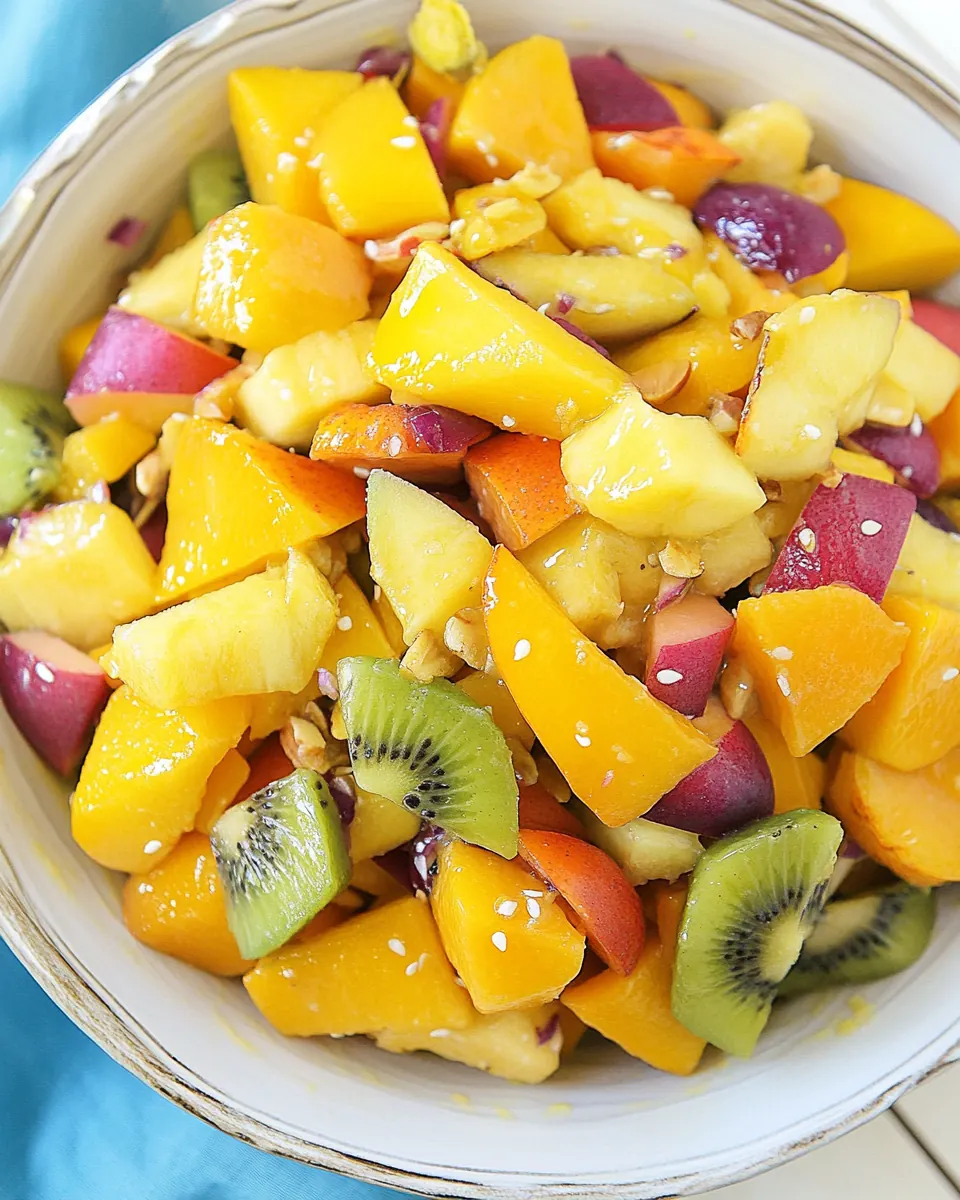
I approach the ingredient list for Asian Fruit Salad with a simple philosophy, choose crisp, juicy, and aromatic elements that complement each other. The key players are the crunchy cabbage and carrot for structure, the sweet mangoes and mandarin oranges for juicy contrast, and a silky dressing that ties everything together with a hint of herb from the cilantro. Each ingredient plays a clear role, making the salad balanced and lively.
- 1/4 cup cabbage, shredded: Shredded to add a crisp, slightly bitter crunch that balances sweeter fruit elements; provide texture contrast in each bite and help bulk the salad without overpowering flavors.
- 1/4 cup red cabbage, shredded: Shredded to contribute vibrant color and a mild, peppery note that enhances visual appeal; supply extra crunch and nutritional value like fiber and vitamins.
- 1/2 small carrot, peeled and cut into matchstick strips: Peeled and cut into matchstick strips to deliver a sweet-earthy crunch and delicate texture; offer structural variety and subtle sweetness that complements fruit pieces.
- 1 cup mangoes, cut into cubes: Cut into cubes to provide juicy, tropical sweetness and a soft, creamy texture; act as the primary fruit component, bringing aromatic flavor and natural syrupiness to the salad.
- 1/2 cup canned mandarin oranges, whole segments: Provided as whole segments to introduce bright citrus sweetness and tender juiciness; offer easy-to-eat bursts of flavor and balance richer components with acidity.
- 2 teaspoons cilantro, chopped: Chopped to impart fresh, herbaceous brightness and a hint of citrusy pungency; tie savory and sweet elements together while adding aromatic complexity.
- 1 cup heavy whipping cream: Whipped to create a rich, creamy base that binds ingredients and adds indulgent mouthfeel; mellow stronger flavors and lend body to the dressing for a cohesive salad.
- 1 tablespoon honey: Added to contribute floral sweetness and subtle depth to the dressing; help round out flavors and harmonize the cream with the fruit components.
- 1 tablespoon lemon juice: Squeezed to introduce bright acidity that balances sweetness and cuts through richness; enhance overall freshness and lift the flavors throughout the salad.
The Process for Making Asian Fruit Salad
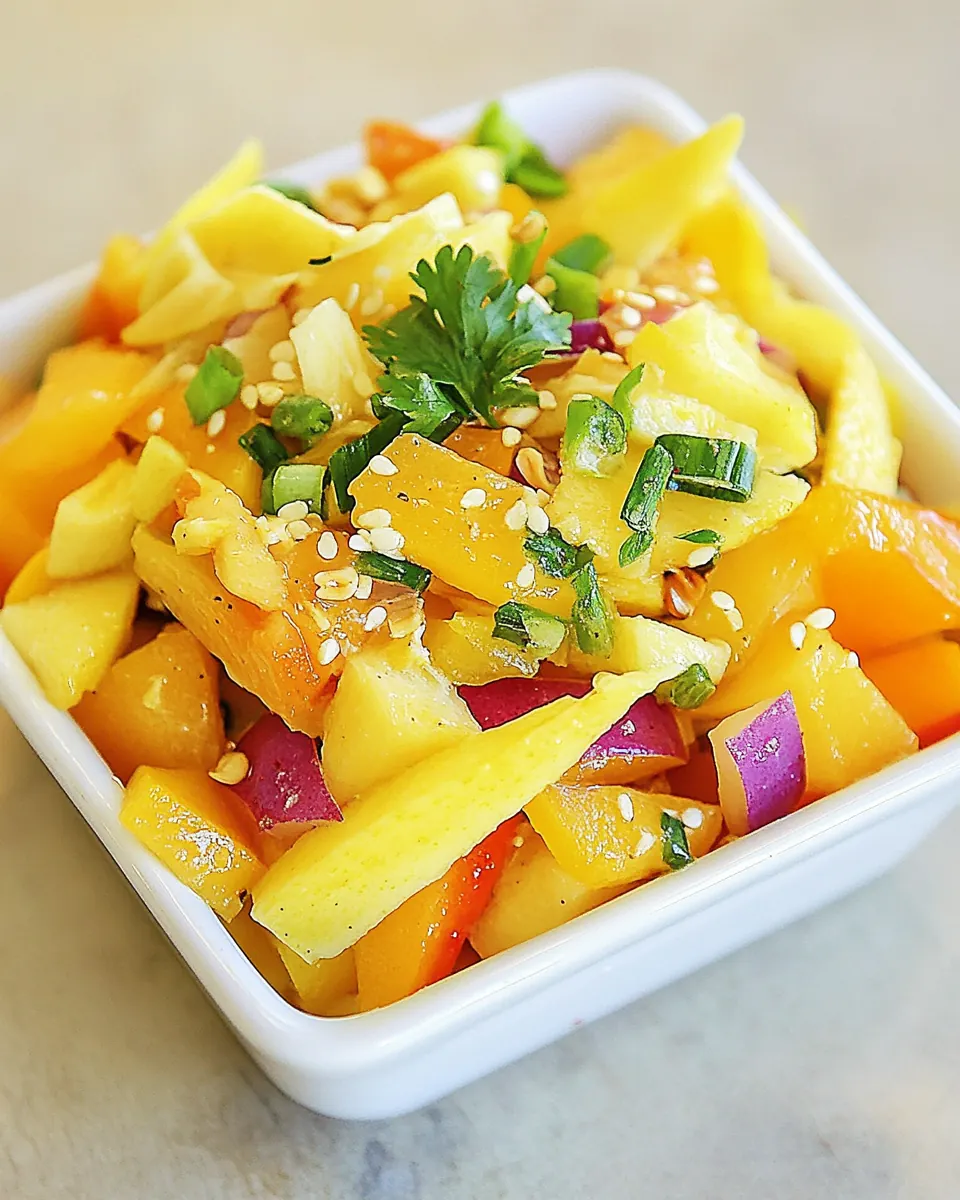
Making this salad is all about quick, thoughtful moves, and a little attention to texture and balance goes a long way. I like to prepare the dressing first so it has a moment to harmonize, then assemble the salad and chill briefly. Below I walk through each step with sensory cues, why it matters, and a common pitfall to avoid.
- Whisk all the dressing ingredients together and set aside.: Right after combining the heavy whipping cream , honey , and lemon juice you will notice the cream becomes shiny and slightly thickened, the aroma of citrus lifting the dairy note. This resting time lets the flavors marry, producing a more cohesive dressing. The dressings texture should be smooth, not lumpy, and you should hear only the gentle sound of whisking, not splashing, which indicates balanced viscosity. Why this matters, a well-emulsified dressing clings to fruit so every bite is flavorful, instead of letting syrup pool at the bottom. Troubleshooting, if the dressing separates, whisk vigorously for a minute and add a small splash of lemon juice to help bind it. Also avoid overwhisking into whipped peaks because that changes how it coats the fruit.
- In a salad bowl, combine the shredded cabbage, carrots, mangoes, mandarin oranges, and cilantro. Add the dressing, toss to combine well, and chill in the fridge for 30 minutes. Serve cold.: As you add the components into the bowl, you should see a mosaic of color, with the orange of mangoes and mandarin oranges punctuating the greens and purples of the cabbage . The sound here is subtle, a soft rustle as the vegetables settle and a gentle plop from fruit segments. Layering the sturdier items first prevents delicate pieces from being crushed when you toss. Why this matters, proper layering maintains integrity of softer fruits so they remain intact when mixed. Troubleshooting, if you cut the mangoes too small they may break down when tossed, creating a mushy texture, so keep the cubes substantial.
- Add the dressing, toss to combine well, and chill in the fridge for 30 minutes.: After dressing the bowl, toss gently with a large spoon until you see a light, even sheen on all pieces, and tiny droplets of dressing cling to surfaces. The chilling step is prized because it allows flavors to settle and textures to integrate, the cold also brightens the citrus notes making them pop against the cream. Why this matters, chilling prevents the salad from tasting flat and helps the cabbage soften just enough to be pleasant without turning limp. Troubleshooting, over-tossing can bruise the fruit and release excess juices, so fold carefully, and do not skip the chill time which keeps the salad refreshing. Also, be mindful of fridge temperature; too cold can mute flavors, so a standard chilled setting is ideal.
- Serve cold.: Serve the salad straight from the fridge so it is crisp and vibrant, you will notice the dressing feels cool and velvety and the fruit snaps with each bite. The contrast between chilled cream and sweet fruit is especially pleasing on a warm day. Why this matters, serving cold preserves texture and emphasizes the bright interplay of acid and sweet. Troubleshooting, if the salad has sat too long and released too much liquid, gently drain a little before serving and toss again to redistribute the dressing evenly, this rescues the texture without losing flavor.
Pro Tips and Tweaks
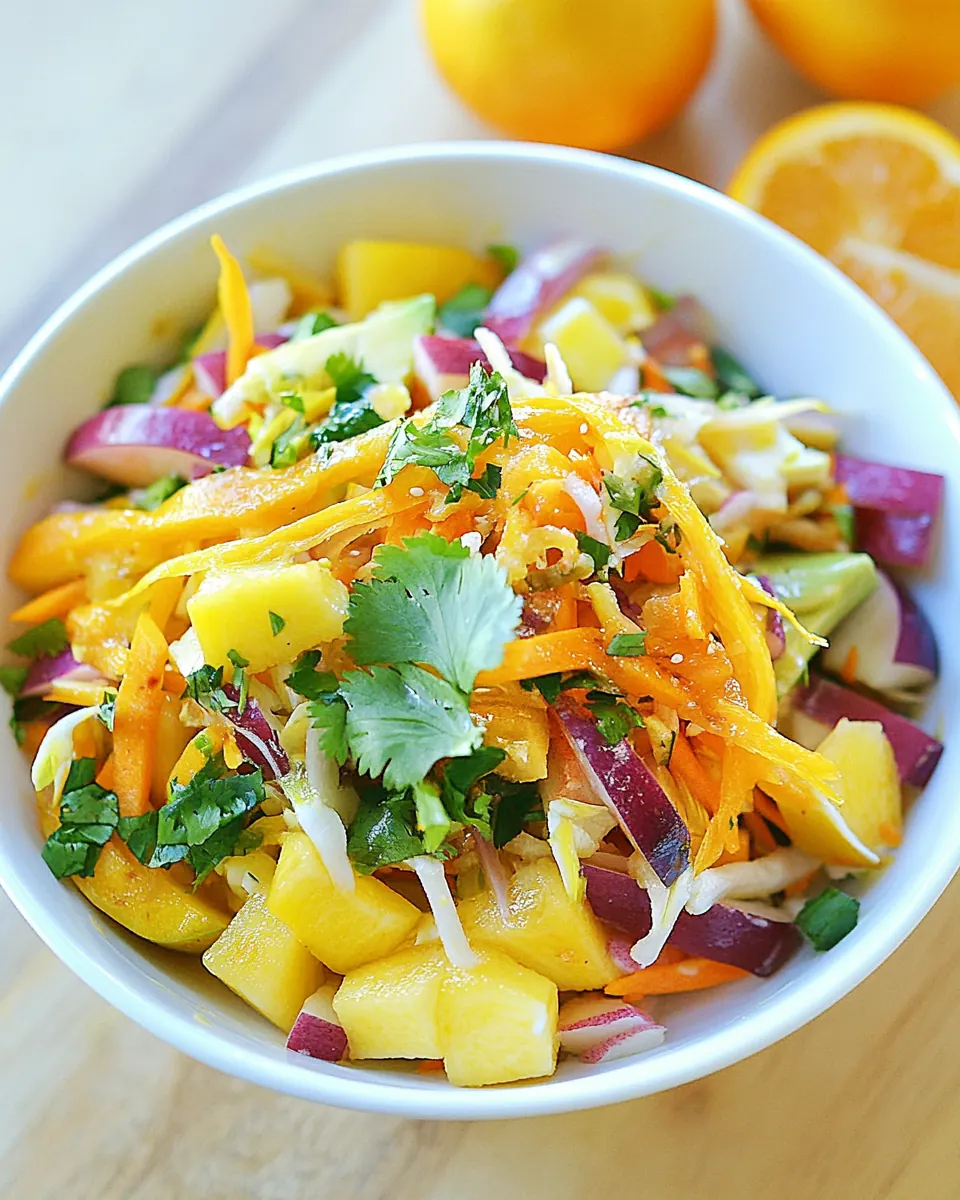
I like to think of small technique tweaks as the difference between good and great results, these pointers focus on picking, prepping, and presenting your salad so it always shines. Below you will find practical suggestions that are easy to apply and make a noticeable improvement.
- Pick ripe fruit Start with mangoes that yield slightly to pressure, they add juicy sweetness without becoming mushy, and their aroma helps you know they are ready.
- Drain citrus carefully Thoroughly drain the canned mandarin oranges and pat them dry if necessary, excess syrup makes the dressing thin and can water down the salad.
- Keep textures in mind Cut the cabbage and carrot finely so every bite includes a mix of crunch and softness, which keeps the salad satisfying.
- Taste the dressing Whisk the cream, honey, and lemon, then taste and adjust just a touch if you want it brighter or sweeter, small adjustments go a long way.
- Chill before serving Let the salad rest in the fridge for the recommended time so the flavors marry, serving cold preserves the crispness and lifts the citrus notes.
What to Pair With Asian Fruit Salad
This salad is surprisingly adaptable, it can accompany lighter mains, be part of a brunch spread, or act as a refreshing finish to a meal. Think about complementary textures and flavors, and choose pairings that enhance rather than compete. Below are serving ideas, occasions, and storage tips organized so you can match the salad to your event or meal plan.
- Light lunch pairing Serve alongside a simple grain bowl or a chilled noodle salad for a balanced midday meal, the fruit salad adds a sweet contrast to savory components.
- Brunch spread Include the salad on a brunch table with pastries and a savory tart, it brings a fresh, fruity counterpoint that helps cleanse the palate between heavier bites.
- Picnic option Pack in a sealed container and keep chilled, the salad travels well for outdoor meals and provides a bright, refreshing option on warm days.
- Occasions Ideal for summer gatherings, casual potlucks, or Ramadan if you want a cool, hydrating dish for iftar, the salad offers natural sweetness and lightness.
- Storage tips Keep leftovers in an airtight container in the fridge for up to 48 hours, but expect some softening of fruit and a small amount of liquid to form; drain before serving if necessary.
- Seasonal variations In summer, prioritize the ripest mangoes for peak flavor, and consider swapping canned mandarins for fresh segments when they are in season for a brighter citrus note.
FAQ
Conclusion
This recipe stands out because it marries bright, juicy fruit with crisp vegetables and a gently creamy dressing that keeps every bite interesting. Give it a try this week to enjoy a bowl that feels light, celebratory, and simple to prepare. I hope it becomes one of your go to salads for warm days, casual gatherings, or whenever you want an easy, fresh dish that still feels thoughtfully composed.
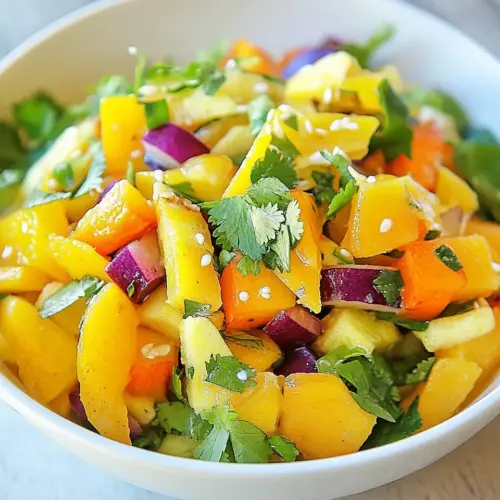
Asian Fruit Salad
Equipment
- Salad Bowl
- Whisk
- Cutting Board
- Knife
Ingredients
- 1/4 cup cabbage, shredded Shredded to add a crisp, slightly bitter crunch that balances sweeter fruit elements; provide texture contrast in each bite and help bulk the salad without overpowering flavors.
- 1/4 cup red cabbage, shredded Shredded to contribute vibrant color and a mild, peppery note that enhances visual appeal; supply extra crunch and nutritional value like fiber and vitamins.
- 1/2 small carrot, peeled and cut into matchstick strips Peeled and cut into matchstick strips to deliver a sweet-earthy crunch and delicate texture; offer structural variety and subtle sweetness that complements fruit pieces.
- 1 cup mangoes, cut into cubes Cut into cubes to provide juicy, tropical sweetness and a soft, creamy texture; act as the primary fruit component, bringing aromatic flavor and natural syrupiness to the salad.
- 1/2 cup canned mandarin oranges, whole segments Provided as whole segments to introduce bright citrus sweetness and tender juiciness; offer easy-to-eat bursts of flavor and balance richer components with acidity.
- 2 teaspoons cilantro, chopped Chopped to impart fresh, herbaceous brightness and a hint of citrusy pungency; tie savory and sweet elements together while adding aromatic complexity.
- 1 cup heavy whipping cream Whipped to create a rich, creamy base that binds ingredients and adds indulgent mouthfeel; mellow stronger flavors and lend body to the dressing for a cohesive salad.
- 1 tablespoon honey Added to contribute floral sweetness and subtle depth to the dressing; help round out flavors and harmonize the cream with the fruit components.
- 1 tablespoon lemon juice Squeezed to introduce bright acidity that balances sweetness and cuts through richness; enhance overall freshness and lift the flavors throughout the salad.
Instructions
- Whisk all the dressing ingredients together and set aside.: Right after combining the heavy whipping cream , honey , and lemon juice you will notice the cream becomes shiny and slightly thickened, the aroma of citrus lifting the dairy note. This resting time lets the flavors marry, producing a more cohesive dressing. The dressings texture should be smooth, not lumpy, and you should hear only the gentle sound of whisking, not splashing, which indicates balanced viscosity. Why this matters, a well-emulsified dressing clings to fruit so every bite is flavorful, instead of letting syrup pool at the bottom. Troubleshooting, if the dressing separates, whisk vigorously for a minute and add a small splash of lemon juice to help bind it. Also avoid overwhisking into whipped peaks because that changes how it coats the fruit.
- In a salad bowl, combine the shredded cabbage, carrots, mangoes, mandarin oranges, and cilantro. Add the dressing, toss to combine well, and chill in the fridge for 30 minutes. Serve cold.: As you add the components into the bowl, you should see a mosaic of color, with the orange of mangoes and mandarin oranges punctuating the greens and purples of the cabbage . The sound here is subtle, a soft rustle as the vegetables settle and a gentle plop from fruit segments. Layering the sturdier items first prevents delicate pieces from being crushed when you toss. Why this matters, proper layering maintains integrity of softer fruits so they remain intact when mixed. Troubleshooting, if you cut the mangoes too small they may break down when tossed, creating a mushy texture, so keep the cubes substantial.
- Add the dressing, toss to combine well, and chill in the fridge for 30 minutes.: After dressing the bowl, toss gently with a large spoon until you see a light, even sheen on all pieces, and tiny droplets of dressing cling to surfaces. The chilling step is prized because it allows flavors to settle and textures to integrate, the cold also brightens the citrus notes making them pop against the cream. Why this matters, chilling prevents the salad from tasting flat and helps the cabbage soften just enough to be pleasant without turning limp. Troubleshooting, over-tossing can bruise the fruit and release excess juices, so fold carefully, and do not skip the chill time which keeps the salad refreshing. Also, be mindful of fridge temperature; too cold can mute flavors, so a standard chilled setting is ideal.
- Serve cold.: Serve the salad straight from the fridge so it is crisp and vibrant, you will notice the dressing feels cool and velvety and the fruit snaps with each bite. The contrast between chilled cream and sweet fruit is especially pleasing on a warm day. Why this matters, serving cold preserves texture and emphasizes the bright interplay of acid and sweet. Troubleshooting, if the salad has sat too long and released too much liquid, gently drain a little before serving and toss again to redistribute the dressing evenly, this rescues the texture without losing flavor.
Notes
- Pick ripe fruit Start with mangoes that yield slightly to pressure, they add juicy sweetness without becoming mushy, and their aroma helps you know they are ready.
- Drain citrus carefully Thoroughly drain the canned mandarin oranges and pat them dry if necessary, excess syrup makes the dressing thin and can water down the salad.
- Keep textures in mind Cut the cabbage and carrot finely so every bite includes a mix of crunch and softness, which keeps the salad satisfying.
- Taste the dressing Whisk the cream, honey, and lemon, then taste and adjust just a touch if you want it brighter or sweeter, small adjustments go a long way.
- Chill before serving Let the salad rest in the fridge for the recommended time so the flavors marry, serving cold preserves the crispness and lifts the citrus notes.