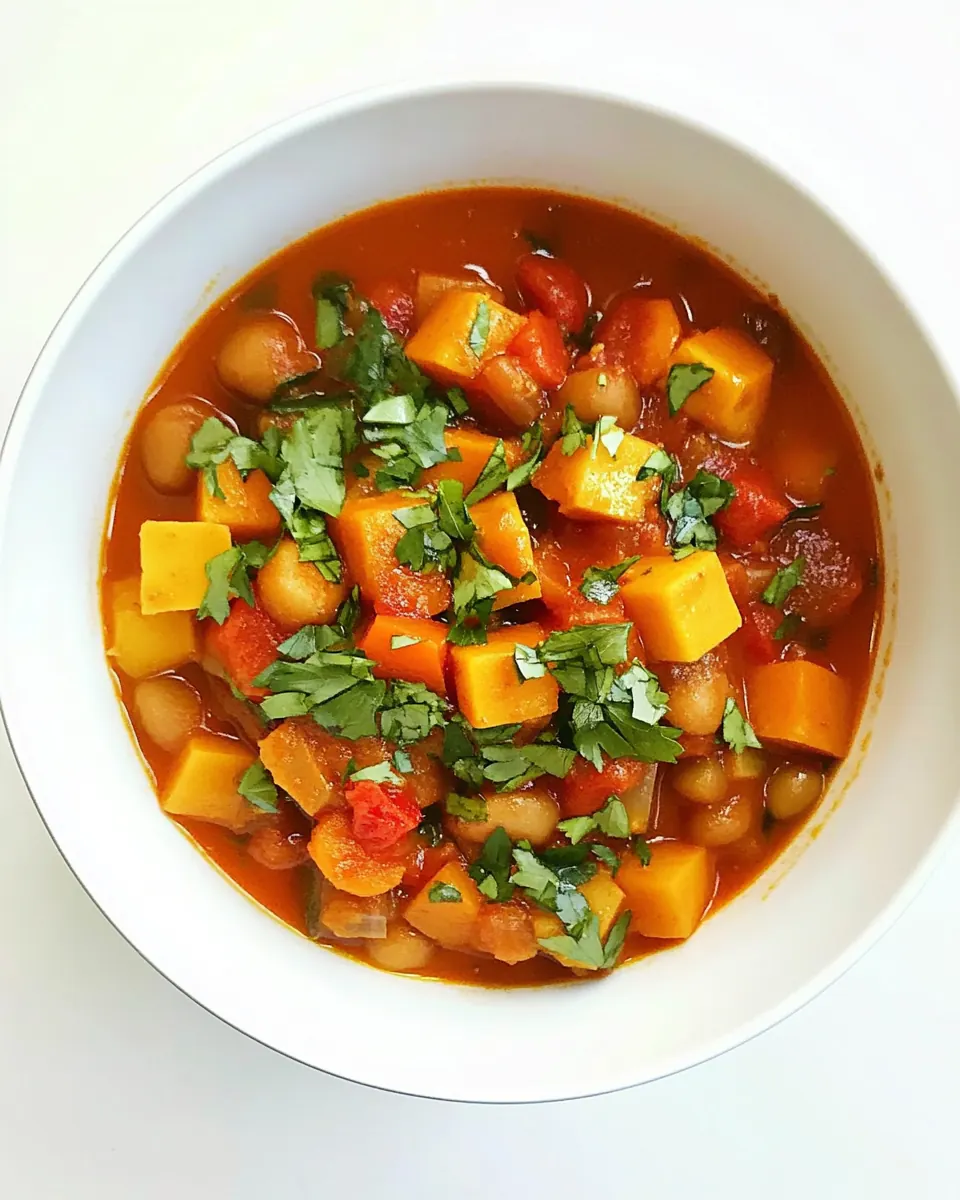
Moroccan Stew
Moroccan Stew has been a comfort anchor on my coldest evenings, a bowl that feels like a warm conversation with an old friend. I first learned this version from a neighbor who cooked for community dinners, and the first spoonful sent me straight back to those crowded kitchens where laughter mixed with steam. The combination of sweet potato, chickpeas, and a whisper of peanut butter struck me as both unexpected and perfectly balanced, and I still rely on this recipe when I want something nourishing and soulful.
Over time I adapted the recipe for pantry life, keeping the heart of the dish intact while simplifying technique and seasoning so it’s approachable on weeknights. What I love most is how forgiving it is, how the sweet potatoes soften into creamy pieces that carry the spices, while the chickpeas stay pleasantly firm. When I scoop a bowl, I always notice the aroma of ginger and cumin rising up, and that small bright hit of lemon juice at the end lifts everything, making it feel fresh rather than heavy.
Recipe Snapshot
55 mins
25 mins
30 mins
Medium
250 kcal
Moroccan
Gluten-Free, Vegan
Dinner
Large nonstick saucepan, Ladle, Knife, Cutting board, Measuring spoons and cups
Why This Moroccan Stew Works
Deep, layered flavor without fuss
I adore this pot because it builds complexity from simple moves. A short sauté of the aromatics lets the onions and garlic soften and sweeten, forming a base that carries the rest of the spices. The broth and tomatoes then weave together with the cumin and coriander seed, creating a stew that tastes like it simmered for hours even though it does not.
Comforting and hearty, yet bright
We get creamy texture from the sweet potatoes and protein rich bites from the chickpeas, while the lemon juice and cilantro at the finish add a lively counterpoint. That balance keeps the bowl satisfying without feeling heavy, perfect for evenings when you want warmth and clarity in one spoonful.
Pantry friendly and budget wise
I often reach for this when my fridge is sparse because it relies on canned staples like chopped tomatoes and chickpeas, plus a jar of peanut butter for richness. It stretches easily to feed a crowd, and reheats beautifully so leftovers are still excellent the next day.
Textural interest in every bite
The interplay of tender sweet potatoes, firm chickpeas, and the soft pop of golden raisins keeps each spoonful engaging. The final stir of peanut butter makes the broth silkier, while the cilantro adds a fresh contrast.
Quick to pull together
Although it tastes like comfort cooking, the hands on time is short. You can have a satisfying dinner in under an hour, which is why this recipe has become a weeknight favorite for us.
Shopping List for Moroccan Stew
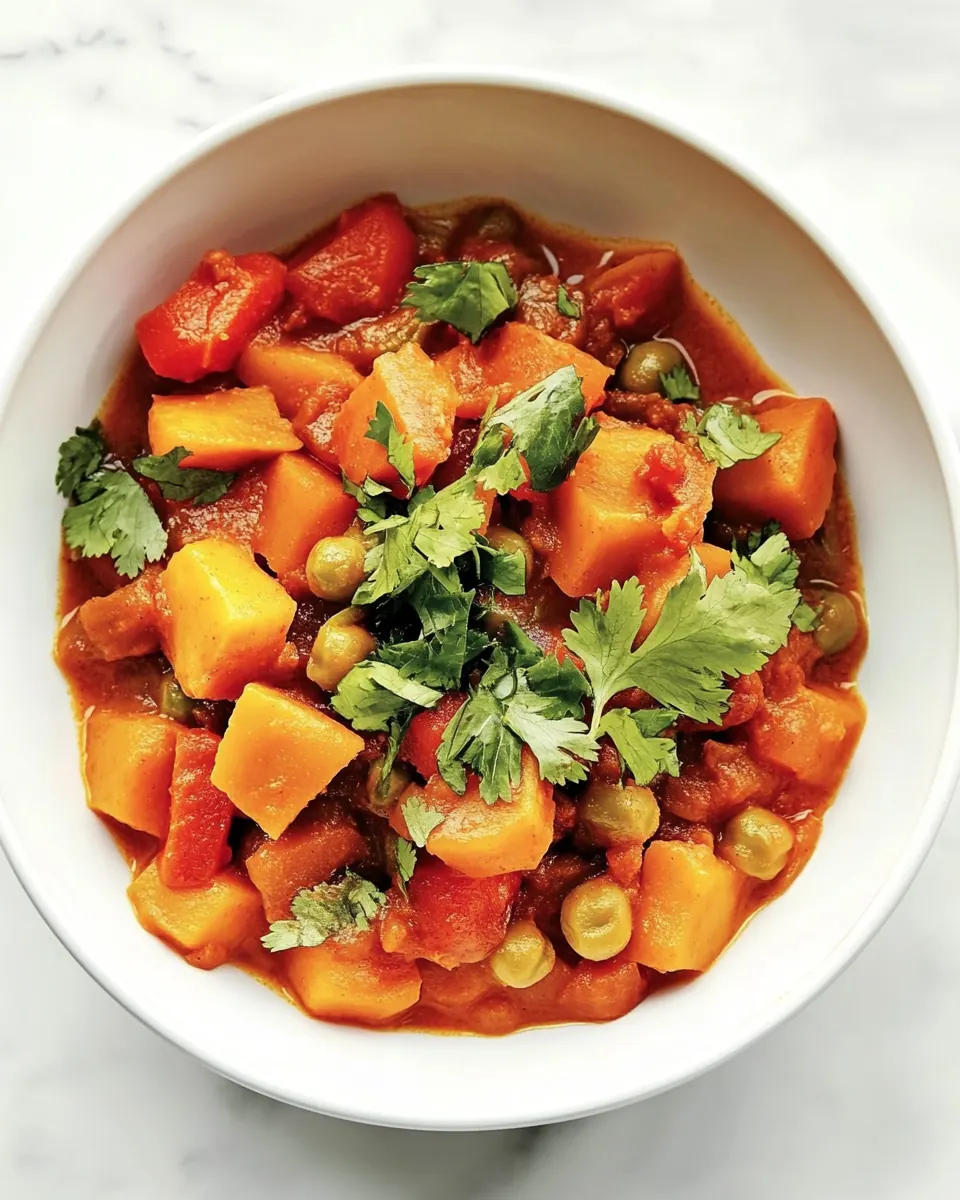
This recipe leans on bold, aromatic components that work in concert. The key players are the starchy sweet potatoes which lend body, the protein rich chickpeas which add chew, and the warm spices that create the Moroccan inspired profile. I think of the rest as supporting cast, each contributing texture or a bright note so the finished stew is balanced and lively.
- 2 teaspoons olive oil: Sauté in a pan to provide a fragrant cooking medium and fruity richness that helps soften aromatics and bind flavors throughout the stew. Use sparingly to maintain a balanced, heart-healthy profile while delivering a subtle Mediterranean character.
- 1 cup chopped onions: Sweat until translucent to form the aromatic base that adds natural sweetness and depth to the stew; cook gently to avoid caramelization for a mellow backbone. Chop uniformly to ensure even cooking and texture harmony with other vegetables.
- 1/2 cup diced celery: Cook briefly to contribute a mild vegetal crunch and subtle savory notes that complement sweeter root vegetables; diced celery releases moisture and aromatic compounds. Keep pieces consistent for even tenderness and balanced mouthfeel in each spoonful.
- 1/2 cup chopped green bell pepper: Sauté to add a bright, slightly bitter note and fresh green color that contrasts the sweeter components; chopping ensures quick softening and flavor release. Adjust quantity to control the stew's vegetal brightness without overpowering other spices.
- 1 medium garlic clove, minced: Mince finely to release pungent, aromatic oils that infuse the stew with savory depth and a lingering warmth; add early in cooking to mellow harshness. Use a single clove to provide subtle complexity without dominating the profile.
- 3 cups vegetable broth: Simmer as the primary cooking liquid that melds all ingredients, concentrates flavors, and controls stew consistency; choose a vegetable-based stock to keep the dish vegetarian. Heat gently to extract aromatics from spices and vegetables without boiling away delicate notes.
- 3 cups peeled and cubed sweet potatoes: Simmer until tender to contribute natural sweetness, creamy texture, and body to the stew; cubed sweet potatoes also help thicken the broth as their starches release. Peel and cut uniformly to ensure even cooking and a cohesive mouthfeel.
- One 14.5-ounce can chopped tomatoes, drained: Stir in to provide bright acidity, tomatoey umami, and textural interest; draining moderates excess liquid so the stew remains hearty. Use canned tomatoes for convenience and consistent flavor year-round.
- One 15-ounce can chickpeas, drained and rinsed: Add for substantial protein, fiber, and a buttery texture that complements the sweet potatoes and spices; rinsing removes packing liquid to control sodium. Incorporate late enough to warm through while maintaining shape and bite.
- 1 tablespoon freshly squeezed lemon juice: Squeeze fresh to brighten and balance the stew's richness with lively acidity and citrus aroma; add toward the end to preserve freshness. Freshly squeezed juice ensures a clean, tangy lift that enhances other spices.
- 2 teaspoons grated fresh ginger: Grate finely to introduce warm, peppery, and slightly floral heat that enhances aromatic complexity; fresh ginger adds a bright, zesty counterpoint to sweeter ingredients. Incorporate early to infuse the broth or add later for more pronounced zing.
- 1 teaspoon ground cumin: Sprinkle to contribute warm, earthy, and slightly smoky notes that support other North African–inspired spices; use measured amounts to avoid overpowering. Ground cumin ties together the vegetable and legume components for cohesive flavor.
- 1 teaspoon curry powder: Add to impart a mild, rounded warmth and subtle sweet-spice complexity that complements cumin and coriander; choose a balanced curry blend to suit the dish. Use sparingly to maintain the stew's Moroccan-inspired profile without making it overtly Indian.
- 1 teaspoon ground coriander seed: Stir in to provide citrusy, floral, and slightly sweet undertones that enhance the spice blend and brighten the overall flavor; ground coriander adds delicate complexity. Combine with cumin and ginger for a layered aromatic base.
- 1 teaspoon chili powder: Season to introduce gentle heat and a smoky, earthy backbone that lifts the stew's flavors; balance amount to match desired spiciness. Chili powder enhances depth without overwhelming the sweeter and tangy elements.
- 1/2 teaspoon salt: Season to control overall taste and bring out natural flavors while maintaining balance; adjust to dietary needs. Dissolve into the broth early to ensure even seasoning throughout the stew.
- 1/4 teaspoon ground black pepper: Grind to lightly season and add sharp, aromatic bite that contrasts the stew's sweeter components; use fresh cracked pepper for best aroma. Add during cooking to distribute its nuanced heat evenly.
- 1/4 cup golden raisins: Stir in to add concentrated pockets of caramelized sweetness and chewy texture that complement savory and spicy notes; soak briefly if desired to plump them. Golden raisins contribute a pleasant sweet-sour contrast within each spoonful.
- 2 tablespoons creamy peanut butter: Whisk in to provide a creamy, nutty richness and subtle binding quality that lends body and silkiness to the broth; peanut butter also adds protein. Incorporate gradually while stirring to achieve a smooth, emulsified texture.
- 2 tablespoons chopped fresh cilantro: Garnish to deliver fresh, herbaceous brightness and a pop of color that finishes the stew with lively aroma; chop just before serving for maximum freshness. Cilantro enhances the dish's overall freshness and balances richer flavors.
Step by Step Instructions for Moroccan Stew
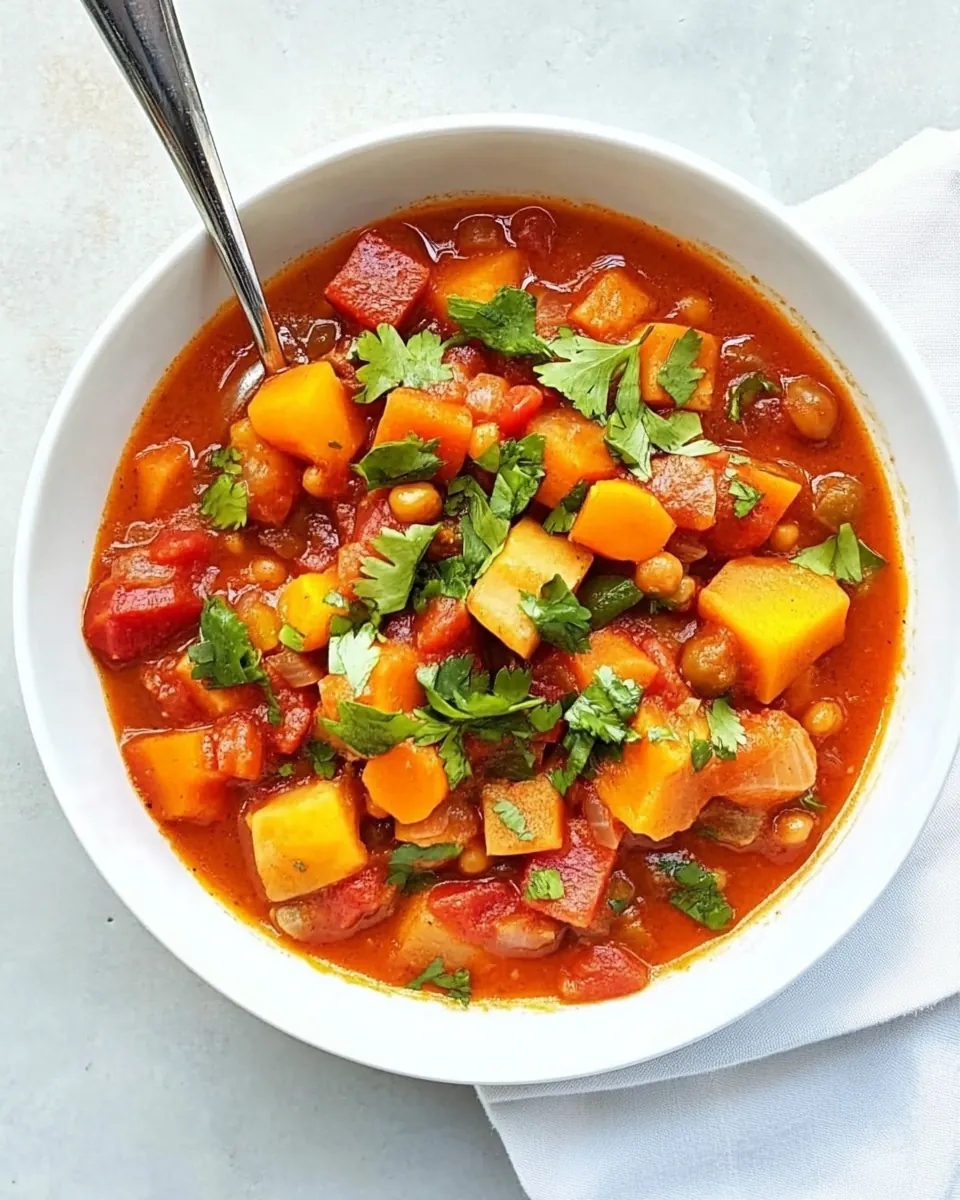
These steps turn pantry staples into a cozy, spice forward bowl. I like to move steadily so the aromatics soften gently and the sweet potatoes cook evenly. Below I expand each direction into rich, sensory guided steps so you know when you are on track.
- Heat olive oil in a large, nonstick saucepan over medium high heat. Add the onions, celery, green pepper and garlic. Cook and stir until vegetables begin to soften, about 3 minutes.: As the oil warms, you should see a slight shimmer and hear a faint whisper as it settles, signaling the right moment to add aromatics. The aroma of hot oil preps the pan so the onions and garlic can release their flavors quickly, creating a fragrant base. If the oil smokes, lower the temperature immediately otherwise it will impart bitterness. One common mistake is rushing this step by using too high heat which browns the aromatics too fast; keep the heat medium high so they soften without burning.
- Add all remaining ingredients, except raisins, peanut butter and cilantro. Bring to a boil. Reduce heat to low and simmer, covered, for 20 minutes.: When these go in, you will hear a lively sizzle and smell a fresh vegetable sweetness beginning to bloom. Stir them so the pieces make gentle contact with the pan, softening until they are translucent and slightly tender, about three minutes. The sound will shift from loud sizzle to a softer hiss as moisture releases, that is your cue. Avoid crowding the pan which causes steaming instead of sautéing, and resist the urge to salt early or the vegetables will weep excessively.
- Stir in raisins, peanut butter and cilantro, mixing well. Simmer for 5 more minutes. Serve hot.: You will notice the edges of the onions turning slightly glossy and the aroma getting rounder and sweeter. This softening stage allows the spices to cling and bloom on the softened vegetables, which deepens flavor. If pieces are sticking, lower the heat and add a splash of broth to deglaze, scraping the fond for extra taste. A typical error is undercooking here, which leaves raw onion sharpness in the final stew.
- Add all remaining ingredients, except raisins, peanut butter and cilantro: Pour in the vegetable broth , chopped tomatoes , sweet potatoes , chickpeas , and the full spice lineup. As the liquid hits the pan, you will hear a bubbling that transforms into a steady simmer; aromas of cumin and ginger will lift immediately. Stir to incorporate so the starch from the potatoes begins to mingle with the broth, which will thicken slightly as it cooks. Avoid dumping everything at too high heat, which can shock the broth and make it evaporate too quickly, leaving the potatoes unevenly cooked.
- Bring to a boil: The moment you raise the heat to bring the pot to a boil, watch for vigorous rolling bubbles and increased steam. That strong boil helps the sweet potatoes come up to temperature uniformly, but only keep it at a full boil long enough to evenly raise the temperature, then lower the heat to maintain a gentle simmer. Boiling too long will break apart the potatoes excessively and can make the broth thin, so reduce heat promptly when the water is moving actively.
- Reduce heat to low and simmer, covered, for 20 minutes: Slip the lid on so the steam circulates and gently cooks the sweet potatoes through. You should hear a low murmur of bubbles and the aroma will concentrate into the pan. At about fifteen to twenty minutes, pierce a potato cube with a fork; it should offer little resistance yet still hold shape. Over simmering will cause the potatoes to disintegrate into the broth, while under simmering leaves them undercooked. If the broth reduces too much, add a splash of additional vegetable broth .
- Stir in raisins, peanut butter and cilantro, mixing well: When you fold in the golden raisins , peanut butter , and cilantro , the stew will take on new texture and aroma. The raisins will plump and sweeten small pockets, the peanut butter will melt into a glossy silk, and the cilantro will add a bright herbal lift. Smell for a hint of nuttiness and sweetness together, and taste to balance salt and acidity. If the peanut butter lumps, stir vigorously and warm gently until it fully integrates. A mistake here is adding herbs too early which dulls their freshness.
- Mixing well: After everything is combined, let the pot sit on low heat for a few minutes so flavors marry and the peanut butter melds smoothly into the broth. The surface should glisten and the scent should be rounded and layered, with ginger and cumin prominent but not sharp. If the texture feels too thick, loosen with a spoonful of vegetable broth . Avoid overcooking once mixed, as the cilantro will wilt and lose its brightness.
- Simmer for 5 more minutes: A short additional simmer allows the raisins to reach the perfect plumpness and ensures the stew is uniformly warmed for serving. Listen for a gentle simmer and watch the edges for small, even bubbles. This brief finish helps the flavors settle; just be careful not to simmer too long or the fresh herbs will fade and the peanut butter may separate.
- Serve hot: Ladle the stew into bowls while it is steaming, noticing the deep, warm aroma and the glossy surface. The first spoon should offer contrasts of tender sweet potato , firm chickpea , and soft bursts of raisin , with a silky broth and a bright herb finish. If serving later, the stew holds and often tastes even better after a short rest as the flavors settle. A common slip is leaving it uncovered which causes excessive reduction, so keep it covered until plating.
Make It Your Own
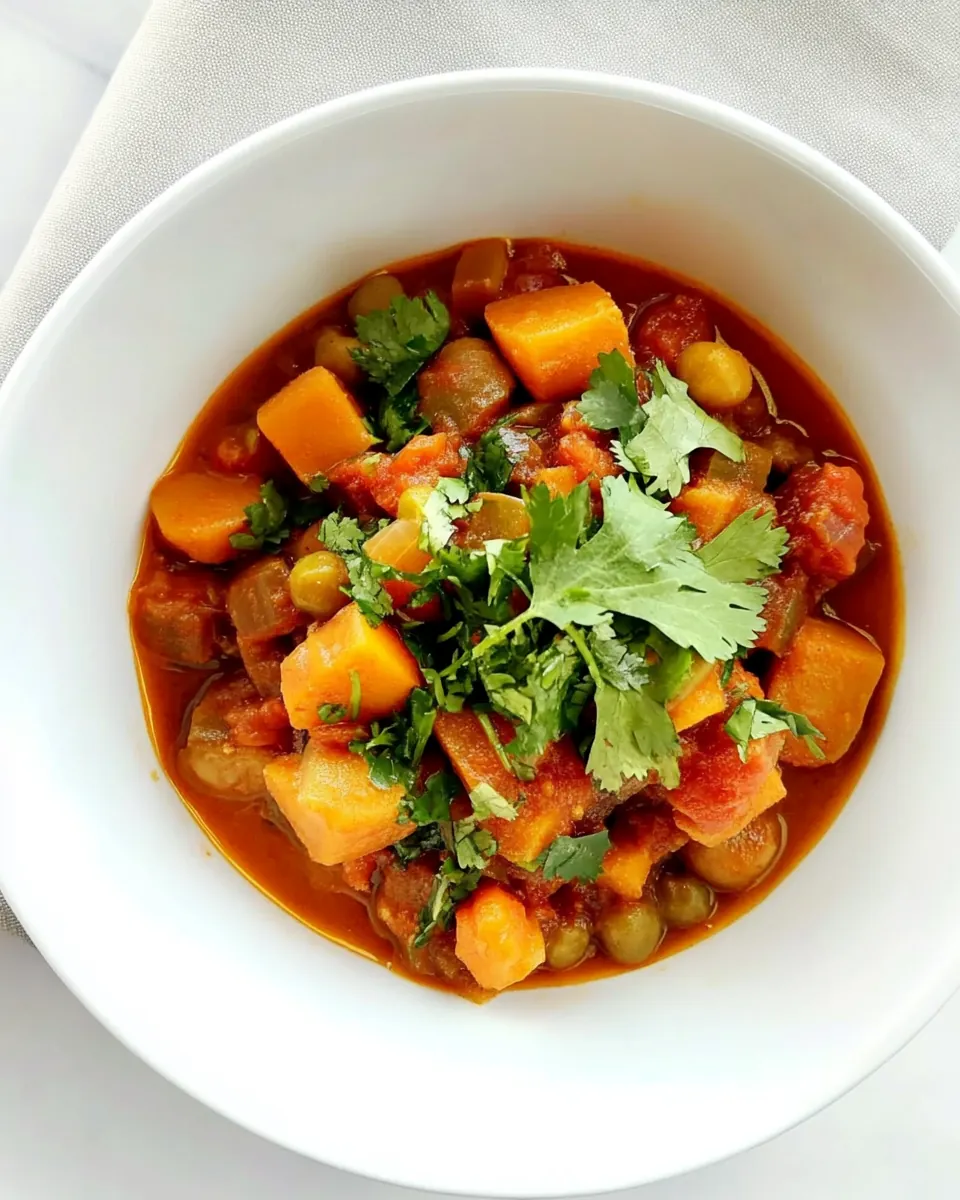
This section helps you personalize the Moroccan Stew while preserving its soul. Small swaps or accent additions can make the bowl your own without changing the cooking process. Below I expand the note you provided into practical tips to keep this adaptable and friendly for different diets.
- Check ingredient labels If you are preparing this recipe as gluten free, be sure to use brands of chickpeas, vegetable broth and peanut butter that are labeled gluten free to avoid hidden gluten in packaged items.
- Adjust the spice levels Taste as you go and add the chili powder incrementally so the stew finishes at a heat level you enjoy without overwhelming the fragrant spices.
- Swap texture by mashing If you prefer a thicker, creamier broth, reserve a cup of cooked sweet potatoes, mash them and stir back into the pot to naturally thicken and enrich the stew.
- Freshen with citrus A final squeeze of lemon juice brightens the whole bowl, so add it a bit at a time and adjust to your taste for balanced acidity.
- Use herbs strategically Add most of the cilantro at the end for freshness, reserving a small amount as a garnish so each bowl looks and smells lively.
Serving Suggestions
This stew is versatile for many meals and gatherings. You can present it simply as a hearty weeknight dinner, or elevate it for special occasions by pairing it with complementary sides and garnishes. Below are detailed ways to serve and store the dish depending on the occasion and season.
- Weeknight dinner Serve bowls of hot Moroccan Stew with a wedge of lemon on the side for diners to add extra brightness, making it a quick and comforting evening meal.
- Family style for gatherings Ladle the stew into a large communal pot placed on a trivet so guests can help themselves, and provide chopped fresh cilantro for sprinkling to keep the flavors bright and interactive.
- Ramadan or special occasions This warm, nourishing bowl works well for iftar as it is both filling and easy to digest, offering a balance of carbohydrates and protein to restore energy after fasting.
- Leftover strategy Store cooled stew in airtight containers in the fridge for up to four days; the flavors typically deepen overnight making leftovers particularly satisfying.
- Freezing guidance Freeze in portion sized containers for up to three months, leaving headspace so the liquid can expand; thaw overnight in the fridge and reheat gently on the stove, adding a splash of vegetable broth if it has thickened too much.
- Seasonal pairings In winter, serve with warm flatbread or rice to make the meal extra comforting, while in milder months a crisp green salad on the side will add a refreshing counterpoint.
FAQ
Conclusion
This recipe shines because it balances warm North African spices with hearty sweet potatoes and protein rich chickpeas, resulting in a bowl that is both comforting and bright. I encourage you to give it a try on a chilly evening, and notice how the simple techniques build depth and warmth. It is forgiving, pantry friendly, and scales well, so whether you are cooking for one or many, this stew offers dependable, satisfying results that reward a little stirring and a patient simmer.
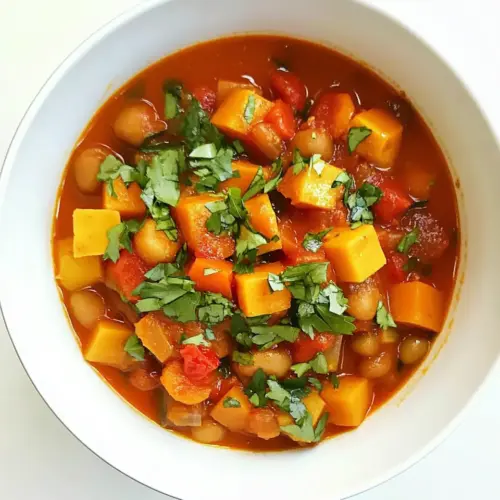
Moroccan Stew
Equipment
- Large nonstick saucepan
- Ladle
- Knife
- Cutting Board
- Measuring spoons and cups
Ingredients
- 2 teaspoons olive oil Sauté in a pan to provide a fragrant cooking medium and fruity richness that helps soften aromatics and bind flavors throughout the stew. Use sparingly to maintain a balanced, heart-healthy profile while delivering a subtle Mediterranean character.
- 1 cup chopped onions Sweat until translucent to form the aromatic base that adds natural sweetness and depth to the stew; cook gently to avoid caramelization for a mellow backbone. Chop uniformly to ensure even cooking and texture harmony with other vegetables.
- 1/2 cup diced celery Cook briefly to contribute a mild vegetal crunch and subtle savory notes that complement sweeter root vegetables; diced celery releases moisture and aromatic compounds. Keep pieces consistent for even tenderness and balanced mouthfeel in each spoonful.
- 1/2 cup chopped green bell pepper Sauté to add a bright, slightly bitter note and fresh green color that contrasts the sweeter components; chopping ensures quick softening and flavor release. Adjust quantity to control the stew's vegetal brightness without overpowering other spices.
- 1 medium garlic clove, minced Mince finely to release pungent, aromatic oils that infuse the stew with savory depth and a lingering warmth; add early in cooking to mellow harshness. Use a single clove to provide subtle complexity without dominating the profile.
- 3 cups vegetable broth Simmer as the primary cooking liquid that melds all ingredients, concentrates flavors, and controls stew consistency; choose a vegetable-based stock to keep the dish vegetarian. Heat gently to extract aromatics from spices and vegetables without boiling away delicate notes.
- 3 cups peeled and cubed sweet potatoes Simmer until tender to contribute natural sweetness, creamy texture, and body to the stew; cubed sweet potatoes also help thicken the broth as their starches release. Peel and cut uniformly to ensure even cooking and a cohesive mouthfeel.
- One 14.5-ounce can chopped tomatoes, drained Stir in to provide bright acidity, tomatoey umami, and textural interest; draining moderates excess liquid so the stew remains hearty. Use canned tomatoes for convenience and consistent flavor year-round.
- One 15-ounce can chickpeas, drained and rinsed Add for substantial protein, fiber, and a buttery texture that complements the sweet potatoes and spices; rinsing removes packing liquid to control sodium. Incorporate late enough to warm through while maintaining shape and bite.
- 1 tablespoon freshly squeezed lemon juice Squeeze fresh to brighten and balance the stew's richness with lively acidity and citrus aroma; add toward the end to preserve freshness. Freshly squeezed juice ensures a clean, tangy lift that enhances other spices.
- 2 teaspoons grated fresh ginger Grate finely to introduce warm, peppery, and slightly floral heat that enhances aromatic complexity; fresh ginger adds a bright, zesty counterpoint to sweeter ingredients. Incorporate early to infuse the broth or add later for more pronounced zing.
- 1 teaspoon ground cumin Sprinkle to contribute warm, earthy, and slightly smoky notes that support other North African–inspired spices; use measured amounts to avoid overpowering. Ground cumin ties together the vegetable and legume components for cohesive flavor.
- 1 teaspoon curry powder Add to impart a mild, rounded warmth and subtle sweet-spice complexity that complements cumin and coriander; choose a balanced curry blend to suit the dish. Use sparingly to maintain the stew's Moroccan-inspired profile without making it overtly Indian.
- 1 teaspoon ground coriander seed Stir in to provide citrusy, floral, and slightly sweet undertones that enhance the spice blend and brighten the overall flavor; ground coriander adds delicate complexity. Combine with cumin and ginger for a layered aromatic base.
- 1 teaspoon chili powder Season to introduce gentle heat and a smoky, earthy backbone that lifts the stew's flavors; balance amount to match desired spiciness. Chili powder enhances depth without overwhelming the sweeter and tangy elements.
- 1/2 teaspoon salt Season to control overall taste and bring out natural flavors while maintaining balance; adjust to dietary needs. Dissolve into the broth early to ensure even seasoning throughout the stew.
- 1/4 teaspoon ground black pepper Grind to lightly season and add sharp, aromatic bite that contrasts the stew's sweeter components; use fresh cracked pepper for best aroma. Add during cooking to distribute its nuanced heat evenly.
- 1/4 cup golden raisins Stir in to add concentrated pockets of caramelized sweetness and chewy texture that complement savory and spicy notes; soak briefly if desired to plump them. Golden raisins contribute a pleasant sweet-sour contrast within each spoonful.
- 2 tablespoons creamy peanut butter Whisk in to provide a creamy, nutty richness and subtle binding quality that lends body and silkiness to the broth; peanut butter also adds protein. Incorporate gradually while stirring to achieve a smooth, emulsified texture.
- 2 tablespoons chopped fresh cilantro Garnish to deliver fresh, herbaceous brightness and a pop of color that finishes the stew with lively aroma; chop just before serving for maximum freshness. Cilantro enhances the dish's overall freshness and balances richer flavors.
Instructions
- Heat olive oil in a large, nonstick saucepan over medium high heat. Add the onions, celery, green pepper and garlic. Cook and stir until vegetables begin to soften, about 3 minutes.: As the oil warms, you should see a slight shimmer and hear a faint whisper as it settles, signaling the right moment to add aromatics. The aroma of hot oil preps the pan so the onions and garlic can release their flavors quickly, creating a fragrant base. If the oil smokes, lower the temperature immediately otherwise it will impart bitterness. One common mistake is rushing this step by using too high heat which browns the aromatics too fast; keep the heat medium high so they soften without burning.
- Add all remaining ingredients, except raisins, peanut butter and cilantro. Bring to a boil. Reduce heat to low and simmer, covered, for 20 minutes.: When these go in, you will hear a lively sizzle and smell a fresh vegetable sweetness beginning to bloom. Stir them so the pieces make gentle contact with the pan, softening until they are translucent and slightly tender, about three minutes. The sound will shift from loud sizzle to a softer hiss as moisture releases, that is your cue. Avoid crowding the pan which causes steaming instead of sautéing, and resist the urge to salt early or the vegetables will weep excessively.
- Stir in raisins, peanut butter and cilantro, mixing well. Simmer for 5 more minutes. Serve hot.: You will notice the edges of the onions turning slightly glossy and the aroma getting rounder and sweeter. This softening stage allows the spices to cling and bloom on the softened vegetables, which deepens flavor. If pieces are sticking, lower the heat and add a splash of broth to deglaze, scraping the fond for extra taste. A typical error is undercooking here, which leaves raw onion sharpness in the final stew.
- Add all remaining ingredients, except raisins, peanut butter and cilantro: Pour in the vegetable broth , chopped tomatoes , sweet potatoes , chickpeas , and the full spice lineup. As the liquid hits the pan, you will hear a bubbling that transforms into a steady simmer; aromas of cumin and ginger will lift immediately. Stir to incorporate so the starch from the potatoes begins to mingle with the broth, which will thicken slightly as it cooks. Avoid dumping everything at too high heat, which can shock the broth and make it evaporate too quickly, leaving the potatoes unevenly cooked.
- Bring to a boil: The moment you raise the heat to bring the pot to a boil, watch for vigorous rolling bubbles and increased steam. That strong boil helps the sweet potatoes come up to temperature uniformly, but only keep it at a full boil long enough to evenly raise the temperature, then lower the heat to maintain a gentle simmer. Boiling too long will break apart the potatoes excessively and can make the broth thin, so reduce heat promptly when the water is moving actively.
- Reduce heat to low and simmer, covered, for 20 minutes: Slip the lid on so the steam circulates and gently cooks the sweet potatoes through. You should hear a low murmur of bubbles and the aroma will concentrate into the pan. At about fifteen to twenty minutes, pierce a potato cube with a fork; it should offer little resistance yet still hold shape. Over simmering will cause the potatoes to disintegrate into the broth, while under simmering leaves them undercooked. If the broth reduces too much, add a splash of additional vegetable broth .
- Stir in raisins, peanut butter and cilantro, mixing well: When you fold in the golden raisins , peanut butter , and cilantro , the stew will take on new texture and aroma. The raisins will plump and sweeten small pockets, the peanut butter will melt into a glossy silk, and the cilantro will add a bright herbal lift. Smell for a hint of nuttiness and sweetness together, and taste to balance salt and acidity. If the peanut butter lumps, stir vigorously and warm gently until it fully integrates. A mistake here is adding herbs too early which dulls their freshness.
- Mixing well: After everything is combined, let the pot sit on low heat for a few minutes so flavors marry and the peanut butter melds smoothly into the broth. The surface should glisten and the scent should be rounded and layered, with ginger and cumin prominent but not sharp. If the texture feels too thick, loosen with a spoonful of vegetable broth . Avoid overcooking once mixed, as the cilantro will wilt and lose its brightness.
- Simmer for 5 more minutes: A short additional simmer allows the raisins to reach the perfect plumpness and ensures the stew is uniformly warmed for serving. Listen for a gentle simmer and watch the edges for small, even bubbles. This brief finish helps the flavors settle; just be careful not to simmer too long or the fresh herbs will fade and the peanut butter may separate.
- Serve hot: Ladle the stew into bowls while it is steaming, noticing the deep, warm aroma and the glossy surface. The first spoon should offer contrasts of tender sweet potato , firm chickpea , and soft bursts of raisin , with a silky broth and a bright herb finish. If serving later, the stew holds and often tastes even better after a short rest as the flavors settle. A common slip is leaving it uncovered which causes excessive reduction, so keep it covered until plating.
Notes
- Check ingredient labels If you are preparing this recipe as gluten free, be sure to use brands of chickpeas, vegetable broth and peanut butter that are labeled gluten free to avoid hidden gluten in packaged items.
- Adjust the spice levels Taste as you go and add the chili powder incrementally so the stew finishes at a heat level you enjoy without overwhelming the fragrant spices.
- Swap texture by mashing If you prefer a thicker, creamier broth, reserve a cup of cooked sweet potatoes, mash them and stir back into the pot to naturally thicken and enrich the stew.
- Freshen with citrus A final squeeze of lemon juice brightens the whole bowl, so add it a bit at a time and adjust to your taste for balanced acidity.
- Use herbs strategically Add most of the cilantro at the end for freshness, reserving a small amount as a garnish so each bowl looks and smells lively.