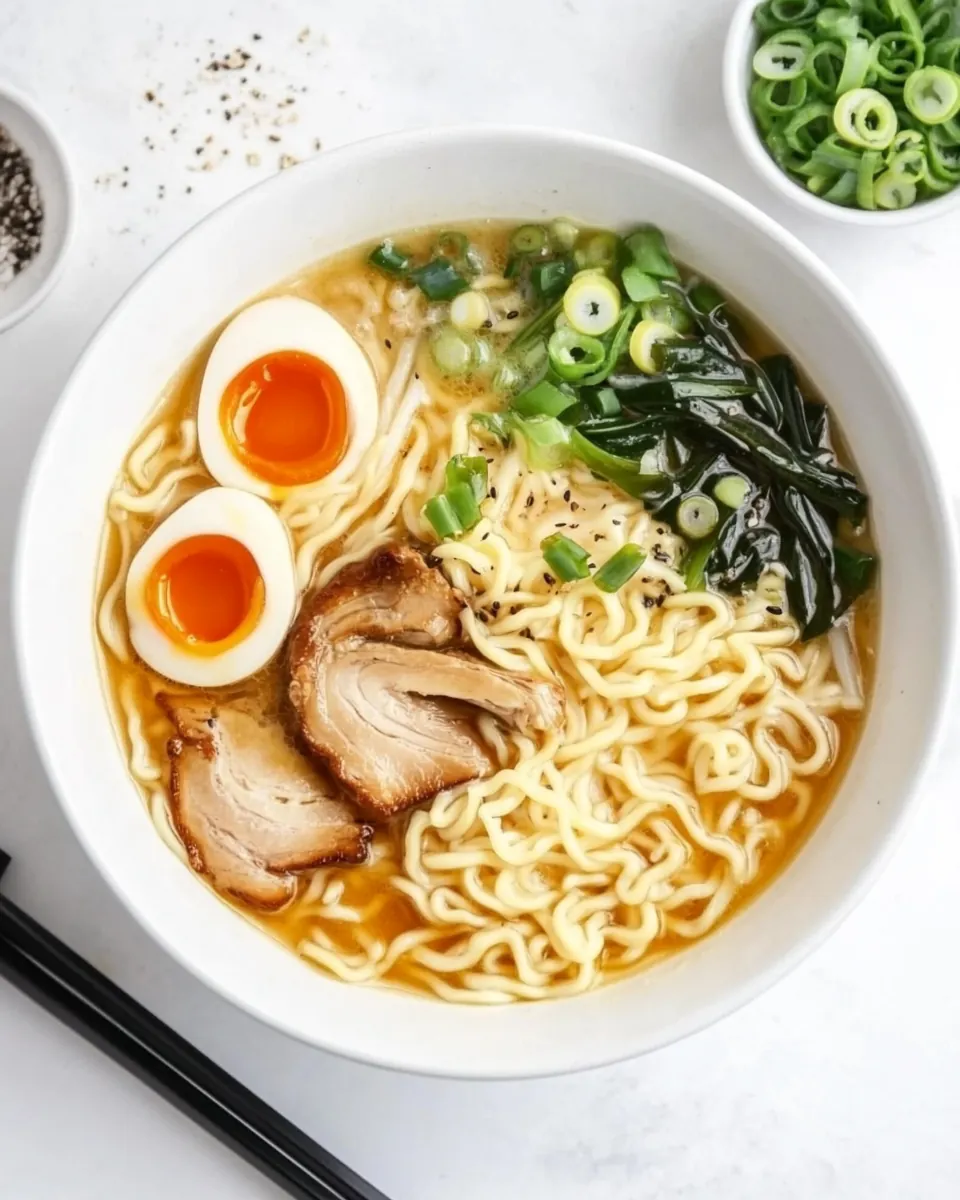
Keto Ramen
Keto Ramen started as a late night rescue for me when I wanted something warm, savory, and comforting without derailing my low carb goals. I remember a rainy evening, the city lights blurred by the window, and a craving for ramen so strong I could almost taste the broth. I pulled a packet of shirata ki noodles from the pantry and set about creating a bowl that felt indulgent yet light, familiar yet tuned to a ketogenic lifestyle.
Over time I refined this bowl into what I now call Keto Ramen, a simple ritual that takes minimal time but delivers maximum comfort. The broth is the heartbeat, the chicken broth carrying umami and a hint of soy. I like to tinker with textures, adding tender baby bok choy for a bright crunch and a soft boiled egg for richness. It became my go to when I wanted something quick after a long day, and each spoonful reminded me that low carb does not mean low soul.
Recipe Snapshot
5 mins
0 mins
5 mins
Easy
300 kcal
Asian
Keto, Gluten-Free
Dinner
Small saucepan, Large bowl, Strainer
The Beauty of This Keto Ramen
Broth forward comfort
I love how the combination of chicken broth and soy sauce creates a deeply savory base with almost no fuss. This is the foundation that makes Keto Ramen feel like real ramen, not a skinny substitute. The aroma while it simmers is immediately comforting, and it sets the tone for the whole bowl.
Speed without compromise
What gets me every time is how fast this comes together. From drained noodles to finished bowl in about five minutes, this fits perfectly into hectic evenings. I rely on techniques that preserve texture, so nothing goes mushy or flat, and that quickness makes it a reliable weeknight solution.
Texture contrast
The mix of tender shirata ki noodles, crisp baby bok choy, and the creamy egg makes every bite interesting. I adore how the sesame seeds add a tiny crunch and a toasty note, tying the components together. This contrast is what elevates the bowl beyond plain soup.
Customizable heat and seasoning
I often reach for the optional Togoshari or a pinch of chili to tune the bowl to my mood. It lets you control the experience, whether you want gentle warmth or a definite kick. That freedom to personalize is why I keep this recipe in heavy rotation.
Low carb but satisfying
Finally, I appreciate how Keto Ramen satisfies ramen cravings while fitting into a low carb plan. It’s hearty, comforting, and smartly portioned, so I rarely feel the urge to compensate afterward. For anyone watching carbs, it’s a bowl that proves you can have comfort food without compromise.
Ingredients Required for Keto Ramen
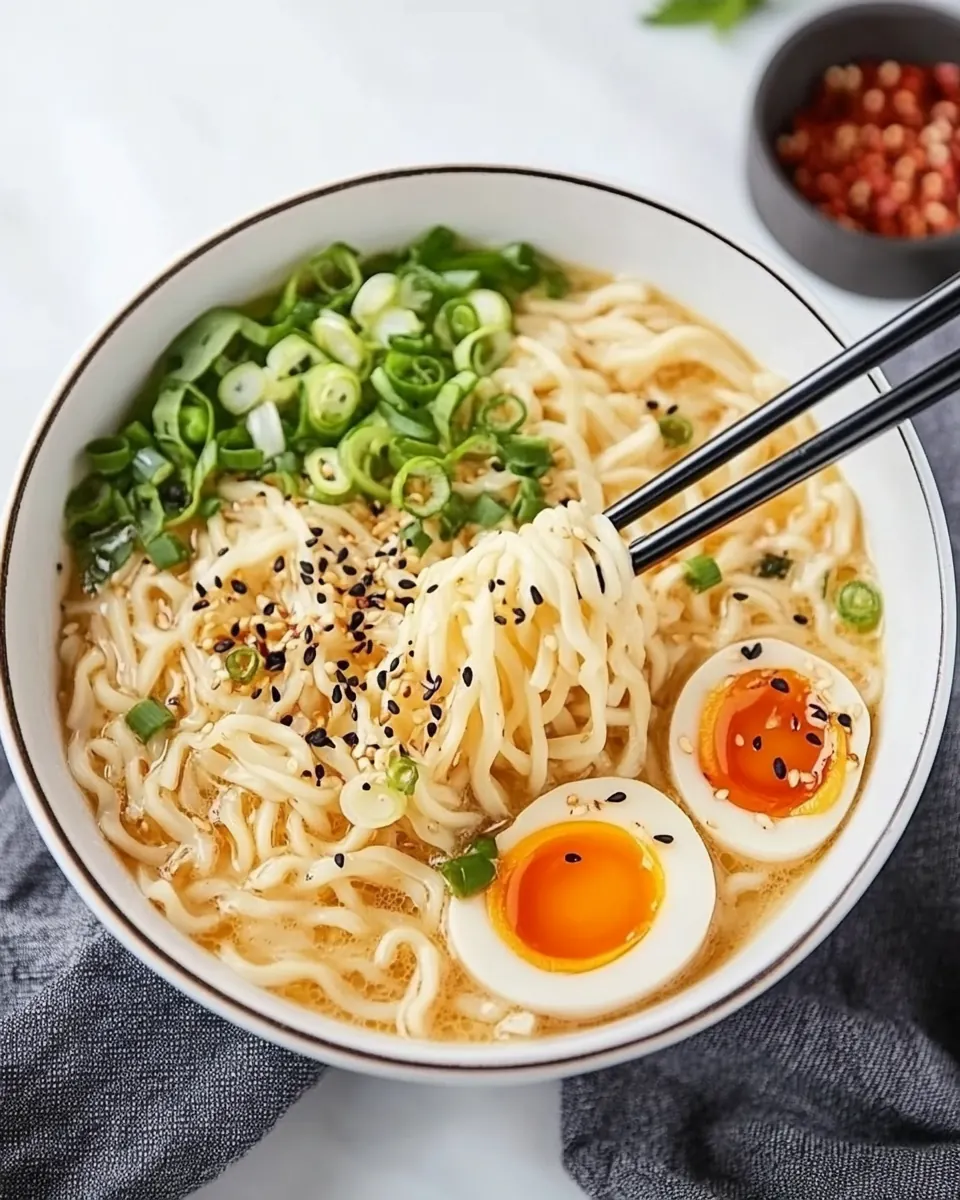
These ingredients are intentionally simple and purposeful. The philosophy here is clarity, each element playing a clear role: the broth sets the flavor stage, the noodles provide a satisfying base without the carbs, and the toppings add texture and richness. Together they make a bowl that feels complete without a long shopping list.
- 1 packet shirataki noodles* See notes: Rinse thoroughly and drain well to reduce odor and excess liquid; use as the noodle base to replicate ramen texture while keeping carbs very low. Heat briefly in a pan or microwave to firm up before adding to broth so they better absorb flavors. Chop or separate into strands if desired to improve presentation and mouthfeel.
- 3 cups chicken broth: Simmer gently to form a savory, umami-rich broth that carries all flavors throughout the bowl. Use low-sodium if preferred to control salt level and adjust seasoning toward personal taste. Keep at a gentle simmer to meld aromatics without reducing too aggressively.
- 1 tablespoon soy sauce: Add a salty, savory depth and balance to the broth; incorporate gradually and taste as you go to avoid oversalting. Use a light hand to preserve the subtle flavors of broth and toppings. Substitute with tamari for gluten-free options if necessary.
- 1 teaspoon Togoshari ** see notes (optional): Sprinkle sparingly to introduce a bright, citrusy-spicy pop that lifts the broth's flavor profile; optional so flavor can be tailored to preference. Rehydrate if using dried forms and add near the end of cooking to preserve volatile aromatics. Omit if sensitive to spice or unfamiliar heat elements.
- 1 soft boiled egg: Peel and halve to add a rich, silky yolk that contributes creaminess and extra protein to the bowl. Cook to soft–boiled doneness so the yolk remains slightly runny and melds into the broth for added body. Season lightly with salt or soy before serving for direct savory impact.
- 1/4 cup baby bok choy: Trim and slice to add a tender-crisp, slightly bitter green that brightens the bowl and contributes freshness and texture contrast. Blanch briefly in the broth or steam until just wilted to retain color and nutrients. Layer near the end of cooking so leaves remain vibrant and not overly soft.
- 1 teaspoon sesame seeds: Toast lightly and sprinkle over the finished bowl to introduce a nutty aroma and delicate crunch that enhances mouthfeel. Use a small amount to avoid overpowering other flavors and to provide visual contrast. Toasting intensifies flavor and prevents raw sesame bitterness.
Putting Together Keto Ramen
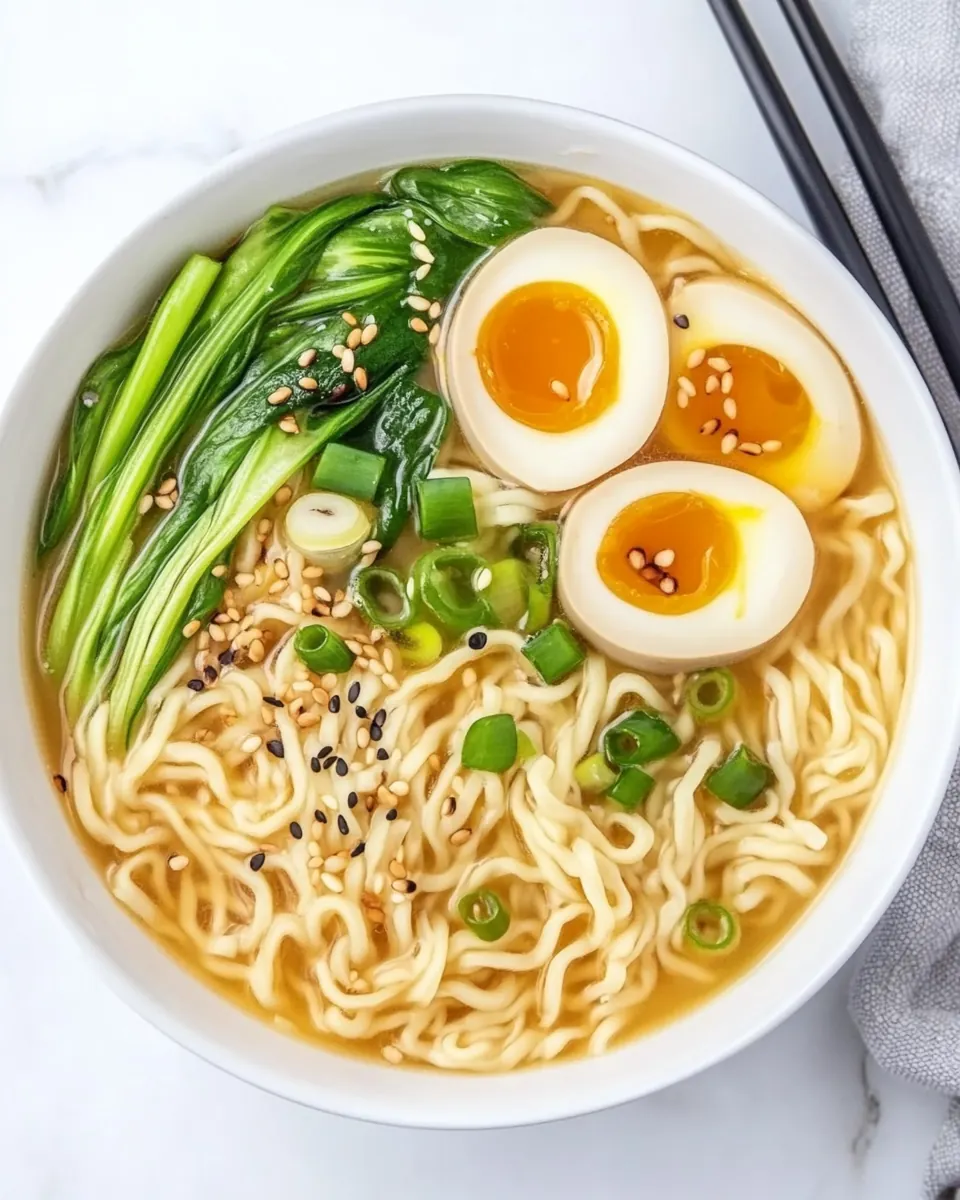
Bringing this bowl together is a quick, sensory-driven process. The steps are short but full of cues to watch for, so move deliberately and trust your senses. Below I expand each instruction into detailed guidance so you can feel confident at every turn.
- Drain your shirataki noodles and wash them with boiling water. Set them aside.: The smell and feel of the noodles after rinsing becomes much cleaner, and quickly pouring boiling water over them helps remove any packing liquid aroma. As you rinse, notice the water run clear and the noodles separate, which tells you they are ready. This washing also tightens the texture so they hold up when boiled briefly. A common mistake is leaving excess liquid, which dilutes the broth, so drain thoroughly and pat lightly with a clean towel if needed. Visual cue: the noodles should look glossy and not clumped.
- Combine the chicken broth and soy sauce in a small saucepan and bring to a boil. Add the noodles and boil for 3 minutes, before removing it from the heat. Add the Togoshari or chili flakes.: You will smell a rich aroma as the chicken broth and soy sauce mingle, a savory steam that tells you the base is building flavor. Once boiling, the sound changes to a steady rolling bubble, and that is the moment to add the shirata ki noodles . Boiling for about three minutes warms them through and allows them to soak up the broth, softening slightly without becoming mushy. After removing from heat, adding the Togoshari releases its fragrance into the hot liquid, giving a gentle spicy perfume. Avoid over boiling, since long exposure makes the noodles too soft and squashy. If your broth tastes flat, a small splash more soy can lift it, but add sparingly to prevent oversalting.
- Transfer to a large bowl, top with the sliced soft-boiled egg, baby bok choy, and sprinkle with sesame seeds and sliced spring onions.: The moment you pour the broth and noodles into a bowl you should see steam rising and catch a warm umami scent. Arrange the soft boiled egg sliced in half so the yolk threatens to spill, and place the baby bok choy for color and crispness. The sesame seeds toasted will pop with a tiny nutty aroma, and adding a few sliced spring onions gives a fresh oniony snap. Texturally, this finishing stage balances silky broth, tender noodles, and crisp vegetables. One mistake is dropping the egg in whole and breaking the yolk prematurely; slice it carefully on a cutting board to maintain that jammy center. The bowl should look layered, not soupy, with toppings visible and inviting.
Customization Ideas
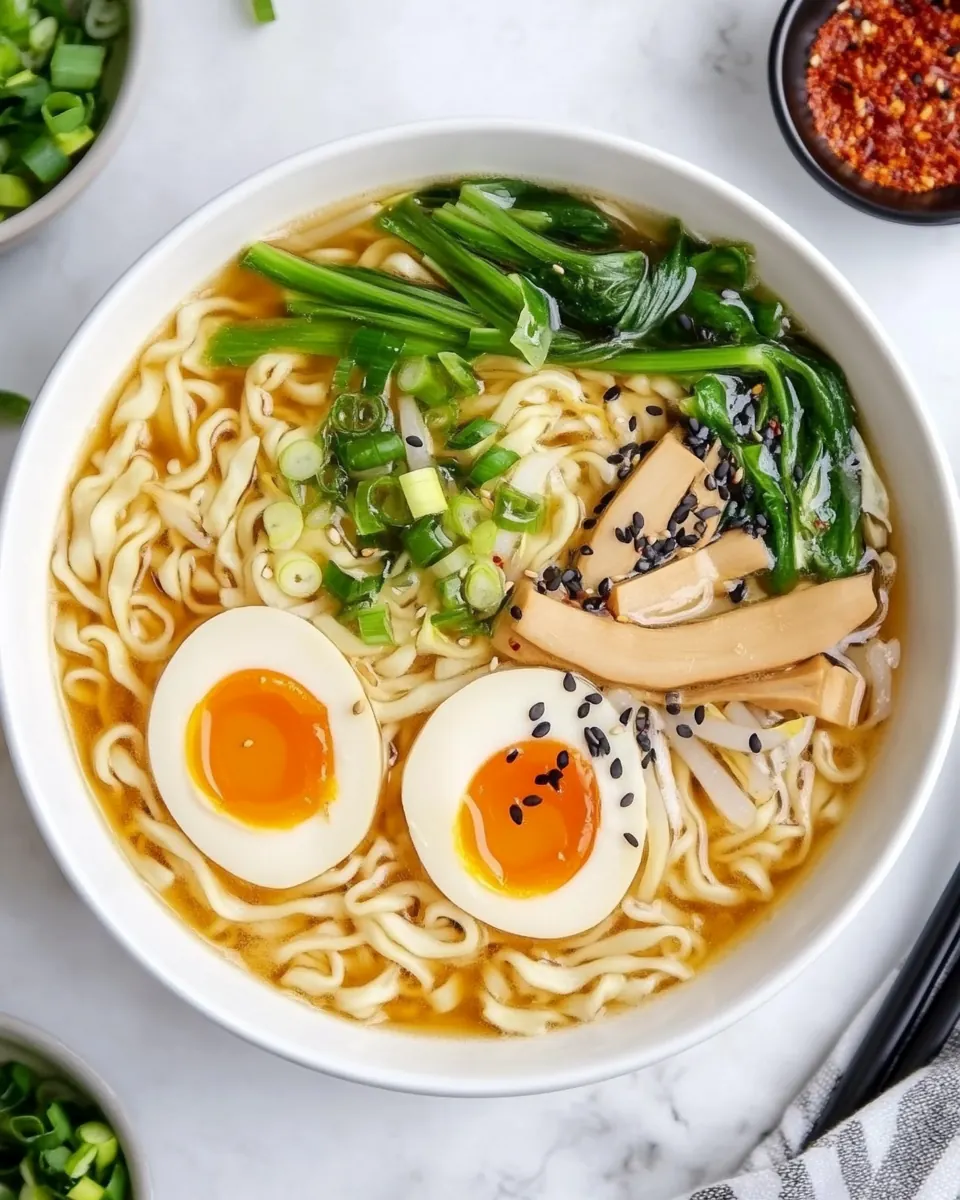
This bowl is a great template for personalization, from heat level to texture swaps. Below are focused ideas to tailor the bowl to your tastes or pantry while keeping the spirit of the recipe intact.
- Boost the broth — Gradually reduce the chicken broth and simmer with a folded piece of kombu for extra umami, but remove the kombu before it dissolves to avoid bitterness.
- Noodle swap — If you prefer a different low carb noodle, use another zero calorie noodle in place of shirata ki noodles, washing and briefly boiling it the same way to match texture.
- Egg variations — For a firmer yolk, extend the soft boiled egg time by one to two minutes, but watch carefully so it does not become chalky.
- Greens upgrade — If you want more bite, briefly sauté the baby bok choy in sesame oil for a minute before adding to the bowl, which adds toasted flavor and tender crispness.
- Heat control — Start with a small amount of Togoshari and taste, you can always add more to dial in the warmth gradually without overpowering the broth.
Pairing Suggestions for Keto Ramen
This bowl stands well on its own or as part of a light meal. Think about occasions and side additions that complement its textures and flavors. Below are serving ideas, storage notes, and contextual pairings to help you present the bowl in different settings.
- Simple meal — Serve Keto Ramen as a quick lunch or light dinner with a small side salad of crisp greens to maintain a low carb plate.
- Comfort occasions — This is ideal for cozy evenings at home, during a chilly winter night when you want something soothing and fast.
- Meal prep — If making multiple portions, store the broth and toppings separately from the shirata ki noodles in the refrigerator for up to three days to preserve texture.
- Reheating — Reheat gently in a small saucepan until warm, then assemble with the soft boiled egg and baby bok choy just before serving to keep toppings vibrant.
- Seasonal pairing — In winter, serve this bowl with extra toasted sesame seeds and a warming spice; in milder months keep it lighter with more fresh greens.
- Presentation — Ladle the broth over the noodles at the table so the steam and aroma are immediate, and garnish with sesame seeds and sliced spring onions for color contrast.
FAQ
Conclusion
This recipe turns a simple set of ingredients into a deeply satisfying bowl that proves low carb can still feel indulgent. Give Keto Ramen a try when you crave warmth and comfort without the carbs, it comes together fast and rewards you with rich broth, silky egg, and crisp greens. I hope you enjoy assembling it and make it a regular answer to busy nights when you want something fast, flavorful, and genuinely comforting.
Keto Ramen
Equipment
- Small Saucepan
- Large Bowl
- Strainer
Ingredients
- 1 packet shirataki noodles* See notes Rinse thoroughly and drain well to reduce odor and excess liquid; use as the noodle base to replicate ramen texture while keeping carbs very low. Heat briefly in a pan or microwave to firm up before adding to broth so they better absorb flavors. Chop or separate into strands if desired to improve presentation and mouthfeel.
- 3 cups chicken broth Simmer gently to form a savory, umami-rich broth that carries all flavors throughout the bowl. Use low-sodium if preferred to control salt level and adjust seasoning toward personal taste. Keep at a gentle simmer to meld aromatics without reducing too aggressively.
- 1 tablespoon soy sauce Add a salty, savory depth and balance to the broth; incorporate gradually and taste as you go to avoid oversalting. Use a light hand to preserve the subtle flavors of broth and toppings. Substitute with tamari for gluten-free options if necessary.
- 1 teaspoon Togoshari optional ** see notes Sprinkle sparingly to introduce a bright, citrusy-spicy pop that lifts the broth's flavor profile; optional so flavor can be tailored to preference. Rehydrate if using dried forms and add near the end of cooking to preserve volatile aromatics. Omit if sensitive to spice or unfamiliar heat elements.
- 1 soft boiled egg Peel and halve to add a rich, silky yolk that contributes creaminess and extra protein to the bowl. Cook to soft-boiled doneness so the yolk remains slightly runny and melds into the broth for added body. Season lightly with salt or soy before serving for direct savory impact.
- 1/4 cup baby bok choy Trim and slice to add a tender-crisp, slightly bitter green that brightens the bowl and contributes freshness and texture contrast. Blanch briefly in the broth or steam until just wilted to retain color and nutrients. Layer near the end of cooking so leaves remain vibrant and not overly soft.
- 1 teaspoon sesame seeds Toast lightly and sprinkle over the finished bowl to introduce a nutty aroma and delicate crunch that enhances mouthfeel. Use a small amount to avoid overpowering other flavors and to provide visual contrast. Toasting intensifies flavor and prevents raw sesame bitterness.
Instructions
- Drain your shirataki noodles and wash them with boiling water. Set them aside.: The smell and feel of the noodles after rinsing becomes much cleaner, and quickly pouring boiling water over them helps remove any packing liquid aroma. As you rinse, notice the water run clear and the noodles separate, which tells you they are ready. This washing also tightens the texture so they hold up when boiled briefly. A common mistake is leaving excess liquid, which dilutes the broth, so drain thoroughly and pat lightly with a clean towel if needed. Visual cue: the noodles should look glossy and not clumped.
- Combine the chicken broth and soy sauce in a small saucepan and bring to a boil. Add the noodles and boil for 3 minutes, before removing it from the heat. Add the Togoshari or chili flakes.: You will smell a rich aroma as the chicken broth and soy sauce mingle, a savory steam that tells you the base is building flavor. Once boiling, the sound changes to a steady rolling bubble, and that is the moment to add the shirata ki noodles . Boiling for about three minutes warms them through and allows them to soak up the broth, softening slightly without becoming mushy. After removing from heat, adding the Togoshari releases its fragrance into the hot liquid, giving a gentle spicy perfume. Avoid over boiling, since long exposure makes the noodles too soft and squashy. If your broth tastes flat, a small splash more soy can lift it, but add sparingly to prevent oversalting.
- Transfer to a large bowl, top with the sliced soft-boiled egg, baby bok choy, and sprinkle with sesame seeds and sliced spring onions.: The moment you pour the broth and noodles into a bowl you should see steam rising and catch a warm umami scent. Arrange the soft boiled egg sliced in half so the yolk threatens to spill, and place the baby bok choy for color and crispness. The sesame seeds toasted will pop with a tiny nutty aroma, and adding a few sliced spring onions gives a fresh oniony snap. Texturally, this finishing stage balances silky broth, tender noodles, and crisp vegetables. One mistake is dropping the egg in whole and breaking the yolk prematurely; slice it carefully on a cutting board to maintain that jammy center. The bowl should look layered, not soupy, with toppings visible and inviting.
Notes
- Boost the broth — Gradually reduce the chicken broth and simmer with a folded piece of kombu for extra umami, but remove the kombu before it dissolves to avoid bitterness.
- Noodle swap — If you prefer a different low carb noodle, use another zero calorie noodle in place of shirata ki noodles, washing and briefly boiling it the same way to match texture.
- Egg variations — For a firmer yolk, extend the soft boiled egg time by one to two minutes, but watch carefully so it does not become chalky.
- Greens upgrade — If you want more bite, briefly sauté the baby bok choy in sesame oil for a minute before adding to the bowl, which adds toasted flavor and tender crispness.
- Heat control — Start with a small amount of Togoshari and taste, you can always add more to dial in the warmth gradually without overpowering the broth.