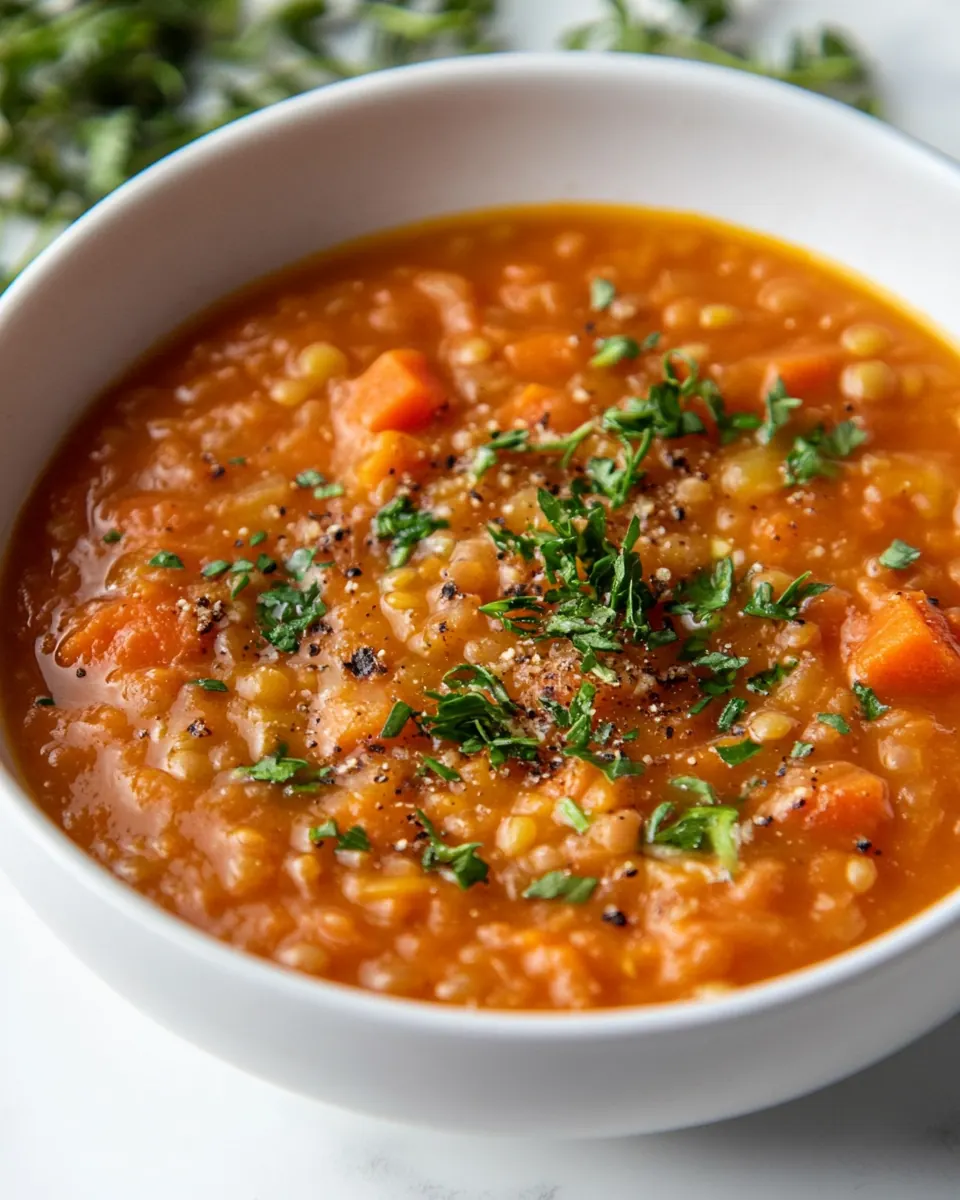
Carrot and Red Lentil Soup
Carrot and Red Lentil Soup is the kind of bowl I reach for when the weather turns crisp and I want something honest, nourishing, and bright. I remember the first time I made it for friends on a snowy evening, the way the kitchen filled with a warm, tomatoey aroma that felt like an immediate welcome. That night I learned how simple pantry staples can turn into something comforting and unexpectedly elegant.
My version of Carrot and Red Lentil Soup leans into texture and balance. The sweetness of the carrot and the mild, almost creamy body of the red lentils pair beautifully with the acidic kick of canned fire-roasted tomatoes. I like to make a big pot so I can ladle it into jars for busy weekday lunches, or heat it gently and top it for a relaxed dinner with crusty bread.
Over the years I’ve tweaked the soup to be forgiving for cooks of all levels. The recipe can be adapted by changing what you have on hand, but the core idea stays the same: build flavor with simple steps, let the ingredients sing together, and finish with a sprinkle of something fresh. When I serve it, people always comment on how hearty it feels without being heavy. It has become a staple when we need warmth and a bit of kitchen therapy.
Recipe Snapshot
45 mins
15 mins
30 mins
Medium
200 kcal
Mediterranean
Gluten-Free, Vegan
Soups
6 to 8 quart soup pot, Wooden spoon, Ladle
Why This Carrot and Red Lentil Soup Is So Good
Comfort Without Fuss
I love that Carrot and Red Lentil Soup gives you a full, comforting bowl without hours at the stove. The combination of red lentils and carrot creates a naturally creamy texture as the lentils break down, so you get richness without cream. For someone like me who values time, this feels like a big win.
Pantry Friendly and Budget Smart
We can talk about value, because this soup stretches well. Dried red lentils, canned fire-roasted tomatoes, and a basic jar of vegetable broth make for a hearty meal that does not demand specialty ingredients. I often assemble it straight from the pantry and fridge, which makes it an ideal weeknight option.
Layered Flavor From Simple Steps
I appreciate how the recipe builds taste in stages. Sautéing the onion, carrot, celery, and garlic creates a savory base. Adding tomato paste and canned fire-roasted tomatoes lends acidity and a subtle smokiness, while Italian seasoning ties everything together. Each component plays a clear role, so the result feels thoughtful, not thrown together.
Flexible and Friendly to Garnishes
One of the things I love is how easily this soup accepts finishing touches. A scattering of chopped parsley brightens the bowl, and a sprinkle of parmesan cheese adds savory depth. You can keep it simple or dress it up, and both paths feel intentional to me.
Healthy and Satisfying
I keep coming back because the soup is nourishing. With red lentils providing plant protein and carrot delivering vitamin A, it’s both satisfying and kind on digestion. For families or anyone looking for a wholesome weeknight meal, this one checks a lot of boxes.
Carrot and Red Lentil Soup Ingredients

These ingredients are chosen to create a harmonious, layered soup that is both hearty and bright. The combination of aromatics, legumes, and tomatoes forms a savory base while a small amount of fat helps coax flavors from the vegetables. The key players are the red lentils for body, the carrot for sweetness, and the fire-roasted tomatoes for acidity and a hint of smokiness.
- 3 tablespoons olive oil or butter: Enhance flavor and mouthfeel by sautéing or melting to gently cook aromatics; provides a silky base and helps distribute fat-soluble flavors throughout the soup. Choose olive oil for a lighter, fruity note or butter for richness and a creamier finish.
- 1 large sweet onion chopped (about 2 cups): Provide a sweet, savory backbone when softened; sweating develops natural sugars that add depth and balance to the soup. Chop into uniform pieces to ensure even cooking and release maximum flavor into the broth.
- 1 cup sliced carrots: Contribute bright sweetness and body when sliced and simmered until tender; adds texture and natural sugars that complement the lentils and tomatoes. Cut to consistent thickness so carrots meld evenly into the purée or remaining chunks.
- 1 cup sliced celery: Add subtle herbal, aromatic notes and gentle crunch that soften during simmering; celery supports the soup’s savory framework and enhances overall complexity. Slice evenly to integrate its flavor without overpowering the other vegetables.
- 3 5 cloves garlic minced: Introduce pungent savory notes when minced and briefly cooked to release oils; garlic boosts umami and aroma that lift the entire soup. Adjust quantity within the range to control intensity and avoid bitterness from overcooking.
- 8 cups vegetable broth or chicken broth: Provide the liquid foundation and savory depth needed for simmering lentils and vegetables; choice of vegetable or chicken broth affects overall richness and dietary preference. Use measured amount to ensure proper cooking of lentils and balanced soup consistency.
- 15 ounce can fire-roasted tomatoes: Add smoky acidity and tomato flavor from a canned source; fire–roasted tomatoes bring charred complexity and bright tomato notes that complement the lentils. Drain or crush as desired to control chunkiness and distribute tomato throughout the soup.
- 2 cups dried red lentils: Supply body, creaminess, and protein while thickening the soup as they break down; red lentils cook relatively quickly and impart a velvety texture. Rinse if desired and monitor cooking time to prevent over-mashing or disintegration.
- 2 tablespoons tomato paste: Concentrate and intensify tomato flavor when stirred in; tomato paste deepens color and adds umami and slight sweetness. Incorporate early in cooking to caramelize slightly and mellow its concentrated acidity.
- 1 tablespoon Italian seasoning: Impart a blend of dried herbs and aromatic warmth when added; Italian seasoning brings oregano, basil, and other Mediterranean flavors that harmonize with tomatoes and vegetables. Sprinkle to taste during simmering to infuse the broth evenly.
- Salt and pepper: Adjust seasoning levels to taste for balance and brightness; salt enhances sweetness and umami while pepper adds subtle heat. Season gradually during cooking and finish with additional adjustments before serving.
- Garnishes: Chopped parsley parmesan cheese: Provide fresh herbal brightness and savory garnish options to finish the soup; chopped parsley adds color and freshness while parmesan contributes salty, nutty umami when sprinkled. Offer both for diners to customize flavor and texture at the table.
Directions for Carrot and Red Lentil Soup
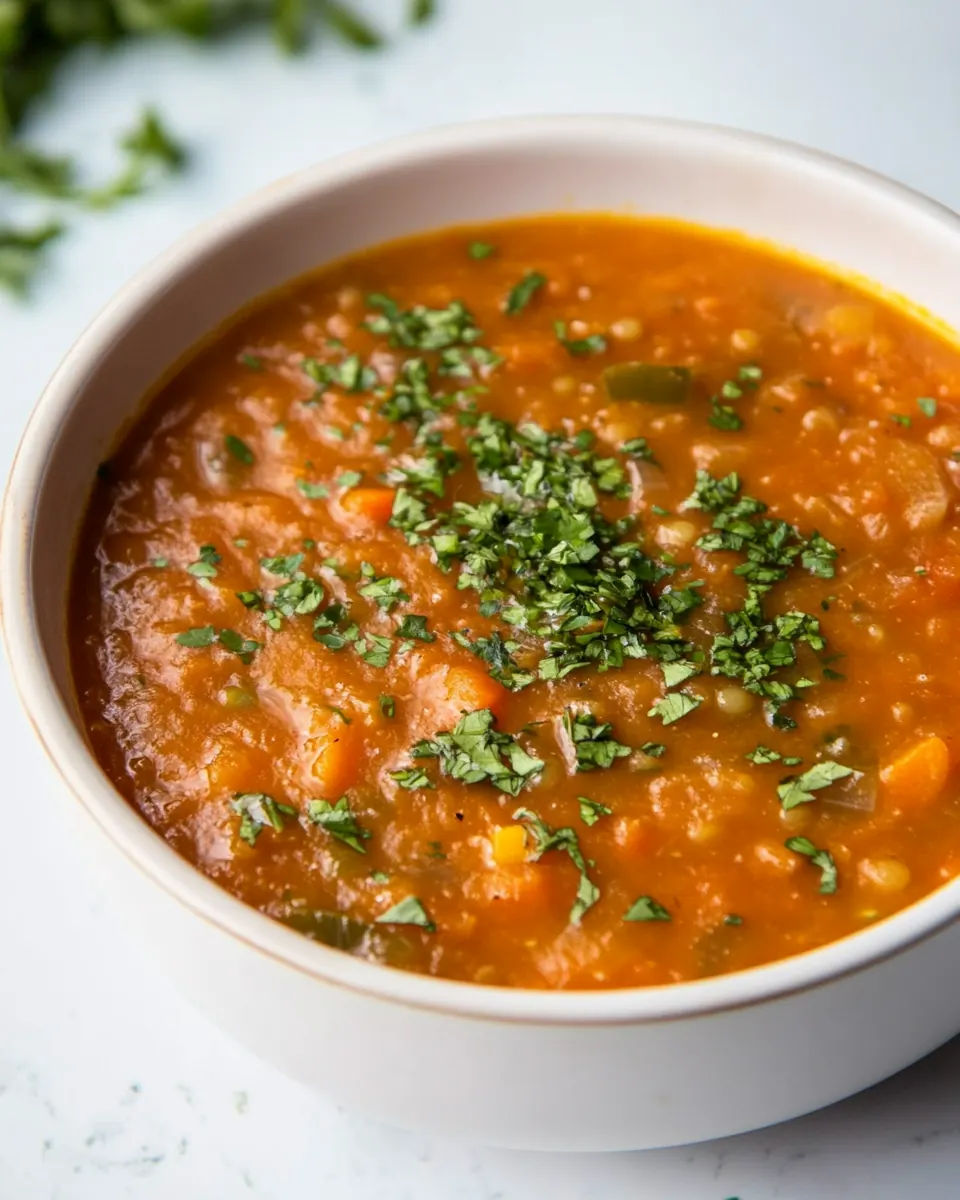
This soup is straightforward but benefits from attention while you cook. Work in order so aromatics develop, the red lentils hydrate evenly, and the flavors have time to marry. Below I expand on each step with sensory cues, reasons behind the technique, and troubleshooting tips to help you nail the outcome.
- Chop all the vegetables for the soup.: Start by preparing your mise en place so everything goes in when it needs to, which keeps the cooking flow steady. As you chop the onion , carrot , and celery , notice the fresh vegetal scent and the sharpness from the onion that will mellow as it cooks. Uniform pieces ensure even cooking and prevent some bits from turning mushy while others stay underdone. A common mistake is cutting unevenly, which leads to inconsistent texture; take a few extra minutes to slice evenly and your pot will reward you with balanced bites.
- Set a large 6-8 quart soup pot over medium heat. Add the oil to the pot. Once hot, add the chopped onions, carrots, celery, and garlic. And sauté for 3-5 minutes until the onions are soft.: Preheating the pot warms the cooking surface so the oil or butter heats quickly and the aromatics sizzle on contact. You'll hear a gentle sizzle when the fat is ready, and that sound signals the beginning of flavor building. If you rush and add ingredients to a cold pot, they will sweat instead of sauté, yielding less flavor. Watch for the shimmer in the olive oil or the foaming edge of the butter as your cue.
- Add the vegetable broth, canned tomatoes, dried lentils, tomato paste, and Italian seasoning. Stir well to make sure the lentils don't stick together.: Heating the chosen fat first ensures it coats the pan and transmits heat evenly. The fat will shimmer if you used olive oil , or give a nutty aroma if you used butter . Add the chopped onions , carrot , celery , and garlic once the fat is hot. Sauté them until the onion is soft, stirring occasionally so they cook evenly and begin to caramelize slightly. If the pan smokes, lower the heat, because burned aromatics taste bitter and will affect the whole soup.
- Bring to a boil, then lower the heat if needed and simmer the soup for 20 to 25 minutes, stirring occasionally. You can partially cover the pot while cooking for less splatter.: As you cook, pay attention to sound and color; a gentle crackle and the widening of translucent onion layers indicate progress. The vegetables will release moisture and reduce, concentrating their flavor. This step creates a savory foundation that the rest of the soup builds on. Avoid overbrowning at this stage, because while some color adds depth, too much can make the base taste scorched.
- The soup is ready when the lentils are soft and the base has thickened. Taste, then salt and pepper as needed.: When you combine the liquids and legumes, you will notice steam rising and a bright tomato aroma. Stir thoroughly so the tomato paste and fire–roasted tomatoes dissolve into the broth and coat the red lentils , which prevents them from clumping. The initial stir is important because it distributes seasoning and heat; failing to stir can leave pockets where lentils stick and cook unevenly.
- Stir well to make sure the lentils don't stick together: As the soup warms, keep an eye on the surface and the pot edges. Gentle stirring prevents the red lentils from settling in a single area, and it helps any stuck bits on the bottom incorporate back into the liquid. You'll notice the broth beginning to take on a broader, creamier body as the lentils hydrate. A common oversight is infrequent stirring, which can cause lentils to scorch on the bottom, leaving an unpleasant taste.
- Bring to a boil then lower the heat if needed and simmer the soup for 20 to 25 minutes stirring occasionally: Bringing the pot to a brisk boil jump-starts the cooking, and then reducing to a simmer keeps a gentle motion that softens the red lentils without breaking them too violently. You should observe soft bubbling and a fragrant steam. Simmering rather than rapid boiling gives a smoother texture and prevents excessive evaporation. If the surface looks too active or the pot spits, reduce the heat because vigorous boiling can break apart lentils unevenly and create a grainy texture.
- You can partially cover the pot while cooking for less splatter: Covering partially traps steam and speeds softening while limiting splatter, which keeps your stovetop cleaner. The lid position affects evaporation and concentration of flavor, so if you want a thicker soup, leave the pot more uncovered. Be mindful that fully covering can lead to a watery finish if you do not finish with an open simmer to reduce excess liquid.
- The soup is ready when the lentils are soft and the base has thickened: You'll know the soup is done when the red lentils break down into a creamy matrix and the broth thickens slightly. Taste the texture and press a lentil between your fingers to check. The aroma should be a rounded blend of tomato and cooked vegetables, with a hint of the herbs. Overcooking can collapse the texture too far, making it gummy, so remove from heat once the desired silkiness is achieved.
- Taste then salt and pepper as needed: Seasoning at the end allows you to calibrate saltiness because the broth and parmesan cheese (if used as a garnish) add sodium. Taste a spoonful, adjusting with salt and pepper until the flavors sing. Under-seasoned soup will taste flat; over-salting is hard to fix, so add small amounts and taste repeatedly to avoid mistake.
Recipe Notes about Carrot and Red Lentil Soup
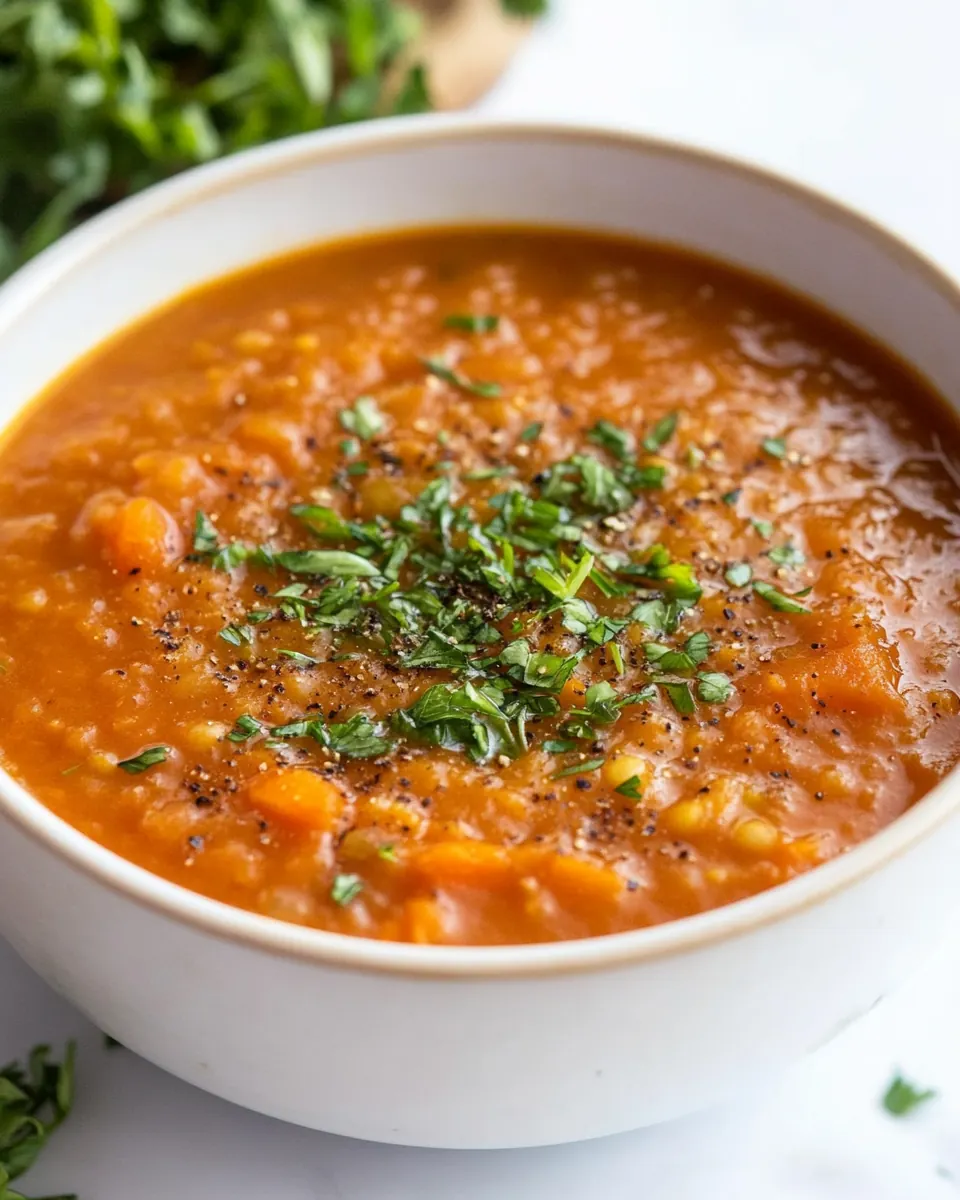
I like to keep notes focused and practical so you can refer back while cooking. Below are detailed tips that expand on storage, freezing, reheating, and small swaps that preserve the character of this soup. Each tip starts with a bold phrase for quick scanning.
- Cool completely before refrigerating — Let the soup come to room temperature before sealing it in an airtight container, which helps prevent condensation and preserves flavor. Store in the refrigerator for up to 4 to 5 days. When reheating, do so gently on the stovetop to maintain texture.
- Freezing method — Cool the soup fully before transferring to freezer proof containers. Wrapping the containers in aluminum foil offers extra protection from freezer burn. Freeze for up to 3 months, and thaw overnight in the refrigerator before reheating slowly.
- Reheating tips — Rewarm over low to medium heat, stirring occasionally. The soup may thicken in the fridge; add a splash of broth or water to bring it back to desired consistency, and finish with fresh chopped parsley or a sprinkle of parmesan cheese.
- Adjusting thickness — If the soup becomes too thick while simmering, add small amounts of warm broth until it loosens. Conversely, simmer uncovered briefly to concentrate flavors and thicken the base if it is too thin.
- Batch cooking advantage — This soup stores and reheats beautifully, making it ideal for meal prep. Prepare a double batch and freeze single portions for quick lunches that taste homemade.
Great Combinations for Carrot and Red Lentil Soup
This soup pairs well with simple sides and is appropriate for many occasions from casual lunches to cozy dinners. Below I outline serving ideas, seasonal pairings, and storage tips in detail so you can plan meals around it. Each list item highlights how to present and enjoy the soup.
- Crusty bread or rolls — Serve with a warm crusty loaf to soak up the soup. The contrast between the tender soup and a crunchy exterior creates a satisfying mouthfeel. Perfect for a weeknight family meal when you want something substantial.
- Fresh salad — A crisp green salad with a bright vinaigrette complements the soup’s richness and adds textural variety. This pairing works well for lunch or a lighter dinner when you want balance on the plate.
- Simple grain bowl — Spoon the soup over cooked rice or quinoa for a heartier bowl, which is great for stretching portions or adding more bulk for an active day.
- Occasions — Ideal for winter evenings and cold weather gatherings, and suitable for Ramadan if you break fast with something nourishing and gentle. It also makes a comforting option for a casual dinner party where you want to serve something warm and approachable.
- Storage tips — Refrigerate in airtight containers for up to 4 to 5 days or freeze for up to 3 months. Label containers with date and portion size for easy meal prep rotation.
- Seasonal pairings — In winter, pair the soup with roasted root vegetables. In transitional seasons, add a light herb salad to keep the meal feeling fresh and bright.
FAQ
Conclusion
This Carrot and Red Lentil Soup stands out for its balance of sweetness from the carrots, creamy body from the red lentils, and bright acidity from fire roasted tomatoes. It is easy to prepare, forgiving to customize, and satisfying whether you serve it for lunch or a cozy dinner. Give it a try on a chilly evening or when you need a simple, nourishing meal; it rewards a little attention with warm, layered flavor and leftovers that taste even better the next day.
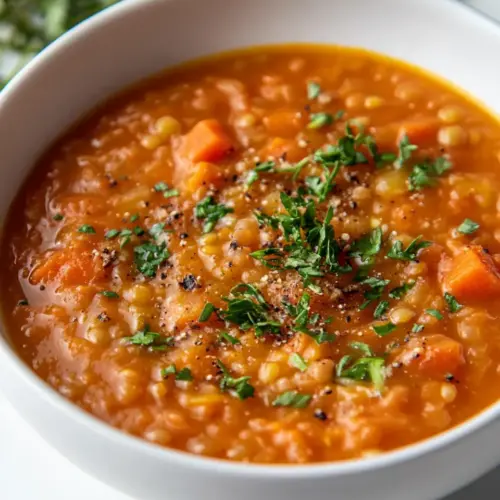
Carrot and Red Lentil Soup
Equipment
- 6 to 8 quart soup pot
- Wooden Spoon
- Ladle
Ingredients
- 3 tablespoons olive oil or butter Enhance flavor and mouthfeel by sautéing or melting to gently cook aromatics; provides a silky base and helps distribute fat-soluble flavors throughout the soup. Choose olive oil for a lighter, fruity note or butter for richness and a creamier finish.
- 1 large sweet onion chopped (about 2 cups) Provide a sweet, savory backbone when softened; sweating develops natural sugars that add depth and balance to the soup. Chop into uniform pieces to ensure even cooking and release maximum flavor into the broth.
- 1 cup sliced carrots Contribute bright sweetness and body when sliced and simmered until tender; adds texture and natural sugars that complement the lentils and tomatoes. Cut to consistent thickness so carrots meld evenly into the purée or remaining chunks.
- 1 cup sliced celery Add subtle herbal, aromatic notes and gentle crunch that soften during simmering; celery supports the soup’s savory framework and enhances overall complexity. Slice evenly to integrate its flavor without overpowering the other vegetables.
- 3 -5 cloves garlic minced Introduce pungent savory notes when minced and briefly cooked to release oils; garlic boosts umami and aroma that lift the entire soup. Adjust quantity within the range to control intensity and avoid bitterness from overcooking.
- 8 cups vegetable broth or chicken broth Provide the liquid foundation and savory depth needed for simmering lentils and vegetables; choice of vegetable or chicken broth affects overall richness and dietary preference. Use measured amount to ensure proper cooking of lentils and balanced soup consistency.
- 15 ounce can fire-roasted tomatoes Add smoky acidity and tomato flavor from a canned source; fire-roasted tomatoes bring charred complexity and bright tomato notes that complement the lentils. Drain or crush as desired to control chunkiness and distribute tomato throughout the soup.
- 2 cups dried red lentils Supply body, creaminess, and protein while thickening the soup as they break down; red lentils cook relatively quickly and impart a velvety texture. Rinse if desired and monitor cooking time to prevent over-mashing or disintegration.
- 2 tablespoons tomato paste Concentrate and intensify tomato flavor when stirred in; tomato paste deepens color and adds umami and slight sweetness. Incorporate early in cooking to caramelize slightly and mellow its concentrated acidity.
- 1 tablespoon Italian seasoning Impart a blend of dried herbs and aromatic warmth when added; Italian seasoning brings oregano, basil, and other Mediterranean flavors that harmonize with tomatoes and vegetables. Sprinkle to taste during simmering to infuse the broth evenly.
- Salt and pepper Adjust seasoning levels to taste for balance and brightness; salt enhances sweetness and umami while pepper adds subtle heat. Season gradually during cooking and finish with additional adjustments before serving.
- Garnishes: Chopped parsley parmesan cheese Provide fresh herbal brightness and savory garnish options to finish the soup; chopped parsley adds color and freshness while parmesan contributes salty, nutty umami when sprinkled. Offer both for diners to customize flavor and texture at the table.
Instructions
- Chop all the vegetables for the soup.: Start by preparing your mise en place so everything goes in when it needs to, which keeps the cooking flow steady. As you chop the onion , carrot , and celery , notice the fresh vegetal scent and the sharpness from the onion that will mellow as it cooks. Uniform pieces ensure even cooking and prevent some bits from turning mushy while others stay underdone. A common mistake is cutting unevenly, which leads to inconsistent texture; take a few extra minutes to slice evenly and your pot will reward you with balanced bites.
- Set a large 6-8 quart soup pot over medium heat. Add the oil to the pot. Once hot, add the chopped onions, carrots, celery, and garlic. And sauté for 3-5 minutes until the onions are soft.: Preheating the pot warms the cooking surface so the oil or butter heats quickly and the aromatics sizzle on contact. You'll hear a gentle sizzle when the fat is ready, and that sound signals the beginning of flavor building. If you rush and add ingredients to a cold pot, they will sweat instead of sauté, yielding less flavor. Watch for the shimmer in the olive oil or the foaming edge of the butter as your cue.
- Add the vegetable broth, canned tomatoes, dried lentils, tomato paste, and Italian seasoning. Stir well to make sure the lentils don't stick together.: Heating the chosen fat first ensures it coats the pan and transmits heat evenly. The fat will shimmer if you used olive oil , or give a nutty aroma if you used butter . Add the chopped onions , carrot , celery , and garlic once the fat is hot. Sauté them until the onion is soft, stirring occasionally so they cook evenly and begin to caramelize slightly. If the pan smokes, lower the heat, because burned aromatics taste bitter and will affect the whole soup.
- Bring to a boil, then lower the heat if needed and simmer the soup for 20 to 25 minutes, stirring occasionally. You can partially cover the pot while cooking for less splatter.: As you cook, pay attention to sound and color; a gentle crackle and the widening of translucent onion layers indicate progress. The vegetables will release moisture and reduce, concentrating their flavor. This step creates a savory foundation that the rest of the soup builds on. Avoid overbrowning at this stage, because while some color adds depth, too much can make the base taste scorched.
- The soup is ready when the lentils are soft and the base has thickened. Taste, then salt and pepper as needed.: When you combine the liquids and legumes, you will notice steam rising and a bright tomato aroma. Stir thoroughly so the tomato paste and fire-roasted tomatoes dissolve into the broth and coat the red lentils , which prevents them from clumping. The initial stir is important because it distributes seasoning and heat; failing to stir can leave pockets where lentils stick and cook unevenly.
- Stir well to make sure the lentils don't stick together: As the soup warms, keep an eye on the surface and the pot edges. Gentle stirring prevents the red lentils from settling in a single area, and it helps any stuck bits on the bottom incorporate back into the liquid. You'll notice the broth beginning to take on a broader, creamier body as the lentils hydrate. A common oversight is infrequent stirring, which can cause lentils to scorch on the bottom, leaving an unpleasant taste.
- Bring to a boil then lower the heat if needed and simmer the soup for 20 to 25 minutes stirring occasionally: Bringing the pot to a brisk boil jump-starts the cooking, and then reducing to a simmer keeps a gentle motion that softens the red lentils without breaking them too violently. You should observe soft bubbling and a fragrant steam. Simmering rather than rapid boiling gives a smoother texture and prevents excessive evaporation. If the surface looks too active or the pot spits, reduce the heat because vigorous boiling can break apart lentils unevenly and create a grainy texture.
- You can partially cover the pot while cooking for less splatter: Covering partially traps steam and speeds softening while limiting splatter, which keeps your stovetop cleaner. The lid position affects evaporation and concentration of flavor, so if you want a thicker soup, leave the pot more uncovered. Be mindful that fully covering can lead to a watery finish if you do not finish with an open simmer to reduce excess liquid.
- The soup is ready when the lentils are soft and the base has thickened: You'll know the soup is done when the red lentils break down into a creamy matrix and the broth thickens slightly. Taste the texture and press a lentil between your fingers to check. The aroma should be a rounded blend of tomato and cooked vegetables, with a hint of the herbs. Overcooking can collapse the texture too far, making it gummy, so remove from heat once the desired silkiness is achieved.
- Taste then salt and pepper as needed: Seasoning at the end allows you to calibrate saltiness because the broth and parmesan cheese (if used as a garnish) add sodium. Taste a spoonful, adjusting with salt and pepper until the flavors sing. Under-seasoned soup will taste flat; over-salting is hard to fix, so add small amounts and taste repeatedly to avoid mistake.
Notes
- Cool completely before refrigerating — Let the soup come to room temperature before sealing it in an airtight container, which helps prevent condensation and preserves flavor. Store in the refrigerator for up to 4 to 5 days. When reheating, do so gently on the stovetop to maintain texture.
- Freezing method — Cool the soup fully before transferring to freezer proof containers. Wrapping the containers in aluminum foil offers extra protection from freezer burn. Freeze for up to 3 months, and thaw overnight in the refrigerator before reheating slowly.
- Reheating tips — Rewarm over low to medium heat, stirring occasionally. The soup may thicken in the fridge; add a splash of broth or water to bring it back to desired consistency, and finish with fresh chopped parsley or a sprinkle of parmesan cheese.
- Adjusting thickness — If the soup becomes too thick while simmering, add small amounts of warm broth until it loosens. Conversely, simmer uncovered briefly to concentrate flavors and thicken the base if it is too thin.
- Batch cooking advantage — This soup stores and reheats beautifully, making it ideal for meal prep. Prepare a double batch and freeze single portions for quick lunches that taste homemade.