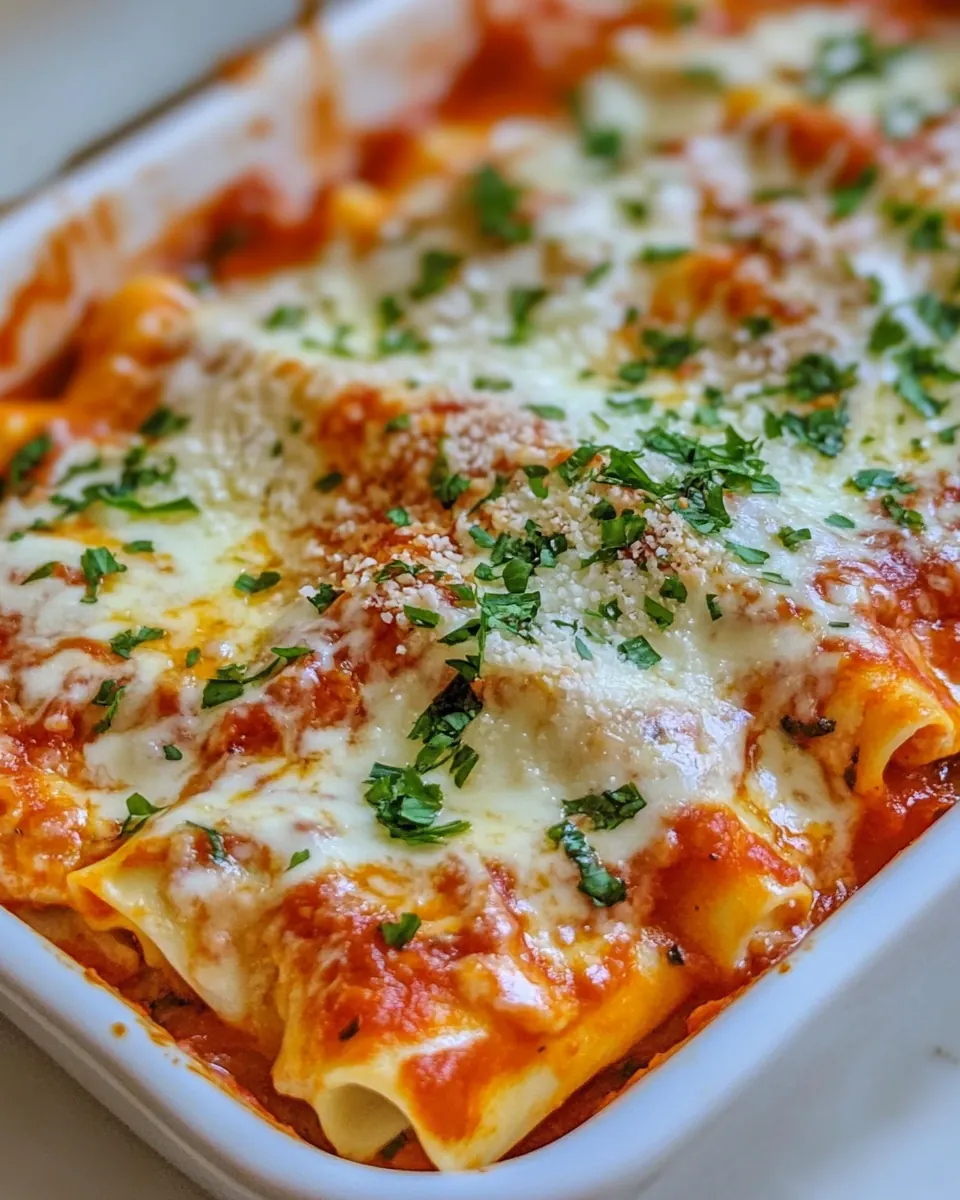
Manicotti Recipe
Manicotti Recipe has been one of those dishes that greets me like a warm hug whenever the oven timer dings and the kitchen fills with bubbling cheese and bright tomato aroma.
I first learned to make Manicotti Recipe on a rainy afternoon when I wanted something comforting but a little showy for family dinner. I remember the way the pasta felt slightly firm in my hand as I filled each tube, and how the ricotta mixture smelled of garlic and nutmeg while I hummed along to an old playlist. That meal turned into an evergreen request, and over the years I nudged the filling and sauce until it felt just right.
When friends ask why I make Manicotti Recipe instead of a simpler pasta, I tell them it is the ritual of filling and arranging, the way the sauce tucks into every seam, and the rewarding peel of golden cheese from the casserole dish. I love the balance of creamy ricotta cheese and stretchy mozzarella cheese, and I always pause to taste the sauce before it goes into the pan. It makes the whole experience feel intentional and homey.
Recipe Snapshot
1 hr 5 mins
30 mins
35 mins
Medium
400 kcal
Italian
Gluten-Free, Low FODMAP
Dinner
Large pot, 9×13 casserole dish, Mixing bowl, Piping bag or large zip bag, Colander
Why We Love This Manicotti Recipe
Generous Creamy Filling
The filling in this version of Manicotti Recipe is rich and comforting because of the blend of ricotta cheese, eggs, and a touch of nutmeg. I love how the eggs bind everything into a luscious texture that still stays light. This matters because it keeps the interior from becoming too dense after baking, and it yields that beautiful, slightly billowy bite when you fork into a piece.
Tomato Sauce That Sings
Adding a splash of heavy cream to the marinara sauce softens acidity while enriching mouthfeel. I often taste for brightness and just a hint of sweetness, which makes the sauce the perfect foil to the rich filling. We end up with complex, layered flavors without any single element overpowering the dish.
Make Ahead Friendly
I appreciate that Manicotti Recipe can be assembled in advance, saving the oven time for the day of serving. This flexibility means you can prep the filling, stuff the tubes, and refrigerate them covered overnight. On the day you bake, the pasta finishes gently in the sauce, and the results are even better when flavors have had time to settle.
Visual and Textural Contrast
The contrast between the tender pasta shells, the creamy interior, and the golden, slightly crisped top makes every forkful interesting. I like to use a mix of mozzarella cheese and parmesan cheese so you get that stretchy pull and savory, nutty finish. It looks beautiful on the table, which always earns a few approving smiles before anyone digs in.
Simple Techniques, Big Payoff
Despite feeling special, Manicotti Recipe relies on straightforward techniques: boiling pasta to barely al dente, mixing a balanced filling, and baking until bubbling. I enjoy the approachable nature of the steps because it invites cooks of different levels to try something impressive without intimidation.
Ingredients Required for Manicotti Recipe
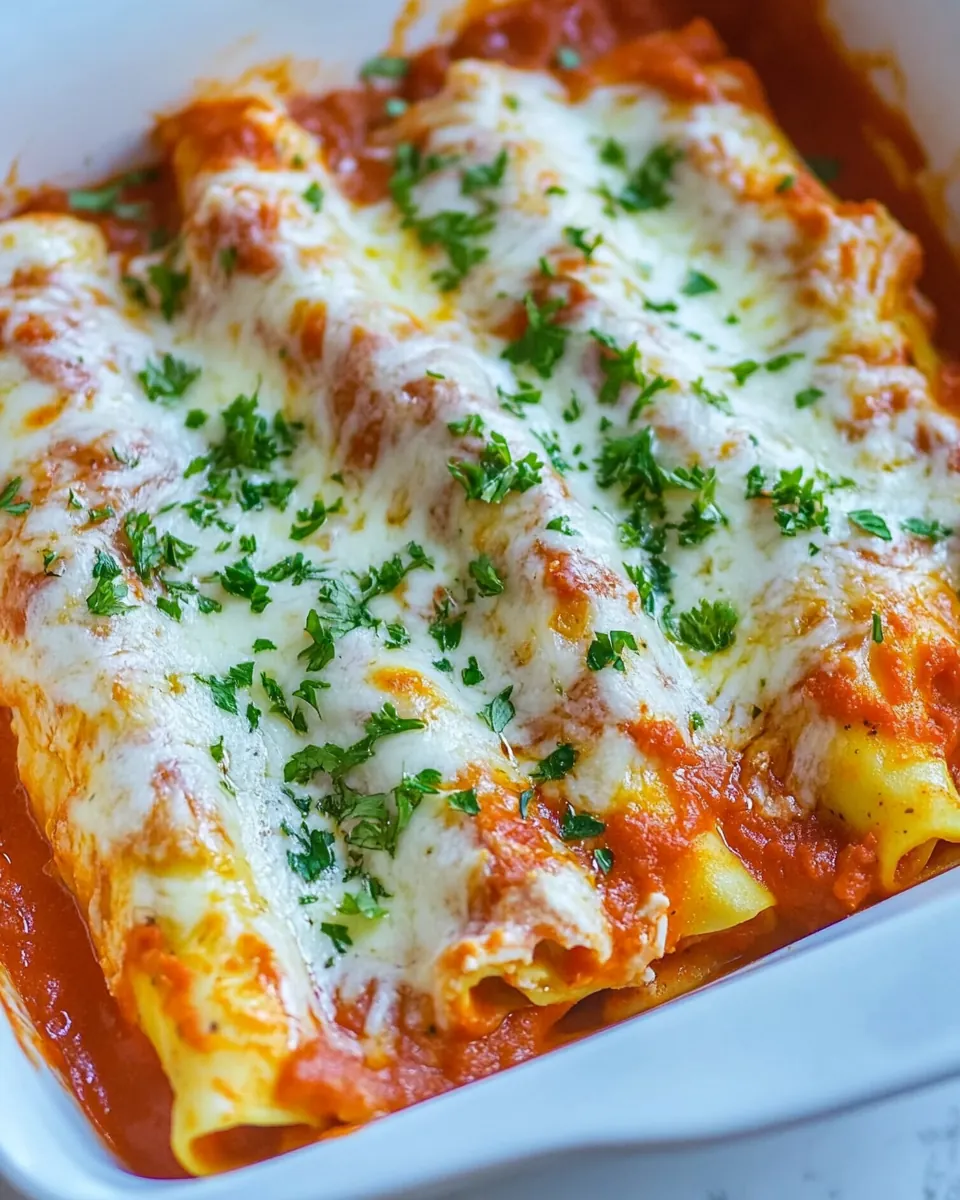
These ingredients build a classic stuffed pasta that leans into creamy textures and bright tomato flavor. The key players are the manicotti pasta for structure, the ricotta cheese and eggs for a silky filling, and the marinara sauce to bring acidity and warmth. Together they balance richness, tang, and fresh herb notes for a comforting casserole that slices neatly.
- 8 oz Manicotti Pasta, 14 ct: Cooked al dente and stuffed to hold filling without becoming mushy; tubular shape channels sauce and cheese for even distribution and attractive presentation.
- 3 cups Marinara Sauce, homemade or store-bought: Simmered to create a flavorful, saucy base that keeps the filling moist; can be homemade or store–bought depending on desired depth of flavor and time constraints.
- 1/4 cup heavy cream, (tones down acidity of marinara) (optional): Added optionally to mellow acidity and create a silkier sauce texture; gently warms into the marinara to enrich mouthfeel without overpowering the tomato flavor.
- 2 large eggs: Beaten and incorporated to bind the ricotta filling, add richness, and help the filling set during baking for a cohesive, sliceable interior.
- 24 oz whole milk ricotta cheese: Mixed with eggs and seasonings to form the creamy, substantial filling that provides tang and body; choose whole milk ricotta for a smoother, richer texture.
- 2 cups shredded mozzarella cheese, 8 oz block, divided: Shredded and divided between the filling and topping to provide meltiness, stretch, and a golden, bubbly finish when baked; adds mild, milky flavor.
- 1 cup freshly grated parmesan cheese, divided: Grated and divided to impart salty umami and sharpness; helps season the filling and contributes to a gratin-like crust when combined with mozzarella on top.
- 1/4 cup parsley, plus more for garnish: Chopped and folded into the filling and used as a garnish to add fresh herbal brightness and color that balances the richness of cheeses and sauce.
- 2 garlic clove, grated or pressed: Grated or pressed into the filling to infuse subtle pungency and aromatic depth; mellows when cooked and complements the tomato and cheese flavors.
- 3/4 tsp fine sea salt, plus more for pasta cooking water: Measured and mixed into the filling and pasta water to season uniformly; fine sea salt enhances all other flavors without leaving a coarse texture.
- 1/4 tsp freshly ground black pepper: Freshly ground to add a bright, slightly spicy note that contrasts richness; used sparingly to accentuate flavors without dominating the dish.
- 1/4 tsp grated nutmeg: Grated sparingly into the filling to add warm, aromatic complexity and a subtle nutty sweetness that lifts the creamy cheese mixture.
How to Cook Manicotti Recipe
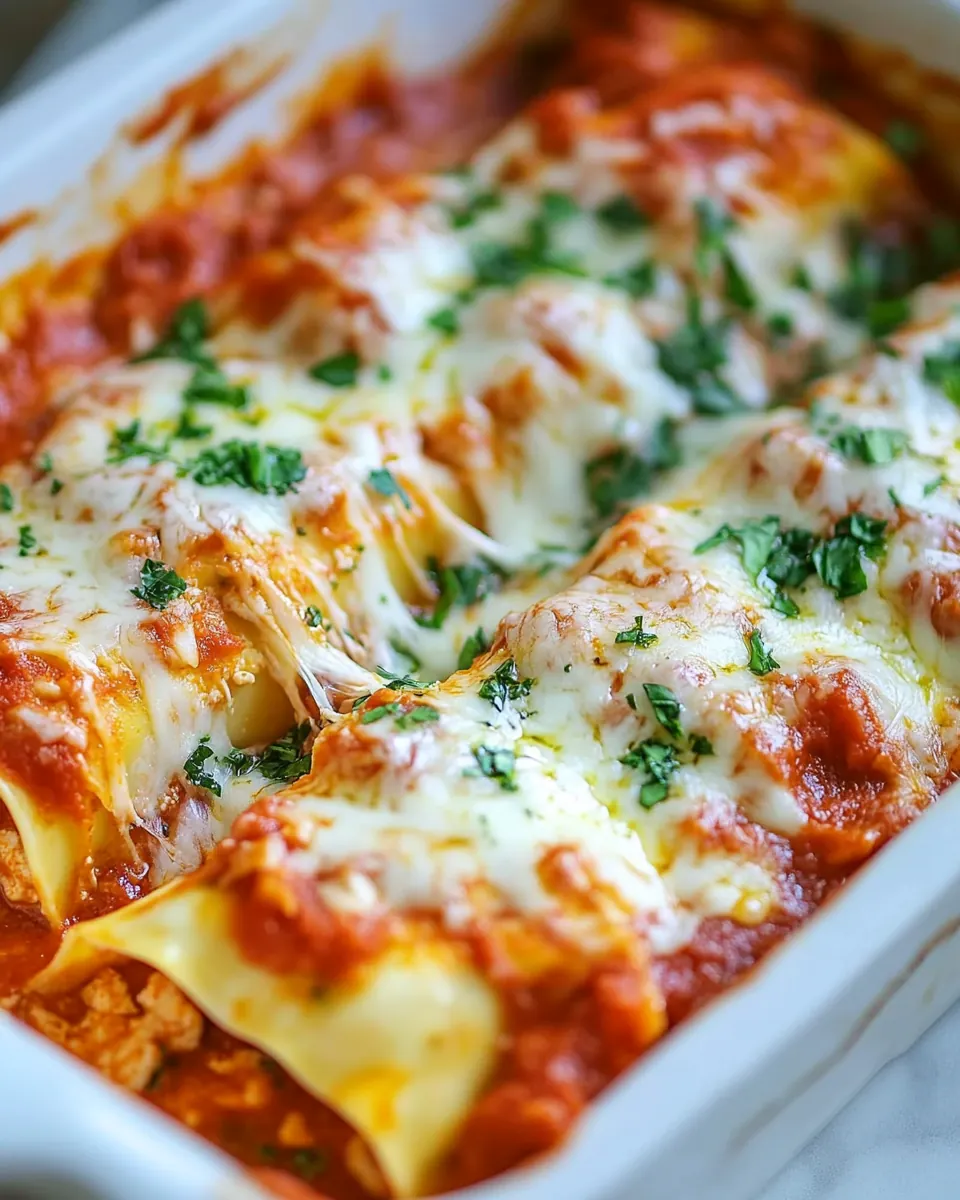
These steps will guide you from boiling the pasta to serving a bubbling, golden casserole. I like to stay nearby while the dish bakes so I can watch the cheese take on color and the sauce bubble politely at the edges. Now, follow each step closely and pay attention to the sensory cues I describe.
- Preheat the oven to 400 degrees. Bring a large pot of water to a rolling boil with about 2 Tbsp salt – add enough salt for it to taste like ocean water. Add pasta and cook until barely tender and extra al dente. I cooked for exactly 5 minutes. Remember it will continue cooking in the oven. Stir the pasta initially to prevent sticking. Drain pasta and immediately rinse under cold water to stop the cooking process then drain well.: When you step into the kitchen the warm oven air sets the tone, and preheating to 400 degrees ensures the casserole starts baking at the right intensity, promoting bubbling without drying out. You should feel an immediate sense of readiness as the temperature climbs. One reason this matters is that a properly preheated oven encourages even browning on the cheese top. A common mistake is placing the dish in a cold oven, which lengthens bake time and yields a soggier interior.
- Stir cream into your marinara then pour about 1 cup of this sauce into a 9×13 casserole dish and tilt the pan to spread around the bottom.: The water should roar as bubbles continuously break the surface, producing a lively boil that helps the pasta cook evenly. Salting the water is critical because it seasons the manicotti pasta from the inside out, improving the finished flavor. I always taste a tiny bit of the water to confirm it is properly salted. Over salting is the main pitfall here, so measure rather than guessing.
- In a large mixing bowl lightly beat 2 eggs then add ricotta, half of the mozzarella, half of the parmesan cheese, parsley, garlic, salt, tsp pepper, and nutmeg.: The pasta should feel firm under your bite, with a slightly resistant center, because it will finish cooking in the oven. You will notice a faint starchy bubble on the surface as the tubes soften but keep shape. Dig a single tube out to test; it should be pliable but not floppy. The error to avoid is overcooking, which leads to tearing while filling.
- Transfer the mixture to a piping bag with a large round tip or use a large zip bag and cut off a 3/4" corner for piping. Fill all of the manicotti pasta and arrange them in a single layer in the prepared casserole dish.: Five minutes was my personal benchmark for achieving that extra al dente texture, and the pasta will continue to soften in the sauce while baking. Use this as a guideline, checking earlier or later depending on your pasta brand and pot boil vigor. Visual cues like a slight translucence at the edges indicate doneness. Relying solely on the package time without tasting can cause inconsistency.
- Pour the remaining marinara over the top and top with the remaining mozzarella and parmesan. Cover with foil and bake covered for 25 minutes then uncover and bake another 10 minutes until cheese is melted and golden. Let stand 5 minutes before serving. Garnish with more parsley and serve.: Once the tubes are placed in the sauce, residual heat and the oven will finish them, so plan your boiling time with that in mind. This carryover cooking brings the filling and pasta into harmony, creating a seamless texture. The danger is to assume the pasta is fully done after boiling, which can result in mushy outcomes after prolonged baking.
- Stir the pasta initially to prevent sticking: As soon as the manicotti pasta hits the water, stir gently to keep the tubes separate and avoid clumping. You will hear a soft clatter as they move, and visually you want distinct tubes rather than a glued cluster. Stirring for the first minute or two prevents the common issue of sticky pasta that is difficult to separate later.
- Drain pasta and immediately rinse under cold water to stop the cooking process then drain well: The cold rinse halts residual heat, locking in the slightly underdone texture needed for stuffing, and it makes the tubes easier to handle without scalding your fingers. After rinsing, let the tubes sit in a colander to shed excess water, which prevents the filling from becoming watered down. Be cautious not to let them sit too long where they might dry and crack when filled.
- Stir cream into your marinara then pour about 1 cup of this sauce into a 9×13 casserole dish and tilt the pan to spread around the bottom: The sauce should become velvety and slightly paler as the heavy cream incorporates, and pouring a thin base layer cushions the tubes and prevents sticking. Tilt the pan to coat evenly so each manicotti receives support and sauce contact on the bottom. A common mistake is skimping on this base, which can cause pieces at the bottom to bake dry.
- In a large mixing bowl lightly beat 2 eggs then add ricotta, half of the mozzarella, half of the parmesan cheese, parsley, garlic, salt, tsp pepper, and nutmeg: As you fold these components the mixture should feel creamy and cohesive, with herb flecks visible and a fragrant hint of garlic . The eggs and cheeses create a tender, slightly set filling after baking, while the spices unify flavors. If the filling seems watery, briefly blot the ricotta to remove excess moisture; watery filling can lead to a loose interior.
- Transfer the mixture to a piping bag with a large round tip or use a large zip bag and cut off a 3/4" corner for piping: Using a piping method gives you controlled, clean filling that reduces mess and helps you fill the tubes evenly. As you squeeze, you will feel gentle resistance as the filling flows, and you can monitor fill level through the bag. Without a piping bag, overstuffing or uneven distribution is a frequent problem, so cut a measured corner if using a zip bag.
- Fill all of the manicotti pasta and arrange them in a single layer in the prepared casserole dish: When you set each tube side by side, the pan begins to look inviting as the first glossy rows appear; spacing evenly helps heat circulate while baking. You should feel each tube support its neighbor slightly, creating a compact but not overcrowded surface. If the tubes are not arranged flat or overlap, some may cook unevenly or split during baking.
- Pour the remaining marinara over the top and top with the remaining mozzarella and parmesan: The sauce should nestle into crevices and the cheese should blanket the surface, creating a uniform layer that will bubble and brown attractively. Listen for a soft sizzle as the sauce hits the warm pasta if the pan is still warm. A common oversight is using too much sauce on top which can drown the cheese and prevent browning.
- Cover with foil and bake covered for 25 minutes then uncover and bake another 10 minutes until cheese is melted and golden: Covered baking allows the filling to set without excessive evaporation, while uncovering at the end creates the appealing golden top and slight crisp. You will see steam escape when you remove the foil and then watch the cheese progress from creamy to mottled golden. Baking too long uncovered can dry the edges, so remove the foil only for the final browning stage.
- Let stand 5 minutes before serving: Resting lets the filling settle and makes slicing cleaner, with the hot steam calming down so flavors meld. The casserole will still be warm, but firmer, making it easier to plate neat portions. Cutting into it immediately can cause the filling to ooze and lose structure, so patience yields the best presentation.
- Garnish with more parsley and serve: A sprinkle of fresh parsley lifts aroma and adds a cheerful green contrast to the golden top. The herb aroma is bright and herbaceous against the rich cheeses, and it signals freshness on the plate. Avoid adding delicate garnishes too early, as prolonged oven time will wilt them.
Make It Your Own
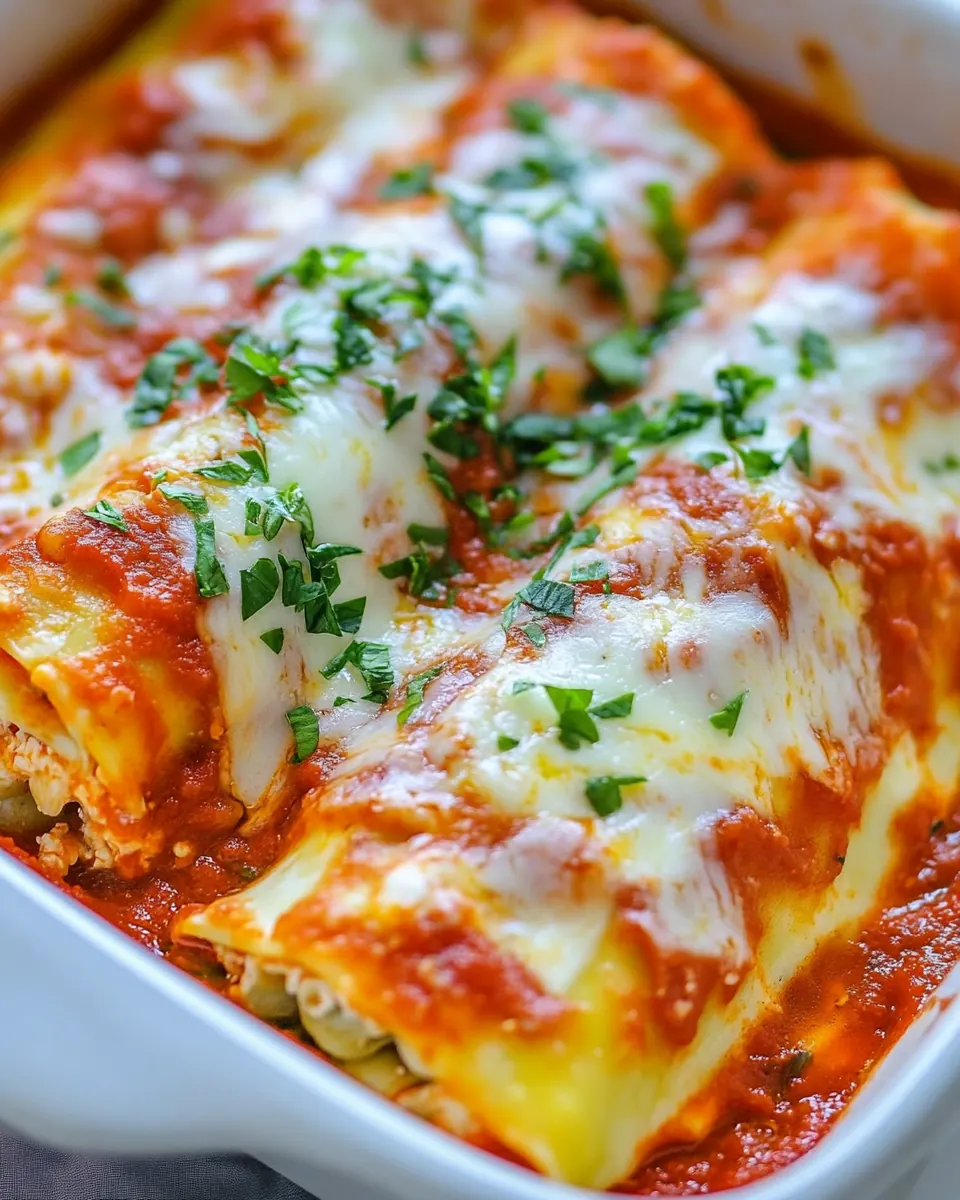
I like to personalize recipes in small ways that make a big difference at the table. These tips will help you adapt Manicotti Recipe while keeping the soul of the dish intact.
- Add Protein Thoughtfully Try the suggestion in the notes if you want more heft, using a richer meat sauce carefully seasoned so it complements, not overpowers, the cheeses.
- Adjust Sauce Consistency If your marinara sauce is thin, simmer it briefly to concentrate flavors, or add the heavy cream to give body without muting brightness.
- Cheese Layering Layering half the cheese inside and the rest on top creates both creamy bites and a satisfying browned crust, balancing texture and flavor.
- Parsley For Freshness Add chopped parsley to the filling and as a garnish to brighten the rich profile and provide color contrast.
- Make Ahead Strategy Assemble and cover the casserole the day before, refrigerate, and bake on the day of serving; this enhances flavor melding and eases timing stress.
Perfect Matches for Manicotti Recipe
Manicotti Recipe pairs wonderfully with simple sides and makes a lovely centerpiece for family meals and small celebrations. I like to think about balancing textures and flavors so the meal feels cohesive. Below are serving ideas, pairing suggestions, and storage notes to help you plan an inviting menu.
- Light Green Salad A crisp salad with a tangy vinaigrette cuts the richness and refreshes the palate between bites of cheesy pasta.
- Garlic Bread or Baguette Warm bread is perfect for sopping up extra sauce, adding a crunchy counterpoint to the soft manicotti.
- Roasted Vegetables Oven roasted seasonal vegetables offer a caramelized, savory side that complements the creamy filling.
- Occasions This dish works for cozy family dinners, weekend gatherings, or holiday meals where you want something comforting and slightly celebratory.
- Storage Tips Refrigerate leftovers covered for up to three days. Reheat gently in the oven to preserve texture and avoid microwave sogginess.
- Seasonal Pairings In cooler months, pair with roasted squash or a warm soup. In milder seasons, accent with a bright herb salad to lighten the plate.
FAQ
Conclusion
What makes this Manicotti Recipe special is the harmony between creamy ricotta filling, balanced marinara, and a golden, cheesy top that invites sharing. Give it a try when you want a comforting meal that feels a little festive without fuss. I hope you enjoy the process of filling each tube and watching the casserole transform in the oven, and that it becomes a dish you return to for family dinners and gatherings.
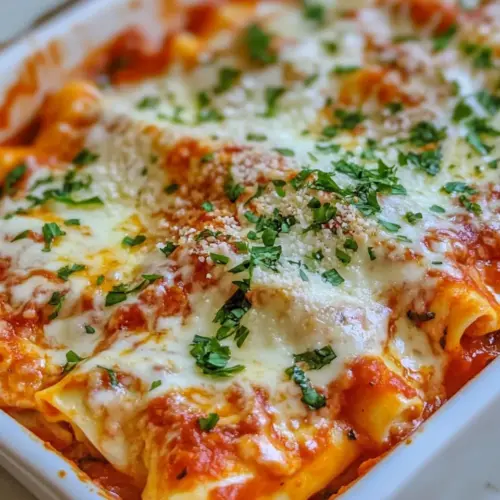
Manicotti Recipe
Equipment
- Large Pot
- 9x13 casserole dish
- Mixing Bowl
- Piping bag or large zip bag
- Colander
Ingredients
- 8 oz Manicotti Pasta, 14 ct Cooked al dente and stuffed to hold filling without becoming mushy; tubular shape channels sauce and cheese for even distribution and attractive presentation.
- 3 cups Marinara Sauce, homemade or store-bought Simmered to create a flavorful, saucy base that keeps the filling moist; can be homemade or store-bought depending on desired depth of flavor and time constraints.
- 1/4 cup heavy cream, optional (tones down acidity of marinara) Added optionally to mellow acidity and create a silkier sauce texture; gently warms into the marinara to enrich mouthfeel without overpowering the tomato flavor.
- 2 large eggs Beaten and incorporated to bind the ricotta filling, add richness, and help the filling set during baking for a cohesive, sliceable interior.
- 24 oz whole milk ricotta cheese Mixed with eggs and seasonings to form the creamy, substantial filling that provides tang and body; choose whole milk ricotta for a smoother, richer texture.
- 2 cups shredded mozzarella cheese, 8 oz block, divided Shredded and divided between the filling and topping to provide meltiness, stretch, and a golden, bubbly finish when baked; adds mild, milky flavor.
- 1 cup freshly grated parmesan cheese, divided Grated and divided to impart salty umami and sharpness; helps season the filling and contributes to a gratin-like crust when combined with mozzarella on top.
- 1/4 cup parsley, plus more for garnish Chopped and folded into the filling and used as a garnish to add fresh herbal brightness and color that balances the richness of cheeses and sauce.
- 2 garlic clove, grated or pressed Grated or pressed into the filling to infuse subtle pungency and aromatic depth; mellows when cooked and complements the tomato and cheese flavors.
- 3/4 tsp fine sea salt, plus more for pasta cooking water Measured and mixed into the filling and pasta water to season uniformly; fine sea salt enhances all other flavors without leaving a coarse texture.
- 1/4 tsp freshly ground black pepper Freshly ground to add a bright, slightly spicy note that contrasts richness; used sparingly to accentuate flavors without dominating the dish.
- 1/4 tsp grated nutmeg Grated sparingly into the filling to add warm, aromatic complexity and a subtle nutty sweetness that lifts the creamy cheese mixture.
Instructions
- Preheat the oven to 400 degrees. Bring a large pot of water to a rolling boil with about 2 Tbsp salt – add enough salt for it to taste like ocean water. Add pasta and cook until barely tender and extra al dente. I cooked for exactly 5 minutes. Remember it will continue cooking in the oven. Stir the pasta initially to prevent sticking. Drain pasta and immediately rinse under cold water to stop the cooking process then drain well.: When you step into the kitchen the warm oven air sets the tone, and preheating to 400 degrees ensures the casserole starts baking at the right intensity, promoting bubbling without drying out. You should feel an immediate sense of readiness as the temperature climbs. One reason this matters is that a properly preheated oven encourages even browning on the cheese top. A common mistake is placing the dish in a cold oven, which lengthens bake time and yields a soggier interior.
- Stir cream into your marinara then pour about 1 cup of this sauce into a 9×13 casserole dish and tilt the pan to spread around the bottom.: The water should roar as bubbles continuously break the surface, producing a lively boil that helps the pasta cook evenly. Salting the water is critical because it seasons the manicotti pasta from the inside out, improving the finished flavor. I always taste a tiny bit of the water to confirm it is properly salted. Over salting is the main pitfall here, so measure rather than guessing.
- In a large mixing bowl lightly beat 2 eggs then add ricotta, half of the mozzarella, half of the parmesan cheese, parsley, garlic, salt, tsp pepper, and nutmeg.: The pasta should feel firm under your bite, with a slightly resistant center, because it will finish cooking in the oven. You will notice a faint starchy bubble on the surface as the tubes soften but keep shape. Dig a single tube out to test; it should be pliable but not floppy. The error to avoid is overcooking, which leads to tearing while filling.
- Transfer the mixture to a piping bag with a large round tip or use a large zip bag and cut off a 3/4" corner for piping. Fill all of the manicotti pasta and arrange them in a single layer in the prepared casserole dish.: Five minutes was my personal benchmark for achieving that extra al dente texture, and the pasta will continue to soften in the sauce while baking. Use this as a guideline, checking earlier or later depending on your pasta brand and pot boil vigor. Visual cues like a slight translucence at the edges indicate doneness. Relying solely on the package time without tasting can cause inconsistency.
- Pour the remaining marinara over the top and top with the remaining mozzarella and parmesan. Cover with foil and bake covered for 25 minutes then uncover and bake another 10 minutes until cheese is melted and golden. Let stand 5 minutes before serving. Garnish with more parsley and serve.: Once the tubes are placed in the sauce, residual heat and the oven will finish them, so plan your boiling time with that in mind. This carryover cooking brings the filling and pasta into harmony, creating a seamless texture. The danger is to assume the pasta is fully done after boiling, which can result in mushy outcomes after prolonged baking.
- Stir the pasta initially to prevent sticking: As soon as the manicotti pasta hits the water, stir gently to keep the tubes separate and avoid clumping. You will hear a soft clatter as they move, and visually you want distinct tubes rather than a glued cluster. Stirring for the first minute or two prevents the common issue of sticky pasta that is difficult to separate later.
- Drain pasta and immediately rinse under cold water to stop the cooking process then drain well: The cold rinse halts residual heat, locking in the slightly underdone texture needed for stuffing, and it makes the tubes easier to handle without scalding your fingers. After rinsing, let the tubes sit in a colander to shed excess water, which prevents the filling from becoming watered down. Be cautious not to let them sit too long where they might dry and crack when filled.
- Stir cream into your marinara then pour about 1 cup of this sauce into a 9×13 casserole dish and tilt the pan to spread around the bottom: The sauce should become velvety and slightly paler as the heavy cream incorporates, and pouring a thin base layer cushions the tubes and prevents sticking. Tilt the pan to coat evenly so each manicotti receives support and sauce contact on the bottom. A common mistake is skimping on this base, which can cause pieces at the bottom to bake dry.
- In a large mixing bowl lightly beat 2 eggs then add ricotta, half of the mozzarella, half of the parmesan cheese, parsley, garlic, salt, tsp pepper, and nutmeg: As you fold these components the mixture should feel creamy and cohesive, with herb flecks visible and a fragrant hint of garlic . The eggs and cheeses create a tender, slightly set filling after baking, while the spices unify flavors. If the filling seems watery, briefly blot the ricotta to remove excess moisture; watery filling can lead to a loose interior.
- Transfer the mixture to a piping bag with a large round tip or use a large zip bag and cut off a 3/4" corner for piping: Using a piping method gives you controlled, clean filling that reduces mess and helps you fill the tubes evenly. As you squeeze, you will feel gentle resistance as the filling flows, and you can monitor fill level through the bag. Without a piping bag, overstuffing or uneven distribution is a frequent problem, so cut a measured corner if using a zip bag.
- Fill all of the manicotti pasta and arrange them in a single layer in the prepared casserole dish: When you set each tube side by side, the pan begins to look inviting as the first glossy rows appear; spacing evenly helps heat circulate while baking. You should feel each tube support its neighbor slightly, creating a compact but not overcrowded surface. If the tubes are not arranged flat or overlap, some may cook unevenly or split during baking.
- Pour the remaining marinara over the top and top with the remaining mozzarella and parmesan: The sauce should nestle into crevices and the cheese should blanket the surface, creating a uniform layer that will bubble and brown attractively. Listen for a soft sizzle as the sauce hits the warm pasta if the pan is still warm. A common oversight is using too much sauce on top which can drown the cheese and prevent browning.
- Cover with foil and bake covered for 25 minutes then uncover and bake another 10 minutes until cheese is melted and golden: Covered baking allows the filling to set without excessive evaporation, while uncovering at the end creates the appealing golden top and slight crisp. You will see steam escape when you remove the foil and then watch the cheese progress from creamy to mottled golden. Baking too long uncovered can dry the edges, so remove the foil only for the final browning stage.
- Let stand 5 minutes before serving: Resting lets the filling settle and makes slicing cleaner, with the hot steam calming down so flavors meld. The casserole will still be warm, but firmer, making it easier to plate neat portions. Cutting into it immediately can cause the filling to ooze and lose structure, so patience yields the best presentation.
- Garnish with more parsley and serve: A sprinkle of fresh parsley lifts aroma and adds a cheerful green contrast to the golden top. The herb aroma is bright and herbaceous against the rich cheeses, and it signals freshness on the plate. Avoid adding delicate garnishes too early, as prolonged oven time will wilt them.
Notes
- Add Protein Thoughtfully Try the suggestion in the notes if you want more heft, using a richer meat sauce carefully seasoned so it complements, not overpowers, the cheeses.
- Adjust Sauce Consistency If your marinara sauce is thin, simmer it briefly to concentrate flavors, or add the heavy cream to give body without muting brightness.
- Cheese Layering Layering half the cheese inside and the rest on top creates both creamy bites and a satisfying browned crust, balancing texture and flavor.
- Parsley For Freshness Add chopped parsley to the filling and as a garnish to brighten the rich profile and provide color contrast.
- Make Ahead Strategy Assemble and cover the casserole the day before, refrigerate, and bake on the day of serving; this enhances flavor melding and eases timing stress.
